6 Hideaway Desk Ideas That Actually Save Your Space

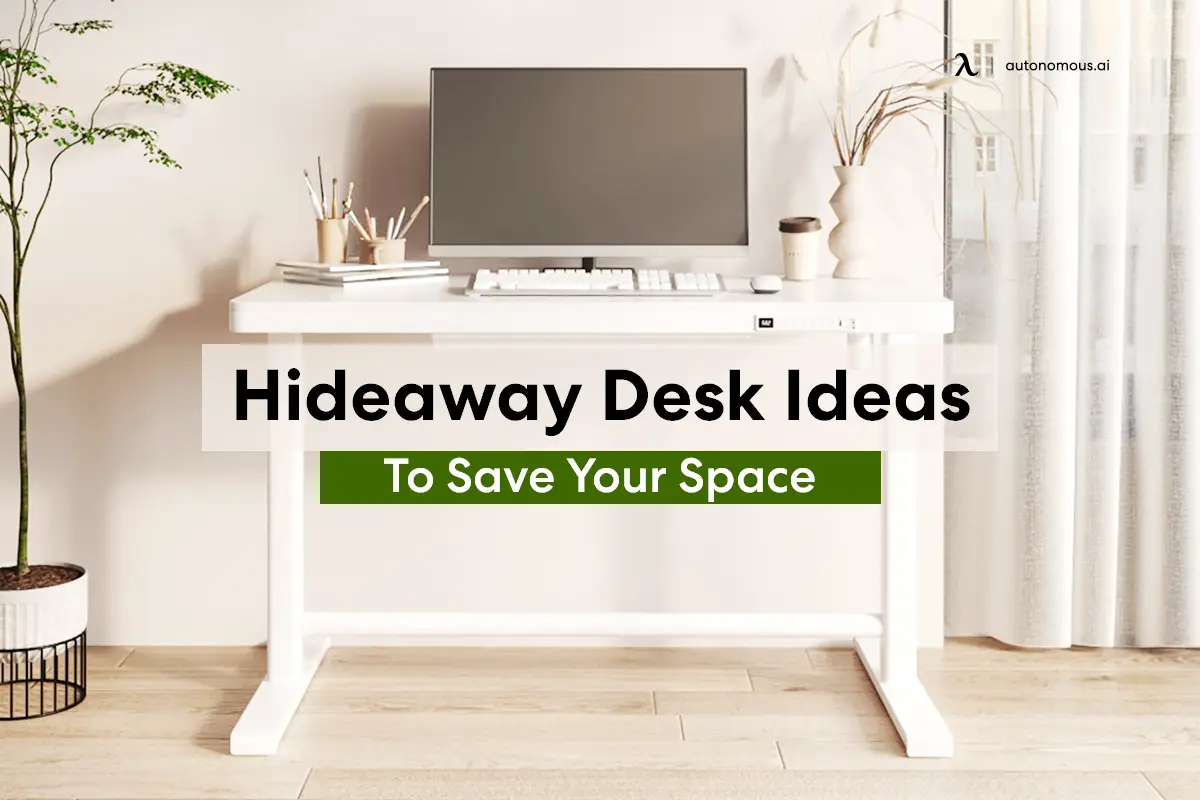
Your home wasn't designed to look like an office. But for millions of remote workers, the home office desk never quite goes away - it sits there through dinner, movie night, and weekends, quietly blurring the line between work and everything else.
A hideaway desk solves that tension. It gives you a real workspace when you need one and vanishes when you don't, so your living room stays a living room. This guide breaks down every type, how to choose the right one, and five solid options to start with.
Best Hideaway Desk Ideas for Every Space
1. Mount a Fold-Down Desk on a Dead Wall
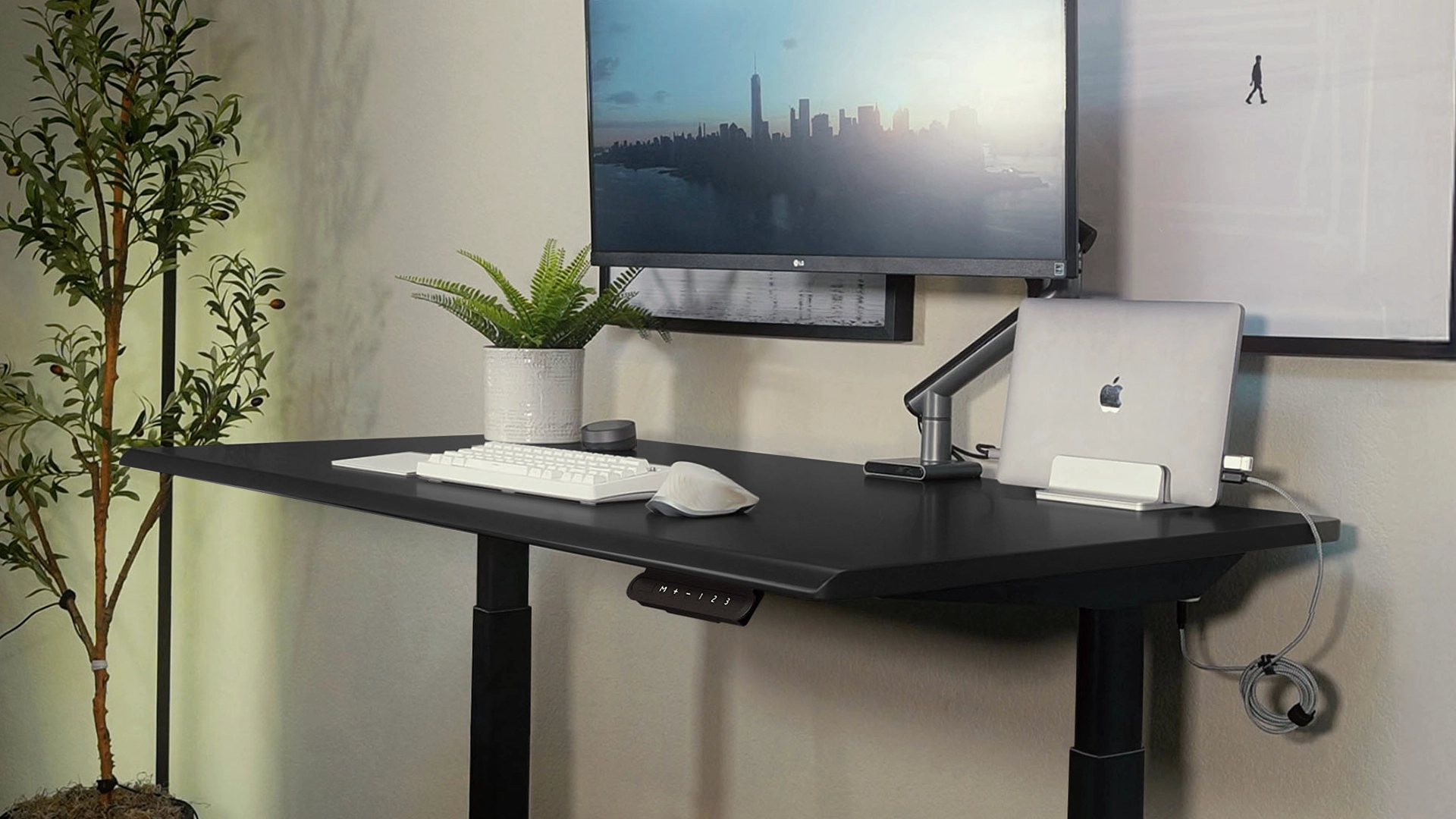
Every home has at least one wall doing nothing - a hallway stretch, the blank side of a bedroom, the gap between two windows. A wall-mounted fold-down desk turns that dead surface into a workspace that closes to just 4 to 7 inches flat.
The key is choosing the right wall, not just any wall. You need stud access for anchoring, a power outlet within cable reach, and enough clearance for a chair when the desk is open - roughly 20 to 30 inches of clear floor in front. Hallways wider than 5 feet work surprisingly well. So does the wall beside a bed that currently holds nothing but a print you never look at.
For laptop-only setups, a basic fold-down in the $50–$150 range handles the job. If you want to dock an external monitor, look for integrated systems with built-in power routing and monitor arms - these fold the entire setup flat as one unit, so nothing stays on the wall when you're done.
One detail most buyers overlook: hinge quality. Soft-close or gas-piston hinges let you open and close the desk quietly and one-handed. Cheaper friction hinges slam, loosen over time, and eventually sag. It's worth paying more for the mechanism alone.
2. Turn a Cabinet or Armoire Into a Closed-Door Office
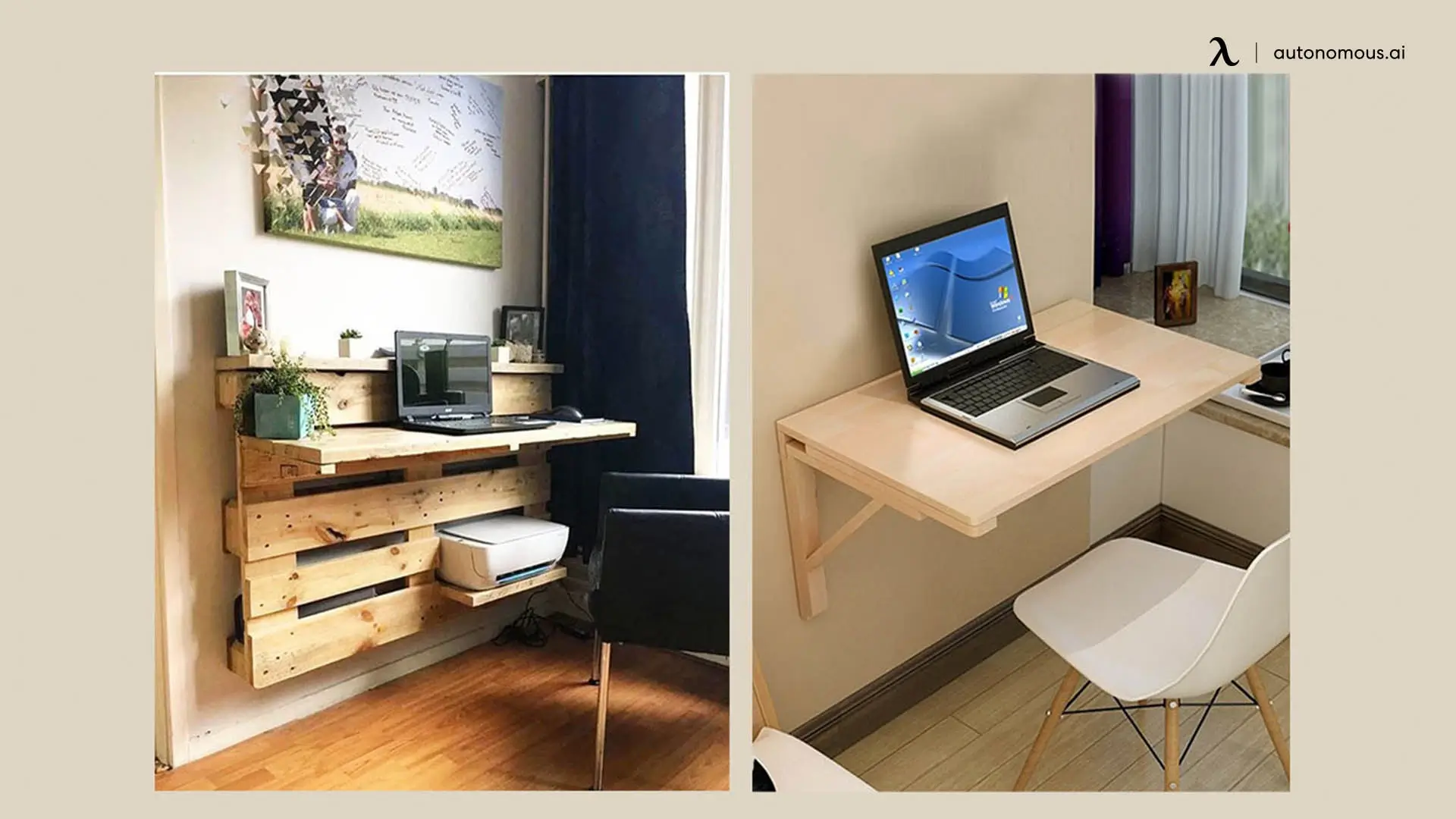
If you have floor space for a bookshelf, you have floor space for a hideaway desk cabinet that conceals your entire workstation behind closed doors. This is the most storage-rich hideaway idea on the list and the only one that comfortably houses a dual monitor setup without compromise.
The simplest version: a purpose-built armoire desk with cubbyholes, a pull-out keyboard tray, file drawers, and cable grommets pre-installed. Open the doors in the morning, close them at night. Everything from your laptop to your sticky notes stays inside.
The more personal version: convert a wardrobe or freestanding cabinet you already own. Remove one shelf to create desk-surface height (28 to 30 inches from the floor), add a cut-to-size board as the work surface, run a power strip through a hole drilled in the back panel, and use the remaining shelves for storage above. Total conversion cost can sit under $75 if the cabinet is already in your home.
The one thing to plan for is heat. A closed cabinet with a running laptop and charger warms up noticeably. Leave the doors open while working, or drill a few ventilation holes near the back panel to let air circulate.
3. Set Up a Folding Desk You Can Stow Anywhere
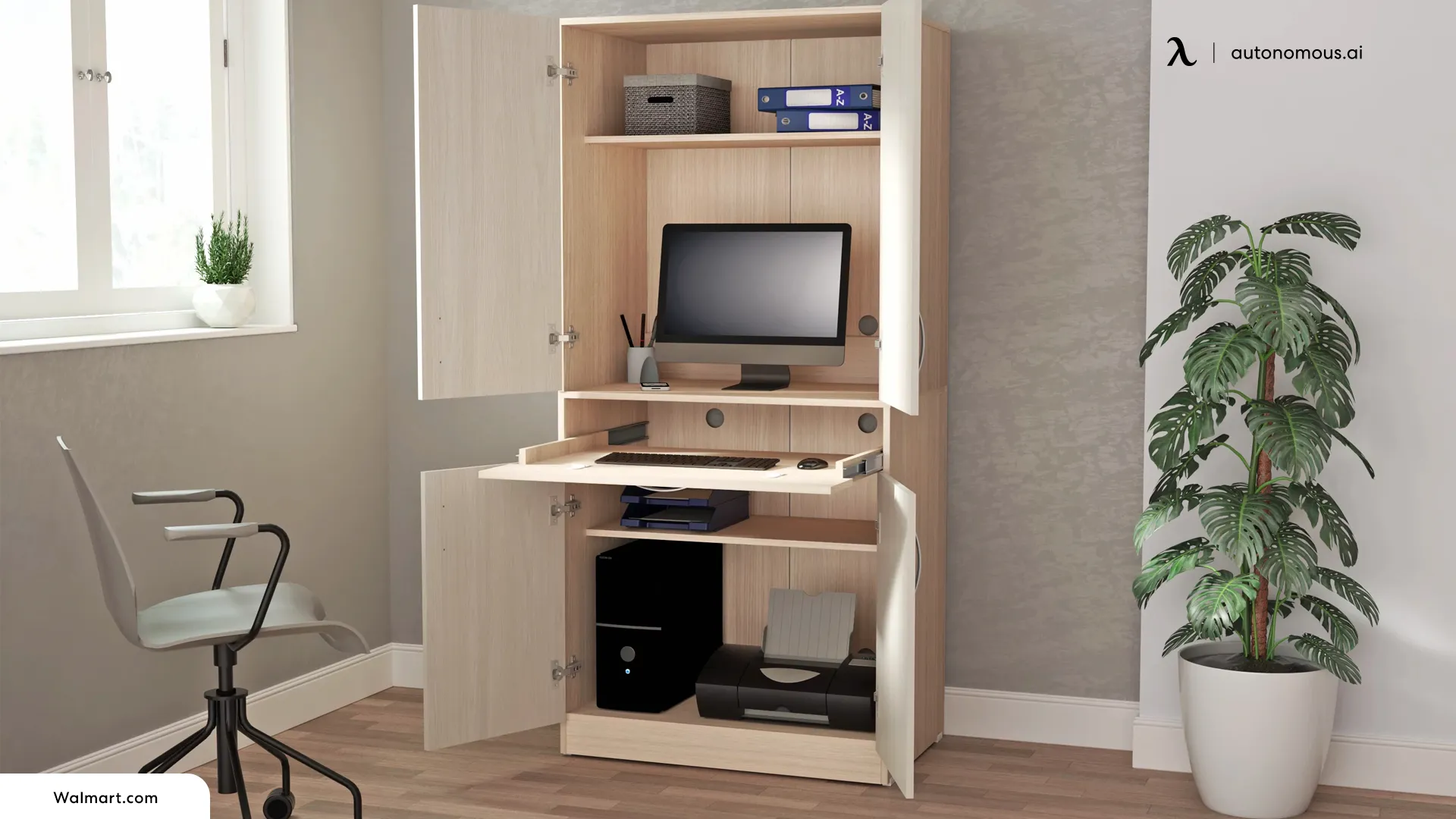
No walls to drill, no furniture to modify. A freestanding folding desk lives in a closet, behind a door, or flat against a wall - and sets up in the time it takes to unfold a chair.
This is the most honest hideaway desk ideas for renters. Flat-fold desks collapse into a slab a few inches thick. Drop-leaf designs keep a narrow center frame standing while the side panels fold down, giving you a slim console between work sessions without a full teardown.
Where you stow it matters as much as the desk itself. A dedicated spot - the back of a closet door, a gap beside the fridge, the space behind a sofa - prevents the desk from becoming a homeless object that migrates around the apartment. Pair it with a folding chair or a stool that stores flat, and the entire workspace footprint goes to zero when off duty.
Material is the dividing line between a real workstation and a wobbly frustration. Bamboo and solid hardwood frames stay rigid. Anything hollow-core or under 15 pounds is almost certainly too flimsy for daily use.
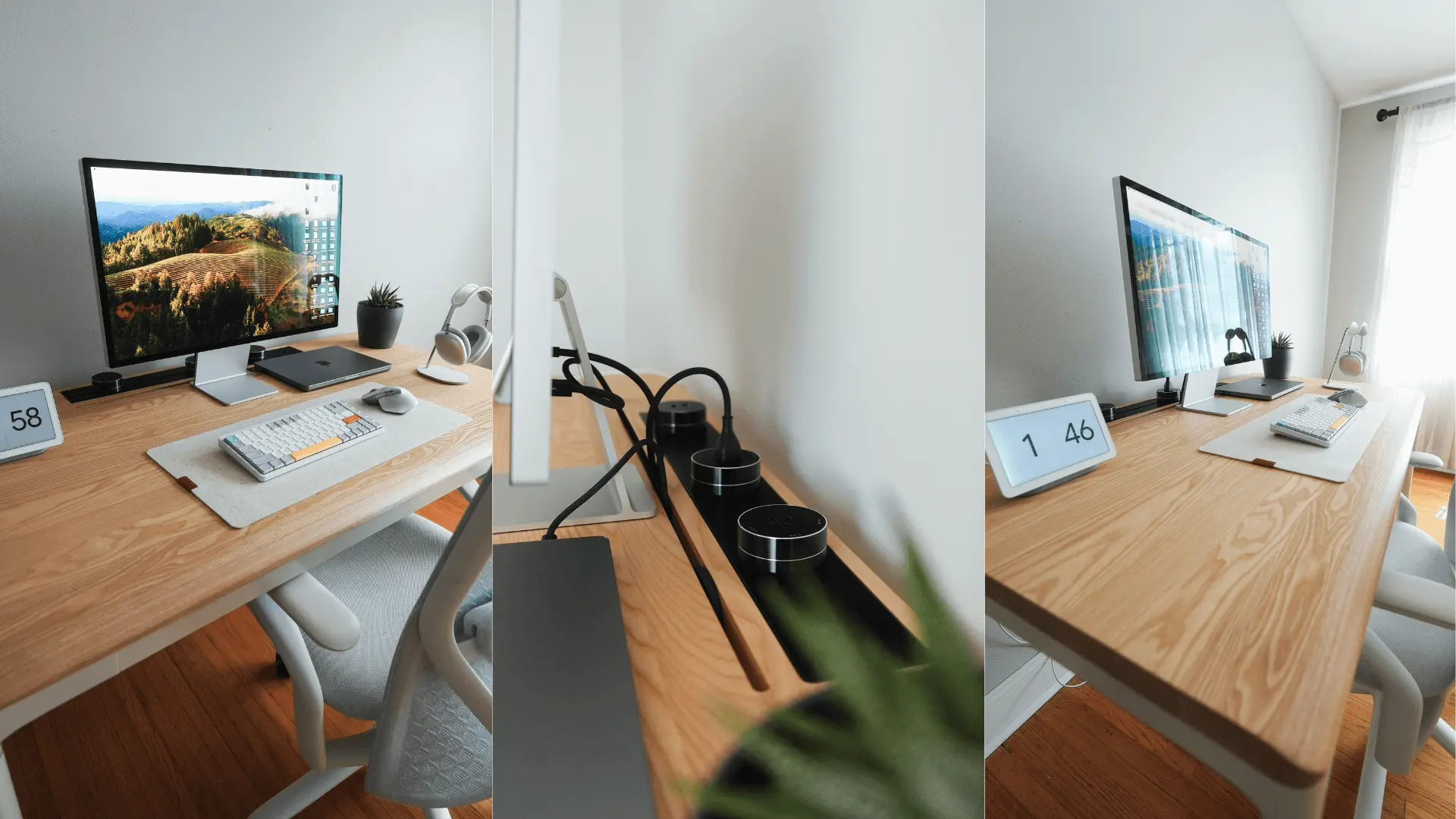
4. Convert a Closet or Alcove Into a Hidden Workspace
The closet office - sometimes called a "cloffice" - has become one of the most popular hideaway desk ideas for homeowners with a spare reach-in closet that's collecting coats nobody wears.
A standard reach-in closet (24 inches deep, 36 to 48 inches wide) is all you need. Remove the hanging rod, install a shelf or desktop at 28 to 30 inches from the floor, add a wall-mounted light above, and run a power strip from the nearest outlet. Close the existing closet doors when work is done, and the office is fully invisible.
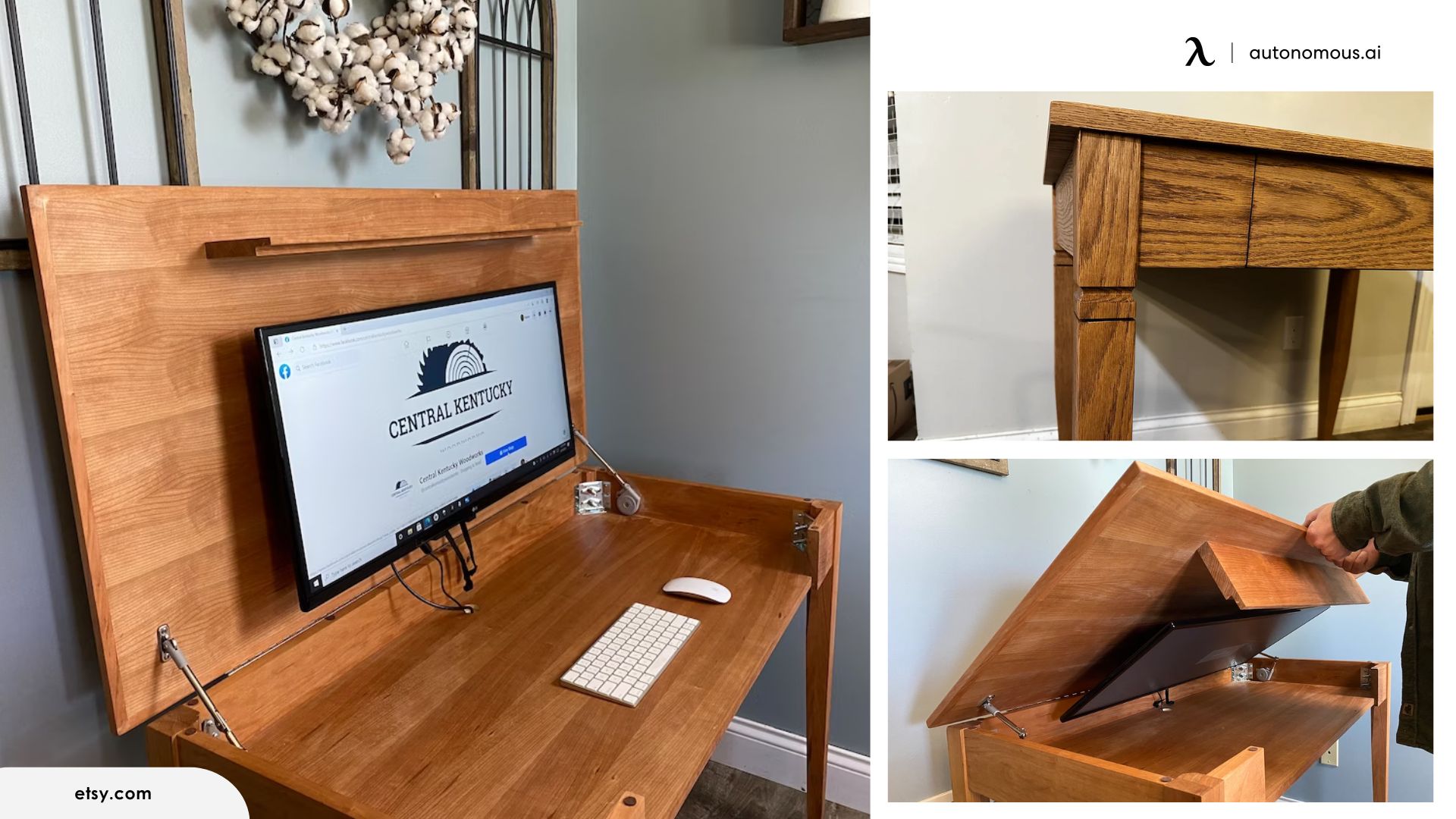
Bedroom alcoves and under-stair nooks follow the same principle with different geometry. Alcoves are usually open, so adding a curtain on a tension rod or installing bifold doors creates the concealment layer. Under-stair spaces offer more character but variable ceiling height - measure at your seated head position, not at the tallest point of the opening, to confirm you won't be hunching.
The problem nobody mentions until after setup: heat and airflow. A closed closet with a running laptop and a monitor generates enough warmth to become uncomfortable within an hour. Keep the doors cracked while working, or mount a small USB fan to move air. Pocket doors are ideal here - they slide fully open during work hours and close completely after, without swinging into the room.
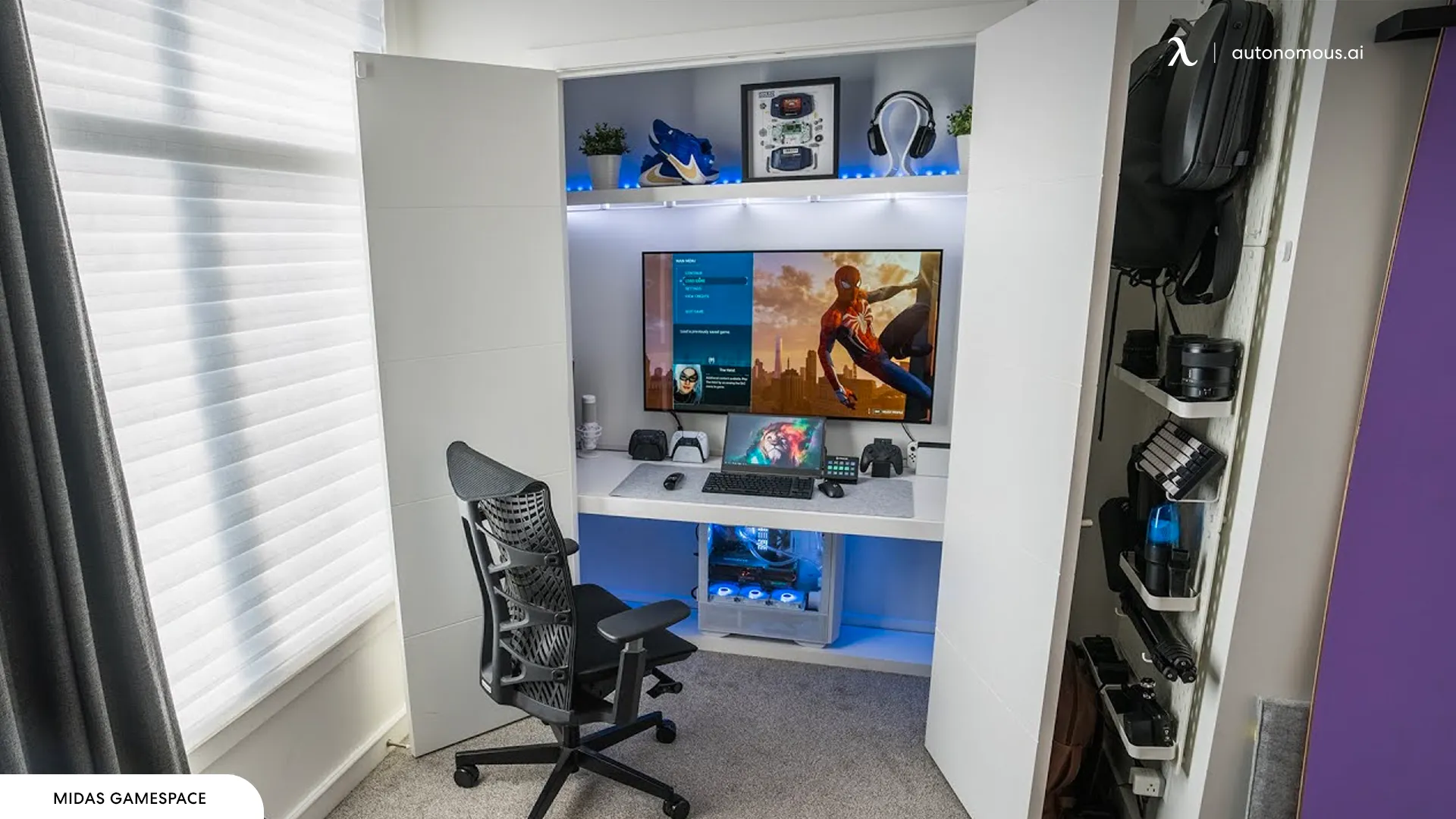
5. Let the Desk Disappear Without Actually Hiding It
Sometimes concealment isn't about doors or hinges - it's about context. A desk that doesn't look or feel like a desk blends into a room without needing to fold, slide, or close.
The easiest version: place a slim console table behind your sofa. At standing height, it reads as a display surface - books, a lamp, a plant. Pull up a stool, and it's a workspace with your back to the couch and your eyes toward the wall. When work ends, the stool tucks away, and the console goes back to being decor. No transformation required.
Secretary desks offer a slightly more deliberate version. The hinged writing surface flips down to expose small compartments and a work area, then closes back into what looks like a narrow chest. It's a furniture form that's been solving this exact problem for centuries - and modern updates in walnut, matte white, or oak keep it from reading as your grandmother's antique.
The most subtle approach is color camouflage. Choose or paint a desk in the exact shade of the wall behind it. When the surface, legs, and wall share one color, the desk loses its visual weight entirely. This works especially well in rooms with a strong wall color - the desk setup becomes part of the architecture rather than a separate object in the space.
FAQs
What is a hideaway desk called?
A hideaway desk can also be called a fold-down desk, wall-mounted desk, cabinet desk, secretary desk, or cloffice desk, depending on its design. All refer to desks that can be concealed, folded, or blended into furniture when work is done.
What is a hidden desk?
A hidden desk, often called a hideaway desk, is a workspace designed to disappear when not in use. It may fold into a wall, slide into furniture, close behind cabinet doors, or tuck inside a closet to keep work visually separate from living space.
Are hideaway desks worth buying?
Yes, a hideaway desk is worth buying if you work from a shared or small space and want clear separation between work and life. It helps reduce visual clutter, reclaim floor space, and mentally “switch off” after work without sacrificing a functional setup.
What is the difference between a hideaway desk and a folding desk?
A hideaway desk fully conceals the workspace when closed, often blending into walls, cabinets, or closets. A folding desk usually collapses for storage but remains visible as a desk when set up.
Is a wall-mounted hideaway desk sturdy enough for daily work?
A wall-mounted hideaway desk is sturdy for daily laptop work if it’s anchored into wall studs and rated for the load. For heavier setups, look for models with steel frames, gas-piston hinges, or integrated supports.
Can a hideaway desk hold a monitor?
Some hideaway desks can hold a monitor, but most basic fold-down models are laptop-only. If you need a screen, choose a hideaway desk cabinet, closet setup, or a wall system with a built-in monitor arm.
How much space do you need for a hideaway desk?
Most hideaway desks need 20–30 inches of clear floor space when open to sit comfortably. Wall-mounted models also require 4–7 inches of wall depth when closed, while cabinets need standard bookshelf floor space.
Do hideaway desks have storage?
Many hideaway desks include shelves, drawers, or cubbies to store office supplies. Cabinet and armoire hideaway desks offer the most storage, while slim wall-mounted versions are more minimal.
Conclusion
The right hideaway desk comes down to three things: how much space you have, what equipment you use, and how invisible you need work to be when the day is over. Some people need a full cabinet that closes behind doors. Others just need a folding surface that stows in a closet. Neither is better - they solve different problems in different rooms.
Start with the idea that fits your space, check the specs against your setup, and let the room guide the decision.