10 Benefits of Walking on a Treadmill for Health, Weight & Fitness

.webp)
Table of Contents
- Benefits of Walking on a Treadmill
- 1. Improves Overall Cardiovascular Health
- 2. Supports Weight Loss and Fat Burning
- 3. Low-Impact and Joint-Friendly Exercise
- 4. Encourages Daily Movement and Consistency
- 5. Improves Mental Health and Reduces Stress
- 6. Helps Regulate Blood Sugar Levels
- 7. Builds Endurance Without Overtraining
- 8. Supports Better Posture and Mobility
- 9. Flexible Intensity for All Fitness Levels
- 10. Convenient and Weather-Independent
- Benefits by Walking Style and Duration
- Benefits by Time Commitment
- FAQs
- Conclusion
Walking on a treadmill is one of the most practical and sustainable ways to stay active. Whether you’re walking slowly to stay mobile, speed walking for fitness, or adding incline for extra intensity, treadmill walking adapts easily to different goals and life stages. From improving heart health to supporting weight management and daily movement, the health benefits of walking on a treadmill make it a reliable option for people of all fitness levels.
Benefits of Walking on a Treadmill
1. Improves Overall Cardiovascular Health
Walking on a treadmill increases heart rate in a controlled, low-impact way, strengthening the heart and improving circulation. Over time, this supports lower blood pressure, better cholesterol levels, and reduced risk of cardiovascular disease.
2. Supports Weight Loss and Fat Burning
Regular treadmill walking helps burn calories consistently, especially when sessions are extended or incline is added. Over time, this steady calorie burn contributes to fat loss and makes a treadmill a reliable option for anyone using a treadmill for weight loss as part of a long-term routine.
Whether you walk for 30 minutes or a full hour, calorie expenditure adds up throughout the day and supports sustainable weight loss when paired with balanced nutrition and consistency rather than extreme intensity.
3. Low-Impact and Joint-Friendly Exercise
Compared to running, treadmill walking puts significantly less stress on the knees, hips, and ankles, making it easier on the joints over time. This difference becomes especially clear when comparing walking vs running for your health goals, where walking provides cardiovascular benefits with a lower risk of joint strain.
Because of its gentle impact, treadmill walking is a safe and effective option for beginners, seniors, and anyone returning to exercise after injury. It also works well as a low-impact indoor walking workout that supports mobility and consistency without overloading the body.
4. Encourages Daily Movement and Consistency
The benefits of walking on a treadmill daily come largely from consistency. Because walking is approachable and adaptable, people are more likely to maintain the habit long term compared to higher-impact workouts.
5. Improves Mental Health and Reduces Stress
Walking promotes the release of endorphins, helping reduce stress, anxiety, and mental fatigue. Treadmill walking is especially helpful during bad weather or busy schedules, ensuring consistent movement for mental well-being.
6. Helps Regulate Blood Sugar Levels
Walking improves insulin sensitivity and glucose uptake by muscles. Regular treadmill sessions can help stabilize blood sugar levels, especially when done after meals.
7. Builds Endurance Without Overtraining
Walking 20, 30, or 60 minutes on a treadmill gradually builds cardiovascular endurance without overwhelming the body. This makes it ideal for long-term fitness progression.
8. Supports Better Posture and Mobility
Controlled walking encourages proper gait mechanics and joint mobility. Over time, this can improve balance, posture, and functional movement in daily life.
9. Flexible Intensity for All Fitness Levels
You can adjust speed, incline, and duration based on how you feel each day. Slow walking, speed walking, or uphill walking all provide different benefits without changing equipment.
10. Convenient and Weather-Independent
A treadmill removes barriers like rain, heat, cold, or unsafe outdoor conditions. This convenience plays a major role in maintaining a consistent walking routine.
Benefits by Walking Style and Duration
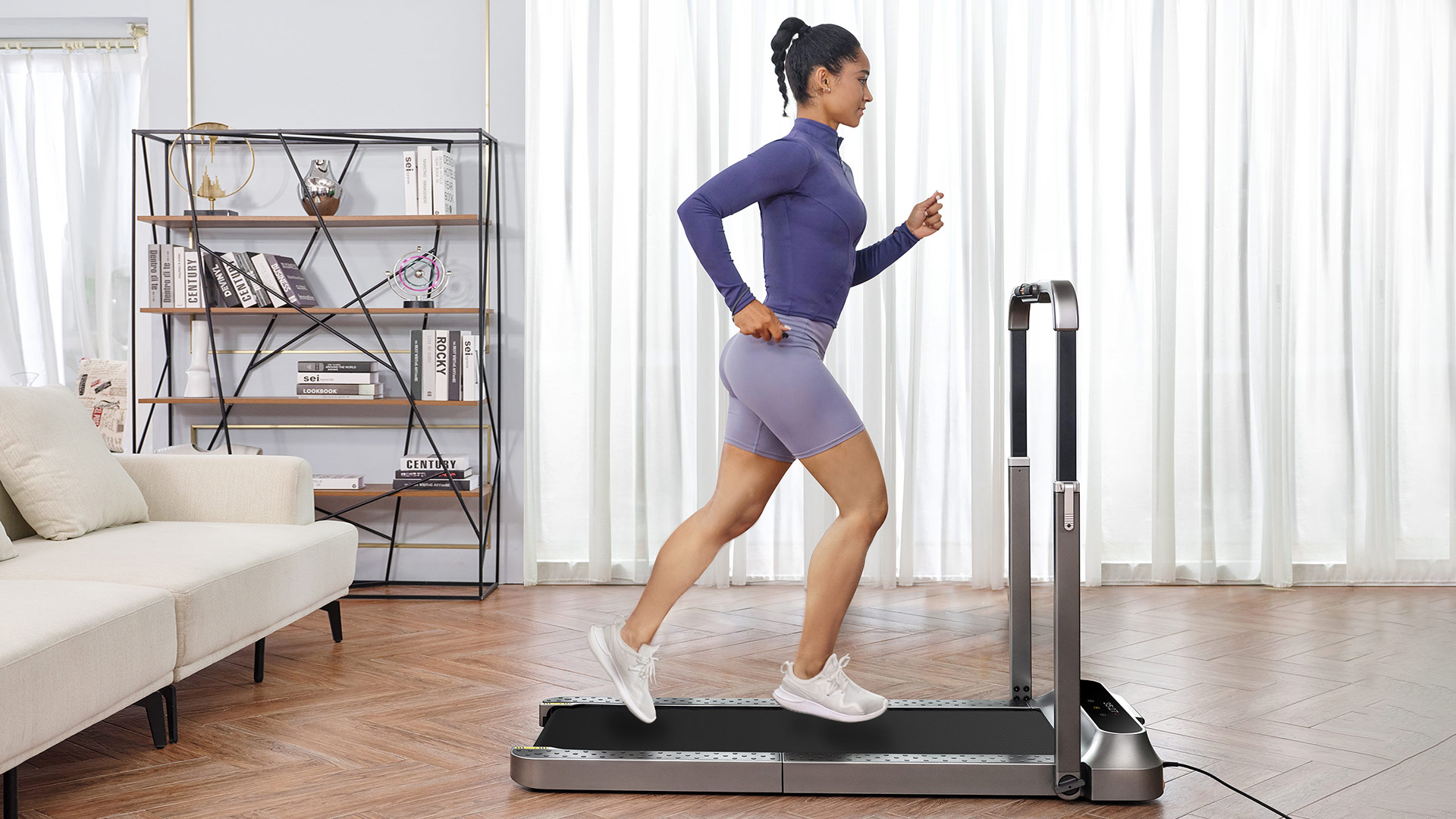
Walking on a treadmill can be adjusted to different speeds, inclines, and time commitments, allowing you to tailor workouts based on fitness level, recovery needs, and goals.
Slow walking on a treadmill improves circulation, joint mobility, and recovery while placing minimal stress on the body. It’s especially useful for beginners, active recovery days, or anyone easing back into regular movement.
Speed walking on a treadmill raises heart rate and calorie burn without the joint impact of running. Following an average treadmill speed appropriate for your fitness level helps improve cardiovascular endurance and supports fat loss while remaining joint-friendly.
Walking on a treadmill with an incline, or walking uphill on a treadmill, activates the glutes, hamstrings, and calves more intensely than flat walking. The added resistance boosts calorie burn and cardiovascular challenge while remaining low impact, making the incline walking benefits especially appealing for strength and endurance gains.
Walking on a treadmill with weights, such as light hand or ankle weights, can further increase muscle engagement and energy expenditure. This method should be used cautiously to avoid altering walking mechanics or placing unnecessary strain on the joints.

Benefits by Time Commitment
The benefits of treadmill walking scale with time, but even shorter sessions can be highly effective when done consistently.
Walking 20 minutes a day on a treadmill improves circulation, boosts energy levels, and supports metabolic health, making it easier to stay active on busy days.
Walking 30 minutes a day on a treadmill supports heart health, increases calorie burn, and helps reduce stress. This duration works well as a sustainable daily routine for maintaining overall fitness.
For those with more time or higher activity goals, walking 1 hour a day on a treadmill significantly improves cardiovascular endurance, supports weight management, and enhances aerobic capacity. Longer sessions also align well with how much walking per day supports long-term health.
Some people prefer workouts that vary intensity within a fixed timeframe. 10 3 30 treadmill increases challenge through changes in incline and speed without extending workout length.
Whether you walk for 20 minutes or an hour, consistency matters more than duration, and regular daily movement delivers meaningful health benefits over time.

FAQs
Is walking on a treadmill good for you?
Yes. Walking on a treadmill improves cardiovascular health, supports weight management, and encourages consistent daily movement with minimal joint impact.
What are the health benefits of walking on a treadmill?
The health benefits of walking on a treadmill include improved heart health, better blood sugar control, reduced stress, increased endurance, and improved mobility.
Are there benefits of walking on a treadmill every day?
Yes. The benefits of walking on a treadmill every day include improved cardiovascular fitness, better energy levels, and reduced risks associated with prolonged sitting.
What are the benefits of walking on a treadmill with an incline?
Incline walking increases muscle activation, calorie burn, and cardiovascular challenge while remaining low impact on joints.
What are the benefits of walking on a treadmill for 1 hour?
Walking on a treadmill for 1 hour improves endurance, supports weight loss, and strengthens the heart, especially when done consistently.
What are the benefits of walking 30 minutes a day on a treadmill?
Walking 30 minutes a day supports heart health, stress reduction, and calorie burn while being easy to maintain long term.
Is slow walking on a treadmill still beneficial?
Yes. The benefits of slow walking on a treadmill include improved circulation, joint mobility, and recovery without stressing the body.
Is it bad to hold onto the treadmill when walking?
Holding onto the treadmill while walking can reduce the effectiveness of your workout, as it may hinder your natural posture and stride. It can also place additional strain on your arms and shoulders. However, if you're using it for balance or support, it's fine for short periods, but try to gradually reduce reliance on the handrails for a more effective workout.
What are the benefits of reverse walking on a treadmill?
Reverse walking on a treadmill targets muscles that are often underworked during forward walking, such as the calves and hamstrings. It improves posture, balance, and coordination, while also reducing the impact on the joints. Additionally, it engages core muscles for better stability, providing a more comprehensive workout.
Can walking on a treadmill help you lose belly fat?
Yes, walking on a treadmill helps reduce belly fat over time by burning overall body fat. Pair it with healthy eating and you'll gradually shrink that waistline—no crunches required.
What is the 5-4-3-2-1 treadmill method?
This is an interval workout where you do five minutes at one pace, then four, three, two, and one minute at increasing intensities. It keeps your heart rate up and burns more calories in less time.
Conclusion
Walking on a treadmill offers a wide range of physical and mental health benefits, from improved cardiovascular fitness to better mobility and stress management. Whether you walk slowly, add incline, speed walk, or walk daily for 20 minutes or an hour, treadmill walking adapts to your goals and lifestyle. With its low-impact nature and year-round convenience, it remains one of the most reliable and sustainable ways to stay active.