What Is an Employee Purchase Program and How Does It Work?

.webp)
An employee purchase program (EPP) is a company-supported arrangement that lets employees buy approved products or services through structured access and pricing, rather than a simple discount at checkout. It defines who is eligible, which products are covered, and how to buy them, often with special pricing or payment options. This guide explains what an EPP is, how one works, how it differs from an employee discount, and what a real program looks like in practice.
What Is an Employee Purchase Program?
An employee purchase program is a structured benefit that gives employees an organized way to buy work-related products through an arrangement their employer supports. Instead of sourcing items on their own, employees get access to approved products at set pricing or on set terms.
The distinction that matters most is this: an EPP is about access and pricing structure, not just a percentage off. A discount code knocks money off any cart. An EPP defines a specific catalog, verifies who qualifies, and often ties in payment options like payroll deduction. That structure is why companies use EPPs for planned or higher-value purchases such as home-office equipment, while keeping simple discounts for everyday buys.

How an Employee Purchase Program Works
An employee purchase program works by verifying that you are an employee, then unlocking a defined catalog at employee pricing. The exact steps vary by company, but most programs share the same shape:
- Eligibility is set by employment status, role, or tenure.
- Access is granted through an internal system or a verification step, often a work email.
- You choose from a predefined set of approved products.
- You buy through a designated platform or an approval-based request.
- Ownership and usage terms are defined up front, including what happens if you leave.
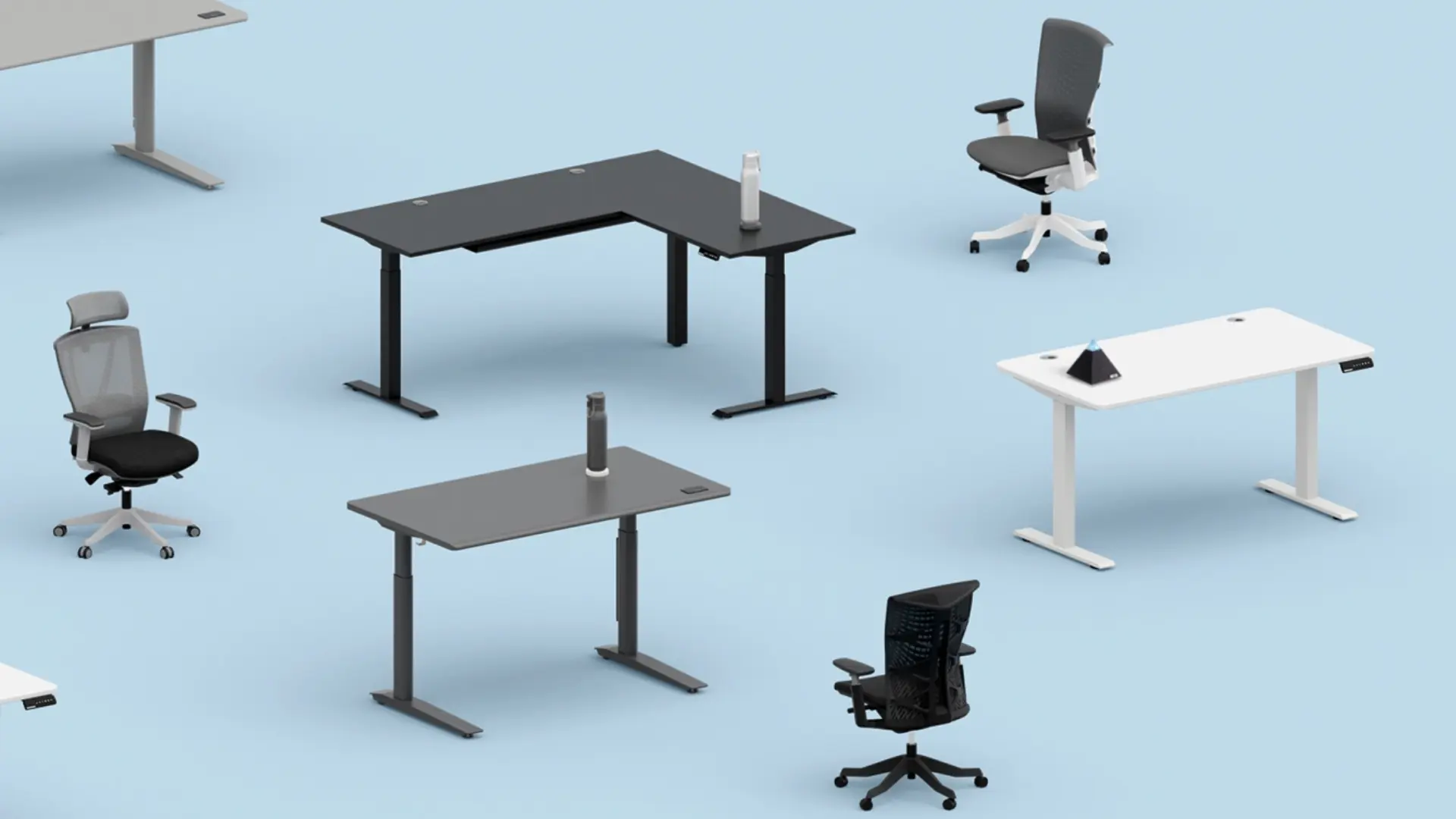
A concrete example makes this easier to picture. Autonomous runs its own employee purchase program for home-office and AI hardware: you sign in with a work email, and that unlocks team pricing on a defined catalog of desks, chairs, and AI gadgets, with no code to enter. It is the access-and-pricing model in action, verification first, then a set catalog at a set rate, rather than a public discount anyone can use.
What Products Employee Purchase Programs Usually Cover
The products in an employee purchase program depend on the employer and the program provider, but most cover commonly used goods rather than role-specific perks. Typical categories include:
- Electronics and technology, such as computers, accessories, and smart devices
- Home and office equipment, including furniture and appliances
- Health and wellness products, from fitness memberships to home equipment
- Travel and entertainment, such as hotels, flights, and event tickets
- Education and professional development, like courses and certifications
- Everyday retail goods aggregated from multiple vendors
Home-office equipment sits at the center of many modern EPPs, because remote and hybrid work made a good standing desk and office chair a genuine work requirement rather than a nice-to-have.
Employee Purchase Program vs Employee Discount
An employee purchase program provides structured access to a defined catalog at set pricing, while an employee discount program simply reduces the price at checkout. They often coexist, but they solve different problems.
Aspect | Employee Purchase Program | Employee Discount Program |
|---|---|---|
Primary purpose | Structured access to products or services | Immediate price reduction |
Pricing method | Set pricing, negotiated rates, or payment plans | Percentage or flat discount |
Payment options | May include payroll deduction or installments | Usually a one-time payment |
Product scope | Often a defined catalog, sometimes broad | Usually limited to specific items |
Management | Runs through a dedicated platform or provider | Applied at the point of sale |
Typical use | Planned or higher-value purchases | Everyday individual purchases |
In short, a discount saves you money on a purchase you were already making, while an EPP shapes what you can buy and how.
Companies That Offer Employee Purchase Programs
Many large employers run structured purchasing programs for approved work equipment, though the exact terms are internal and vary by company. Big technology and retail employers such as Amazon, Google, Apple, and Microsoft are commonly cited examples, typically offering approved product catalogs, structured pricing, and clear ownership rules rather than open retail discounts.
Vendors also run EPPs from the other side, offering their products to any company's employees at team pricing. Autonomous is one of these: its program lets employees at any organization unlock pricing on home-office and AI hardware, which the next section covers.

Benefits of an Employee Purchase Program
Employee purchase programs are built to serve employees and employers differently, and both sides get something specific from the structure.
For employees, an EPP provides organized access to products through an employer-supported framework, clear rules that remove guesswork around eligibility, and sometimes flexible payment options like installments or payroll deduction. It also reduces the hassle of sourcing higher-value items independently.
For employers, an EPP creates a standardized approach to purchasing across teams, keeps eligible categories and spending within set boundaries, cuts down on informal purchase requests and reimbursements, and supports employee needs without changing base pay. It also scales cleanly as the organization grows.
Frequently Asked Questions
What is an employee purchase program?
An employee purchase program is a company-supported arrangement that lets employees buy approved goods or services through structured access and pricing. It usually defines eligibility, a set catalog, and payment methods, and often includes special pricing rather than a simple public discount.
How does an employee purchase program work?
You access the program through an employer-designated platform or verification step, often a work email, then buy approved items at set pricing. Eligibility, payment methods, and approval rules are defined by the employer or the program provider.
Is an employee purchase program the same as an employee discount?
No. An employee purchase program focuses on structured access to a defined catalog at set pricing, while an employee discount is usually a straight percentage or flat reduction at checkout. A company may offer one, the other, or both.
Does Autonomous offer an employee purchase program?
Yes. Autonomous runs an employee purchase program where employees sign in with a work email to unlock team pricing on desks, chairs, and AI gadgets. There is also a dedicated path for HR and People Ops to set pricing up for an entire team.
Who is eligible for an employee purchase program?
Eligibility is set by the employer or provider and may depend on employment status, role, or tenure. Both full-time and part-time employees can qualify, depending on how the program is designed.
Do employee purchase programs offer payment plans?
Some do. Certain EPPs include installment options or payroll deduction, though this depends on the provider and employer policy. Not every program offers financing.
Are employee purchase programs taxable?
Tax treatment varies by country and employer policy. Employees should check internal HR guidance or consult a tax professional, since some pricing benefits can carry tax implications.
What happens to purchased items if an employee leaves?
Ownership rules depend on the program's terms. In many cases items stay with the employee, but some programs tie ownership to repayment or return conditions, so it is worth confirming before buying.
Conclusion
An employee purchase program gives employees a structured, employer-supported way to buy work-related products at set pricing, which is what separates it from a simple checkout discount. Understanding how EPPs work, and how they differ from discount programs, helps employees and employers decide whether the benefit fits their needs. And if you are trying to picture one in practice, Autonomous's own program is a straightforward example: a work email, a defined catalog of desks, chairs, and AI gadgets, and team pricing that the public store does not show.