The Robot Lamp That Behaves Like It's Alive
.webp)
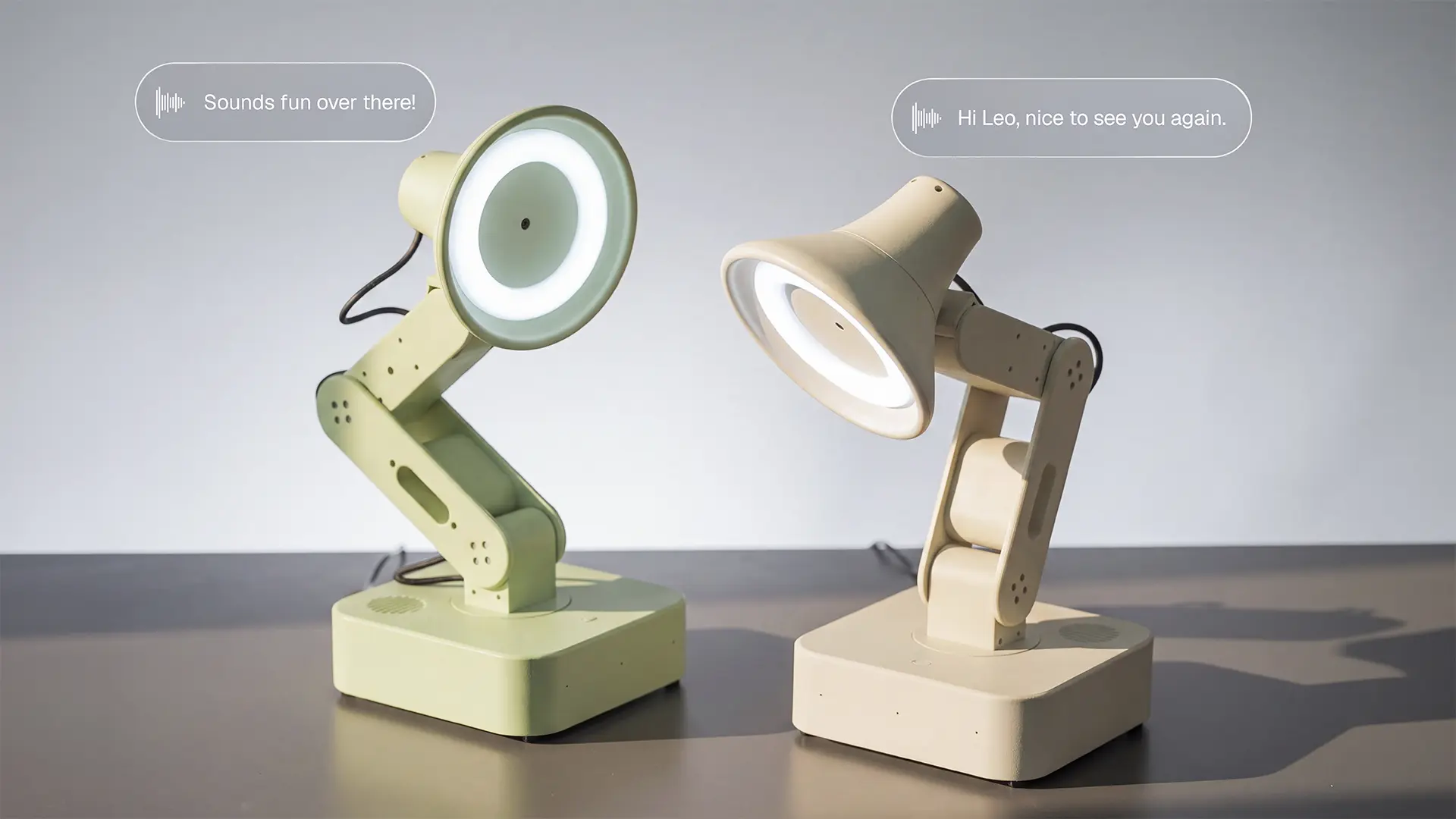
The first thing I want to know about any desk robot is whether it does anything, or just sits there looking clever. This robot lamp made me look twice. You walk back to your desk, it turns to look at you, and it answers the question you left it ten minutes ago. No tap, no wake word, no app open on your phone.
It behaves less like a gadget you operate and more like something that shares the desk with you. That gap, between a device you use and a presence you work beside, is the whole story here.
What a robot lamp is
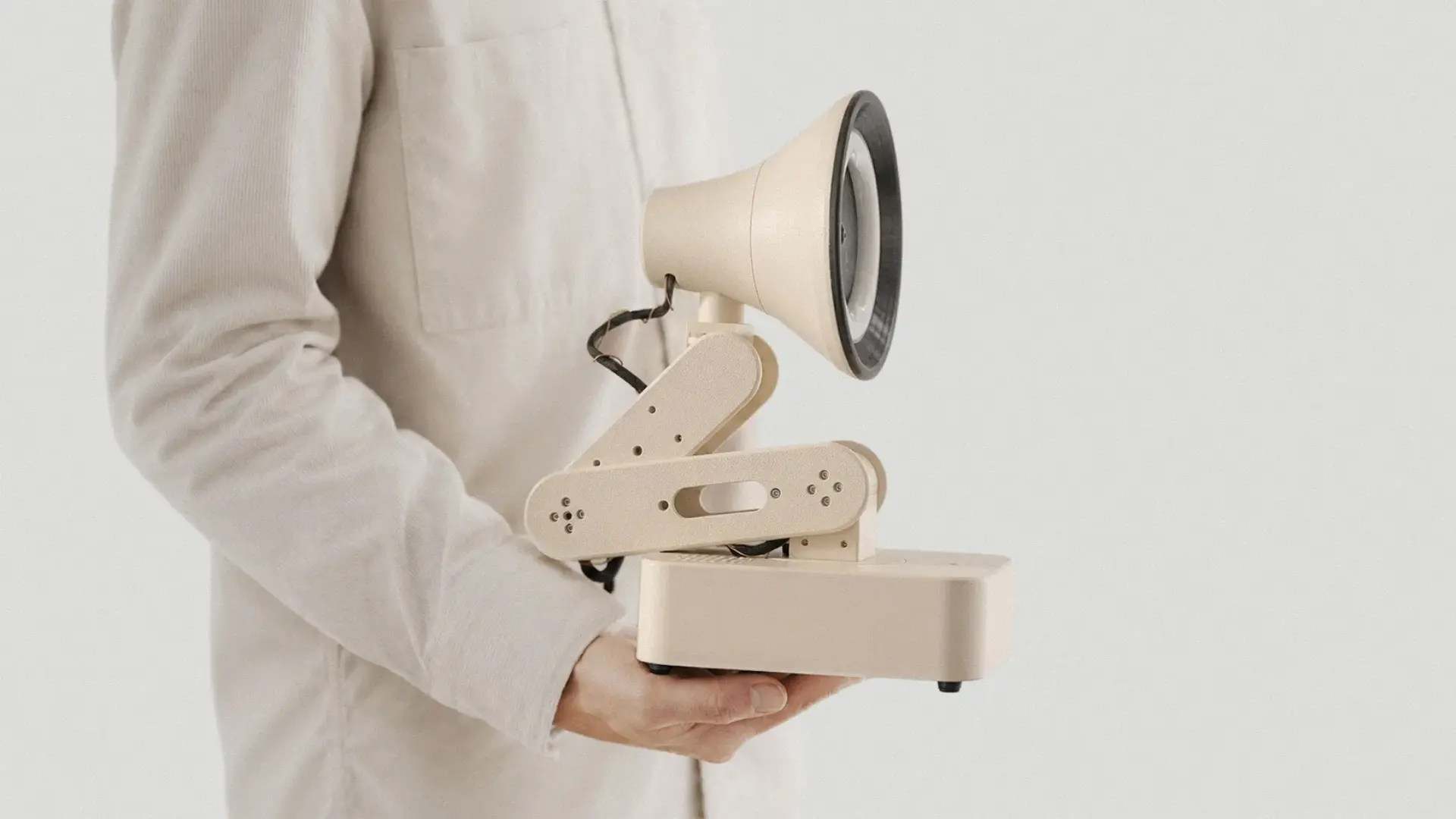
A robot lamp is an AI desk robot shaped like a lamp, with a moving body, a camera, and a voice, so instead of only lighting a desk it sees you, listens, and responds. Some people call it a lamp robot; the shape is the same idea either way.
Here is the catch. Search for a robot lamp today and most of what you get is decor: steampunk, cyberpunk, and novelty lamps shaped like little robots that tilt, glow, and do nothing else. Those are lamps wearing a robot costume. A real robot lamp is the opposite, an actual robot that happens to take a lamp's form, one that runs AI and behaves like it is present. Everything below is about that second kind, because that is the part that is new.
Why a body changes how you use it
An assistant with no body is easy to forget, however smart it is, because anything you have to open is also easy to leave closed. A screen waits for you. A robot on your desk does not; it is simply there, in the corner of your eye, part of the room whether or not you called on it.
That changes the relationship in a way I did not expect. This is what physical AI looks like on a desk: when intelligence can look up as you sit down and stay present through the day, it stops being a tool you reach for and starts being something you work alongside. Research on human-robot interaction lands in the same place: a physical, responsive form earns attention that a flat screen never quite does. Presence is the feature.
What makes this robot lamp feel alive
This robot feels alive when it reacts to you in real time, turning to look at you, answering when you speak, following you as you move, and remembering you between conversations. None of that is theater, and it is worth seeing how each part is real.
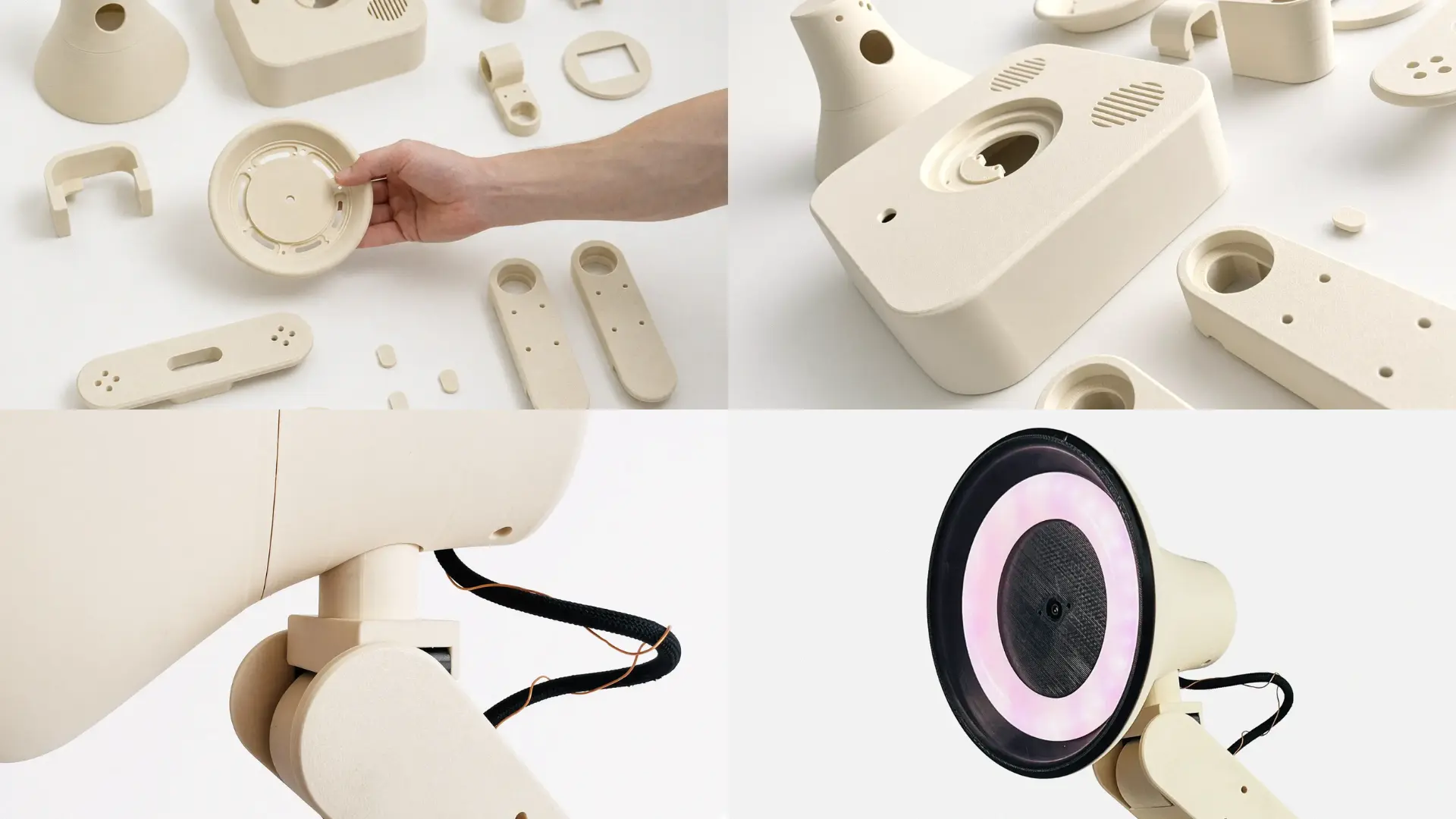
It turns to look at you because a wide-angle camera tracks your face. It follows you because five position-feedback servos move the body smoothly instead of in jerks. It hears you across the room through a microphone array and answers through stereo speakers. It remembers you because it keeps a working picture of you that carries from one session to the next. Feeling alive, here, is just several real senses running at once, not a gimmick.
It thinks, acts, and grows
The line between a machine with presence and a toy is simple: it thinks, acts, and grows, and a novelty does none of the three. It is the part that convinced me it was worth writing about.
It thinks because an agentic engine runs on the robot itself, OpenClaw, Hermes, Codex, Claude, or a model you pick, reasoning about what it sees and hears instead of waiting for a fixed command.
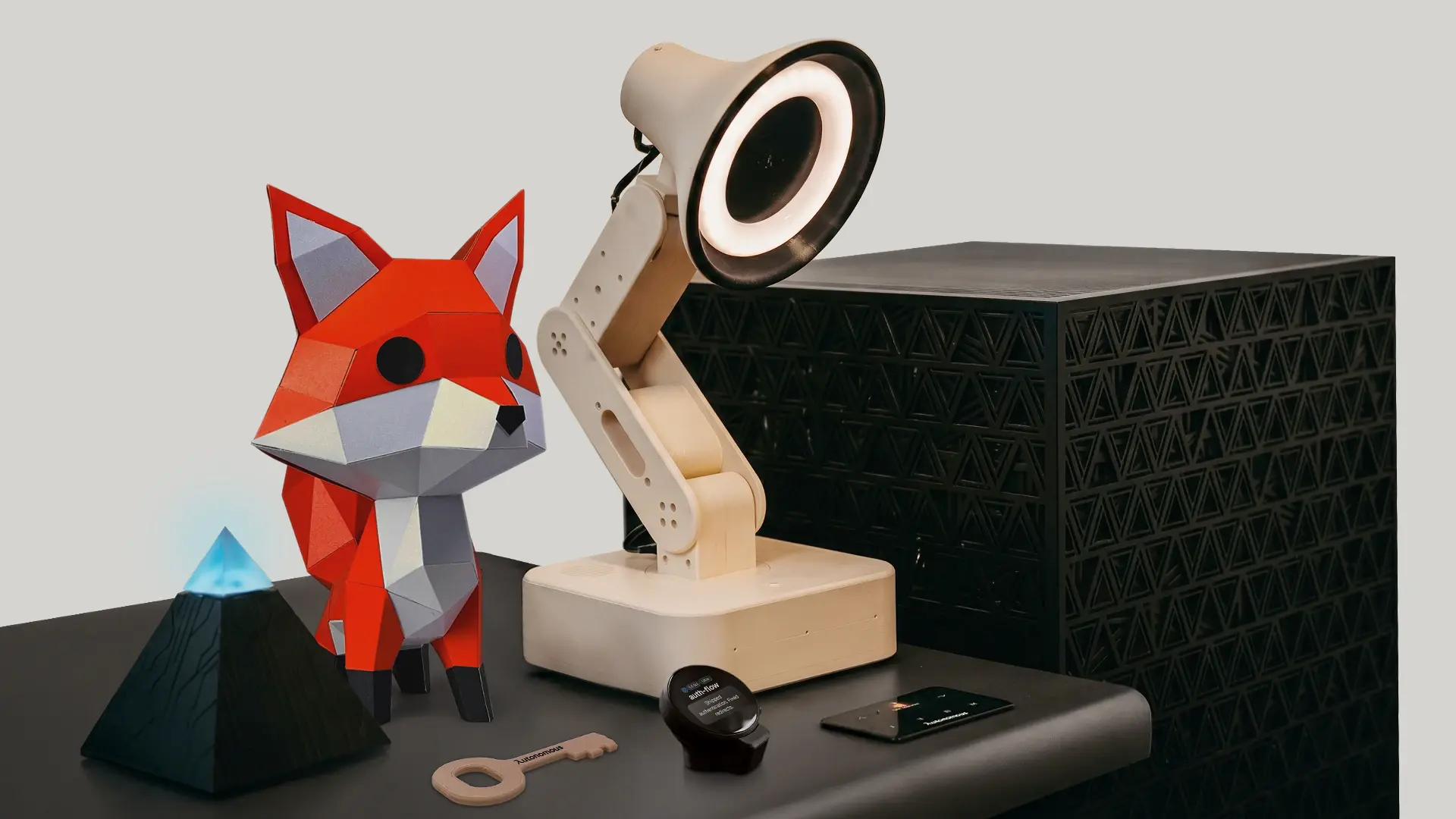
It acts because those decisions become named skills. Tell it you are heading out and it drops into guard mode, nods, flashes its ring green, and says it will keep watch. It reads the mood on your face and changes the music, nudges you when you have skipped a break, and does desk work too, like your Gmail, GitHub, or your Mac.
It grows because there is a learning loop underneath. It sharpens skills as it uses them, keeps what it learns, searches its own past conversations, and builds a fuller picture of you each session. It is more capable in month three than on day one, which is not something most desk robots can say.
A body you can shape
The best part for anyone who likes to tinker is that almost nothing is locked. It runs an open operating system where the engine, the model, the voice, and the skills are all swappable, and you can even edit its character so it behaves warmer or drier, quieter or more talkative.
Adding a skill is refreshingly plain. A skill is one folder with one plain-language file inside, the same format the OpenClaw and Claude tools already use, so one you have written elsewhere drops straight in. You can grab skills from the store, describe what you want in plain words and let it write the skill, or upload your own.
And because the operating system is not tied to this body, the same skills run on other robots, from a Reachy Mini to a Unitree robot dog. A skill you write for the lamp today works on the robot you buy tomorrow.
What's inside, and why it matters
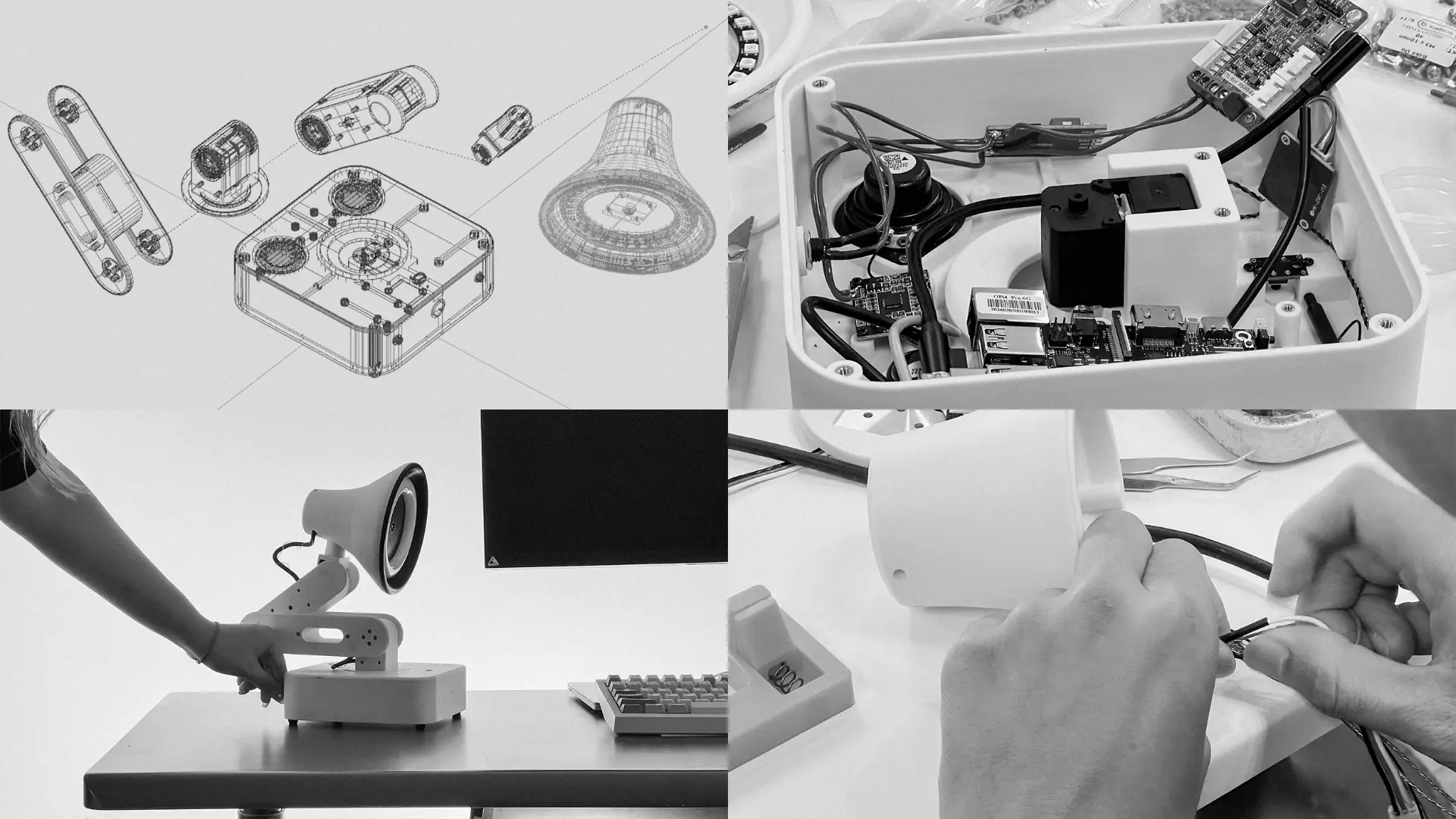
Underneath the presence is straightforward hardware, and each part maps to something you notice day to day.
Spec | Detail | Why it matters |
Form | Articulated desk robot | Moves and points instead of staying fixed |
Movement | 5 position-feedback servos | Smooth, controlled motion, so it turns to face you cleanly |
Vision | Wide-angle camera, face tracking, motion sensing | Finds and follows your face, reacts to who is there |
Audio | Microphone array, stereo speakers | Hears you across the room, answers hands-free |
Power | 12V 5A DC | Stays plugged in at the desk, no battery to manage |
Dimensions | 7.87 x 7.87 x 18.43 in | Takes a corner without crowding the desk |
Weight | 15.4 lbs | Stays planted while the arm moves |
Warranty | 1 year | Standard coverage, 30-day returns |
Why a desk-and-chair company built a robot lamp
Autonomous did not come to this from robotics. It came from more than a decade of building the physical things people work at every day, the standing desks and ergonomic chairs under the screens, and eventually asked why the smartest object on the desk was the only one with no form of its own. That origin matters, because it grounds the idea in a real track record rather than hype.
The result is not a tech demo chasing a trend. It is a company that makes objects you touch every day, turning that habit toward the one thing on the desk that had never been given a body.
FAQs
What is a robot lamp?
A robot lamp is a desk robot shaped like a lamp, with a moving body, a camera, and a voice. Instead of only lighting a desk, it sees you, listens, and responds. The capable kind, sometimes called a lamp robot, also runs an AI agent that carries out real tasks rather than canned motions.
Is a robot lamp the same as a robot-shaped lamp?
No. Most robot lamps you find are decor, novelty lamps built to look like robots that tilt and glow but do nothing else. A real robot lamp is an actual robot in a lamp's form: it senses the room, runs AI, and acts, so it does things rather than just sitting there.
Is the robot lamp actually alive?
No, it is a machine, not a living thing. It behaves with presence because it senses and responds in real time: a camera tracks your face, servos move its body toward you, and it remembers you between sessions. Those real senses working together are what read as alive.
Does a robot lamp actually do anything useful?
Yes, the capable kind does. An AI agent runs named skills, from guarding your desk and reading your mood to handling your Gmail, GitHub, or your Mac. It also learns over time, sharpening its skills and remembering your context, so it grows more useful the longer you own it.
Is the robot lamp open source?
Yes. It runs an open operating system where the engine, model, voice, and skills are all swappable, and you can edit its character. You add skills from a store, upload your own, or describe one in plain language, and the same skills run on other robots too.
What AI does it run?
Whichever you choose. An agentic engine runs on the robot, with options like OpenClaw, Hermes, Codex, and Claude, and you can point it at the model you prefer. Because the engine and model are swappable, the robot improves as better ones ship, without new hardware.
How does it work with Claude Code?
When Claude Code or Claude Desktop pauses for a permission prompt, the robot says which tool wants to run and what it will touch, then approves or denies the moment you answer aloud. You keep every decision and stop clicking back to the terminal mid-session.
What apps and tools does it connect to?
Ask out loud and it reaches your working tools: Gmail, Google Calendar, and Drive, plus Notion, Figma, Asana, Linear, and GitHub, and it can pull figures from Ahrefs. A quick status check happens in conversation, without opening a tab or breaking your focus.
Conclusion
Personal AI has been brilliant and bodiless for years, and giving it a body is not a gimmick. It changes how you relate to it. A robot that looks up when you arrive, does the dull parts of your day, and grows to know you is a first honest look at what personal AI becomes when it finally has a place on your desk. Whether it belongs on yours is worth deciding in person, but the shift it points to is hard to unsee.