10 Best Reclining Office Chairs for Comfort and Productivity
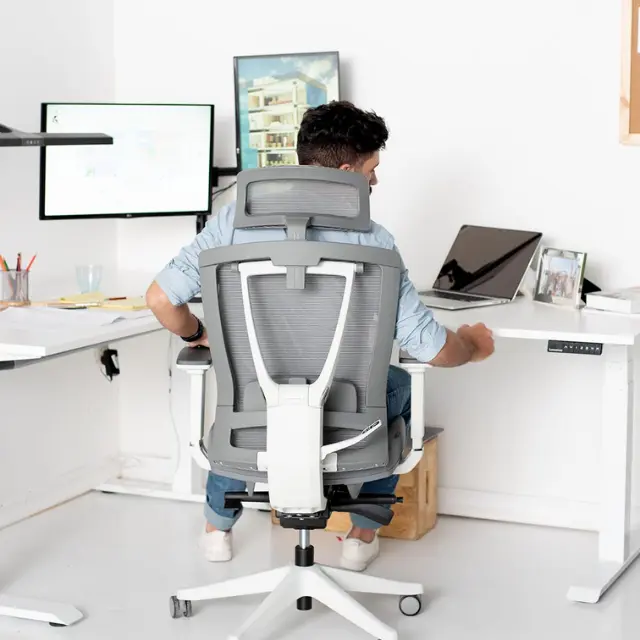
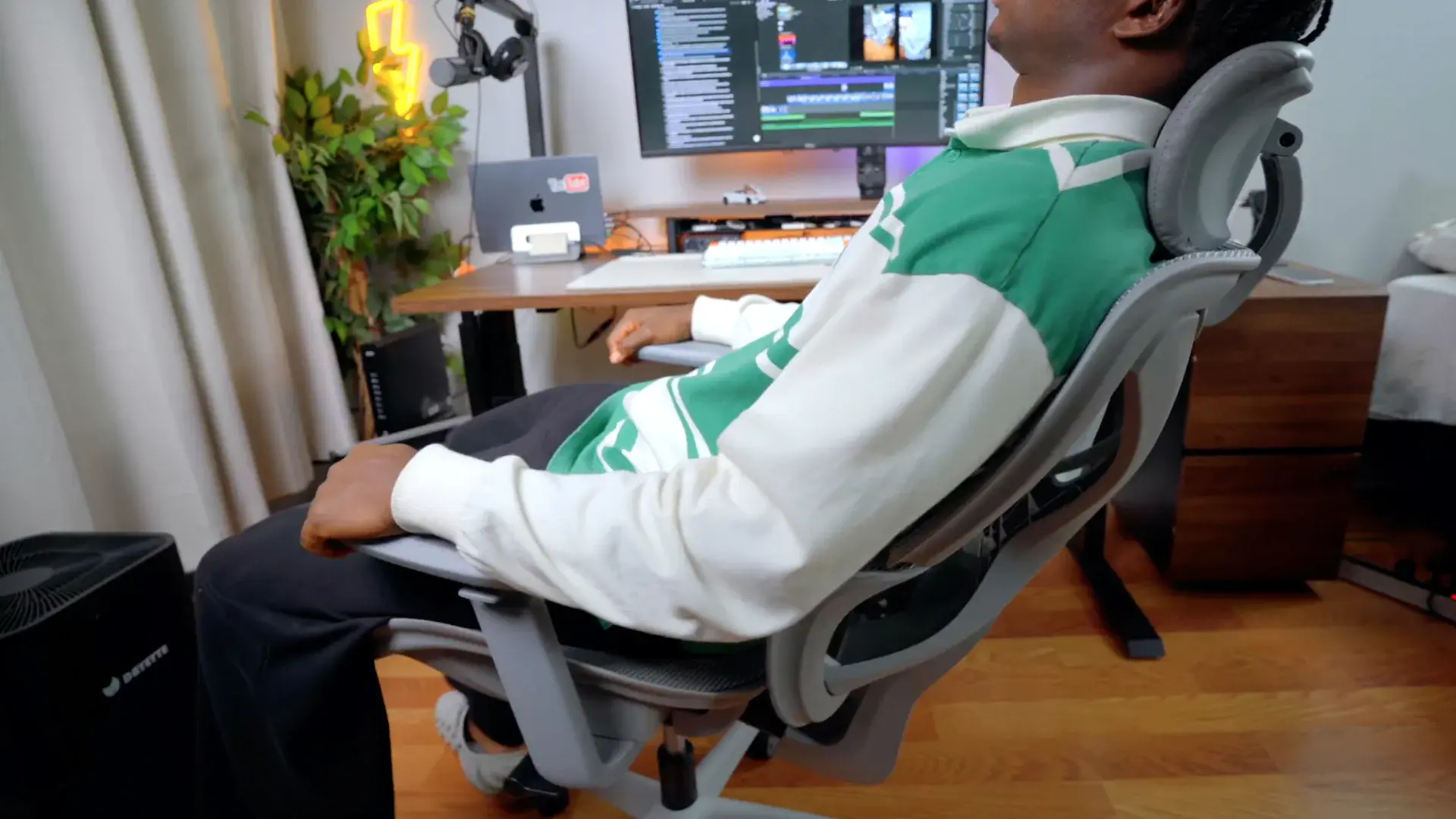
A reclining office chair is an ergonomic chair designed to adjust the backrest angle so users can shift between upright work posture and relaxed seating positions. These chairs support long sitting sessions by allowing movement, posture variation, and pressure relief. Reclining office chairs are commonly used in home offices, gaming setups, and hybrid workspaces where users alternate between focused work and rest.
Why Reclining Office Chairs Matter for Long Sitting Hours
Reclining office chairs matter because static sitting increases spinal pressure and fatigue over time.
A chair that allows recline helps users:
- reduce lower back pressure by shifting spinal load
- improve circulation through posture changes
- prevent stiffness during long desk sessions
- support short rest breaks without leaving the workspace
The most important factor is not padding-it is recline range and control stability.
Best Reclining Office Chairs
ErgoChair Pro | ErgoChair Mesh | ErgoChair Ultra 2 | ErgoChair Core | Hbada | COLAMY | COMHOMA | EMIAH | COTYFLY | Wildon |
112° | 112° | 115° | 130° | 135° | 135° | 150° | 160° | 160° | 180° |
Focus work | Task + cooling | Long sessions | Flexible movement | Budget home | Work + reading | Heavy-duty rest | Work to lounge | Auto comfort | Napping |
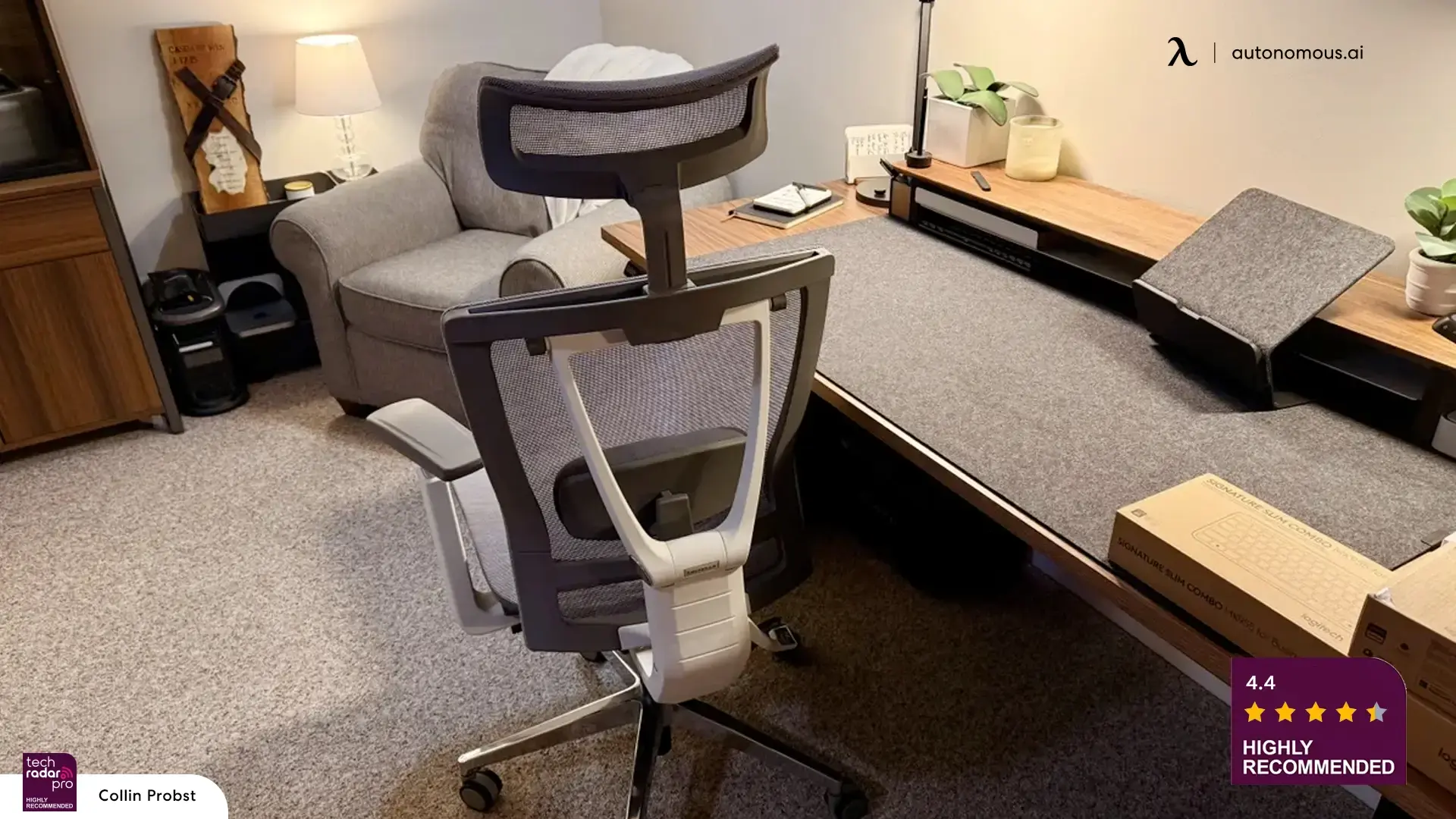
1. ErgoChair Pro (90°-112°)
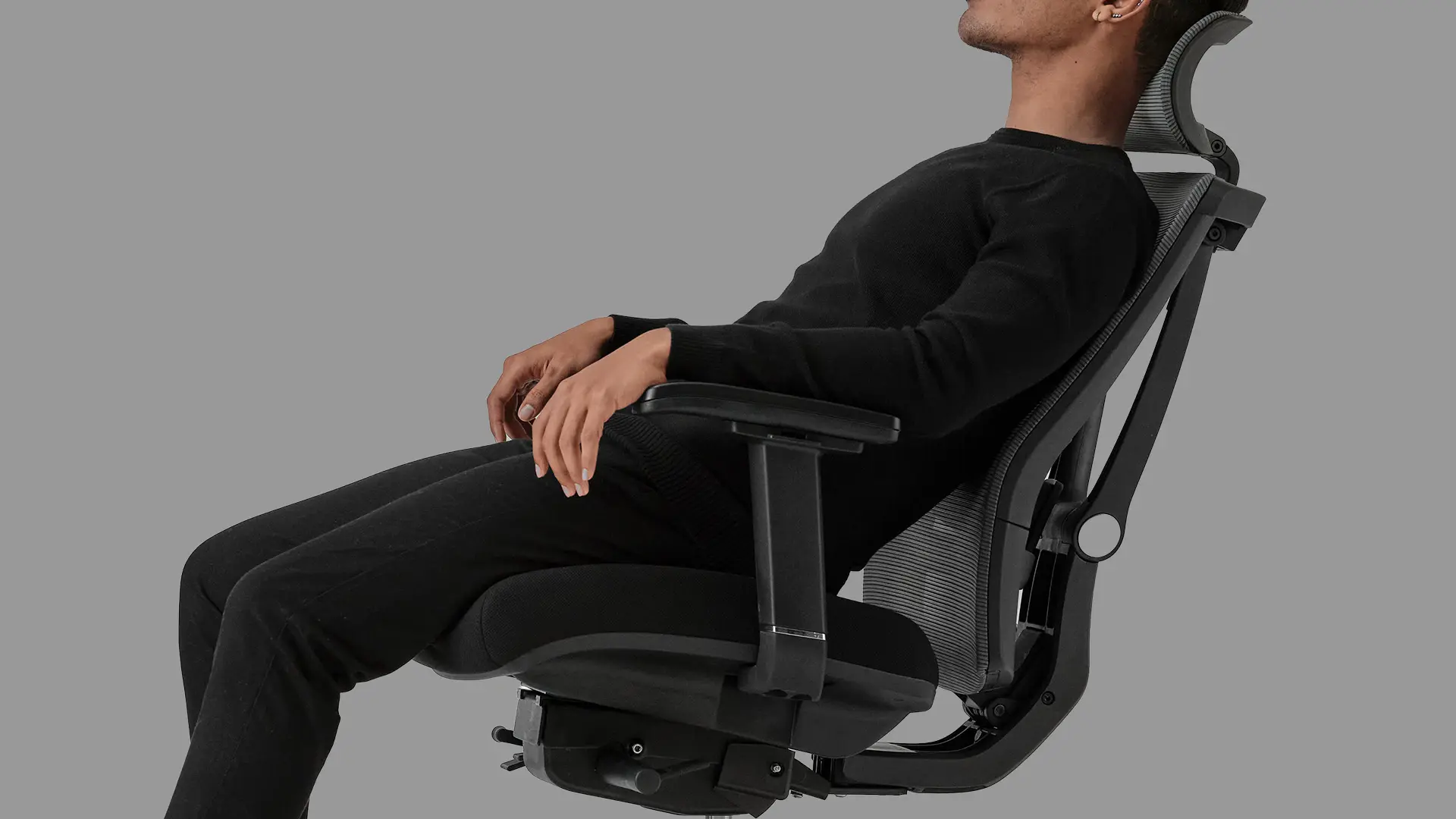
The ErgoChair Pro feels like a chair built for getting work done rather than lounging. After spending time in it, what stood out most to me was how stable and controlled the recline felt. I never found myself sinking too far back or losing focus, which made it easy to stay comfortable during long stretches of writing, meetings, and desk work.
What I liked most was the level of adjustability. Once I dialed in the seat depth, armrests, lumbar support, and headrest, I barely thought about the chair again. That's usually a good sign.
The tradeoff is that it doesn't offer the deep recline many people expect from a "reclining office chair." If your goal is afternoon naps or extended lounging, you'll probably want something with a larger recline range.
Best for: Professionals who spend 8+ hours working at a desk and want a supportive, task-focused chair.
My score:
- Work: 9/10
- Relaxing: 5/10
2. ErgoChair Mesh (90°-112°)
.jpg)
The ErgoChair Mesh felt more relaxed and forgiving than the ErgoChair Pro. During long work sessions, the mesh back helped reduce heat buildup, and I appreciated how easily the chair moved with me when changing positions throughout the day.
What I liked most was the balance between support and comfort. It never felt overly rigid, but it still provided enough structure to stay productive.
My only criticism is that users who prefer firm lumbar support may find it less supportive than more traditional ergonomic chairs.
Best for: Remote workers who spend long hours at their desk and want a cooler, more flexible seating experience.
My score:
- Work: 8.5/10
- Relaxing: 6/10
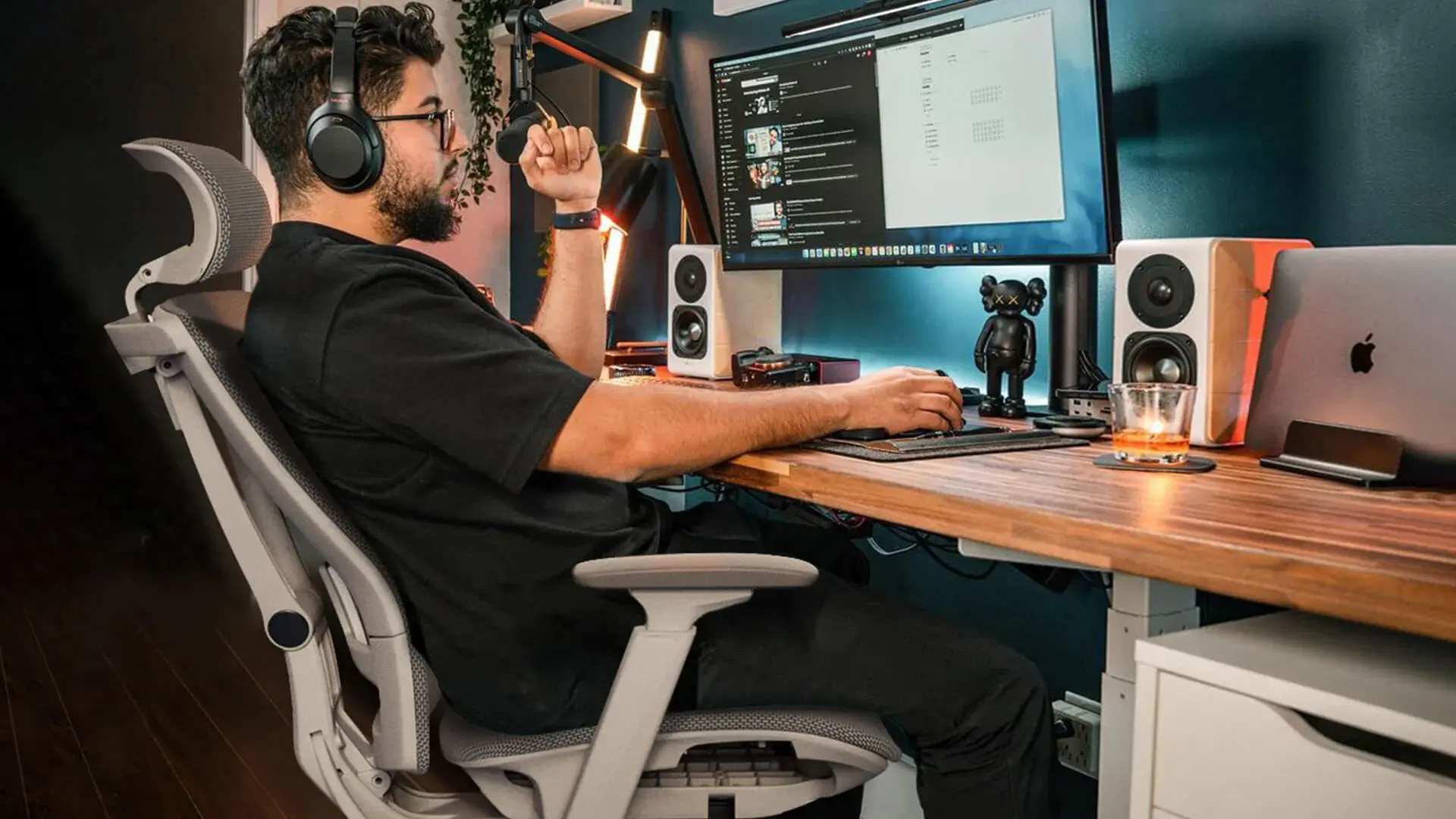
3. ErgoChair Ultra 2 (90°-115°)

The ErgoChair Ultra 2 was the most comfortable chair in this group during long workdays. After several hours of sitting, I noticed fewer pressure points than I typically experience in conventional office chairs.
What impressed me most was how naturally the backrest moved as I shifted positions. Instead of forcing me into one posture, it felt like the chair adapted to the way I was sitting.
The downside is that the support system feels different from traditional lumbar designs, so some users may need a few days to adjust.
Best for: Engineers, designers, writers, and anyone regularly spending full workdays at their desk.
My score:
- Work: 9/10
- Relaxing: 6.5/10
4. ErgoChair Core (90°-130°)
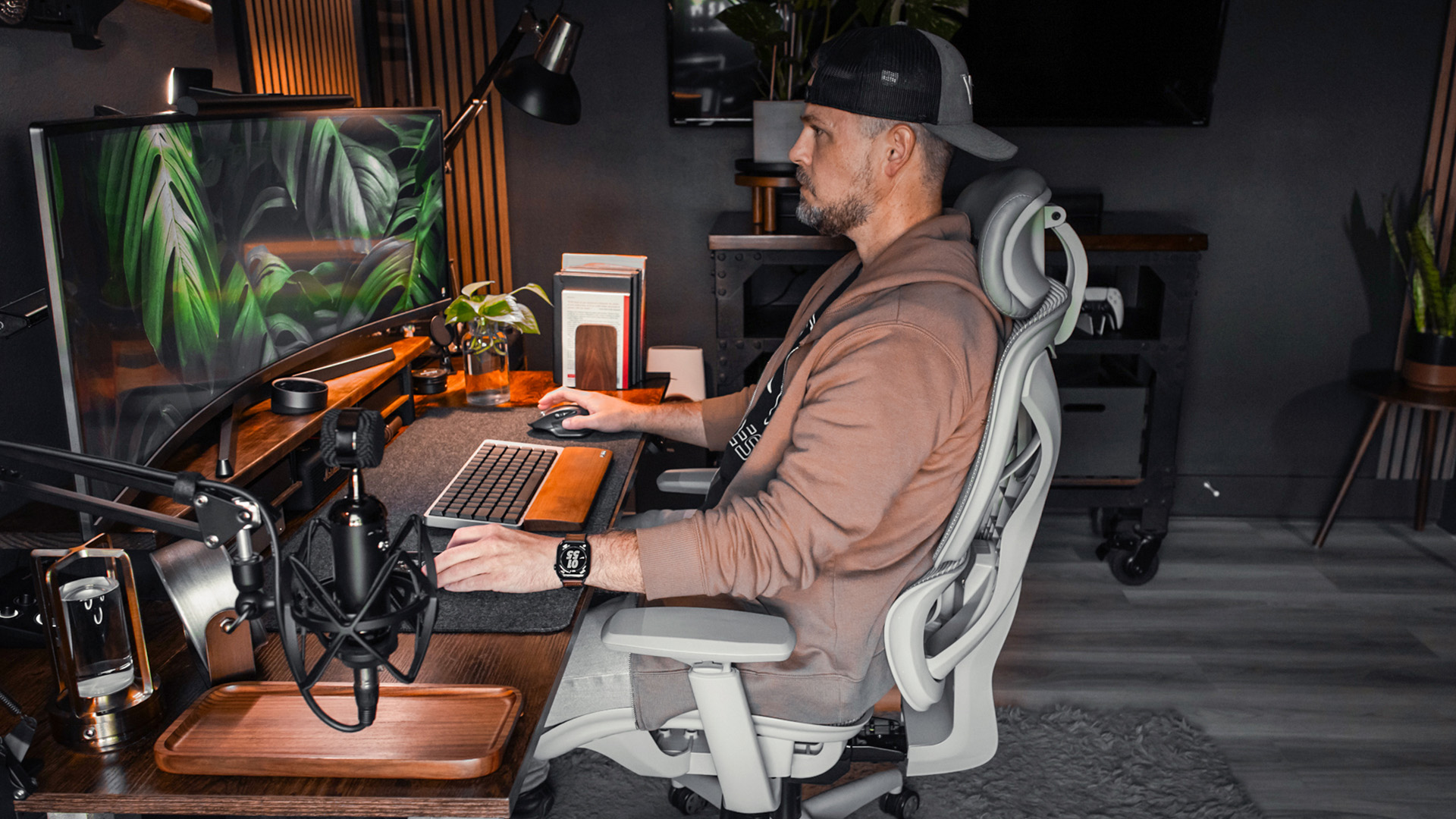
The ErgoChair Core struck me as the most versatile chair in the Autonomous lineup. Compared to the other models, it encouraged movement and made it easy to shift between focused work and more relaxed positions throughout the day.
What I liked most was the deeper recline. It was enough to take pressure off my lower back during breaks without feeling like I was leaving my workstation entirely.
It doesn't offer the same level of fine-tuned adjustment as higher-end ergonomic chairs, but it makes up for that with simplicity and flexibility.
Best for: Users who alternate frequently between work, reading, brainstorming, and casual computer use.
My score:
- Work: 8/10
- Relaxing: 7.5/10
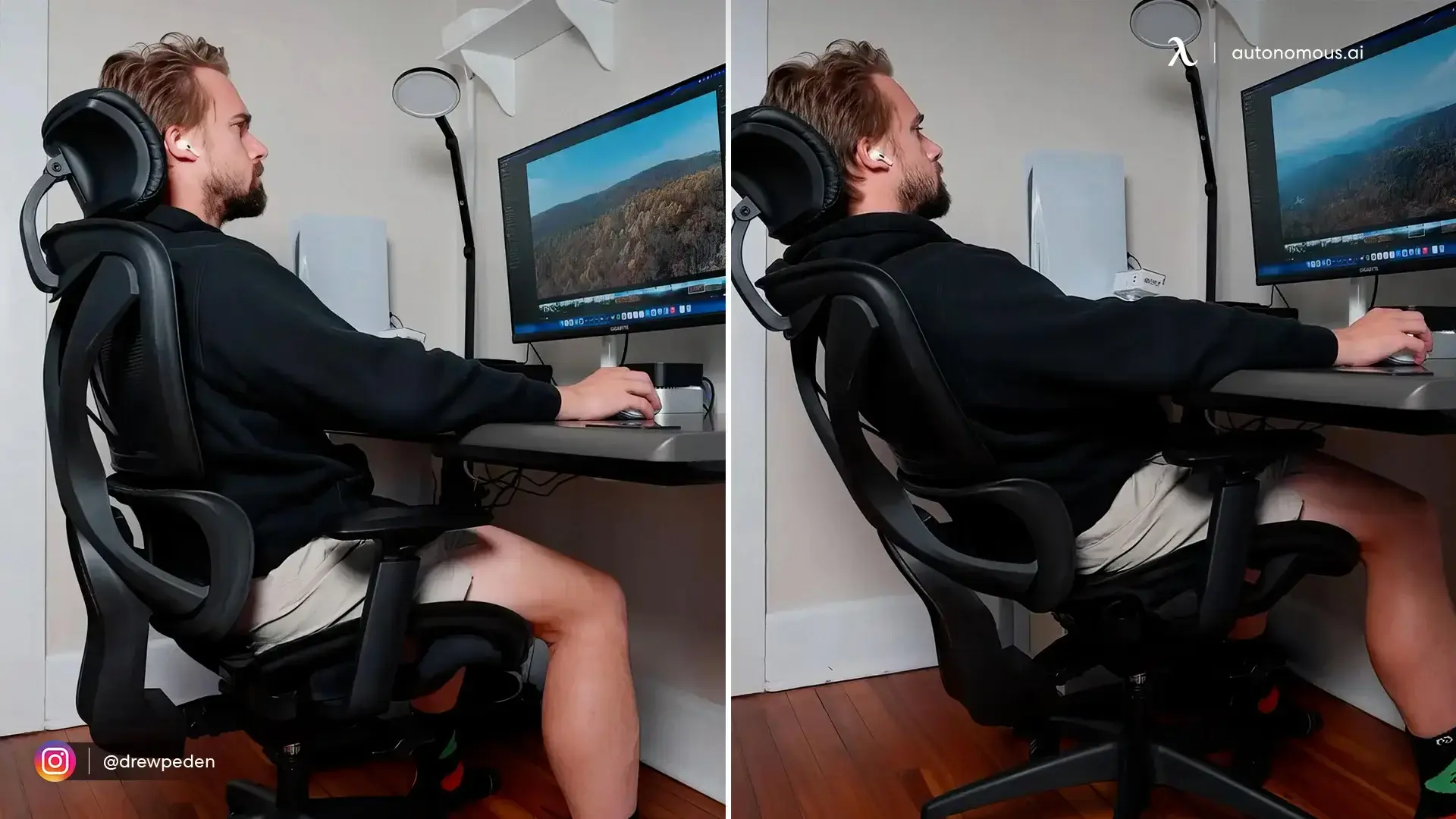
5. Hbada Ergonomic
The Hbada Ergonomic Chair delivers a surprisingly comfortable experience for the price. After using it for several days, I felt it covered the essentials well without trying to compete with premium ergonomic models.
The recline felt smooth enough for occasional breaks, and the chair was easy to get comfortable in quickly.
Where I noticed compromises was in the overall build quality. Some components felt less substantial than what I'd expect from higher-end chairs, especially for long-term daily use.
Best for: Budget-conscious buyers setting up a home office.
My score:
- Work: 7/10
- Relaxing: 6.5/10
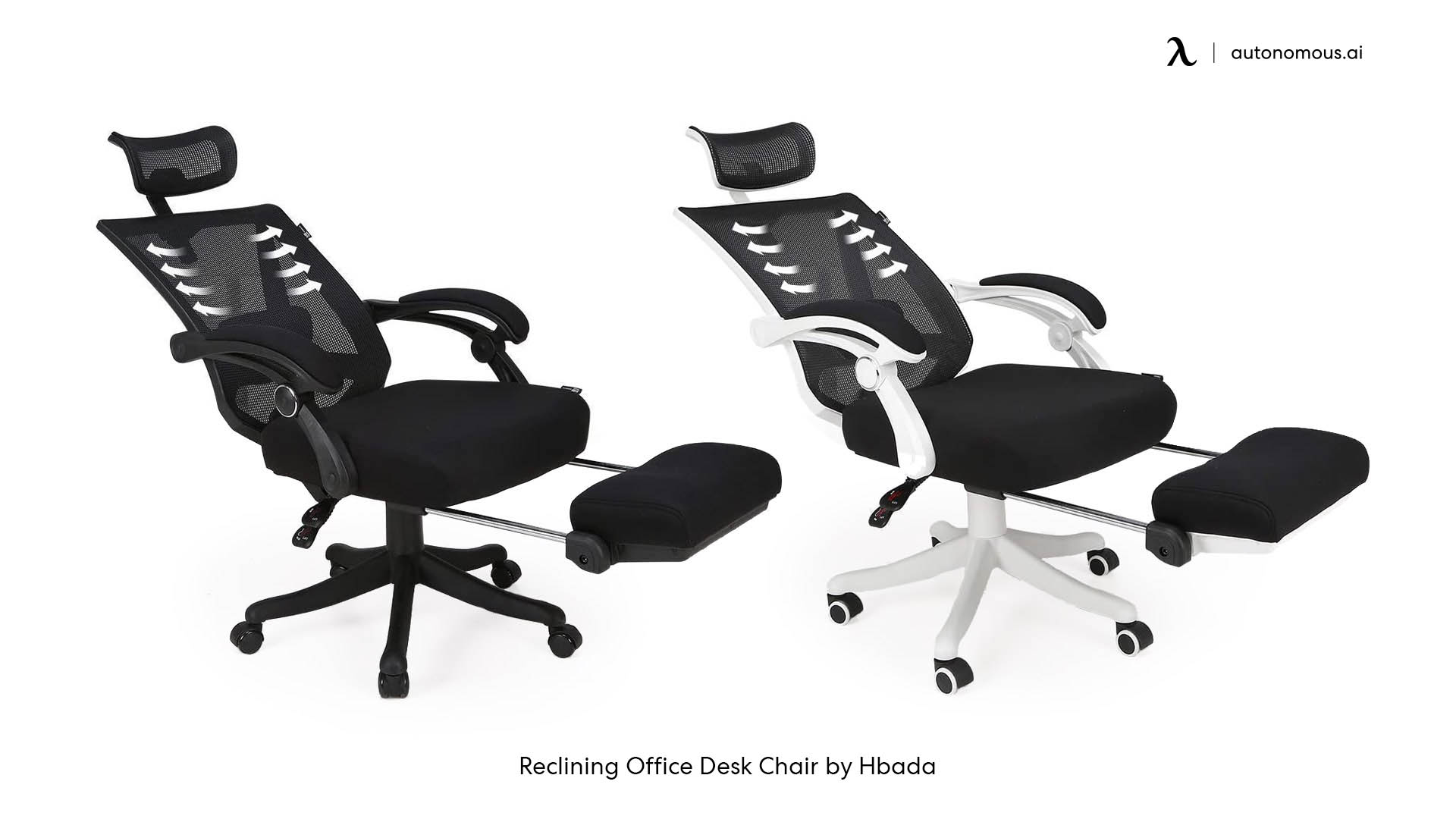
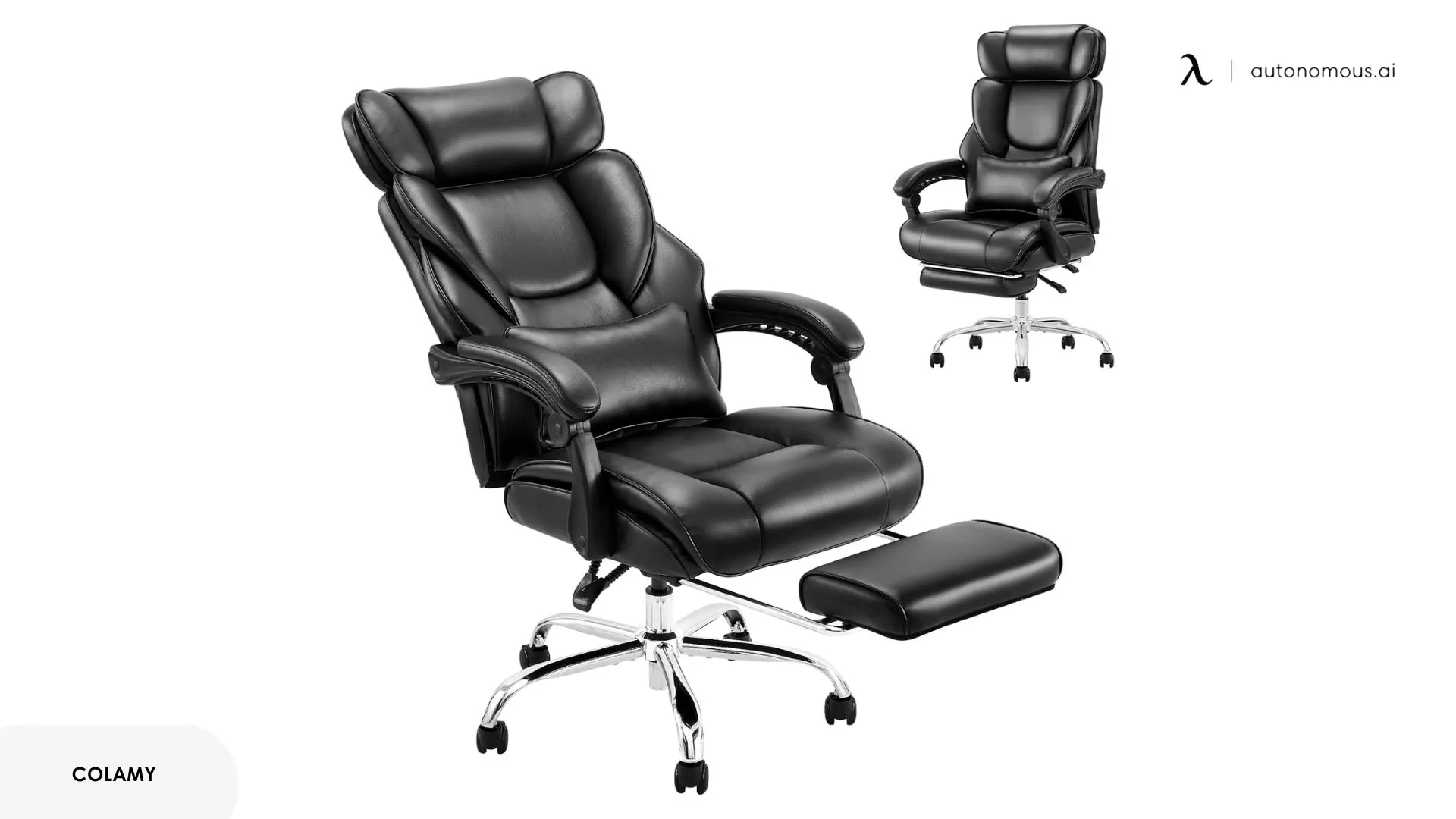
6. COLAMY Reclining Office Chair (90°-135°)
The COLAMY Reclining Office Chair felt like a hybrid between an office chair and a compact recliner. The retractable footrest made a noticeable difference during breaks, and I found myself using it more often than expected.
What I liked most was its ability to switch roles throughout the day. I could work comfortably in the morning and lean back for reading or video calls later on.
The biggest drawback is that it takes up more space when fully reclined, so it's not ideal for smaller work areas.
Best for: Home office users who want one chair for both productivity and relaxation.
My score:
- Work: 7/10
- Relaxing: 8.5/10
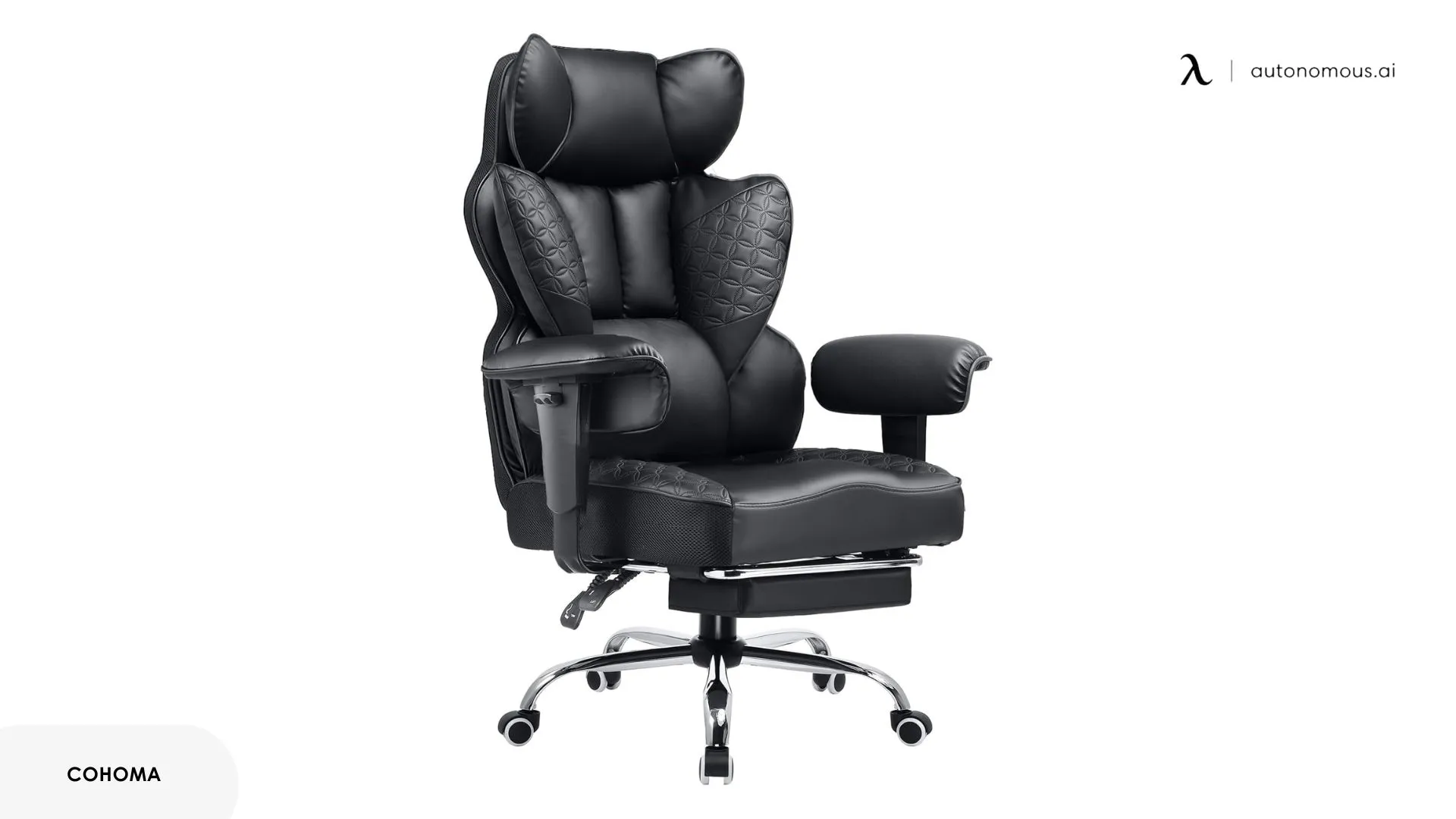
7. COMHOMA Big and Tall Reclining Chair (90°-150°)
The COMHOMA Big and Tall Reclining Chair prioritizes comfort over traditional ergonomics. Sitting in it felt more like settling into a recliner than using a typical office chair.
The wide seat and thick cushioning were immediately noticeable, especially compared to narrower ergonomic models.
For desk work, though, I found it harder to maintain an ideal typing posture. The chair is clearly designed for comfort-first users rather than people focused on posture optimization.
Best for: Larger users who value spacious seating and deep recline comfort.
My score:
- Work: 6/10
- Relaxing: 9/10
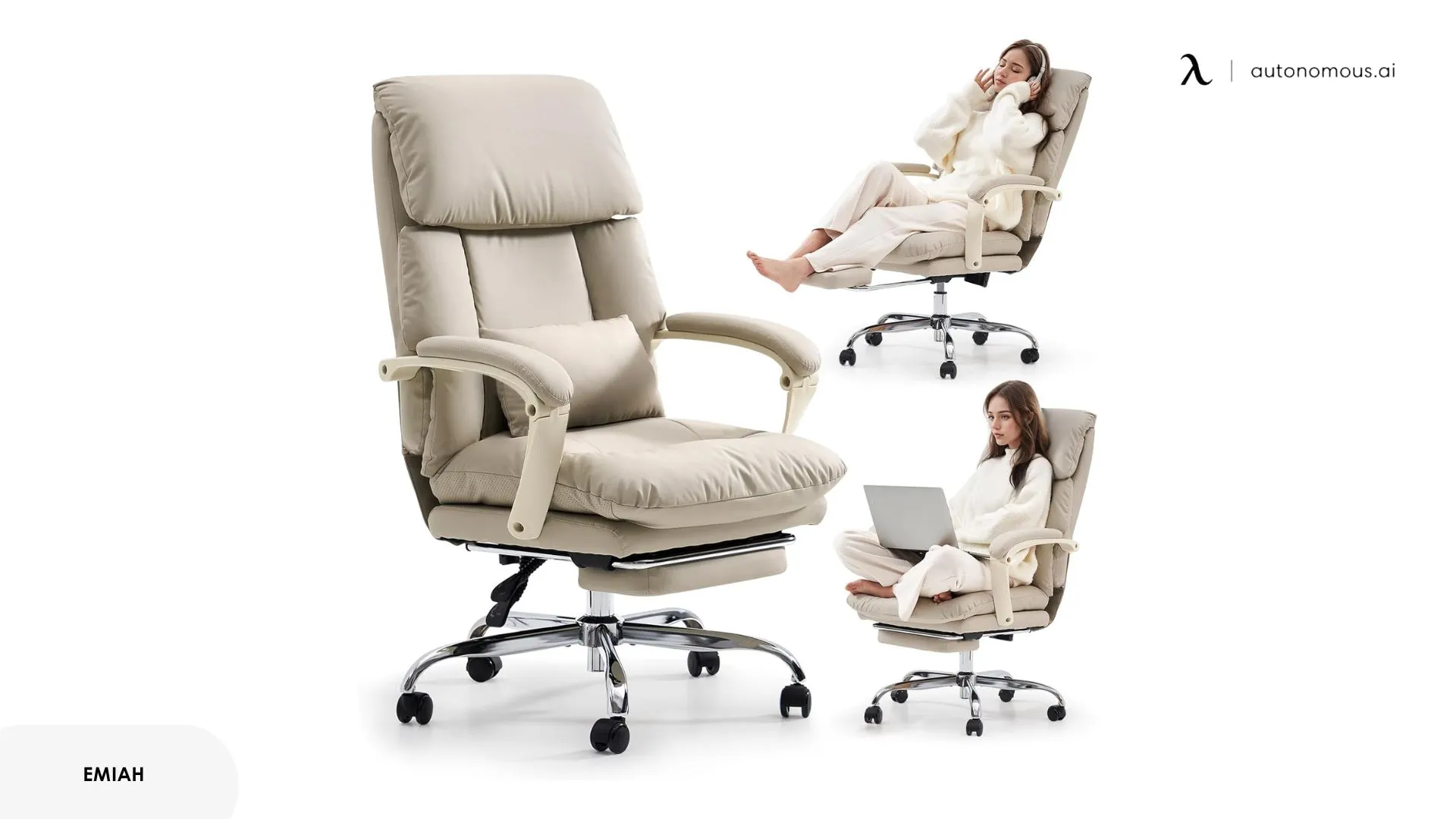
8. EMIAH High Back Reclining Chair (90°-160°)
The EMIAH High Back Reclining Chair is one of the few models here that genuinely feels designed around rest. The deep recline and footrest make it easy to transition from working to relaxing within seconds.
What stood out most was how quickly I could change positions during the day. It worked particularly well for short breaks between focused work sessions.
That said, the features that make it comfortable for lounging also make it less effective as a dedicated ergonomic work chair.
Best for: Users who regularly take breaks, read, or rest in their workspace.
My score:
- Work: 5.5/10
- Relaxing: 9/10
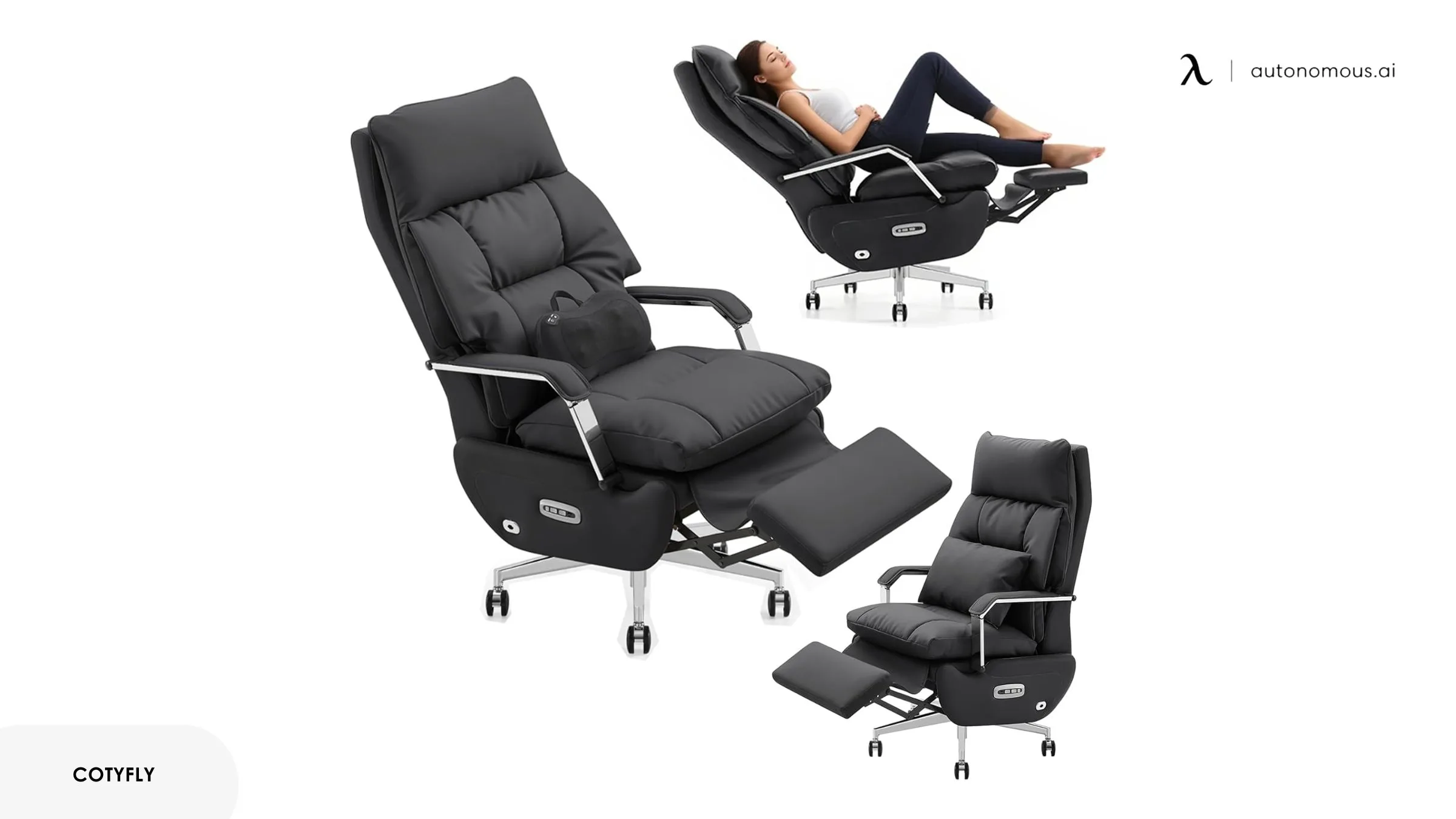
9. COTYFLY Electric Reclining Office Chair (90°-160°)
The COTYFLY Electric Reclining Office Chair offers a very different experience from traditional office seating. The motorized adjustments made it easy to find a comfortable position without manually operating levers or tension controls.
I appreciated how smooth the transitions felt, especially when moving between work and relaxation modes.
The tradeoff is complexity. Like most powered furniture, there are simply more components involved, which may not appeal to users who prefer a straightforward mechanical chair.
Best for: Users who value convenience and automated comfort adjustments.
My score:
- Work: 6.5/10
- Relaxing: 9/10
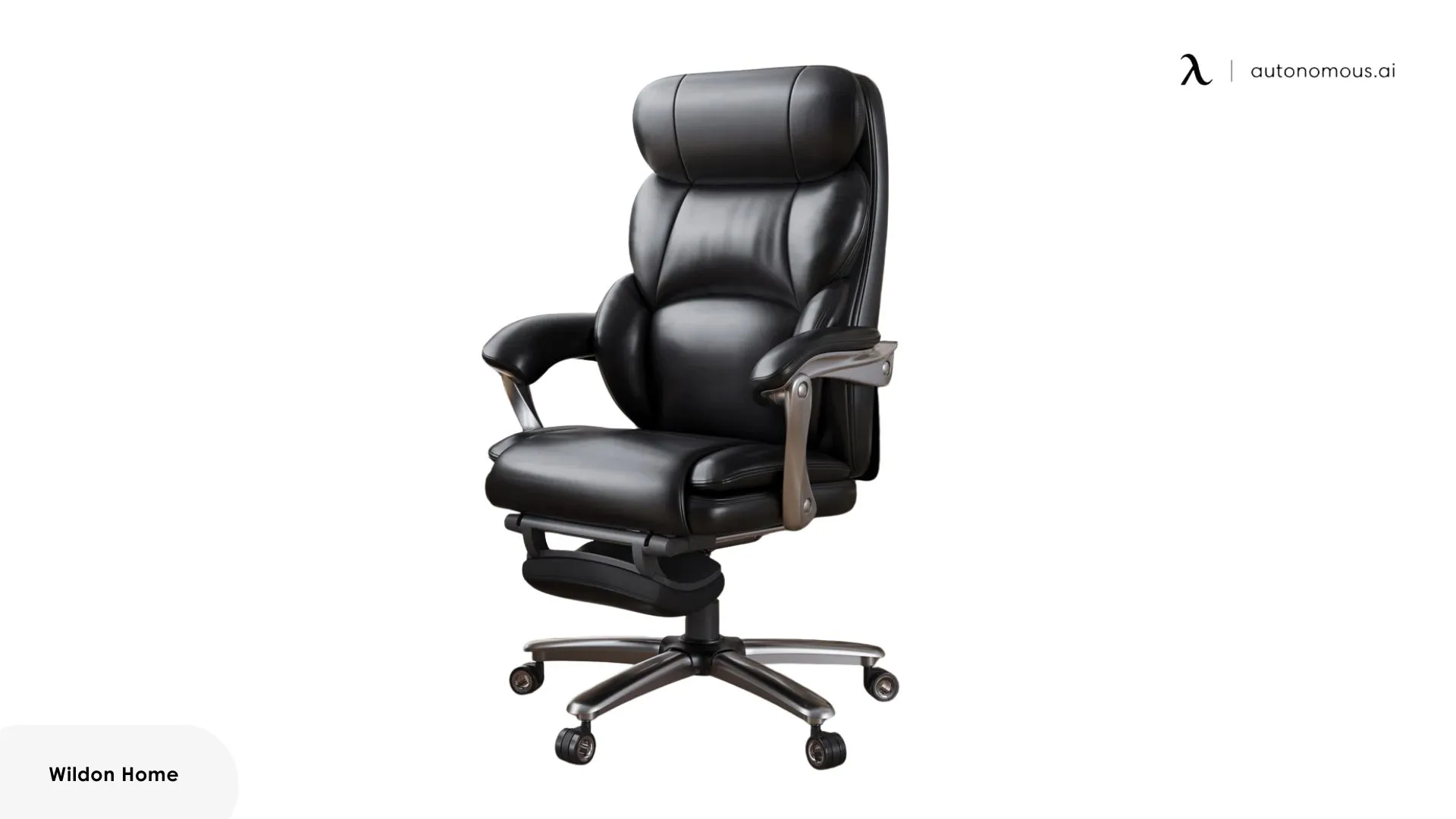
10. Wildon Home Reclining Chair (90°-180°)
The Wildon Home Reclining Chair pushes the concept of a reclining office chair to its limit. When fully reclined, it feels much closer to a lounge chair than a traditional office chair.
For relaxing, watching videos, or taking a short nap, it was easily the most comfortable model in this comparison.
However, that same design makes it less practical for focused desk work. I found myself treating it as a recliner that happens to sit near a desk rather than a true task chair.
Best for: Users who prioritize comfort, lounging, and maximum recline over traditional office ergonomics.
My score:
- Work: 4/10
- Relaxing: 10/10
What to Look for in a Reclining Office Chair
A reclining office chair should be evaluated based on functional ergonomics rather than aesthetics.
Recline angle defines how far the chair can tilt backward:
- 120°-130°: light relaxation and work breaks
- 135°-150°: balanced work + rest support
- 155°-170°: near-flat recline for naps
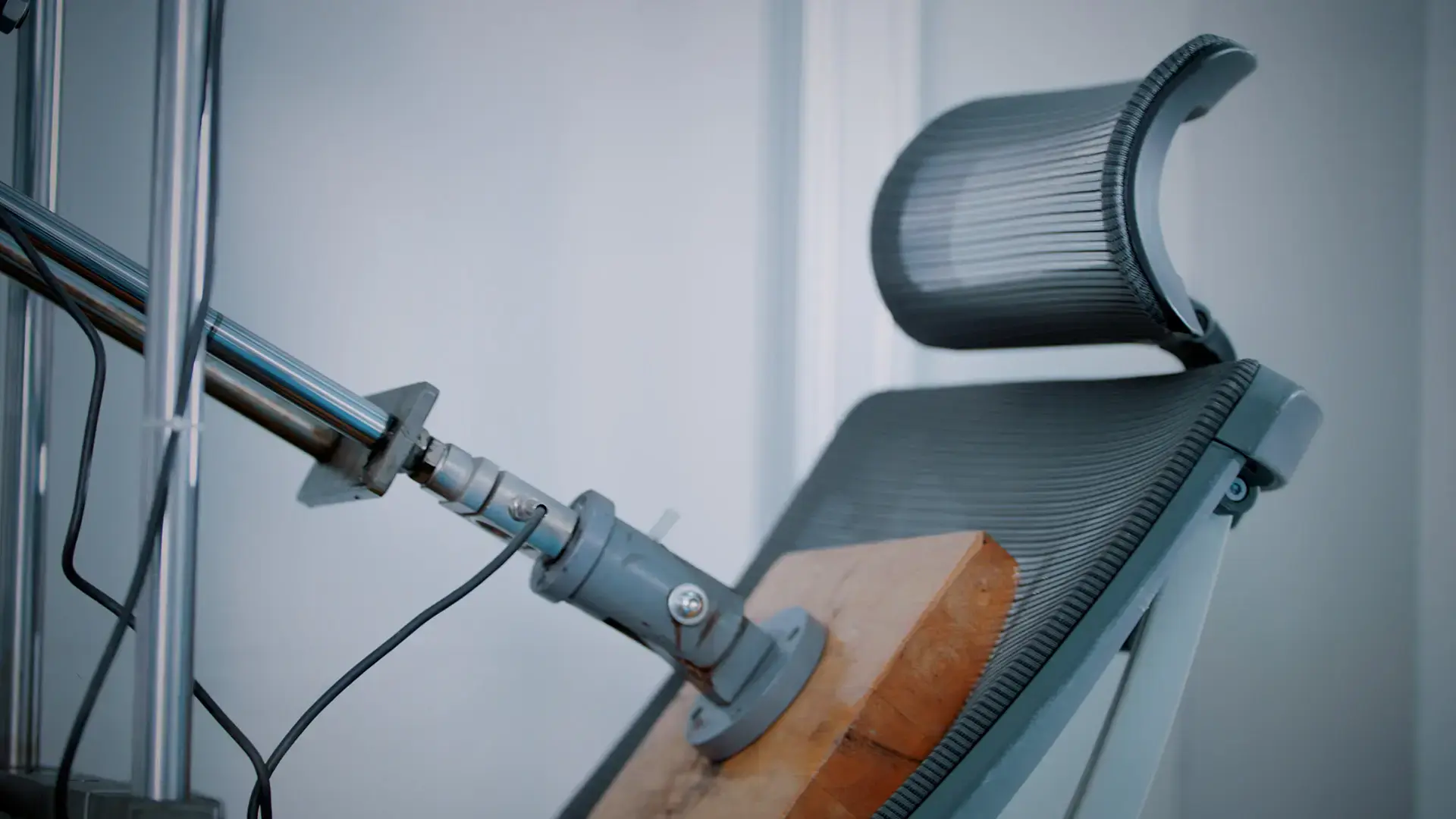
Lumbar support is the lower back structure that maintains spinal alignment during both upright and reclined positions.
A footrest improves circulation by elevating the legs during deep recline positions.
Recline systems include:
- manual spring tension systems
- lock-based mechanical recline
- motorized preset recline systems
Standard vs Reclining Office Chair
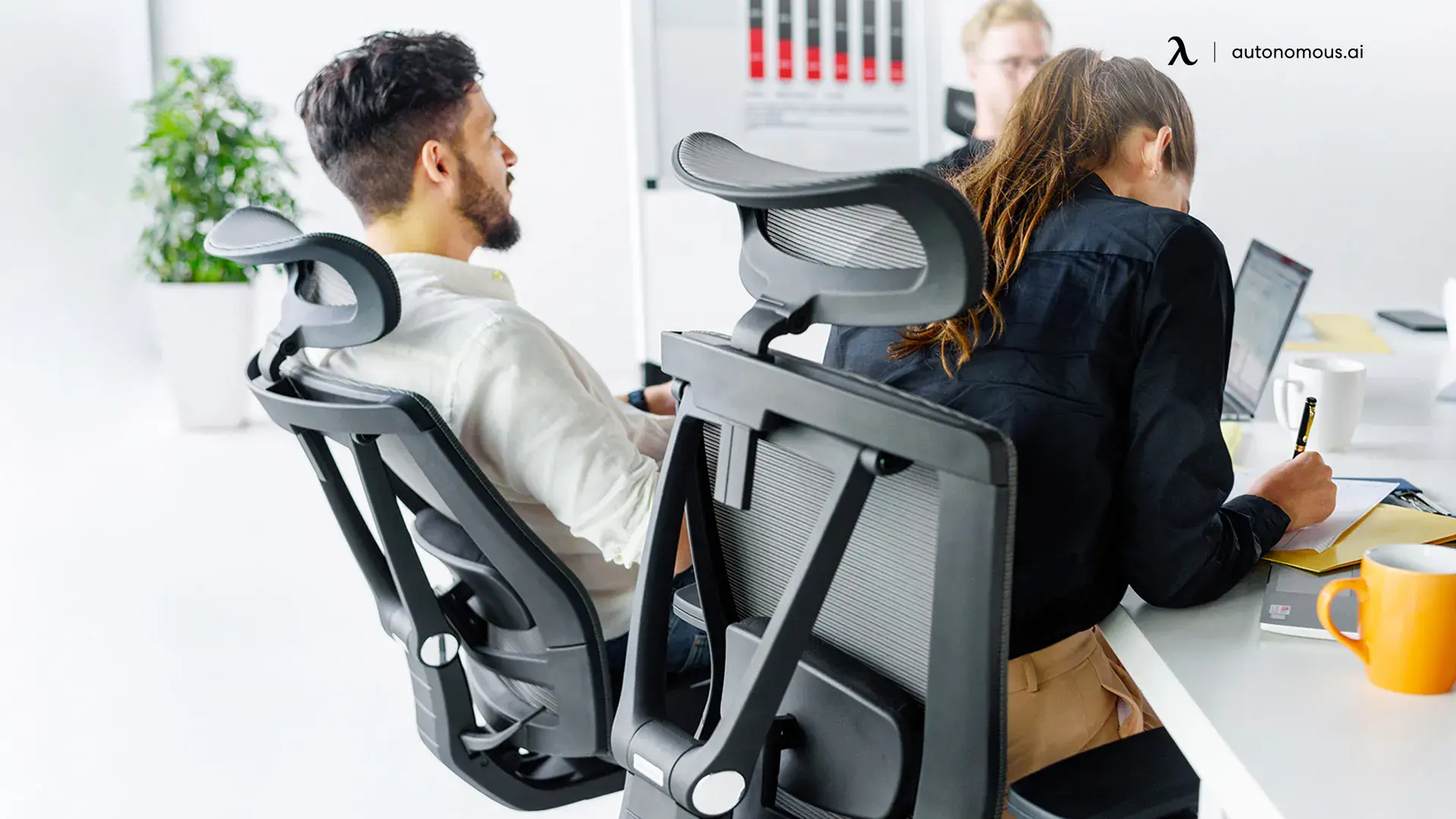
A reclining office chair differs from a standard office chair in its ability to shift posture dynamically.
Standard office chairs:
- fixed or limited recline
- static lumbar support
- minimal rest functionality
Reclining office chairs:
- adjustable recline angles
- support for rest positions
- improved pressure distribution over time
Reclining chairs are more suitable for long-duration desk use.
How to Choose the Right Reclining Office Chair
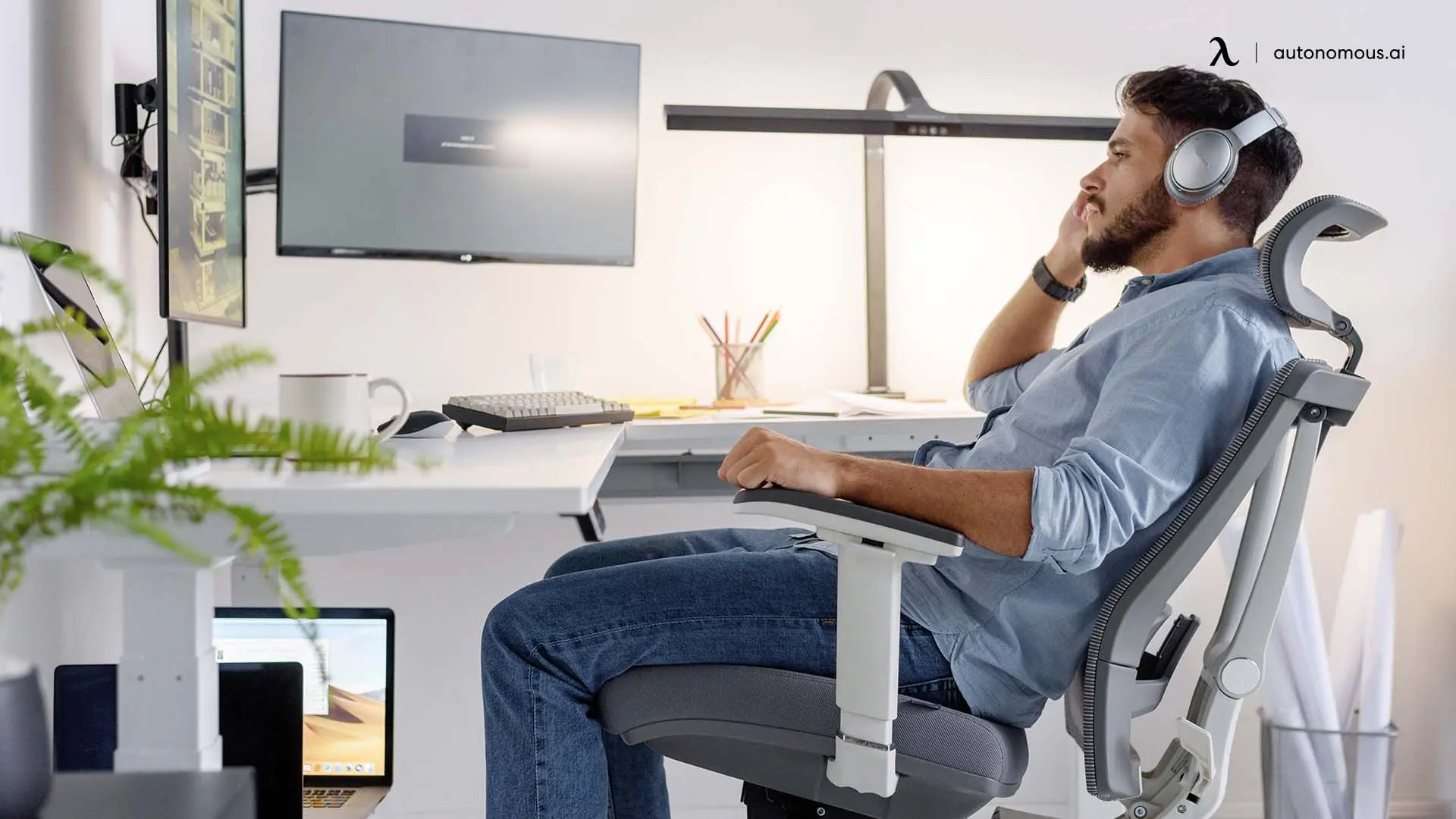
Choose based on usage pattern:
- Work-focused users → 120°-130° recline
- Balanced work + rest → 135°-150°
- Rest-heavy users → 155°-170°
- Tech convenience users → electric recline systems
The correct chair depends more on recline behavior needs than design preference.
FAQs
What is the benefit of a reclining office chair for productivity?
A reclining office chair improves productivity by allowing for "dynamic sitting," which enables users to shift positions, reduce static spinal load, and maintain circulation during long work hours. These posture shifts help prevent the fatigue and stiffness associated with remaining in a fixed upright position all day.
Are reclining office chairs good for long hours of work?
Yes, reclining office chairs are excellent for long hours because they support posture variation and reduce localized pressure on the spine and thighs. By using a synchro-tilt mechanism, these chairs allow you to recline while maintaining an ergonomic, productive angle for desk tasks.
How do I choose the best reclining office chair for my back?
The best reclining office chair for back health should feature adjustable lumbar support, seat depth control, and a smooth tilt-tension mechanism. These features ensure that even when you recline, your spine remains properly aligned to mitigate chronic strain.
Can a reclining office chair help with lower back pain?
A reclining office chair can help reduce lower back pain by allowing you to decompress your spine and shift your weight throughout the day. However, proper lumbar alignment and chair setup remain essential to ensuring the chair actively supports your lower back rather than just offering relaxation.
What is the ideal recline angle for an office chair?
For active desk work, a recline angle between 100° and 115° is generally considered ideal. This range provides enough movement to relieve spinal pressure without compromising your focus or ability to reach your keyboard.
Do reclining office chairs with footrests save space?
Reclining office chairs with footrests are usually hybrid models designed to replace the need for separate lounge furniture, but they do require a larger footprint when fully extended. They are most beneficial in home office setups where you need a single chair that can transition from work to a full rest position.
Is it safe to nap in a reclining office chair?
It is safe to nap in a reclining office chair provided the model is designed for deep recline (150°-170°) and has a stable, reinforced base. Always ensure the chair is used within its certified weight capacity to prevent instability while the backrest is fully extended.
How does a reclining office chair differ from a standard ergonomic chair?
A standard ergonomic chair focuses on maintaining a fixed, neutral posture for task-focused work, while a reclining chair adds relaxation positioning. Reclining models are specifically designed to provide posture flexibility for users who spend extended periods at their desks.
Are electric reclining office chairs worth the extra cost?
Electric reclining office chairs offer convenience by providing preset angles and hands-free adjustments, which are ideal for users who prioritize modern comfort. While they cost more than manual models, they are highly effective for users who find manual tilt mechanisms difficult to operate or who need precise, repeatable positioning.
Do I need a heavy-duty reclining office chair?
If you require extra stability for deep recline positions or need a wider seating area, a "Big and Tall" or heavy-duty reclining chair is recommended. These models are built with reinforced steel frames and higher-density materials to ensure safety and comfort for all body types during extended relaxation.
How do I maintain the mechanism on a reclining office chair?
To maintain your chair's mechanism, regularly check that all bolts are tightened and ensure the tilt-tension knob is adjusted to match your body weight. High-quality models with mechanisms like the Italian Donati system are designed for long-term smoothness, but regular visual inspections help preserve their integrity.
Where can I buy a reliable reclining office chair?
You can purchase reliable reclining office chairs through authorized ergonomic furniture retailers like Autonomous, which offer models with lifetime warranties and adjustable features. Always review the weight capacity and return policy before buying to ensure the chair meets your specific ergonomic and workspace needs.
Conclusion
A reclining office chair is designed to support both productivity and recovery by enabling adjustable seating positions throughout the day.
The best choice depends on how you work:
- light recline for focus-heavy users
- mid recline for balanced workflows
- deep recline for rest-oriented users
By selecting the correct recline range and support system, users can significantly improve comfort during long desk sessions.