Van Life Essentials: The Checklist That Actually Matters

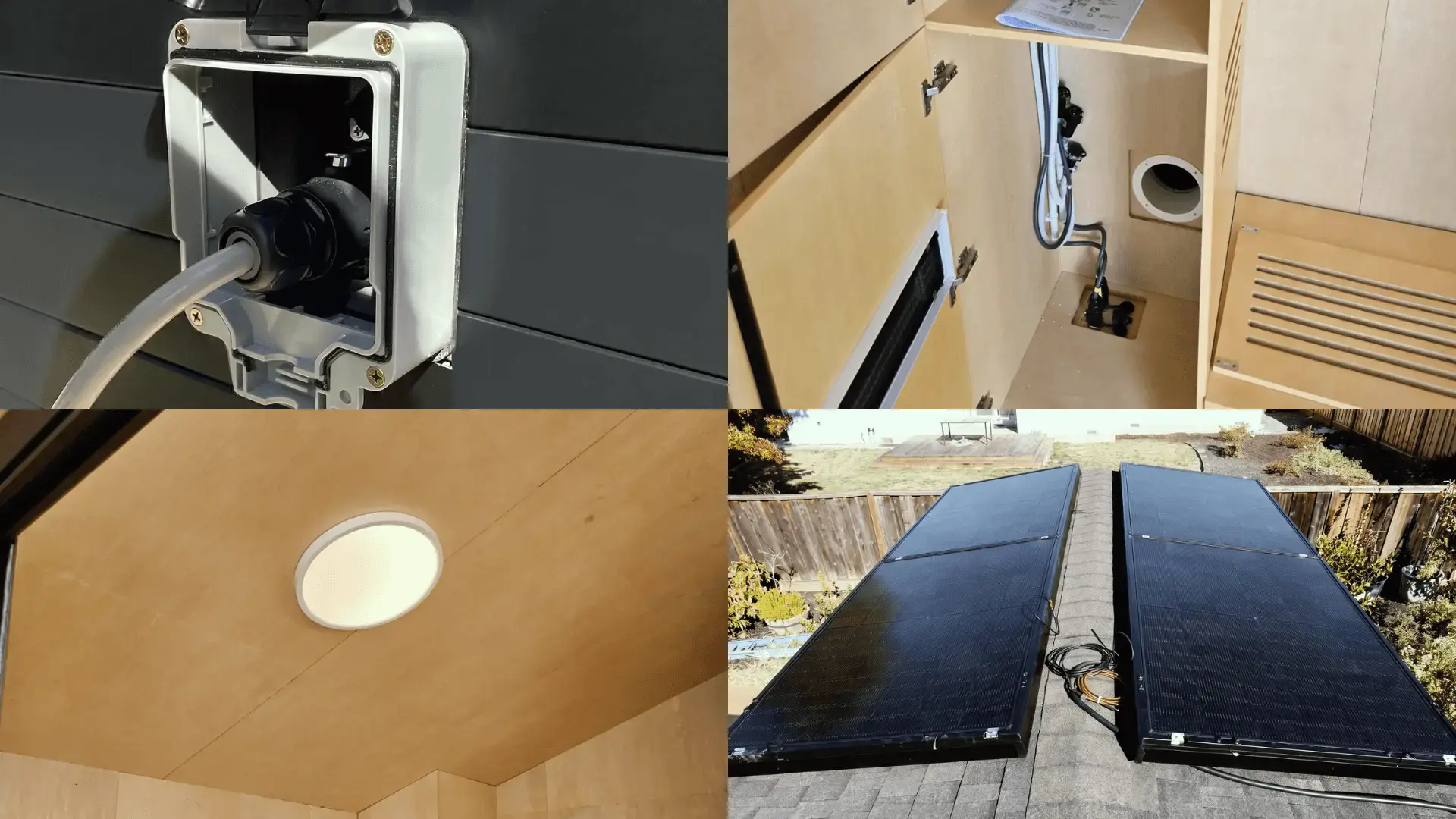
The van life essentials that matter come down to solving five needs well: power, water, sleep, food, and safety - with connectivity added if you work from the road. Most checklists bury those under a hundred nice-to-haves. This one is organized by need, because space and power in a van are finite, and every item has to earn both. Build around the five, add the rest only if it fits.
Power and electrical: the heart of the build
Power is the system everything else depends on, so it gets the most planning.
- A leisure battery bank (lithium/LiFePO4 is now the standard) sized to your actual daily draw, not a guess. List every device and its watt-hours, add margin, then choose.
- Solar panels on the roof to recharge while you drive or park, sized to refill your bank on an average day where you travel.
- A power station or inverter to run standard plugs, plus plenty of USB-C ports for the devices that make up most of your daily charging.
- A DC-DC charger so the van's alternator tops up your battery as you drive - often your most reliable charging source in bad weather.
Get this system right and everything downstream works. Get it wrong and you're chasing dead batteries.
Water: clean in, grey out
Water is the essential people underestimate.
- Fresh water storage sized to your range between refills, with a simple pump and tap.
- A grey water tank to catch what drains, so you're not dumping on the ground.
- A filter for topping up from natural or uncertain sources.
Sleep and climate: the thing you do every night
A bad bed ruins van life faster than anything.
- A proper mattress, not a folded pad - you sleep on it every night for months.
- Insulation and ventilation: wall and ceiling insulation for temperature, plus a roof vent or fan, which is the single best upgrade for airflow and condensation.
- Window covers for insulation, blackout, and privacy.
Kitchen: eating well in a small space
- A single or dual-burner stove (induction if your power supports it, gas if not).
- A 12V fridge, one of the biggest quality-of-life items and one of your bigger power draws, so size the battery for it.
- Nesting cookware and secured storage so nothing rattles or flies on rough roads.
Safety and comfort: non-negotiable
- A carbon monoxide and smoke alarm - mandatory if you cook or heat inside.
- A fire extinguisher and a solid first-aid kit within reach, not buried.
- Recovery gear (traction boards, a basic kit) if you go anywhere remote.
Connectivity and remote work: earning from the road
If van life funds itself through remote work, connectivity becomes a sixth essential.
- Satellite internet (Starlink) or a cellular router with a good data plan is what makes remote work from remote places possible. It's also a real power draw, so factor it into your electrical build.
- A phone with strong tethering as backup.
For van-lifers who work remotely, there's one less obvious tool worth knowing about, with a clear caveat on fit. Running a laptop farm off van power is rough, but a small always-on assistant is far more feasible than it sounds, because the Autonomous Intern is a low-power device - it runs off USB-C at roughly the draw of charging a phone, not a laptop, so a decent power station or solar setup can keep it on.
You leave it running and text it tasks from your phone through Telegram, Slack, or Discord; it handles your inbox, DMs, and GitHub issues while your laptop sleeps, which is handy when you're off exploring for a day or two. The honest limits matter more here than anywhere: it needs a live internet connection (your Starlink or hotspot, and its data), so it's only for vans already set up for serious remote work, and the AI models it runs use tokens on top of the one-time device. For the off-grid weekender it's overkill; for the remote worker running a business from a well-powered van, it's a genuinely low-power way to keep work moving.
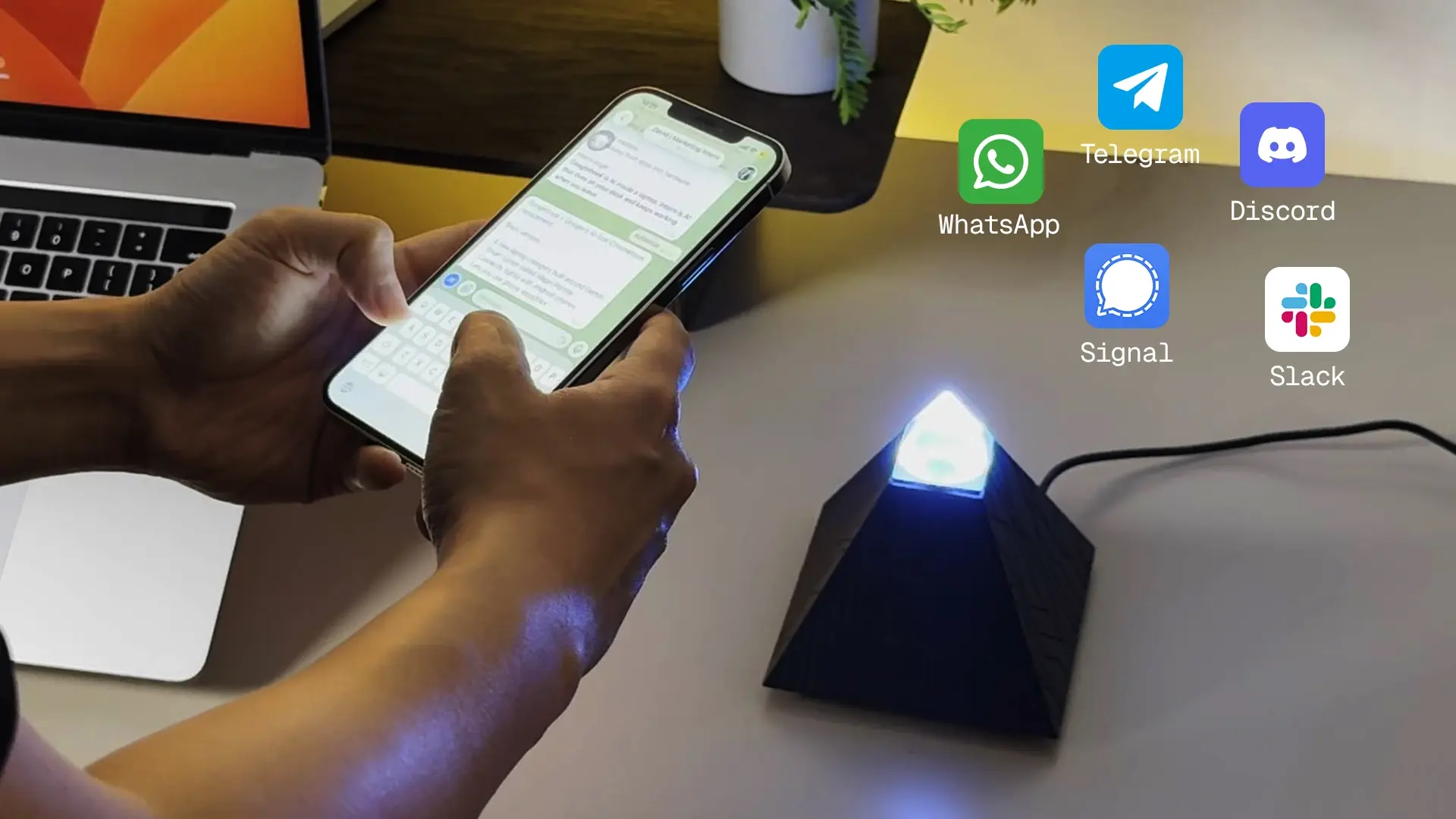
- Low-power (USB-C) always-on assistant; delegate work from your chat apps.
- Needs internet and a power source.
- For remote-working vans only.
- Model tokens separate.
FAQs
What are the essential items for van life?
A properly sized power system (battery, solar, inverter), water storage with a grey tank, a real mattress with insulation and ventilation, a stove and a 12V fridge, and safety gear (CO alarm, extinguisher, first aid). Everything else is optional.
How much power do you need for van life?
It depends entirely on your devices - a fridge, laptop, and lights need far less than adding an induction hob, heater, and Starlink. List every device's watt-hours, total your daily draw, and size the battery and solar to refill it with margin.
Can you work remotely from a van?
Yes, and many do, but connectivity and power are the constraints. Starlink or a strong cellular router plus a robust electrical system make it viable; without both, remote work from remote places is frustrating.
What's the biggest van life mistake?
Undersizing the power system, or overbuilding with gear that never gets used. Build around the five essentials - power, water, sleep, food, safety - and add extras only after you've lived with the basics.
How do you stay connected off-grid?
Satellite internet like Starlink for true remote areas, a cellular router with a good data plan for most places, and phone tethering as backup. Each adds power draw, so plan the electrical system around it.
Conclusion
Van life essentials aren't about having the most gear - they're about getting five systems right: power, water, sleep, food, and safety, with connectivity if you work as you roam. Build those well, keep everything sized to your real usage and your finite space, and the van becomes a home that goes anywhere. Add the extras once you've lived with the basics and learned what you actually reach for.