6 Best Ergonomic Living Room Chairs for Back Pain Sufferers
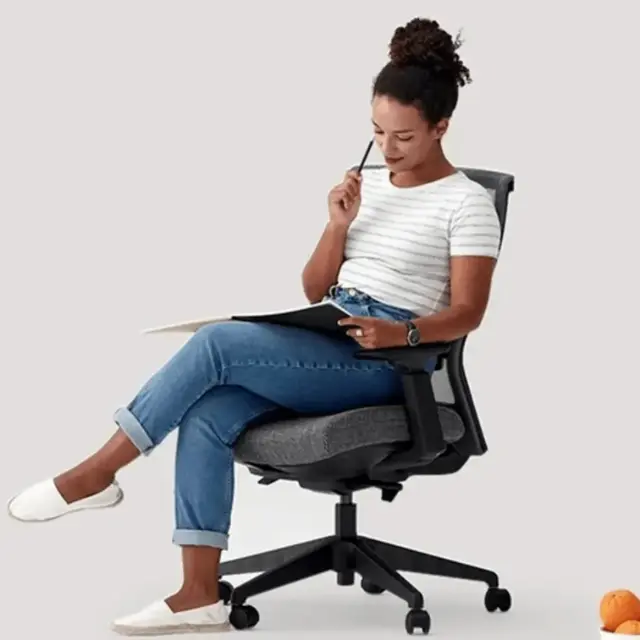
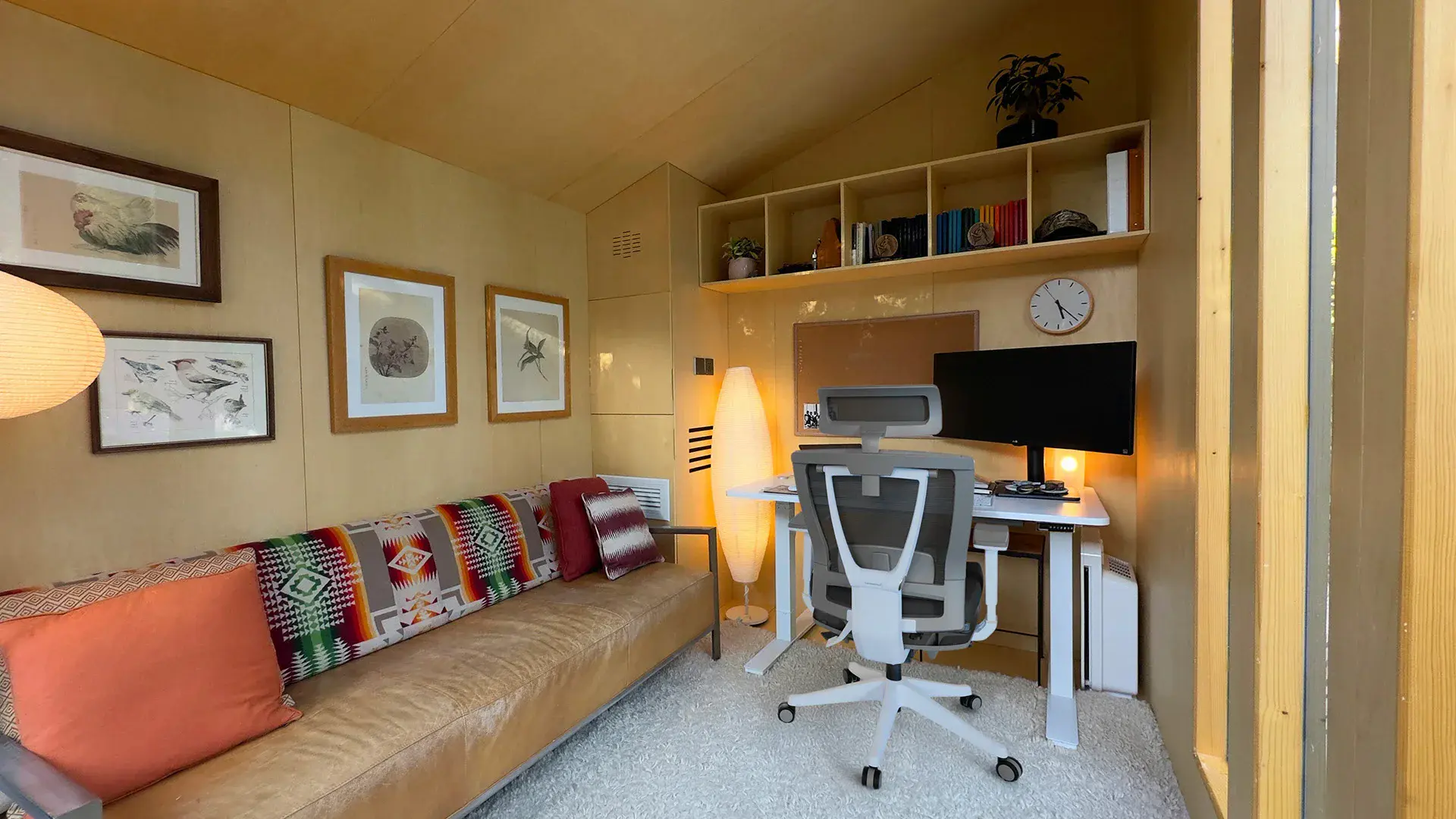
The best living room chair for back pain sufferers keeps contact with your lower back, has a seat shallow enough that your back reaches the backrest, reclines far enough to take load off your spine, and sits high enough that you can stand up without pushing hard on the armrests. Our top pick is the Autonomous ErgoChair Pro, because its lumbar slides to where your back needs it; if you want a true TV recliner, the La-Z-Boy Liam adds power lumbar that adjusts on its own.
An ergonomic living room chair comes in two kinds: upright task-style chairs with adjustable lumbar for a reading or work corner, and recliners and lounge chairs built for reclined comfort. This guide covers six across both types, with the seat height and depth of each so you can check the fit against your own legs. It covers seating comfort rather than medical care, so see a professional for back pain that lasts.
What makes a living room chair ergonomic
A living room chair is ergonomic when it holds your spine in its natural curve instead of letting you sink into it, so the lower back, neck and hips stay supported through a long evening.[1] Four features separate a genuinely ergonomic chair from one that only looks comfortable.
Lumbar support that holds the curve of your lower back. OSHA's chair guidance asks for lumbar support that can be moved to fit the lower back, and suggests a rolled towel or small cushion when a chair has none.[2] Most recliners have a fixed, padded back rather than an adjustable lumbar. For aches higher up, an office chair for upper back pain extends that support to the mid and upper spine.
Recline or tilt that lets you shift weight off your spine and change position, which eases the pressure that builds from sitting still.
A seat that fits your legs. Adjustable seat depth and height let shorter and taller sitters keep their feet flat and their back against the backrest. A seat that is too low is also harder to get out of, which matters when your back is sore.
Cushioning that supports without letting you sink, so your pelvis does not roll back and flatten your lower back over a two-hour film.
Ergonomic living room chairs at a glance
The six chairs below split into two upright ergonomic chairs and four recliners or lounge chairs. Prices are list prices from the brand or retailer page.
| Chair | Type | Lumbar | Recline | Best for | List price |
|---|---|---|---|---|---|
| Autonomous ErgoChair Pro | Ergonomic task chair | Sliding, 6" range | 22° synchro-tilt | Firm, adjustable lower-back support | $499 |
| Autonomous ErgoChair Ultra 2 | Ergonomic mesh chair | Flex-frame back | 25° | Mesh back for warm rooms | $449 ($499 with headrest) |
| La-Z-Boy Liam | Power wall recliner | Power, adjustable | Power, 2 memory positions | TV recliner with real lumbar | $1,589 |
| Flexsteel Linden | Power recliner | Power, adjustable | Power, zero gravity | Close-to-wall placement | $2,250 (Abt) |
| Stressless Mayfair | Lounge recliner with ottoman | Built in | Manual glide | Lounge chair look | $3,695 (Medium) |
| Ebern Designs Pettit | Push-back recliner | Not listed | Manual push-back | Under $400 | $399.99 |
The 6 best ergonomic living room chairs
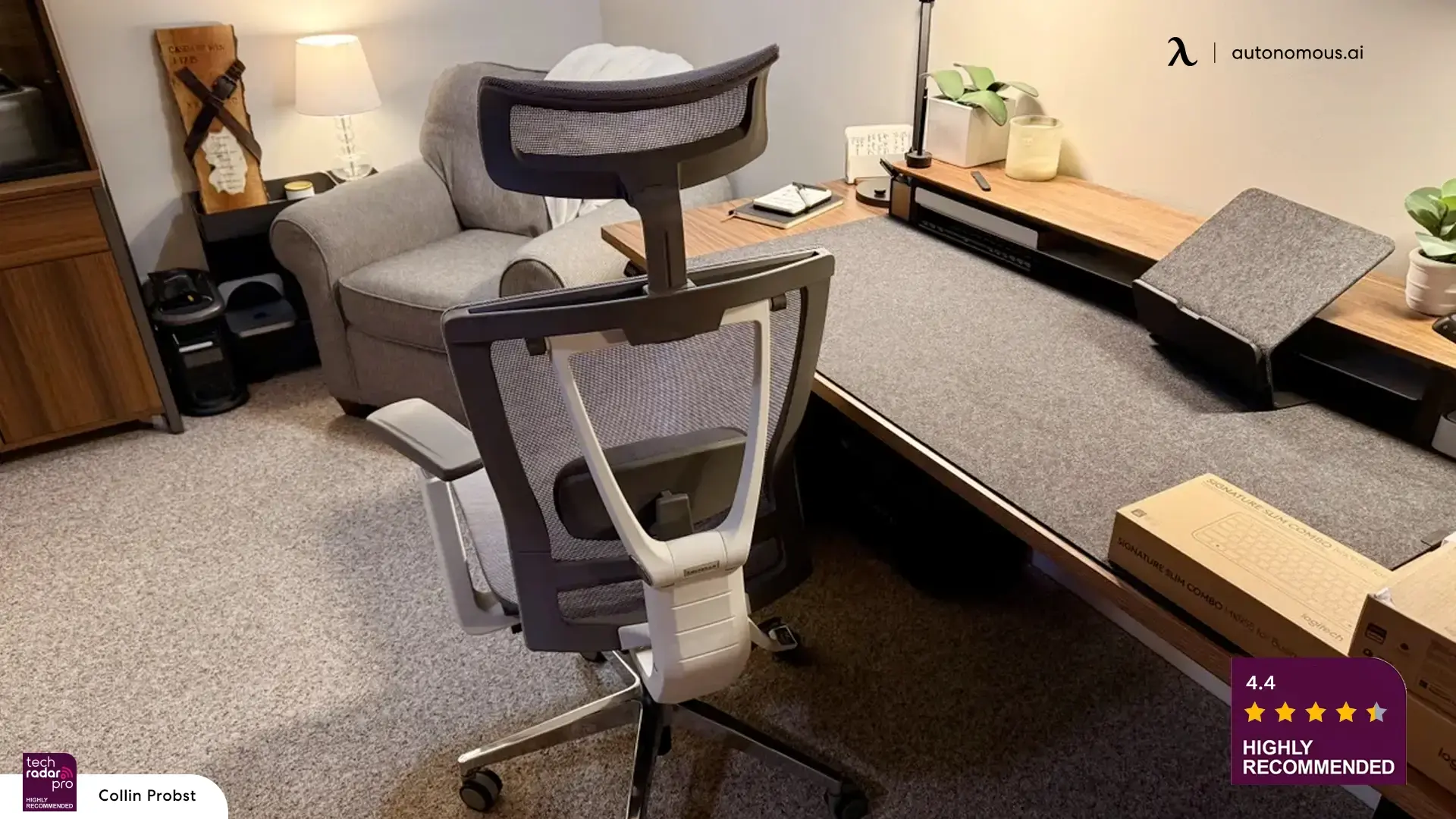
The two Autonomous chairs come first. The Pro gives the most precise manual lumbar; the Ultra 2 is the cooler mesh option. The four recliners follow, the two with power lumbar first, then the manual Stressless and the budget Pettit.
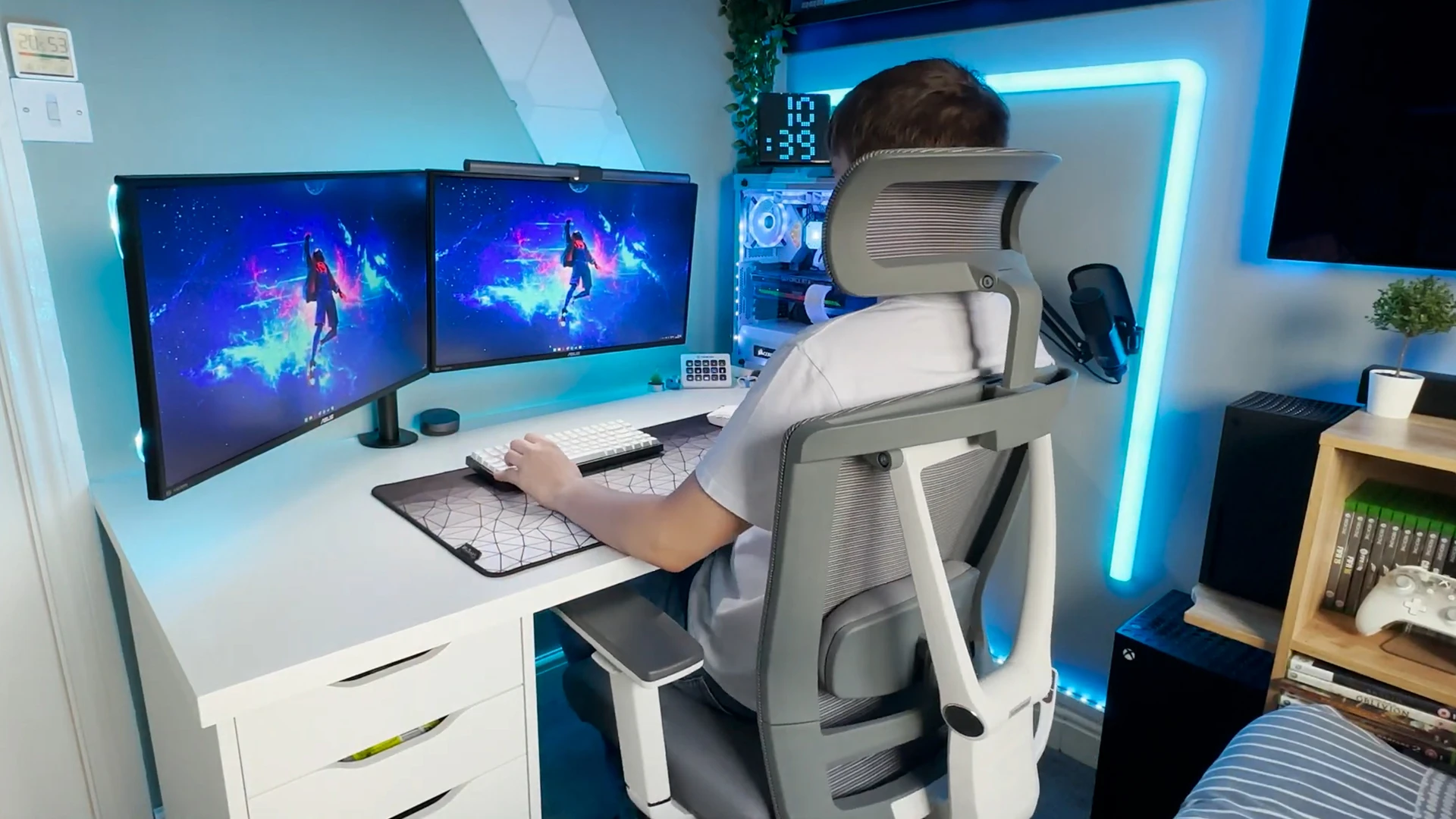
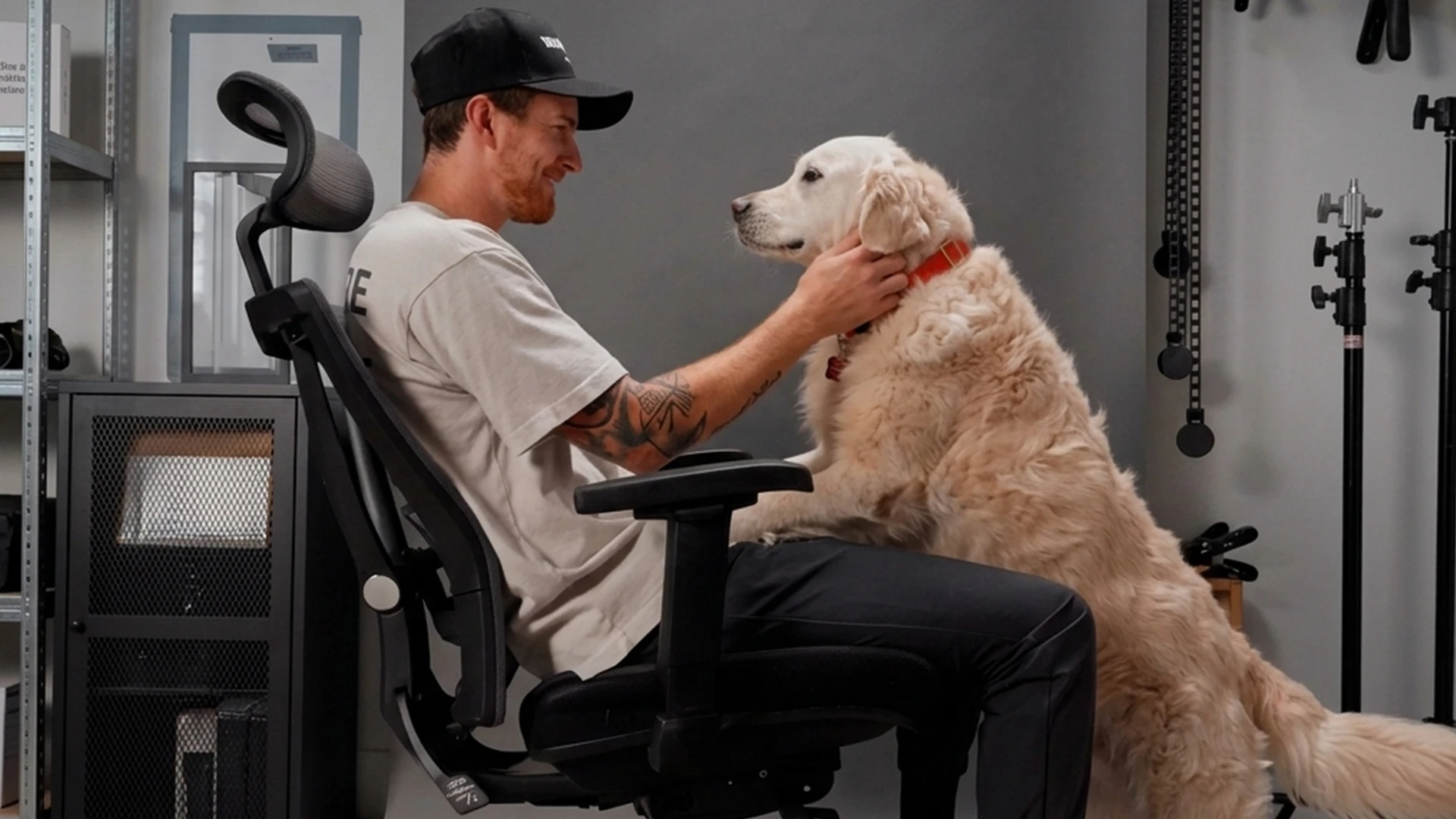
1. Autonomous ErgoChair Pro, best for firm lumbar support
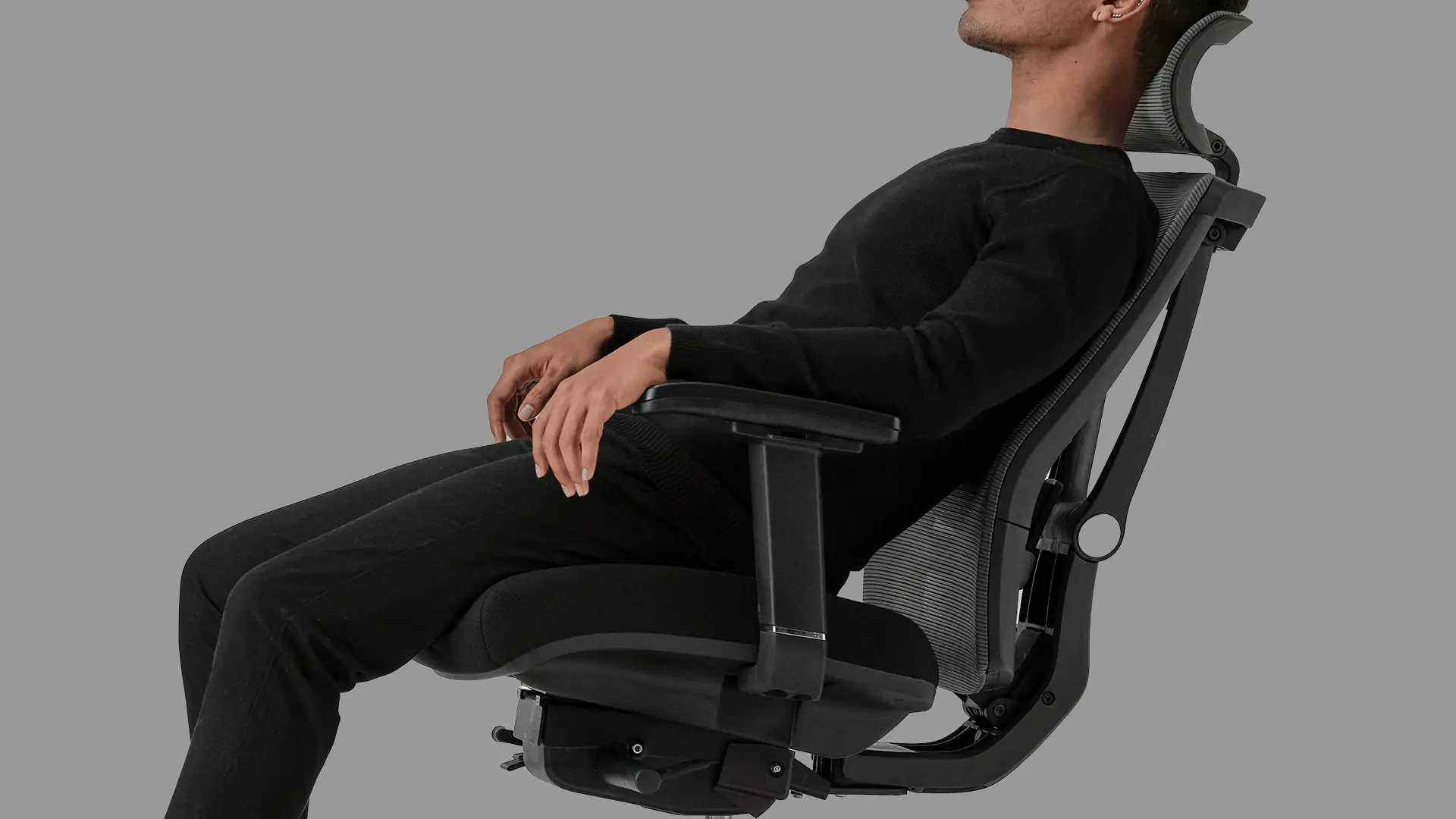
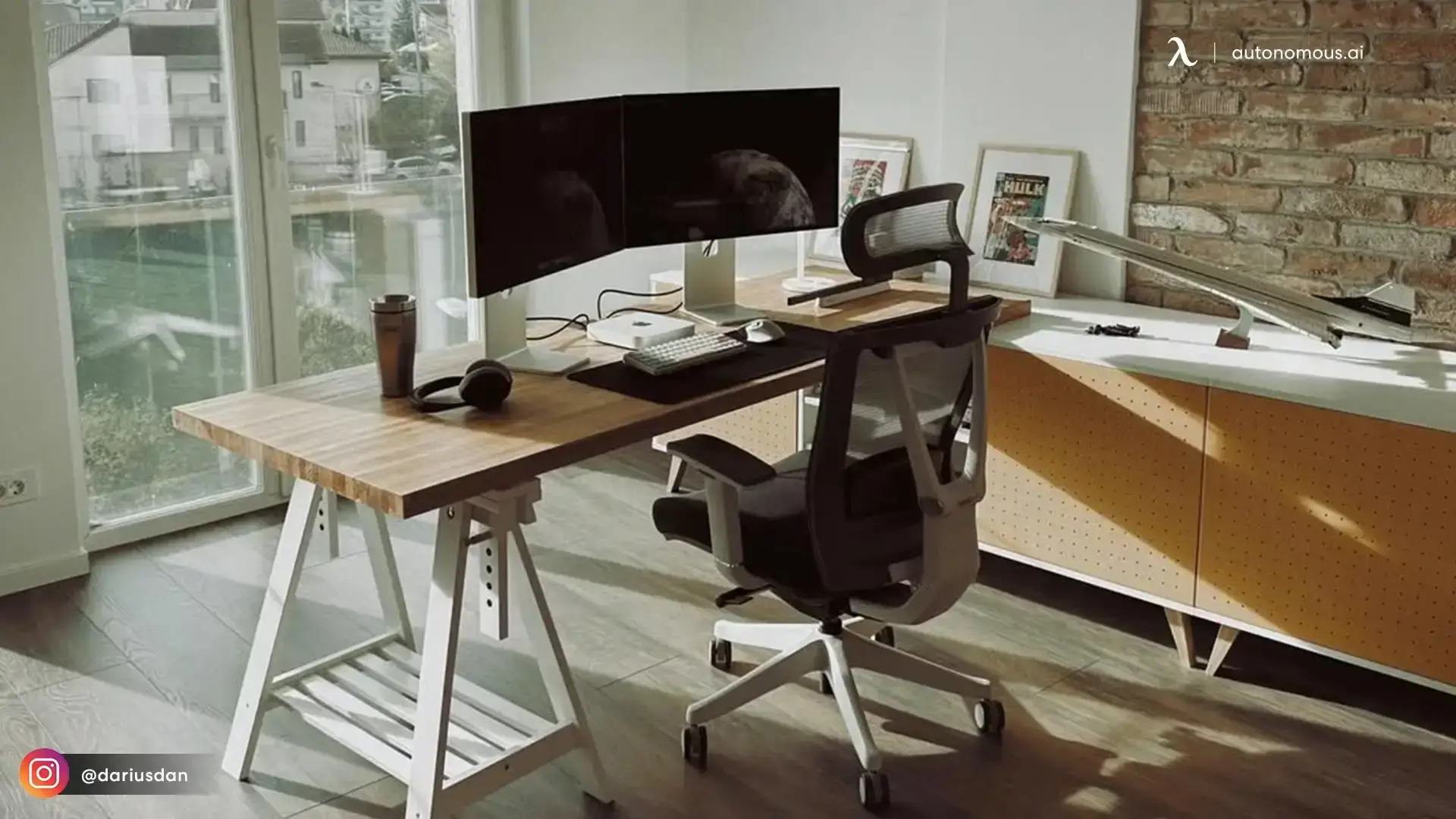
The ErgoChair Pro is the pick for people who want adjustable lumbar support in the living room rather than the soft, general support of a plush recliner. Its lumbar slides over a 6-inch range so you can set it on the curve of your lower back, and the synchro-tilt reclines the backrest through 22 degrees with five lock positions for reading or TV.
It is an office-style ergonomic chair, so you sit more upright than in a lounger, which suits a reading nook or a living room office. The seat height runs from 18.5 to 22 inches and seat depth from 19 to 21.5 inches, and the headrest and 3D arms adjust too. It holds up to 300 pounds and carries a lifetime warranty. Use the code BLOGFIRST5 for an extra 5% off.
Pros:
- Sliding lumbar you position yourself, rare in a living room chair
- Seat depth, seat height, headrest and 3D arms for a tailored fit
- Lifetime warranty and a 300 lb capacity
Keep in mind: it is an upright desk chair on casters with no footrest, so it suits reading and light work more than reclined napping.
2. Autonomous ErgoChair Ultra 2, best breathable pick
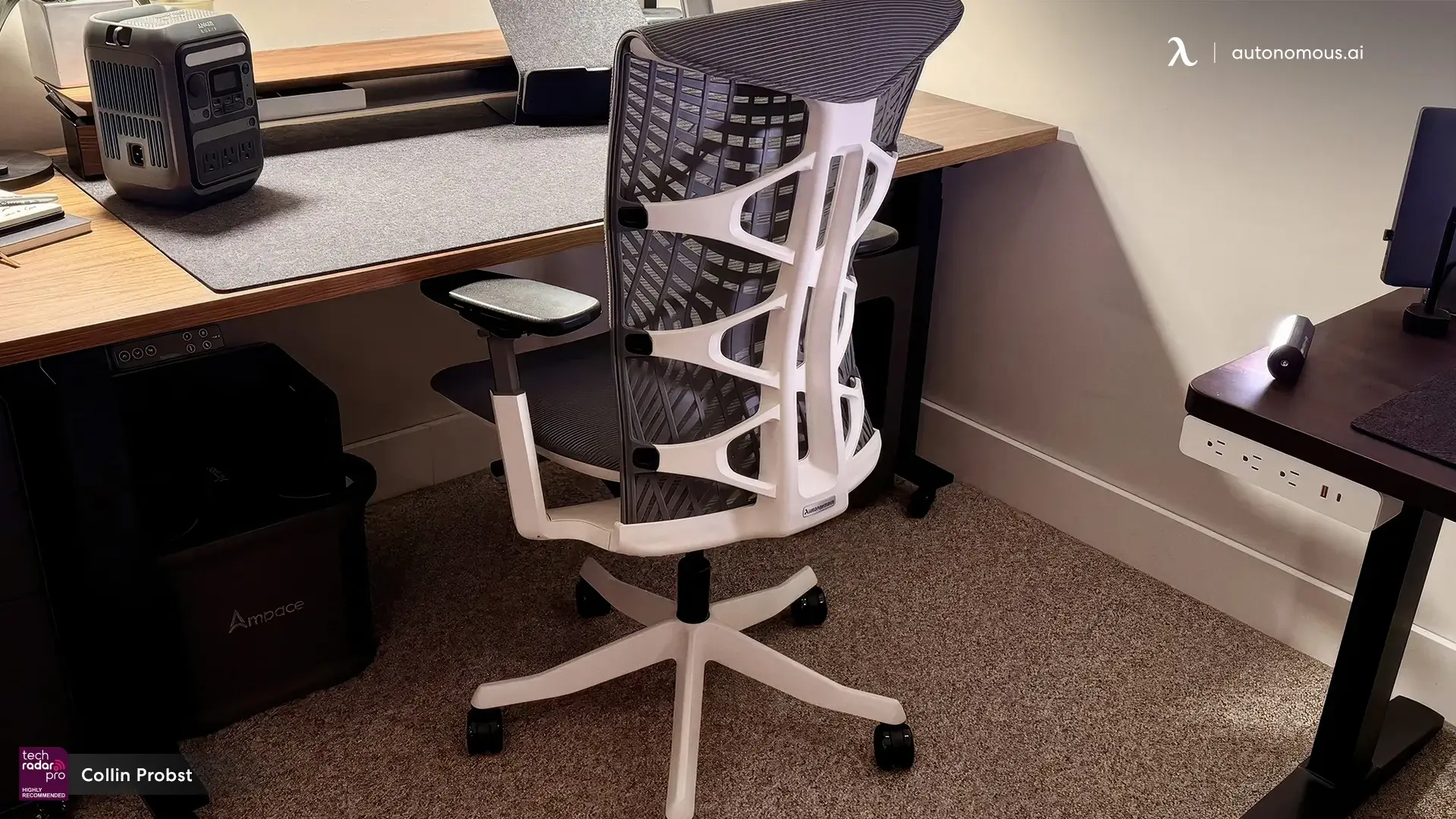
The Ultra 2 has a mesh back, so air moves through it where a foam recliner holds heat. That helps in long, still sessions such as a movie, an afternoon of reading or a living room gaming setup.
It supports the spine differently from the Pro: there is no separate lumbar pad, and the flex-frame back bends with you as you shift, over a four-layer seat with 62 pressure nodes. It reclines through 25 degrees with adjustable tilt tension, has 4D arms, holds 320 pounds and carries a lifetime warranty. The headrest is an option: the Plus version adds it.
Pros:
- Mesh back for warm rooms and long sessions
- Flex-frame back follows you as you move; 4D arms
- 320 lb capacity and a lifetime warranty
Keep in mind: the lumbar is not adjustable on its own, so if you need support set at one exact height, the Pro fits better. Like the Pro it is an upright chair, not a plush recliner.
3. La-Z-Boy Liam Power Wall Recliner, best recliner with adjustable lumbar
The La-Z-Boy Liam is the recliner to pick if you want lumbar support you can change, because its back, legrest, headrest and lumbar each move on their own power control. Two memory positions save your favorite reading and TV settings, a home button returns it upright, and a USB port charges your phone.
As a wall recliner it can sit just inches from the wall, though La-Z-Boy does not list the exact clearance, and it stretches to 65 inches long fully extended. The seat is 20 inches high and 20 inches deep inside a 32-inch-wide frame, a moderate size for most adults. The entry fabric version lists at $1,589, other fabrics cost more, and it carries a limited lifetime warranty. It is made to order, so expect a wait.

Pros:
- Power lumbar and power headrest that adjust separately from the recline
- Two memory positions and a home button
- Wall-hugger design for rooms without space behind the chair
Cons:
- Made to order, with a higher price than a basic recliner
- Weighs 106 lb
4. Flexsteel Linden Power Recliner, best for tight rooms
The Flexsteel Linden suits rooms where the chair has to sit close to a wall, needing 7 inches of wall clearance while still reaching a zero-gravity recline. It pairs that with power lumbar and a power headrest that adjust independently of the recline, plus a DualFlex spring seat and a USB port.
The seat is 21 inches high and 22 inches deep, which is deep: shorter sitters may not reach the backrest without a cushion, while taller people get full thigh support. It opens to 68 inches long. Abt lists the charcoal leather version at $2,250 as a pre-order, so check the delivery date before you buy. The labor warranty is one year, with a limited parts warranty.

Pros:
- Power lumbar, power headrest and zero-gravity recline
- 7 inches of wall clearance
Cons:
- 22-inch seat depth is long for shorter sitters
- Sold as a pre-order, with a one-year labor warranty
5. Stressless Mayfair with Ottoman, best lounge chair
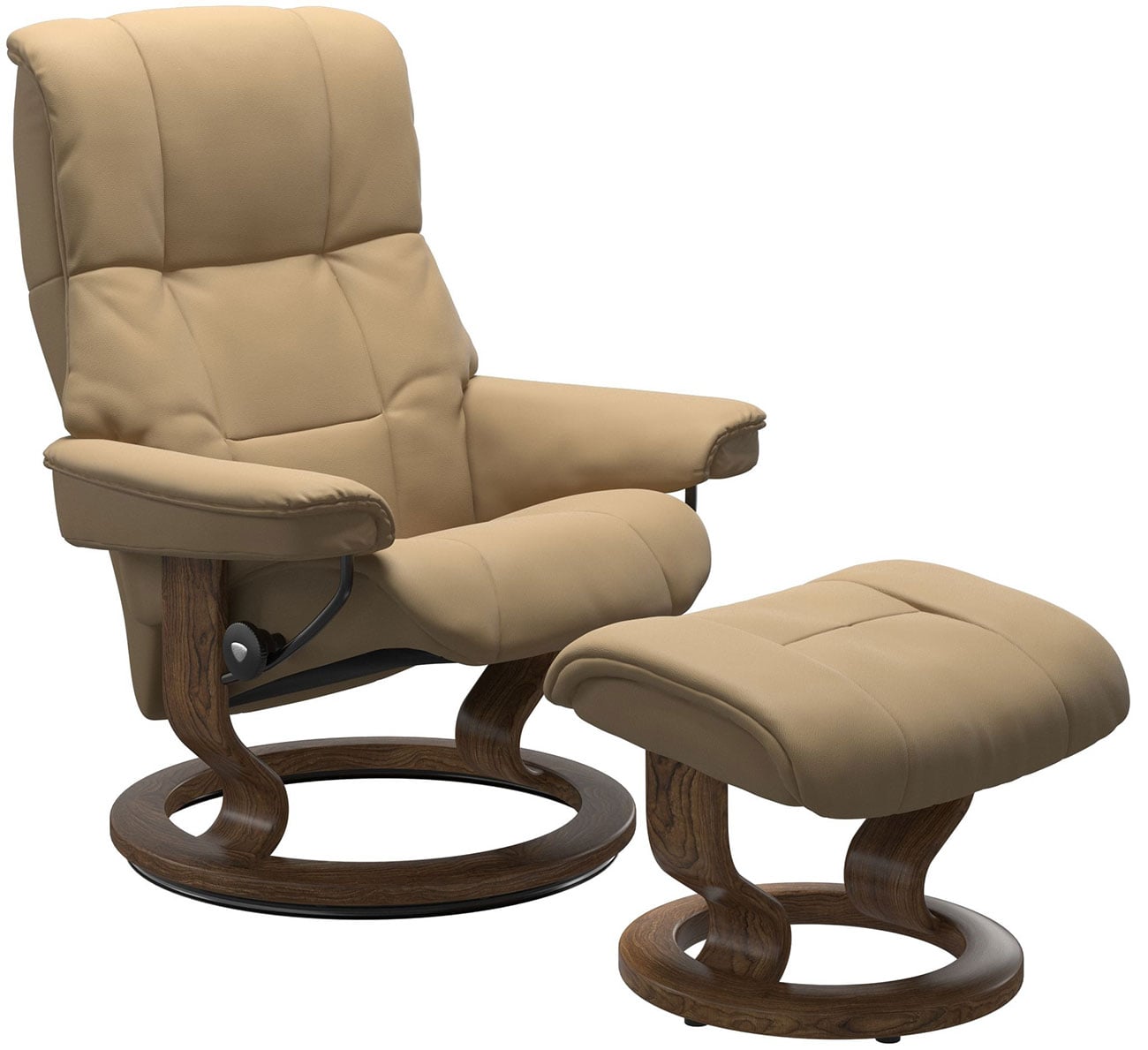
The Stressless Mayfair is the closest thing here to a classic lounge chair with ergonomic support, with lumbar support built into the back and a matching ottoman included. Its Plus system adjusts the headrest automatically as you recline, and it is a manual chair with a Glide system rather than a power recliner.
It comes in Small, Medium and Large, which helps fit it to your body; Abt lists the Medium at $3,695. That Medium seat is only about 16.5 inches high and 18.9 inches deep, so it suits shorter sitters well, but taller people may find it hard to rise from. It is the most expensive pick here, and Abt sells it by phone order rather than online.
Pros:
- Built-in lumbar support and a self-adjusting headrest
- Ottoman included; three sizes to match your height
Cons:
- Low seat on the Medium can make standing up harder
- Over $3,000 and sold by phone order at Abt
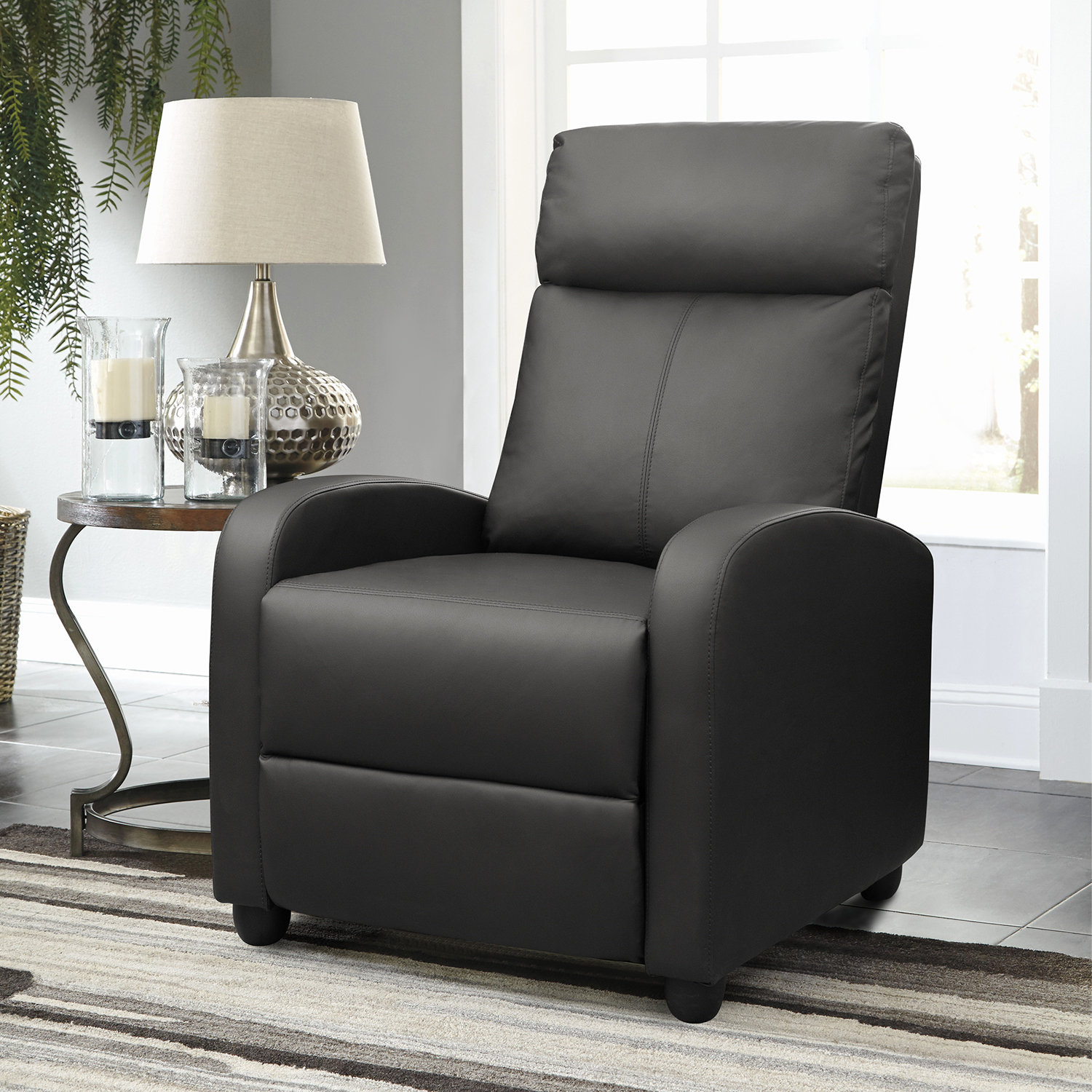
6. Ebern Designs Pettit Push-Back Recliner, best under $400
The Ebern Designs Pettit is the budget pick, a manual push-back recliner that lists at $399.99 and is often discounted at Wayfair. You recline it by leaning back, with no lever or motor, and it carries a 4.5 rating from more than 5,000 reviews.
Its 17.7-inch seat height is on the low side, and the seat is 19.7 inches wide, so it fits smaller rooms and smaller frames. Wayfair does not list a lumbar feature, seat depth or warranty, so treat it as a casual TV chair and add a lumbar cushion if your lower back needs it.
Pros:
- Lowest price here, with a large review base
- Compact and simple to use
Cons:
- No lumbar support listed
- Low seat can be harder to stand up from
How to choose an ergonomic living room chair
Match the chair to how you sit, because the best ergonomic living room chair depends on whether you want firm back support upright or plush relaxation reclined.
Start with lumbar support
If you have back pain, watch TV for long stretches or plan to read and work in the chair, put adjustable lumbar support first. Task-style chairs like the ErgoChair line give the most precise lower-back support, and an orthopedic office chair for back pain is worth a look if you want support built around a specific ache. Among recliners, the Liam and Linden have power lumbar; on the others, a small cushion fills the gap.
Check the seat against your legs
Measure from the floor to the back of your knee while seated in shoes, then compare that number with the seat heights below. OSHA's guidance is that your whole foot should rest on the floor with the back of the knee slightly higher than the seat, and that the back of your knee should not touch the front of the seat when your back rests on the backrest.[2]
| Chair | Seat height | Seat depth | Room note |
|---|---|---|---|
| ErgoChair Pro | 18.5" to 22" (adjustable) | 19" to 21.5" (adjustable) | Casters, upright |
| ErgoChair Ultra 2 | 18" to 23" (adjustable) | 18" to 20.5" (adjustable) | Casters, upright |
| La-Z-Boy Liam | 20" | 20" | Inches from the wall; 65" fully extended |
| Flexsteel Linden | 21" | 22" | 7" wall clearance; 68" open |
| Stressless Mayfair (Medium) | 16.5" | 18.9" | Ottoman adds floor space |
| Ebern Designs Pettit | 17.7" | Not listed | Compact push-back |
If your knee-height number is well above a chair's fixed seat height, rising from it will take more effort. If the seat is deeper than your thigh, add a lumbar cushion so your back still meets support.
Fit the chair to the room
Wall-hugger recliners like the Liam and Linden suit small rooms, while the Stressless needs floor space for its ottoman. If the chair shares a combined living room and office, a task-style chair does double duty, and a dedicated desk corner may call for the best chair for lower back pain at home instead.
Set a budget
The chairs here run from under $400 for a push-back recliner to over $3,000 for a Stressless, so decide which features you will use before you spend. Power lumbar appears only on the pricier recliners here.
FAQs
What is the best living room chair for back pain sufferers?
The best living room chair for back pain has lumbar support you can place on your lower back, a seat that lets your back reach the backrest and a recline that unloads your spine. The ErgoChair Pro gives the most precise lumbar; among recliners, the La-Z-Boy Liam has power lumbar.
Are recliners good for back pain?
Recliners can ease back pain by shifting your weight onto the backrest, but most have a fixed, padded back rather than adjustable lumbar. Choose one with power lumbar or a firm back, or add a small lumbar cushion, and get up and move every so often.
What is the best living room chair for spinal stenosis?
Many people with lumbar spinal stenosis find sitting, leaning slightly forward or reclining often feels easier than standing upright,[3] so a supportive recliner or a chair that lets you shift position often suits them. Symptoms differ, so ask a doctor or physical therapist which positions help you.
What should I look for in independent reviews of chairs for back pain?
Look for reviews that list measured seat height, seat depth and recline range, test the lumbar on more than one body size, and report how the cushions hold up over months. Ratings alone say little about whether a chair fits your back.
What is the best ergonomic living room chair for a short person?
Shorter sitters need a low seat and a shallow seat depth so their feet rest flat and their back reaches the backrest. The ErgoChair Pro adjusts both, and the Stressless Mayfair comes in a Small size; avoid deep seats like the 22-inch Flexsteel Linden.
Can an office chair be used in a living room?
Yes. An ergonomic office chair works well in a living room, especially in a combined living-room office or reading nook, and it gives firmer, more adjustable back support than most recliners. It will not recline as far or include a footrest, so it suits upright sitting best.
What is the difference between an ergonomic and an orthopedic living room chair?
Ergonomic chairs are designed to support natural posture and adjust to your body, while orthopedic is not a standard term for chairs. Look past the label for real features: adjustable lumbar, seat height and depth that fit you, and a supportive recline.
How much does an ergonomic living room chair cost?
Ergonomic living room chairs in this guide range from under $400 for a manual push-back recliner to over $3,000 for a Stressless. Power lumbar appears only on the pricier recliners, and ergonomic task chairs cost far less than the pricier recliners.
Conclusion
The best living room chair for back pain sufferers is the one that matches how you sit: a task-style ErgoChair when you want firm, adjustable lumbar support for reading, working or upright TV time, or a recliner with power lumbar when reclined relaxation comes first. Check the seat height and depth against your own legs before you buy, support your back with exercises for lower back pain, and if pain persists, see a professional rather than treating it as a seating problem.