Feng Shui Home Office Layouts For Focus & Success 2027
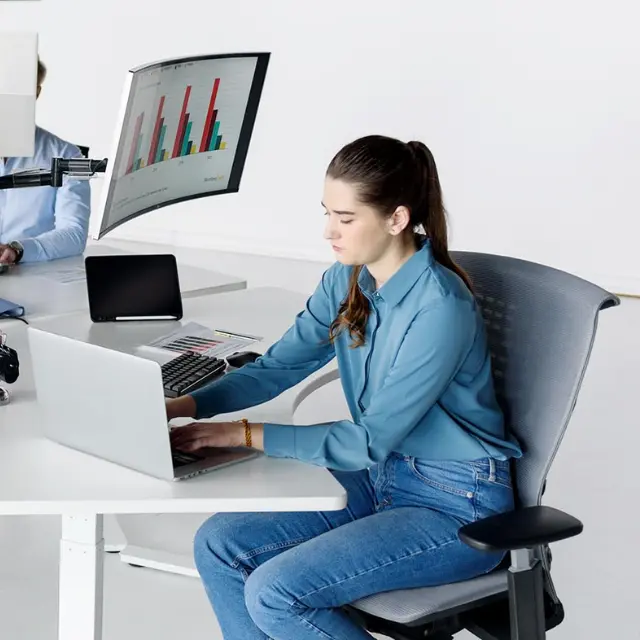
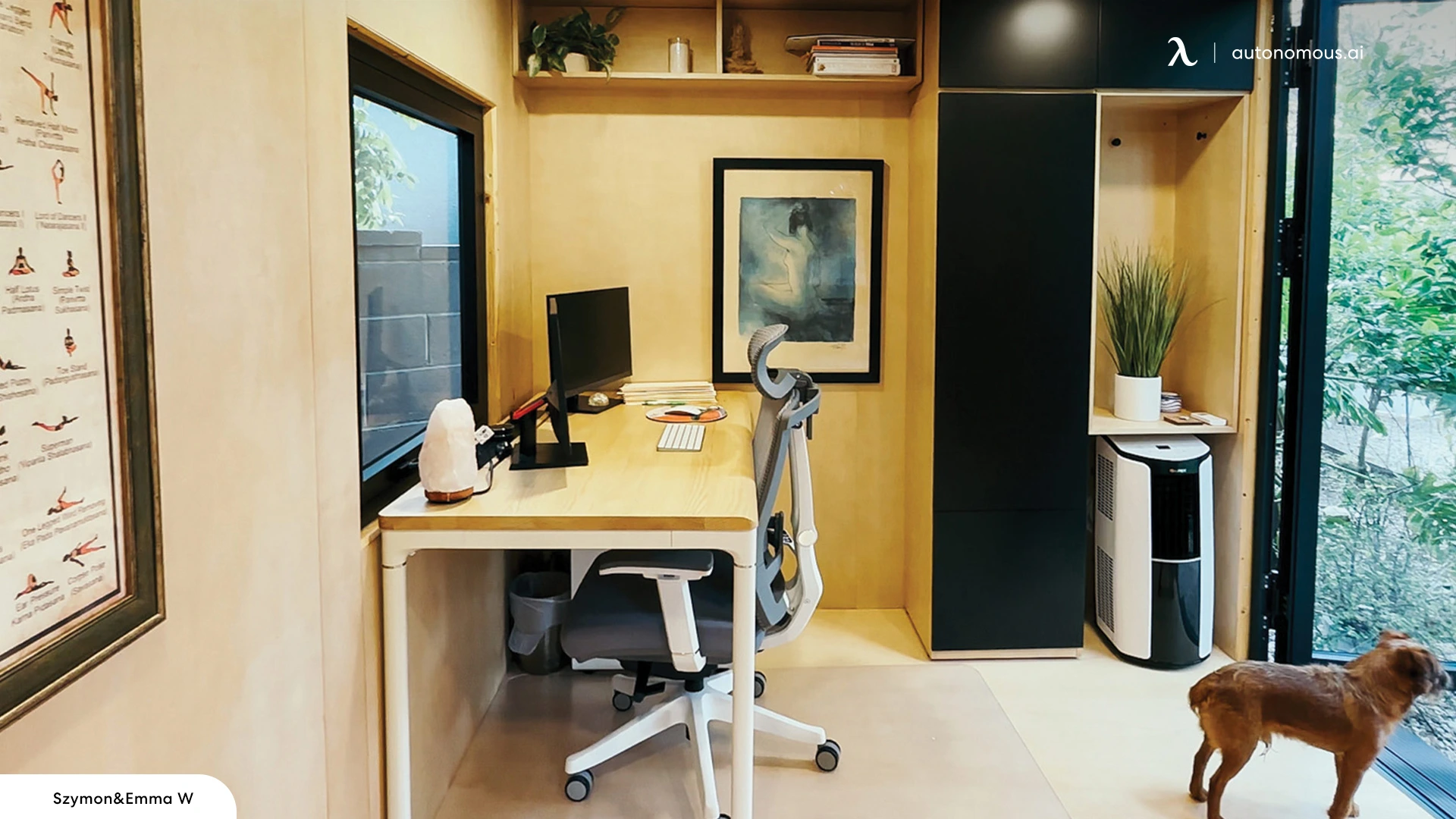
A feng shui home office starts with two choices: where the desk sits relative to the door, and which bagua zone each corner of the room falls in. In feng shui practice the desk sits in the command position, with a view of the door but not in line with it, and the nine bagua zones are laid over the room from the door wall.
Below: how to map those zones on a simple room plan, balance the five elements, and adapt the layout to your work and to a home office setup of any size.
Feng shui is a tradition, not a science. It makes you look hard at light, clutter and sight lines, and most of its rules match plain good room planning.
What Is Feng Shui?
Feng shui is the Chinese practice of arranging a space so energy, called chi, moves through it smoothly. In a home office that means a layout where the door is visible, the paths are clear, and the room is not dominated by any one material, color or kind of light.
The practice groups materials and colors into five elements. Each element is said to support a different kind of energy, and a balanced room has some of each with one or two leading.
| Element | Linked with | How to add it | Too much can feel |
|---|---|---|---|
| Wood | Growth, creativity | Wood desk top, bamboo, live plants, green | Restless, scattered |
| Fire | Drive, visibility | Warm lamps, red or orange accents, sunlight | Overheated, hard to settle |
| Earth | Stability, focus | Stone, ceramics, square shapes, beige and yellow | Heavy, stuck |
| Metal | Clarity, order | Metal frames, round shapes, white and gray | Cold, rigid |
| Water | Flow, ideas | Glass, mirrors, wavy lines, black and deep blue | Unfocused, drifting |
A quick check: list what your office is mostly made of. A room of white walls, a gray metal frame and a black monitor is heavy on metal and water, so a wood top or two plants is the usual first move.
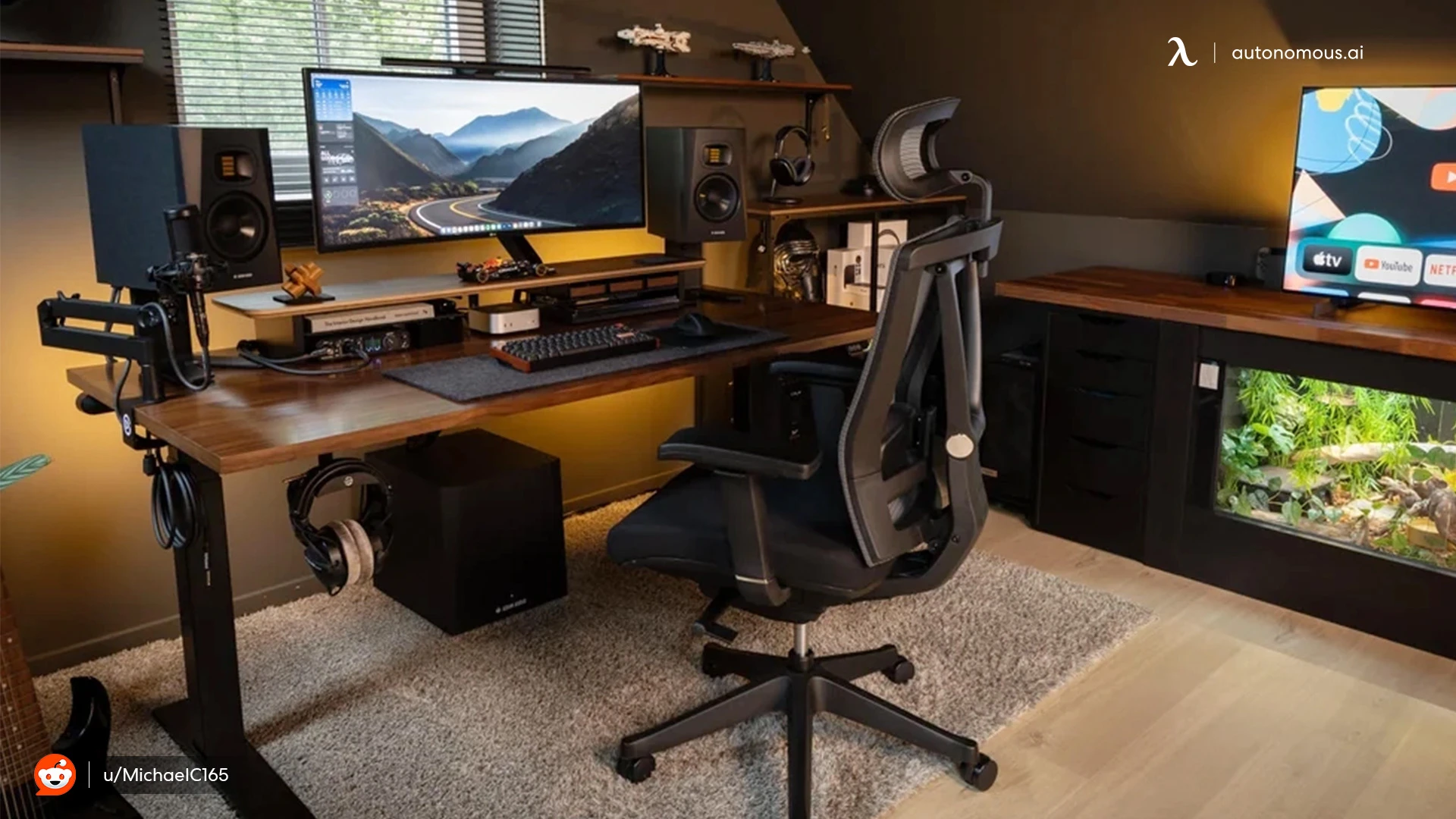
Using The Bagua Map To Zone Your Home Office
The bagua map is a three-by-three grid of nine zones, each tied to a life area, a direction, an element and a set of colors. For an office you lay the grid over the room plan, then decide which zones get your desk, your storage and the few objects that mean something to you.
There are two ways to orient it. The compass school uses true compass directions, so north on the map is north in the room. The Western, or BTB, school ignores the compass and lines the map up with the wall that holds the door. The door-wall method is the easier one to use because it needs no compass and works the same in every room.
The Nine Bagua Zones
Each zone carries a life area, a compass direction, an element and its colors in feng shui practice. Sources differ on a few colors, but the pairs below are the common ones.
| Zone (life area) | Direction | Element | Colors |
|---|---|---|---|
| Career, life path | North | Water | Black, deep blue |
| Knowledge, self-cultivation | Northeast | Earth | Deep blue, green, earth tones |
| Family, health of the household | East | Wood | Green |
| Wealth, abundance | Southeast | Wood | Purple, green, gold |
| Fame, reputation | South | Fire | Red, orange |
| Love, partnerships | Southwest | Earth | Pink, red, white |
| Creativity, children, projects | West | Metal | White, pastels |
| Helpful people, travel | Northwest | Metal | Gray, silver, white |
| Health, center | Center | Earth | Yellow, earth tones |
Laying The Map From The Door Wall
With the door-wall method, the wall you walk in through is always the bottom row of the grid. Stand in the doorway facing into the room and read the zones like this:
| Row | Left | Middle | Right |
|---|---|---|---|
| Far wall | Wealth | Fame | Love |
| Middle of room | Family | Health (center) | Creativity |
| Door wall | Knowledge | Career | Helpful people |
A door in the middle of its wall means you enter through Career; the far left corner is the wealth corner. In an L-shaped room, square off the shape first; the missing piece counts as a missing zone, which practitioners usually "fill" with a plant, a light or a mirror on the nearest wall.
For a work room, a common choice is a desk in the far wall's Wealth or Fame zone, where you can face the door. Keep the center open and put one meaningful object in the zone tied to your current goal. You do not need to fill all nine. One object chosen on purpose does more than nine placed out of duty.
How To Plan A Feng Shui Office Layout On Paper
You can plan a feng shui office layout with graph paper, a tape measure and a pencil, and it does everything a layout generator would. Drawing it out also saves you from moving heavy furniture just to test a layout.
- Measure each wall, then mark the door (and which way it swings), windows, radiators, outlets and network ports.
- Draw the room to scale. One square for every 6 inches works for most rooms.
- Turn the sheet so the door wall is at the bottom. Divide the length and the width into thirds and draw the nine-zone grid, then label each square from the table above.
- Cut paper rectangles to the same scale for the desk, the chair with room to roll back, shelves and any sofa. A 53-inch desk top is roughly 9 squares wide at this scale.
- Place the desk first. Find spots where you can see the door while seated, are not in a straight line with it, and have a wall or tall furniture behind you.
- Check the practical layer: is there an outlet within reach, does the window throw glare on the screen, can the door open fully?
- Look at what lands in each zone, keep the center clear, and sketch two or three versions before you move any furniture.
Free floor-plan apps do the scale drawing with drag-and-drop, but you still draw the bagua grid yourself, so paper is just as fast for one room.
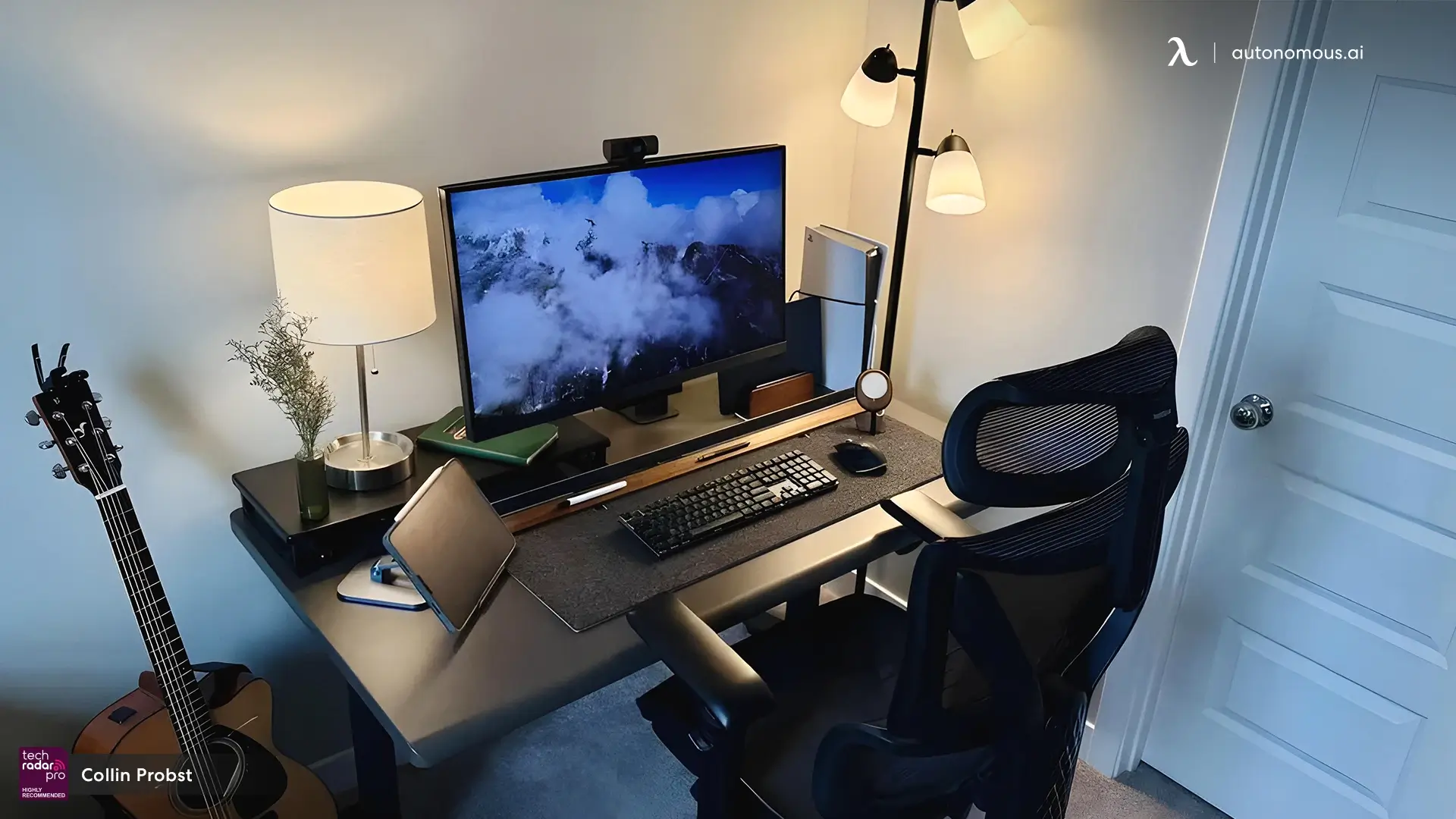
Core Feng Shui Principles For Home Office Design
Once the zones are drawn, five principles shape a productive work environment day to day: the desk position, the balance of elements, clutter, light and air, and the mix of calm and active energy.
Commanding Position
The command position puts your desk diagonally across from the door, so you can see who comes in without sitting in the direct line of the doorway. Practitioners prefer a solid wall behind you over a window or walkway, and a wall-backed desk has its own trade-offs, covered when putting a desk against a wall. If the room only allows a back-to-door desk, a small mirror on the wall in front lets you see the doorway.
Balancing The Five Elements
Balance means letting one or two elements lead and keeping the rest present in small amounts. A room that is all wood and plants can feel busy; bright red walls with strong lamps can feel tense; a room of steel and white can feel like a clinic.
Work from what the room already has. Cool tones and straight metal lines call for a wood top or natural textures. A dark, heavy room with lots of earth tones loosens up with glass, a mirror or soft blue. Paint is the cheapest lever: pick feng shui home office colors that match the zone you want to support.
Decluttering For Energy Flow
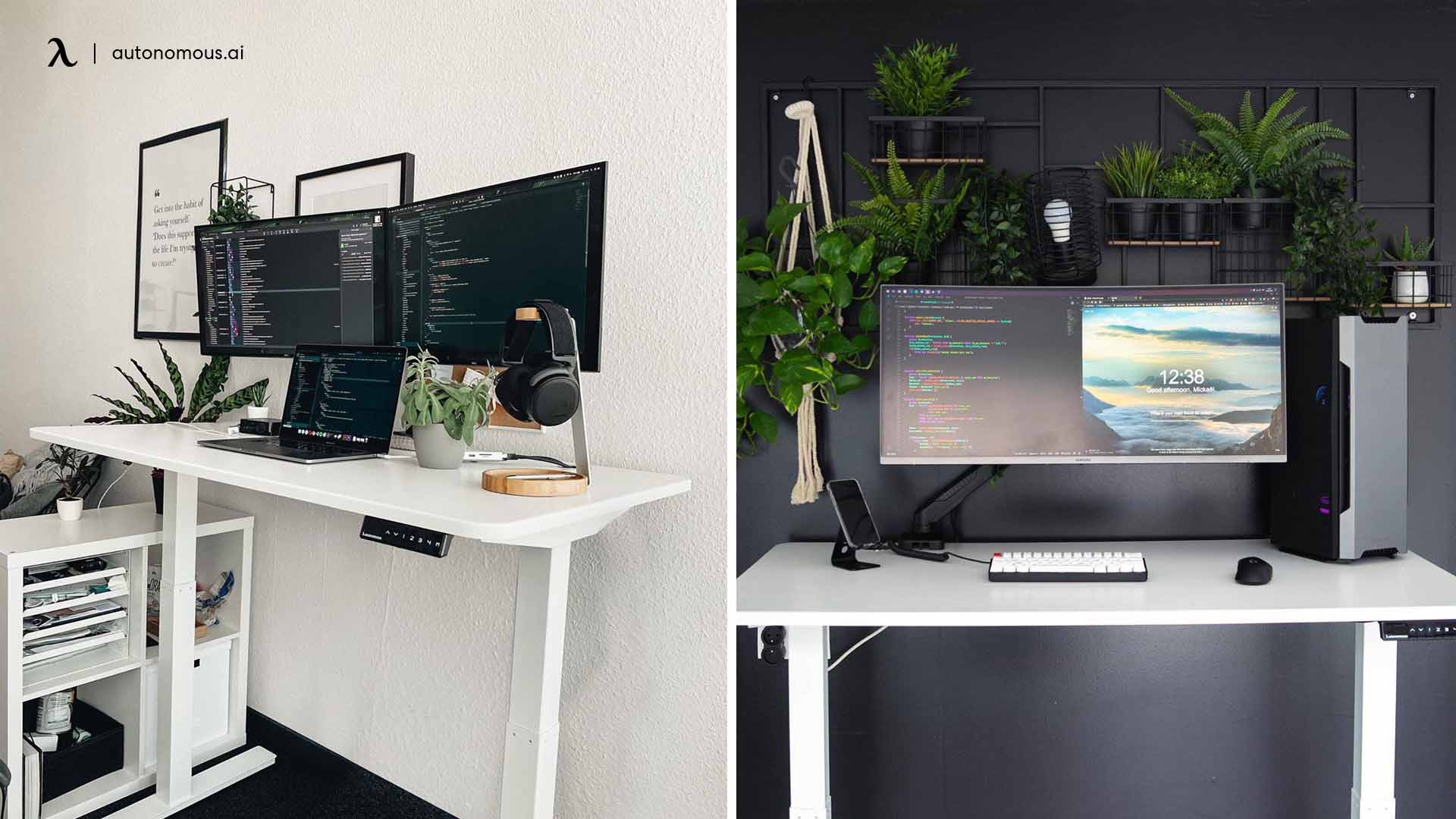
In feng shui, clutter is stuck energy: piles of paper, unused gadgets and boxes under the desk all count. Start with the desk surface, since feng shui for office desk setups begin with what stays on top.
Keep on the desk only what you use most days or what carries meaning, such as a laptop, a notebook, a pen and a small desk plant. Everything else goes into drawers or onto shelves, and office accessories should clear the surface rather than add to it. A simple test: if you would not miss it after a week in a drawer, it stays in the drawer.
Natural Light And Air Flow
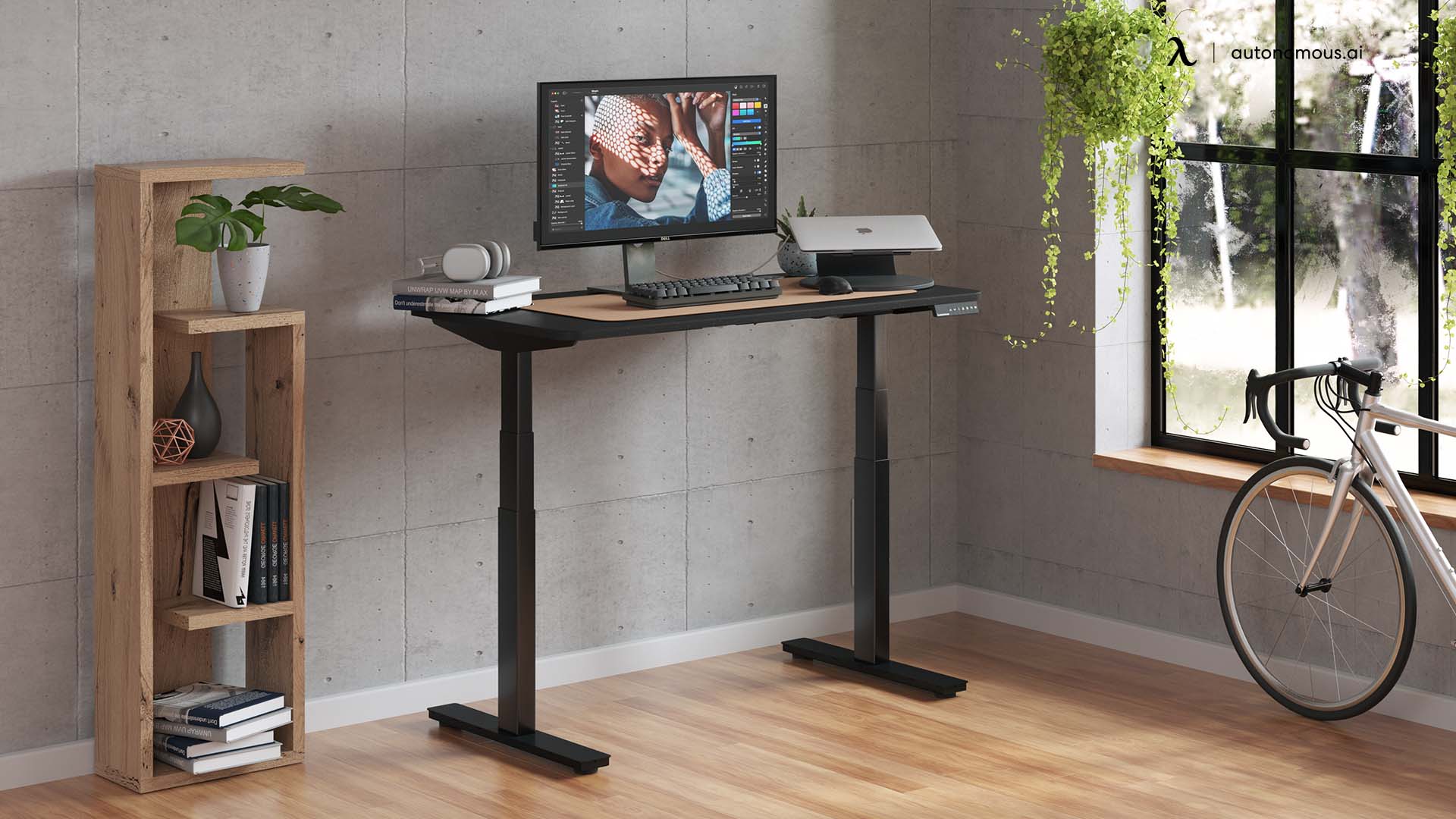
Feng shui favors daylight from the side, so the window is beside the desk rather than behind you or straight ahead. A window at your back is said to leave you unsupported, and one dead ahead pulls your eyes outside; it also puts a bright window and a screen in your view at once.
If you are planning a feng shui office layout with windows, keep the glass to one side of the desk. With no daylight, use a warm ceiling light plus a desk light aimed at the work, not at the screen. For air, open the window when you can; snake plants and peace lilies are common choices for a living element because they tolerate low light.
Yin And Yang Balance
Yang is bright, active energy: strong light, open space, movement and sound. Yin is the quiet side: soft light, texture, stillness. A home office needs both, because the same room hosts calls in the morning and slow reading at night.
Give the room a way to switch: overhead light and open blinds for active hours, a lamp and closed blinds for quiet ones. If the room feels draining by late afternoon, it usually has too much yang (glare, noise, screens everywhere); if it feels sleepy, it needs more light and movement.
Feng Shui Layouts by Work Style
The rules stay the same for every office; the emphasis changes with the work.
Creative Work
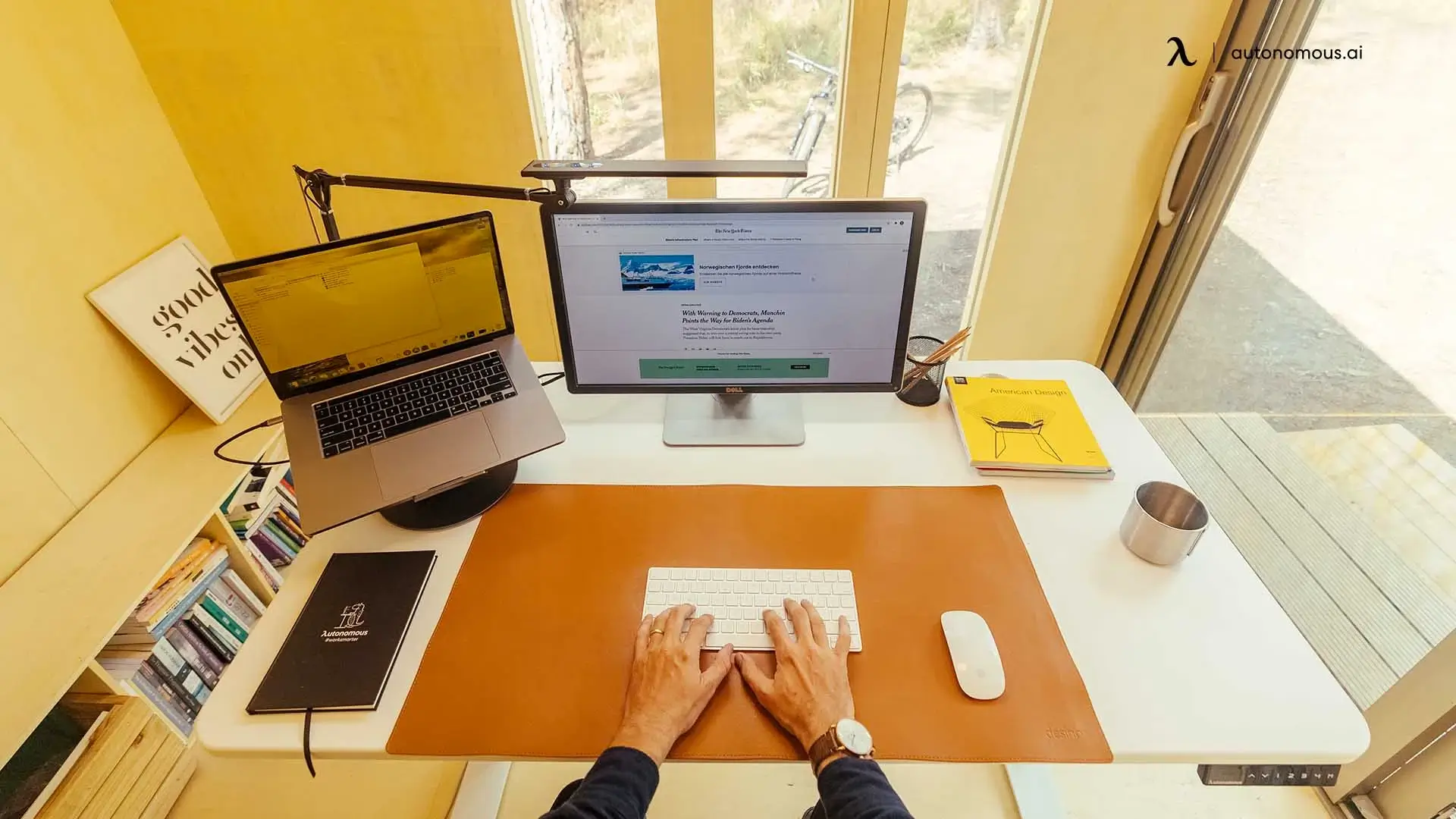
Writers, designers and others who live on ideas do best with an open view from the command position and a mix of wood and water. A wood top, light fabrics, a glass or reflective surface and one warm lamp follow that pattern.
Analytical Work
Analysts, accountants and engineers lean toward earth and metal: muted colors, clean lines and very little on the desk. Sit with a solid wall behind you and the door in view. Light should be even and steady, with no warm spotlights pulling at your attention.
Multitasking Roles
If you switch between calls, deep work and admin, split the desk into areas rather than piling everything onto one surface. An L-shaped desk gives one side for focused work and one for quick tasks, and you can turn between them without leaving the command position.
In a shared room, a work zone fits along one wall without blocking the walkway; bedroom layout ideas with desks show the options, and bedroom feng shui layouts apply the same bagua rules.
Wellness And Coaching Practices
If clients join you on video or in person, the room should feel calm on camera and in the chair. Natural materials, earth tones, soft light and a window to the side do most of the work. Check what sits behind you in the video frame, since that is the part of the room clients actually see.
Tech-Heavy Setups
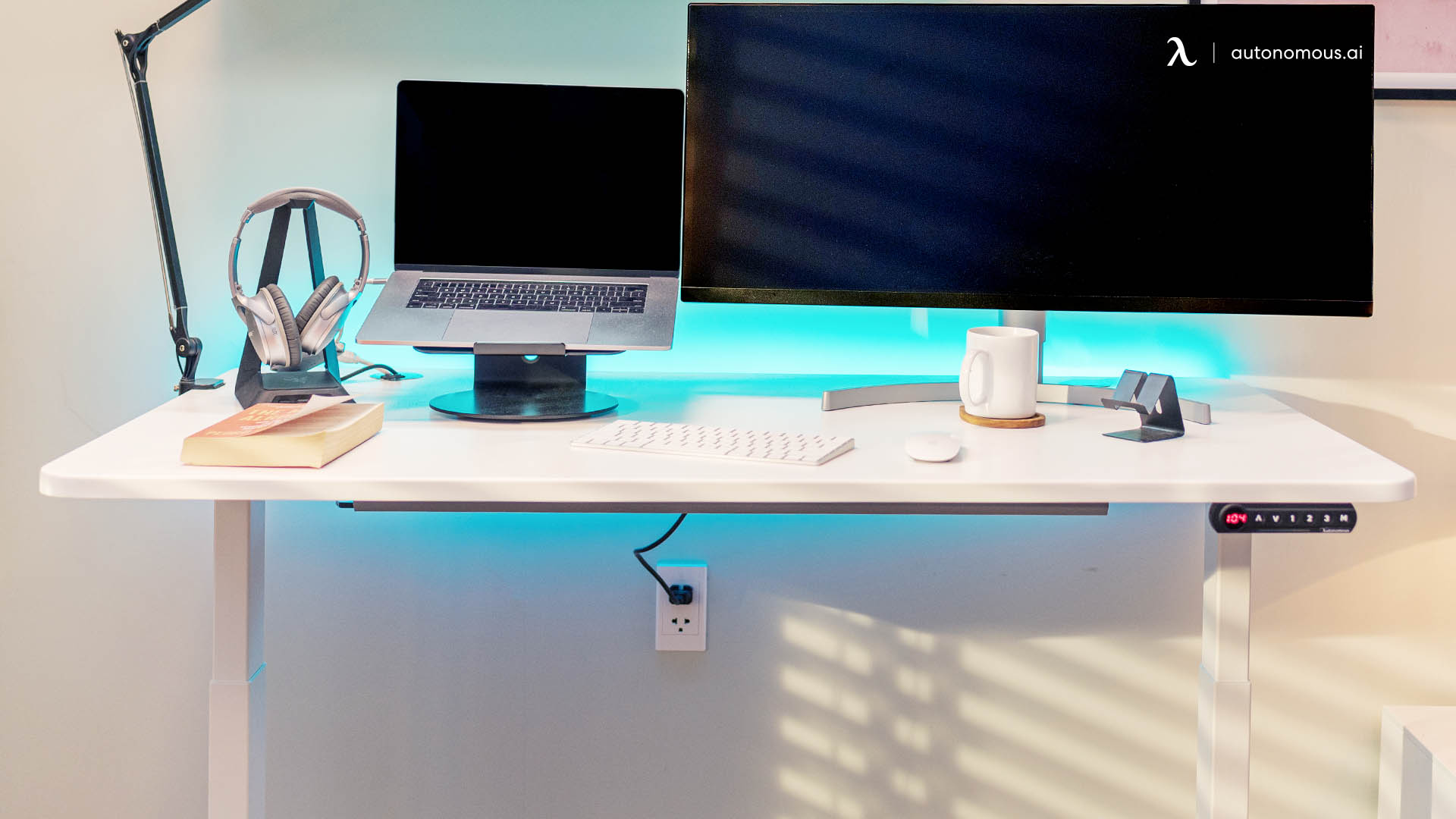
Several screens, a tower and cables add a lot of yang and visual noise. Face into the room if the layout allows, and add wood or plants to soften the hard surfaces.
Cable management matters most here; the Autonomous Cable Tray mounts under Autonomous desk frames only.
Feng Shui In A Small Home Office
A small home office follows the same rules with less room for error: keep the center of the bagua grid clear, see the door from the desk, and store upward instead of outward. Wall shelves and a narrow desk leave floor space, and floor space is what makes a small room feel open.
Light colors and one mirror that does not reflect clutter make the room read larger. In a corner of the living room, a rug or bookcase marks the edge of the work zone.
When no room in the house works, some people move the office outside. The MetroPod backyard office is 80 sq ft with a full-height glass door and one window, two outlets and one light; a desk placed to one side of the glass door lets you see it from your chair without sitting in line with it.

Ergonomics And Supportive Furniture
Feng shui and ergonomics agree that the room should support your body. A high-back chair gives the "mountain" support feng shui wants behind you and also supports your spine.
- Chair: an adjustable office chair with feet flat, knees about level with hips and the backrest touching your lower back.
- Desk: set the ergonomic desk height so your elbows sit near 90 degrees with relaxed shoulders.
- Monitor: top of the screen at or a little below eye level, straight ahead, so you are not twisting toward it.
- Movement: a standing desk lets you change position through the day, which keeps you from sitting still for hours.

What Should You Avoid?
The common feng shui home office mistakes all involve the desk and what surrounds it.
- Clutter: clear the desk, then the floor around it.
- Back to the door: the least supported seat in feng shui. Turn the desk if you can.
- Sharp corners aimed at your chair, called "poison arrows": angle the furniture or soften the corner with a plant.
- A blocked desk front: boxes or a bulky printer right ahead of you read as an obstacle. Keep that space open.
- Facing a window head-on: it splits your attention and adds glare. Put the window to your side.
FAQs
What is the best direction for a desk in feng shui?
The best feng shui desk direction faces the door from a diagonal, so you can see who enters without sitting in line with the doorway. Practitioners also like a solid wall behind the chair. Compass-school readings add a personal best direction, but the command position comes first.
Where should the window be in a feng shui home office?
In feng shui practice the window sits beside the desk, not behind you or straight ahead. Side light avoids glare on the screen. If the room leaves no choice, use a sheer blind and keep the desk surface clear.
How do I use a bagua map in my home office?
Draw the room, put the door wall at the bottom and split it into a three-by-three grid. The door row is Knowledge, Career and Helpful People from left to right; the far row is Wealth, Fame and Love. Place the desk, storage and meaningful objects by zone.
Where is the wealth corner in a home office?
With the door-wall method, the wealth corner is the far left corner as you stand in the doorway looking in. With the compass method it is the southeast part of the room. Practitioners mark it with a healthy plant, something purple or a symbol of a goal.
How do I apply feng shui in a small home office?
In a small home office, keep the center clear, put the desk where you can see the door, and store things on walls rather than the floor. Light colors and a well-placed mirror make the room feel larger. Each object should earn its place.
What is the best color for a feng shui home office?
There is no single best color. Soft greens and blues are used for calm focus, earth tones for stability, and small red or orange accents for drive. Many people pick the color of the bagua zone tied to their main goal and keep the walls neutral.
Does feng shui actually improve productivity?
There is no scientific proof that feng shui itself raises productivity. Many of its rules, though, match plain good design: a clear desk, side daylight, a supportive chair and a view of the room. People often find those changes make the space easier to work in.
Conclusion
A feng shui home office comes down to a few decisions made in order: draw the room, lay the bagua grid from the door wall, put the desk where it sees the door, then balance the elements and clear what you do not use. Treat the zones as a planning tool, not a promise. For a last touch, the colors said to attract money fit the wealth corner.