The College School Supplies Checklist: Buy or Skip
Nobody hands you a supply list in college. After twelve years of teachers telling you exactly what to bring, you show up to campus and have to figure out your own college school supplies, usually on a tight budget and in a dorm room the size of a parking space. This guide sorts the real must-haves from the things you will end up returning, so you spend on what matters and skip the rest.
The short version: a laptop, a note system you will actually use, a few organizers, and a small set of dorm and health basics cover most students. Everything after that depends on your major and how you like to work.
What school supplies do I need for college?
Most college students need a laptop, notebooks or a note app, folders or a binder, a planner, a backpack, chargers, and a handful of dorm and health basics. That core works for almost any major. From there you add tools specific to your classes, like a scientific calculator for STEM, a drawing tablet for design, or the full clinical kit that nursing students carry.
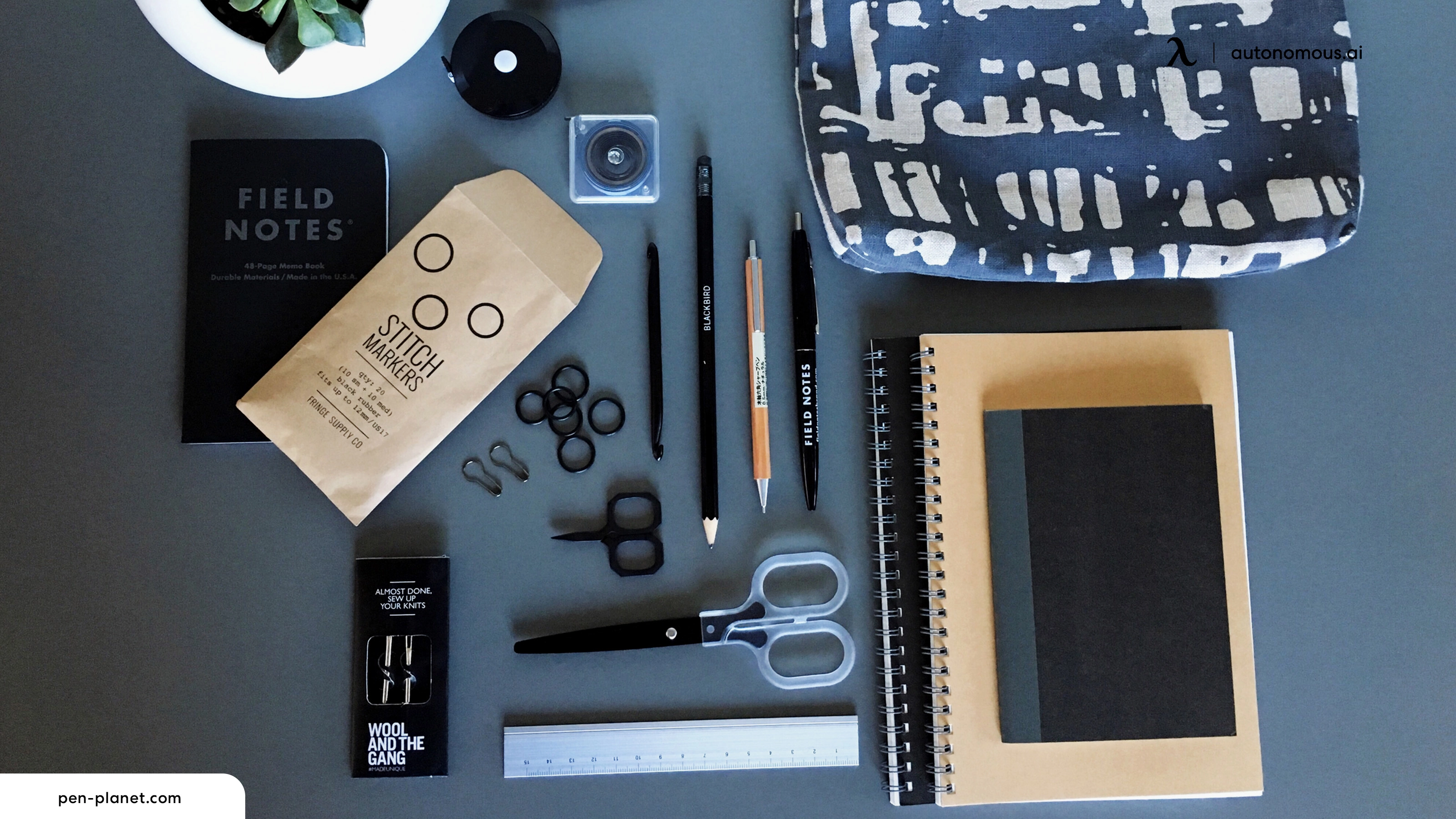
Here is the core checklist, grouped so you can shop it fast:
Study and stationery
- Laptop or tablet
- One or two notebooks
- A binder with dividers
- Pens and highlighters
- Sticky notes
- A planner or calendar app
Tech
- Charger plus a spare cable
- A power strip
- A portable battery
- Headphones for focus
Dorm and desk
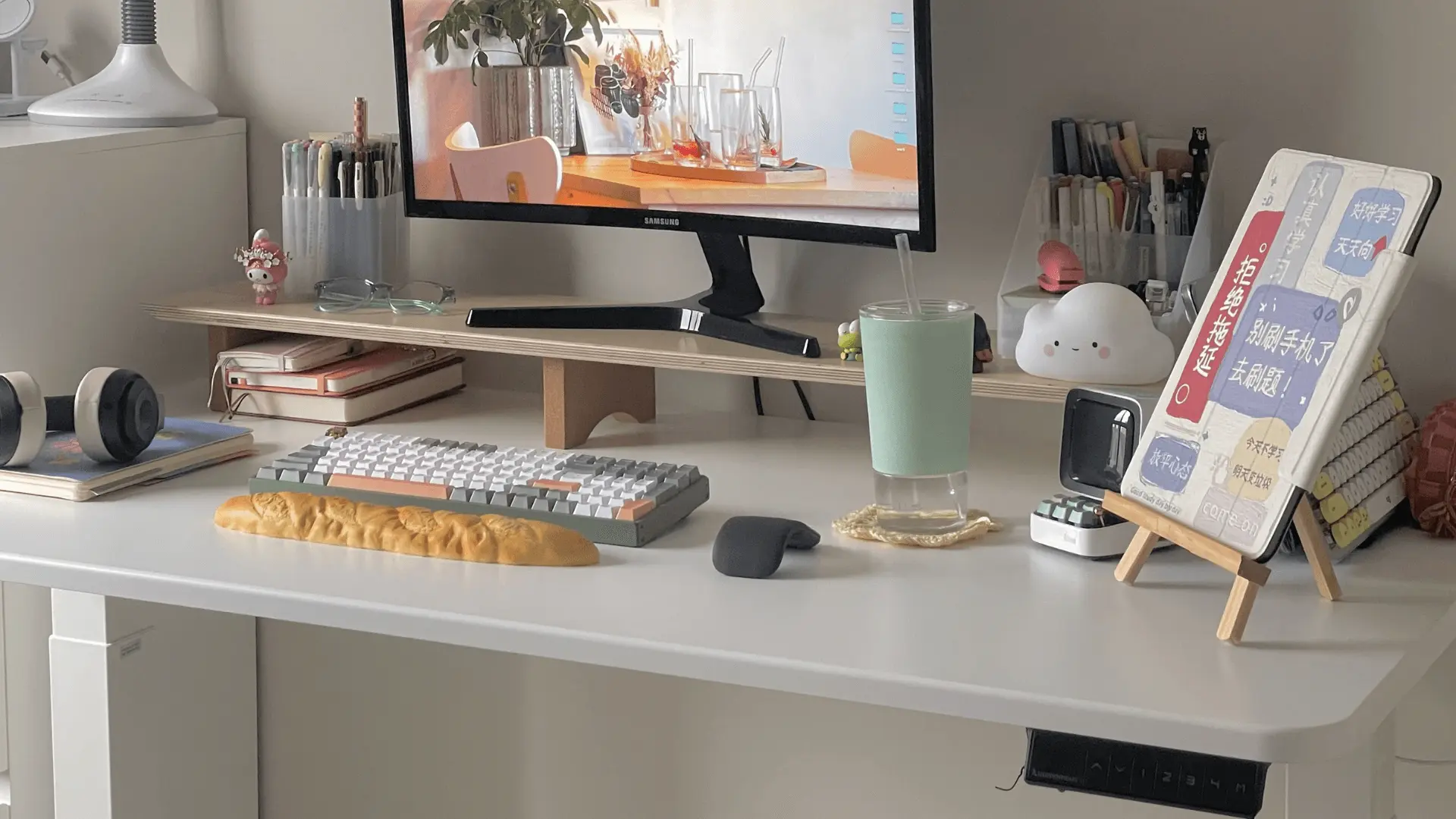
- A desk lamp
- A small desk organizer
- Under-bed storage bins
- A laundry basket
- A reusable water bottle
Health and self-care
- A basic first aid kit
- Any daily medication
- A few pantry snacks for late study nights

College school supplies: must-have, nice-to-have, or skip
The fastest way to save money is to sort every item into three buckets before you buy. Most supply lists blur these together, which is how students end up with a cart full of things they never touch.
1. Must-have
Must-have items get daily use, and a bad one slows you down, so this is where a little extra spending pays off.
- A dependable laptop or tablet
- One note system, paper or an app like Notion or OneNote
- A sturdy backpack
- Chargers plus a power strip
- A planner or calendar
- Dorm basics: desk lamp, storage bins, water bottle
2. Nice-to-have
Nice-to-have items help but are easy to add once you know your routine, so buy them in week three, not week one.
- A second monitor or a laptop riser
- Noise-canceling headphones
- A whiteboard or corkboard
- Extra desk organizers
- A label maker
- A tablet or stylus, if your major leans on reading
3. Skip for now
Skip-for-now items look useful in the store but usually sit unused, so wait until a real need shows up.
- Giant binder sets bought before you know your classes
- A personal printer, since the campus library covers most printing
- Matching desk accessory kits
- Specialty gadgets you saw in a haul video
- Bulk stationery you have nowhere to store
The items students most often forget are not the flashy ones. They are the small, boring things that make studying sustainable: a power strip because dorm outlets are scarce, a spare charging cable, a water bottle, and decent lighting so you are not squinting at 11 p.m.
.webp)
Tech: laptop, note tools, and AI apps
A reliable laptop is the one purchase worth planning around, and the right pick depends on your major.
Your major | What to prioritize in a laptop |
Engineering, computer science, design | More processing power for specialized software. A heavier, faster machine is worth it. |
Reading and writing heavy (English, history, communications) | Lightweight and dependable. A tablet with a keyboard can be enough. |
For everything else, pick one tool per job and commit:
- Notes: choose one system, paper, Notion, OneNote, or Evernote, and stick with it. Switching between five tools is how notes get lost.
- Citations: Zotero and similar tools store your sources and format them in APA, MLA, or Chicago, so you are not rebuilding a bibliography at 2 a.m.
- AI apps: useful for organizing, summarizing, and coding practice, but check your school's AI policy before using them on graded work, since misuse can count as academic dishonesty.
Dorm setup: small space, real focus
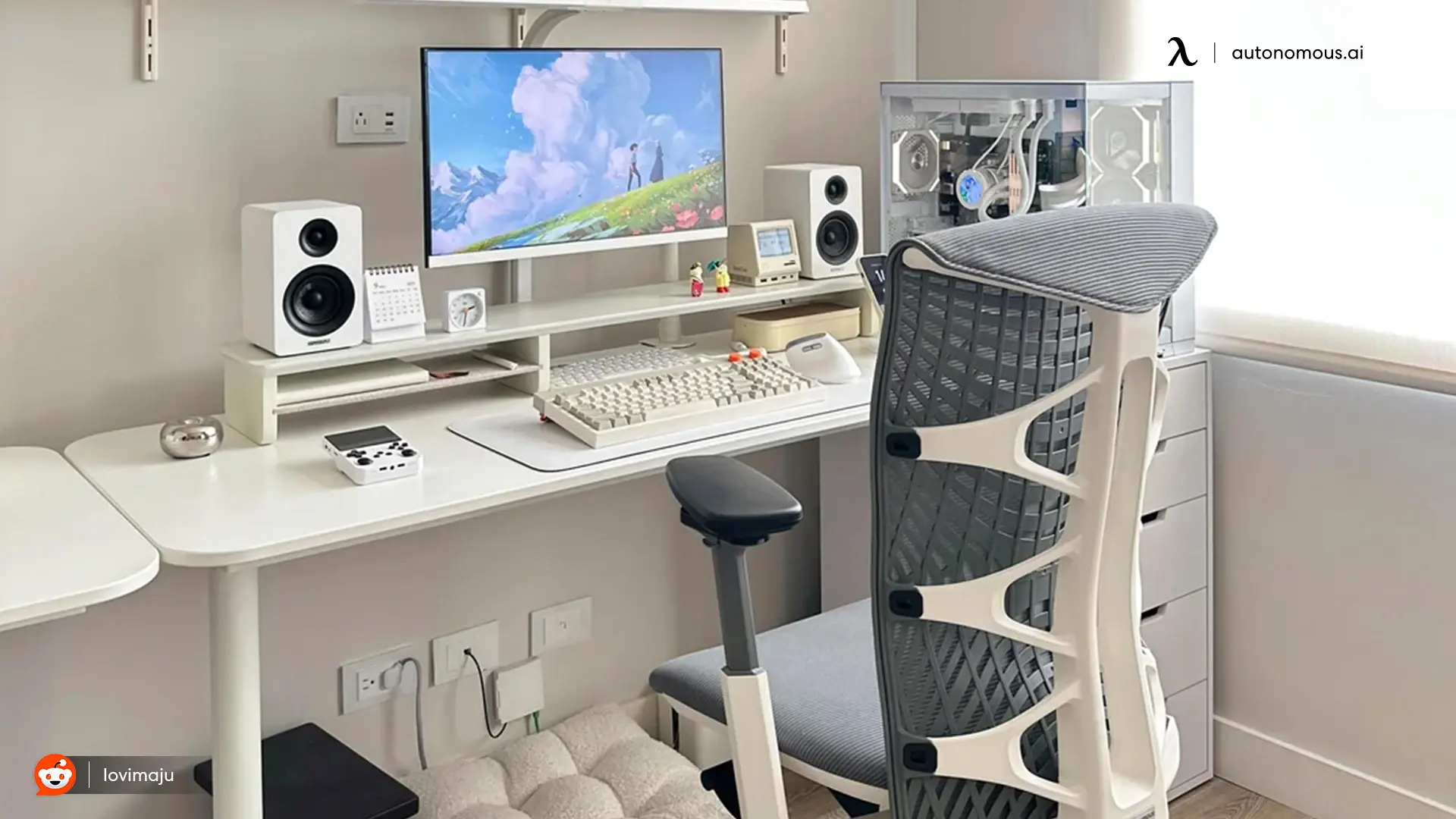
A functional dorm study space matters more than a long supply list, because a cramped, badly lit corner is where good intentions go to die. You do not need much:
- Keep the desk surface mostly clear.
- Use a small organizer or magnetic tray for pens and clips.
- Run one power strip so everything charges in one spot.
- Add under-bed bins for anything you use less than weekly.
- Prioritize good lighting, the cheapest upgrade most students skip.
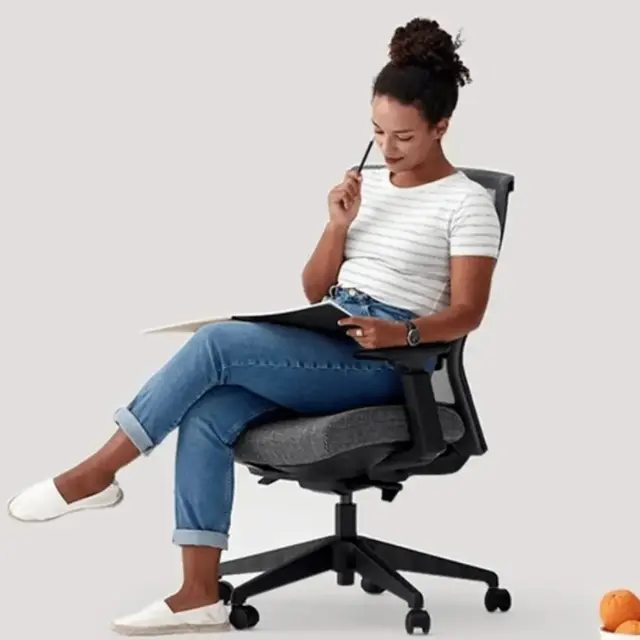
If you study long hours, seating and posture matter too, so sort out a real desk and chair early rather than after your back starts complaining.

.webp)
What college school supplies cost, and where to buy
You can outfit a full semester of college supplies for far less than the store displays suggest, especially if you separate the one big purchase from the small stuff. Budget the bulk of your money for the laptop, then keep the rest lean.
For the small items, match each thing to the right store:
- Everyday basics and tech: Amazon, Target, Walmart, Staples
- Cheap disposables like folders and pens: dollar stores
- Shared bulk packs: warehouse clubs, split with roommates
A full store-by-store breakdown of the best place to buy school supplies covers each category in more detail. Prices change often, so compare a couple of options before anything over about twenty dollars.
FAQ
What school supplies do I need for college as a freshman?
Freshmen need a laptop, notebooks or a note app, folders or a binder, pens and highlighters, a planner, a backpack, chargers, and dorm basics like a lamp, storage bins, and a water bottle. Start with this core set, then add class-specific tools once your syllabi arrive in the first week.
What are the best school supplies for college students?
The most useful college supplies are a dependable laptop, a single note system you will actually use, a sturdy backpack, a power strip, and a planner. These get daily use and are worth spending a little more on. Extras like a second monitor or a printer can wait until you know your routine.
How do I organize school supplies in a small dorm room?
Keep your desk surface clear and move everything you use less than weekly into under-bed bins or drawer units. A small desk organizer, a magnetic tray for pens, and a single power strip cut most of the clutter. Label storage clearly so shared or stacked bins stay easy to search.
Are eco-friendly school supplies worth it?
Eco-friendly supplies are often worth it for items you reuse, like a refillable notebook, a durable water bottle, or rechargeable batteries, because they save money over a full degree. For single-use paper and pens, recycled versions are a small, low-cost upgrade. Skip anything marketed as "green" that costs far more without lasting longer.
What tech gadgets do college students actually use?
The gadgets students use daily are a laptop, a portable charger, good headphones, and a spare charging cable. A tablet with a stylus helps for reading-heavy majors, and an external drive or cloud storage protects your files. Most other gadgets sit unused, so add them only when a class or routine creates a real need.
Do I need a printer in college?
Most students do not need their own printer as a freshman, because campus libraries and computer labs offer cheap or free printing. A personal printer makes sense later if you print large amounts regularly or dislike relying on shared machines. For a first semester, the money is usually better spent elsewhere.
The takeaway
The right college school supplies are the ones you use every day, not the longest list you can build. Cover the core, a laptop, a note system, organizers, and a few dorm and health basics, then let your actual classes tell you what to add. Sort each purchase into must-have, nice-to-have, or skip, spend where it counts, and give yourself a week on campus before buying the extras.