Attached ADU: Meaning, Cost, Plans, and Requirements
Table of Contents
An attached ADU (Accessory Dwelling Unit) is one of the most practical ways to add additional living space to a property without building a completely separate structure. Instead of constructing a detached unit in the backyard, an attached ADU connects directly to the primary house while still functioning as an independent living space.
This guide explains what an attached ADU is, how it differs from a detached ADU, typical design options, construction costs, and the requirements homeowners should understand before starting a project.
What Is an Attached ADU?
An attached ADU is a secondary housing unit that shares at least one wall with the main house. Even though it is connected to the primary residence, the unit still operates as its own living space.
Most attached ADUs include:
- a separate entrance
- kitchen or kitchenette
- bathroom
- living area
Because the structure connects to the main home, attached ADUs often share elements such as foundations, walls, plumbing systems, or electrical infrastructure.
These units are commonly built for rental income, guest housing, or family living arrangements. Some homeowners also compare them with detached ADUs when deciding which structure better fits their property.
Can an ADU Be Attached to the Main House?
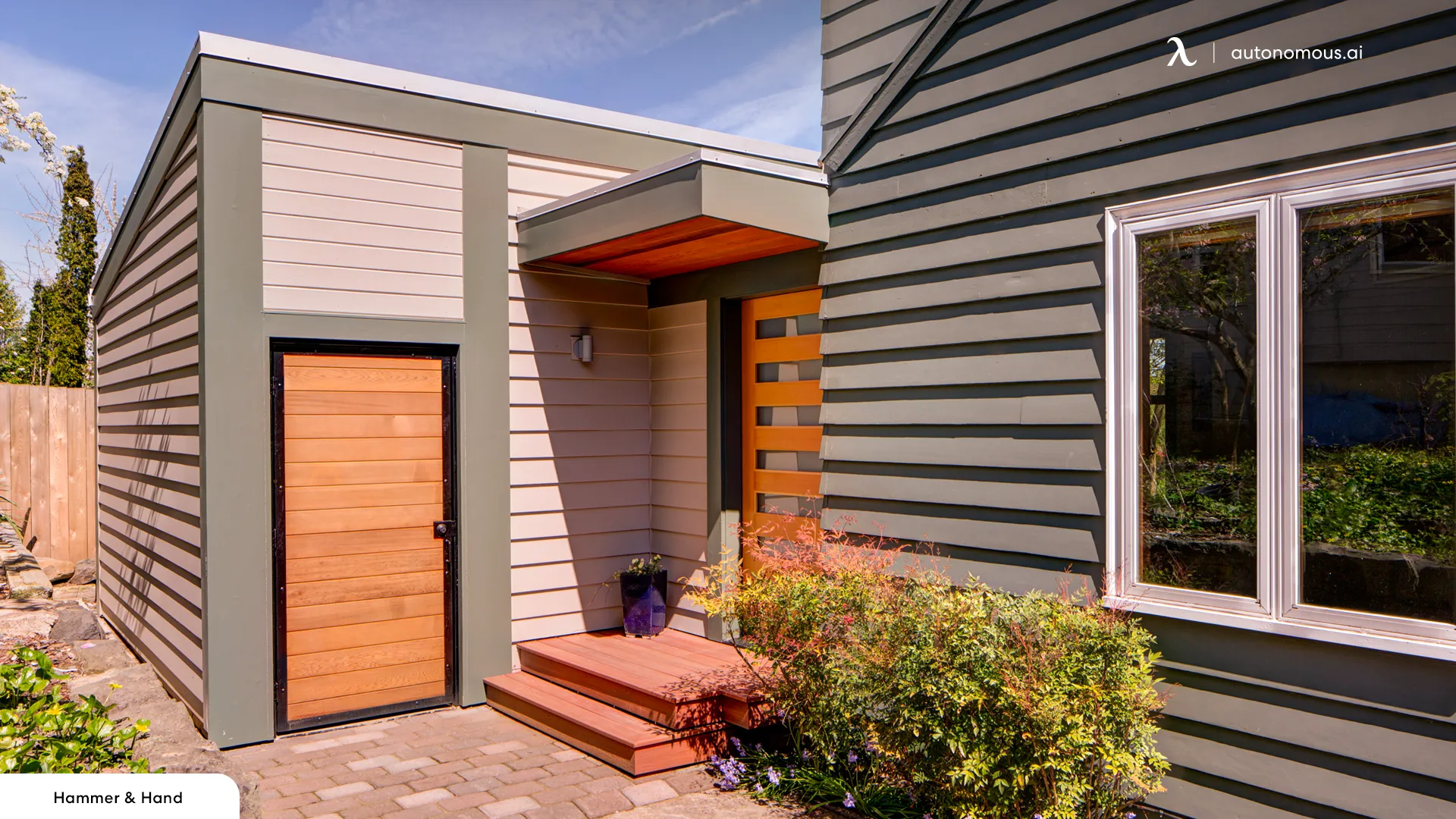
Yes. In most jurisdictions, an ADU can be attached to the main house as long as it meets local zoning and building regulations.
Attached ADUs are commonly created through:
- home additions
- garage conversions
- basement apartments
- side-yard extensions
Even though the unit connects to the house, it must still function as an independent dwelling with its own entrance and essential living facilities.
Attached ADU vs Detached ADU
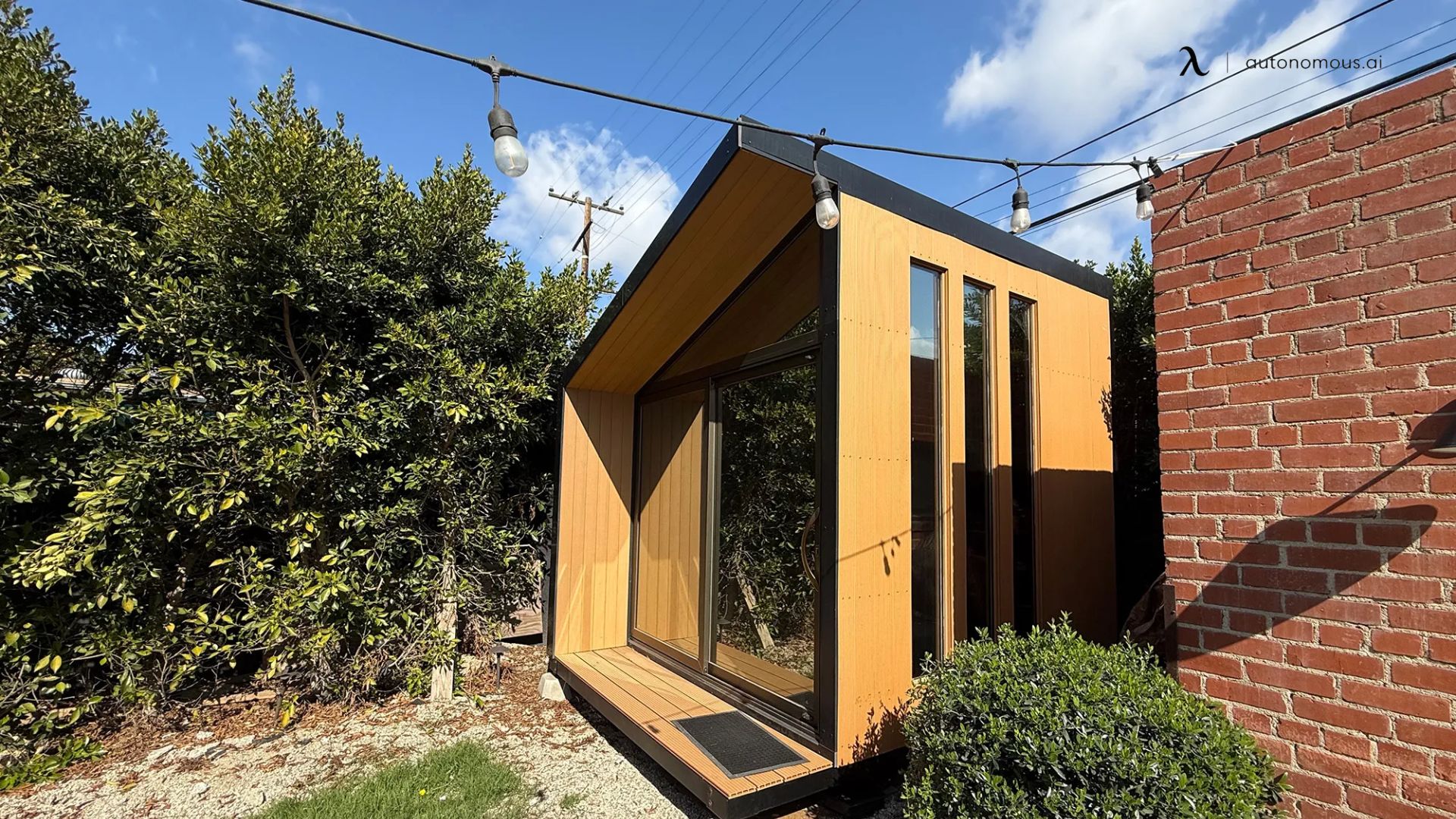
Choosing between an attached and detached ADU depends largely on available space, budget, and desired privacy.
Feature | Attached ADU | Detached ADU |
Structure | Connected to main house | Separate building |
Construction cost | Usually lower | Usually higher |
Privacy | Moderate | Higher |
Utilities | Often shared | Often separate |
Space requirements | Works well on smaller lots | Requires more yard space |
Attached ADUs are typically more affordable because they reuse existing structural elements. Detached ADUs, however, may offer more independence and flexibility.
Attached ADU Plans and Floor Plans
Attached ADUs can be designed in several ways depending on the available structure and property layout.
Common attached ADU plans include:
- Garage conversion ADU: Transforms an existing garage into a livable apartment-style unit.
- Basement ADU: Converts unused basement space into a self-contained living area.
- Home addition ADU: Adds a new section to the house that functions as a separate dwelling.
- Side-yard ADU: Extends the house footprint into unused yard space.
Many homeowners review different ADU floor plans to determine how best to separate living, sleeping, and kitchen areas.
Attached ADU Ideas
Designing an attached ADU often requires balancing privacy with integration into the main home. Popular ideas include:
1. Private in-law suite
This is one of the most common attached ADU ideas. It creates a separate living area for parents or extended family while keeping them close to the main house. A private entrance and simple layout can make the unit feel more independent.
2. Rental apartment within the home
An attached ADU can also work well as a long-term rental unit. In this setup, the focus is usually on privacy, efficient use of space, and a layout that feels self-contained even though it is physically connected to the house.
3. Compact guest quarters
For homeowners who do not need a full-time rental, a smaller attached ADU can serve as a comfortable guest space. This option works especially well for occasional visitors who need more privacy than a spare bedroom provides.
4. Studio unit for adult children
A studio-style attached ADU gives adult children more independence while keeping them near family. Open layouts are often the best fit for this type of unit because they make smaller spaces feel more functional and comfortable.
Interior layout also plays an important role. Reviewing examples of ADU interior design can help determine how to make smaller spaces feel more open and functional.
Attached ADU Requirements
Before building an attached ADU, it is important to check both state rules and local standards. Because the unit is connected to the main house, requirements often cover size, access, utilities, and code compliance.
Common attached ADU requirements include:
1. Size limits
Attached ADUs are often limited to 50% of the primary home’s floor area. In California, state law generally allows at least 850 sq ft for a one-bedroom unit and 1,000 sq ft for a two-bedroom unit. Reviewing ADU size limits in California can help clarify what may be allowed.
2. Setbacks
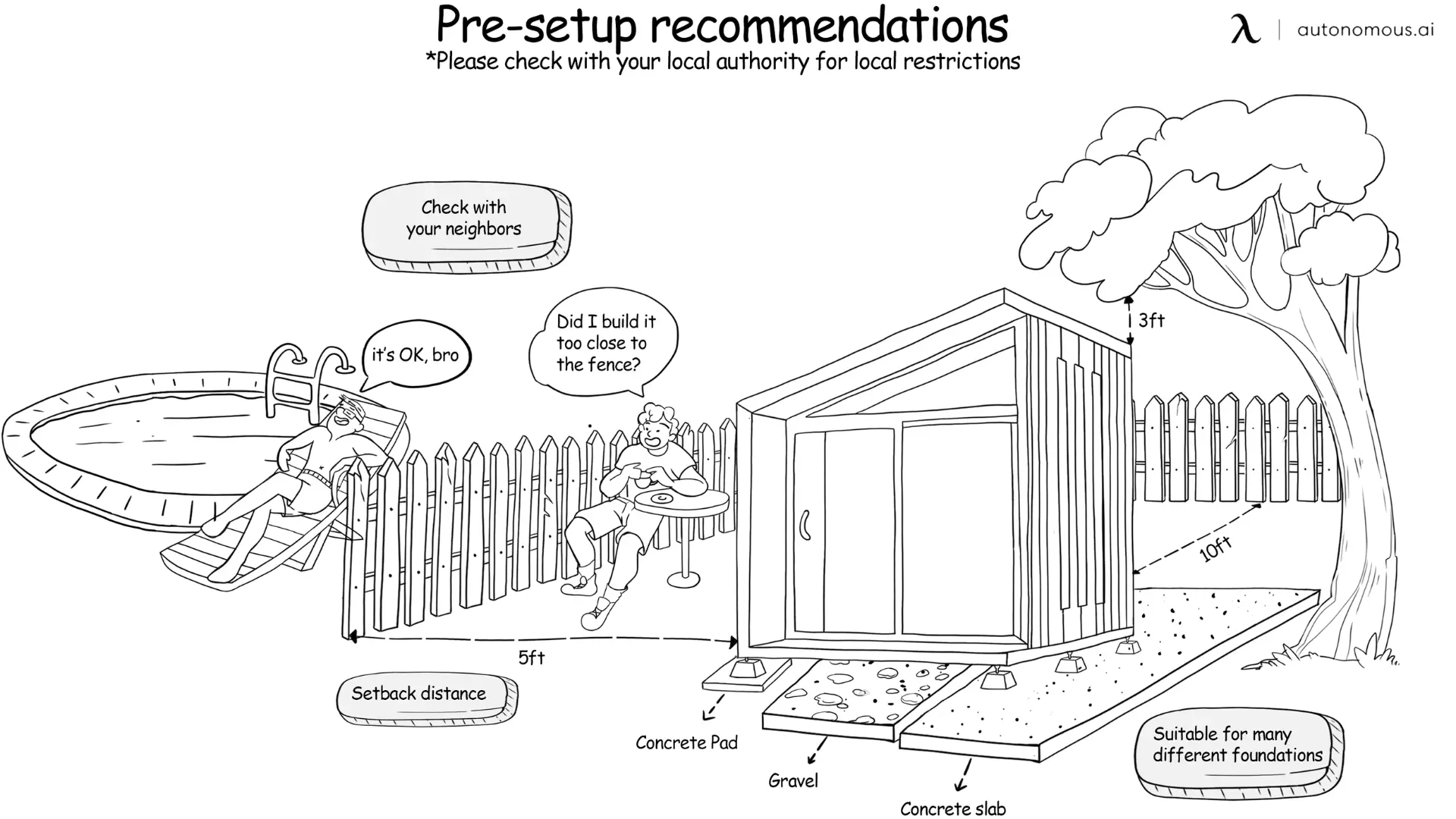
Setback rules may still apply if the project expands the home’s footprint. The exact requirement depends on local zoning and where the addition is placed.
3. Independent living features
An attached ADU must function as a separate living unit, which usually means its own entrance plus space for living, cooking, and bathing.
4. Utilities and code compliance
Water, electricity, sewer connections, and all structural work must meet local building codes. In most cases, the project also requires permits and plan review, so it helps to understand how to get an ADU permit before starting.
Because local rules vary, confirming the exact standards with the planning department is the safest next step.
Attached ADU Cost
The cost of building an attached ADU depends largely on the type of project and the condition of the existing structure.
Typical cost ranges include:
Project Type | Estimated Cost |
Garage conversion | $80,000 – $150,000 |
Basement conversion | $100,000 – $200,000 |
New attached addition | $150,000 – $350,000 |
Attached ADUs are generally less expensive than detached ADUs because they share structural elements and utility systems with the main house.
Costs can still vary significantly by location. For example, construction budgets often differ when comparing ADU cost in Los Angeles with the cost to build an ADU in San Diego.
When a Backyard Workspace Makes More Sense
Building an attached ADU can be a good option when the goal is to add a full living unit to a property. However, not every homeowner needs a second residence. Many people simply want a quiet, dedicated place to work away from the distractions of the main house.
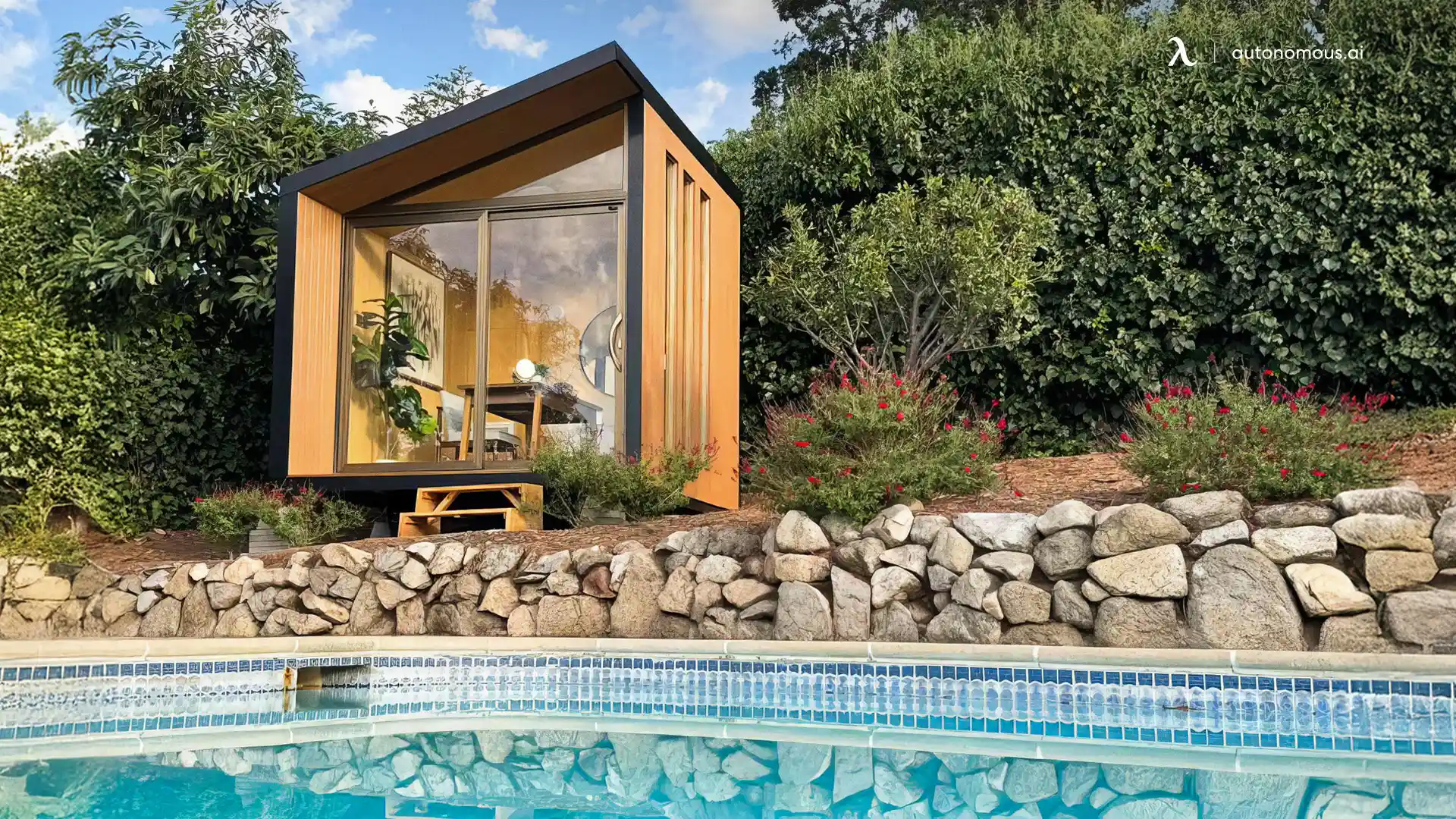
In those situations, a smaller backyard workspace may be a more practical solution. Instead of managing construction, permits, and utility upgrades required for a residential unit, a standalone office structure can provide a focused work environment with far less complexity.
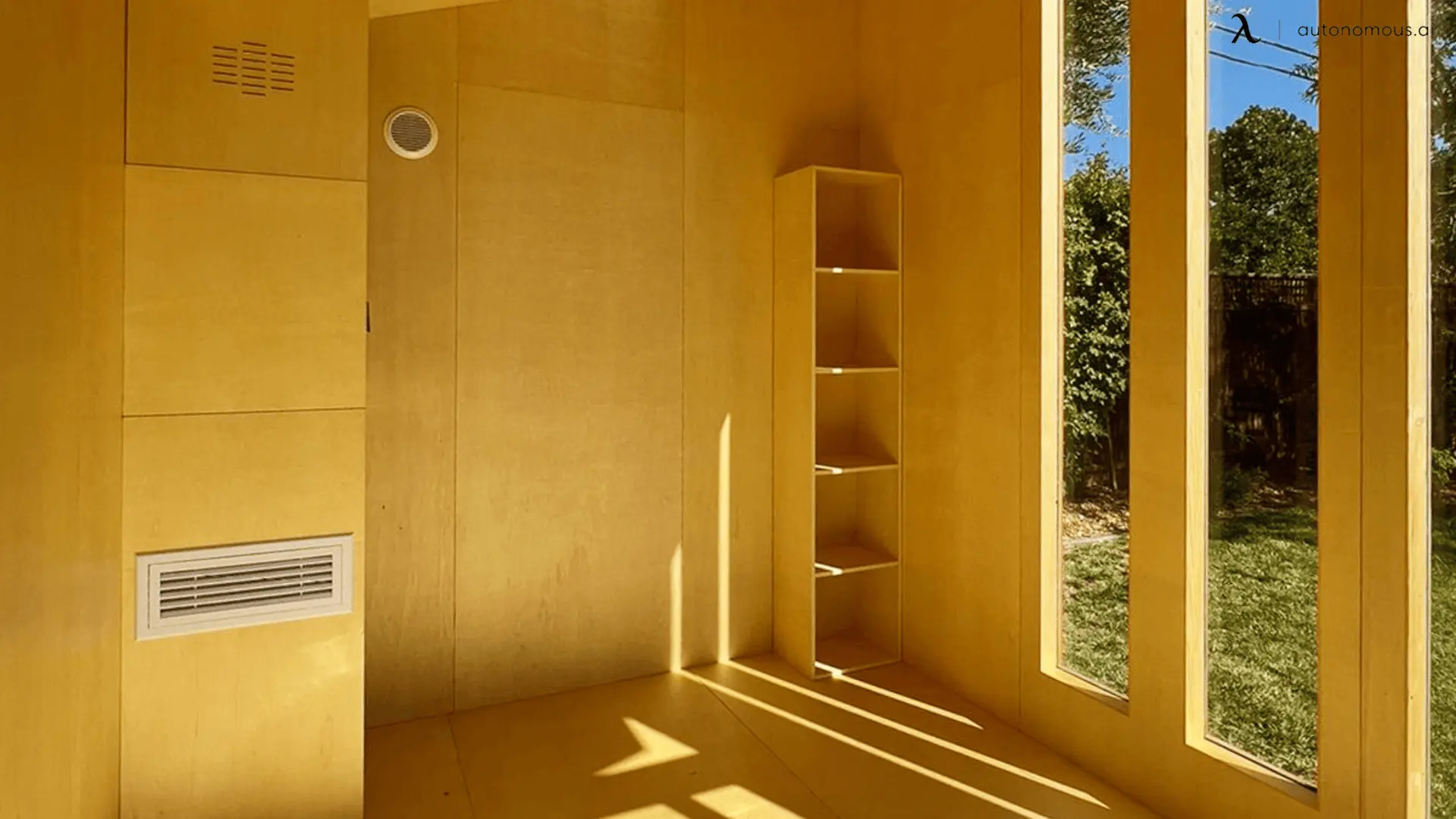
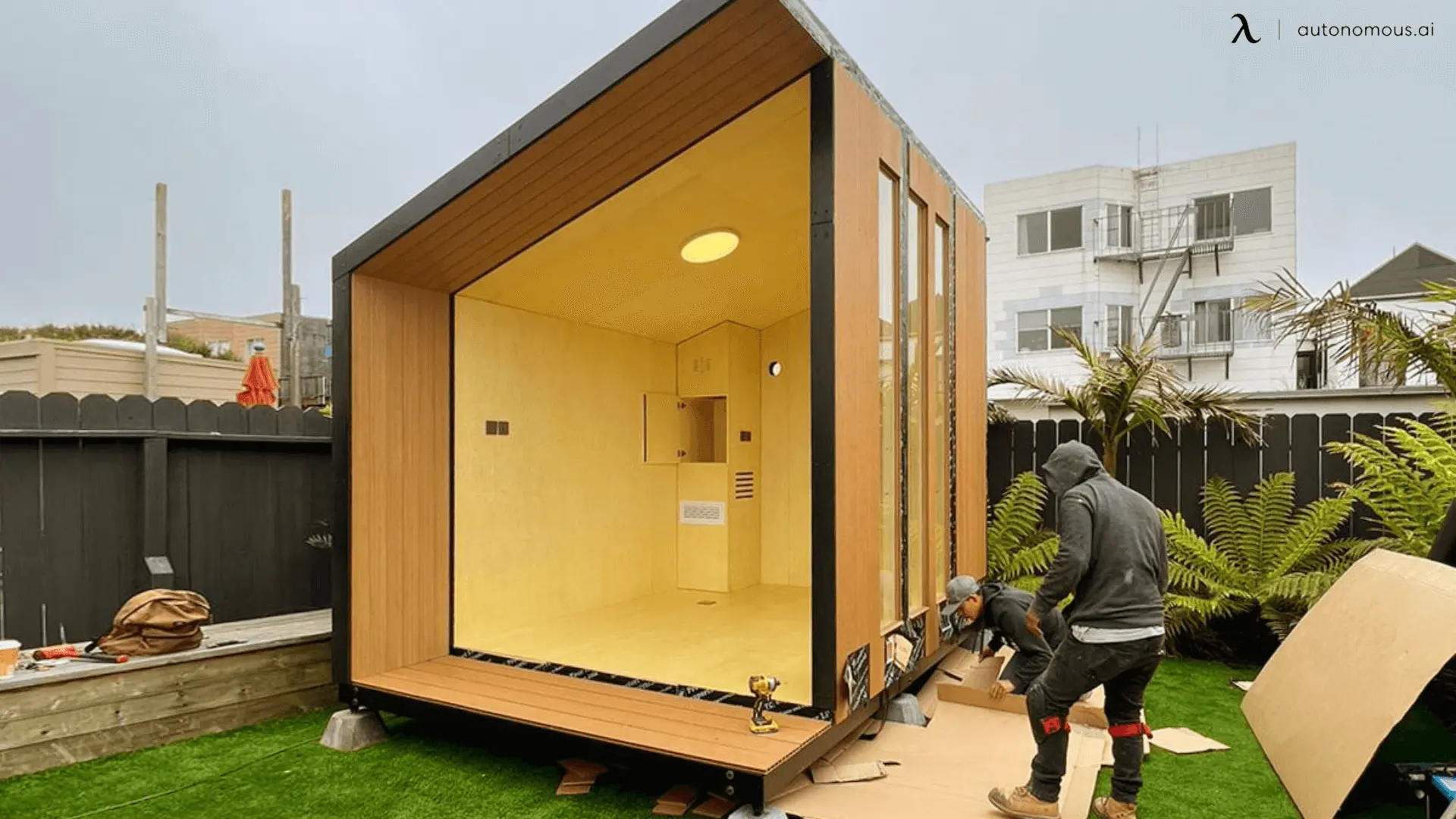
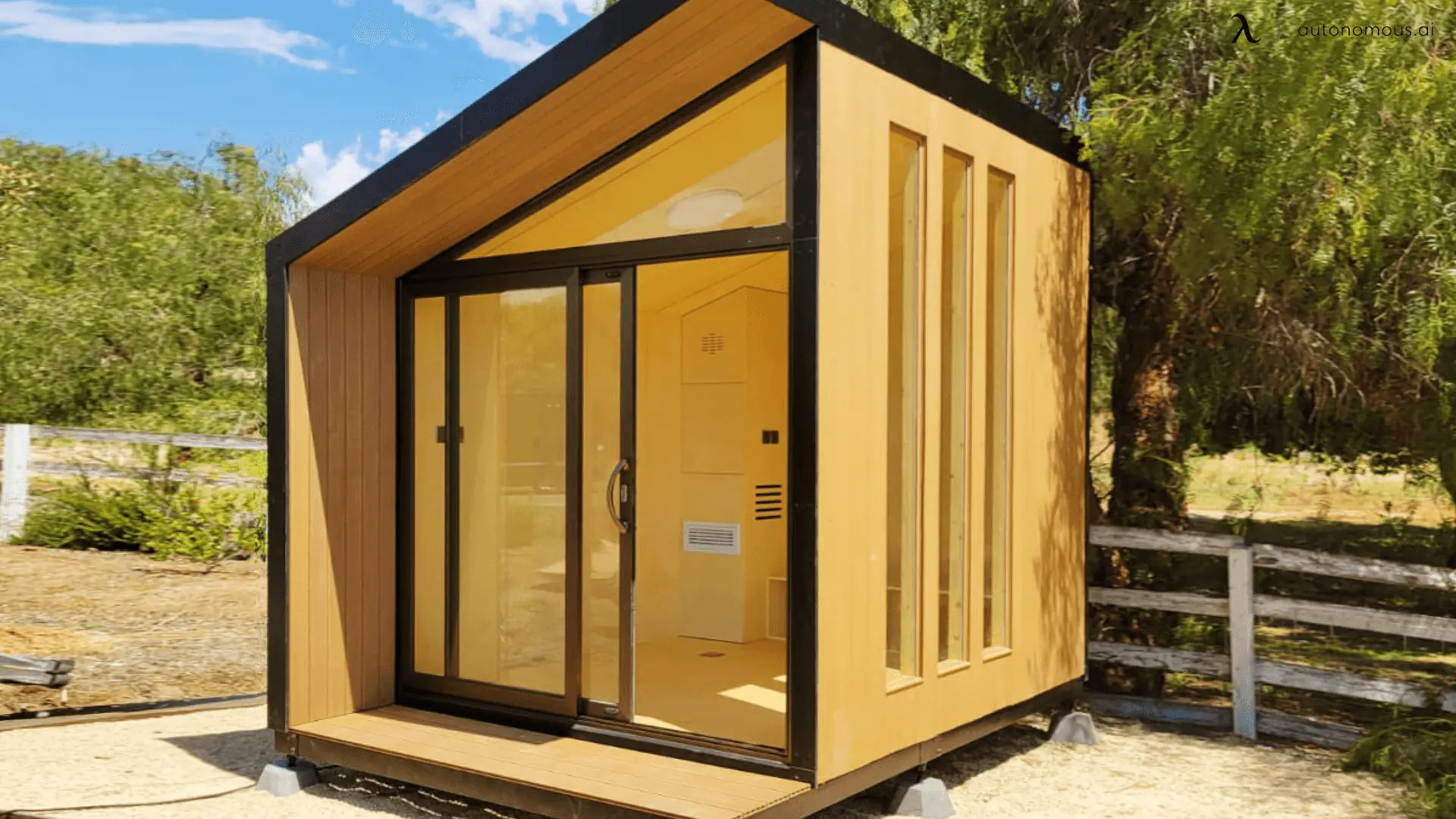
Solutions like Autonomous WorkPods are designed specifically for this purpose. These backyard office pods create a private workspace for meetings, deep work, and everyday productivity without requiring the scale of a full housing project.

FAQs
What is an attached ADU?
An attached ADU is a secondary housing unit that shares at least one wall with the main house while functioning as an independent living space.
Can an ADU be attached to the main house?
Yes. Many ADUs are attached through home additions, garage conversions, or basement apartments, provided they meet zoning regulations.
How much does it cost to build an attached ADU?
The cost typically ranges from $80,000 to $350,000, depending on project size, construction complexity, and location.
What is the size limit for an attached ADU?
Attached ADUs are often limited to 50% of the main home's floor area, although California law generally allows at least 850 sq ft for one-bedroom units and 1,000 sq ft for two-bedroom units.
Are attached ADUs cheaper than detached ADUs?
Yes. Attached ADUs usually cost less because they share structural components and utilities with the primary residence.
Conclusion
An attached ADU provides a practical way to expand living space while remaining connected to the primary residence. Whether created through a garage conversion, basement renovation, or home addition, these units allow homeowners to add housing without building a completely separate structure.
Compared with detached ADUs, attached units often require less space and lower construction costs. With proper planning and an understanding of local regulations, an attached ADU can become a valuable addition that increases both property functionality and long-term value.