How to Get Rid of Wood Mites: Treatment by Furniture Type

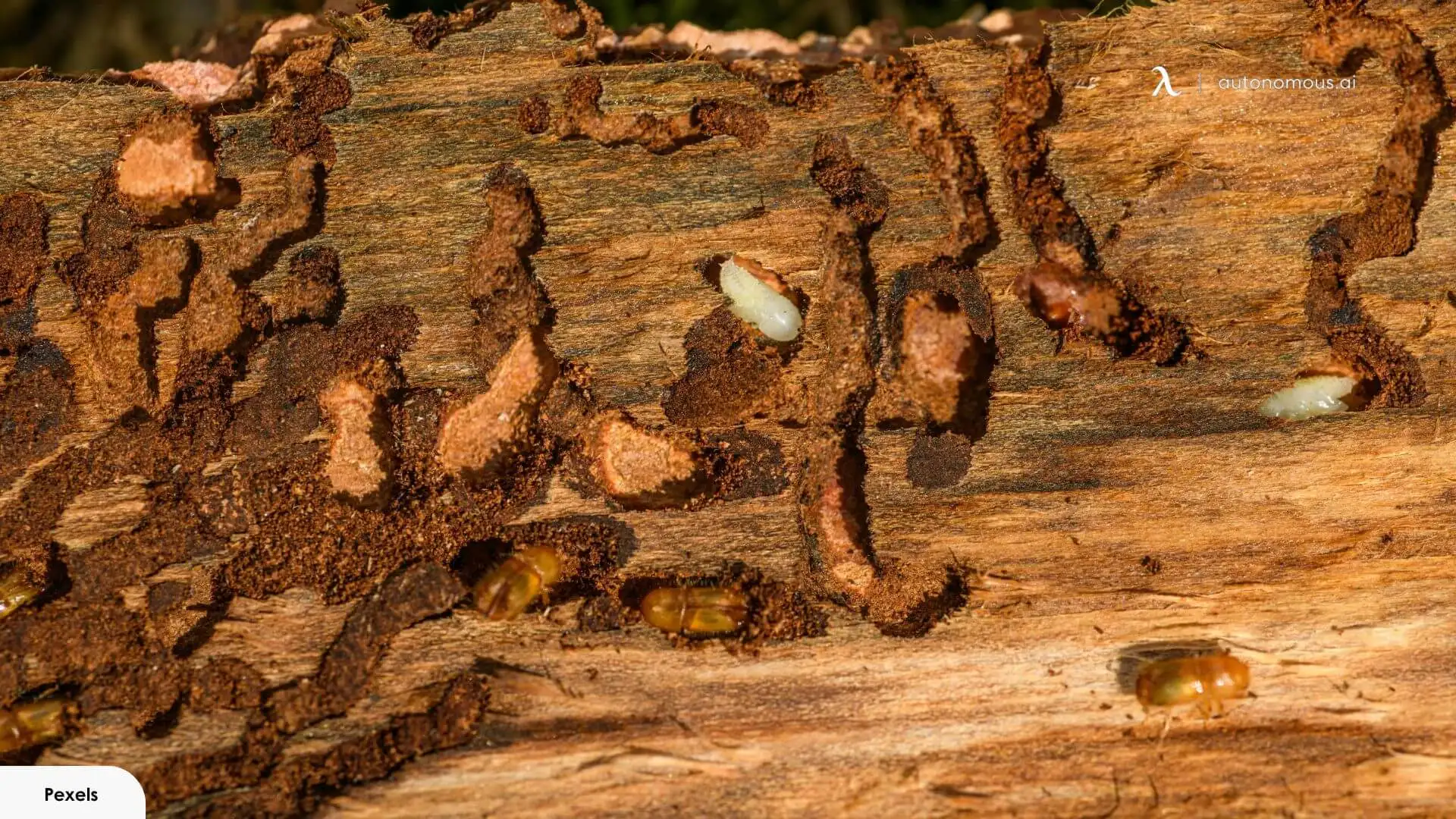
Table of Contents
- What Are Wood Mites?
- Common Types Of Wood Mites
- Signs of Wood Mites on Wood Furniture
- Are Wood Mites Harmful to Humans?
- Wood Mites vs. Termites vs. Dust Mites
- How to Get Rid of Wood Mites: Step-by-Step
- How to Treat Wood Mites Based on Your Furniture Type
- How to Prevent Wood Mites from Coming Back
- When to Call a Professional or Replace the Furniture
- FAQs
- Conclusion
You notice tiny specks moving slowly across the underside of your office desk or along a furniture joint. Before assuming the worst, here's what most people get wrong: wood mites don't eat wood — they eat the mold that grows on damp wood. That distinction changes how you identify them, how you treat them, and what you do afterward.
This guide covers identification, treatment by furniture type, and material choices that reduce the risk long-term.
What Are Wood Mites?
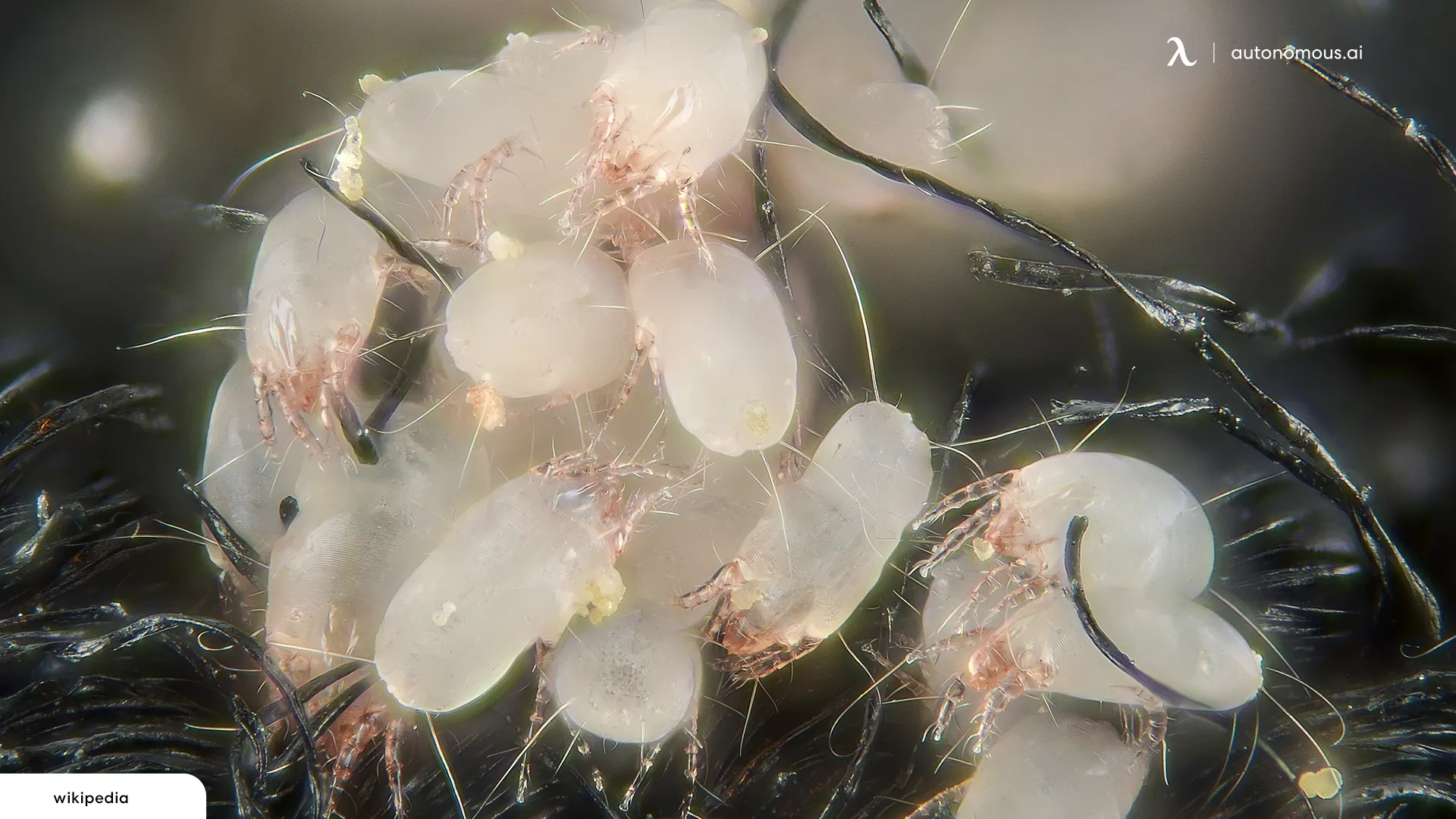
Wood mites are microscopic arachnids — related to spiders and ticks — that feed on mold and fungi growing on damp wood, not on the wood itself. They typically measure less than 1mm, making them nearly invisible individually. Most people only notice them once they've gathered in clusters on a surface.
That feeding behavior matters. Because mites follow mold, their presence on a piece of furniture is less a pest problem and more a moisture signal — something in that wood's environment is holding enough humidity to grow fungi, and the mites moved in after.
Indoors, they gravitate toward furniture in low-ventilation spaces: basements, storage rooms, wood sheds, and older homes with humidity variance. Wooden desk frames, bed frames, shelving with raw or unfinished undersides, and antique pieces with degraded sealant are common targets.
Spotting mites in wood furniture early matters. Left unaddressed, the moisture conditions that attract them create a longer-term problem — one that gets harder and more expensive to correct.
Common Types Of Wood Mites
Not all mites found on wood are the same species — and identifying the type you're dealing with determines which treatment actually works.
The table below covers the types most commonly found on or near indoor furniture. Some feed on mold, some hitchhike on other insects, and a few are frequently confused with termites or dust mites — two very different problems with very different responses.
Type | Appearance | Most Likely Location on Furniture | Key Identifier |
Oribatid Mites | Tiny, dark brown, round | Decaying wood, unfinished undersides | Slow-moving; feeds on mold and fungi |
Spider Mites | Red or black; fine webbing | Furniture near indoor plants | Visible webbing across joints or legs |
Woodworm Mites | Small, pale white | Beetle-infested wood | Follows wood-boring beetle larvae |
Carpet Beetle Mites | Tiny, pale | Wood trim, storage furniture, shelving | Follows carpet beetle infestations |
Dust Mites | Microscopic, pale | Upholstered wood frames, fabric surfaces | Lives in fabric, not bare wood grain |
Bark Beetle Mites | Very small | Firewood brought indoors, raw log furniture | Found on bark-on or rough-cut wood only |
If you're finding specks on bare wood grain — not fabric — dust mites are almost certainly not the cause. They live in soft materials and don't colonize exposed wood surfaces. The most common culprit in damp indoor spaces is the oribatid mite: dark, slow-moving, and reliably present wherever mold has taken hold on wood.
Signs of Wood Mites on Wood Furniture
Wood mites leave behind specific, identifiable signs — and on furniture, they tend to cluster in predictable locations based on where moisture and mold are most active.
- Moving Specks on Wood Surfaces
The most reliable sign of mites in wood is visible movement — tiny dots, smaller than a grain of salt, crawling slowly across a surface.
Check the underside of the furniture first. Mites gravitate toward the least-ventilated surfaces: drawer bottoms, shelf undersides, and the inner faces of furniture legs. Run a white cloth underneath — if it picks up fine specks that move or smear like dust, mite activity is likely.
- Fine Webbing in Joints and Crevices
Spider mites and some oribatid species produce thin silk threads, most visible in furniture joints, between legs, or across the grain of rough wood.
This webbing is easy to dismiss as dust or cobwebs. The difference: mite webbing appears in tight, structural areas — not open corners — and feels finer than standard cobweb silk.
- Powdery Residue on or Under the Furniture
A fine, flour-like dust collecting on or beneath wooden furniture can indicate mite activity, specifically shed skin and waste matter.
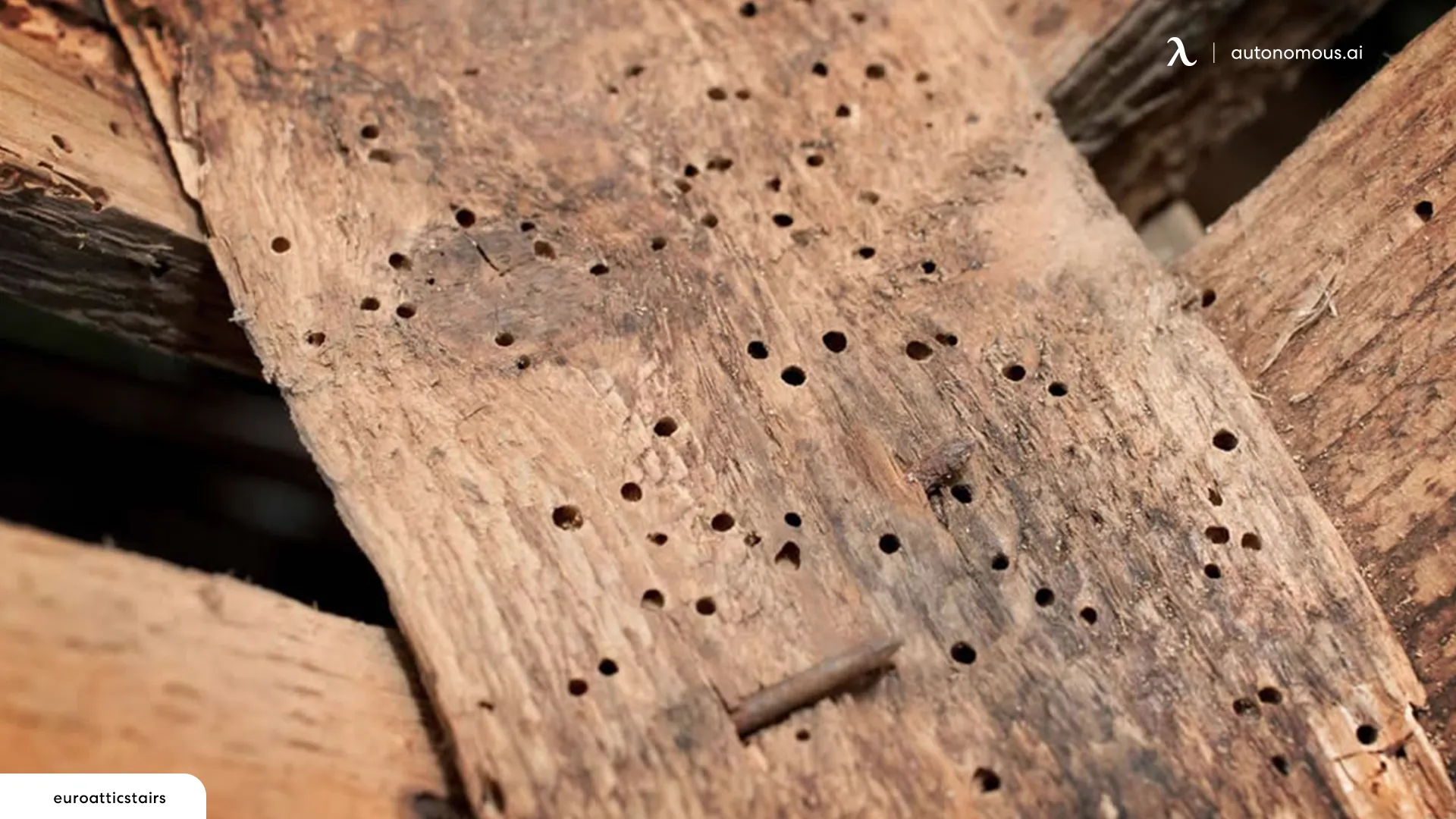
This differs from woodworm dust, which is coarser and granular, and usually accompanied by small round exit holes in the wood surface. Mite residue is lighter, more uniform, and concentrated in areas of mold or moisture buildup — not in holes.
- Musty Odor Near the Furniture
A persistent musty smell near a wooden piece usually indicates mold — which is the same condition that attracts and sustains a wood mite presence.
The mites themselves produce no odor. The smell comes from the fungal growth they feed on. If a piece smells damp or earthy even after cleaning, the moisture source hasn't been resolved.
Are Wood Mites Harmful to Humans?
Wood mites do not bite humans and are not directly harmful — but their presence has indirect consequences worth understanding.
They pose no structural danger comparable to termites, and unlike dust mites, they don't produce allergens that accumulate in bedding or upholstery. For most households, there is no immediate health risk.
The indirect concern is more relevant in specific situations. Some individuals — particularly those with existing respiratory sensitivities — may notice mild allergic reactions from airborne mite debris: shed skin and waste particles that become part of household dust. This is rare and typically mild, but worth noting in homes with young children or allergy-prone occupants.
The more practical concern is what wood mites signal about the surrounding environment. Their presence confirms that a wood surface has sustained enough moisture to support mold growth. That condition, if left unaddressed, creates longer-term problems — mold spread, wood degradation, and the potential for worse infestations. The mites themselves aren't the damage; the conditions that sustain them are.
Wood Mites vs. Termites vs. Dust Mites
Wood mites, termites, and dust mites are three distinct problems — different species, different behaviors, and different treatments. Confusing one for another leads to wasted effort and missed damage.
The table below covers the key differences across the factors that matter most for identification and response.
Wood Mites | Termites | Dust Mites | |
Size | Under 1mm; barely visible | 3–4mm; visible to naked eye | Microscopic; invisible |
Appearance | White, brown, red, or gray specks | Pale, ant-like body; or winged swarmers | Not visible without magnification |
Where Found | Bare wood surfaces, joints, undersides | Inside wood structure, mud tubes on walls | Fabric, mattresses, upholstered surfaces |
What They Eat | Mold and fungi on damp wood | Wood fiber directly | Dead skin cells in soft materials |
Wood Damage | None directly; cosmetic at most | Structural; hollows wood from inside | None |
Key Warning Sign | Moving specks, fine webbing, mite dust | Hollow sound when tapping; frass pellets | Allergy symptoms; no visible bugs on wood |
Treatment | Moisture control, surface cleaning, miticide | Professional extermination | Vacuuming, hot washing, dehumidifier |
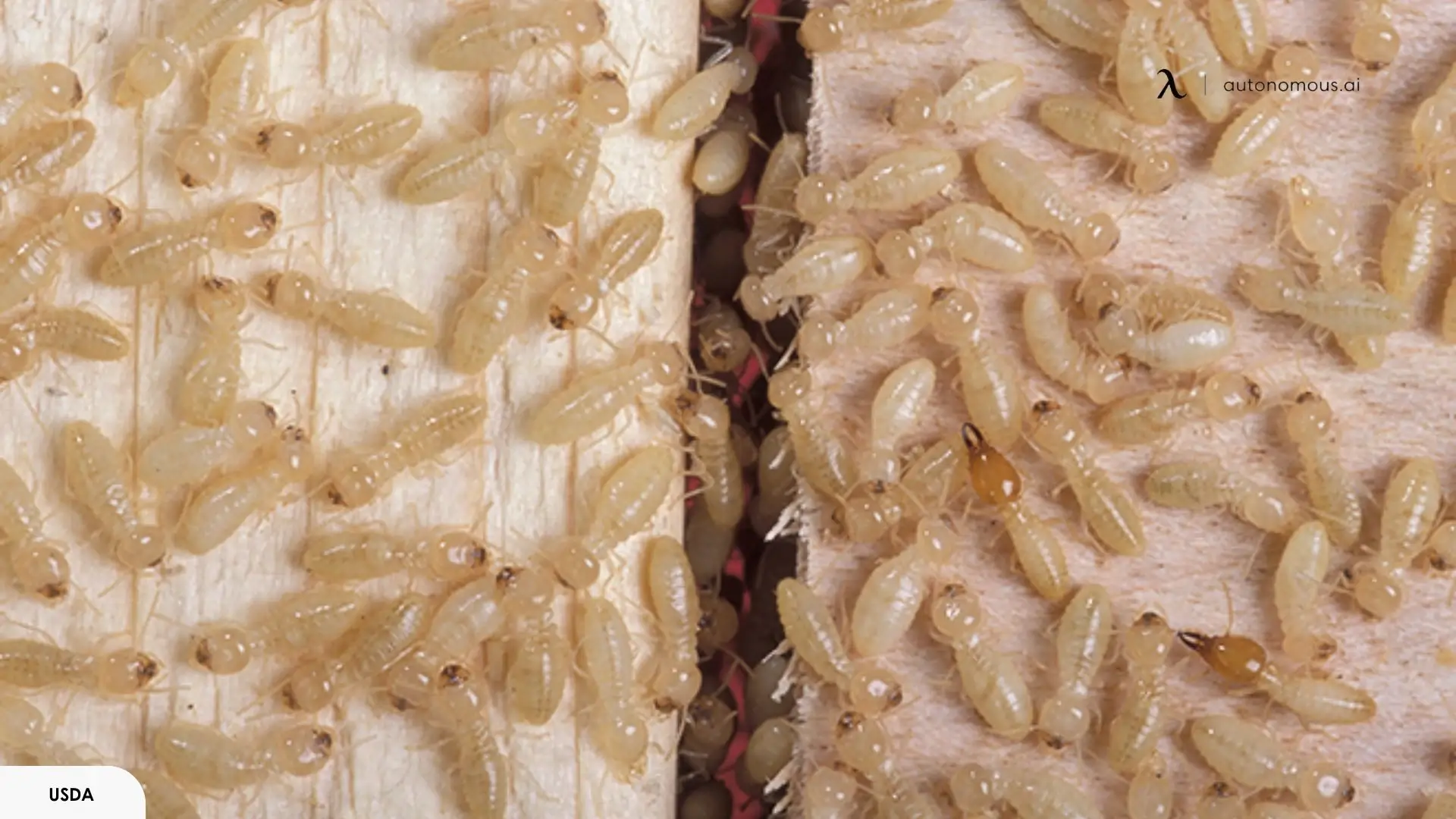
Wood mites vs. termites: Tap the suspected area firmly. Termite-damaged wood sounds hollow because galleries have been eaten through the interior. Wood mites cause no structural loss, so the wood remains solid. Termite frass — the waste they leave behind — is dark, pellet-shaped, and coarse. Mite residue is pale and powdery. If the wood sounds hollow or the dust is pellet-like, treat it as a termite problem and contact a licensed pest professional.
Wood mites vs. dust mites: Location is the clearest separator. Dust mites don't live on bare wood — they require fabric, mattresses, and upholstered surfaces to survive. If tiny bugs are visible on exposed wood grain, dust mites are not the cause.
How to Get Rid of Wood Mites: Step-by-Step
Getting rid of wood mites indoors requires addressing both the mites and the conditions sustaining them — surface treatment alone rarely holds.
The steps below work in sequence. Skipping moisture control and going straight to sprays is the most common reason infestations return.
Step 1: Locate the Source
Start by identifying which piece of furniture or surface is the active site — not just where you first noticed mites.
Check unfinished undersides, drawer interiors, and joints where moisture tends to collect. If you notice mold in wood furniture or on nearby surfaces, that's the origin point. Knowing whether it's black mold vs mildew on wood helps gauge how far the moisture issue has spread before you start treatment.
.webp)
Step 2: Reduce Moisture First
Wood mites cannot sustain a presence without the mold that damp conditions produce — eliminating moisture cuts off their food supply.
Keep indoor humidity below 50%. Use a dehumidifier in enclosed or low-ventilation spaces. Fix any leaks near affected furniture. Improve airflow in the room — a fan directed at the furniture for 24–48 hours helps dry out wood that has absorbed moisture.
Step 3: Clean the Affected Furniture
Thorough cleaning removes active mites, eggs, and the mold residue they feed on.
Vacuum all surfaces, joints, and undersides using a HEPA filter attachment. Wipe down finished wood surfaces with a dry or lightly damp cloth — avoid excess moisture. For upholstered wood frames, vacuum the fabric separately before treating any exposed wood. Dispose of the vacuum bag or empty the canister outside immediately after.
.webp)
Step 4: Apply Treatment
Treatment method should match the surface type — not all options are safe or effective on all wood finishes.
For most indoor furniture, these are the practical options:
- Diatomaceous earth (food-grade): Apply to unfinished wood surfaces, joints, and floor contact points. Leave 24–48 hours, then vacuum. Wear a mask during application.
- Essential oil spray: Mix 10 drops of tea tree or clove oil with 250ml of water. Apply to finished surfaces. Repeat every 2–3 days until signs clear.
- Miticide spray: Use for persistent or widespread infestations. Choose a product labeled specifically for mites and follow manufacturer instructions.
Step 5: Seal Exposed Wood Surfaces
Unfinished or degraded wood surfaces allow mold to re-establish after treatment — sealing them reduces that risk.
Apply a wood sealant or furniture wax to raw surfaces once the area is dry and confirmed mite-free. If the product leaves a strong chemical odor, how to remove formaldehyde smell from wood furniture covers how to clear it safely. This limits the micro-gaps where mold can re-establish.
Step 6: Maintain the Conditions
Consistent upkeep after treatment prevents reinfestation. Store nothing on the floor directly beneath furniture in low-ventilation rooms. Check furniture undersides every few months in spaces with any humidity variance.
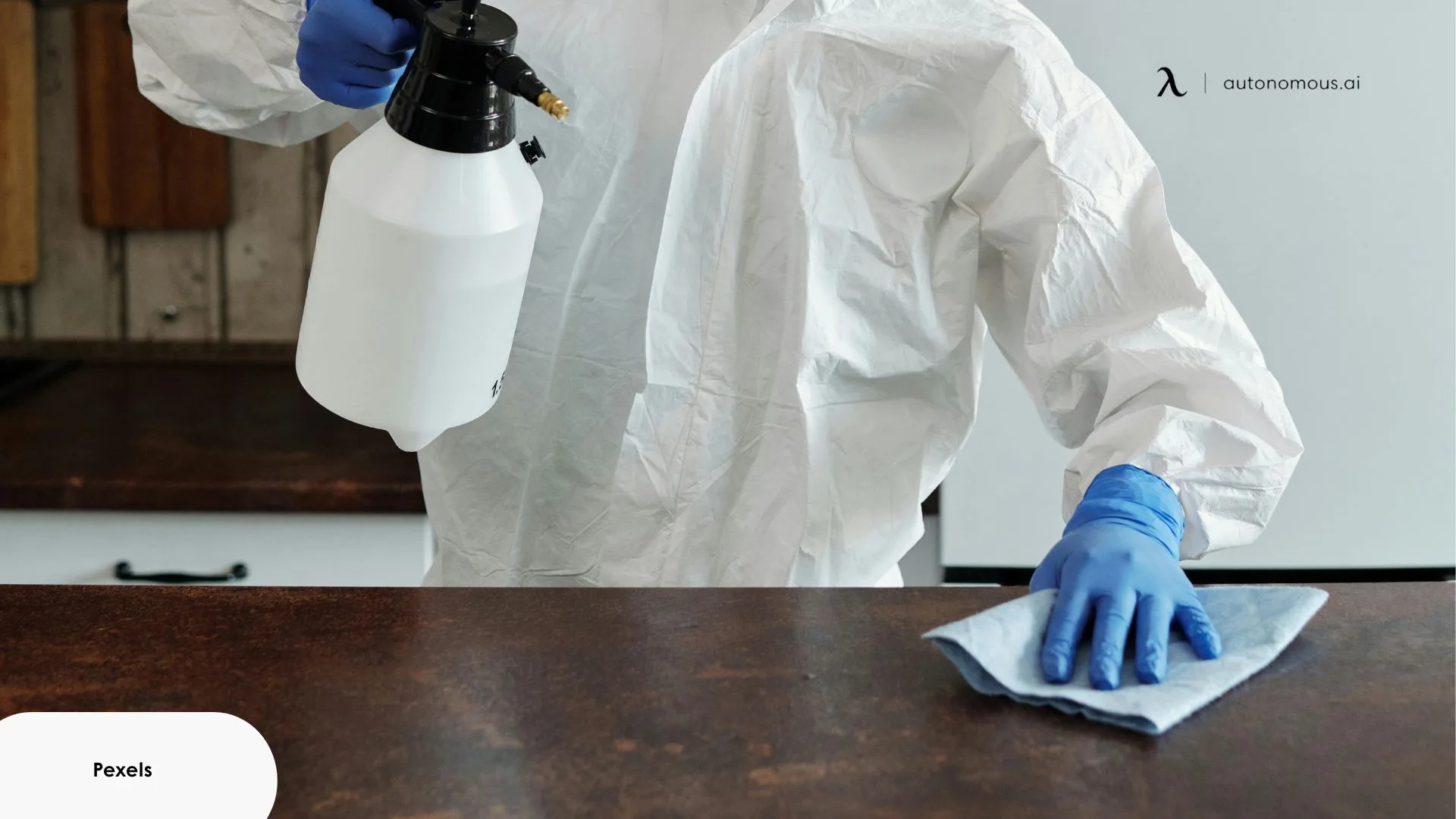
How to Treat Wood Mites Based on Your Furniture Type
Treatment that works on one type of wood furniture can be ineffective — or damaging — on another. The material determines the method.
1. Finished Hardwood Furniture (Desks, Tables, Shelving)
Finished hardwood is the most treatable surface — the sealed coating limits mite access to the surface only, which keeps treatment straightforward.
Avoid liquid-heavy applications directly on finished surfaces. Essential oil sprays, dry cloth wiping, and surface-level diatomaceous earth around contact points are sufficient for most cases. The sealed finish itself is an asset: once cleaned and dried, it offers less opportunity for mold to re-establish compared to raw wood.
2. Unfinished or Raw Wood (Antique Pieces, Raw Shelving, Untreated Frames)
Unfinished wood is the most vulnerable furniture type — open grain and pores trap moisture and mold, giving mites consistent access to a food source.
Diatomaceous earth applied along the grain is the most effective first treatment. After the infestation clears, sealing the surface is the most important follow-up step. Without it, mold re-establishes in the same pores and mites return. For antique pieces, test any chemical spray on a hidden area first — older finishes and bare wood react unpredictably to solvents.
3. Engineered Wood and MDF Furniture
MDF and engineered wood are moisture-intolerant at a structural level — swelling creates new micro-gaps that make mite colonization harder to resolve than on solid wood.
Prioritize moisture elimination before any surface treatment on MDF. Chemical sprays risk accelerating laminate delamination, so stick to dry methods: diatomaceous earth, essential oil spray on a lightly damp cloth, and thorough vacuuming. If an MDF piece has visibly swollen or the laminate has begun separating, surface treatment is unlikely to hold. The structural compromise has already created conditions that are difficult to reverse. The moisture tolerance gap between MDF wood vs solid wood is most apparent in exactly these situations.
4. Upholstered Wood Frames (Sofas, Bed Frames, Chairs)
Upholstered wood frames require two separate treatment protocols applied in sequence — the fabric and the wood are different surfaces with different needs.
Start with the fabric: vacuum thoroughly with a HEPA attachment, then steam-clean upholstered sections. Wash any removable covers in hot water. Once the fabric is treated and dry, move to the exposed wood joints and legs — treat as finished or unfinished depending on the construction. Do not apply liquid treatments to wood areas directly adjacent to fabric before the fabric is fully dry.
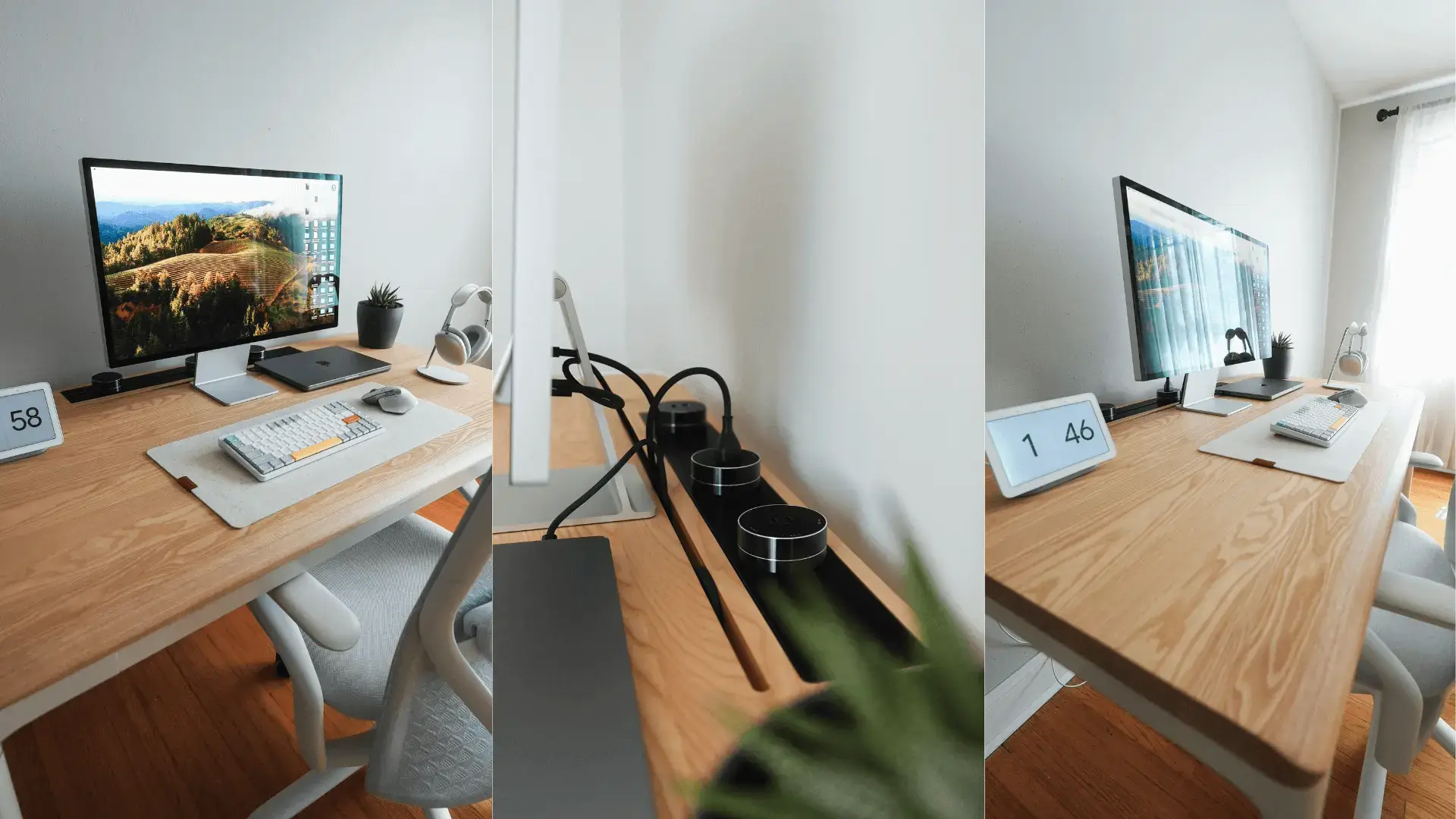
How to Prevent Wood Mites from Coming Back
Preventing wood mites long-term means controlling the conditions that make furniture hospitable to mold — not just repeating surface treatments.
- Control Humidity in Your Workspace
Humidity above 50% is the primary environmental condition that enables mold growth on wood surfaces — keeping it below that threshold removes the foundation mites need.
A hygrometer is a low-cost tool that gives a reliable humidity reading for any room. In enclosed workspaces, basements, or rooms with limited airflow, run a dehumidifier consistently rather than reactively. Seasonal humidity spikes — common in summer months — are when mite activity typically increases on furniture left in low-ventilation rooms.
- Choose Wood Finishes and Materials That Resist Mite Conditions
Sealed wood surfaces limit the moisture absorption and micro-gap formation that mold requires — making the material itself a factor in long-term mite prevention.
Furniture with quality sealed finishes — whether hardwood, bamboo, or well-laminated surfaces — gives mold fewer access points than raw or degraded wood. When maintaining existing pieces, reapply furniture wax or sealant to any areas where the finish has worn through. For new furniture in humidity-prone spaces, understanding the best wood for a desktop or shelving applies here — sealed hardwood outperforms unfinished or MDF alternatives in resisting the conditions that attract mites.
- Maintain Consistent Cleaning Habits
Regular cleaning disrupts mold buildup before it reaches the level that sustains mites.
Wipe down wood furniture surfaces weekly with a dry cloth. Vacuum undersides and joints monthly in rooms with any humidity variance. Keep furniture pulled slightly away from walls in enclosed spaces to allow airflow around the back panels — a common mold accumulation point that often goes unaddressed.
When to Call a Professional or Replace the Furniture
Not every wood mite infestation resolves with DIY treatment — some situations indicate damage that surface-level methods cannot reverse.
1. When to Call a Pest Professional
Contact a licensed pest management professional when the infestation has spread beyond individual furniture pieces to structural wood — floor joists, wall framing, or subfloor.
At that stage, the problem is no longer a furniture issue. A professional can identify hidden infestation sites, assess the extent of mold damage, and apply treatments to areas that aren't accessible through standard cleaning. For isolated furniture infestations, professional intervention is rarely necessary if the steps in this guide are followed correctly.
2. When to Replace the Furniture
Replace a piece of furniture when repeated treatment fails, or when the wood shows signs of structural compromise that cleaning cannot address.
Three specific conditions indicate replacement is the more practical decision:
- The same piece has been treated correctly more than once and mites have returned within weeks — the wood has sustained moisture damage deep enough that mold re-establishes between treatments.
- The wood surface shows visible softening, warping, or crumbling — mold has progressed to the point of structural degradation.
- MDF or engineered wood has swollen or delaminated — the surface integrity is gone and the micro-gaps created are not resealable.
Replacing furniture in these cases is a material decision, not a defeat. Choosing a replacement piece with a sealed, moisture-tolerant construction reduces the likelihood of facing the same problem in the same space again.
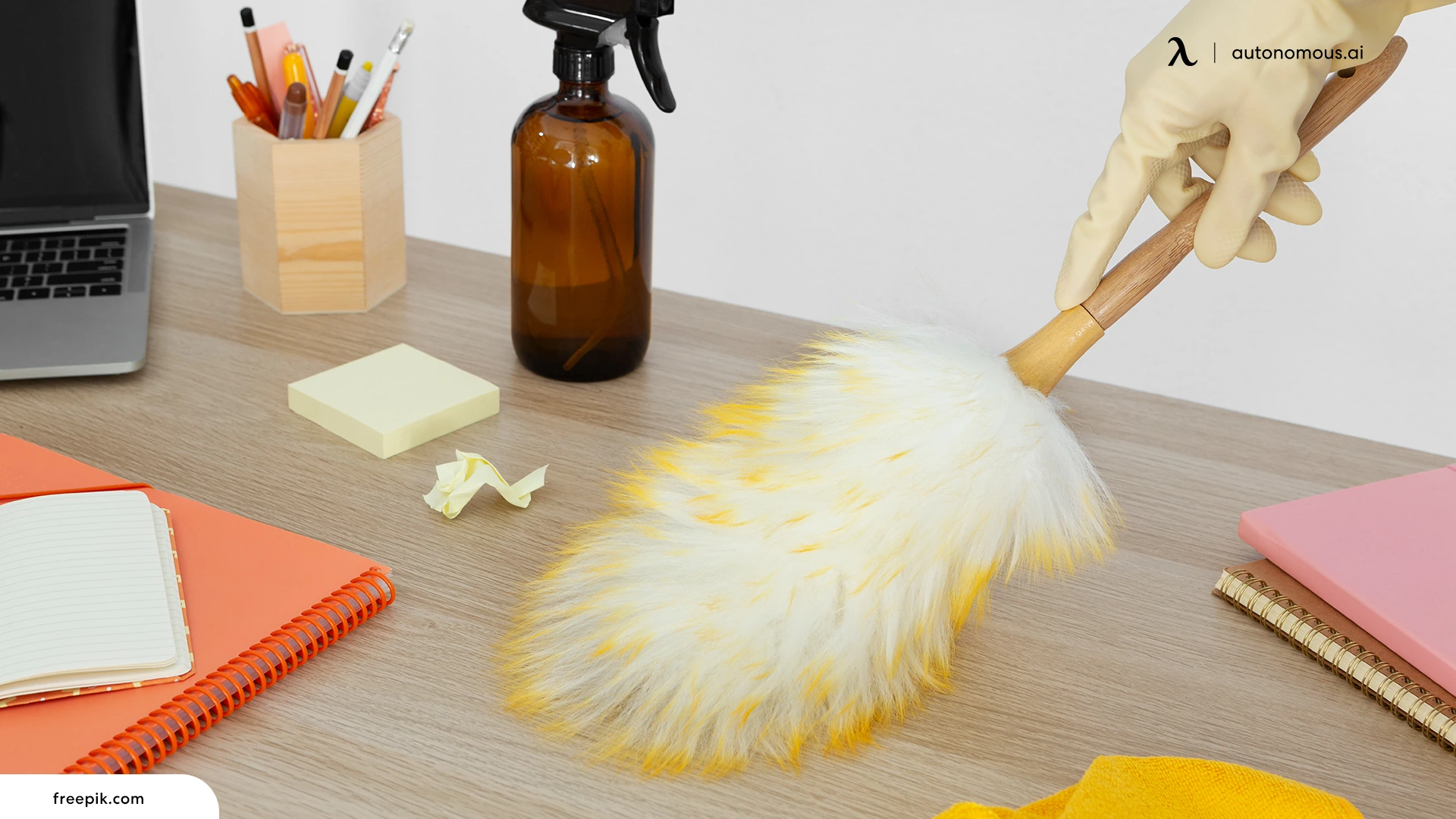
FAQs
What are wood mites?
Wood mites are microscopic arachnids that feed on mold and fungi growing on damp wood — not on the wood itself. They are typically less than 1 mm in size and are most commonly found on furniture, wooden beams, and firewood in humid indoor environments.
What do wood mites look like?
Wood mites appear as tiny moving specks, often smaller than a grain of salt. They range in color from white and gray to brown or red depending on the species, and are usually noticed when they gather in clusters on wood surfaces.
Do wood mites bite humans?
No, wood mites do not bite humans. They feed on mold and organic matter on wood surfaces and pose no direct physical threat to people or pets.
Are wood mites harmful?
No, wood mites are not directly harmful. However, their presence indicates excess moisture and mold, which can worsen over time. In some cases, airborne mite debris may trigger mild allergic reactions in sensitive individuals.
What causes wood mites in a house?
Wood mites in a house are caused by excess moisture. Humid rooms, poor ventilation, leaking pipes, and damp firewood create the mold conditions that attract mites to wood furniture and other wooden surfaces.
Where do wood mites come from?
Wood mites typically enter a home through firewood, potted plants, or small openings around doors and windows. Once inside, they settle on damp wood surfaces where mold is present, including furniture, shelving, and floor trim.
How do you get rid of wood mites indoors?
To get rid of wood mites indoors, lower humidity below 50%, clean affected wood surfaces thoroughly, and treat active areas with diatomaceous earth or a suitable spray. Moisture control is essential — without it, mites will return.
What kills wood mites naturally?
Diatomaceous earth, tea tree oil spray, and diluted clove oil are effective natural treatments for wood mites. Use diatomaceous earth on unfinished wood and sprays on sealed or finished furniture for best results.
How do I get rid of tiny bugs in wood furniture specifically?
Vacuum joints, undersides, and crevices using a HEPA filter, then apply treatment based on the surface — diatomaceous earth for raw wood or spray for finished surfaces. Sealing unfinished areas helps prevent mold and mites from returning.
What is the fastest way to get rid of wood mites?
The fastest way to get rid of wood mites is to combine immediate cleaning with moisture control. Vacuum affected areas, wipe down surfaces, and apply treatment, then reduce indoor humidity below 50%. Without lowering moisture, even fast treatments will not stop mites from returning.
How long does it take to get rid of wood mites?
Most wood mite infestations improve within a few days after treatment, but complete elimination typically takes 1–2 weeks. The timeline depends on how quickly humidity is controlled — if moisture remains high, mites can persist or return.
Do you need pest control for wood mites?
No, pest control is usually not necessary for wood mites. Because they depend on mold, removing moisture and cleaning affected wood surfaces is typically enough. Professional pest control may be helpful only in severe or recurring cases where the source of moisture is difficult to identify.
Do wood mites affect MDF furniture differently than solid wood?
Yes. MDF absorbs moisture more easily, which can cause swelling and create conditions that accelerate mold growth and mite activity. Sealed solid wood is generally more resistant to these conditions.
Conclusion
Wood mites are a moisture problem as much as a pest problem. Address the humidity, treat the surface correctly for the material you're dealing with, and seal any raw wood afterward — that sequence handles the majority of infestations without professional intervention.
If mites keep returning to the same piece despite correct treatment, the wood itself has likely sustained damage that surface methods can't reverse. At that point, replacement is the more practical decision.
The conditions that attract wood mites are controllable. Most of the work is environmental, not chemical.