Japanese New Year Gifts: What They Mean & How to Give


Table of Contents
The turning of the year in Japan carries a weight that goes far beyond countdowns and fireworks. Oshōgatsu, the Japanese New Year celebration, is perhaps the most significant holiday on the Japanese calendar, a time when families reunite, debts are settled, homes are cleansed, and relationships are renewed through carefully chosen gestures of gratitude.
Among these gestures, gift-giving holds particular importance. But here's what many visitors and newcomers to Japanese culture quickly discover: the value of a Japanese New Year gift has little to do with its price tag.
Whether exchanged within families, among friends, or in professional settings, the intention behind the gesture often matters more than the item itself. Understanding the cultural meaning of Japanese New Year gifts helps ensure they are given with respect, thoughtfulness, and a quiet sense of optimism for the year ahead.
Why Gift-Giving Matters During Japanese New Year
Gift-giving in Japan operates on principles that can feel unfamiliar to Western sensibilities. Where other cultures might emphasize surprise, extravagance, or personal taste, Japanese gift culture prioritizes harmony, reciprocity, and social awareness.
During Oshōgatsu, these principles intensify. The New Year represents a clean slate, a moment to express gratitude for relationships that sustained you through the previous year and to reaffirm connections moving forward. Japanese New Year gifts become physical manifestations of these sentiments, carrying meaning that extends far beyond their material worth.
There's also a renewal aspect that's hard to overstate. Japanese New Year traditions involve settling accounts, both financial and emotional. The New Year gifts exchanged during this period acknowledge what others have done for you and signal your continued investment in the relationship.
This differs significantly from everyday gifting in Japan. While omiyage (travel souvenirs) and casual gifts flow freely throughout the year, Oshōgatsu gifts carry ceremonial weight. They're anticipated, somewhat formalized, and governed by conventions that have evolved over centuries.

Traditional Japanese New Year Gifts and Their Meanings
Understanding traditional Oshōgatsu gifts means understanding Japanese symbolism. Nearly every conventional gift carries layers of meaning rooted in wordplay, seasonal associations, or historical significance. These aren't arbitrary traditions, they reflect deeply held cultural values around fortune, health, and human connection.
1. Food Gifts and Seasonal Symbolism
Food dominates Japanese New Year gift-giving, and not by accident. Edible gifts are consumed and gone, they don't burden the recipient with storage or display obligations. They're also deeply tied to seasonal celebration.
- Mochi (rice cakes):
This gift popurlarly appears throughout Oshōgatsu celebrations. Their stretchy, chewy texture symbolizes longevity and flexibility, while their white color represents purity. Kagami mochi—two stacked round mochi topped with a daidai (bitter orange)—serves as a traditional New Year decoration before being eaten in a ritual called kagami biraki, typically on January 11th. As a New Year gift for families, mochi sets carry particular warmth because they're meant to be shared during gatherings.
- Osechi ryori:
Its components represent thoughtful Japanese New Year presents, particularly for elderly relatives or busy families who might appreciate help preparing the elaborate New Year feast. Individual items carry specific meanings rooted in visual symbolism and wordplay: kazunoko (herring roe) represents fertility due to its many eggs, kuromame (black soybeans) symbolize health and diligent work (mame also means "hardworking"), and tazukuri (candied dried sardines) wishes for abundant harvests. Beautifully arranged osechi components make especially meaningful New Year gifts for mom, acknowledging the labor that traditionally goes into preparing these dishes.
- Sake:
A symbolic giftcarries celebratory significance in many Japanese occasions, and the New Year is no exception. Regional varieties demonstrate thoughtfulness and familiarity with Japanese craft traditions. Toso, a spiced sake infused with medicinal herbs and traditionally shared on New Year's morning to ward off illness, holds particular seasonal relevance. Premium sake works well as New Year gifts for boss figures or as New Year gifts for clients, as it conveys respect without overstepping professional boundaries.
- Seasonal fruits
Different types of fruits like mikan (mandarin oranges) connect to winter traditions and family gatherings around the kotatsu. High-quality fruit from specialty purveyors communicates care through the attention given to cultivation and presentationa, reflection of the Japanese aesthetic principle that beautiful food honors the recipient. Elegantly presented fruit baskets serve as thoughtful New Year gifts for teachers or as New Year gifts for coworkers, striking the right balance between appreciation and professional appropriateness.

2. Otoshidama and Monetary Gifts
Otoshidama, cash gifts given to children during Oshōgatsu, represents one of the most anticipated traditions for young people. Adults present crisp, new bills in decorative envelopes called pochibukuro to children in their extended family and social circle.
The amounts follow informal conventions based on the child's age and your relationship to them, though families and regions may vary in their practices. What remains consistent is the emphasis on using fresh, unwrinkled bills, presenting worn currency would suggest carelessness or lack of preparation for this important occasion.
The tradition reflects broader Japanese values around generational care and family continuity. For children, otoshidama often provides early lessons in saving and financial responsibility, with many families encouraging children to deposit a portion of their gifts.
For adults, monetary gifts are less common but appear in certain contexts, particularly as gestures from employers to employees or from older family members to younger adults establishing new households.
3. Practical Household Gifts
The New Year's emphasis on fresh starts extends to the home. Practical gifts that help recipients begin the year with clean, new items carry positive symbolism aligned with Oshōgatsu themes of renewal.
New towels and linens suggest washing away the old year's troubles and starting fresh. Kitchenware connects to the importance of the New Year's feast and family gathering. Calendars and planners acknowledge the year ahead, though these are typically given before New Year's Day so recipients can actually use them from January 1st. Quality household items also work well as New Year gifts for coworkers, striking an appropriate balance between thoughtfulness and professional distance.
Taken together, these traditions show that Japanese New Year gifts are guided less by trends and more by shared understanding. By focusing on seasonality, suitability, and restraint, gift-giving becomes a natural part of welcoming the year ahead, grounded in respect and cultural awareness.

What Not to Give as a Japanese New Year Gift
Japanese gift taboos often trace back to linguistic coincidences or historical associations that might seem arbitrary to outsiders but remain meaningful in practice. Understanding what to avoid matters as much as knowing what to give.
- Items associated with death or separation:
Anything involving the number four (shi, which sounds like the word for death) raises concerns. White flowers, particularly chrysanthemums and lilies, carry funeral associations in Japan. Handkerchiefs suggest tears and parting. Scissors, knives, and other cutting implements can imply severing relationships—though context matters, and these may be acceptable if the recipient has specifically requested them.
- Gifts in sets of four or nine:
Four for the death association, nine because ku can sound like suffering. Even beautifully presented items can create discomfort if the quantity carries negative connotations.
- Overly personal items:
Clothing, accessories, or grooming products can feel presumptuous unless you know the recipient extremely well. These choices suggest you're making judgments about their appearance or personal habits, which may cause embarrassment rather than pleasure.
- Gifts that create uncomfortable obligations:
In Japanese gift culture, receiving creates social expectation for reciprocity. An excessively expensive gift can burden the recipient with the need to respond at a level they might not afford or desire. Thoughtful appropriateness beats extravagance in nearly every circumstance.

Japanese New Year Gift Ideas For Different Relationships
Context shapes appropriateness in Japanese gift culture. What delights a close friend might embarrass a business colleague. Understanding these distinctions helps you choose Japanese New Year gifts that strengthen rather than complicate relationships.
1. For Family
Family gifts during Oshōgatsu tend toward warmth and shared experience. Food items—quality sweets, regional specialties, premium tea—work reliably because they're enjoyed together during holiday gatherings.
For parents and grandparents, gifts that acknowledge their role as family anchors resonate: items for their home, experiences you might share together, or practical goods that improve daily life. The otoshidama tradition means children expect cash gifts from adult relatives, so plan accordingly if you'll see young nieces, nephews, or cousins during the holiday period.
For siblings and adult children, the formality can relax somewhat. Japanese New Year presents reflecting shared interests or family memories are welcome, though maintaining appropriate ceremony, nice wrapping, thoughtful timing, still demonstrates respect for the occasion.
2. For Friends
Friendship gifts occupy a middle ground between family warmth and social formality. Consumable gifts remain reliable choices: quality sake, interesting regional snacks, specialty coffee or tea. These demonstrate thoughtfulness without creating display or storage obligations.
Gifts connected to shared interests show you pay attention to who they are. For close friends, some personalization is welcome, but lean toward consumable or useful items rather than decorative objects they'll feel obligated to display prominently.
3. For Coworkers and Business Partners
Professional relationships require more careful navigation. The Japanese practice of oseibo — year-end gifts to business associates and superiors, technically belongs to December, but Japanese New Year gifts to colleagues you'll see during the holiday period follow similar principles of appropriateness and moderation.
Conservative choices work best in professional contexts: high-quality food items from respected regional producers, premium office accessories with broad appeal, or specialty items if you've traveled. Department store gift sets exist precisely for these situations, offering carefully vetted options at various price points that communicate appropriate respect without overstepping.
Avoid anything too personal, too casual, or too expensive. When uncertain, quality food gifts from established sources strike the right balance between thoughtfulness and professional propriety.
4. Giving as a Non-Japanese Guest
For those less familiar with Japanese customs, New Year gift-giving can feel uncertain. In these situations, simplicity and awareness are often more important than selecting a specific item. Curated Lunar New Year gift sets can serve as a helpful starting point, offering pre-selected items that balance appropriateness with ease of giving.
It is also worth noting that offering no gift at all can be acceptable, particularly when the setting does not clearly call for one. When approached with respect and restraint, Japanese New Year gifts given by non-Japanese guests can feel natural and well-intentioned.

How to Present a Japanese New Year Gift Properly
The presentation of Japanese New Year presents carries nearly as much weight as their contents. Japanese wrapping traditions transform even simple items into ceremonial offerings that honor both the occasion and the recipient.
- Wrapping follows established conventions:
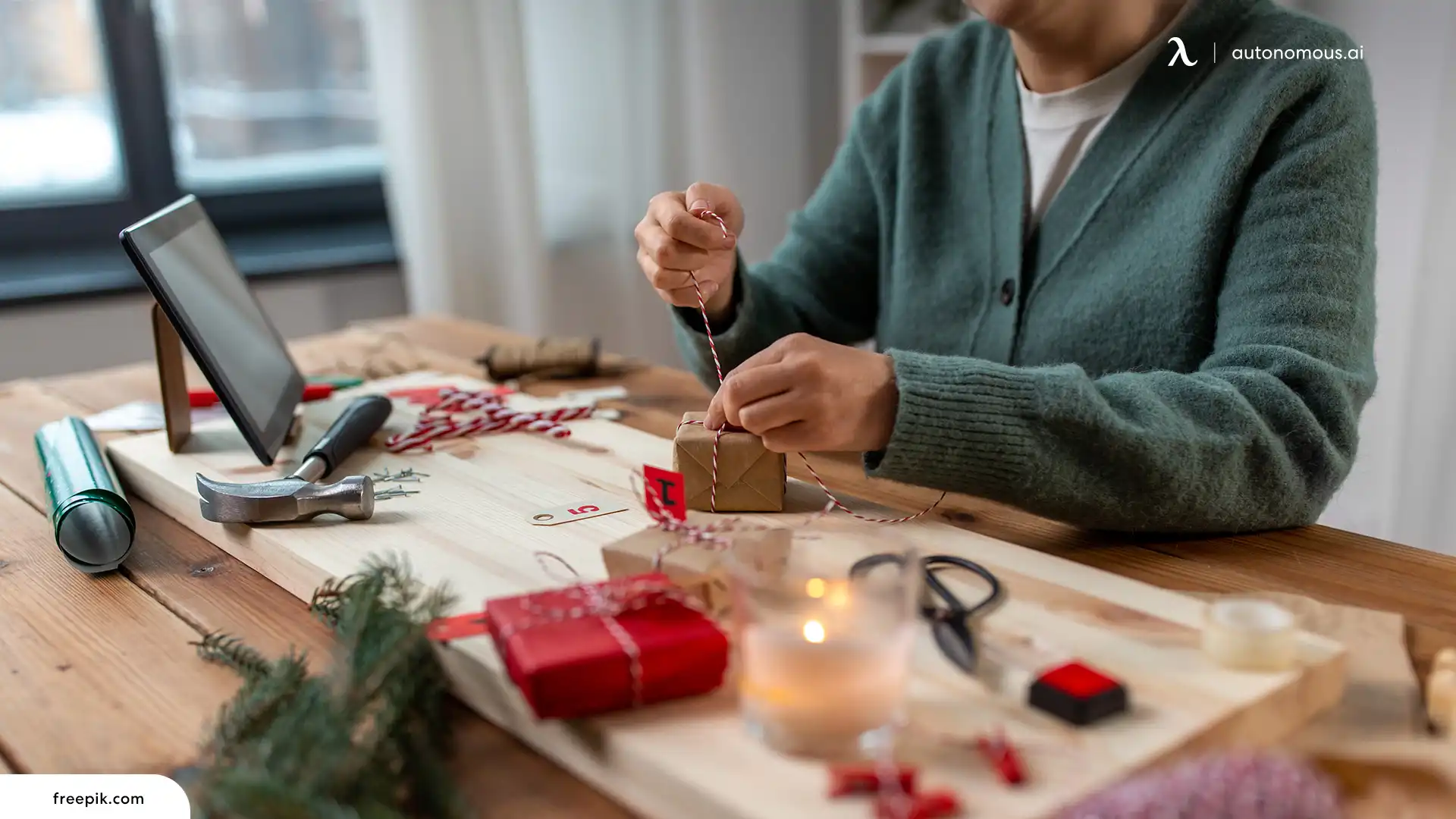
Department stores and specialty shops offer gift wrapping as standard service—accepting this when available makes sense, as professional presentation communicates appropriate respect. If wrapping yourself, use paper in celebratory colors (gold, red, silver) and avoid the black-and-white combinations associated with funerals and mourning. This sustainable practice also allows the wrapping itself to become part of the gift — a consideration worth noting for those preparing DIY New Year gifts, where handmade effort extends naturally to presentation.
- Timing matters significantly:
Oseibo gifts are given before the New Year, typically in the first half of December. Japanese New Year presents exchanged during Oshōgatsu itself are ideally given in person when visiting, usually January 1st through 3rd. Arriving at someone's home without a gift (temiyage) during this period would create discomfort for everyone involved.
- Presentation etiquette involves small gestures that convey respect:
Present gifts with both hands. A slight bow accompanying the presentation is appropriate. Self-deprecating phrases about the inadequacy of your gift, standard in Japanese gift culture, acknowledge that no object could truly express your gratitude while demonstrating appropriate humility. Between spouses, these formal conventions naturally soften, whether exchanging New Year gifts for wives or New Year gifts for husbands, the presentation often carries more personal warmth while still honoring the spirit of Oshōgatsu.
When approached with care and restraint, presentation becomes a natural extension of the gift itself. Thoughtful wrapping, appropriate timing, and respectful exchange help Japanese New Year gifts feel aligned with tradition and warmly received at the start of the year.

FAQs
What is the traditional gift giving in Japan?
Traditional gift giving in Japan is centered on respect, social balance, and appropriateness rather than personal expression. During the New Year, Japanese New Year gifts commonly include seasonal food, modest symbolic items, or practical gifts that are easy to accept and share.
What is a good luck gift in Japan?
A good luck gift in Japan typically represents wishes for health, prosperity, or a smooth year ahead. During the New Year, this often takes the form of symbolic items or traditional decorations rather than personalized gifts.
What do Japanese like to receive as New Year gifts?
Japanese recipients generally prefer gifts that are practical, shareable, and not overly personal. Japanese New Year gift ideas such as food gifts or everyday items are commonly appreciated because they fit naturally into daily life.
What are traditional Japanese New Year gift ideas?
Traditional Japanese New Year gift ideas typically include shareable foods, everyday household items, or symbolic objects associated with renewal and good fortune. These gifts are chosen to suit the season and blend naturally into New Year customs rather than stand out.
Can foreigners give Japanese New Year gifts?
Yes, foreigners can give Japanese New Year gifts, and the gesture is usually welcomed when done thoughtfully. Modest, seasonal gifts are generally safer choices than elaborate or highly personal items.
What Japanese New Year gifts are suitable for coworkers?
For coworkers, Japanese New Year gifts are typically neutral and modest. Shared items or simple consumables are appropriate because they maintain fairness and avoid singling out individuals.
What should you avoid giving as a Japanese New Year gift?
Gifts that are overly personal, excessively expensive, or associated with negative symbolism should be avoided. Japanese New Year gift ideas should focus on simplicity and comfort rather than novelty or strong personal meaning.
Do you give Japanese New Year gifts to coworkers?
Japanese New Year gifts for coworkers are usually modest and neutral. Shared items or simple consumables are preferred to maintain balance and avoid singling out individuals.

Conclusion
Japanese New Year gifts, like much of Japanese cultural practice, reward attention and thoughtfulness over expense or extravagance. The act of choosing appropriately, wrapping carefully, and presenting respectfully matters as much as what's inside the package.
In honoring these traditions, you participate in a centuries-old practice of renewing connections and entering the new year with relationships strengthened and gratitude expressed. This spirit of renewal is also expressed through other seasonal customs, from moments of togetherness seen in Lunar New Year games to the quiet symbolism found in Lunar New Year decor and the meanings carried by traditional Lunar New Year colors. Together, these practices shape a thoughtful and harmonious beginning to the year.