Will AI Replace Sales Jobs? What’s Changing in Sales Careers


You’ve probably seen the headlines: AI is replacing salespeople. Sales jobs will be automated. Human sellers won’t be needed anymore.
The reality is more nuanced - and far more interesting.
Artificial intelligence is already changing how sales teams work. From lead scoring and outreach to forecasting and scheduling, AI tools are automating many tasks that once consumed a sales rep’s day. But automation doesn’t equal replacement. Sales is still built on trust, judgment, and human connection - areas where AI falls short.
If you work in sales, the real question isn’t will AI replace sales jobs, but how sales roles are evolving and which skills will remain essential.
This article breaks down what AI can automate, what it can’t, and how sales professionals can adapt to stay valuable in an AI-enabled future.
Will AI Replace Sales Jobs?
No - AI will not completely replace sales jobs.
AI is excellent at automating repetitive and data-heavy tasks, such as lead scoring, scheduling, and follow-ups. However, sales roles that rely on relationship building, negotiation, emotional intelligence, and strategic decision-making still require human expertise.
Instead of eliminating sales roles, AI is reshaping them. Sales professionals who learn to work alongside AI tools will gain a competitive advantage, while those who rely solely on manual processes may struggle.
Why AI Is Changing Sales (But Not Eliminating It)
Sales has always involved two types of work:
- Repetitive, operational tasks
- Human-driven relationship work
AI is extremely effective at the first category - and limited in the second.
Modern sales teams generate massive amounts of data. AI systems can analyze this information faster and more accurately than humans, helping teams prioritize leads, forecast revenue, and optimize outreach. But buyers still make decisions based on trust, context, and human connection.
That’s why AI is becoming a sales enablement tool, not a replacement for sales professionals.
What AI Can Do for Sales Teams Today
AI is already deeply embedded in many sales workflows. Here’s where it delivers the most value.
1. Lead Qualification and Prospecting
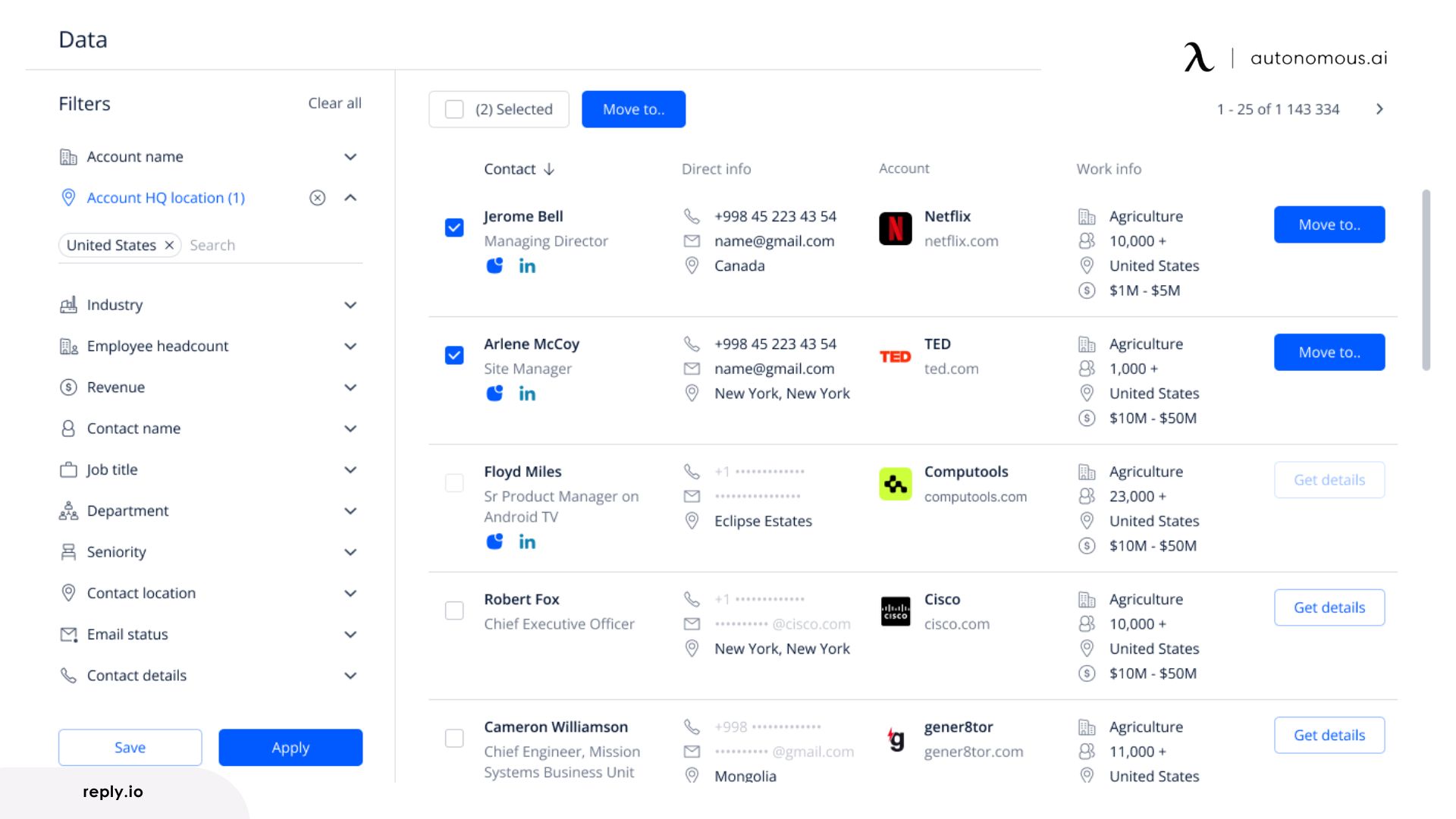
Finding the right leads takes time. AI helps sales teams by analyzing customer behavior, engagement data, and CRM history to identify prospects most likely to convert. This is especially useful when working with large datasets, where AI tools for Excel can help organize, score, and prioritize leads more efficiently.
AI can:
- Rank leads based on intent and fit
- Detect buying signals such as website visits or email engagement
- Surface high-priority prospects faster
Sales reps still decide how and when to engage, but AI removes the guesswork from prospecting.
2. Outreach, Emails, and Follow-Ups
Missed follow-ups are one of the most common reasons deals stall. AI helps ensure prospects don’t fall through the cracks, especially when teams use AI email writing tools to draft outreach, automate follow-ups, and optimize timing.
AI tools can:
- Draft outreach emails and follow-ups
- Trigger messages based on behavior or timing
- Suggest subject lines and send times
Sales professionals step in when conversations become nuanced, emotional, or complex - often supported by live AI chatbot tools that handle routine responses while humans focus on high-value interactions.
3. Scheduling and Pipeline Management
Scheduling meetings, updating CRM records, and tracking pipeline activity can consume hours each week.
AI scheduling software and automation tools:
- Coordinate calendars
- Update records automatically
- Reduce administrative workload
This frees sales reps to focus on conversations that move deals forward.
4. Forecasting and Sales Insights
Accurate forecasting is critical - and difficult.
AI improves forecasting by analyzing historical performance, deal velocity, and engagement trends, especially when paired with AI marketing tools that surface real-time insights across the pipeline.
Sales leaders still add context from customer conversations, but AI improves accuracy and speed.
Which Sales Tasks Are Most Likely to Be Automated?
Not all sales work faces the same level of automation.
High Automation Potential
- Data entry and CRM updates
- Initial lead scoring
- Scheduling meetings
- Basic outreach and reminders
- Reporting and analytics
Medium Automation Potential
- Proposal drafting
- Qualification calls
- Follow-up sequences
Low Automation Potential
- Negotiation
- Relationship management
- Enterprise and consultative selling
- Strategic deal planning
This distinction explains why sales jobs aren’t disappearing - they’re shifting.
What AI Cannot Replace in Sales
Even the most advanced AI systems struggle in areas that define great sales professionals.
- Trust and Emotional Intelligence
Buyers don’t just evaluate products - they evaluate people. Trust is built through empathy, credibility, and authentic communication. AI can analyze sentiment, but it cannot build genuine relationships.
- Complex Negotiation and Objection Handling
Negotiation involves subtle cues, emotions, and context. Experienced sales reps know when to pause, when to push, and when to reframe a conversation - skills that go beyond data.
- Understanding Buyer Motivation
AI can analyze behavior, but it can’t fully explain why someone hesitates or what unspoken concerns are influencing a decision. Human intuition remains critical.
- Creative Problem Solving
Every deal is different. Sales professionals adapt messaging, pricing, and solutions creatively. AI supports decisions, but people design strategy.
Will Sales Jobs Be Automated or Transformed?
Sales jobs aren’t being eliminated - they’re evolving.
Roles That May Shrink
- Highly transactional sales roles
- Cold-calling-only positions
- Manual, repetitive sales tasks
Roles That Will Grow
- Consultative sales
- Account management
- Solution-based selling
- AI-assisted sales specialists
Sales teams are increasingly hybrid, combining human sellers with AI helpers to improve speed, consistency, and scale.
AI for Sales Enablement: The Real Opportunity
AI is becoming a core part of sales enablement by:
- Improving training and coaching
- Providing performance insights
- Supporting better decision-making
The most successful sales teams treat AI as an assistant - not a replacement. AI handles the workload; humans handle relationships. As teams adopt enablement tools, use clear criteria-data quality and coverage, CRM integrations, automation depth, compliance, and total cost-when choosing AI sales software so your stack aligns with your sales motion and buying maturity.
Skills That Will Future-Proof Your Sales Career
Sales professionals who thrive in an AI-driven environment develop these skills:
- Data Literacy: Understanding metrics, dashboards, and AI insights
- Emotional Intelligence: Listening, empathy, and communication
- Strategic Thinking: Connecting insights to business goals
- AI Collaboration: Knowing how to guide, validate, and use AI tools effectively
- Creativity: Adapting to complex buyer needs and changing markets
The Future of Sales: Humans + AI
The future of sales isn’t humans versus AI - it’s humans with AI.
AI will continue to automate repetitive tasks and improve efficiency. Sales professionals who embrace AI gain more time for what matters most: understanding customers, building trust, and closing meaningful deals.
Those who resist automation may struggle. Those who adapt will lead.
FAQs
Will AI replace sales jobs completely?
No. AI automates repetitive sales tasks like lead scoring and follow-ups, but it cannot replace relationship building, negotiation, or strategic decision-making. Sales jobs are evolving, not disappearing.
Will AI take over sales jobs in the future?
AI will take over parts of sales workflows, not entire jobs. Human sales professionals will still be needed for trust, complex deals, and understanding buyer intent.
Will sales jobs be automated by AI?
Sales jobs will be partially automated. Administrative work, research, and initial outreach are most likely to be automated, while human-led selling remains essential.
What sales tasks can AI automate?
AI can automate lead scoring, prospect research, email follow-ups, scheduling, CRM updates, and forecasting. These tools reduce manual work and improve efficiency for sales teams.
What sales tasks cannot be replaced by AI?
AI cannot replace emotional intelligence, negotiation, relationship building, or creative problem-solving. These skills depend on human judgment and real-time context.
Is AI good or bad for sales careers?
AI is generally positive for sales careers. It removes busywork and allows sales professionals to focus on high-value activities like closing deals and building customer relationships.
How is AI used in sales enablement?
AI for sales enablement helps teams with training, insights, lead prioritization, and performance analysis. It supports better decisions but still relies on human input and oversight.
Which sales jobs are safest from AI automation?
Roles that rely on human interaction, such as account executives, enterprise sales, and relationship managers, are safest. These positions require trust, empathy, and strategic thinking.
Can AI replace SDRs or BDRs?
AI can automate parts of SDR and BDR work, such as prospecting and outreach. However, human reps are still needed for meaningful conversations and qualification.
Will AI reduce the number of sales jobs?
AI may reduce demand for purely transactional sales roles. At the same time, it creates new roles focused on consultative selling and AI-assisted sales strategy.
What skills do sales professionals need to stay relevant with AI?
Key skills include data literacy, emotional intelligence, strategic thinking, and the ability to work with AI tools. Sales professionals who adapt will have stronger career prospects.
Is the future of sales humans or AI?
The future of sales is a combination of humans and AI. AI increases efficiency and insight, while humans drive trust, relationships, and final buying decisions.
AI Is Transforming Sales, Not Replacing It
AI is changing how sales teams work, but it isn’t eliminating the need for human sellers. Sales will always depend on relationships, trust, and strategic thinking - qualities that technology cannot replace.
By learning how to work alongside AI, sales professionals can reduce busywork, improve performance, and future-proof their careers. The next era of sales belongs to those who combine technology with human expertise.