New ADU Laws in California 2026: Key Changes for Homeowners

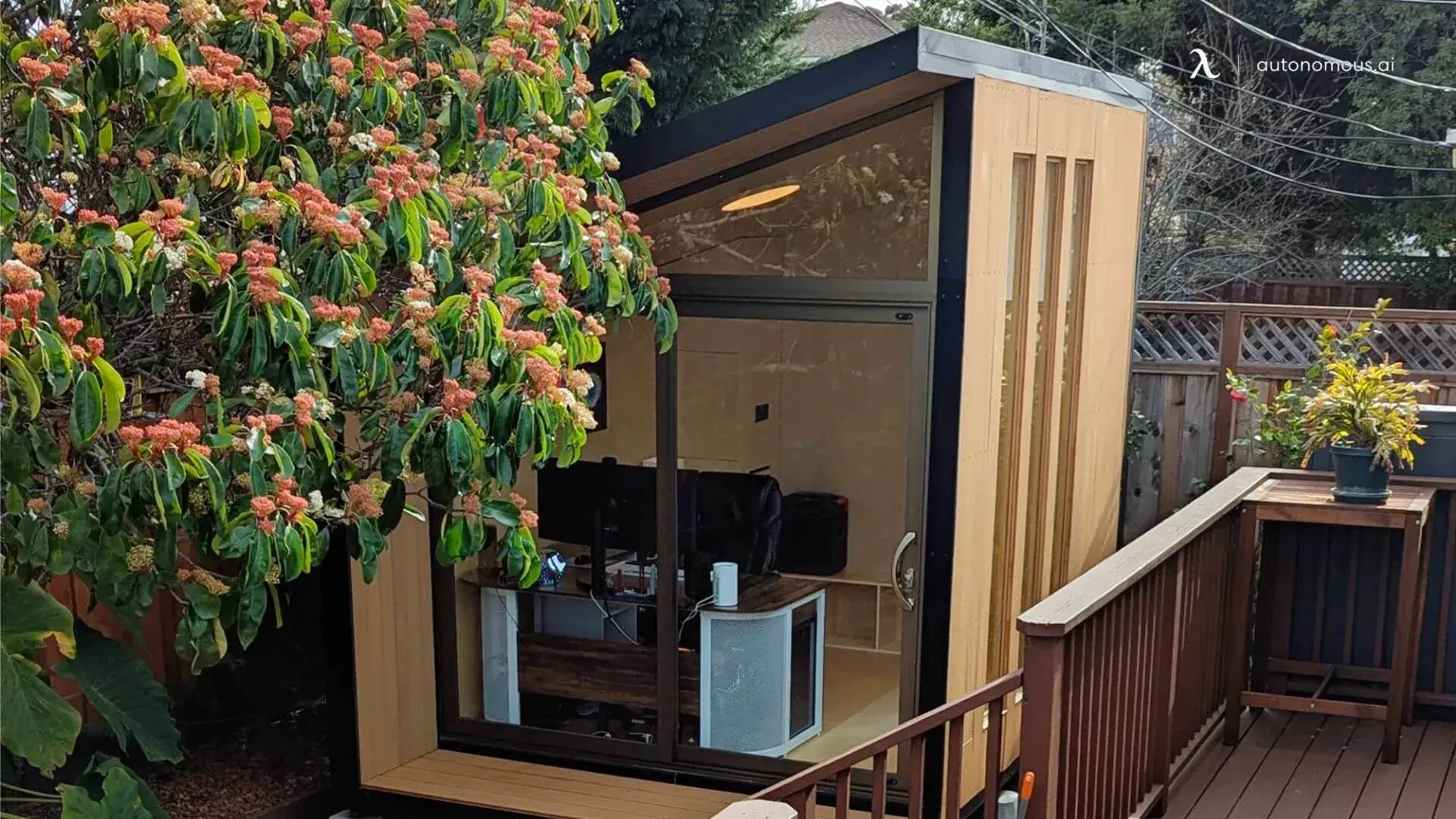
Table of Contents
- What Changed: California ADU Laws in 2026 at a Glance
- SB 543: California Closes the Permitting Delay Loophole
- AB 1154: When Owner-Occupancy Is — and Isn't — Required for JADUs
- AB 462: Coastal ADU Permits and Emergency Rebuilding Rules
- Two More Laws Worth Knowing: AB 818 and SB 79
- How the 2026 ADU Laws Apply to Your Situation
- When You Need Backyard Space — But Not an ADU
- FAQs
- Conclusion
California updated its ADU laws again on January 1, 2026 — and this round is the most consequential yet. Where the new ADU laws in California 2025 focused on expanding what homeowners could build and legalize, the new ADU laws California 2026 shift the focus to enforcement: faster permitting timelines, stricter accountability for local agencies, and expanded flexibility for JADU owners and coastal properties. This guide covers every ADUs laws in California that took effect in 2026, who it affects, and what action it requires.
What Changed: New California ADU Laws in 2026 at a Glance
The new ADU laws California 2026 introduced six major bills, most effective January 1, 2026. They cover three areas: permitting timelines, JADU owner-occupancy rules, and coastal or disaster zone approvals. One bill (AB 462) took effect October 15, 2025; another (SB 79) takes effect July 1, 2026.
Bill | What It Does | Effective Date |
SB 543 | 15-day completeness rule; appeal rights; interior size clarification | Jan 1, 2026 |
AB 1154 | JADU owner-occupancy only required when bathroom is shared | Jan 1, 2026 |
AB 462 | Coastal CDP 60-day deadline; disaster zone CofO exception | Oct 15, 2025 |
SB 9 (2025) | Local ordinances void if not submitted to HCD within 60 days | Jan 1, 2026 |
AB 818 | 10-calendar-day permit approval for modular homes in fire zones | Jan 1, 2026 |
SB 79 | High-density zoning override near transit corridors | Jul 1, 2026 |
The core shift across all six bills: local agencies that delay, obstruct, or fail to comply with state ADU standards now face automatic legal consequences — voided ordinances, deemed-approved applications, and HCD enforcement referrals. The 2026 ADU laws California framework moves from guidance to enforcement.
SB 543: California Closes the Permitting Delay Loophole
Of all the new ADU laws California 2026 introduced, SB 543 has the most direct impact on how quickly a homeowner can move a project forward.
Before this law, California already required local agencies to approve or deny a complete ADU application within 60 days. The gap was the word "complete." State law set no deadline for agencies to tell applicants whether their submission was complete — leaving some jurisdictions sitting on applications for weeks or months before issuing any response. SB 543, effective January 1, 2026, closes that gap.
What SB 543 requires:
- Local agencies must determine whether an ADU or JADU application is complete and issue written notice within 15 business days of receiving it.
- If the agency misses that deadline, the application is automatically deemed complete — the existing 60-day approval clock begins immediately.
- If the application is incomplete, the agency must provide a written list of every missing item and explain how to correct each one.
- On resubmittal, the agency can only review items it previously flagged. It cannot raise new objections.
- Each resubmittal triggers a new 15-business-day review window.
- Applicants now have a statutory right to appeal an incomplete determination to the local planning commission or governing body. This right did not exist before SB 543.
Two additional changes under SB 543:
First, the bill clarifies that the maximum size for a by-right detached ADU — the type approved regardless of lot size under state law — refers to interior livable space only. Exterior wall thickness, low-ceiling attic areas, and stairs are excluded from the calculation. Note that standard ADUs can still be built up to 1,200 sq ft under separate provisions; the interior livable space clarification applies specifically to the by-right size limits in state law. A full breakdown of California ADU size limit thresholds by unit type covers how these measurements differ across the four state-recognized ADU categories.
Second, SB 543 extends impact fee and utility connection fee protections to JADUs for the first time. No ADU impact fees in California can be charged on JADUs up to 500 sq ft of interior livable space. ADUs and JADUs under 500 sq ft are also exempt from school impact fees under the Education Code. For larger ADUs, impact fees must be proportional to the primary dwelling's square footage.
Local ordinance enforcement: Under SB 9 (2025), also effective January 1, 2026, any local ADU or JADU ordinance not submitted to HCD within 60 days of adoption is automatically void. If a city does not respond to HCD noncompliance findings within 30 days, the ordinance is void as well. In both cases, state default ADU rules — which are more permissive than most local ordinances — apply in their place.
For the full text of SB 543 and current HCD guidance, refer to the California HCD ADU Handbook, which includes a December 2025 Addendum covering all January 1, 2026 changes.
AB 1154: When Owner-Occupancy Is — and Isn't — Required for JADUs
A JADU (Junior Accessory Dwelling Unit) is a unit of 500 sq ft or less built entirely within the walls of an existing or proposed single-family home. Under prior state law, any homeowner who created a JADU was required to personally reside on the property — either in the primary dwelling or in the JADU itself. AB 1154, effective January 1, 2026, narrows that requirement to one specific scenario.
The new rule under AB 1154 (Gov. Code § 66333(b), as amended):
Owner-occupancy is now only required when the JADU shares sanitation facilities — meaning a bathroom — with the primary dwelling. If the JADU has its own separate, private bathroom, the property owner is not required to live on-site at all. This means the owner-occupancy outcome for a JADU now hinges on a single design decision made during construction or renovation.
The short-term rental restriction:
AB 1154 also adds an explicit prohibition on short-term rentals for JADUs. Every JADU — regardless of bathroom configuration — must be rented for a term longer than 30 days. This is codified under amended Gov. Code § 66333(g). Listing a JADU on short-term rental platforms would not comply with this requirement.
Other JADU requirements that remain unchanged:
AB 1154 does not alter other existing JADU rules. A JADU must still have a separate entrance, an efficient kitchen with cooking facilities and a food preparation counter, and remain within the walls of the existing home. JADUs also cannot be sold separately from the primary dwelling — a deed restriction to that effect is still required.
How this compares to standard ADUs:
For context, standard ADUs — which can be detached, attached, or converted from existing space and up to 1,200 sq ft — already had their owner-occupancy requirement removed under AB 976, which took effect January 1, 2025. AB 1154 extends similar flexibility to JADUs, but conditionally rather than categorically.
Practical implication: For homeowners with an existing JADU that currently shares a bathroom with the main home, adding a private bathroom to that unit changes its regulatory status under the 2026 ADU laws California framework — eliminating the owner-occupancy obligation going forward. Whether that construction cost makes financial sense depends on the specific property and rental market. Consult a licensed contractor and verify local ADU zoning rules before making structural changes based on this provision.
AB 462: Coastal ADU Permits and Emergency Rebuilding Rules
AB 462 covers two separate issues under one bill. It took effect October 15, 2025 — earlier than the other 2026 ADU laws California introduced — because it was enacted as an urgency statute.
Coastal Development Permits: The 60-Day Rule Now Applies
Properties in California's Coastal Zone have historically faced a permitting process that ran on a separate, slower track. While state ADU law has required local agencies to approve or deny standard ADU applications within 60 days since 2019, that clock never applied to Coastal Development Permits (CDPs) — the additional permit required for properties within the coastal zone. CDPs operated without a deadline, and in many cases could be appealed to the California Coastal Commission, adding months or years to a project.
AB 462 changes both of those conditions.
For cities with a certified Local Coastal Program (LCP):
- The city must approve or deny a CDP for an ADU within 60 days of receiving a complete application.
- The CDP review must run concurrently with the standard ministerial land use review — not sequentially.
- If the city fails to act within 60 days, the ADU application is deemed approved by operation of law.
- CDPs for ADUs can no longer be appealed to the California Coastal Commission (Gov. Code § 66329(c), as amended).
For cities without a certified LCP:
- The local agency must immediately notify the Coastal Commission when an ADU application is submitted.
- The Coastal Commission then has 60 days to approve or deny the CDP, subject to limited exceptions.
- The same deemed-approved consequence applies if the Commission misses that deadline.
For homeowners in coastal communities from San Diego to Santa Cruz, these changes remove the two most common sources of open-ended delay: the uncapped CDP timeline and the Commission appeal process.
One important caveat: AB 462 streamlines the permitting process but does not eliminate all coastal requirements. Properties in the coastal zone may still be subject to environmental review, Local Coastal Program design standards, and other overlay conditions that apply to the specific lot. The 60-day clock applies once a complete application is received — incomplete submissions still require correction before the clock starts. Confirm current local requirements with your city's planning department or a licensed professional familiar with coastal permitting.
When an ADU Can Receive a Certificate of Occupancy Before the Primary Dwelling
Under existing law, a local agency cannot issue a certificate of occupancy (CofO) for an ADU until the primary dwelling on the same lot has received its own CofO. For homeowners whose primary residence was substantially damaged or destroyed in a declared emergency, this meant a completed ADU on the same property could not be legally occupied until the main dwelling was also rebuilt and approved — regardless of how long that reconstruction process took.
AB 462 creates a narrow exception. A local agency must issue a CofO for a detached ADU before the primary dwelling is rebuilt, provided all three conditions are met:
- The county has been subject to a governor-declared state of emergency on or after February 1, 2025
- The primary dwelling was substantially damaged or destroyed in the event referenced in that emergency proclamation
- The ADU has received its construction permits and passed all required inspections
One important detail: This exception only applies in counties where the governor's emergency proclamation was issued on or after February 1, 2025. Proclamations issued before that date do not qualify under AB 462. Whether a specific property and emergency event meet all three qualifying conditions is a factual and legal determination that depends on the individual circumstances. Homeowners rebuilding after any declared emergency should verify eligibility with a licensed contractor, architect, or land use attorney before relying on this provision.
Two More Laws Worth Knowing: AB 818 and SB 79
Beyond the four primary bills, two additional laws round out the 2026 ADU laws California framework — one already in effect, one arriving mid-year.
1. AB 818: Faster Permits for Temporary Structures During Local Emergencies
AB 818, effective January 1, 2026, amends the Permit Streamlining Act to require local agencies to approve or deny a complete permit application within 10 business days when a local emergency has been declared under the California Emergency Services Act and the structure being permitted is intended to house a person while their damaged property is rebuilt or repaired.
The structures covered under AB 818 include:
- State- or federally approved modular homes
- State- or federally approved prefabricated homes
- Detached structures that meet ADU requirements for the affected property
- Similar structures as defined in the bill
The 10-business-day requirement applies to complete applications only. If an application is incomplete, the standard review and correction process applies before the accelerated clock begins.
AB 818 also requires utility providers, when a local agency approves a permit to rebuild an affected property, to provide the applicant in writing with the next steps in the utility connection approval process within 30 days of receiving a connection request. This addresses a separate but common bottleneck in post-disaster rebuilding: delays in utility reconnection that can stall occupancy even after a permit is approved.
Scope: AB 818 is triggered by a locally declared emergency under the California Emergency Services Act — a different legal threshold than the governor-declared state of emergency that triggers AB 462's CofO exception. Whether a specific situation qualifies depends on the type of declaration in effect for the relevant jurisdiction.
Homeowners should verify the current emergency declaration status with their local agency before relying on this provision. Processing speed still varies considerably by jurisdiction — ADU permit in California breaks down how cities across the state compare on permitting timelines beyond what state law alone requires.
2. SB 79: Transit Corridor Density — Effective July 1, 2026
SB 79, the Abundant and Affordable Homes Near Transit Act, takes effect July 1, 2026. It overrides local height and density limits to allow mid- and high-density residential development near major transit stops in eight counties: Los Angeles, Orange, San Diego, San Francisco, Alameda, San Mateo, Santa Clara, and Sacramento.
Major transit stops covered under SB 79 include heavy rail stations such as BART, Caltrain, and LA Metro rail lines, as well as qualifying major bus stops for light transit.
SB 79 is primarily a multifamily housing bill, not an ADU-specific law. Its relevance to the 2026 ADU laws California picture is indirect but real: in transit-adjacent neighborhoods where SB 79 unlocks higher-density development, existing parcels gain optionality. A homeowner in a qualifying corridor can build a detached ADU under current law while SB 79's broader density reforms take shape around them. The two strategies are not mutually exclusive.
What SB 79 does not do: It does not change ADU size limits, permitting timelines, or fee structures. It does not apply in all cities or neighborhoods — only near qualifying major transit stops in the eight listed counties. Homeowners should check whether their specific parcel falls within a qualifying transit corridor before making development decisions based on SB 79. The California HCD and local planning departments are the appropriate sources for parcel-level eligibility.
How the 2026 ADU Laws Apply to Your Situation
The bills covered above do not affect every property owner equally. What matters depends on what you own, where it is, and what you plan to do with it. This section maps each scenario to the laws most relevant to it.
1. If You Are Planning to Build a New ADU
SB 543's 15-business-day completeness rule is the most immediately useful protection for anyone starting a new project. Before submitting an application, request your city's pre-approved ADU plan catalog — cities were required to post these online under AB 434 (effective January 2026). Using a pre-approved plan can reduce design review time and minimizes the likelihood of an incompleteness determination in the first place.
Document your submission date. If 15 business days pass without a written completeness determination, the application is automatically deemed complete under state law. Keep records of all correspondence with the local agency in writing.
Also confirm your city has submitted a compliant ADU ordinance to HCD. If it has not, or if HCD has issued noncompliance findings the city has not addressed, the local ordinance may be void — in which case state default rules govern your project.
2. If You Own or Are Planning a JADU
The single most important question under AB 1154 is bathroom configuration. If the JADU shares a bathroom with the primary dwelling, owner-occupancy is still required. If the JADU has or will have its own private bathroom, owner-occupancy is not required.
This is a design decision with regulatory consequences, and it should be resolved before construction begins — not after. A licensed architect familiar with the 2026 ADU laws California framework can help determine whether an existing or planned JADU qualifies for the owner-occupancy exemption based on its specific layout and local zoning conditions.
Regardless of bathroom configuration, all JADUs are subject to the 30-day minimum rental term under AB 1154. Short-term rental of a JADU does not comply with state law.
3. If You Have an Unpermitted ADU
No new bills in the 2026 legislative cycle changed the legalization framework for unpermitted units. The applicable law remains AB 2533, which took effect January 1, 2025. If you have not yet pursued legalization under AB 2533 for a unit built before January 1, 2020, that pathway remains open.
4. If Your Property Is in the Coastal Zone
AB 462's 60-day concurrent CDP review is now in effect. If you have been holding off on a coastal ADU project due to permitting uncertainty, the legal barriers that previously made timelines unpredictable have been structurally reduced. The CDP can no longer be appealed to the California Coastal Commission for ADU applications.
That said, the 60-day clock starts from receipt of a complete application. Coastal properties may still have site-specific conditions, environmental overlays, or Local Coastal Program design standards that affect what constitutes a complete application. Confirm current requirements with your city's planning department or a licensed professional with coastal permitting experience before submitting.
5. If You Are an Investor or Own a Multifamily Property
Standard ADUs on investment properties have had no owner-occupancy requirement since AB 976 took effect January 1, 2025. That remains true in 2026. SB 543's permitting protections apply equally to investor-owned properties — the 15-day completeness rule and deemed-complete consequence do not distinguish between owner-occupied and non-owner-occupied lots.
For multifamily properties, the relevant foundation is SB 1211 (2025), which allows up to eight detached ADUs on qualifying multifamily lots. That law is unchanged in 2026.
Homeowners and investors in transit-adjacent areas in the eight counties covered by SB 79 should monitor how their city implements the transit corridor density provisions when SB 79 takes effect July 1, 2026. Parcel-level eligibility depends on proximity to qualifying transit stops as defined in the bill — check with your local planning department for a determination on your specific property.
A Note on Financial Assistance
The California ADU grant program 2026 picture requires an accurate framing. The CalHFA ADU Grant Program — which provided up to $40,000 in reimbursement for pre-development costs — had its latest funding round fully allocated as of December 28, 2023, per CalHFA's own website. As of the date of publication, no new round of funding has been announced.

When You Need Backyard Space — But Not an ADU
The 2026 ADU laws California introduced have made permitting faster and local agency accountability stronger than at any prior point. Even so, a standard ADU project still involves a full permit application, construction timeline, utility connections, and compliance with state and local development standards. For homeowners whose primary need is a dedicated workspace — not additional living space — that process may be more than the situation requires.
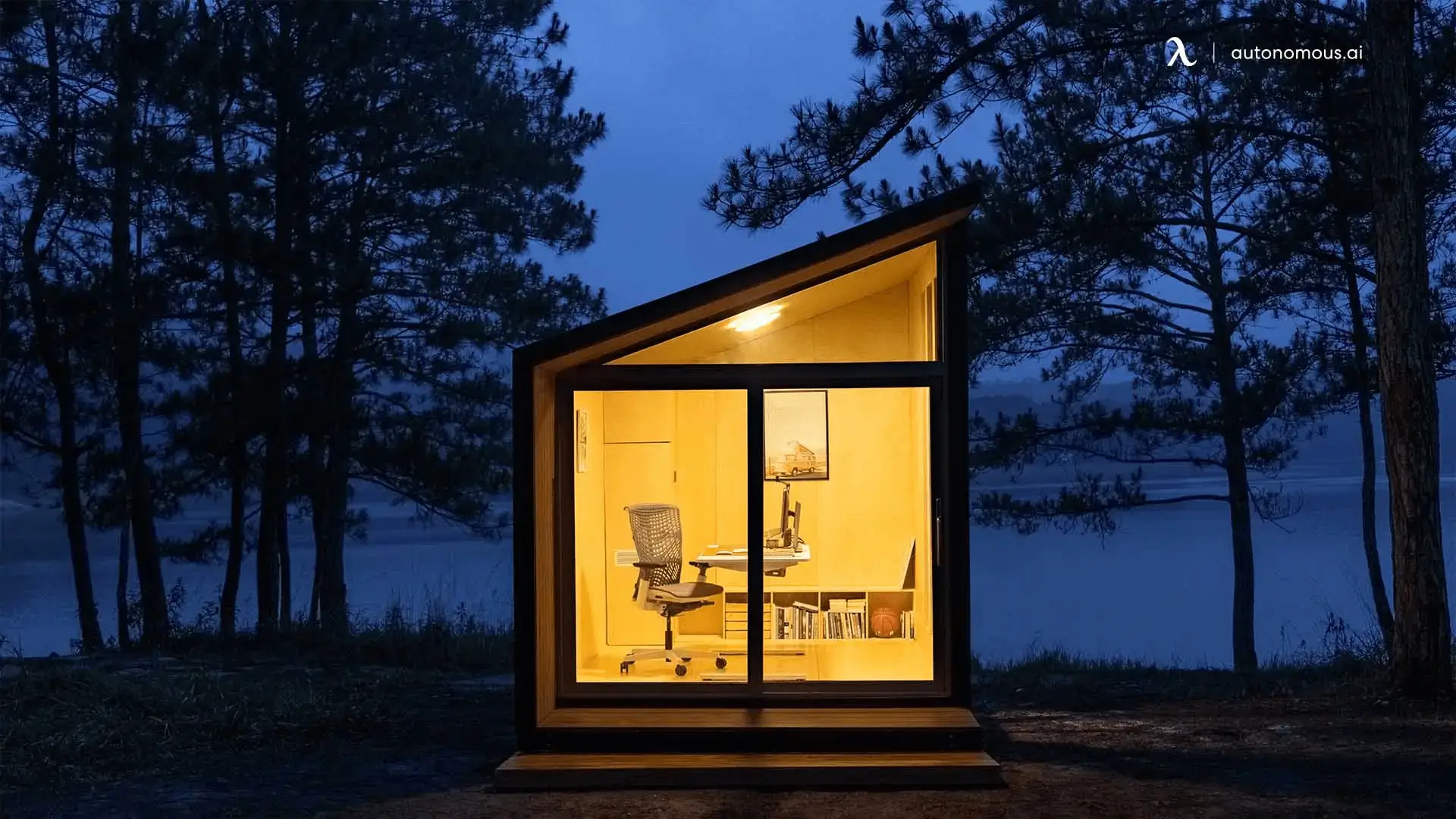
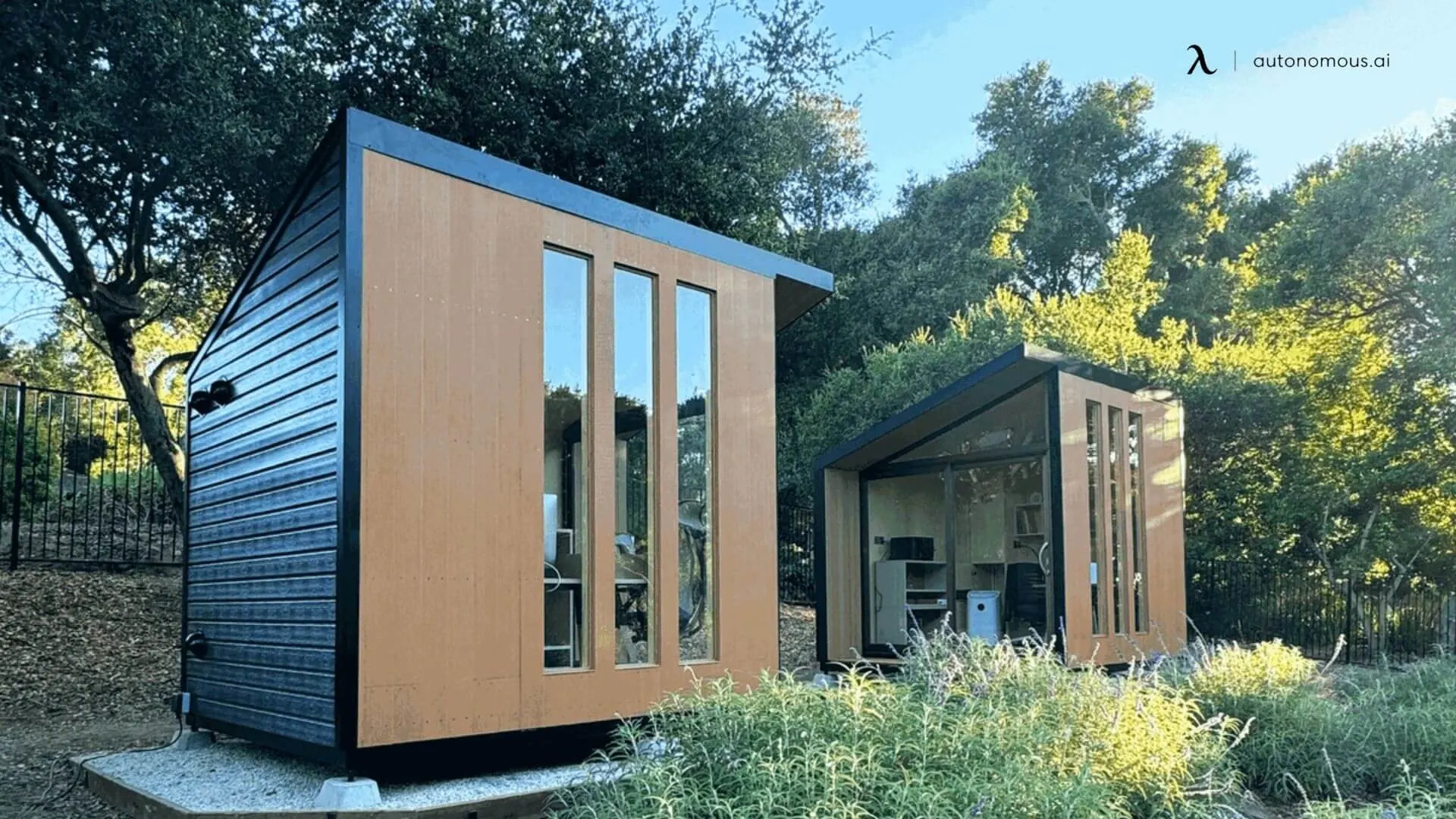
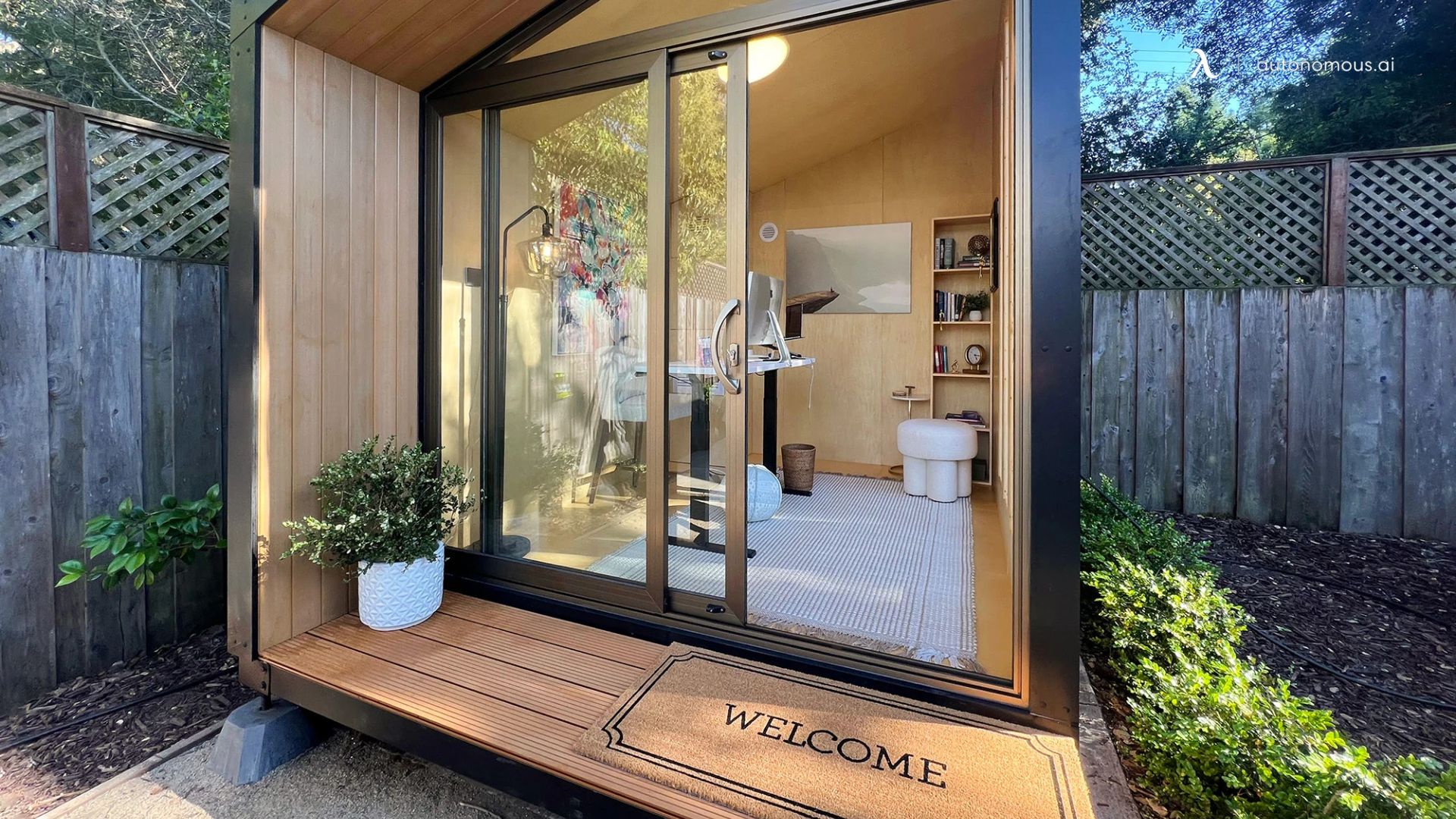
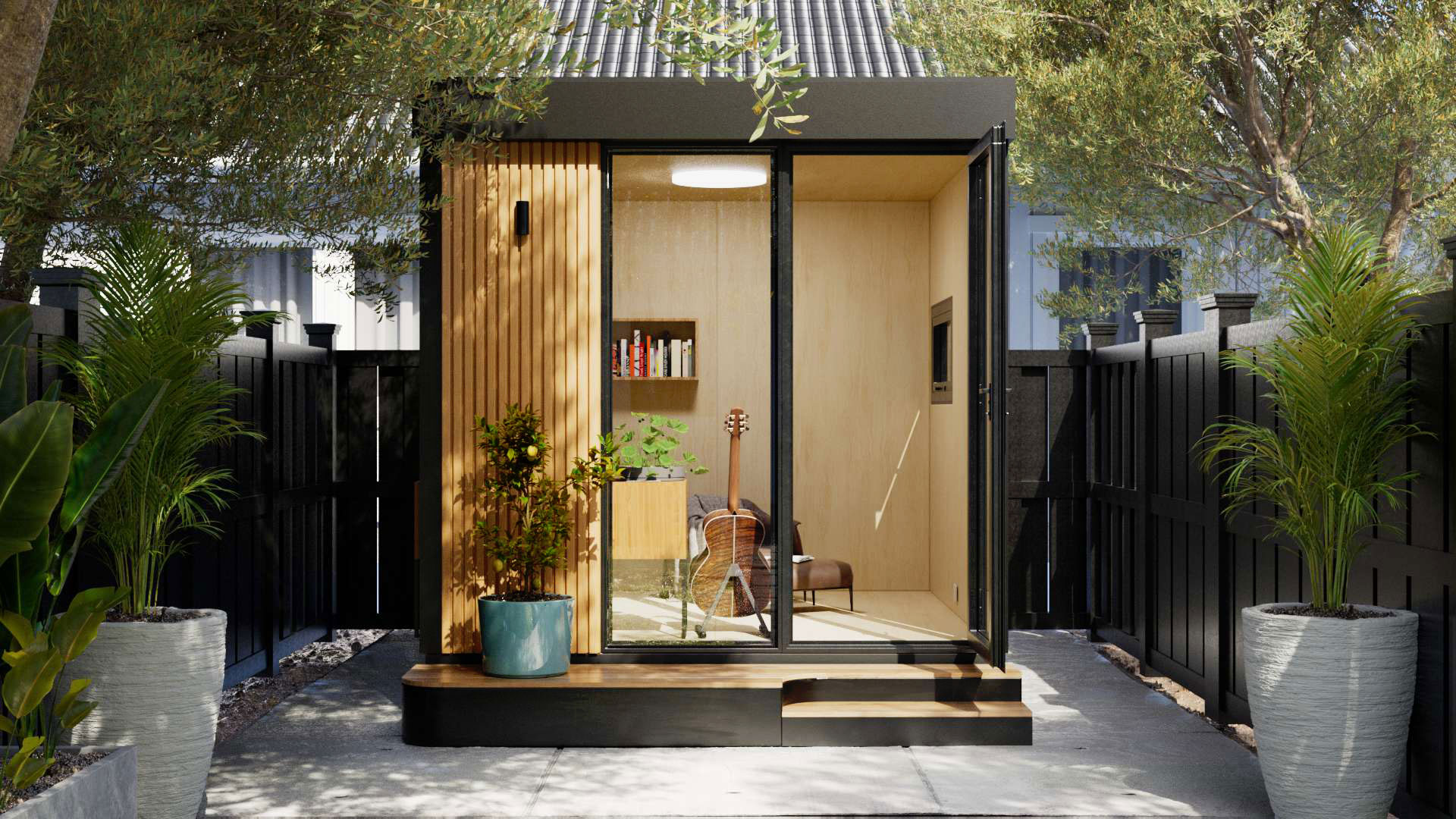
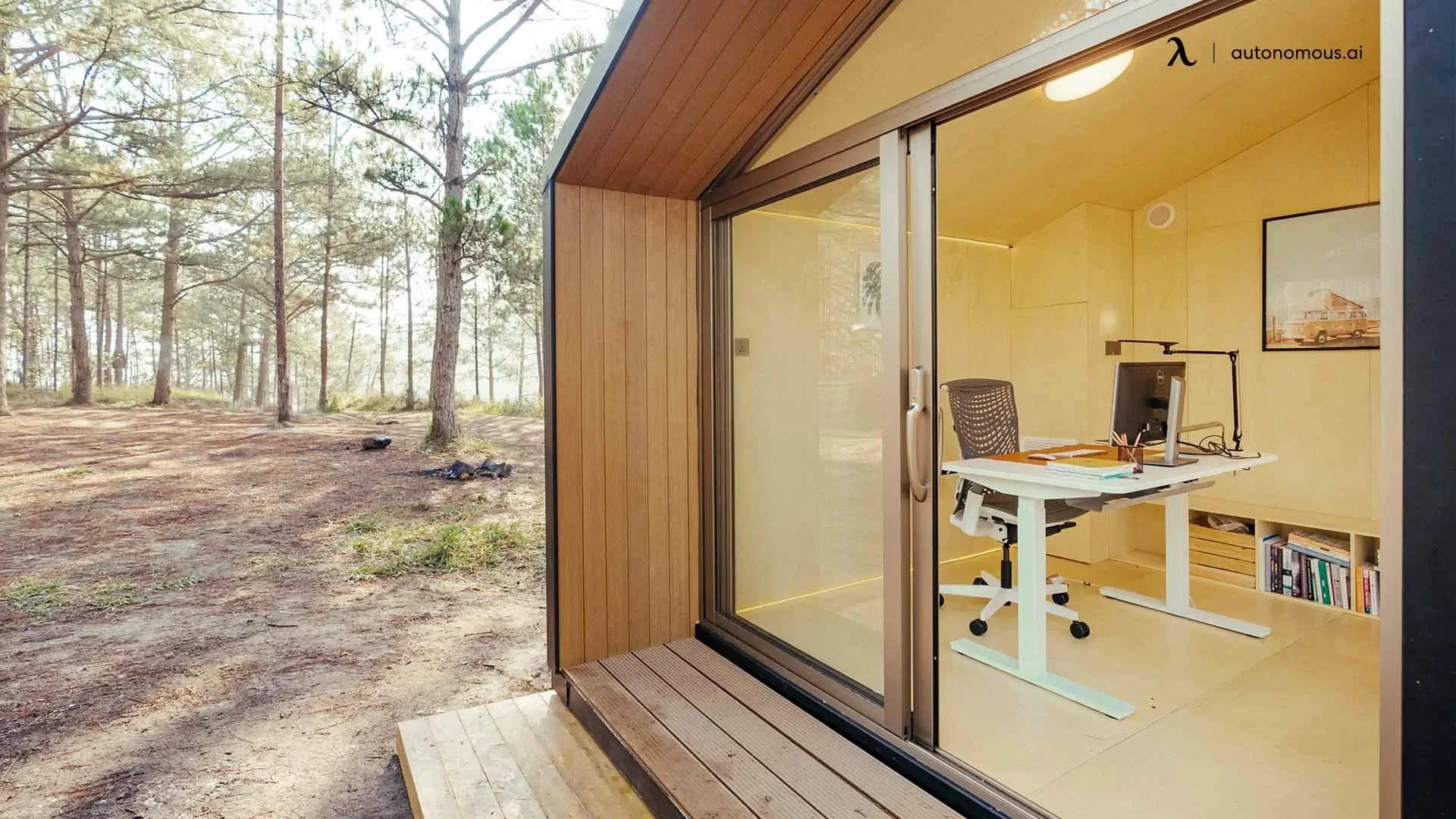
The Autonomous WorkPods offer a different path. These are prefabricated backyard office structures designed for work, focused use, and creative projects.
Autonomous WorkPod — At 102 sq ft, this is the everyday work option. The interior is insulated and soundproofed for full-day focus sessions, with a built-in heating and cooling unit that keeps the space usable year-round regardless of California's climate range.
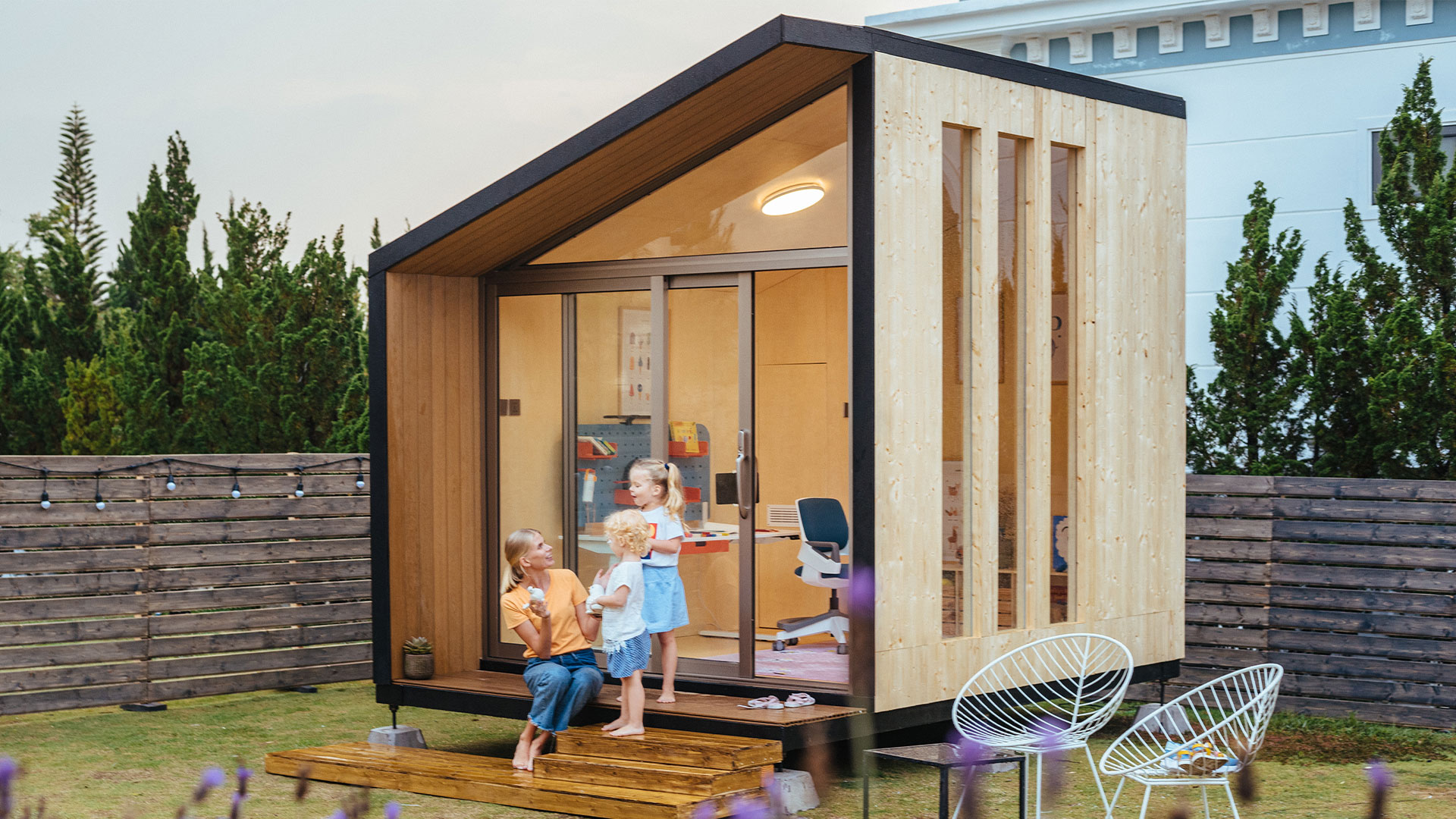
Autonomous WorkPod Versatile — At 105 sq ft, the key difference from the standard WorkPod is interior flexibility. The layout isn't committed to a desk-forward configuration — it can hold a lounge setup, studio furniture, workout equipment, or a mix depending on how the space gets used day to day.
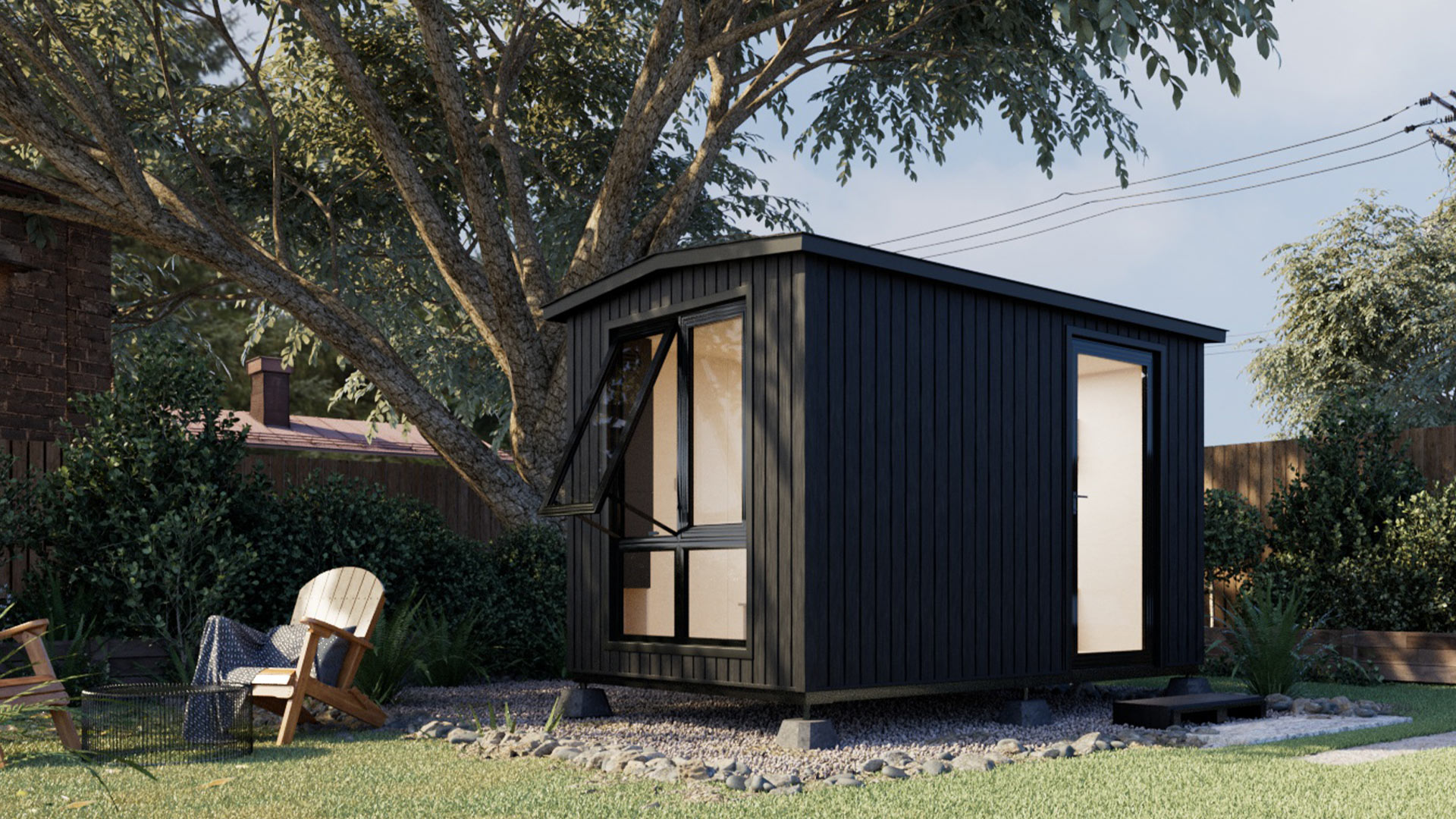
Autonomous MetroPod — The 80 sq ft entry point, designed specifically for backyards where space or budget is the primary constraint. The footprint is tight but functional for solo use. At this size, it typically falls below the threshold that triggers permit requirements under the California Building Code, though local rules vary and should always be confirmed before installation.
FAQs
What are the new ADU laws in California for 2026?
The new ADU laws in California 2026 consist of six major bills, most effective January 1, 2026, with AB 462 effective October 15, 2025 and SB 79 effective July 1, 2026. These laws introduce binding permitting timelines, updated JADU owner-occupancy rules, coastal permit deadlines, and enforcement mechanisms that void noncompliant local ordinances.
How long does it take to get an ADU permit under the new ADU laws in California 2026?
Permitting timelines are now more clearly defined. Local agencies have 15 business days to determine whether an ADU application is complete; if they miss that deadline, the application is deemed complete and the 60-day approval clock begins. In declared local emergencies, qualifying temporary housing structures may be approved within 10 business days, but only for complete applications.
Do I need to live on my property under the new ADU laws in California 2026?
Owner-occupancy rules depend on the type of unit. Standard ADUs do not require the owner to live on-site, while JADUs only require owner-occupancy if the unit shares a bathroom with the primary dwelling. If the JADU has a private bathroom, the owner may live elsewhere, though rental restrictions still apply.
Can I build an ADU in California’s coastal zone faster under the new ADU laws in California 2026?
Yes, coastal permitting timelines are now capped. A Coastal Development Permit for an ADU must be approved or denied within 60 days of a complete application and reviewed alongside the standard permit process. Appeals to the California Coastal Commission are no longer allowed, although environmental and Local Coastal Program requirements still apply.
What happens if a city does not comply with the new ADU laws in California 2026?
Noncompliance now carries automatic consequences. A local ADU ordinance becomes void if it is not submitted to HCD within 60 days of adoption or if the city fails to address HCD findings within 30 days. When that happens, state ADU rules apply by default, and those standards are typically more permissive than local ones.
Do the new ADU laws in California 2026 apply to unpermitted ADUs?
No changes were made in 2026 to the legalization process for unpermitted units. The existing framework under AB 2533 still allows qualifying ADUs and JADUs built before January 1, 2020 to be legalized without impact fees or penalties, provided they meet health and safety standards. That pathway remains available.
What is the difference between an ADU and a JADU under the new ADU laws in California 2026?
The distinction is based on size, location, and requirements. A standard ADU can be up to 1,200 sq ft and may be detached, attached, or converted from existing space, with no owner-occupancy requirement. A JADU is limited to 500 sq ft, must be within a single-family home, cannot be sold separately, and may require owner-occupancy depending on whether it shares a bathroom with the main dwelling.
Conclusion
The 2026 ADU laws California put in place represent a structural shift in how ADU development works in this state — not just what is permitted, but how accountable local agencies are to the homeowners moving through the process. Binding completeness timelines, void ordinance consequences, coastal permit deadlines, and JADU owner-occupancy reform all point in the same direction: less room for delay, more enforceability for applicants.
California ADU law has been updated every year since 2017 and will likely continue to evolve. ADUs housing in California have collectively grown to represent roughly 20% of the state's new housing supply — a context that helps explain why the legislative pace shows no signs of slowing.