Robotics Beyond the Textbook: Empowering STEM Education with Sim-to-real

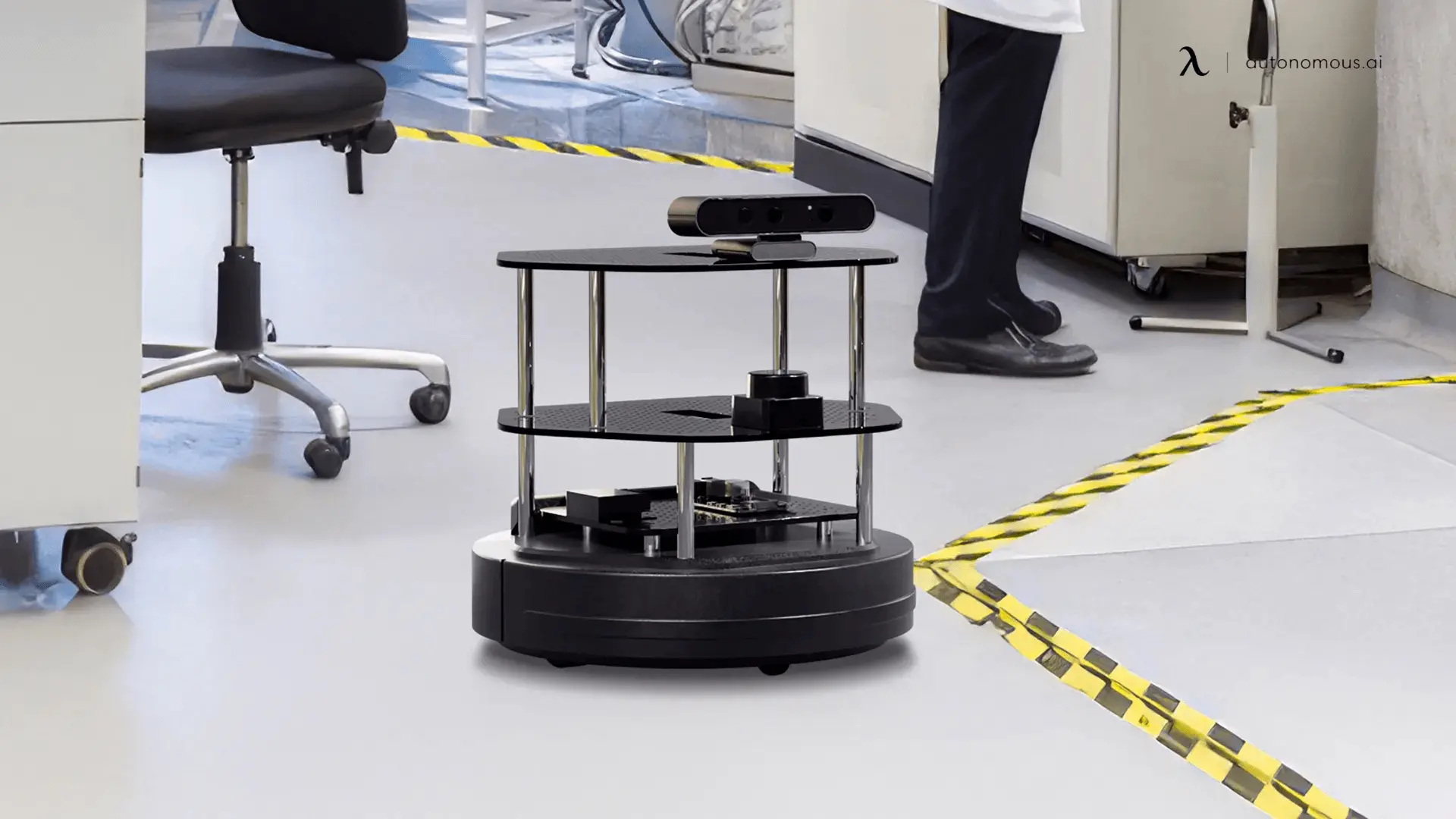
Table of Contents
In an era driven by technology, equipping students with practical STEM skills is paramount. Forget abstract theories; the most effective way to inspire the next generation of engineers, scientists, and innovators is through hands-on engagement with real-world robotics. From foundational programming to advanced AI, robots are transforming how we teach and learn.
How Can Turtlebots Teach Students Navigation and AI from the Ground Up?
Mobile robots like turtlebots are fantastic entry points into STEM, teaching fundamental concepts of navigation, mapping, and sensor integration. Platforms like the Autonomous Hacky offer an unparalleled learning experience. Equipped with professional-grade sensors such as LiDAR and 3D cameras, Hacky allows students to:
- Implement SLAM (Simultaneous Localization and Mapping): Students can code Hacky to explore an environment, build a map, and localize themselves within it, a core concept in autonomous driving and mobile robotics.
- Develop AI Navigation Algorithms: From basic obstacle avoidance to complex path planning using reinforcement learning, Hacky provides a physical testbed for AI concepts, moving beyond pure simulation.
- Explore Computer Vision: Utilizing Hacky's camera, students can build systems for object detection, tracking, or even basic human-robot interaction.
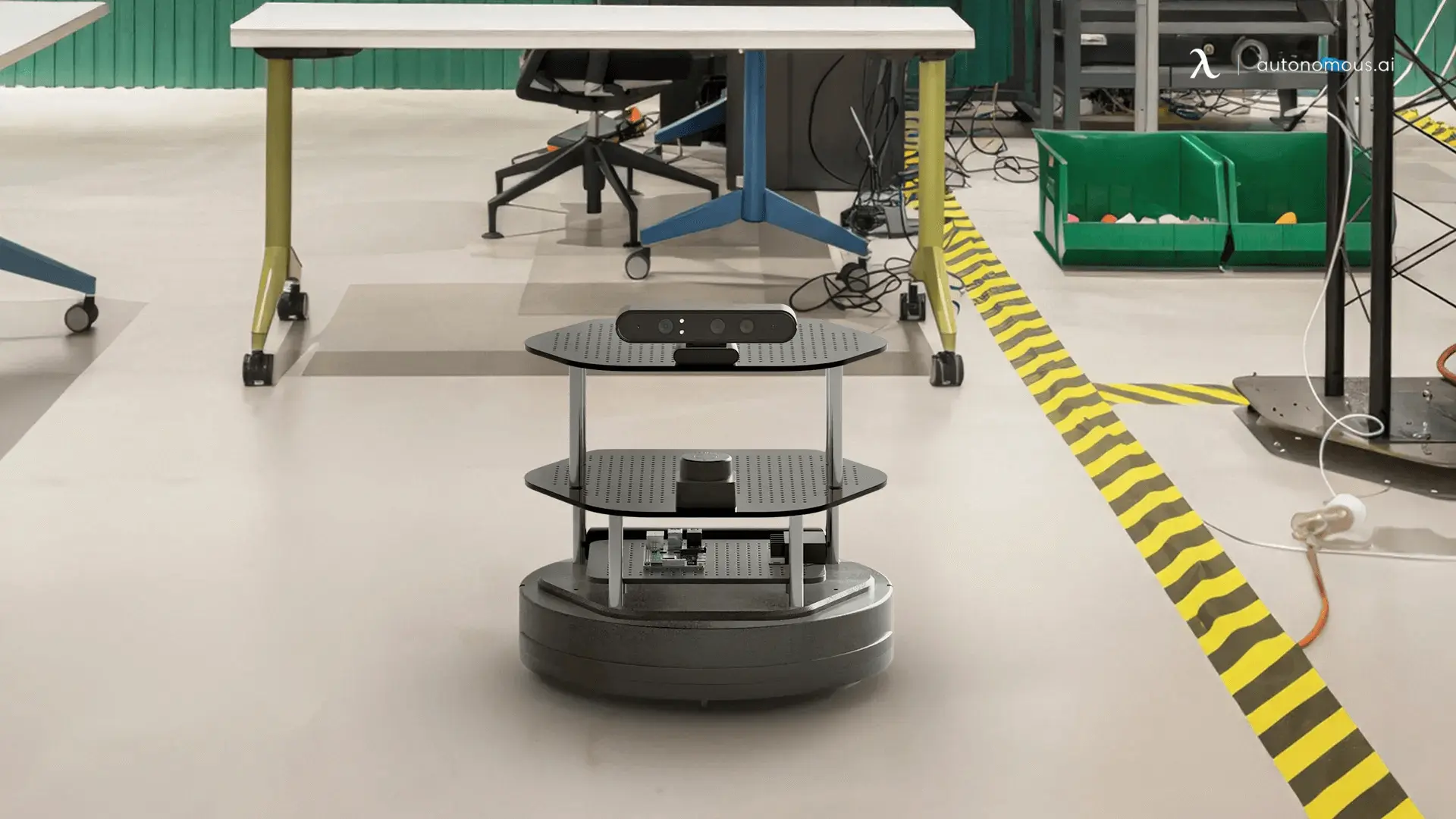
"The biggest challenge is making code tangible," said Jeffrey Newell, a STEM Educator at The SAE School, Mableton, Georgia. "Turtlebots like Hacky solve that. It's the perfect platform for junior high students to test their navigation code and truly understand the Sim-to-Real feedback loop required for functional, autonomous systems."
Beyond Hacky, the classic TurtleBot (a versatile mobile robot platform) also continues to be a staple in many STEM curricula, offering a robust, open-source environment for similar exploration and learning in a standardized ROS framework.
From Classroom to Assembly Line: What are the Key Applications of Robotic Arms?
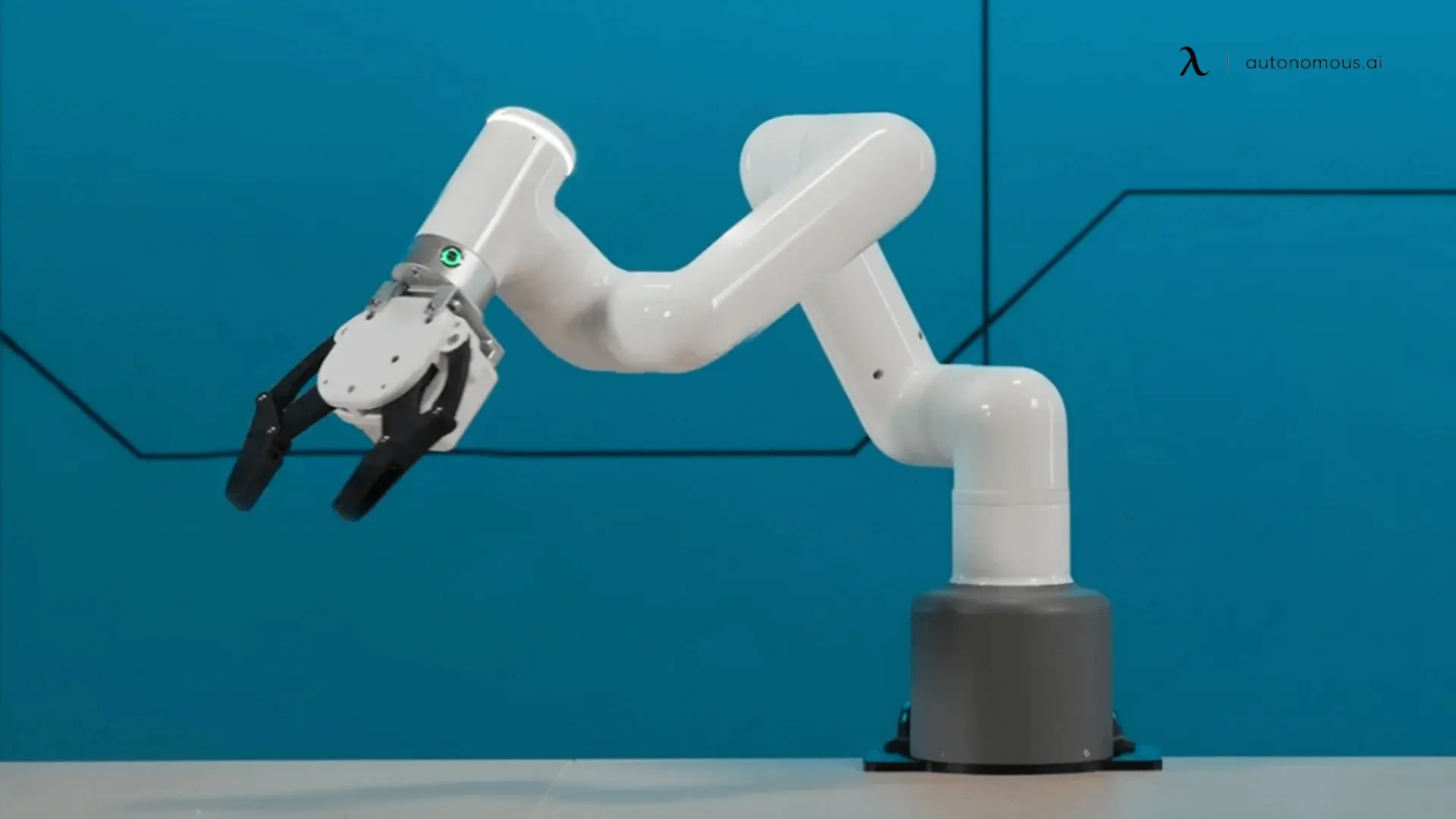
For students interested in automation, manufacturing, or complex manipulation, robotic arms offer a rich learning experience. These aren't just industrial tools; they are powerful educational devices. The myCobot Pro 450 is an excellent example of an accessible yet capable robotic arm for STEM education:
- Kinematics and Inverse Kinematics: Students can learn the mathematics behind robotic movement by programming the joints to reach specific points in space.
- Pick-and-Place Automation: Recreate miniature assembly lines, teaching students about industrial automation, cycle times, and optimizing repetitive tasks.
- Human-Robot Collaboration (HRC): With proper safety protocols, students can explore how robot arms can work alongside humans in shared workspaces, a critical skill for modern factories.
- End-Effector Design: Students can design and 3D-print custom grippers or tools for the myCobot Pro 450, integrating mechanical design with programming challenges.
The Power of Project-Based Learning
What makes these robots so effective is their ability to facilitate project-based learning. Instead of memorizing formulas, students solve real-world problems. They troubleshoot code, iterate on designs, and witness their solutions come to life in physical motion. This hands-on approach cultivates critical thinking, problem-solving, and collaboration skills indispensable for any STEM career.
By bringing sophisticated yet accessible robots like Hacky and myCobot Pro 450 into classrooms and training programs, we're not just teaching robotics; we're building the foundation for a generation ready to innovate.