The Humanoid Paradox: Why We Build Machines in Our Image (Despite the Flaws)

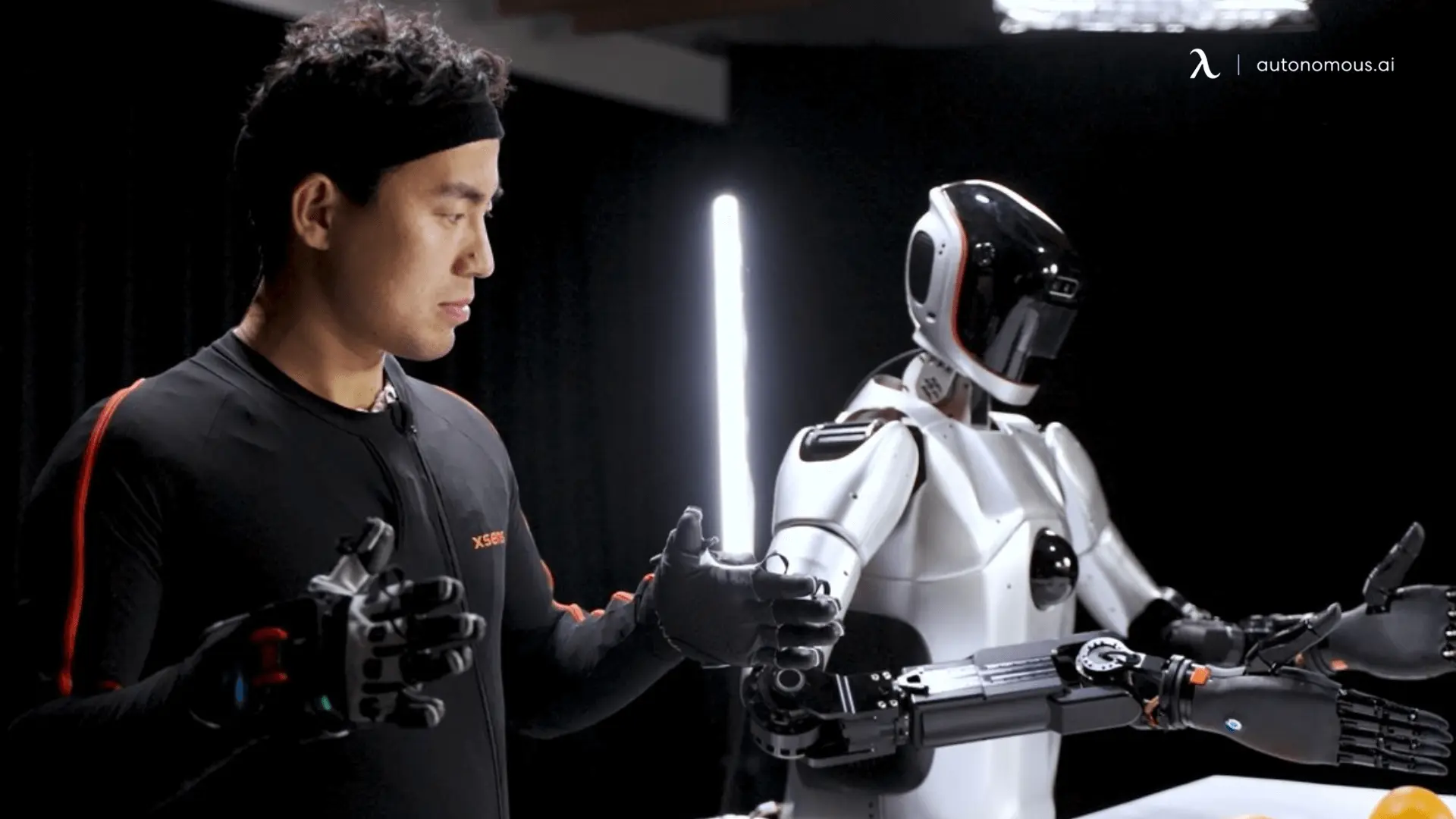
Table of Contents
For decades, roboticists have known a "dirty secret": the human body is an engineering nightmare. We are top-heavy, prone to tripping, and consume immense energy just to stay upright. Mechanically, wheels or four legs are far superior for speed and stability.
Yet, CES 2026 proved the industry has chosen the human form as its "Holy Grail." The event featured a massive "Humanoid Fever," with roughly 40 companies - including 26 from China - unveiling over 50 unique models. From the industrial power of Boston Dynamics’ Electric Atlas to the consumer-ready Unitree G1 and Booster Robotics K1, the bipedal machine has officially moved from lab prototype to commercial reality.
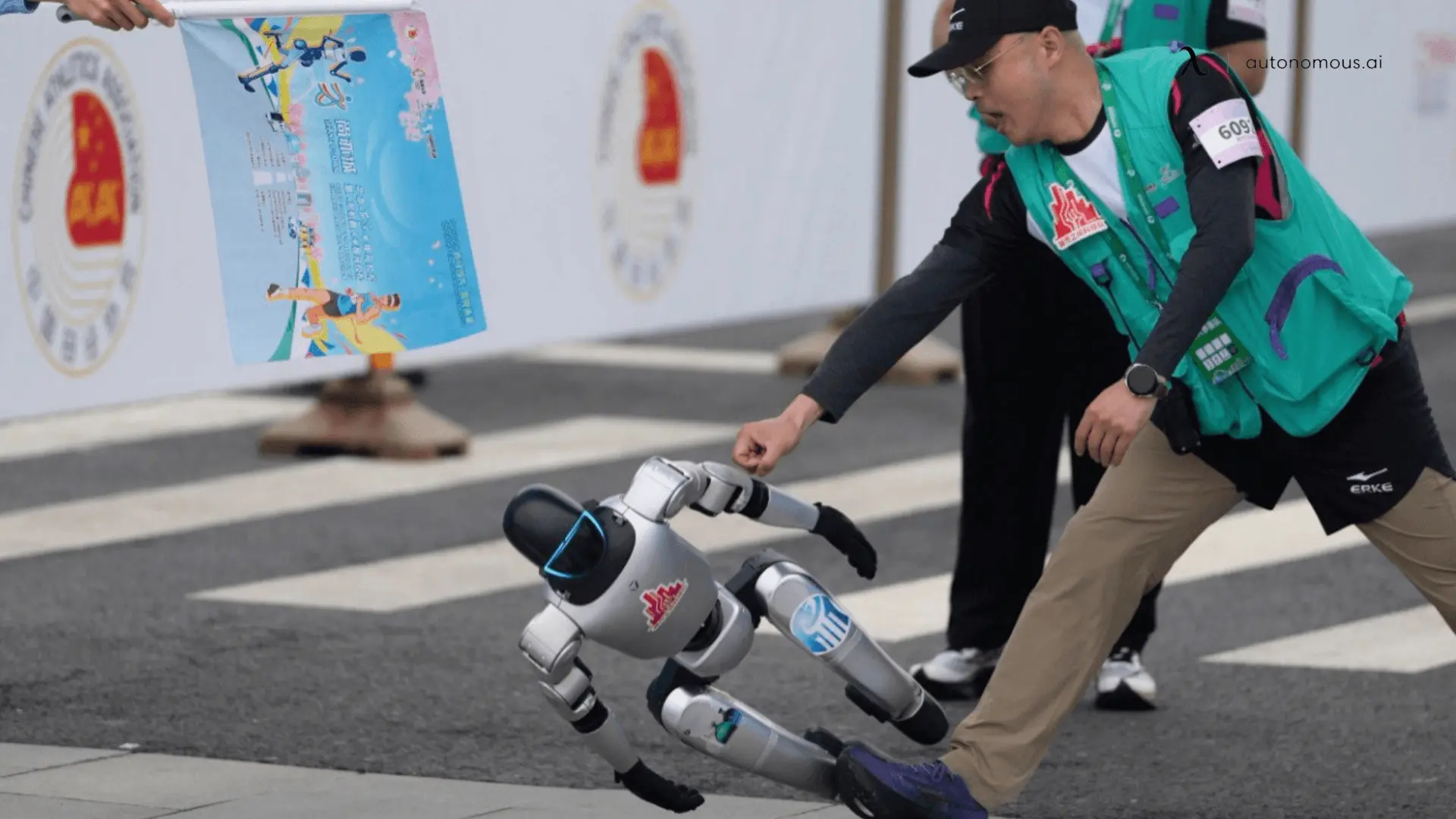
Balancing and keeping the robot upright have always been a nightmare for bipedal robot engineers
Why pursue such an inefficient design? The answer is the Humanoid Paradox: we aren’t building these robots to be the most efficient machines; we are building them to be the most compatible proxies for a world already built for us.
1. The Legacy of the Built World
The most pragmatic reason for the humanoid form is that the modern world is an obstacle course designed specifically for human dimensions. Over the last century, humanity has invested trillions of dollars in infrastructure that assumes a human "user interface."
A humanoid robot is "backward compatible." It can walk into a factory built in 1970, climb the same ladders a human uses, and turn the same manual valves. We are not redesigning the world to fit robots; we are designing robots to fit the world.
2. AI and the "Goldmine" of Data
The acceleration in humanoid development is driven by Embodied AI. To teach a robot how to fold laundry or use a screwdriver, AI models require massive training sets.
Because humanoids share our morphology, they can learn through Imitation Learning. We have billions of hours of video on the internet showing humans performing tasks. AI can map these movements directly onto a robot's actuators. Additionally, "Teleoperation", where a human in a VR suit "drives" the robot, creates a high-fidelity data loop that trains neural networks far faster than any non-human shape could.
VR suit driving creates a high-fidelity data loop that trains neural networks far faster than any non-human shape could.
3. The "Smartphone of Hardware."
In economics, there is a battle between specialized and general-purpose tools. A dishwasher is great at one task but useless at others. The humanoid robot represents the General Purpose dream.
Much like the smartphone consolidated the camera, GPS, and phone, the humanoid aims to be a single hardware platform for a thousand tasks. Today it might move pallets; tomorrow, a software update allows it to assist in elderly care. This "Robot-as-a-Service" (RaaS) model makes the humanoid economically viable despite its high initial cost.
4. A Breakthrough for Human Prosthetics
Perhaps the most profound benefit is the revolution in medical prosthetics. The race to build humanoids is inadvertently solving the greatest challenges for people with limb loss.
- Precision Hardware: High-torque micro-actuators created for robots like Tesla’s Optimus or the G1 Pro are being adapted into prosthetic limbs that can replicate the 20+ degrees of freedom in a biological hand.
- Intelligent Balance: The "active balance" algorithms that keep a robot upright on stairs are now being integrated into smart prosthetic legs, allowing users to stabilize themselves on uneven terrain instinctively.
- Sensory Feedback: Electronic "tactile skin" developed for robot fingers is giving prosthetic users a sense of touch, allowing them to "feel" texture and pressure.
5. The Psychological Bridge
We are social animals programmed to respond to the human form. In service sectors, such as hospitality or home care, a robot’s shape dictates trust. A humanoid can utilize non-verbal cues we intuitively understand: a head tilt, a hand gesture, or the direction of its "gaze." This reduces the "alien" factor, fostering a sense of partnership rather than just utility.
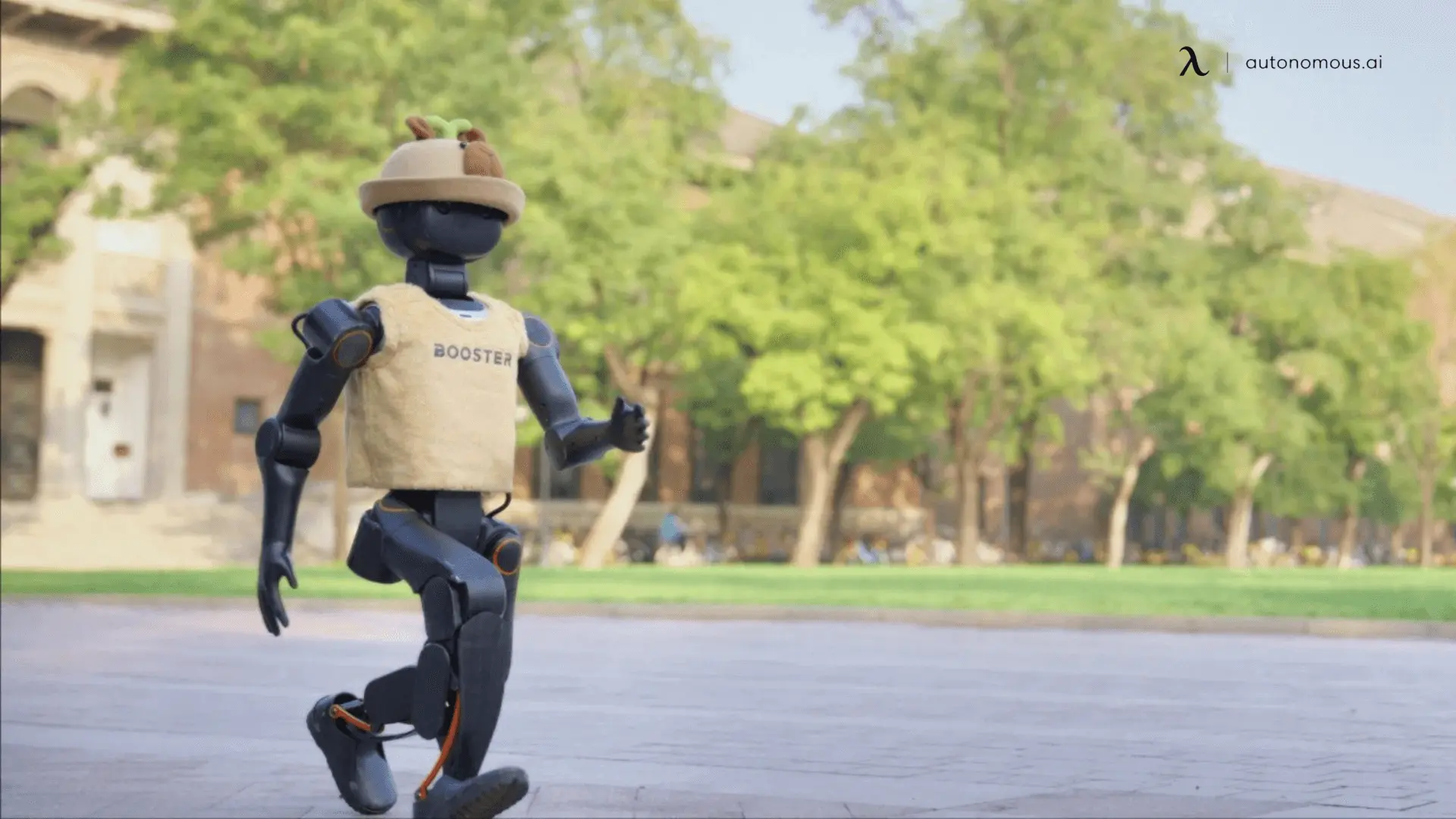
Human-like design can reduces the “alien” factor, fostering a sense of partnership.
Conclusion: Embracing the Flaws
The humanoid robot is not a pursuit of mechanical perfection. If we wanted perfection, we would build boxes on wheels. Instead, we are pursuing universal adaptability.
We are building them in our image because everything, from the height of our counters to our AI training data, is "human-coded." To truly master our world, a robot doesn't need to be better than a human; it just needs to be human enough to fit in. As these machines walk off the stages of CES 2026, they carry the promise of a future where technology is no longer a tool we learn to use, but a partner that has learned to be like us.