Pros and Cons of Tiny House Living: Is It Worth It?

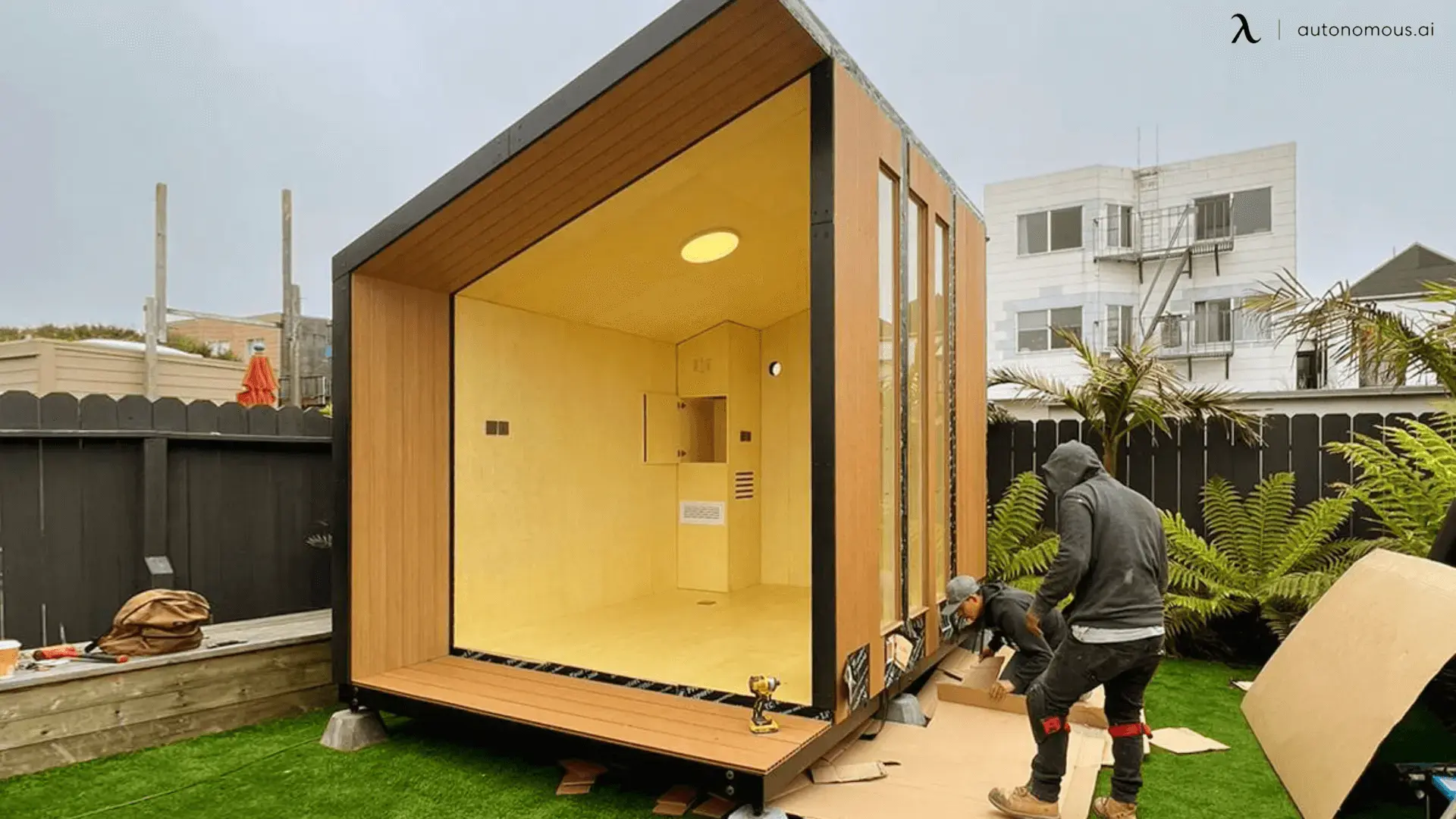
Quick answer: Tiny house living offers lower costs and simpler living but comes with limited space, zoning challenges, and long-term trade-offs. It works best if your lifestyle fits small, flexible spaces.
Table of Contents
Tiny houses look simple on the surface. Lower costs, less clutter, and the promise of a more flexible lifestyle make them appealing to many people. But once you move past the idea, the reality becomes more complex.
Understanding the pros and cons of tiny house living is not just about listing benefits and drawbacks. It is about knowing how those trade-offs affect your daily life, your finances, and your long-term plans.
This guide breaks down what tiny house living actually offers, where it works well, and where it creates friction so you can decide if it fits your situation.
What tiny house living really means
Tiny house living is a lifestyle built around limited space, simplified possessions, and intentional use of resources. Most tiny homes range from 100 to 400 square feet, which changes how you live day to day.
It is not just about living in a smaller space. It requires different habits, different expectations, and a willingness to adjust how you use your environment. For some people, that shift feels freeing. For others, it feels restrictive over time.
The real advantages of tiny house living
The appeal of tiny homes usually starts with cost and simplicity, but the benefits go deeper when the lifestyle fits.
Lower upfront and ongoing costs
Tiny houses typically cost less than traditional homes, both in purchase price and maintenance. Utilities are often lower, and there is less space to heat, cool, or repair. For people trying to reduce financial pressure, this is often the biggest advantage.
However, the savings depend on how the home is built and where it is placed. Land costs, permits, and utilities can still add up, which means the financial benefit is not always as large as expected.
Costs for shed conversions can vary based on structure, insulation, utilities, and finish level.
A separate small build also depends on materials and installation, which makes studio shed cost another useful comparison point.
Personal-use spaces follow the same budgeting logic, especially when estimating she shed cost before committing to a small-space project.
Simpler living and reduced clutter
Living in a smaller space forces you to prioritize what you keep. This can reduce clutter and make daily routines more efficient. Many people find that they spend less time managing belongings and more time focusing on activities they value.
This simplicity is one of the main reasons people are drawn to tiny homes, especially those interested in minimalism.
Flexibility and mobility
Some tiny homes are built on wheels, which allows them to be moved. A shed on wheels follows the same mobility logic, where the structure offers more placement flexibility than a fixed build.
For people who value mobility or want to change locations without buying and selling property, this can be a major advantage. However, mobility comes with its own limitations, especially legal restrictions and infrastructure.
Environmental impact
Tiny homes typically use fewer materials to build and require less energy to operate. This makes them a more resource-efficient option compared to larger homes.
For people focused on sustainability, this can be an important factor. But the overall impact still depends on how the home is designed and used.
The real downsides of tiny house living
The downsides are often less visible at first, but they tend to shape long-term satisfaction more than the benefits.
Limited space affects daily life
Space is the most obvious limitation, but its impact goes beyond storage. It affects how you move, where you work, and how you relax.
Simple tasks can require more planning. Privacy becomes harder to maintain, especially if more than one person lives in the space. Over time, the lack of separation between activities can feel restrictive.
Zoning and legal challenges
One of the biggest practical challenges is where you can legally place a tiny home. Zoning laws vary widely, and many areas do not clearly support tiny houses.
This can create uncertainty around land use, permits, and long-term stability. Size-based permit rules still apply in many cases, including situations covered in do you need a permit for a 10x12 shed.
Infrastructure and utilities
Tiny homes still need access to water, electricity, and waste systems. Setting up these connections can be more complicated than expected, especially in off-grid or rural locations.
Electrical setup must meet local codes, including requirements outlined in do i need a permit to run electricity to my shed.
Power planning for a she shed with electricity involves wiring, access, and load from the start.
The same planning applies to office sheds with electricity, especially when the space is used daily.
Without proper planning, infrastructure can become a hidden cost or ongoing inconvenience.
Long-term comfort and livability
A tiny home may feel comfortable at first, but long-term living can reveal challenges. Limited space can lead to fatigue, especially if the layout does not support daily routines well.
This becomes more noticeable for people who work from home, have families, or need dedicated space for different activities.
Resale and long-term value
Unlike traditional homes, tiny houses do not always appreciate in value. In many cases, they are treated more like vehicles than real estate, especially if they are mobile.
This affects long-term financial planning and makes them less predictable as an investment.
How tiny house living changes your lifestyle
The pros and cons of tiny house living are not just about the house itself. They are about how your habits and expectations shift.
Daily routines become more intentional. You need to think about where things go, how spaces are used, and how to manage limited resources. This can feel efficient for some people, but exhausting for others.
Social dynamics also change. Hosting guests, sharing space, and maintaining privacy all become more complex. These are small details individually, but they add up over time.
Who tiny house living works best for
Tiny house living works best for people who value simplicity and are comfortable with constraints.
It fits individuals or couples who:
- prefer minimal possessions
- do not need large personal space
- are comfortable adapting their routines
It can also work for people looking for a temporary or transitional living option, especially when flexibility is more important than permanence.
When tiny house living may not be the right choice
Tiny house living becomes difficult when your needs require more structure or space.
It may not be a good fit if you work from home full-time and need dedicated space, have a family or plan to expand one, or rely on long-term stability in a fixed location.
Dedicated work setups often need more separation than a tiny home can provide. A 10x10 office shed can create a separate workspace without turning the main living area into an office.
A larger 10x12 office shed gives more room for a desk, storage, and daily work equipment.
In these situations, the limitations of space and infrastructure tend to outweigh the benefits.
A balanced view on tiny house living
The biggest misunderstanding about tiny homes is that they are either entirely positive or entirely negative. In reality, they are a trade-off.
They offer simplicity, but require adjustment. They reduce costs in some areas, but introduce complexity in others. Financing choices through Griffin Funding can also shape what kind of small-space living setup is realistic. The experience depends less on the house itself and more on how well it fits your lifestyle.
FAQs
Is tiny house living actually cheaper?
Tiny house living can be cheaper upfront and in monthly costs, but it depends on land, utilities, and setup. Hidden costs like permits and infrastructure can reduce the expected savings.
Can you legally live in a tiny house anywhere?
No, zoning laws and regulations vary by location. Some areas restrict where tiny homes can be placed or require them to meet specific building codes.
Is tiny house living good for families?
Tiny house living can be challenging for families due to limited space and privacy. It may work short-term, but long-term living requires careful planning.
How much space do you really need to live comfortably?
Comfort depends on your lifestyle and habits. People who need separate spaces for work, storage, or privacy may find tiny homes too limiting.
Do tiny houses hold their value over time?
Tiny houses do not always appreciate like traditional homes. Many are treated more like movable assets, which can affect resale value.
Is it hard to get utilities in a tiny house?
It can be more complex than expected, especially in remote or off-grid locations. Access to water, electricity, and waste systems requires planning.
Can you live in a tiny house full-time?
Yes, many people live in tiny homes full-time, but it depends on how well the setup supports daily needs. Long-term comfort varies by person and layout.
What are the biggest downsides of tiny house living?
The main downsides include limited space, legal restrictions, and reduced privacy. These factors often affect long-term satisfaction more than expected.
Is tiny house living a good long-term solution?
It can be a good long-term solution for people who prefer minimalism and flexibility. For others, space and stability may become more important over time.
Who should avoid tiny house living?
People who need more space, have growing families, or require stable long-term housing may find tiny homes restrictive. It is not ideal for every lifestyle.
Conclusion
The pros and cons of tiny house living come down to one central question: how much space and structure do you actually need?
For the right person, a tiny home can create a simpler, more flexible way of living. For others, it can feel limiting over time.
Understanding the trade-offs clearly is what makes the difference. When expectations match reality, tiny house living can work well. When they do not, the challenges become harder to ignore.