Prefab ADU in Virginia: Regulations, Permits, and Shed Size Limits

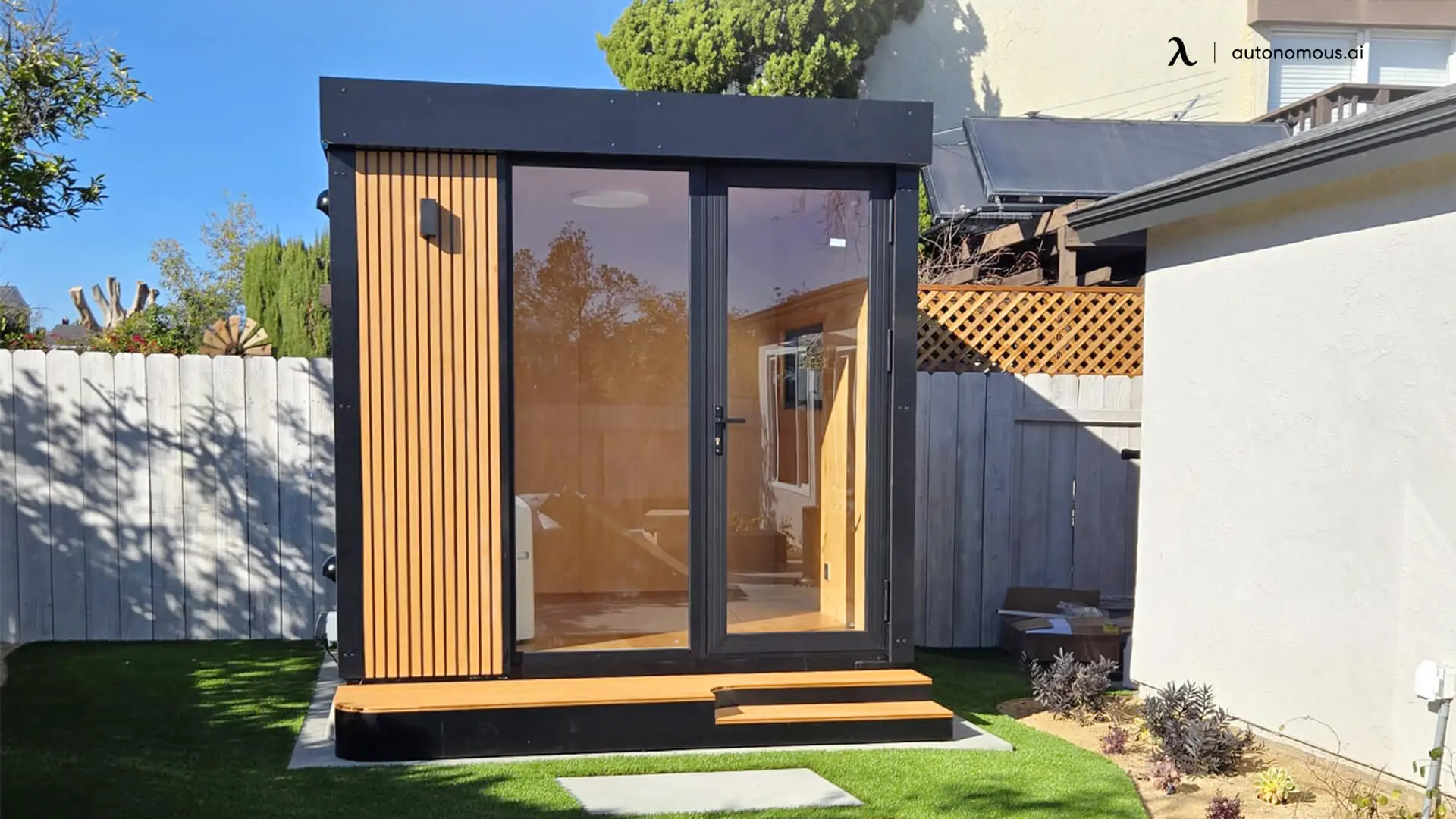
Table of Contents
Accessory Dwelling Units (ADUs) are becoming an increasingly popular solution for additional housing space in Virginia. Homeowners looking for ways to expand their property’s functionality often consider ADU housing in Virginia as an option for rental income, guest accommodations, or multi-generational living. However, many people also seek backyard office solutions that don’t require the same level of permitting and investment as a full ADU.
This is where Autonomous WorkPods come in. While they may look like prefab ADUs in Virginia, they serve a different purpose. WorkPods provide a private, insulated garden office that doesn’t require the same approvals as a traditional ADU. So, how do they compare? Let’s explore Virginia ADU laws and why a WorkPod might be the better option for those who need a dedicated workspace.
Understanding ADU Housing in Virginia
As housing demand continues to rise, many homeowners are looking into prefab ADUs in Virginia as a way to add extra living space for family members, renters, or personal use. Accessory Dwelling Units (ADUs) are small, secondary housing structures located on the same property as a primary residence. However, before building an ADU, homeowners must comply with Virginia ADU laws and specific zoning requirements that vary by county and city.
For those unfamiliar with ADUs, understanding the ADU meaning in real estate is essential before deciding whether to build one. Homeowners often compare an ADU vs. guest house to determine which best suits their needs. Additionally, exploring the differences between a JADU vs. ADU can help homeowners decide which structure aligns with their property’s zoning and intended use.
What Are the ADU in Virginia Requirements?
Building an ADU in Virginia requires careful planning to ensure compliance with local regulations. The ADU in Virginia requirements generally include:
1. Zoning Approval
ADUs must comply with zoning laws, which may vary based on the city or county. Some areas allow detached ADUs, which are standalone units separate from the main home. Others only permit conversions of existing spaces, such as garage office conversions, offering a functional workspace within a previously underutilized area.
For homeowners looking to create additional living space on a budget, exploring the cheapest way to convert a garage to living space can provide affordable alternatives.
2. Size Restrictions
Many localities cap the maximum square footage of an ADU, typically ranging from 600 to 1,200 square feet. However, smaller units are also an option depending on zoning regulations and homeowner needs.
A 500 sq ft ADU offers a compact yet functional living space, while those with limited backyard space might consider a 150 sq ft ADU for a minimalist setup. For those wondering about space efficiency, exploring what you can do with a 200 sq ft ADU can provide insights into designing a small but practical unit.
3. Owner-Occupancy Requirements
In many Virginia jurisdictions, the homeowner must live on the property if they plan to build an ADU. Some cities require the homeowner to reside in either the primary residence or the ADU.
4. Parking Requirements
Depending on the location, additional off-street parking spaces may be required to accommodate an ADU. Some cities have relaxed these requirements to encourage more ADU development.
5. Utility Connections
ADUs must have independent or shared connections to water, sewer, and electricity. Some localities allow ADUs to share utilities with the primary residence, while others require separate meters. Understanding ADU bathroom requirements is crucial, as plumbing setups can affect zoning approval and construction costs. Additionally, selecting the right ADU appliances ensures that the unit remains functional and energy-efficient while meeting regulatory standards.
6. Building Permits and Safety Standards
Homeowners must obtain a building permit and comply with state and local building codes, ensuring the ADU meets safety, insulation, and accessibility standards. Navigating the permitting process can be complex, as requirements vary by location. For a step-by-step guide on securing approval, check out how to get an ADU permit in the US to understand key regulations and best practices.
Maximum Shed Size Without a Permit in Virginia
Some homeowners researching ADUs in Virginia are simply looking for a smaller structure such as a backyard office or storage shed. In many cases, these types of structures fall under different rules than full residential units.
Under the Virginia Uniform Statewide Building Code, a one-story detached accessory structure used for storage may not require a building permit if it is 256 square feet or smaller. This threshold is commonly cited when people search for the maximum shed size without permit in Virginia.
However, even if a shed is under 256 sq ft, local zoning rules may still apply. Cities and counties often regulate:
- setbacks from property lines
- structure height
- lot coverage
- electrical or plumbing installations
A permit is typically required if the structure includes utilities or is intended for habitable use, such as a guest room or full backyard dwelling.
Because ADUs are classified as residential living units, they almost always require permits and zoning approval regardless of size. For homeowners who simply want a dedicated workspace rather than a second residence, smaller backyard structures can sometimes provide a simpler alternative.
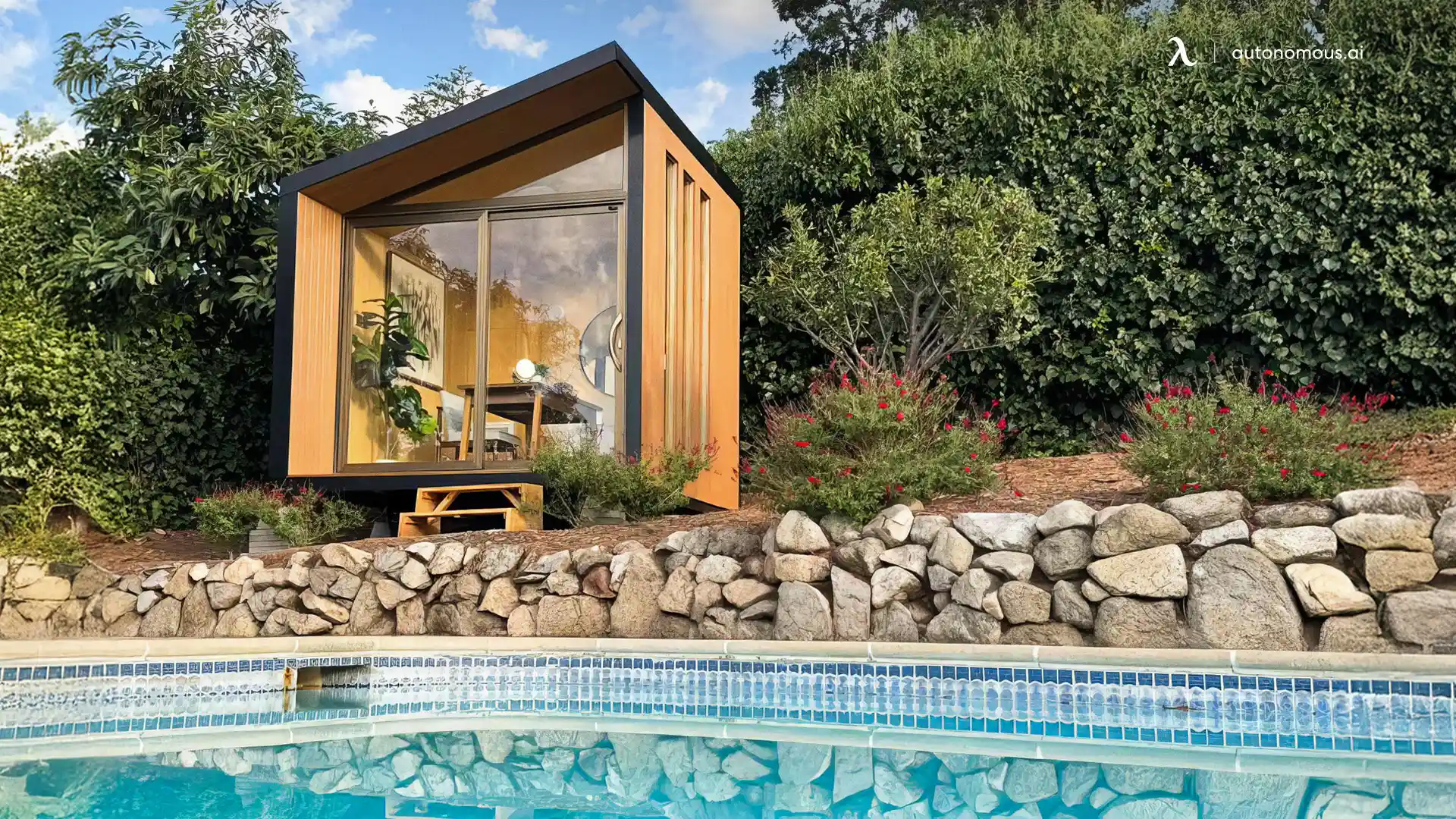
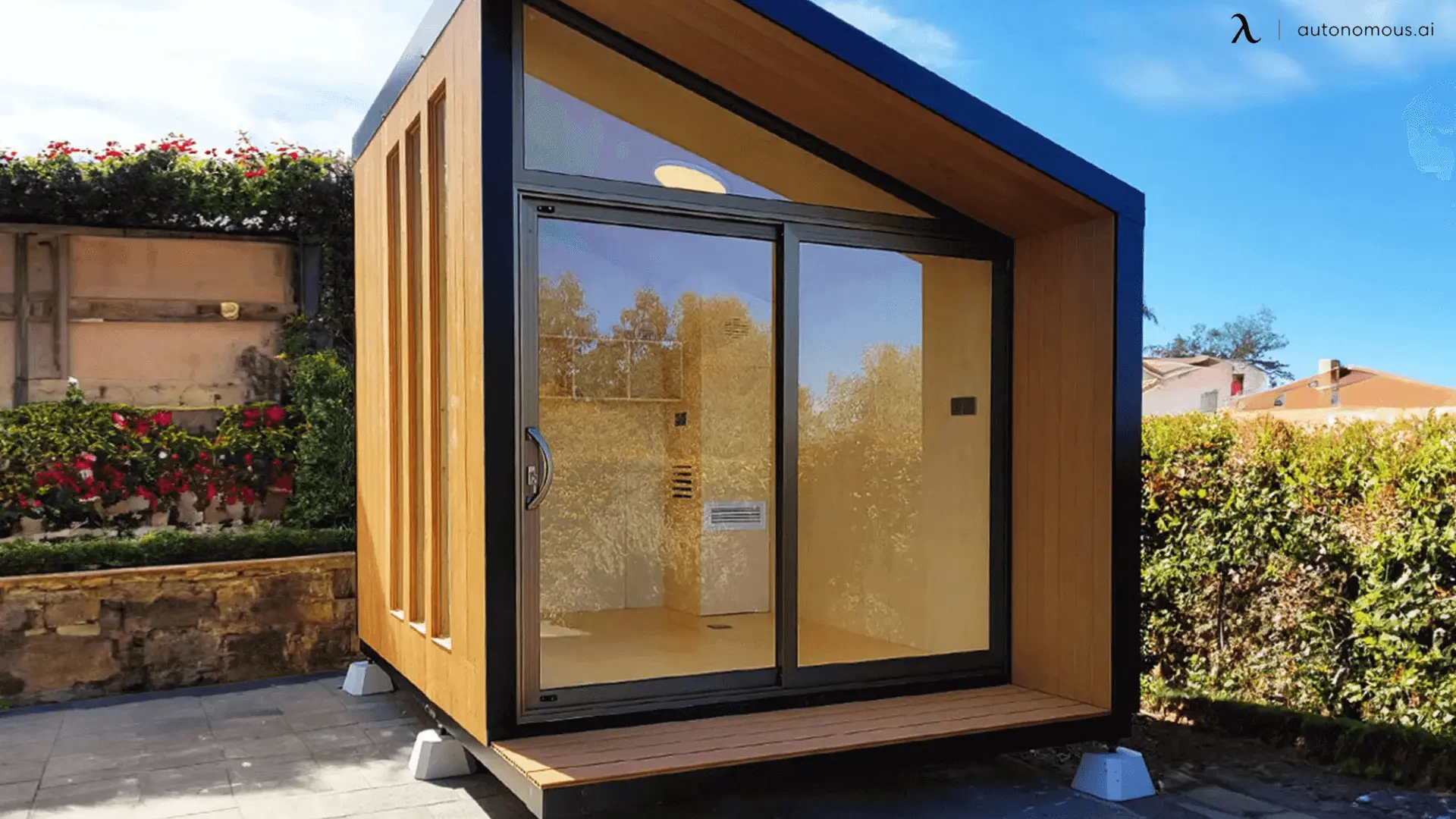
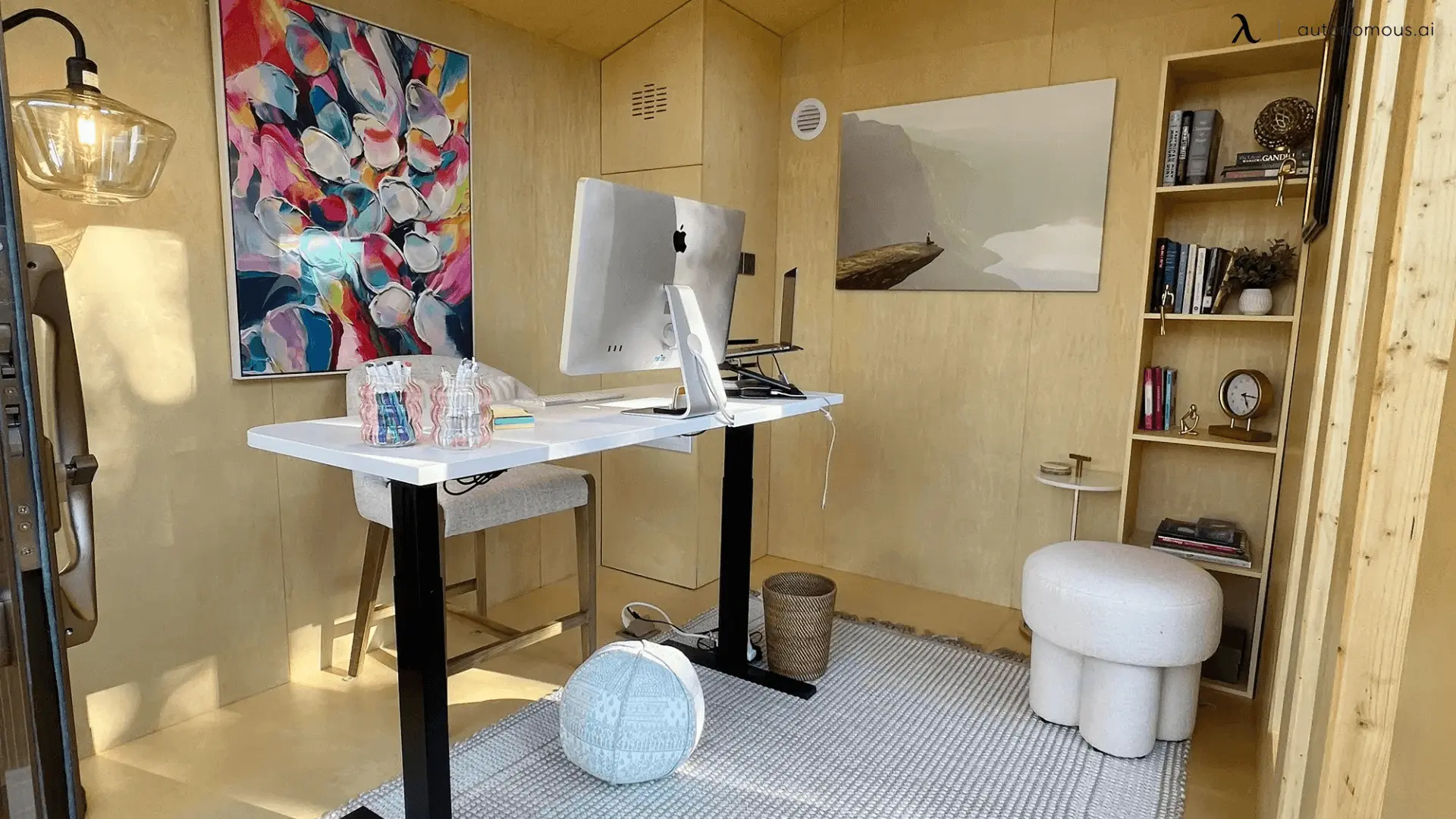
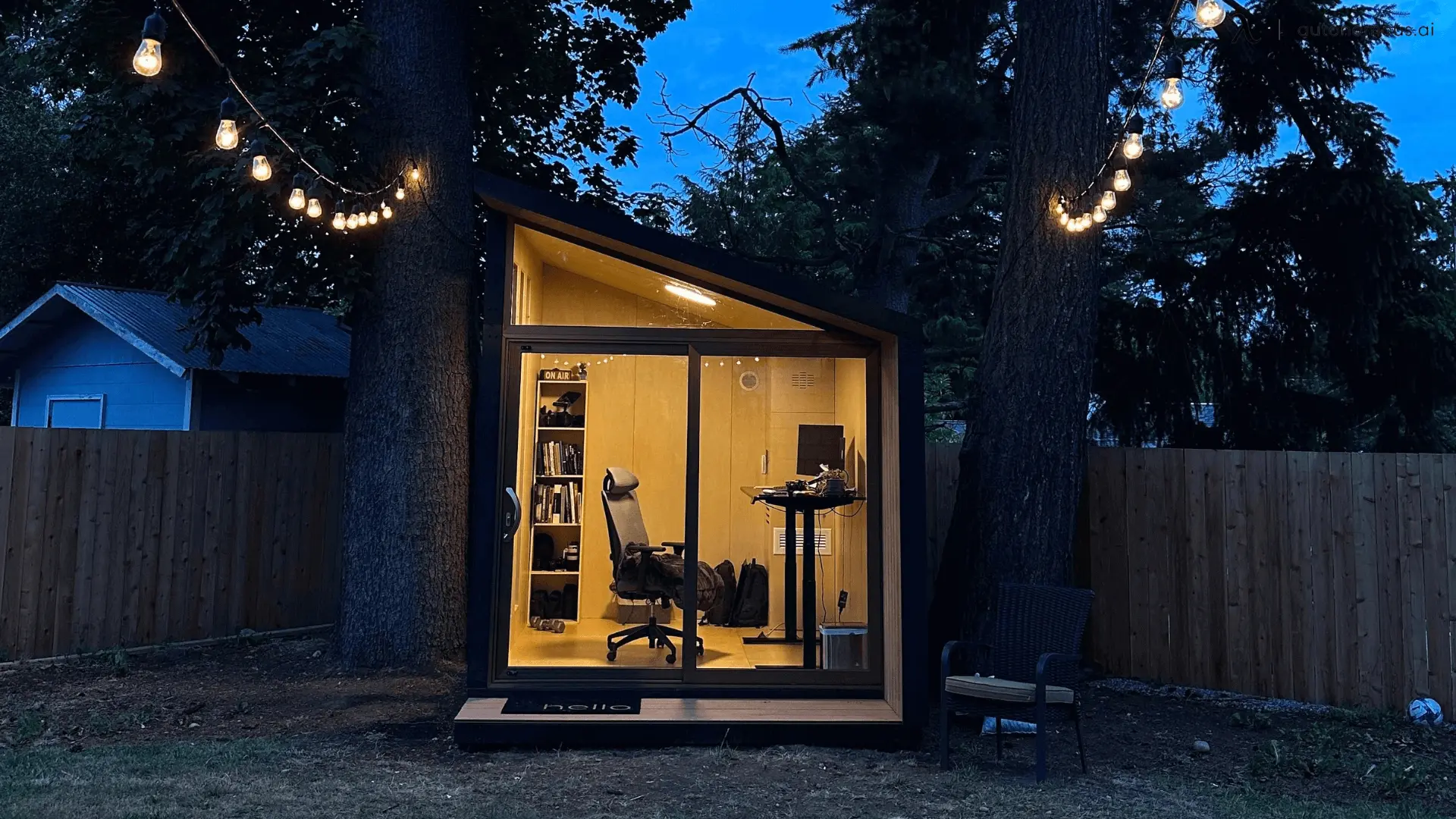
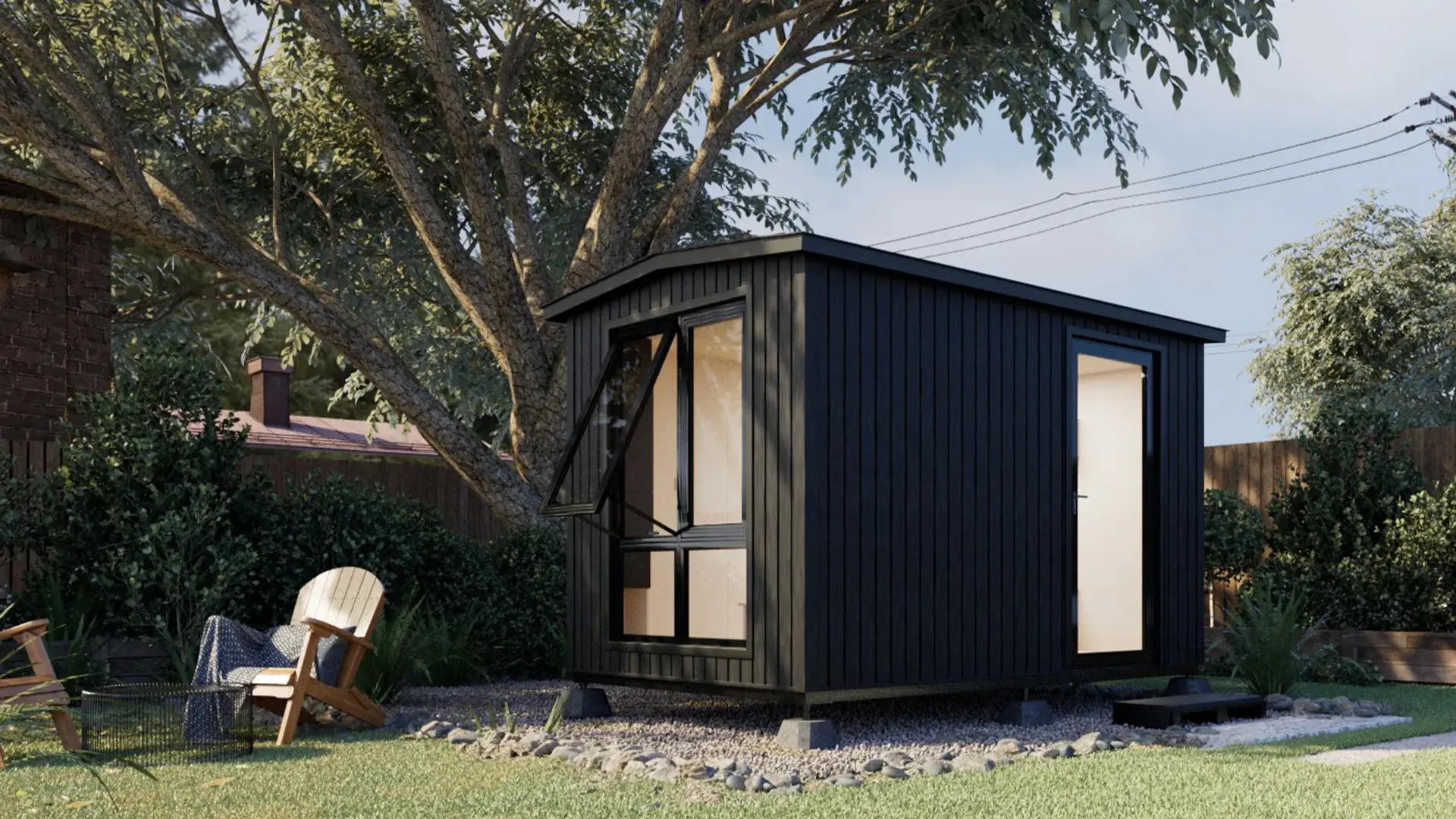
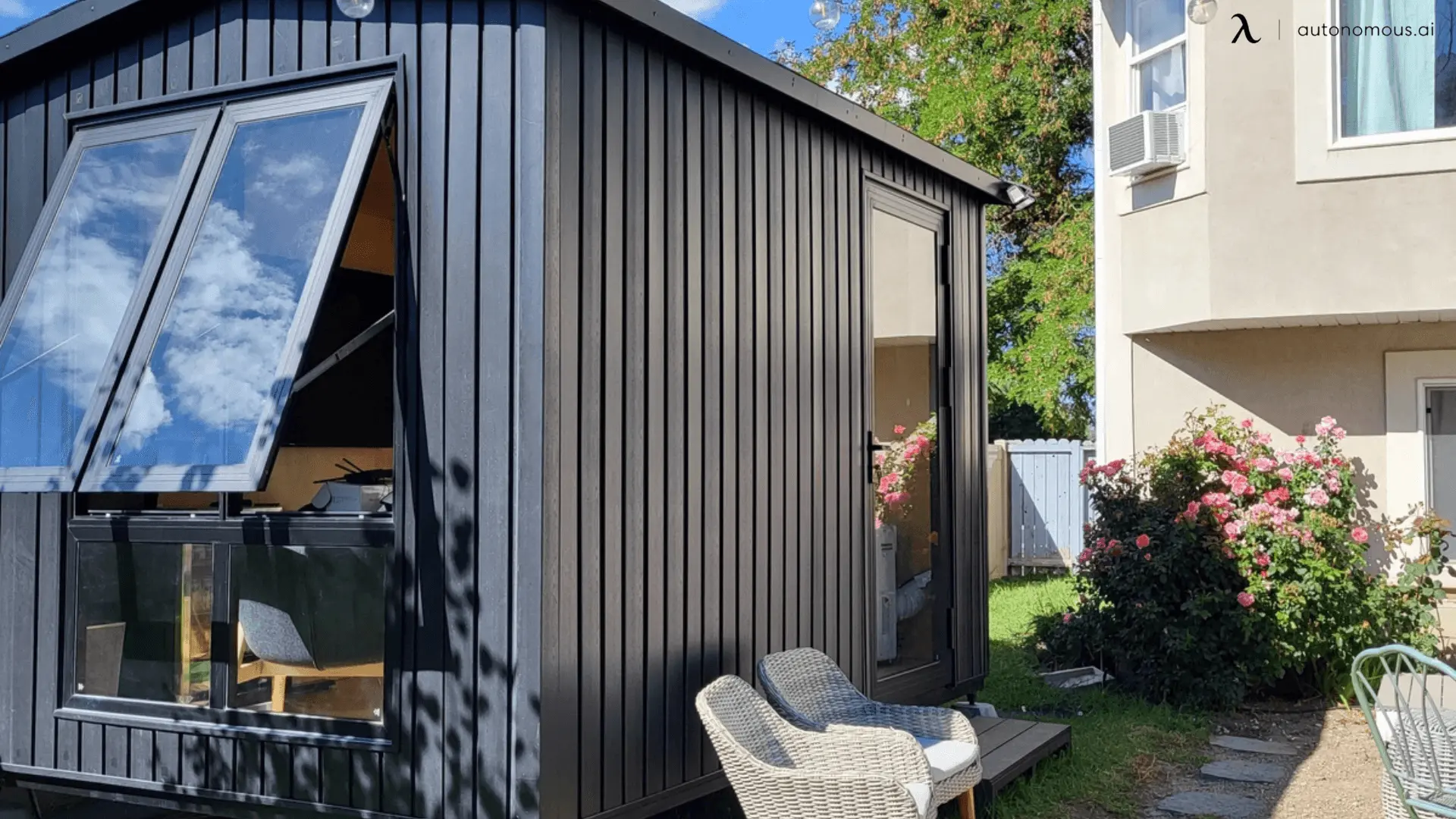
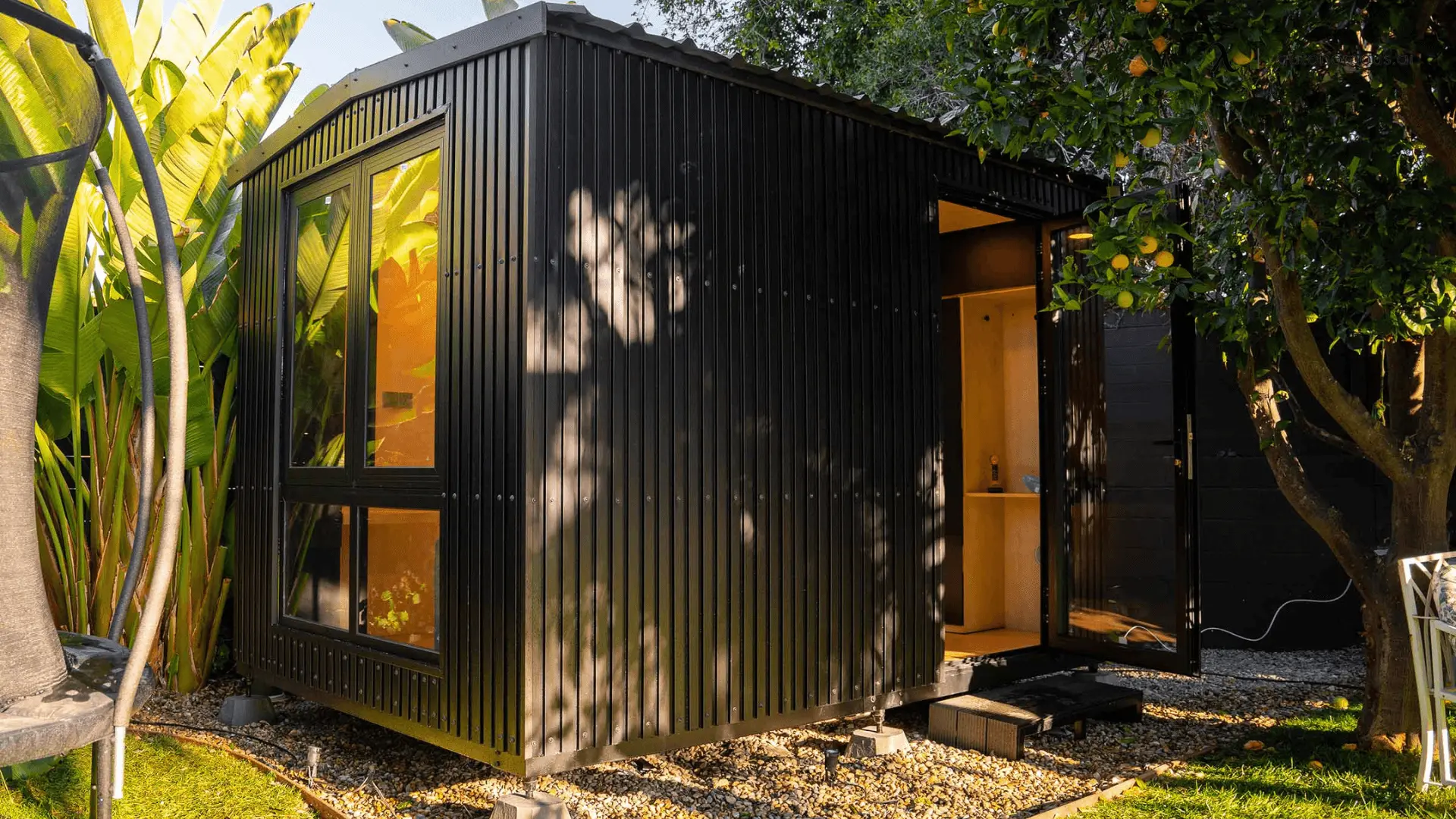
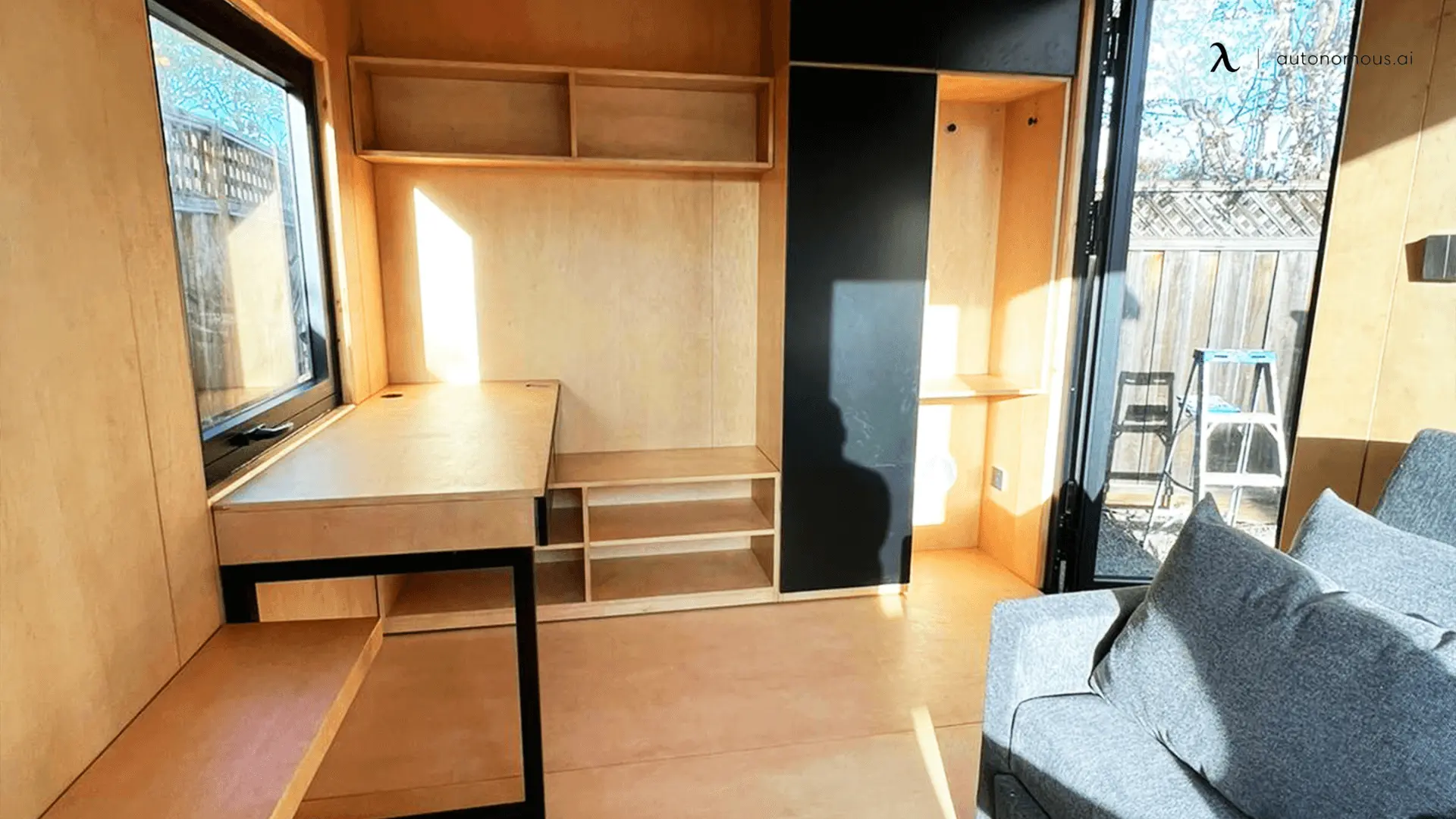
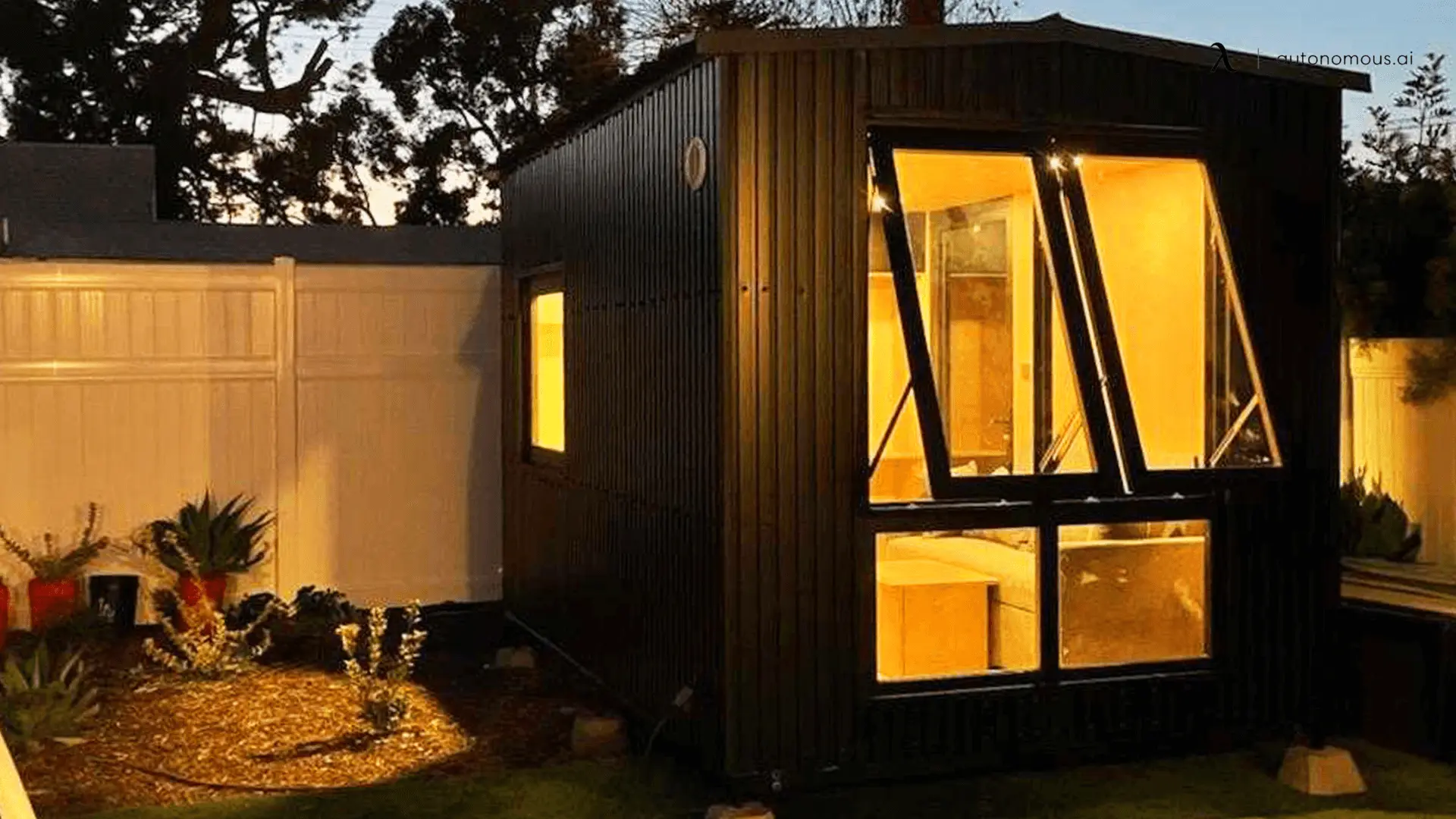
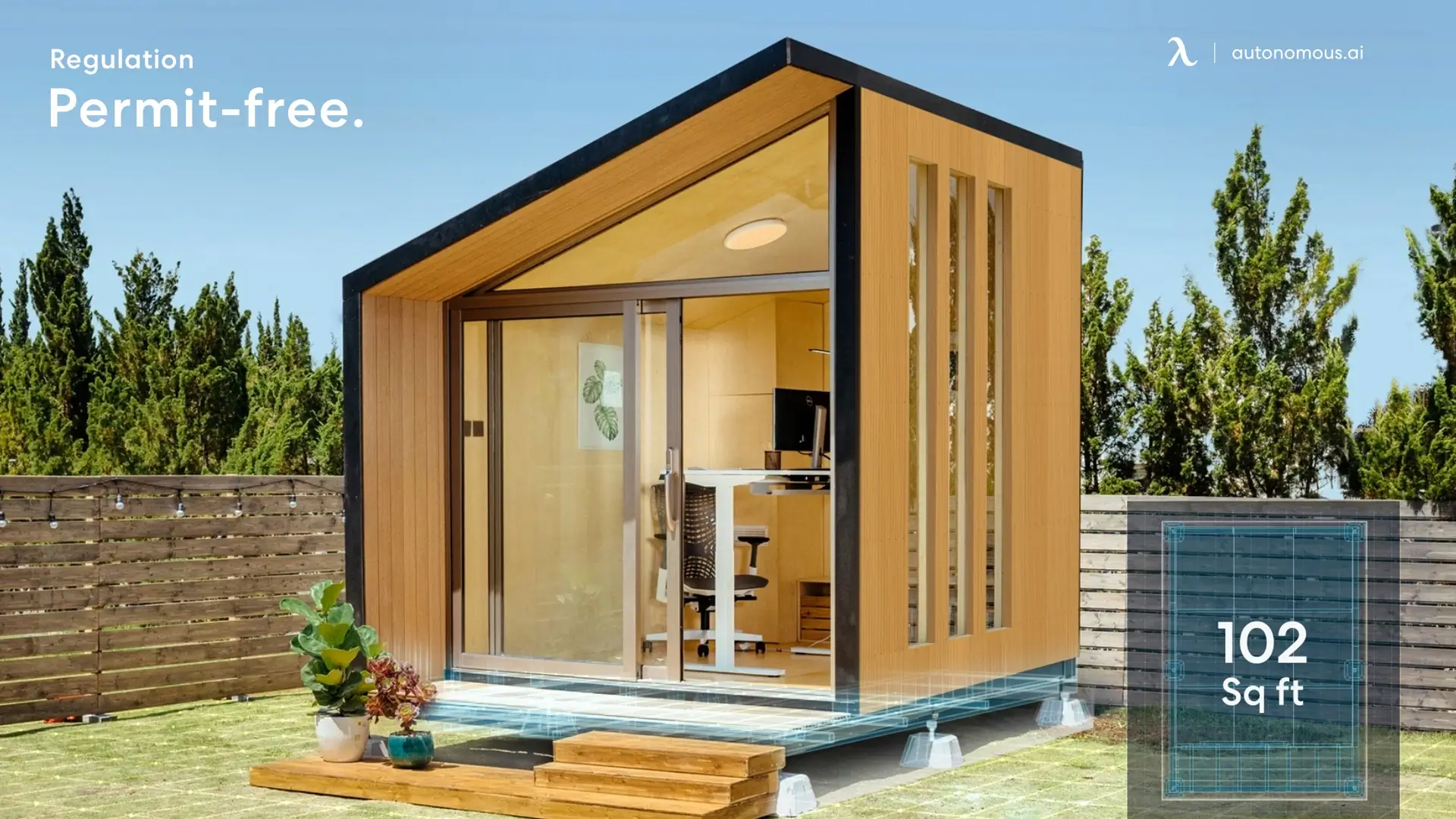
This is why some homeowners explore insulated backyard office structures such as the Autonomous WorkPod, which provide a separate workspace without the scale of a full ADU project.

Prefab ADUs vs. Autonomous WorkPods
A prefab ADU in Virginia is a factory-built unit that can be placed on a property as a secondary dwelling. These units still require utility hookups and permitting, meaning they must comply with Virginia ADU laws.
In contrast, an Autonomous WorkPod is also prefabricated but serves a different function. Here’s how they compare:
Feature | Prefab ADU in Virginia | Autonomous WorkPod |
Primary Use | Living space | Workspace |
Permitting Required? | Yes | No |
Plumbing? | Required | Not included |
Electricity? | Required | Pre-installed |
Installation Time | Weeks to months | A few days |
Cost | Higher due to housing requirements | Lower, office-focused pricing |
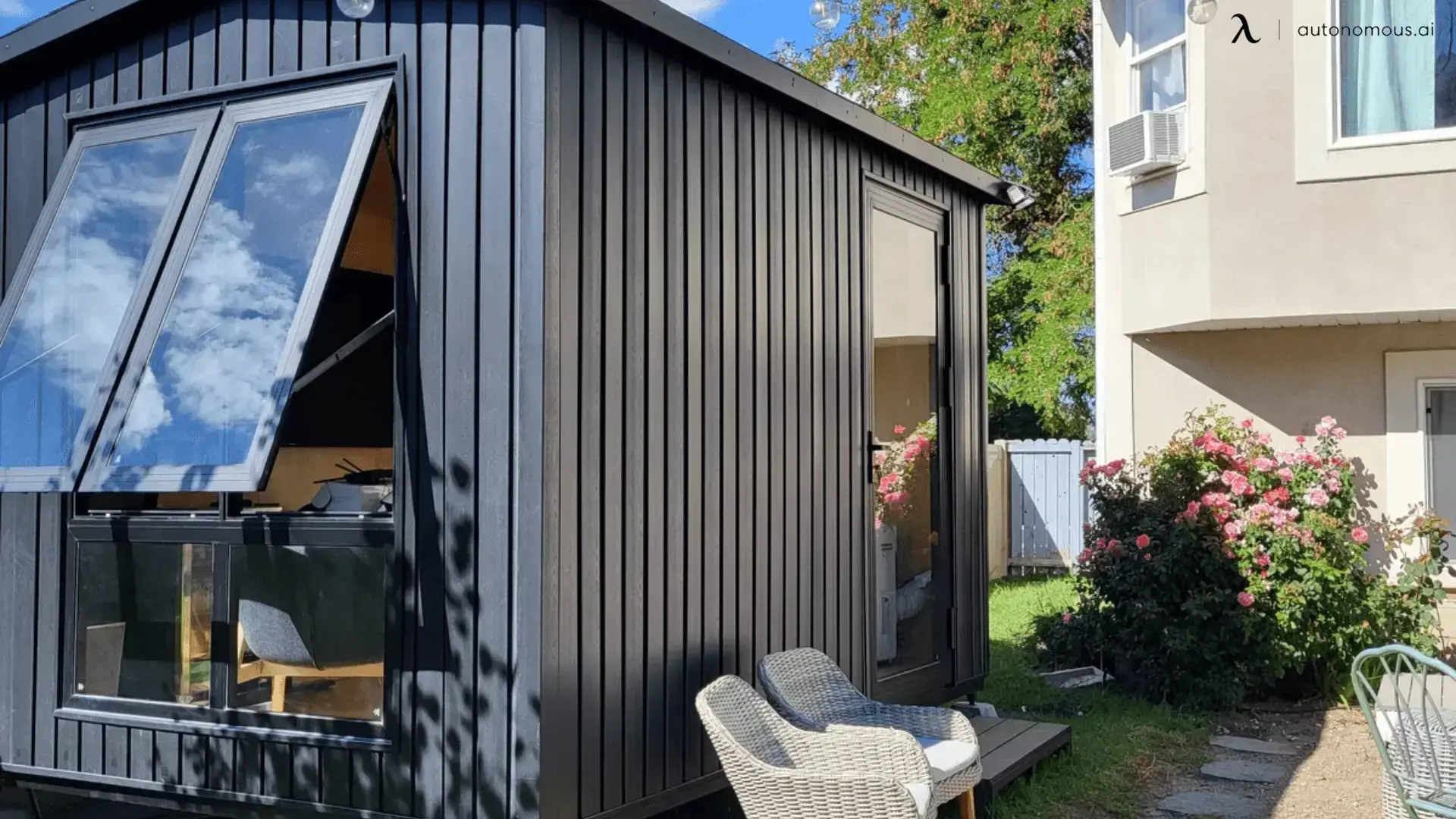
While ADU builders in Virginia focus on creating full-time residences, best ADU construction company options provide homeowners with high-quality builds. However, Autonomous WorkPods cater to professionals, entrepreneurs, and creatives who need a backyard office without the complexities of a full housing unit.
For those considering additional space with multi-functional design, a prefab ADU with a loft can offer both workspace and living flexibility.
ADU Programs in Virginia: Do They Apply to WorkPods?
Virginia has introduced various ADU programs to encourage homeowners to build secondary housing units. These programs often provide financial incentives, zoning modifications, and expedited permitting to make ADUs more accessible.
However, because Autonomous WorkPods are not considered ADUs, they typically do not qualify for these programs. Most ADU program Virginia initiatives focus on increasing housing supply rather than workspace solutions. That said, WorkPods still provide an excellent alternative for those who need additional functional space without waiting for government approvals or zoning adjustments.
FAQs
What is the maximum shed size without a permit in Virginia?
Under the Virginia Uniform Statewide Building Code, a one-story detached accessory structure up to 256 square feet may not require a building permit if it is used for storage and does not include plumbing or electrical systems. Local zoning rules such as setbacks and height limits may still apply.
Do I need a permit for a shed in Virginia?
A permit is usually required if the shed is larger than 256 square feet, includes electricity or plumbing, or is used as a habitable space. Local counties and cities may also require permits based on zoning restrictions.
Can I turn a shed into a living space in Virginia?
Yes, but converting a shed into a living space usually requires building permits, inspections, and compliance with residential building codes. Once a structure becomes habitable, it is typically regulated as a dwelling unit or similar residential structure.
Are ADUs allowed in Virginia?
Yes. Many Virginia localities allow Accessory Dwelling Units (ADUs), but zoning rules vary by city and county. Regulations may address size limits, parking requirements, owner occupancy, and setbacks.
How big can an ADU be in Virginia?
Most localities allow ADUs between 600 and 1,200 square feet, although exact limits depend on zoning regulations and the size of the primary residence.
Do prefab ADUs require permits in Virginia?
Yes. Prefab ADUs must still follow local zoning rules, building codes, and permit requirements, even though they may be built off-site and assembled more quickly than traditional construction.
What is the difference between a shed and an ADU?
A shed is typically a non-habitable accessory structure used for storage, while an ADU is a fully functional residential unit that includes living space, a kitchen, and a bathroom. ADUs require permits and must meet residential building codes.
Can a backyard office avoid ADU permits in Virginia?
Sometimes. A small backyard structure used as an office may fall under accessory building rules rather than residential ADU regulations, depending on size and whether utilities are installed. Local zoning rules still determine what is allowed.
Conclusion
If you’re considering expanding your property’s usability, both ADUs and WorkPods offer unique benefits. While an ADU might be the right choice for rental income or multi-generational housing, an Autonomous WorkPod is ideal for those who need a private, comfortable workspace without dealing with strict Virginia ADU laws.
For many homeowners, a WorkPod is the faster, more cost-effective solution that provides immediate value without the complexities of full-scale construction. If your goal is to separate work from home without a full ADU commitment, an Autonomous WorkPod is a smart investment in your productivity and well-being. However, if you’re still considering budget-friendly housing solutions, exploring ADUs under $100K may help you find an affordable option.