Autonomous ErgoChair Pro vs ErgoChair Ultra 2 - How to Choose
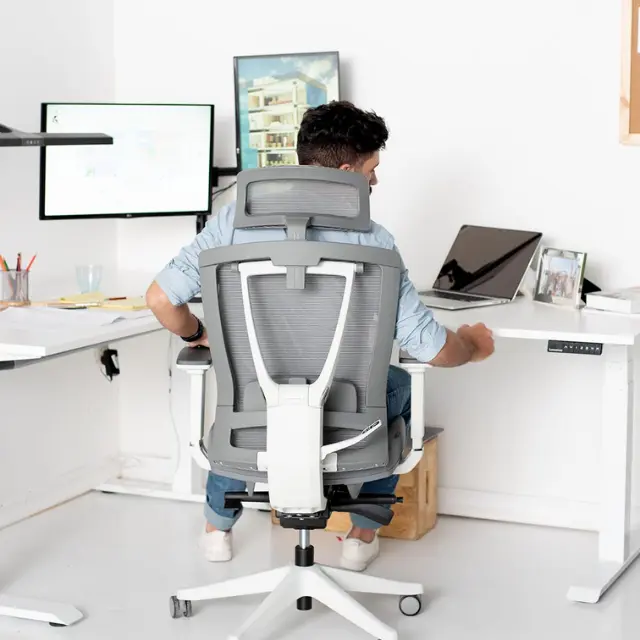
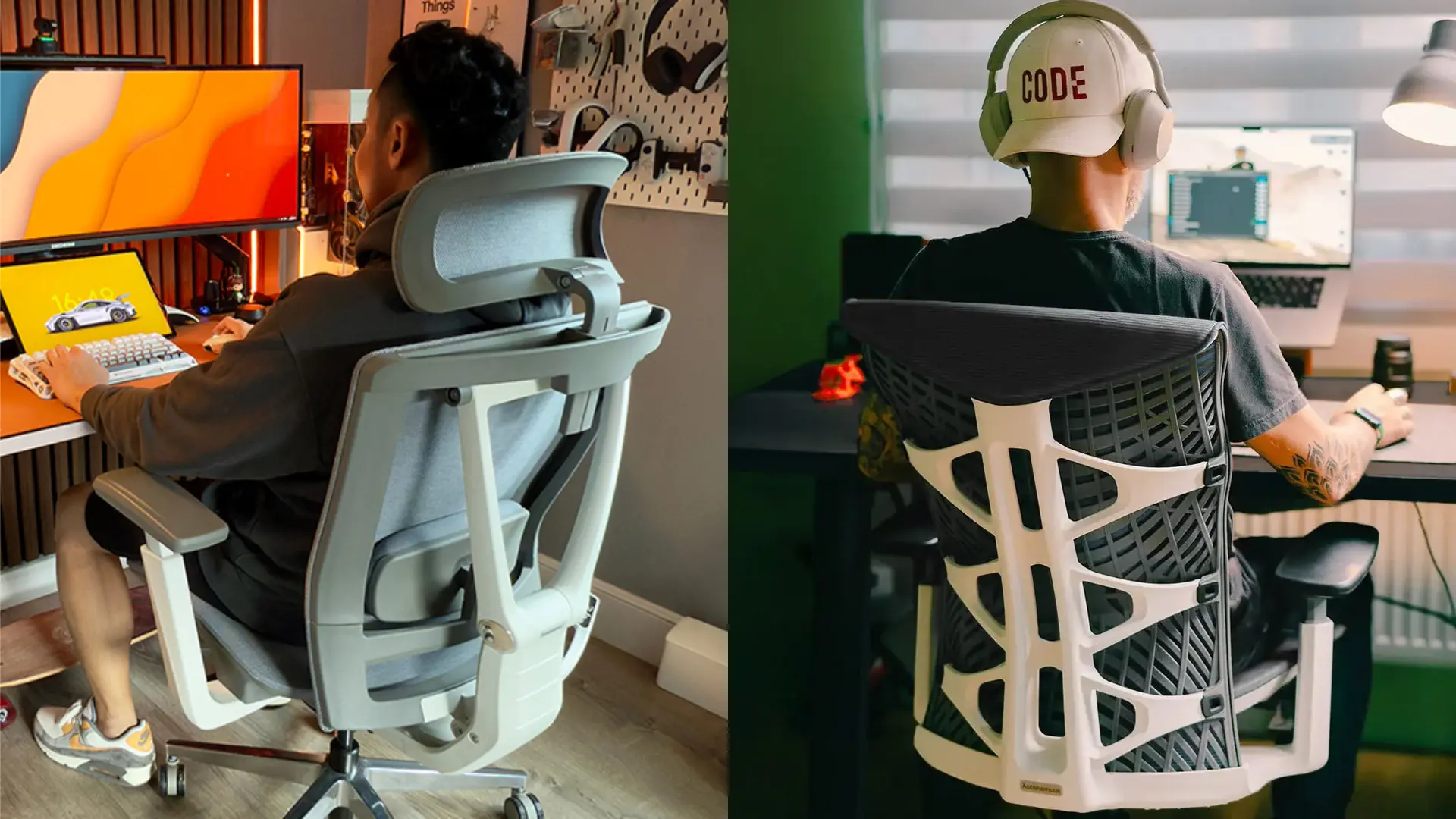
I've sat full days in both the ErgoChair Pro and the Ultra 2, and the choice between them is simpler than the spec sheets make it look. Almost every difference - seat size, arm range, materials, weight rating - traces back to one design decision: how each chair handles your lower back. Get that call right and the rest falls into place.
This ErgoChair Pro vs Ultra 2 comparison walks through that one deciding difference first, then the specs that follow from it, so you can tell in a couple of minutes which office chair fits your body and how you sit. Both are flagship task chairs; both carry a lifetime warranty. The question isn't which is "better" - it's which is built for you.
Quick answer
The Pro keeps a lumbar pad you slide up or down a 6-inch range and lock in place; the Ultra 2 removes the pad entirely and lets the frame flex to your whole spine. Pick the ErgoChair Pro if you know where you want support and like to set it and forget it - it also has a taller backrest for longer torsos. Pick the ErgoChair Ultra 2 if a fixed lumbar bump has ever hurt your back, if you shift positions a lot, or if you're on the shorter side - its seat drops lower, its arms come down further, and it runs cooler and lighter. Everything below is detail on that split.
The one difference that decides it: lumbar
This is the whole comparison in one section. The Pro and the Ultra 2 solve lower-back support two opposite ways, and which one suits you depends on your back, not the price tag.
The Pro uses a sliding lumbar pad. It travels along a 6-inch range on the backrest, so you position it exactly where your lower spine curves, then it holds that spot. If you have a known problem area - a specific height where your back needs pressure - you can put support there and leave it. It's the more familiar, set-it-once feel.
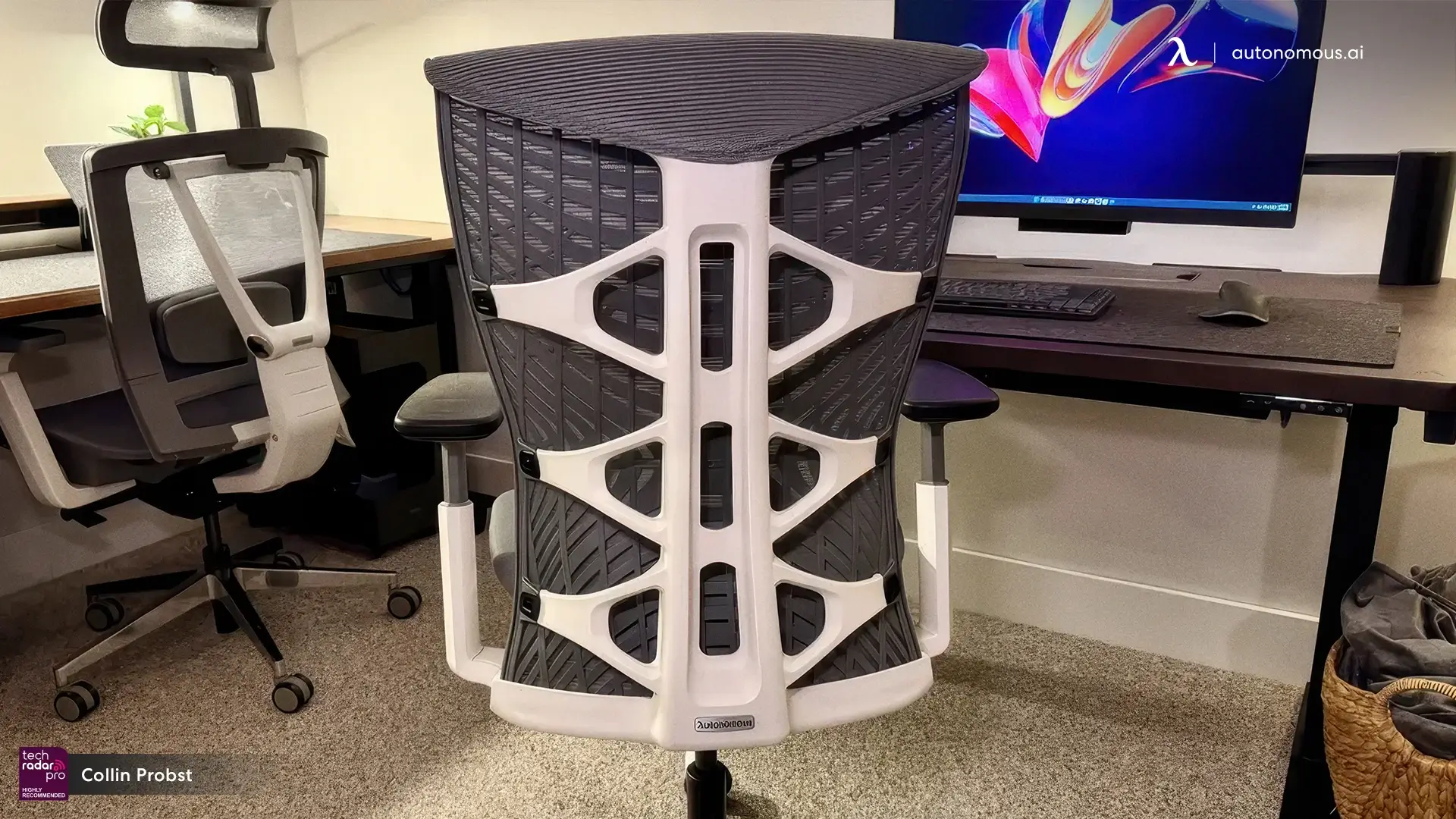
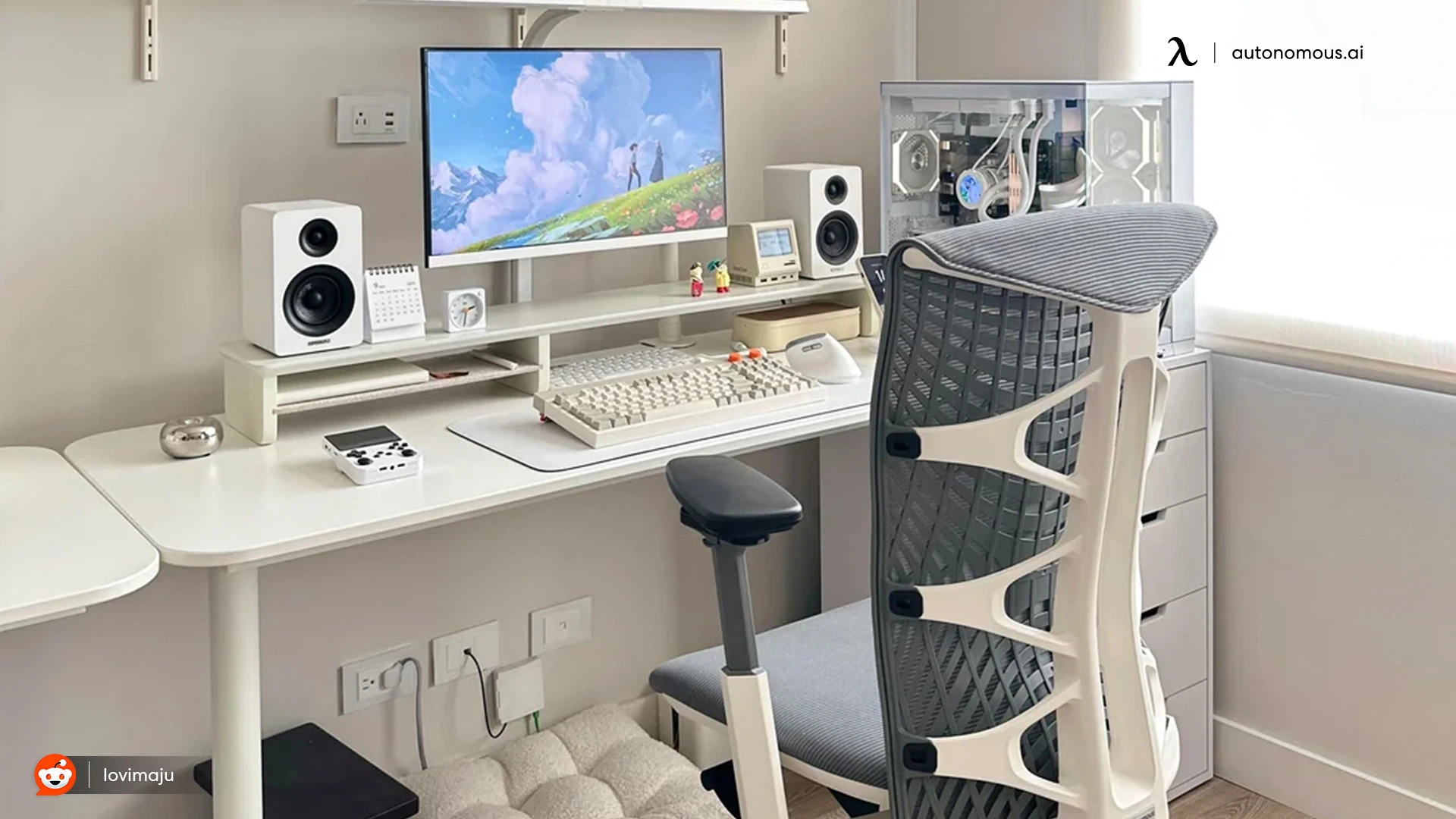
The Ultra 2 is lumbarless. There's no pad and no dial. Instead, the frame flexes across your whole spine as you move, spreading support through two backrest layers rather than pushing one fixed point into your back. This matters most if a standard chair's fixed lumbar has ever landed in the wrong place and left you sore - the Ultra 2 has no bump to mis-place. It also suits people who lean, recline and change posture through the day, because the support moves with them instead of staying put.
Neither is objectively better. A fixed, positionable pad is ideal when you know your body; a moving flex-frame is ideal when a fixed pad has failed you or when you're never still. That single preference decides most of this comparison - the rest is sizing and materials.
Side-by-side specs
Here's how the two chairs compare on the numbers that matter, pulled from the current product pages.
Spec | ErgoChair Pro | ErgoChair Ultra 2 |
Lower-back support | Sliding lumbar pad, 6" range | Lumbarless flex-frame |
Seat height | 18.5 - 22" | 18 - 23" |
Seat depth | 19 - 21.5" | 18 - 20.5" |
Seat (W x L) | 19" x 19" | 18" x 18" |
Backrest (W x H) | 21" x 28 - 31" | 20" x 23" |
Armrests | 3D, 11 - 14" above seat | 4D, 7 - 11" above seat |
Recline | 22°, 5 lock positions | 25°, synchro-tilt |
Seat build | Molded foam over nylon frame | TPE webbing + polymer coil springs, 4 layers, ABS frame |
Weight capacity | 300 lb | 320 lb |
Chair weight | 48.5 lb | 36.5 lb |
Tilt mechanism | Italian Donati, 100,000 cycles | Italian Donati, 100,000 cycles |
Warranty | Lifetime | Lifetime |
Price | $499 | $449 |
Back support and lumbar
Covered in full above, so briefly: the Pro's sliding pad is the pick if you want to place support at a set height and keep it there; the Ultra 2's flex-frame is the pick if you'd rather the support move with you and never sit in a fixed spot. If lower-back pain is your main reason for upgrading, this is the only section that really decides your answer.
Seat and sizing
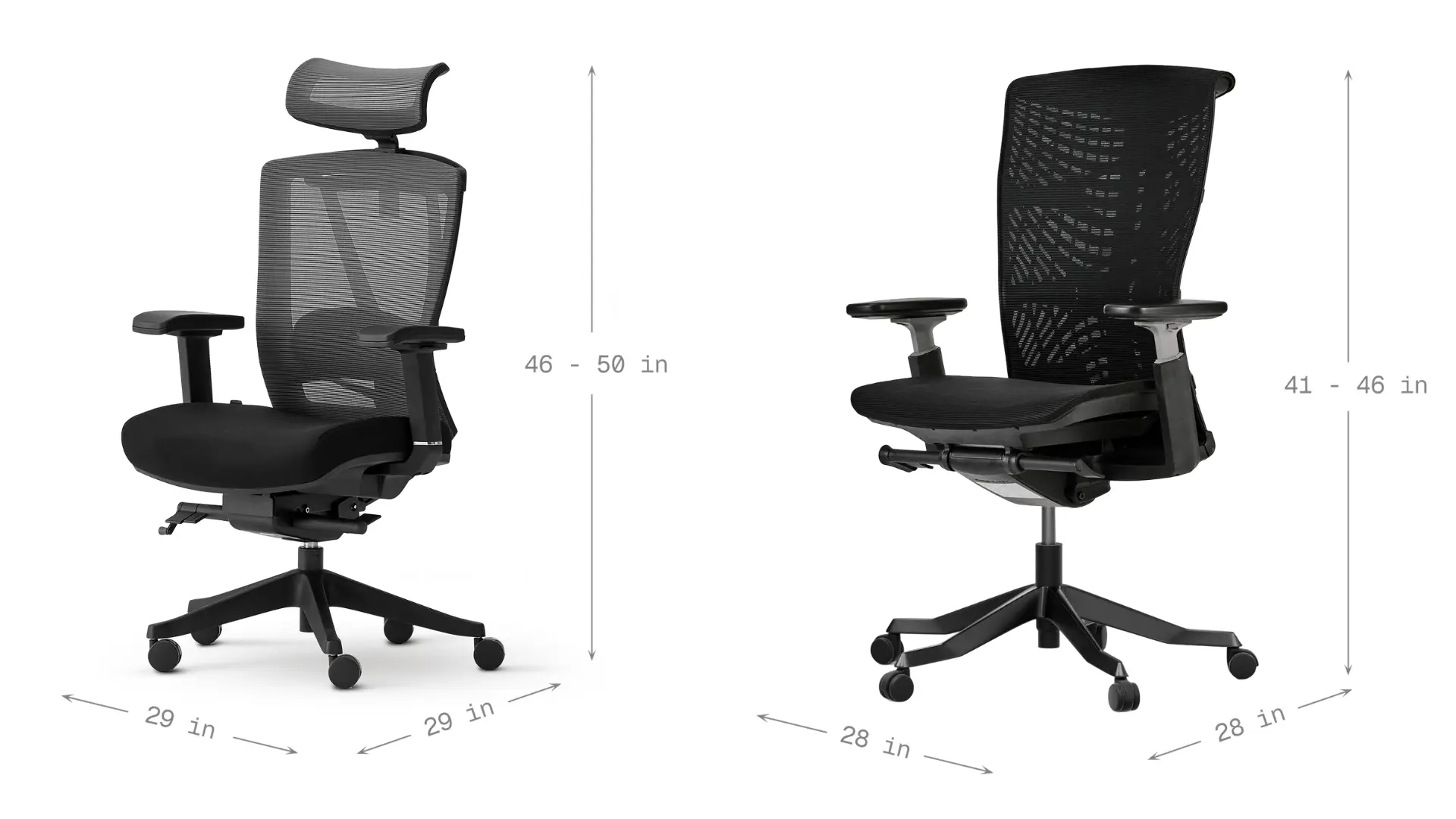
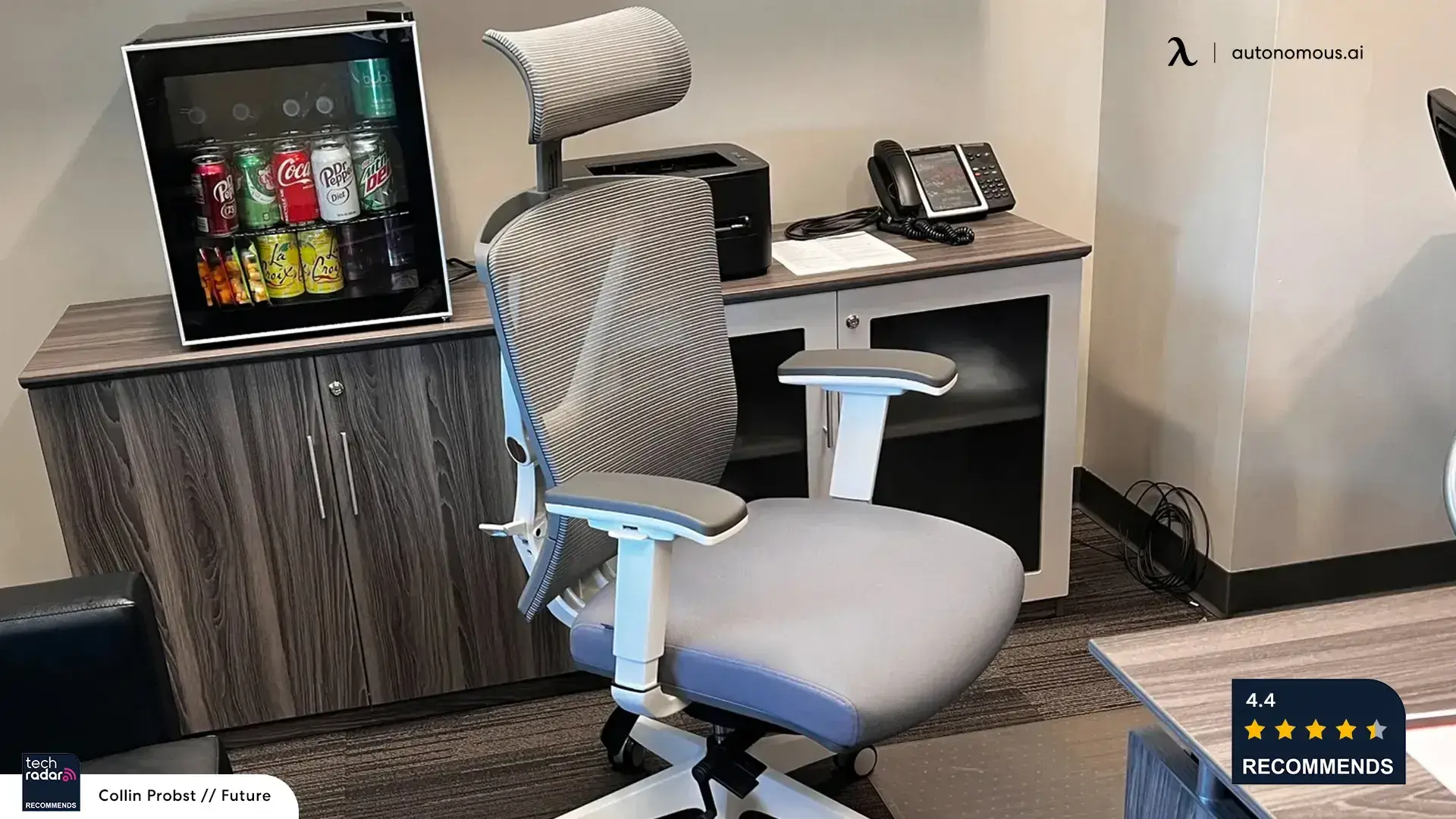
The Ultra 2 is the smaller, more adjustable seat; the Pro is the slightly larger, taller-backed one. The Ultra 2's seat height runs 18-23", wider than the Pro's 18.5-22" at both ends - it drops lower for shorter users and rises higher for taller ones. Its seat pan is also a touch smaller (18" square vs the Pro's 19"), and its seat depth starts shallower (18" vs 19"), so shorter thigh lengths fit it a little better.
The Pro answers back with reach. Its backrest is 28-31" tall against the Ultra 2's 23", which gives longer torsos and taller users noticeably more upper-back and shoulder contact. So the sizing split is clean: shorter or narrower frames lean Ultra 2, longer torsos lean Pro. For anyone under about 5'3", note that both seats start around 18" - a footrest closes that gap on either chair.
Armrests
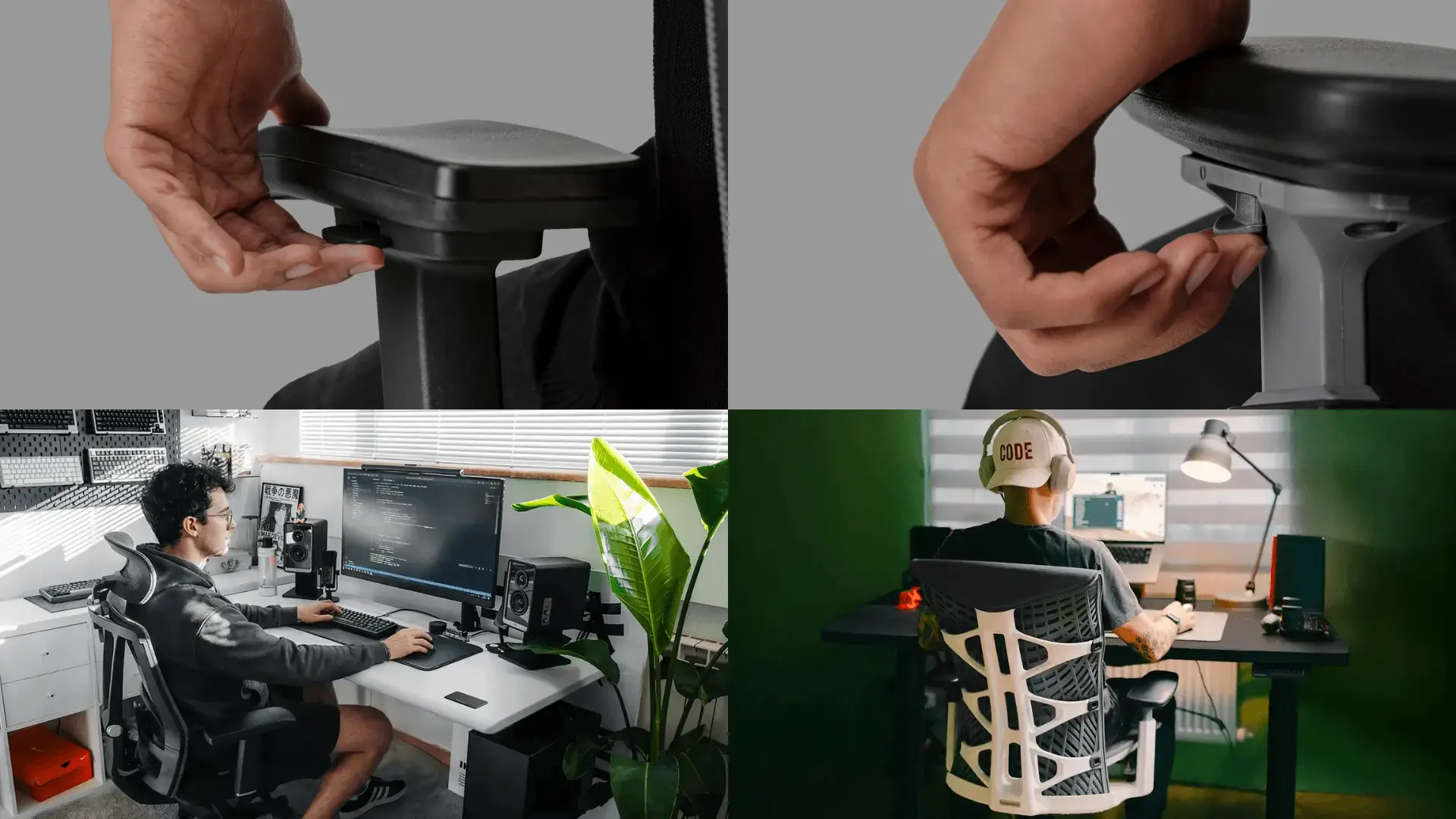
The Ultra 2 has the more capable arms. They're 4D - height, width, depth and angle - and drop as low as 7" above the seat, pulling inward to support narrow shoulders. The Pro's arms are 3D and bottom out at 11" above the seat, so they don't come down as far. If you have a small or narrow frame, or you type close in, the Ultra 2's arms are the meaningful difference; if you sit taller and rest your forearms higher, the Pro's are fine.
Build, materials and feel
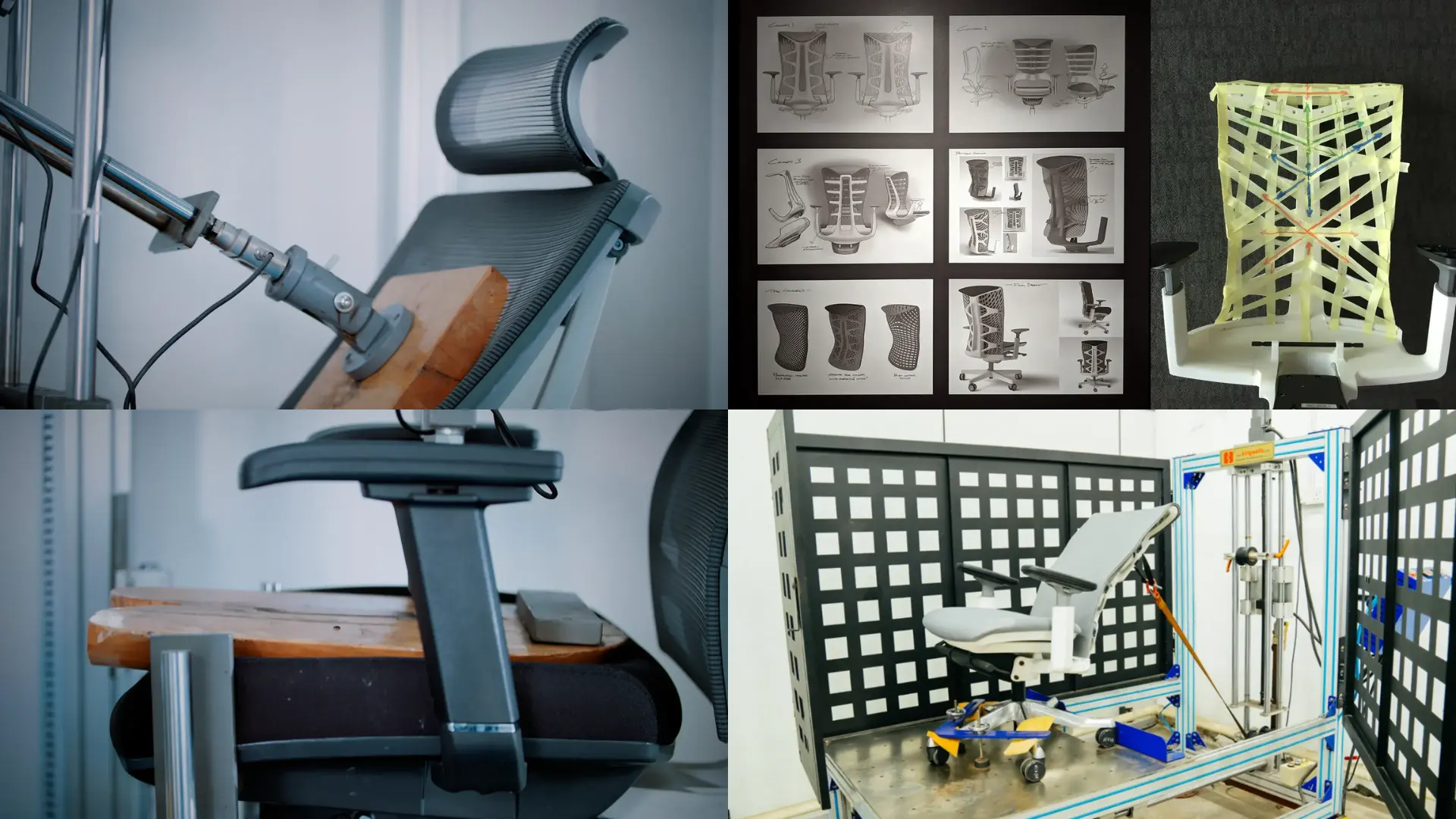
These two feel different to sit in. The Ultra 2 is the cooler, lighter, springier chair - a mesh back with a TPE webbing and polymer-coil seat across four layers, on an ABS frame and aluminium base, at 36.5 lb. It breathes well over long sessions and moves easily. The Pro is the more planted, cushioned chair - a molded-foam seat on a nylon frame at 48.5 lb, which sits more solidly and gives a firmer, more traditional cushion feel.
Both use the same Italian Donati tilt mechanism rated to 100,000 cycles, welded and built to avoid the joint slack that makes cheaper chairs creak after a year, and both are backed by a lifetime frame-and-mechanism warranty. On durability they're evenly matched; the difference is cool-and-springy (Ultra 2) versus firm-and-planted (Pro).
Recline and tilt
Close, with a small edge each way. The Ultra 2 reclines a touch further at 25° on a synchro-tilt that leans back smoothly. The Pro reclines to 22° but adds five lockable recline positions, so you can hold a specific angle rather than free-floating. If you like setting a fixed lean, the Pro's locks suit you; if you prefer a fluid rock, the Ultra 2 does.
Who should buy which
Match your back and your body to the chair - not the price, since the gap is small and shifts with sales.
If you… | Choose |
Have a specific lower-back spot that needs support | ErgoChair Pro |
Have been hurt by a fixed lumbar bump, or shift posture a lot | ErgoChair Ultra 2 |
Are taller or have a long torso | ErgoChair Pro (28-31" backrest) |
Are shorter or have narrow shoulders | ErgoChair Ultra 2 (18" seat, 7" arms) |
Weigh between 300 and 320 lb | ErgoChair Ultra 2 (320 lb rating) |
Run hot or want the lightest chair | ErgoChair Ultra 2 |
Prefer a firm, foam-cushioned seat | ErgoChair Pro |
Want to lock a set recline angle | ErgoChair Pro |
If you don't fit neatly into one column, default to the lumbar question in the first section - it's the difference you'll feel every day.
Price and value
Both chairs sit in the same price band and both include a lifetime warranty, so value comes down to fit, not cost. The current figures are in the spec table above; because Autonomous runs periodic sales, the exact prices move, and the cheaper of the two can flip depending on the promotion - check the product page for the live number before deciding.
At a purchase step, the code BLOGFIRST5 takes an extra 5% off at checkout.
.webp)
FAQs
Which ErgoChair is better for back pain?
It depends on how you want support delivered. The Pro's lumbar pad slides across a 6-inch range so you can set it on your lower spine and lock it there - good if you know where you need pressure. The Ultra 2 is lumbarless: the frame flexes across the whole spine with no fixed pad to land in the wrong place, which helps if a standard chair's bump has hurt you before.
What's the main difference between the ErgoChair Pro and Ultra 2?
Lower-back support. The Pro keeps a positionable lumbar pad; the Ultra 2 drops the pad for a flex-frame that moves with your spine. From there, the Pro has a taller backrest and a foam seat, while the Ultra 2 has a lower, smaller, cooler mesh seat with lower arms.
Which is better for tall users?
The Pro. Its backrest is 28-31" versus the Ultra 2's 23", giving longer torsos more upper-back and shoulder contact. For seat height alone the Ultra 2 is more flexible - it sits lower (18" vs 18.5") and goes higher (23" vs 22") - but the Pro's taller back is what tall users feel most.
Which is better for short or petite users?
The Ultra 2. Its seat drops to 18" (versus the Pro's 18.5"), its seat is slightly shallower, and its arms come down to 7" to support narrow shoulders. Both start around 18", so under about 5'3" a footrest still helps on either chair.
Which chair runs cooler?
The Ultra 2. Its mesh back and TPE-and-coil seat breathe more than the Pro's molded-foam seat, and at 36.5 lb it's the lighter, more mobile chair for warm rooms and long sessions.
Do both chairs come with a warranty?
Yes. Both the ErgoChair Pro and Ultra 2 include a lifetime warranty on the frame and mechanism, plus a 30-day return window on standard orders.
Which holds more weight?
The Ultra 2, rated to 320 lb versus the Pro's 300 lb. For users near or above 300 lb, the Ultra 2 is the safer pick.
How much do the ErgoChair Pro and Ultra 2 cost?
They're priced closely, and periodic sales move the numbers - sometimes flipping which is cheaper - so check the current price on the product page (see the spec table for today's figures). Both include a lifetime frame-and-mechanism warranty.
Conclusion
The Autonomous chair lineup is two chairs at the same price. The ErgoChair Pro is the taller, heavier, fixed-form chair for users 5'10" and above who want traditional ergonomic adjustability. The ErgoChair Ultra 2 is the more compact, lighter, flex-frame chair for users under 5'10" or those who shift posture constantly. Decide by height and movement style, then check current stock on the Autonomous office chairs catalog.
References
- Independent ErgoChair Pro reviews: Tom's Hardware, Tom's Guide, PCMag.
- Independent ErgoChair Ultra 2 reviews: TechRadar, PC Gamer, Creative Bloq.
- Occupational Safety and Health Administration (OSHA). Computer Workstations eTool: Chair. https://www.osha.gov/etools/computer-workstations/components/chairs