.svg)



Simple App Review: My Honest Experience With Fasting and Weight Loss

Table of Contents
Intermittent fasting has become one of the most talked-about eating patterns in modern wellness, praised by some for simplifying food timing and reducing mindless snacking, but criticized by others for feeling rigid alongside work, family, and social routines. This Simple app review looks at how Simple works in real life, where it helps, where it falls short, and who it is most likely to benefit, using a public health and behavioral psychology lens focused on habit formation, adherence, and long-term usability. Because intermittent fasting is not appropriate for everyone, people who are pregnant or breastfeeding, managing medical conditions, taking certain medications, or with a history of disordered eating should consult a qualified healthcare professional before using fasting apps.
What Is the Simple App? How It Works
Simple is a wellness app built around intermittent fasting, food awareness, hydration, and movement tracking. Unlike traditional diet apps that emphasize calorie counting or strict macro targets, Simple focuses on behavior change - helping users build routines they can repeat consistently.
At its core, Simple aims to:
- Support intermittent fasting with flexible schedules
- Reduce friction in daily tracking
- Offer immediate feedback through in-app coaching
- Encourage healthier habits without moralizing food choices
This positioning places Simple closer to a habit-support tool than a clinical nutrition tracker. That distinction matters when evaluating its effectiveness and limitations.
1. Onboarding and personalization
Getting started with Simple begins with a short questionnaire covering:
- Health and weight-related goals, which may include fat loss or habit-building goals often supported by complementary activities such as treadmill walking for weight loss
- Age, height, and weight, used to establish a baseline for progress tracking
- Activity level and daily schedule, which helps align fasting windows with routines that may include cycling for weight loss or other cardio habits
- Typical meal timing, allowing fasting plans to adapt to workdays, rest days, or more sedentary setups such as using a standing desk for weight loss
- Motivation and challenges, including physical limitations that may make low-impact options like chair exercises to lose weight or chair yoga for weight loss more realistic starting points
Based on these responses, the app recommends an initial fasting schedule and a general path forward. Importantly, these recommendations are adjustable rather than fixed. From a behavioral perspective, this flexibility helps reduce early dropout - one of the biggest barriers to sustaining health behavior change over time.

2. Daily use flow
Once onboarding is complete, daily use follows a predictable rhythm:
- Follow the fasting timer and eating window
- Log meals, hydration, movement, and weight
- Receive feedback and reminders
- Review progress over time
This repetition is intentional. Consistency, not novelty, is what supports habit formation.
Intermittent Fasting Approach in Simple
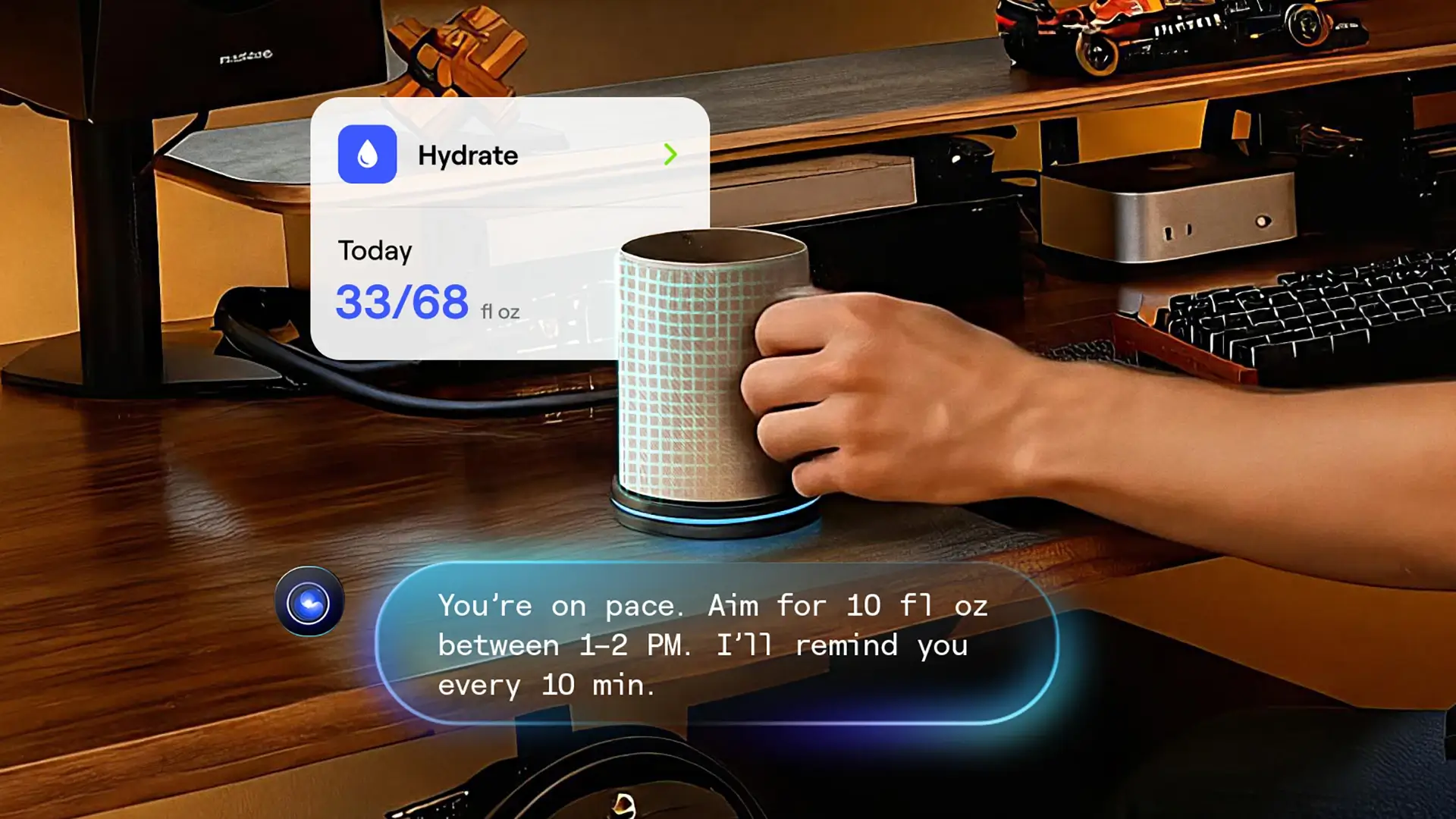
Using Simple made it clear that the app is intentionally conservative in how it approaches intermittent fasting. It doesn’t push extreme protocols or long fasts. Instead, it nudges you toward fasting windows that are realistically maintainable, most often in the 12–16 hour range.
From my experience, this moderation is one of Simple’s strongest design choices. In public health work, sustainability matters more than intensity. Aggressive fasting can produce short-term results, but it often breaks down once real-life variables - work stress, family meals, social events - enter the picture. Simple seems designed with that reality in mind.
What I appreciated is that fasting windows never felt “locked.” On days when my schedule shifted, I could adjust without feeling like I had failed. That flexibility reduces the all-or-nothing thinking that derails many behavior-change efforts. Over time, fasting felt less like a rule and more like a rhythm I could return to.
For people reading a Simple fasting app review and wondering how strict it is, my experience is that Simple prioritizes repeatability over discipline. It fits around life rather than asking life to adapt to the app.
Food Tracking Without Calorie Counting
How logging actually feels
One of the reasons I was curious about Simple is its decision to avoid calorie counting altogether. In practice, this changes the emotional tone of tracking. Logging meals through text, voice, or photos felt lighter and faster than traditional food journals.
I didn’t feel pressure to be precise. That’s important. Many people disengage from tracking because it becomes cognitively exhausting. Simple reduces that friction by letting you capture enough information to reflect patterns without demanding accuracy.
From a psychology standpoint, lowering effort increases adherence. The easier it is to log, the more likely people are to keep doing it.
Nutrition scores in real use
Instead of calories or macros, Simple assigns meals a simple nutrition score based on broad qualities like protein, fiber, sodium, and fat balance. I found these scores helpful when treated as directional feedback, not as a judgment.
That distinction matters. When I viewed the score as “information,” it supported awareness. When I briefly took it too literally, it felt frustrating - especially for snacks or mixed meals that didn’t fit neatly into the system.
This is where expectations matter. Simple’s scoring works best as a conversation starter with yourself, not a verdict. For users who need detailed nutrition analytics, this approach may feel insufficient. For users focused on habits, it keeps things approachable.
Coaching and Behavioral Support
1. The in-app coach, realistically
Simple’s in-app coach is always available and responds quickly. It offers reminders, encouragement, and suggestions after logs or missed check-ins. It’s clearly not human, and the app is transparent about that.
Still, immediacy has value. Behavioral research consistently shows that feedback works best when it’s timely. Even simple prompts - delivered in the moment - can reinforce habits more effectively than delayed reflection.
I found the coach most useful as a nudge rather than an authority. It helped me notice patterns (“hydration drops on busy days”) instead of prescribing solutions. That approach respects autonomy, which is essential for long-term behavior change.
2. Tone and design choices
Several aspects of Simple’s design stood out to me as psychologically informed:
- Neutral, non-judgmental language
- Emphasis on awareness rather than restriction
- Adjustable reminders instead of rigid schedules
- Focus on streaks and consistency, not perfection
These choices matter. Shame-based or overly prescriptive systems often backfire. Simple’s tone made it easier to keep engaging even on days when things didn’t go perfectly.
What Stood Out After Extended Use
After spending real time with the app, a few patterns became clear.
Simple works best when:
- You want structure without micromanagement
- You’re building or rebuilding routines
- You value consistency more than optimization
It works less well when:
- You want precise nutritional control
- You’re managing complex medical needs
- You expect personalized, human-led coaching
From a public health perspective, Simple feels intentionally scoped. It doesn’t try to solve everything. Instead, it focuses on a specific problem many people face: starting - and sticking with - healthier routines without burning out.
Best Features of the Simple App (From Real Use)
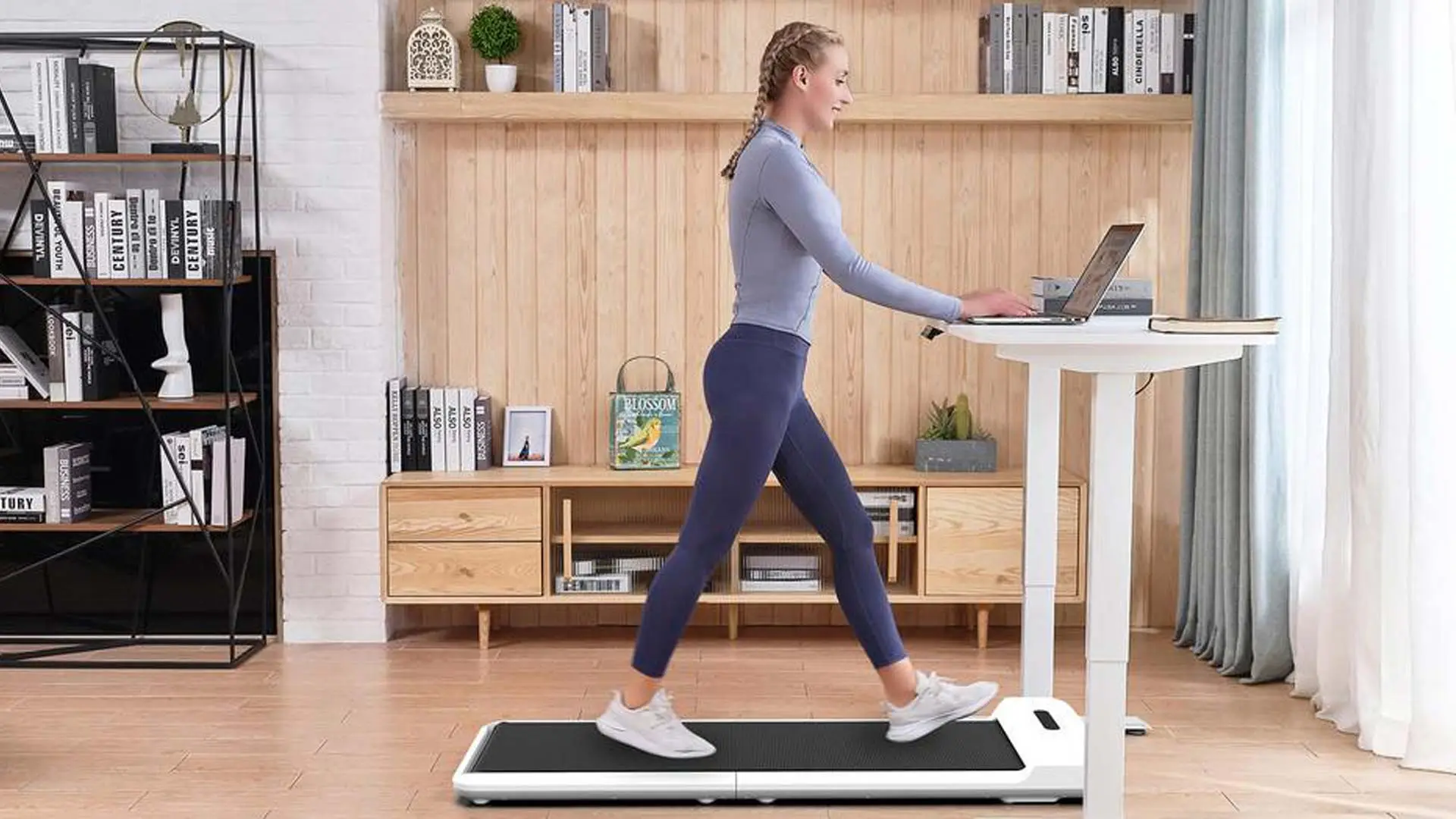
After spending time using Simple day to day, a few strengths consistently stood out - not because they were flashy, but because they made it easier to keep showing up.
1. Low-friction design
The biggest advantage of Simple is how little effort it requires to use. Logging meals, checking fasting windows, and tracking hydration never felt like a chore. I didn’t need to plan time around the app, which matters more than people realize. When systems demand too much attention, they quietly fall apart.
From a behavior-change perspective, this low friction is a strength. The easier an action is, the more likely it is to repeat.
2. Flexible fasting without punishment
Simple never treated fasting windows as rigid rules. On days when my schedule shifted, I could adjust without triggering warnings or guilt-driven messages. That flexibility helped me maintain consistency over time rather than abandon the routine after a single “off” day.
This approach aligns well with what we know about adherence. Plans that accommodate real life tend to last longer than those that expect perfect compliance.
3. Everything in one place
Having fasting, food awareness, hydration, movement, and weight tracking in a single app reduced mental clutter. I didn’t feel the need to jump between multiple tools, which made daily check-ins faster and less disruptive.
For people juggling work, family, and competing priorities, this consolidation is genuinely helpful.
4. Supportive tone
The app’s language is neutral and encouraging. There’s no moralizing around food choices, and no sense that you’re being graded. That tone made it easier to stay engaged even when progress was slow or inconsistent.
In my experience, supportive systems outperform punitive ones when it comes to long-term habit change.
Limitations to Be Aware Of
While Simple does several things well, it also has clear limitations that are important to understand before committing.
1. No human coaching
All guidance in Simple is automated. While the in-app coach is responsive, it doesn’t replace human feedback. For users who need nuanced, personalized support - especially around medical conditions, eating behaviors, or mental health - this can feel insufficient.
In those cases, professional guidance is still the better option.
2. Limited depth for advanced users
As someone familiar with health behavior frameworks, I noticed that Simple intentionally avoids detail. There’s no macro breakdown, no calorie analysis, and no performance metrics. For beginners, that’s a benefit. For advanced users, it may feel too lightweight.
If your goals require precision, Simple may not go far enough.
3. Occasional usability frustrations
During use, I encountered minor issues that disrupted flow:
- Fasting windows were sometimes difficult to edit once started
- Nutrition scores weren’t always easy to review historically
- Occasional lag or syncing delays
These weren’t deal-breakers, but they did interrupt the otherwise smooth experience.
4. Reminder fatigue for some users
Simple relies on reminders to support consistency. While these can be adjusted, some users may find the frequency excessive. Personal tolerance varies, and it may take time to fine-tune settings so reminders feel helpful rather than intrusive.
Simple may not be the best choice for:
- Athletes or performance-focused users who need precise nutrition timing, recovery metrics, or training data rather than habit-level guidance
- People requiring medical or clinical nutrition oversight, where personalized plans and professional supervision are essential
- Users who want detailed macro or calorie analytics, including those actively managing a calorie deficit or following structured approaches based on calorie restriction
- Those who prefer live, human coaching, or who rely on frequent one-on-one feedback instead of automated guidance
- Users primarily seeking calorie tracking, who may be better served by a dedicated free calorie tracking app
Understanding this distinction helps set realistic expectations and prevents a mismatch between user needs and the app’s habit-focused design.
FAQs
What is the Simple app?
Simple is a wellness app focused on intermittent fasting, habit building, and weight management. It helps users follow flexible fasting schedules while tracking food, hydration, movement, and progress without calorie counting.
How does the Simple app work?
The Simple app starts with a short onboarding questionnaire to recommend a fasting schedule based on your lifestyle and goals. Users log meals, water, movement, and weight, and receive reminders and feedback to support consistency.
Is the Simple app good for weight loss?
Simple can support weight loss by helping users manage eating windows, reduce snacking, and build healthier routines. Results depend on consistency, food choices, and whether intermittent fasting fits the user’s lifestyle.
How much does the Simple app cost?
Simple offers multiple subscription options. Pricing is typically $15 per month on a monthly plan, about $9.99 per month on a 3-month plan, and under $5 per month when billed annually, making the annual plan the most cost-effective.
Is the Simple app free?
Yes. The Simple app can be downloaded and used for free, but the free version includes only basic features. Access to personalized fasting plans, coaching, advanced content, and full tracking tools requires a paid subscription.
Does the Simple app require calorie counting?
No, the Simple app does not require calorie or macro tracking. Instead, it focuses on food quality, timing, and habits to reduce tracking fatigue and improve adherence.
What fasting schedules does the Simple app support?
Simple supports common intermittent fasting schedules such as 12:12, 14:10, and 16:8. The app emphasizes flexibility, allowing users to adjust fasting windows to match daily routines.
Is the Simple app safe for everyone?
Intermittent fasting may not be appropriate for everyone. People who are pregnant, breastfeeding, managing certain medical conditions, or with a history of disordered eating should consult a healthcare professional before using the app.
Does the Simple app have a coach?
Yes, Simple includes an in-app AI coach that provides real-time feedback, reminders, and suggestions. The coach offers general guidance but does not replace medical or professional nutrition advice.
What are the main pros and cons of the Simple app?
Pros include ease of use, no calorie counting, flexible fasting schedules, and supportive reminders. Common drawbacks mentioned in reviews include limited advanced tracking, lack of human coaching, and occasional app usability issues.
Is the Simple app worth it?
The Simple app is worth considering for beginners or users who want structure without strict dieting. It may feel less valuable for advanced users who want detailed nutrition analytics or personalized human coaching.
Can you cancel the Simple app subscription?
Yes, the Simple app subscription can be canceled through the app store where it was purchased. Cancellation stops future billing but usually allows access until the current billing period ends.
Conclusion
The Simple app suits people who want structure and consistency without strict dieting. By focusing on intermittent fasting and habit awareness instead of calorie counting, it lowers friction and makes routines easier to maintain - especially for beginners or anyone overwhelmed by complex nutrition apps.
Simple is not universal. Users who want structured workout programming may prefer Fitbod app review. Those seeking broader lifestyle guidance can compare it with BetterMe app review.
For habit and self-care–first tools, see Finch self-care app review or LazyFit app reviews. Used intentionally, Simple works as a starting point for building consistency around eating and fasting, with flexibility to move on as goals change.

Bleiben Sie mit uns in Verbindung!
Abonnieren Sie unsere wöchentlichen Updates, um über unsere neuesten Innovationen und Community-Neuigkeiten auf dem Laufenden zu bleiben!
Interesse an einer Linkplatzierung?



Sag es weiter