Is Sitting Criss-Cross Bad? What It Does to You

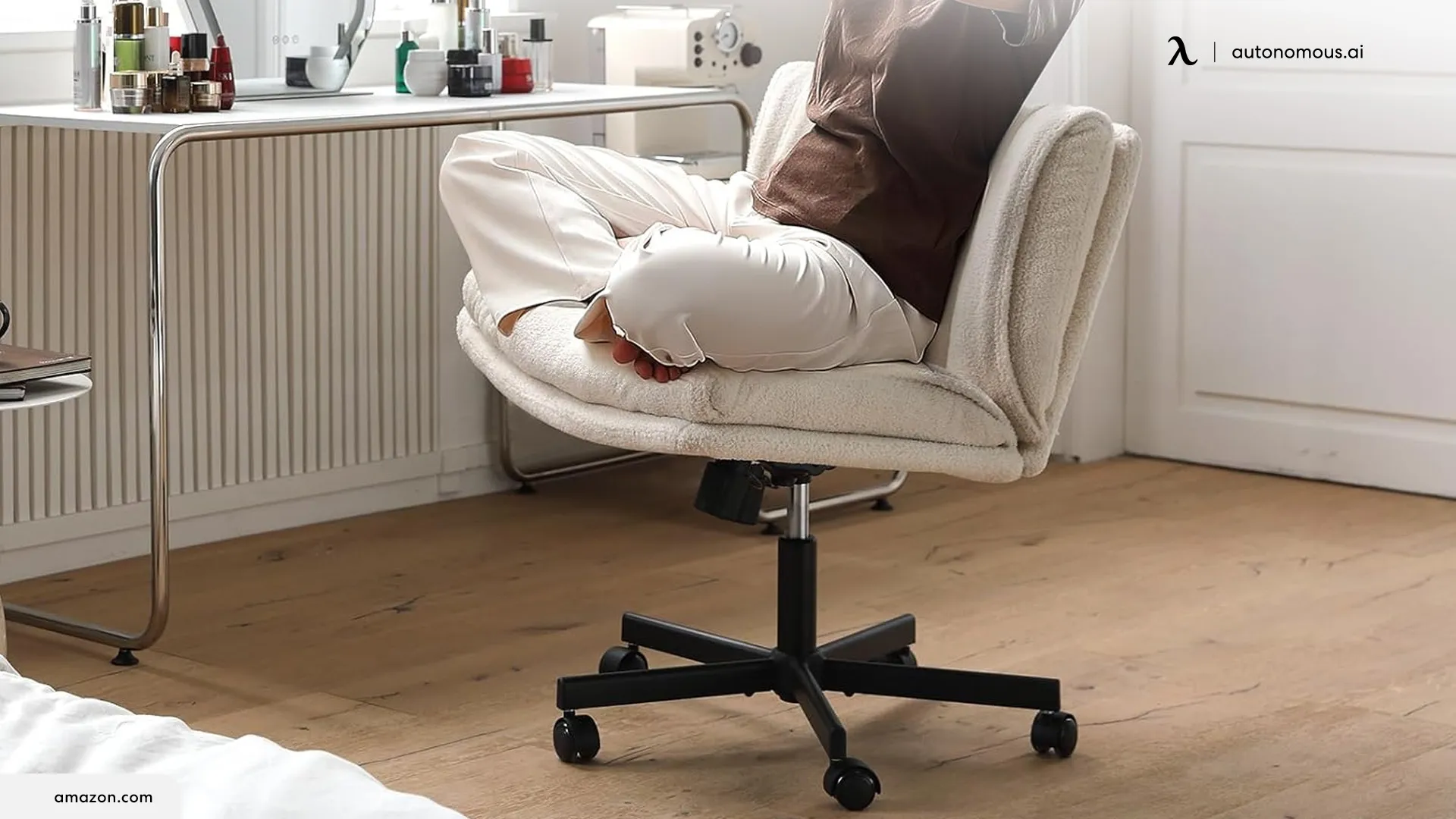
Table of Contents
You've been sitting criss crossed on the floor or crossing your legs in your chair, and now something feels off — a dull ache in your hip, stiffness in your lower back, or a foot that's gone numb. It's a common enough habit, but is sitting criss-cross bad for you?
The short answer: sitting this way for brief periods is generally fine for most people. The concern starts when you hold the position for a long time without changing it, which can put extra strain on your lower back, hips, and knees.
This article breaks down what happens in your body when you sit criss-cross — both on the floor and in an office chair — what the research says, and what you can do to sit more comfortably.
Is Sitting Criss Cross Bad? What Happens to Your Body When You Sit Criss Cross
Sitting criss cross is not inherently bad, but it can cause discomfort or strain when held for long periods.
Short periods are generally safe, but prolonged sitting can affect posture, joints, and nerves.
Sitting criss cross changes how your body distributes weight across your pelvis, spine, and legs. The effects are real, but they depend heavily on how you're sitting — on the floor or in a chair — and how long you stay in the position. These are two different postures with different impacts on different parts of your body.
Criss Cross Sitting in a Chair vs. on the Floor
Position | Main Effect | What Happens |
On the floor | Spinal alignment | Pelvis tilts backward → spine rounds → back stiffness |
In a chair | Asymmetry | Pelvis tilts to one side → uneven muscle load |
Both (prolonged) | Nerve & joint strain | Tingling, tightness, reduced mobility |
In simple terms:
- Floor sitting mainly affects your spine and posture
- Chair sitting mainly creates imbalance and pressure on one side
On the Floor (Criss Cross Applesauce / Tailor Sitting)
Sitting criss cross on the floor — sometimes called tailor sitting or "criss cross applesauce" — places your hips in a wide, outward-rotated position with your knees bent deeply beneath you. For short periods, this is a functional position that gently stretches the inner thighs and engages the core. The issues begin when you hold it for a long time on a flat surface.
When you sit directly on the floor, your hips tend to sit level with or lower than your knees. This causes your pelvis to roll backward — a movement researchers call posterior pelvic tilt. A 2013 study published in the Journal of Mechanical Science and Technology used 3D motion analysis on 26 subjects and found that cross-legged sitting postures produced significantly greater backward pelvic tilting and increased rounding of both the lower and upper spine compared to sitting upright without crossed legs.
What this means for you:
When your pelvis tilts back, the natural inward curve of your lower back flattens out. Your upper back rounds forward, your shoulders follow, and your neck works harder to keep your head upright. That chain of adjustments is why even 15 or 20 minutes of floor sitting can lead to back pain from sitting in a position your body isn't conditioned for.
Your hips are also under load in this position. The criss-cross posture requires outward rotation, which puts sustained tension on deep glute muscles like the piriformis. If this muscle tightens, it can press on the nearby sciatic nerve, leading to aching, tingling, or numbness down the leg.
The knees and ankles take strain too. Both joints are held in deep flexion, and if your hips lack the range of motion to fully support the position, the rotational stress shifts to the knee joint. A 2021 study in the Bulletin of Faculty of Physical Therapy found that habitual cross-legged sitting was associated with impaired lumbar proprioception — the body's ability to sense and control its own spinal position — which over time may contribute to poor postural habits.
None of this means floor sitting is dangerous. It means the position has a time limit, especially on a hard, flat surface with no support under the hips.
Quick takeaway:
Floor sitting is fine short-term, but prolonged sitting on a flat surface can lead to rounded posture, hip tension, and joint strain.
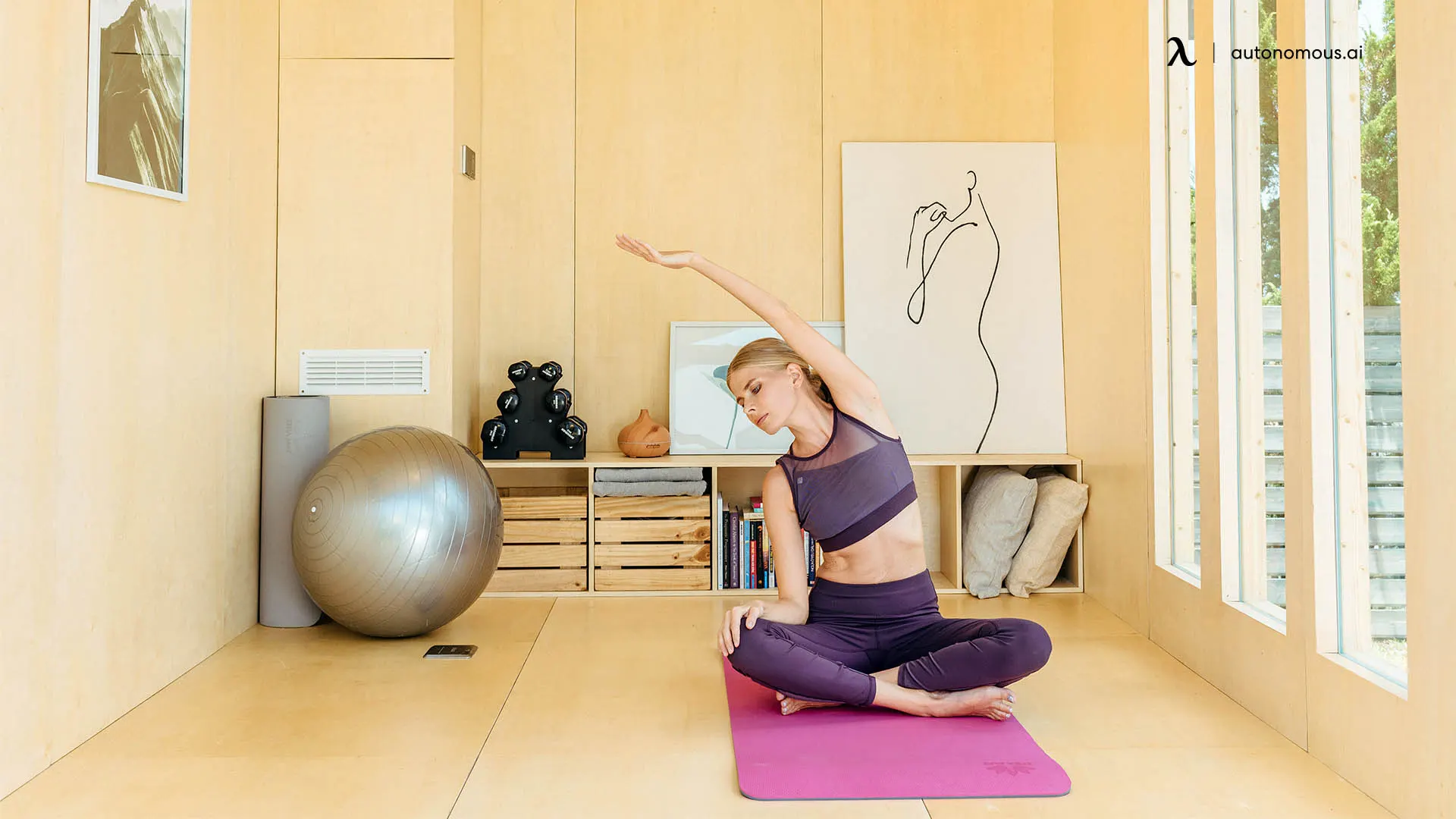
In a Chair (Legs Crossed at the Knee or Ankle)
Sitting cross legged on a chair — one knee over the other or one ankle resting across the opposite leg — creates a different set of effects.
The primary concern here is asymmetry. When you cross one leg over the other, your pelvis tilts to one side. A study published in Physical Therapy Korea (2020) examined both people with and without low back pain and found that cross-legged sitting in a chair significantly increased trunk flexion and pelvic tilt compared to uncrossed sitting — and that slouching while crossed made these effects considerably worse.
What this means for you:
One side of your lower back and hip muscles works harder than the other. Over time, if this becomes a long habit, it can create uneven tension around the pelvis and spine — a common source of hip pain from office chair use. Occasional crossing is unlikely to cause lasting issues — the problem is staying in that position too long.
The peroneal nerve is also commonly affected. It runs near the outside of your knee and can be compressed when one leg rests on top of the other. This causes the familiar tingling or "pins and needles" sensation in your lower leg and foot.
In the vast majority of cases, this resolves within seconds to minutes of uncrossing. However, a clinical study published in The Journal of Korean Neurosurgical Society (2013) documented 26 cases of posture-induced peroneal nerve palsy — where prolonged compression led to temporary foot drop — with a mean compression time of roughly two hours before symptoms appeared. These cases are resolved with conservative treatment, but they illustrate why extended, uninterrupted crossing is worth avoiding.
There’s also a temporary effect on blood pressure. Research in the Journal of Hypertension (2008) found that crossing legs at the knee increased blood pressure by about 3.3 mmHg due to increased cardiac output. This is not a cause of chronic high blood pressure, but it's the reason medical professionals ask you to uncross your legs before a blood pressure reading. Crossing at the ankle, by contrast, did not produce the same increase.
Quick takeaway:
Chair sitting with crossed legs is fine occasionally, but prolonged sitting can cause muscle imbalance, nerve compression, and temporary circulation changes.
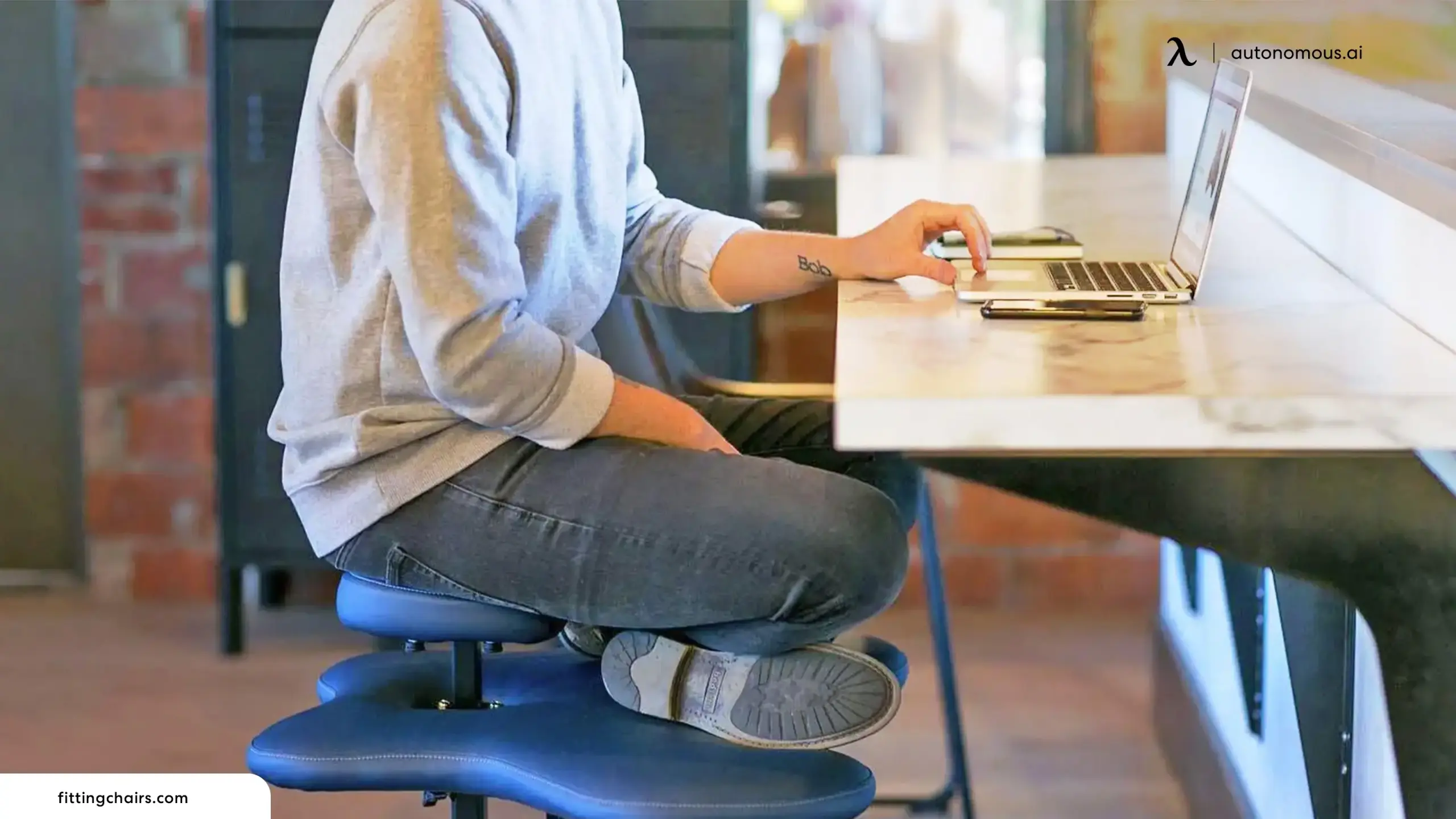
Common Myths About Sitting Criss Cross
Several widely repeated claims about this position are either outdated or flat-out wrong. Separating fact from myth matters, because unnecessary fear about a common sitting habit can lead to anxiety or overcorrection that doesn't actually help.
Does sitting criss-cross cause varicose veins?
No, sitting criss cross does not cause varicose veins.
Varicose veins form when the small one-way valves inside your veins weaken and stop pushing blood back up toward your heart effectively. Blood pools, and the vein bulges. The main risk factors are genetics, age, pregnancy, and long periods of immobility in any position — standing included.
There is no evidence that crossing your legs damages vein valves or increases varicose vein risk. This myth persists partly because people confuse the temporary tingling from nerve compression with a vein problem. They're unrelated mechanisms.
Can sitting cross legged permanently damage your posture?
No, sitting criss cross does not permanently damage your posture.
As covered in the previous section, this position does shift your spinal alignment while you're in it — but those changes are temporary and reverse when you move. Postural problems develop from sustained immobility over long periods, not from any one pose. Research consistently shows that variation matters more than finding one proper sitting posture and holding it indefinitely
Is sitting cross legged bad for your knees?
Not necessarily. Sitting criss cross is not harmful to your knees if your hips have enough mobility.
If your knees ache in this position, the cause is usually limited hip mobility — not knee damage. When the hips lack sufficient outward rotation range, the rotational demand shifts downward to the knee joint, which isn't designed to absorb it well.
Many physical therapists recommend improving hip flexibility as a first step for knee discomfort during cross-legged sitting. For people with adequate hip mobility, the position places no unusual stress on the knee.
Should you never cross your legs?
No, you don’t need to avoid sitting criss-cross entirely.
Some research suggests that for people with a leg-length difference, sitting cross legged may help level the pelvis temporarily. Other findings indicate the position can improve stability in the sacroiliac joints (the joints that transfer load between your spine and legs).
The key is moderation: sit this way if it feels comfortable, change positions regularly, and avoid staying in one position for extended periods. The evidence points toward moderation, not avoidance: sit this way if it's comfortable, change positions regularly, and don't stay locked in for extended periods.
How Long Is Too Long to Sit Criss Cross?
Most experts recommend changing position every 15 to 20 minutes when sitting criss-cross.
There is no fixed time limit that applies to everyone, but guidance from physical therapists and ergonomic research consistently points to this same principle: avoid staying in any one position for too long.
That number isn’t specific to sitting criss cross or crossing your legs on a chair — it applies to any static posture. When you hold a position without moving, your muscles stay contracted in the same pattern, blood flow slows in compressed areas, and joints carry the same load continuously. The discomfort you feel is your body’s signal to shift.
For criss cross sitting specifically, here are the signs you've stayed too long:
- Numbness or tingling in your foot or lower leg
- A deep, dull ache in your hips or glutes
- Stiffness in your lower back when you stand up
- One leg feeling noticeably heavier or slower to respond than the other
These are not signs of injury in most cases. They usually reflect temporary compression and reduced circulation, and they improve once you move.
But they are reliable cues to change position before discomfort builds up or lingers.
A practical approach: if you prefer sitting criss-cross, in a chair or on the floor, alternate which leg you cross on top, shift between crossed and uncrossed positions, and stand or walk briefly at regular intervals. The position you hold matters far less than how long you hold it. Or as many physical therapists put it: your best posture is your next posture.
.webp)
5 Stretches to Make Criss Cross Sitting More Comfortable
If sitting criss-cross causes discomfort, the issue is usually tight hips, short hamstrings, or a core that isn't engaging enough to support your spine in the position. These seated back stretches help you sit criss-cross more comfortably by improving hip mobility, hamstring flexibility, and core support.
Stretch | Targets | Hold / Reps | Difficulty |
Hip Flexor Stretch | Front of hip | 30 sec each side | Easy |
Pigeon Pose | Glutes, outer hip | 30–60 sec each side | Moderate |
Figure-4 Stretch | Glutes, outer hip | 30 sec each side | Easy |
Seated Hamstring Stretch | Back of thigh | 30 sec each side | Easy |
Glute Bridge | Glutes, lower back | 10–12 reps × 3 rounds | Easy |
- Hip Flexor Stretch
Kneel on one knee with your opposite foot flat on the floor in front of you, forming a 90-degree angle at both knees. Shift your weight gently forward until you feel a stretch across the front of your back hip. Hold for 30 seconds, then switch sides.
This loosens the hip flexors — the muscles at the front of your hip that tighten from long hours of standard sitting and make cross-legged positions feel restricted.
- Pigeon Pose
Start on your hands and knees. Bring your right knee forward and angle your right shin across your body so it rests on the floor in front of you. Extend your left leg straight back behind you. Lower your upper body toward the floor as far as is comfortable and hold for 30 to 60 seconds, then switch sides.
This targets the deep muscles in your glutes and the outside of your hip — the same muscles that bear the most load when you sit criss-cross on the floor.
- Figure-4 Stretch (Lying Down)
Lie on your back with both knees bent and feet flat on the floor. Cross your right ankle over your left knee, then gently pull your left thigh toward your chest with both hands. You should feel a stretch deep in your right glute and outer hip. Hold for 30 seconds, then switch sides.
This is a good option if the pigeon pose feels too intense — it works the same area with more control over the pressure.
- Seated Hamstring Stretch
Sit on the floor with your left leg extended straight in front of you and your right foot placed against your inner left thigh. Keeping your back flat (not rounded), lean forward from your waist until you feel a pull along the back of your extended leg. Hold for 30 seconds, then switch sides.
Tight hamstrings pull the pelvis backward when you sit on the floor, which is one of the main reasons your lower back rounds out during criss cross sitting.
- Glute Bridge
Lie on your back with both knees bent, feet flat on the floor about hip-width apart. Press through your heels and lift your hips toward the ceiling until your body forms a straight line from your knees to your shoulders. Squeeze your glutes at the top, then lower back down slowly. Do this 10 to 12 times, rest briefly, and repeat for two more rounds.
Unlike the four stretches above, this one builds strength — specifically in the glutes and lower back muscles that stabilize your pelvis when you sit in any position. Improving pelvic stability so sitting criss cross feels more supported and less tiring.
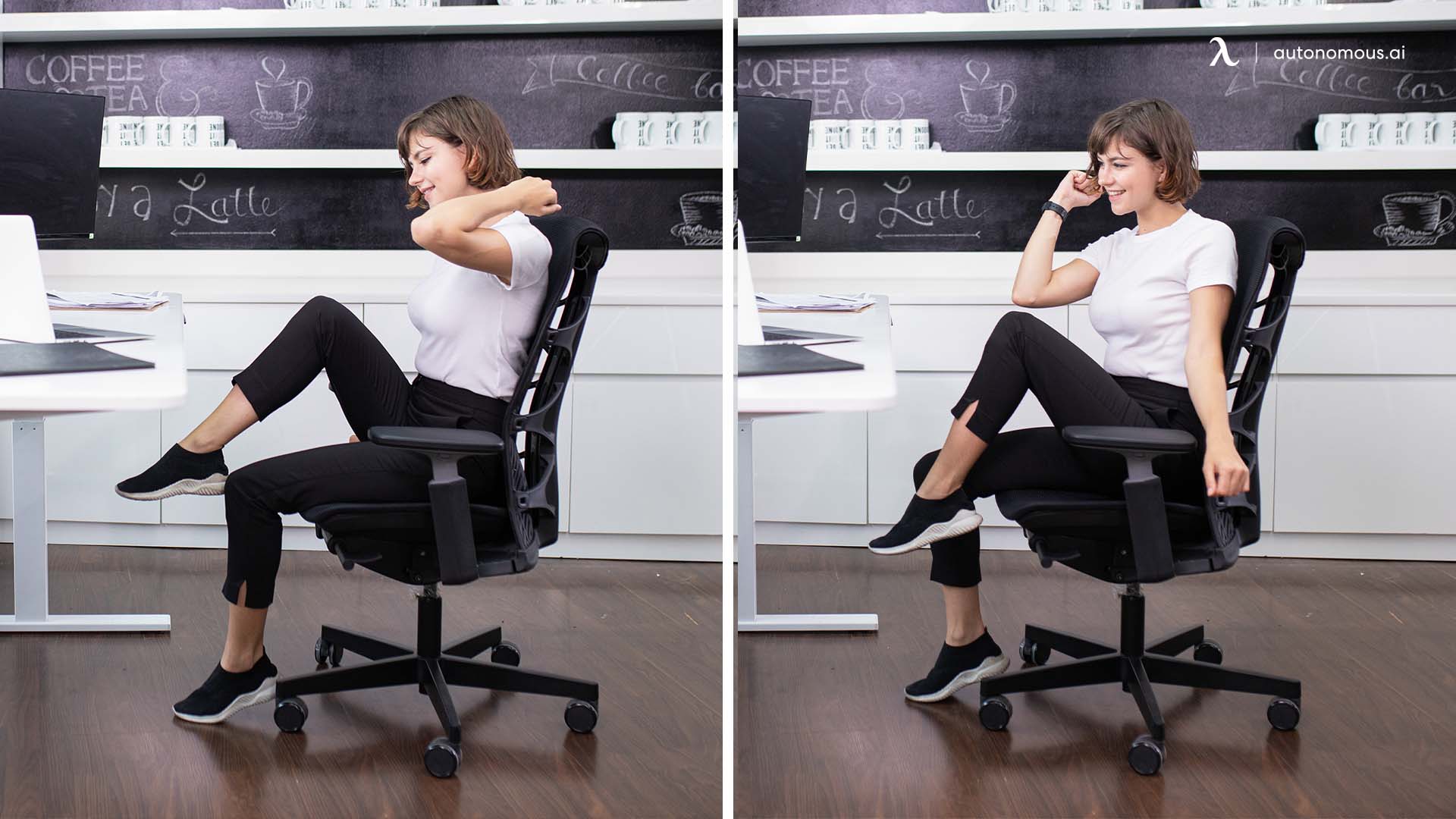
Better Sitting Alternatives to Reduce Strain
Stretching helps your body tolerate criss-cross sitting. But if the position regularly causes problems, switching how you sit — and where you sit — can reduce strain without requiring you to give up the floor or informal sitting entirely.
Alternative Sitting Positions
These four positions offer many of the same benefits as criss-cross sitting — a low, grounded posture that feels relaxed and informal — with less sustained load on any single joint.
Position | How It Works | What It Reduces |
Butterfly | Soles of feet together, knees dropped out to sides | Knee flexion stress compared to full criss cross |
Side-Sit | Both knees bent, legs dropped to one side | Hip rotation demand (alternate sides every few minutes) |
Seiza (Kneeling) | Knees together, sitting on heels or a cushion between them | Lower back rounding — keeps spine neutral naturally |
Legs Extended | Legs straight out in front, slightly apart | All rotational stress on hips and knees |
One adjustment makes nearly every floor position more comfortable: elevating your hips. Sitting on a firm cushion, a folded blanket, or a yoga block lifts your hips above your knees, which helps your pelvis tilt forward slightly instead of rolling backward. This keeps the natural curve in your lower back intact and takes pressure off your spine. If you only make one change to how you sit on the floor, this is the one worth trying.
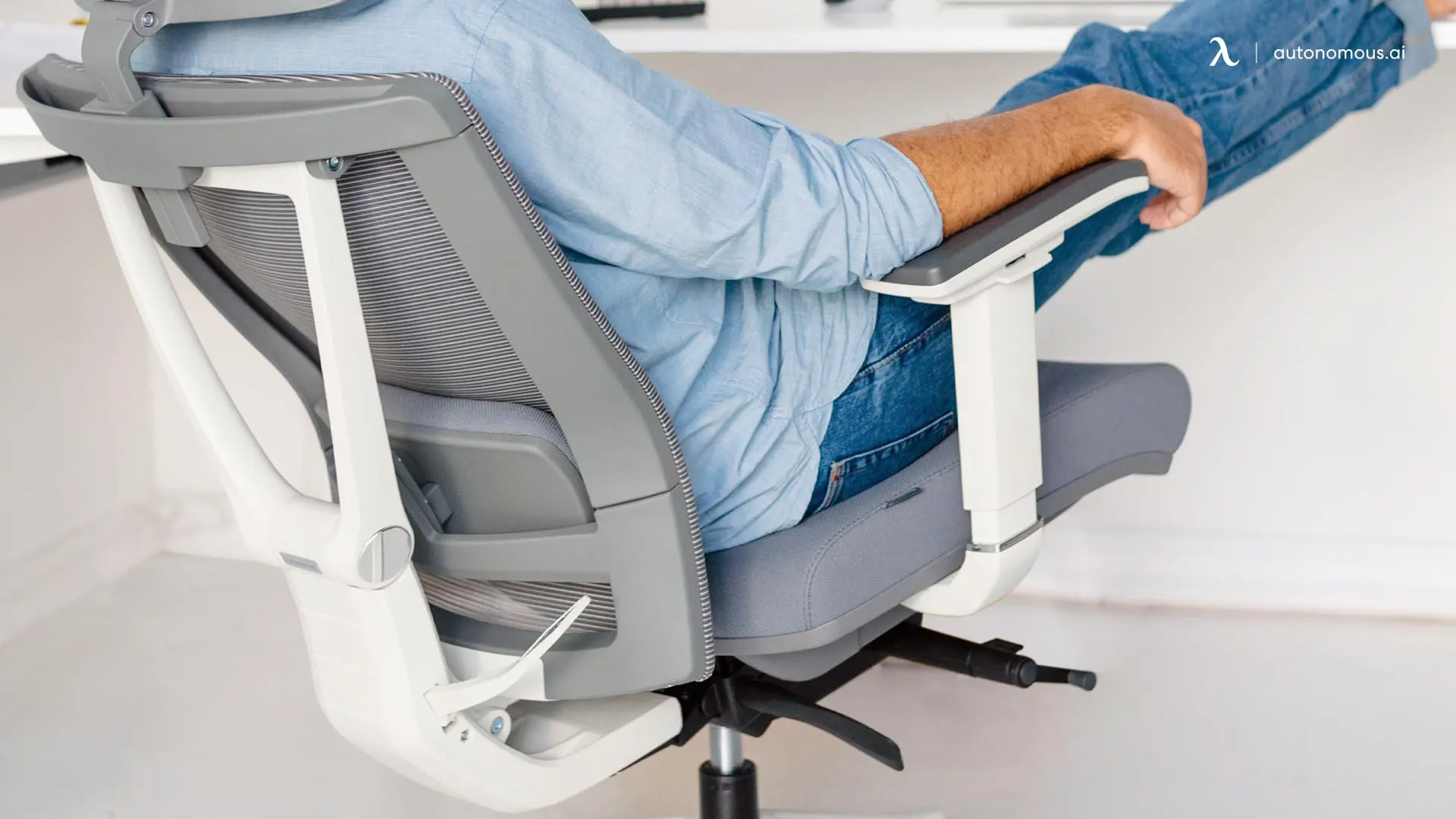
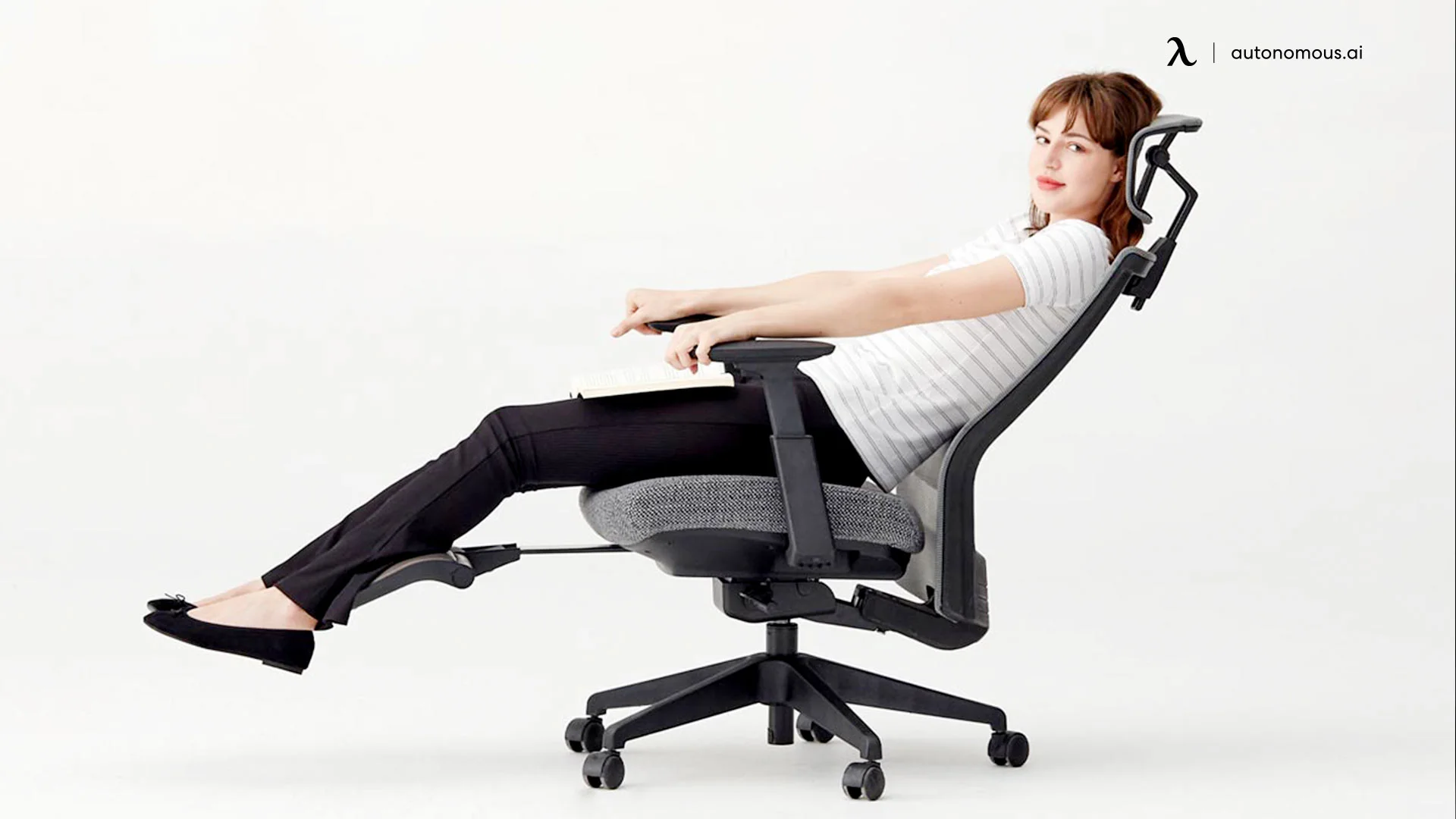
If you're in a chair rather than on the floor, a reclined position with proper back support is another way to give your hips and lower back a break from upright sitting. None of these positions need to replace criss cross sitting permanently. The goal is rotation — spending time in several positions throughout a sitting session rather than locking into one.
Workspace Adjustments That Help
If you find yourself sitting cross legged in an office chair regularly, it's worth asking why. In most cases, habitual leg-crossing in a chair is a comfort-seeking response — your body adjusting to a setup that isn't quite right.
Chair height is the most common culprit — and in some cases, switching to one of the better posture chairs on the market addresses the problem at the source. If your feet don't rest flat on the floor when your thighs are parallel to the ground, the chair is too high or too low. That mismatch makes flat-footed sitting feel unnatural, and your legs look for a more comfortable arrangement — crossing included. Adjusting the seat height so your knees sit at roughly the same level as your hips often reduces the urge to cross.
Monitor and desk alignment plays a role too. If your screen is too low or too far away, you lean forward to compensate. That forward lean posture shifts your center of gravity, and your body responds by rearranging your legs for balance — often into a crossed position. Raising your monitor to eye level and keeping your keyboard within easy reach reduces that forward pull.
Sit-stand transitions address the underlying problem behind most sitting discomfort: staying in one position too long. Alternating between sitting and standing every 60 to 90 minutes keeps your muscles active and your joints loaded in different ways throughout the day. A height-adjustable standing desk makes this practical — one button press changes your working height without interrupting your workflow.
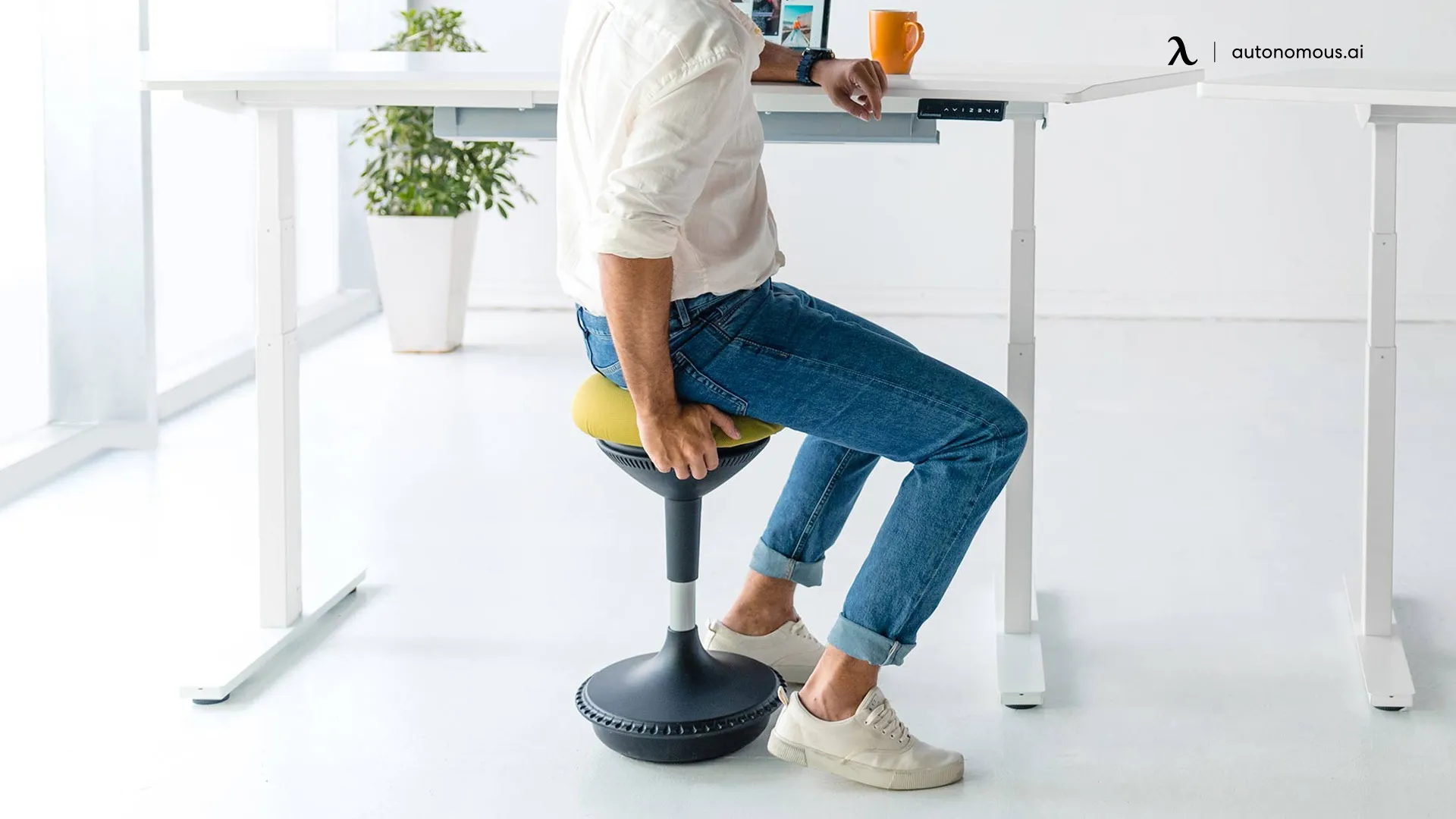
Active sitting takes a different approach. An ergonomic stool removes the passive back support that lets your muscles disengage. Without it, your legs and core stay lightly engaged to maintain balance, which makes crossing your legs physically impractical. It's a behavioral correction built into the furniture — an approach also used in ADHD office chairs designed for people who need constant movement to focus.
When to See a Professional
Most discomfort from sitting criss cross is positional — it starts when you sit and fades shortly after you move. That kind of discomfort is normal and doesn't require medical attention.
However, some symptoms are worth getting evaluated by a doctor or physical therapist. These include:
- Sharp or persistent knee pain that doesn't ease within a few minutes of changing position
- Numbness or tingling in your foot or lower leg that lingers after you've stood up and walked around
- Pain that radiates from your hip or glute down the back of your leg
- A clicking, catching, or locking sensation in your hip joint when you move into or out of a crossed position
- Inability to sit cross legged at all due to pain — not just stiffness or tightness, but a clear pain response
These symptoms don't necessarily mean something is wrong. But they can overlap with conditions that benefit from early assessment, and a professional can determine whether the issue is muscular, joint-related, or nerve-related far more reliably than self-diagnosis.
The goal of this article is to help you understand what happens in your body during criss cross sitting and what you can do about everyday discomfort. It is not a substitute for personalized medical advice. If something doesn't feel right, getting it checked is always a reasonable step.
FAQs
Is sitting criss cross bad for your back?
Sitting criss-cross can strain your back if done for long periods, especially on a flat surface.
Sitting criss-cross on the floor tends to tilt the pelvis backward and flatten the natural curve of the lower back, which increases pressure on the spinal discs. Sitting on a cushion that elevates the hips above the knees reduces this effect significantly. Brief periods in this position are unlikely to cause back problems for most people.
Is sitting cross legged bad for your knees?
Sitting criss cross is not bad for your knees in most cases. Knee discomfort during cross-legged sitting is usually a sign of tight hips, not knee damage. When the hips lack enough outward rotation, the knee absorbs the rotational stress instead. Improving hip mobility through regular stretching typically reduces discomfort.
Can sitting cross legged cause sciatica?
Sitting criss cross does not directly cause sciatica, but it can trigger similar symptoms.
Sciatica involves compression of spinal nerve roots. However, prolonged criss cross sitting can tighten the piriformis muscle, which sits near the sciatic nerve. If this muscle presses on the nerve, it can lead to pain, tingling, or numbness down the leg.
Is it bad to sit criss-cross in a chair?
Sitting criss-cross in a chair is not harmful for short periods.
The main concerns with prolonged sitting are peroneal nerve compression at the knee and a lateral pelvic tilt that unevenly loads the lower back. Crossing at the ankle places less strain on both the nerve and pelvis than crossing at the knee.
Can sitting cross legged cause blood clots?
Sitting cross legged alone does not cause blood clots. However, any prolonged sitting — whether legs are crossed or not — can slow blood flow in the lower legs. This can increase risk for people already prone to deep vein thrombosis.
Is sitting cross legged good for you in any way?
Yes, sitting criss-cross can have benefits when used in moderation. It provides a gentle stretch for the inner thighs, engages the core, and may improve stability in the sacroiliac joints. It also helps maintain hip mobility when alternated with other sitting positions.
Is it bad to sit criss-cross applesauce for kids?
No, sitting criss-cross applesauce is safe for kids in normal use. It gently stretches the hips and engages the core, and is generally better than W-sitting. If a child struggles to sit upright in this position, it may indicate tight hamstrings or developing core strength — not a problem with the posture itself.
How long can you sit criss-cross safely?
Most experts recommend changing position every 15 to 20 minutes when sitting criss-cross. This applies to any static posture. Holding one position for too long increases muscle fatigue, joint pressure, and reduced circulation.
How can I stop sitting cross legged at my desk?
The most effective approach is to address what's making uncrossed sitting uncomfortable. Check that your chair height allows your feet to rest flat on the floor with your thighs roughly parallel to the ground. Make sure your monitor is at eye level so you're not leaning forward. If the habit persists, alternating between sitting and standing throughout the day naturally breaks the pattern because standing eliminates the option entirely.
Conclusion
So, is sitting criss-cross bad for you? Not inherently. The position itself is a normal, functional way to sit — on the floor or in a chair. It stretches the hips, engages the core, and for short periods, carries no meaningful risk for most people.
The problems start with duration, not the pose. Holding any position for too long creates strain. Criss cross sitting is no exception. The fix is straightforward: change positions regularly, build hip and hamstring flexibility over time, and pay attention when your body signals that it's time to move.
If discomfort during or after criss cross sitting persists despite regular movement and stretching, that's worth discussing with a doctor or physical therapist.
There's no reason to avoid this position. There's also no reason to stay locked in it.