Are Standing Desks FSA or HSA Eligible? A Complete Guide 2026


Table of Contents
- What Is an FSA (Flexible Spending Account)?
- What Is an HSA (Health Savings Account)?
- Quick Comparison
- Is a Standing Desk FSA Eligible?
- Is a Standing Desk HSA Eligible?
- Why a Standing Desk May Qualify for FSA or HSA
- What Standing Desk Purchases May Be Eligible?
- How to Use FSA or HSA Funds to Buy a Standing Desk
- Example Letter of Medical Necessity for a Standing Desk
- Best Autonomous Standing Desks to Consider for FSA and HSA Purchases
- FAQs
- Final Thoughts
Many people looking to improve their workspace ask the same question: is a standing desk FSA eligible, or can you use an HSA to buy one? If you experience back pain, posture problems, or discomfort from long hours of sitting, a standing desk can be a helpful upgrade—but eligibility under Flexible Spending Accounts (FSA) or Health Savings Accounts (HSA) isn’t always straightforward.
The short answer is that a standing desk may be eligible for FSA or HSA reimbursement, but typically only with a Letter of Medical Necessity (LMN) from a healthcare provider. This guide explains how standing desk FSA and HSA eligibility works, what documentation you need, and how to successfully claim reimbursement.
Before looking at standing desk eligibility, it helps to understand the difference between these two healthcare spending accounts.
What Is an FSA (Flexible Spending Account)?
An FSA is a pre-tax account offered through many employers that allows employees to set aside money for eligible healthcare expenses. Because the funds are deducted before taxes, an FSA helps reduce overall healthcare costs.
However, FSA funds usually expire at the end of the year if they are not used, depending on the employer’s plan rules.
What Is an HSA (Health Savings Account)?
An HSA is a tax-advantaged savings account available to people enrolled in high-deductible health plans. Unlike FSAs, HSA funds:
- Roll over year to year
- Can accumulate like savings
- May even earn interest
HSA funds can be used for many qualified medical expenses, but eligibility rules are still governed by IRS guidelines.
Quick Comparison
Feature | FSA | HSA |
Who manages it | Employer | Individual |
Fund rollover | Often limited | Unlimited |
Tax advantage | Pre-tax contributions | Triple tax advantage |
Medical purchases | Eligible expenses only | Eligible expenses only |
Both accounts can potentially cover ergonomic equipment—but only under certain conditions.
Is a Standing Desk FSA Eligible?
A common question is “does FSA cover standing desk purchases?” The answer is: sometimes.
Under most FSA plans, a standing desk is not automatically considered a qualified medical expense. However, it may be approved if it is medically necessary to treat or manage a health condition.
To qualify, you typically need a Letter of Medical Necessity from a healthcare provider stating that the desk is required to treat a medical condition such as:
- Chronic lower back pain
- Sciatica
- Spinal conditions
- Posture-related musculoskeletal issues
- Circulation problems caused by prolonged sitting
When a doctor confirms the medical need, the purchase may qualify as a standing desk covered by FSA reimbursement.
Is a Standing Desk HSA Eligible?
Similar rules apply to standing desk HSA eligibility.
An HSA generally allows reimbursement for medically necessary equipment, but a standing desk must be prescribed as part of treatment for a specific health issue.
In practice, this means:
- You obtain a Letter of Medical Necessity
- You purchase the desk
- You submit documentation to your HSA provider or reimburse yourself
Because HSAs are more flexible accounts, reimbursement is often easier once proper documentation is provided.
Why a Standing Desk May Qualify for FSA or HSA
Healthcare providers may recommend a height-adjustable standing desk when sitting for extended periods contributes to pain or health concerns.
Some of the most common medical reasons include:
- Back Pain: Alternating between sitting and standing helps reduce strain on the spine and improve posture.
- Sciatica or Disc Issues: Standing desks allow movement that can relieve pressure on spinal nerves.
- Posture Problems: Adjustable desks encourage better alignment and reduce slouching during long work sessions.
- Circulation Concerns: Standing periodically can help reduce stiffness and improve blood flow during desk work.
When a doctor determines that a sit-stand setup helps treat these conditions, it can justify standing desk FSA or HSA eligibility.

What Standing Desk Purchases May Be Eligible?
If approved by a healthcare provider, several workspace items may qualify under FSA or HSA reimbursement.
Possible eligible purchases include:
- Electric standing desks
- Standing desk converters
- Anti-fatigue mats
- Ergonomic chairs (in some cases)
- Workspace ergonomic accessories
Again, eligibility depends on medical documentation and the policies of the account administrator.
How to Use FSA or HSA Funds to Buy a Standing Desk
If you believe a standing desk may qualify, the process is usually manageable as long as you prepare the right documentation.
Step 1: Talk to your doctor
Start by discussing your symptoms and daily work setup with a licensed healthcare provider. Explain how long you sit each day, what kind of pain or discomfort you experience, and whether your symptoms improve when you stand or change positions.
This conversation is important because reimbursement usually depends on whether the desk is considered medically necessary, not just helpful.
Step 2: Get a Letter of Medical Necessity
If your provider believes a standing desk is appropriate, ask for a Letter of Medical Necessity (LMN). This is one of the most important documents in the process.
A strong LMN usually includes:
- your diagnosed condition or symptoms
- why a standing desk is being recommended
- how it supports treatment or symptom relief
- the provider’s signature and date
Without this letter, many FSA claims for standing desks will be denied.
Step 3: Confirm the rules with your plan administrator
Before buying, check your FSA or HSA provider’s reimbursement rules. Some administrators have their own claim forms or documentation requirements. Confirming this early can save time and prevent claim issues later.
Step 4: Purchase the standing desk
Once you have your documentation, choose a standing desk that fits your needs. Keep the full receipt, order confirmation, and product details in case they are requested during review.
Step 5: Submit your claim
For FSA reimbursement, you usually submit:
- your receipt
- the Letter of Medical Necessity
- any claim forms your administrator requires
For HSA purchases, you may either pay directly with HSA funds or reimburse yourself after purchase, depending on how your account is set up.
Step 6: Save your records
Even after reimbursement is approved, keep your documentation on file. If you are ever asked to verify the purchase later, you will want a clear record showing why the standing desk was medically necessary.

Example Letter of Medical Necessity for a Standing Desk
If you are applying for reimbursement, the Letter of Medical Necessity should clearly connect the desk to a health condition. The stronger and more specific the wording, the better.
Here is a simple example:
To whom it may concern:
This patient experiences chronic lower back pain that is aggravated by prolonged sitting during work hours. I recommend a height-adjustable standing desk to allow the patient to alternate between sitting and standing throughout the day as part of symptom management and posture support.
This equipment is medically necessary to help reduce pain and support ongoing treatment.
Sincerely,
[Provider Name]
[Title / License]
[Date]
Your doctor may use different wording, but the main goal is to show that the desk is part of medical care, not just a general office improvement.
Best Autonomous Standing Desks to Consider for FSA and HSA Purchases
If your FSA or HSA plan allows reimbursement with the right documentation, the next step is choosing a desk that fits your daily routine. Autonomous standing desks may be eligible for FSA and HSA purchase through Truemed — a platform that guides qualified customers through a clinical intake form to obtain a Letter of Medical Necessity at checkout.
For most people, Autonomous Desk Core is the easiest place to start. It’s the value pick in the lineup, starting at $299, and works well for simple home office setups or anyone buying their first electric standing desk.
.webp)
If you want a stronger upgrade, Autonomous Desk Pro is the better fit. Starting at $499, it’s designed for higher performance, with quieter movement and greater stability for daily sit-stand use. If you plan to raise and lower your desk often, this is the model that makes the habit feel easier to keep.
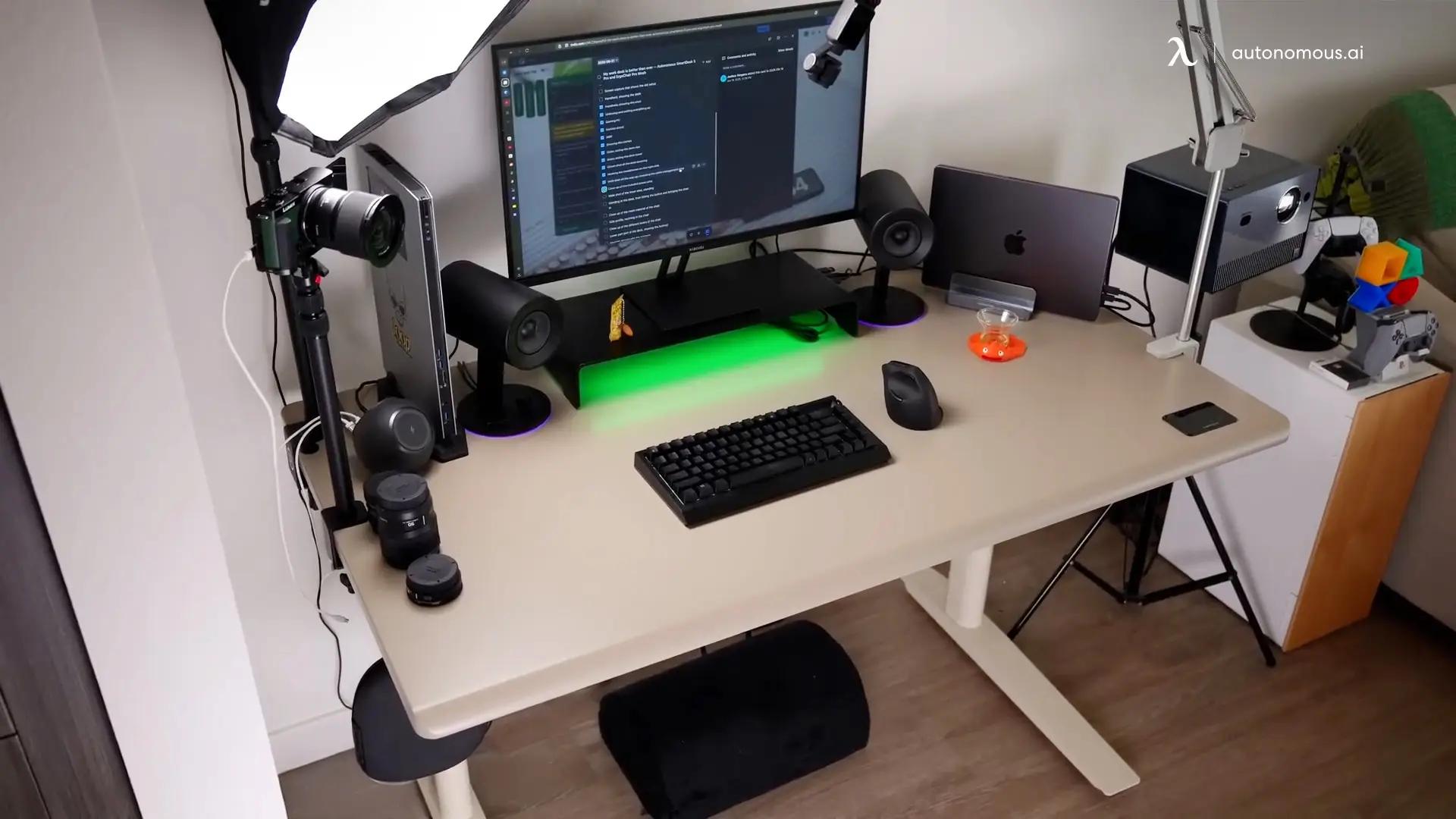
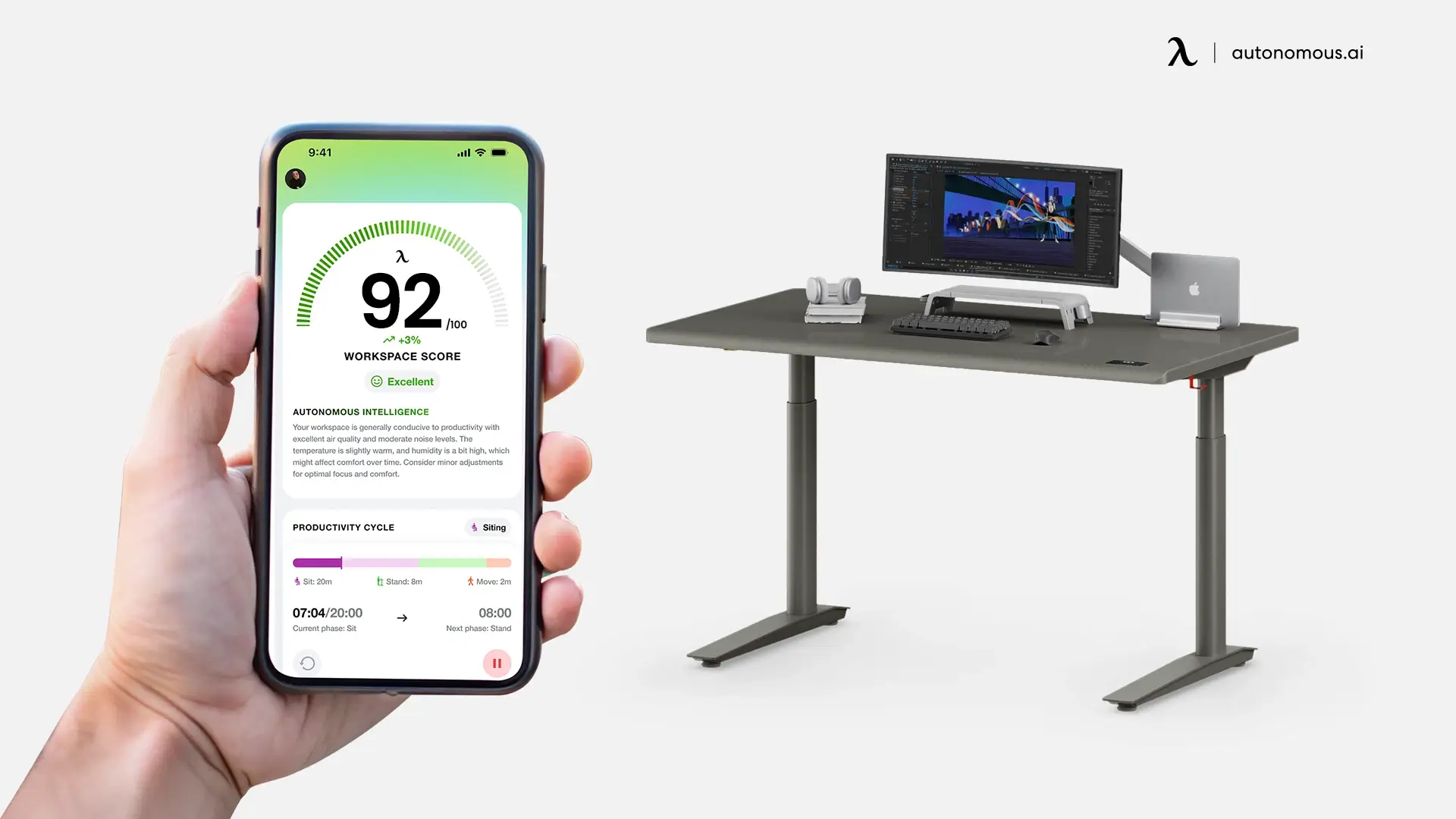
If you want more built-in guidance, Autonomous Desk AI starts at $549 and adds Workspace Score to help you better understand how your environment and work habits affect your day.
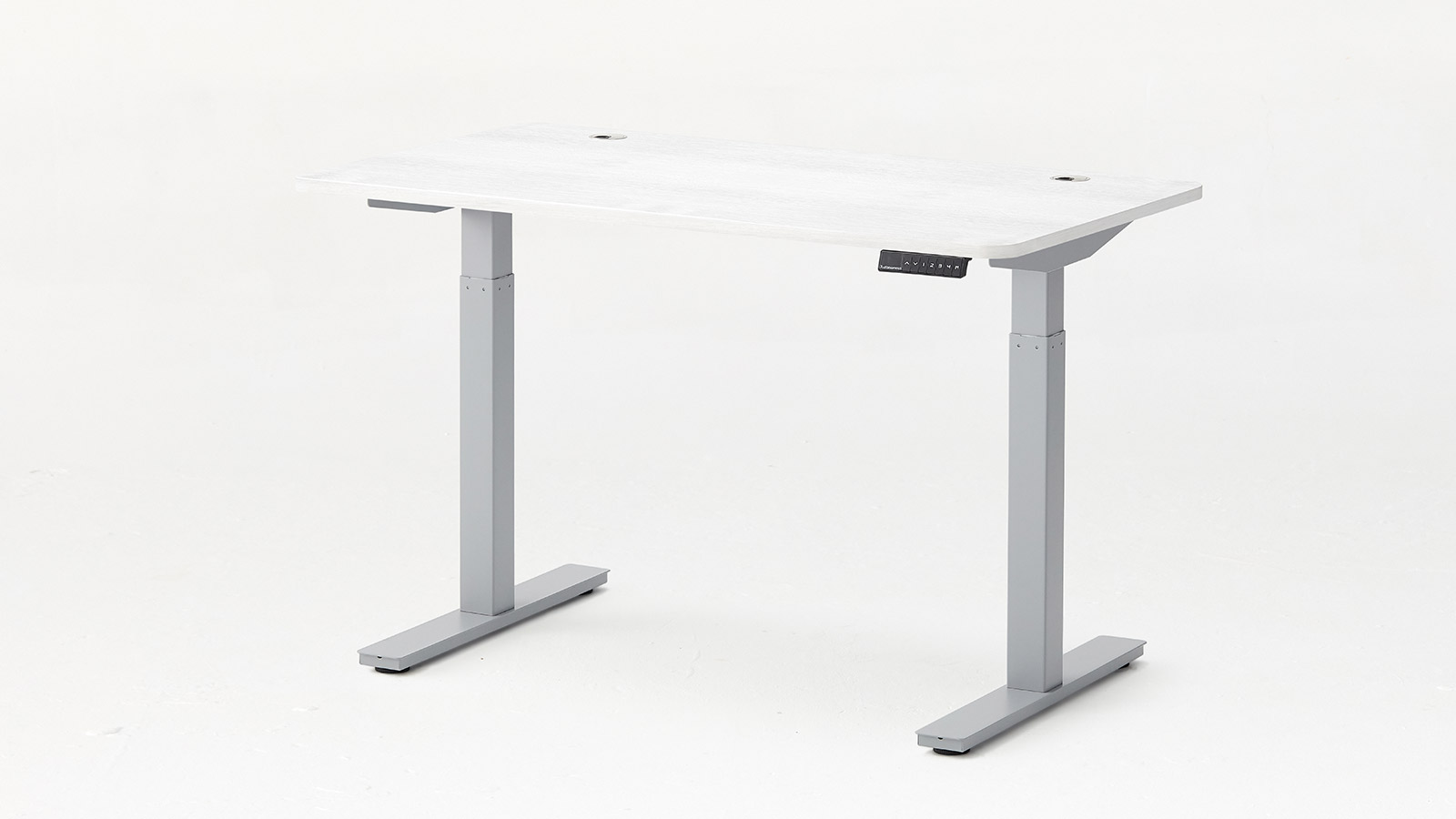
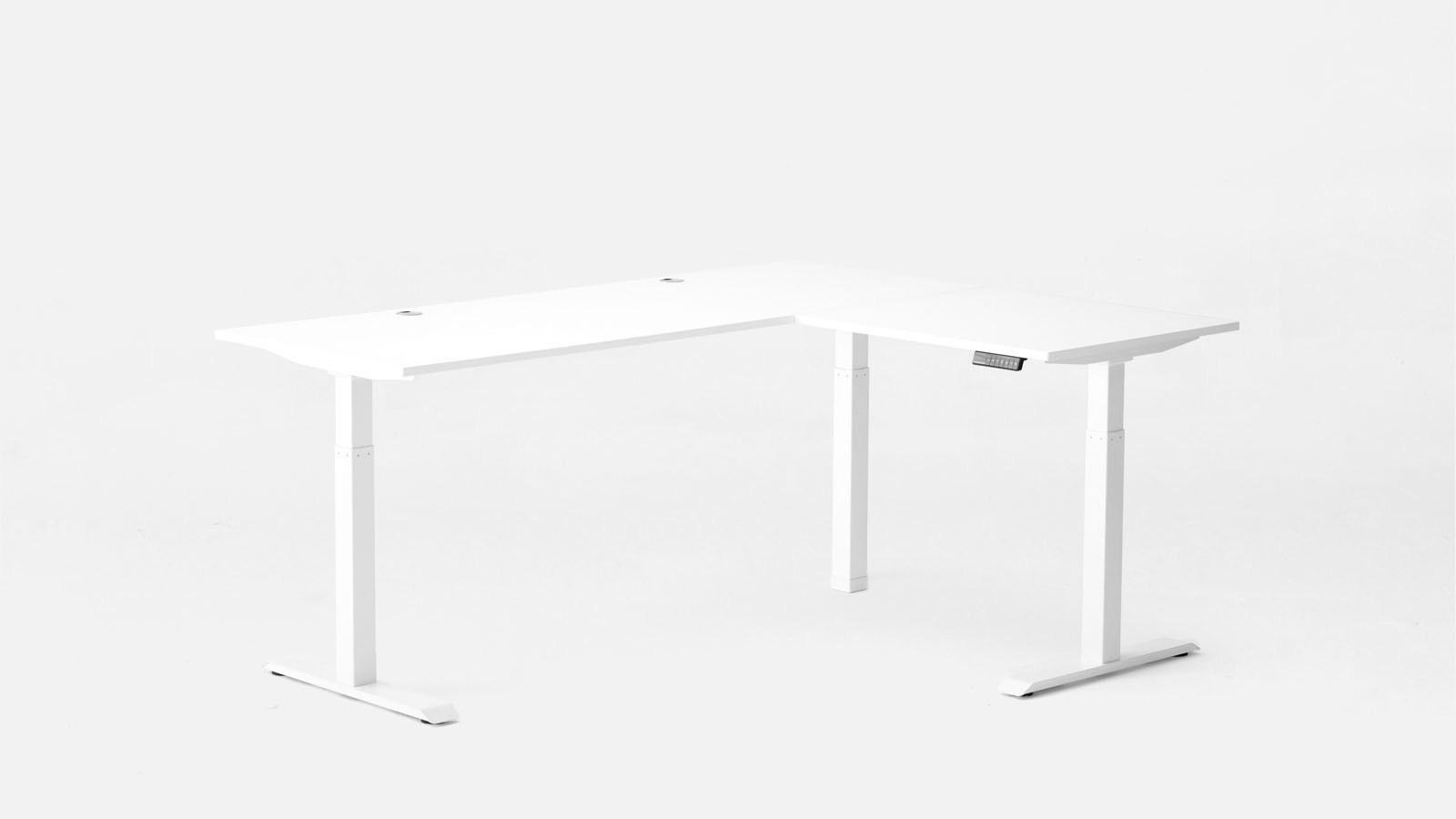
And if you need more room, Autonomous Desk 2 and Desk 2 L-Shaped offer wider surfaces for larger setups and multitasking. Across the lineup, Autonomous also offers 30-day returns and frame warranties of up to 10 years, making these desks a practical long-term choice for ergonomic support.
Across the lineup, Autonomous also offers 30-day returns and frame warranties of up to 10 years, making these standing desks a practical long-term choice for ergonomic support. To use pre-tax FSA or HSA funds at checkout, select Truemed as your payment method and complete the clinical intake form directly. The cost of Truemed's services is included in your purchase price.
Truemed is for qualified customers. HSA/FSA tax savings vary. Learn more at truemed.com/disclosures.

FAQs
Is a standing desk FSA eligible?
It can be, but usually only with a Letter of Medical Necessity from a healthcare provider. Without medical documentation, it is generally not considered a standard FSA expense.
Does FSA cover standing desk purchases automatically?
No. Most plans do not automatically cover standing desks. Approval typically depends on medical necessity and supporting paperwork.
Is standing desk HSA eligible?
In many cases, yes — as long as the desk is medically necessary and properly documented. HSA reimbursement rules are often similar to FSA rules in this situation.
What proof is needed for reimbursement?
At minimum, you will usually need a receipt and a Letter of Medical Necessity. Some providers may also require a claim form or product description.
Are standing desk converters FSA eligible?
They may be, if they are prescribed for a medical reason and supported by documentation. The same general medical necessity standard usually applies.
Is a standing desk covered by FSA for general wellness?
Usually not. General wellness, comfort, or productivity alone is not enough in most cases. The purchase typically needs to be tied to a diagnosed condition or treatment need.
Final Thoughts
Standing desks have become increasingly popular for improving posture and reducing discomfort during long workdays. While standing desk FSA or HSA eligibility isn’t automatic, reimbursement is often possible with proper medical documentation.
If you experience back pain or discomfort from extended sitting, speaking with a healthcare provider about a height-adjustable desk could be a helpful step toward building a healthier workspace.