Why Office Air Quality Deserves More Attention

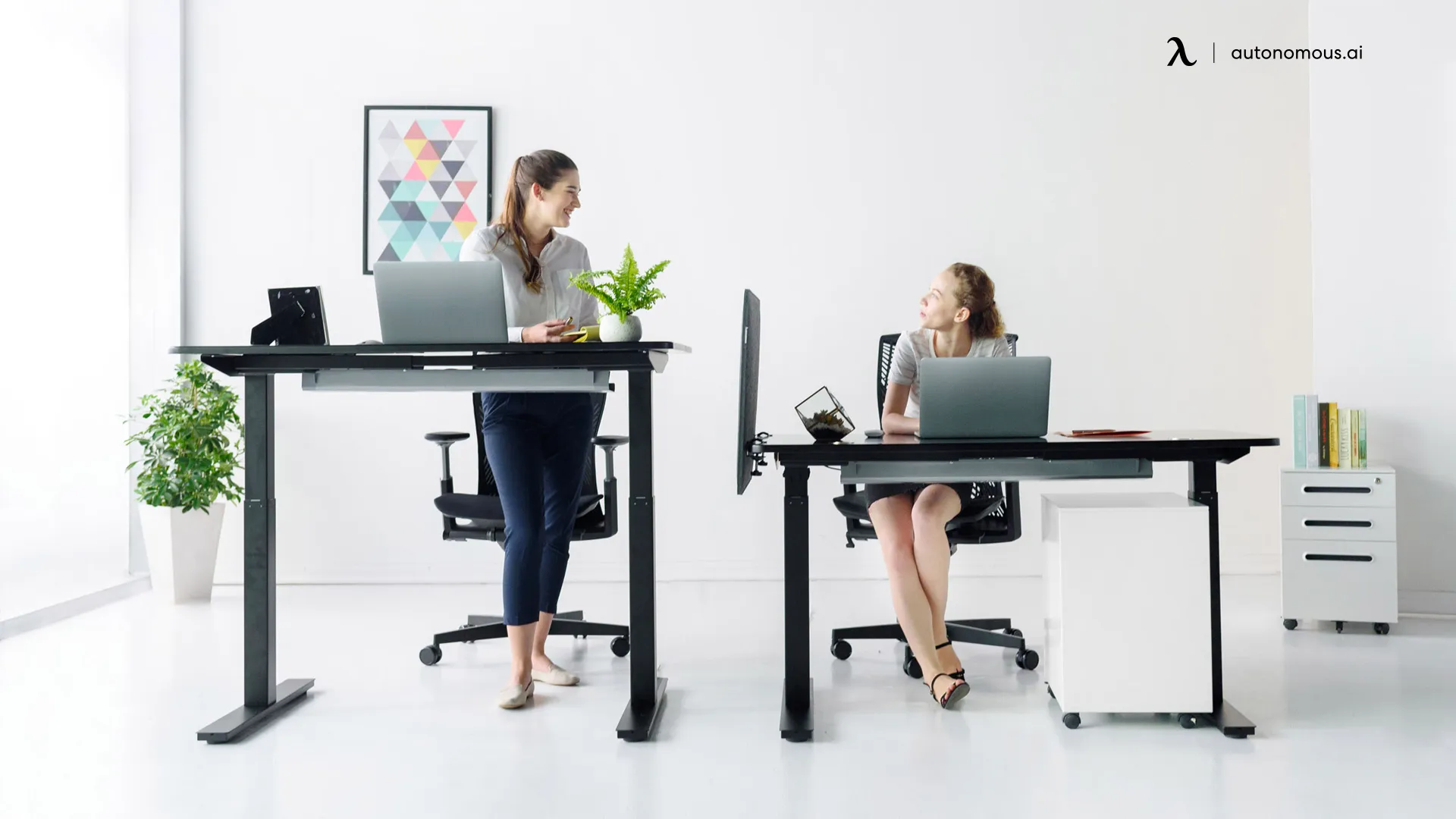
Office air quality refers to the condition of the air inside office buildings and how well it supports comfort during the workday. It is a core part of the indoor environment, alongside lighting, temperature, and noise, but is often less visible and harder to assess.nUnlike outdoor air quality, indoor air can appear normal while still being stale or poorly circulated. Because office work involves long hours indoors, small air quality issues can build up over time. Conditions also change throughout the day as occupancy, ventilation, and outdoor air shift, meaning a space that feels fine in the morning may feel less comfortable by the afternoon.
Why Is Indoor Air Quality Important for Office Workers?
- Long exposure hours: Most office workers spend the majority of their day inside enclosed spaces, often at the same workstation. This prolonged exposure makes air quality a consistent part of daily comfort.
- Gradual buildup of discomfort: When air quality is overlooked, changes tend to happen slowly. Spaces may feel stuffy later in the day, and concentration can feel harder to maintain, often mistaken for normal fatigue.
- Timing matters: By the time discomfort is noticed, air conditions may have been suboptimal for hours. This makes indoor air quality a preventive concern rather than something to address only after complaints arise.
- Balance over extremes: Indoor air quality is rarely about severe problems. Small, ongoing improvements in ventilation and circulation can make a noticeable difference over long workdays, even when conditions meet basic standards.

Factors That Contribute to Office Air Quality
Office air quality is influenced by a combination of environmental, physical, and usage-related factors. These elements interact throughout the day, which is why air quality can vary between rooms and change over time.
1. Ventilation and Air Circulation
Ventilation plays a central role in office air quality. Offices that rely heavily on recirculated air or have uneven airflow can experience a buildup of stale air, particularly in enclosed spaces. Meeting rooms are a common example, where air quality can decline quickly during long or back-to-back sessions if fresh air intake does not keep pace with occupancy.
2. Occupancy and Space Usage
The number of people in a space affects air conditions more than many expect. As occupancy increases, carbon dioxide levels and humidity tend to rise, especially when ventilation remains constant. Hybrid work patterns add complexity, as daily attendance can fluctuate, making it harder for systems designed around fixed occupancy to maintain balance.
3. Office Materials and Equipment
Materials inside the office environment also contribute to air quality. Furniture, carpets, paints, and cleaning products can release airborne compounds over time. Office equipment such as printers and copiers can further affect air conditions, particularly in smaller or poorly ventilated rooms.
4. Seasonal and External Conditions
Outdoor conditions influence indoor air more than sealed office buildings may suggest. During colder months, offices often rely more on recirculated air, while warmer seasons can introduce humidity challenges. Seasonal changes affect how ventilation systems operate and how fresh air is introduced into the workspace.
Together, these factors explain why office air quality cannot be reduced to a single cause or moment. It is shaped by how spaces are designed, how they are used, and how conditions shift throughout the workday.
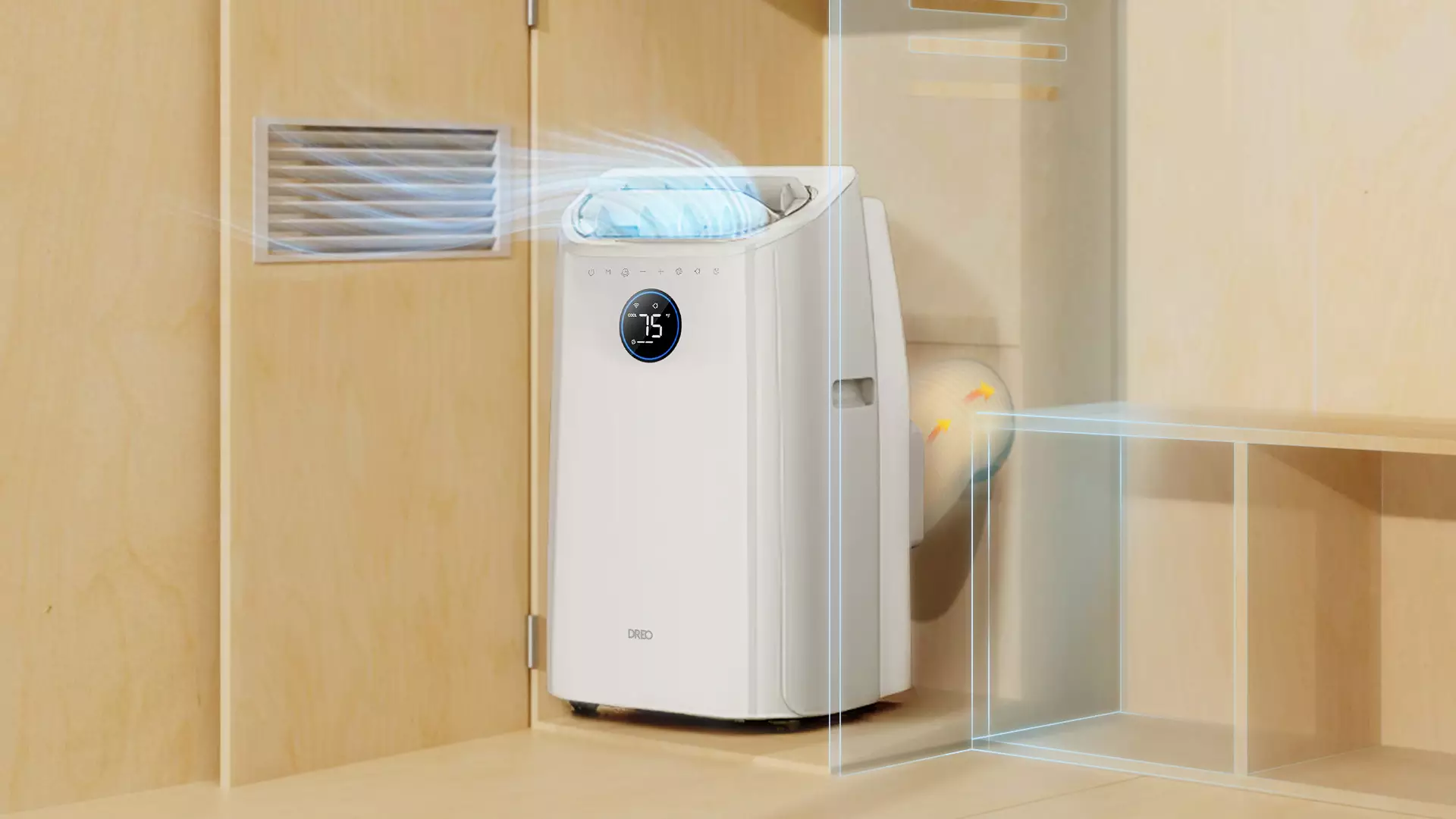
Indoor Air Quality Standards for Office Buildings
Indoor air quality standards for office buildings define baseline conditions intended to keep indoor environments safe and reasonably comfortable. These standards are not about achieving perfect conditions. Instead, they establish minimum thresholds that buildings should meet under normal operating conditions.
Rather than relying on a single measurement, indoor air quality standards consider several environmental factors together:
- Ventilation: Ensures that enough fresh air is introduced into the building while preventing excessive buildup of stale air.
- Carbon Dioxide (CO₂) Levels: Used as an indicator of ventilation effectiveness. Elevated levels often suggest overcrowding or insufficient airflow.
- Particulate Matter: Fine airborne particles originating from dust, office equipment, or outdoor pollution, typically managed through filtration and airflow control.
- Chemical Compounds: Emissions from furniture, building materials, cleaning products, and office equipment, addressed through ventilation and material selection.
- Temperature and Humidity: Maintained within ranges that support comfort and reduce the risk of dryness, dampness, or mold growth.
Together, these factors form the foundation of indoor air quality standards for office buildings. While meeting these standards helps ensure basic safety, it does not always reflect how air quality feels throughout the workday or across different spaces within an office.
Office air quality can vary widely even within a single floor, and building-level systems don’t always reflect what people experience at their individual workstations. Because most of the workday is spent at a desk, this is often where changes in air conditions are noticed first.
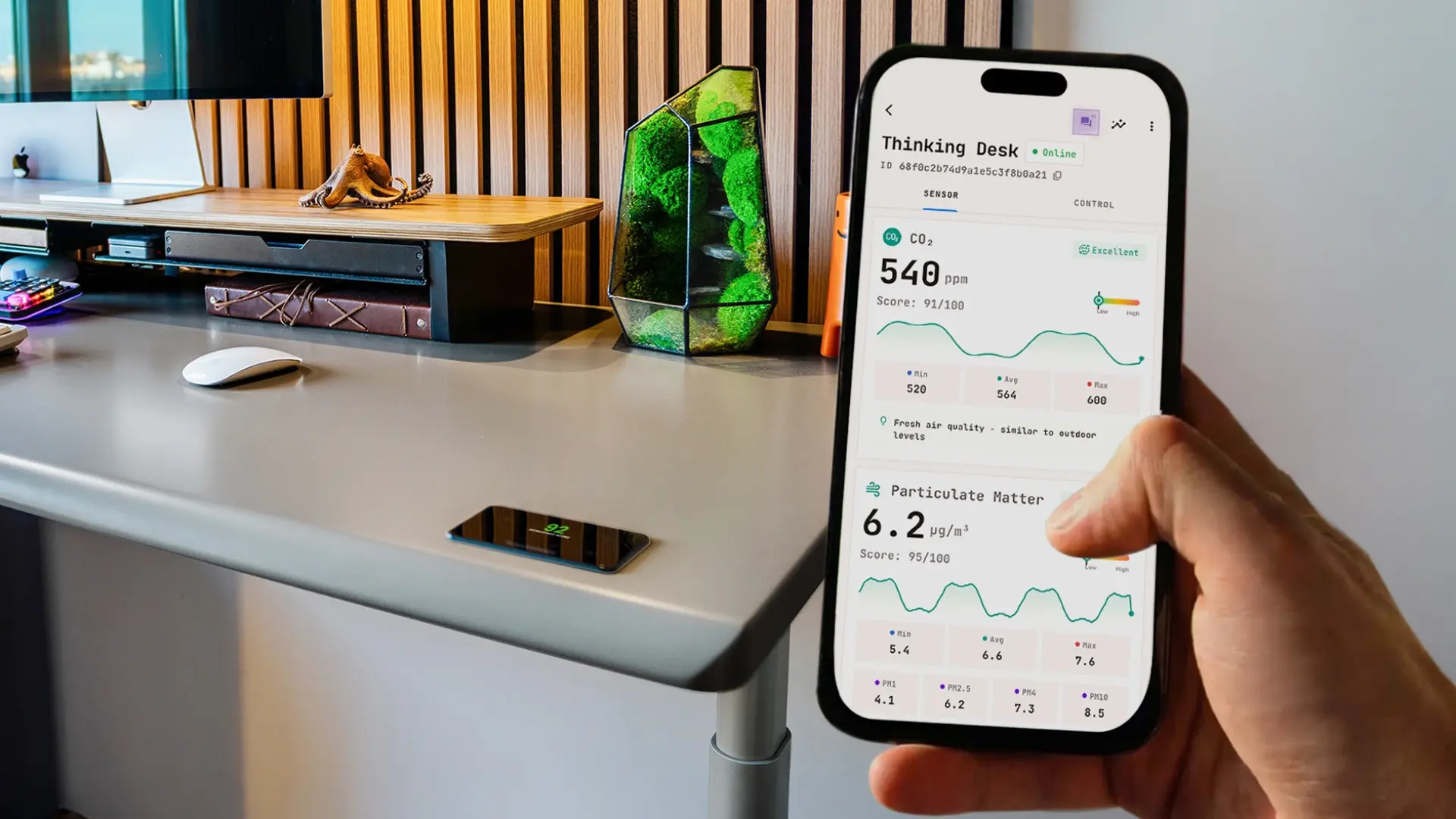
Autonomous Desk AI brings environmental awareness closer to where work actually happens. By surfacing air-related patterns at the workstation level, desk-based insight helps make office air quality easier to understand as part of everyday work, complementing existing standards and ventilation systems rather than replacing them.
Frequently Asked Questions
What is considered good office air quality?
Good office air quality generally means indoor air that feels fresh, well-circulated, and comfortable throughout the workday. While indoor air quality standards for office buildings set baseline requirements, good air quality in practice also depends on how air changes with occupancy, time of day, and space usage.
How can I tell if office air quality is poor?
Office air quality issues are often subtle. Spaces may feel stuffy, heavy, or less comfortable later in the day, especially in meeting rooms or densely occupied areas. Because these changes happen gradually, they’re easy to overlook without paying attention to patterns over time.
How do you measure air quality in an office?
Office air quality is usually measured by looking at indicators such as ventilation effectiveness, carbon dioxide levels, particulate matter, humidity, and temperature. Measurements are most useful when tracked over time rather than taken as a single snapshot, since conditions can change significantly during a workday.
Are indoor air quality standards enough for offices?
Indoor air quality standards for office buildings are designed to ensure safe, acceptable conditions at a building level. However, meeting standards doesn’t always guarantee consistent comfort across different rooms or times of day. Standards are a starting point, not a full picture of daily air quality experience.
Can office air quality vary within the same building?
Yes. Office air quality can differ between open workspaces, meeting rooms, and enclosed areas depending on ventilation, occupancy, and airflow. This is why people may experience air quality issues in specific spaces even when the building overall meets standards.
Conclusion
Office air quality plays a larger role in daily work experience than many people realize. While standards and building systems provide an important foundation, they don’t always reflect how air conditions change throughout the day or across different spaces.
Understanding office air quality starts with awareness — recognizing that indoor air is dynamic and shaped by usage, occupancy, and time. By paying attention to these patterns, workplaces can move beyond assumptions and create environments that support comfort, focus, and long-term wellbeing more consistently.