Top 10 ADU Builders in Massachusetts in 2026
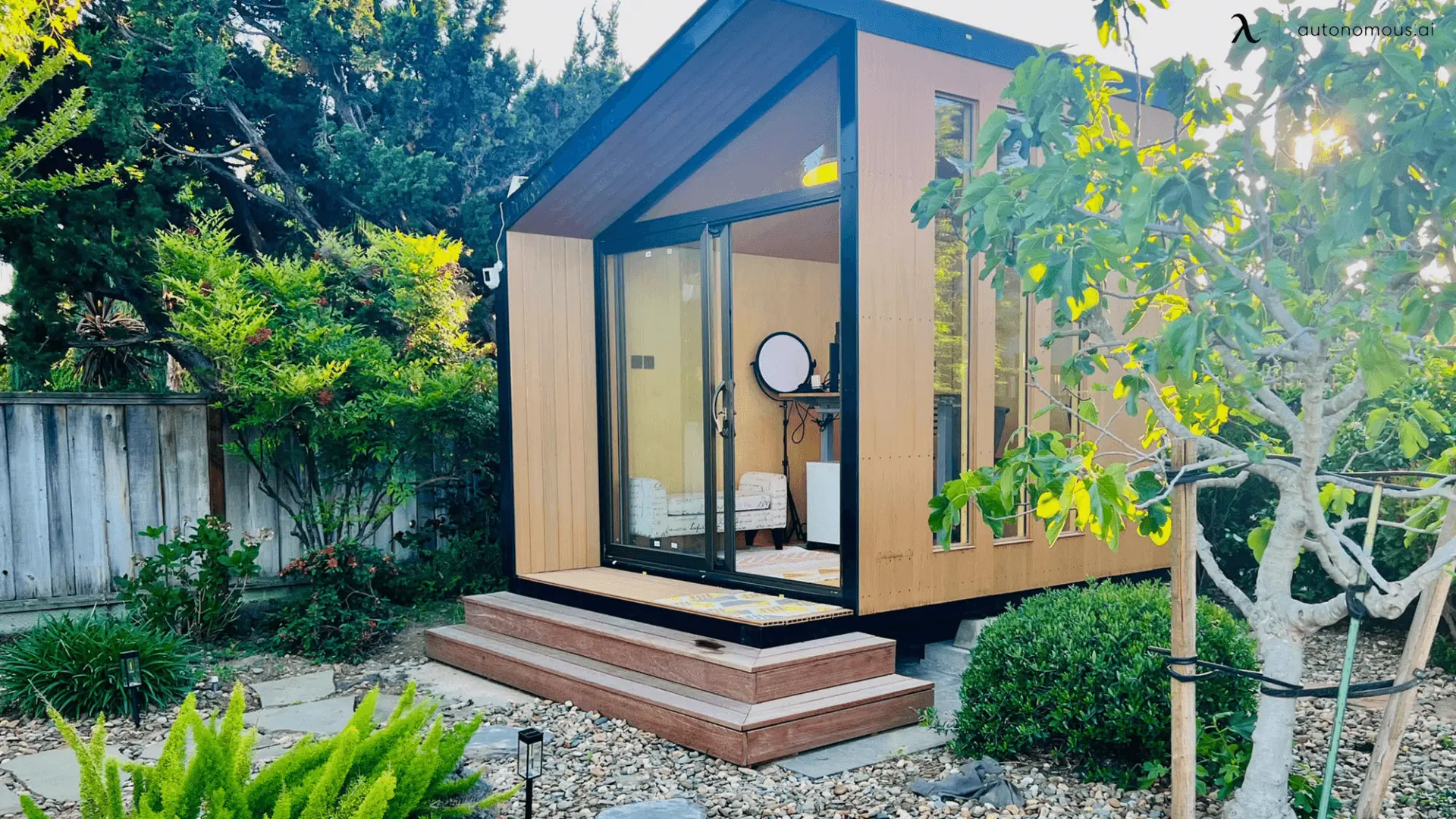
Table of Contents
Accessory Dwelling Units (ADUs) are becoming a popular solution for homeowners in Massachusetts looking to maximize their property’s potential. Whether you're planning to create a guest suite, a home office shed, or a rental unit, ADUs offer versatile living spaces with significant benefits.
To ensure your project meets local regulations and construction standards, selecting experienced ADU builders in Massachusetts is essential. This guide will help you navigate your options and make informed decisions as you move forward with your ADU project.
What to Look for in ADU Builders
Choosing a builder for an ADU in Massachusetts requires evaluating several key factors. Given the state's specific zoning regulations, building codes, and seasonal construction considerations, these criteria carry particular weight.
- Licensing and credentials
Verify that the builder holds a valid Massachusetts Construction Supervisor License, commonly referred to as a CSL, which the state requires for any residential construction oversight. It is also important to confirm that the builder is registered with the local building department in your specific city or town, since permit requirements and administrative processes vary across municipalities throughout Massachusetts.
- ADU-specific experience
Prioritize builders who have completed ADU projects within Massachusetts, as direct familiarity with local zoning bylaws and the state's updated ADU legislation has a measurable impact on permitting efficiency and project planning. Experience with both site-built and prefab ADU methods is also a practical advantage, given that lot sizes, soil conditions, and site access constraints vary significantly across the state.
- Reputation and references
Review completed project portfolios with a focus on ADU or small-structure work rather than general home renovations, as the scope and regulatory demands differ considerably. Requesting references from past ADU clients in your area adds another layer of useful insight, particularly regarding how the builder managed local inspections, permitting timelines, and any unexpected issues during construction.
- Transparency in cost and timeline
A credible builder should provide itemized cost estimates that account for Massachusetts-specific factors such as Title 5 septic compliance, utility connection requirements, and foundation specifications suited to the local climate. Expect clear documentation on projected timelines as well, including realistic allowances for New England weather delays and municipal review periods that can extend depending on the town.
Consulting with at least two or three ADU builders in Massachusetts before committing helps establish a fair baseline for pricing, approach, and overall professionalism.
Top 10 ADU Builders in Massachusetts
With ADU construction gaining momentum across Massachusetts, more ADU companies have entered the market offering everything from custom site-built projects to factory-finished modular units. The landscape of available options varies by region, construction method, and project scope, which can make the early stages of research feel overwhelming.
To help narrow that process, the following list highlights some of the ADU builders currently operating in Massachusetts. As with any major construction project, it's crucial to gather multiple quotes, check references, and verify state licensing through the Massachusetts Board of Building Regulations and Standards before choosing a builder.
1. Horizon ADU
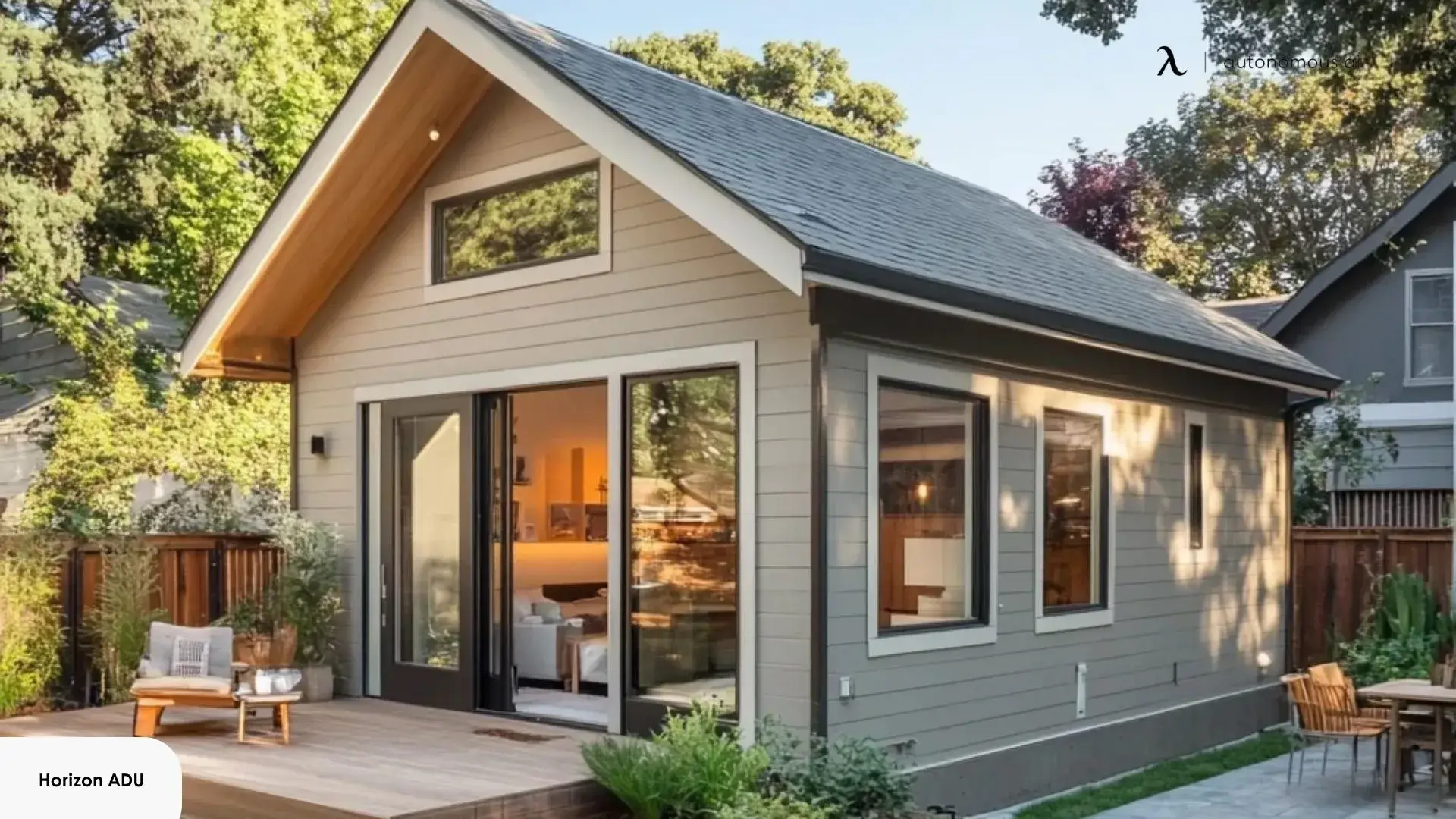
Horizon ADU is based in Boston and primarily serves homeowners across the Greater Boston area. The company focuses specifically on attached and detached ADU construction, using a stick-built approach where units are constructed on-site in a manner consistent with traditional residential building methods.
This approach allows them to work on tighter urban lots where prefab delivery or crane access may not be practical. Their service scope covers the full project lifecycle, from initial feasibility assessment and design through permitting and construction. Horizon ADU also publishes town-specific zoning guides for several municipalities in the Greater Boston area, which may be useful as a general reference point, though homeowners should always confirm current regulations directly with their local building department.
2. Baystate Group Builders
Baystate Group Builders covers Middlesex and Worcester County, working primarily with suburban homeowners on custom ADU projects. The company operates on a smaller scale by design, which stands in contrast to firms where projects are managed through rotating supervisors or subcontracted teams. That direct involvement can lead to faster decision-making on site and a more consistent point of contact throughout the project.
Their construction background spans over 30 years, though that history is anchored in broader custom home building rather than ADUs as a standalone specialty. Homeowners considering Baystate should ask pointed questions about their ADU-specific track record — how many they have completed, what types, and in which towns — to understand how well that general experience has translated into the particular regulatory and design demands of accessory dwelling unit construction.
3. BuildX
BuildX, based in Carver, serves Southeastern Massachusetts and the South Shore with a build model designed around speed and transparency. They advertise construction timelines of three to four months from groundbreaking, which is faster than the industry average for site-built ADUs and reflects a process that has been refined for efficiency and repeatability.
One useful feature is their open ADU home tours, held at completed project sites, where prospective clients can physically walk through a finished unit — something that eliminates a lot of guesswork about quality, finishes, and spatial layout. They also back their work with a three-year workmanship warranty. The trade-off with this kind of streamlined approach is that homeowners looking for highly unique architectural designs may find the options more constrained than what a fully custom builder would offer.
4. Hawthorn Builders
Hawthorn Builders operates out of Needham with a client base concentrated in Greater Boston. Their roots are in high-end custom home construction, a background they have carried into the ADU space through offerings that include detached units, attached units, and garage conversions. What distinguishes them from most builders on this list is their explicit focus on luxury finishes and architectural detail — an approach that makes sense for homeowners who want the ADU to feel like a natural extension of an already high-value property rather than a utilitarian addition.
Their Massachusetts Construction Supervisor License and Home Improvement Contractor license are both active, and public records show a consistent history of permitted residential work in the state. That luxury positioning does come with a pricing reality, so homeowners on a more constrained budget may find that other builders on this list offer a better fit for their financial parameters.
5. Walczak Design Build
What makes Walczak Design Build structurally different from hiring a separate architect and contractor is that both functions sit under one roof. Based in Ipswich, they serve the North Shore and handle everything from initial floor plans through final construction, which removes the handoff that often creates friction between design intent and build execution.
They keep a library of standard ADU layouts available for clients who want a faster, more budget-conscious starting point, but also take on fully custom work for lots with unusual dimensions or homeowners with specific functional needs. All of their construction is stick-built — no modular, no prefab — so the on-site timeline will run longer than factory-built alternatives. For homeowners on the North Shore who value having a single team own every decision from drafting table to finished structure, that continuity can meaningfully reduce miscommunication and change-order surprises.
6. Bradford Construction
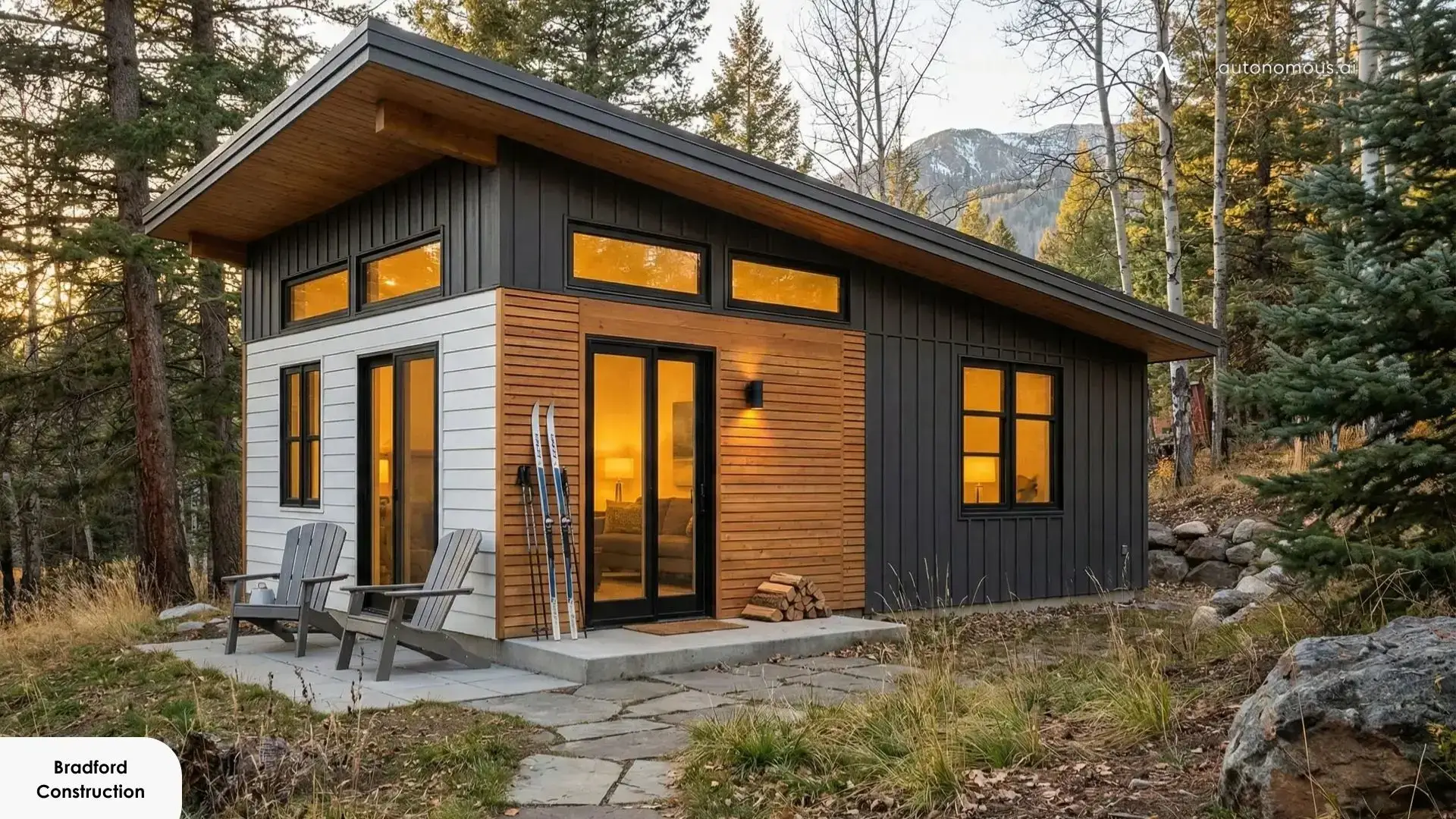
Bradford Construction, also serving the North Shore, takes a distinctly different construction approach using insulated concrete forms, or ICF.
They also provide daily photo documentation throughout the build, giving homeowners real-time visibility into progress without needing to visit the site constantly. Their service area extends beyond Massachusetts into New Hampshire and Maine, and the entire process is handled as a turnkey package from permitting through final inspection. The ICF method is less common in residential ADU construction, so homeowners interested in this route should research the material properties and maintenance considerations independently to determine whether it aligns with their priorities.
7. FiveTen Construction & Design
Where most ADU builders on this list focus primarily on detached or attached new construction, FiveTen Construction & Design stands out for the range of ADU types they handle. Beyond standard detached and attached units, they work on basement conversions, garage conversions, and interior upper-floor ADUs — project types that are fundamentally different in scope, permitting requirements, and construction complexity. This matters because not every property in Massachusetts has the lot space, setbacks, or budget to support a new standalone structure.
Converting an existing basement or garage into a compliant ADU can be a significantly more affordable path, though it comes with its own challenges around ceiling heights, egress requirements, moisture management, and utility separation.
8. Backyard ADUs
Backyard ADUs is headquartered in Easthampton in Western Massachusetts and also serves parts of Maine. They build modular small homes off-site and install them on the client's property, with unit sizes ranging from roughly 525 to 1,000 square feet.
Their designs emphasize net-zero-ready construction and energy efficiency, which positions them well for homeowners who are thinking beyond upfront cost toward long-term utility savings and environmental footprint. The company uses a design path system — a set of pre-engineered floor plan templates that clients can then customize — which speeds up the planning phase considerably but may not satisfy homeowners who want to start from a blank sheet.
9. Brittivia Homes and Construction
With over 20 years in general contracting, Brittivia Homes and Construction brings a depth of field experience that newer ADU-focused companies may not yet have. They serve Middlesex, Worcester, and Essex counties — a three-county reach that is particularly relevant for homeowners in Central and North-Central Massachusetts, where the concentration of ADU-specialized builders thins out considerably compared to the Boston metro area.
Their service model wraps design, construction, permitting, and financing guidance into a single relationship, which simplifies coordination for homeowners who do not want to manage multiple vendors. Because their core business spans residential contracting broadly rather than ADUs exclusively, it is worth asking during any initial conversation how many standalone ADU projects they have delivered and in which municipalities, since permitting nuances can shift noticeably from one town to the next even within the same county.
10. LB Modular Homes
LB Modular Homes takes a factory-first approach to ADU construction in Massachusetts. Their units are built entirely off-site in a controlled manufacturing environment, then delivered and installed on the homeowner's property. Once plans are finalized and the building permit is in hand, their advertised production timeline runs six to eight weeks — considerably shorter than what most site-built projects require.
Their designs target the 900-square-foot threshold set by the Affordable Homes Act, keeping projects within the by-right approval framework for most municipalities. One practical consideration that comes with any modular build is site access. Units arrive on flatbed trucks and typically require crane placement onto a prepared foundation, so properties with narrow driveways, low-hanging utility lines, or tight street access may face added logistics costs — or find the approach unfeasible altogether.
ADU Construction Timelines in Massachusetts: What to Expect
How long an ADU takes to build in Massachusetts depends on several variables that interact differently from project to project. There is no single standard timeline, but understanding the typical phases and what drives delays can help homeowners plan more realistically.
- Site-built vs. Modular Timelines
For site-built ADUs, most projects run between 9 and 18 months from initial concept to move-in. That range is wide because it accounts for everything from a straightforward backyard unit on a flat, accessible lot to a complex building requiring zoning board approval, septic upgrades, and historical district review.
Modular and prefab ADUs compress the construction phase significantly — factory production typically takes six to twelve weeks — but the overall timeline still depends on how long design, permitting, and site preparation take before the unit ever arrives on a truck.
- Permitting Delays
Permitting is where Massachusetts projects tend to lose the most time. Under the Affordable Homes Act, most municipalities now allow ADUs up to 900 square feet by right, which has streamlined approvals in many towns. Boston, however, still operates under its own zoning framework and requires board-level approval for attached and detached ADUs, a process that can add three to six months on its own. Towns with historic overlay districts, wetland buffer zones, or floodplain designations may also require additional review boards, each with their own hearing schedules and turnaround periods.
- Site Conditions
Properties with straightforward access, stable soil, and existing utility connections at reasonable distances will move through preparation faster than lots that require tree removal, ledge blasting, extensive grading, or long utility trenches. Title 5 septic compliance is a recurring factor in towns without municipal sewer — if the existing system cannot handle the added load, an upgrade can cost $15,000 to $30,000 or more and add weeks to the schedule.
- Seasonal Considerations
Foundation work and exterior construction during New England's winter months often slow down or pause entirely due to frozen ground, snow, and shortened daylight. Homeowners who finalize permits in late spring or early summer tend to get the most uninterrupted construction window before conditions deteriorate in late fall.
- Planning Ahead
The most reliable way to avoid timeline surprises is to invest time upfront in the feasibility and design phases rather than rushing to break ground. Builders who conduct thorough site assessments, identify regulatory hurdles early, and provide realistic schedules — rather than optimistic ones — tend to deliver projects closer to the original estimate.
A Lighter Path to Backyard Workspace: Autonomous WorkPod
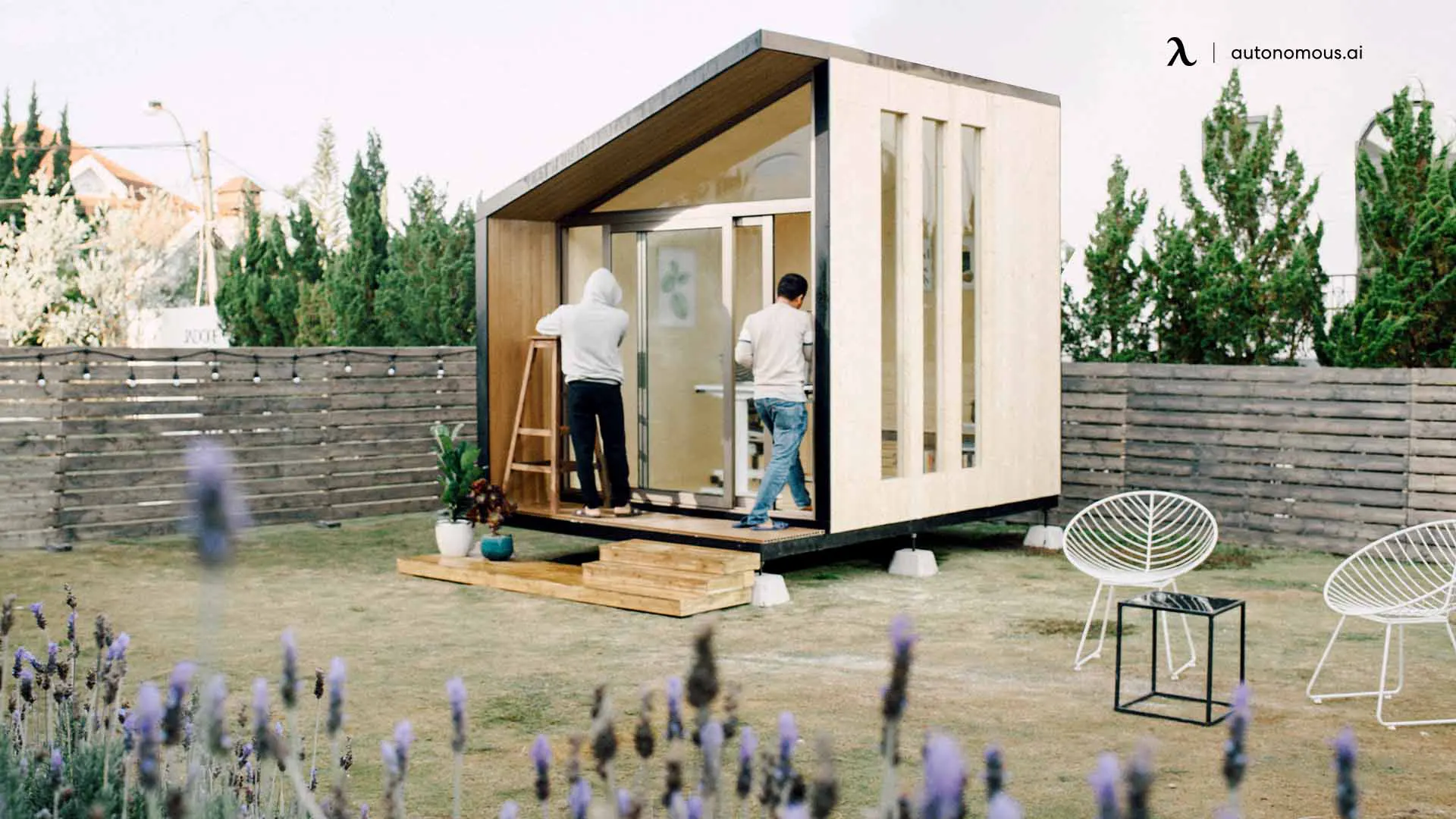
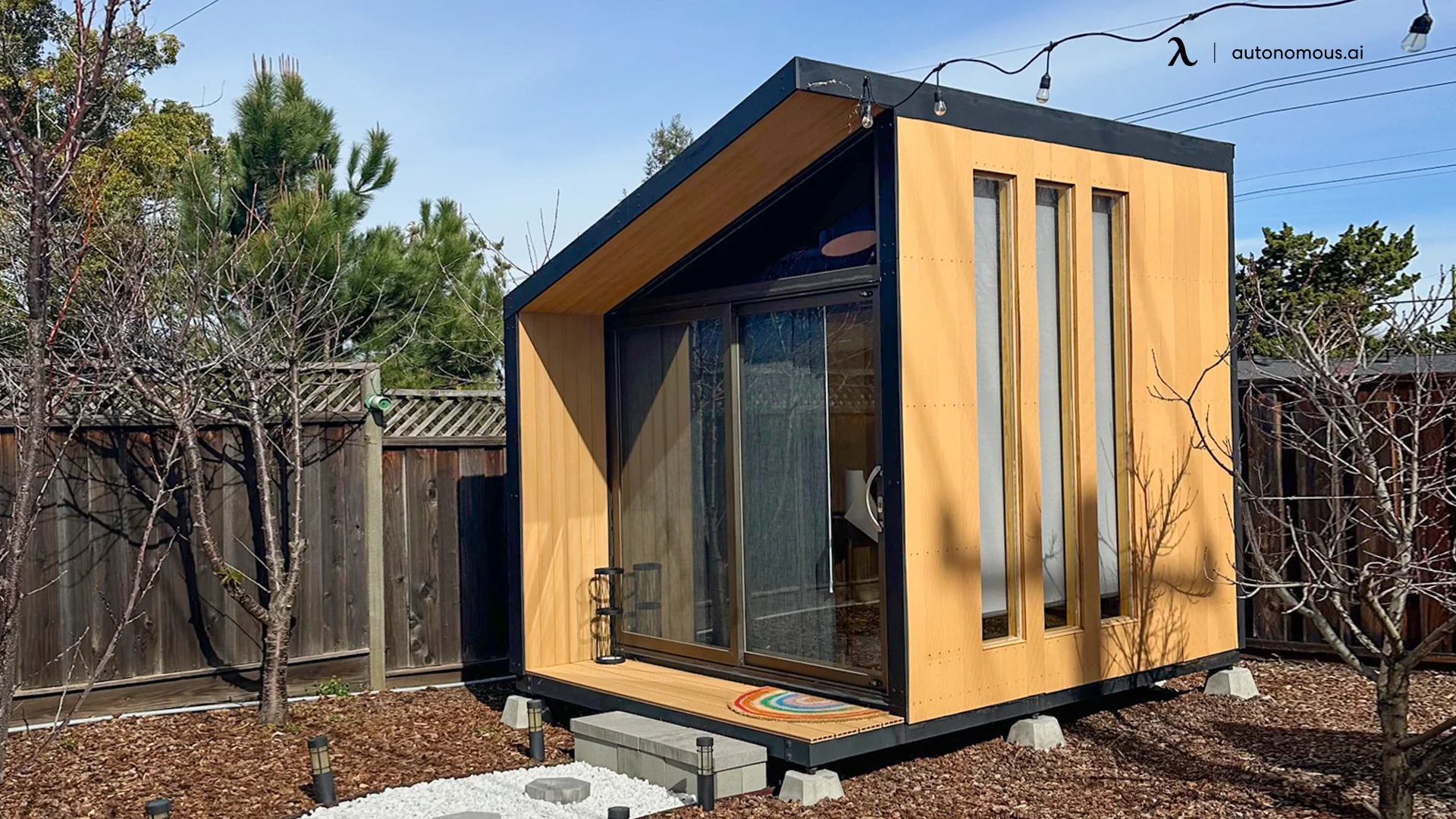
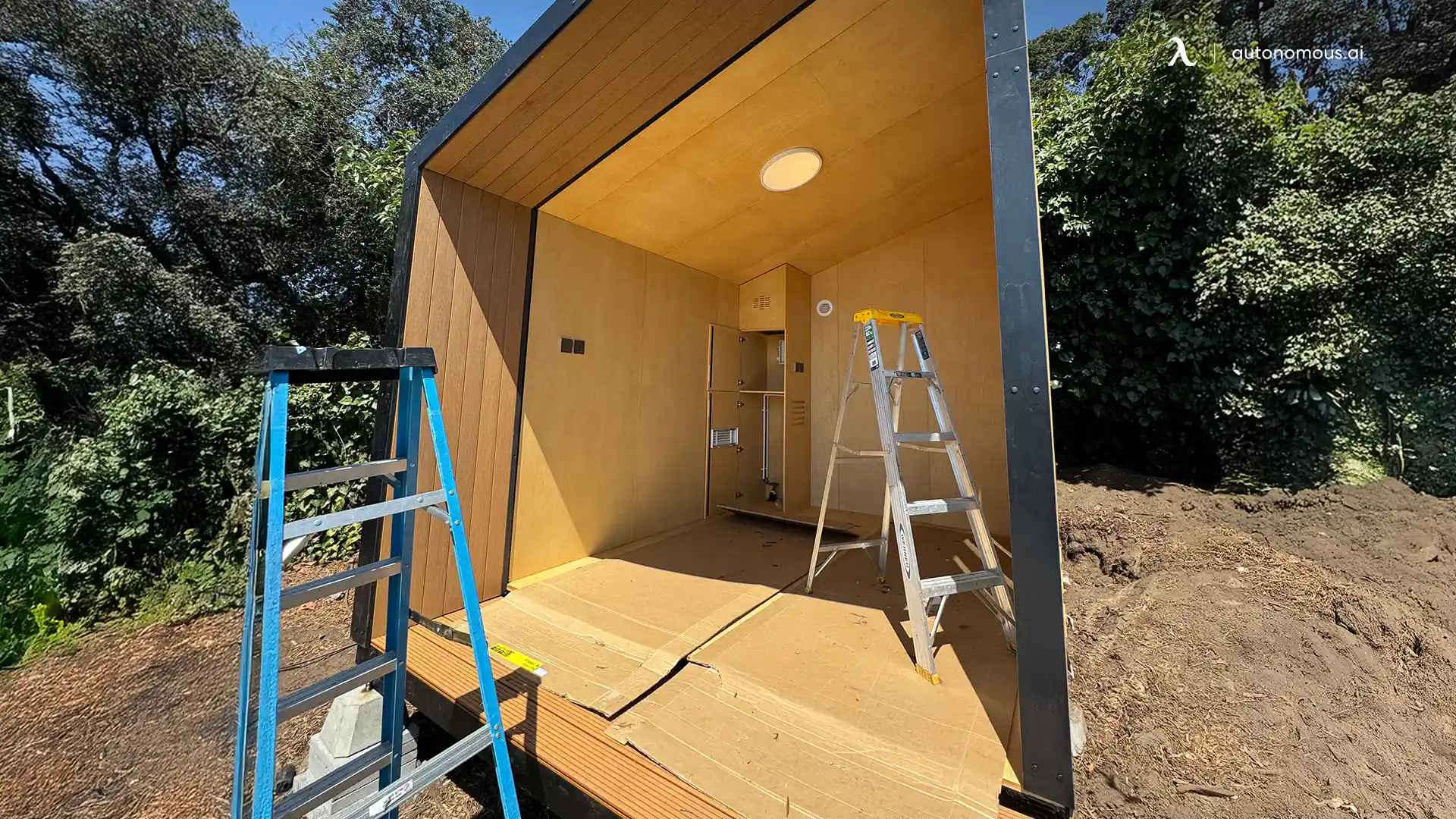
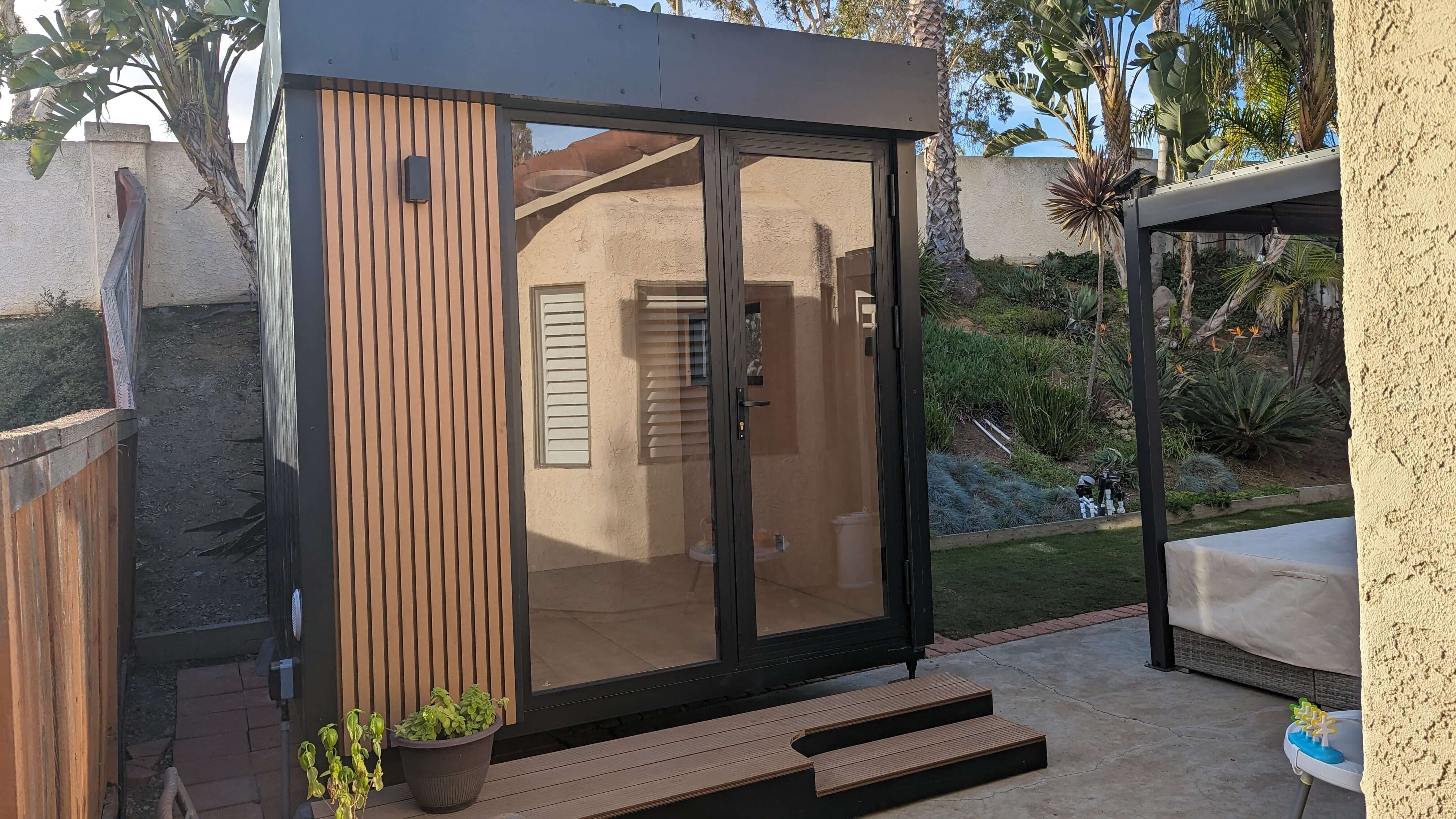
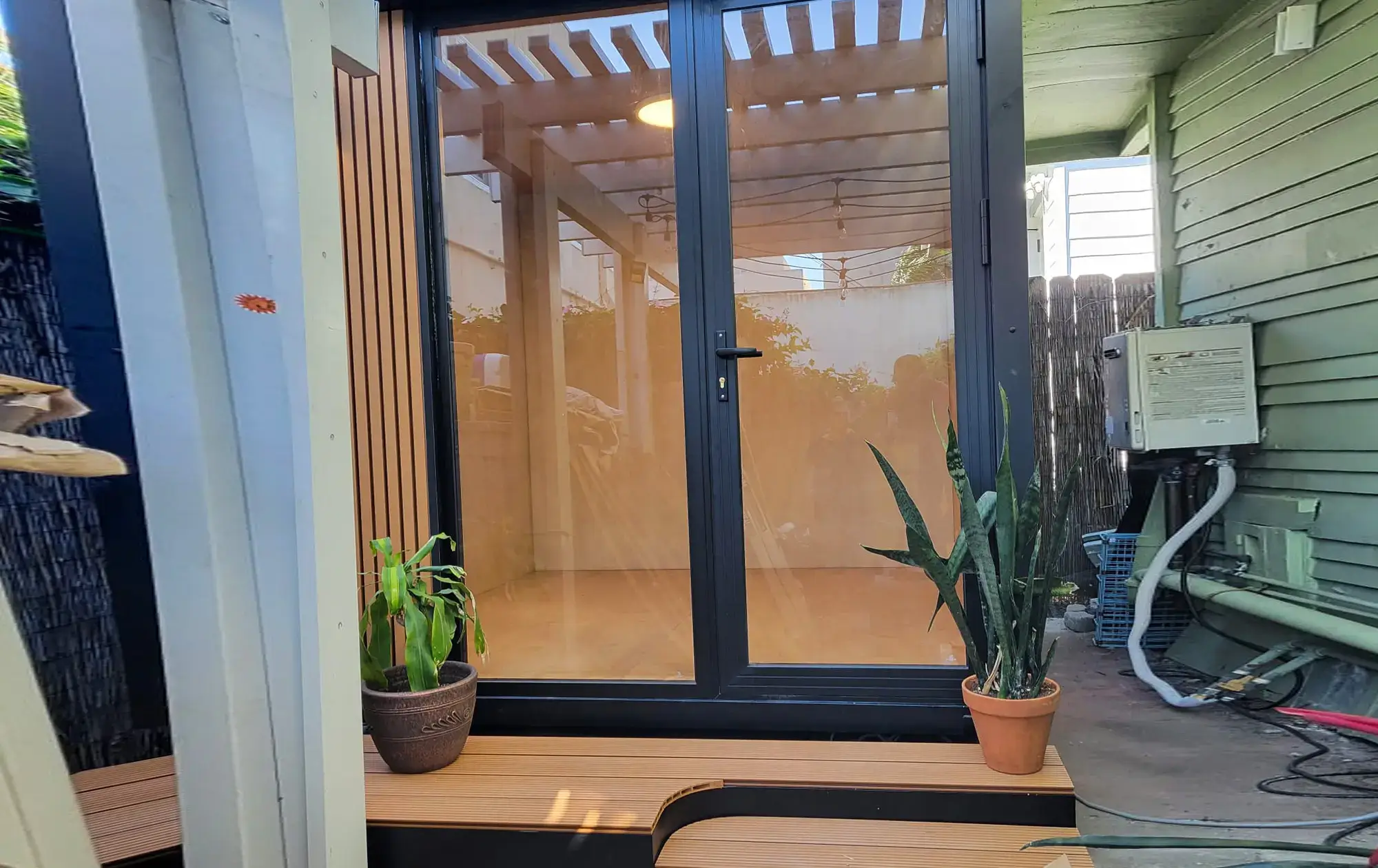
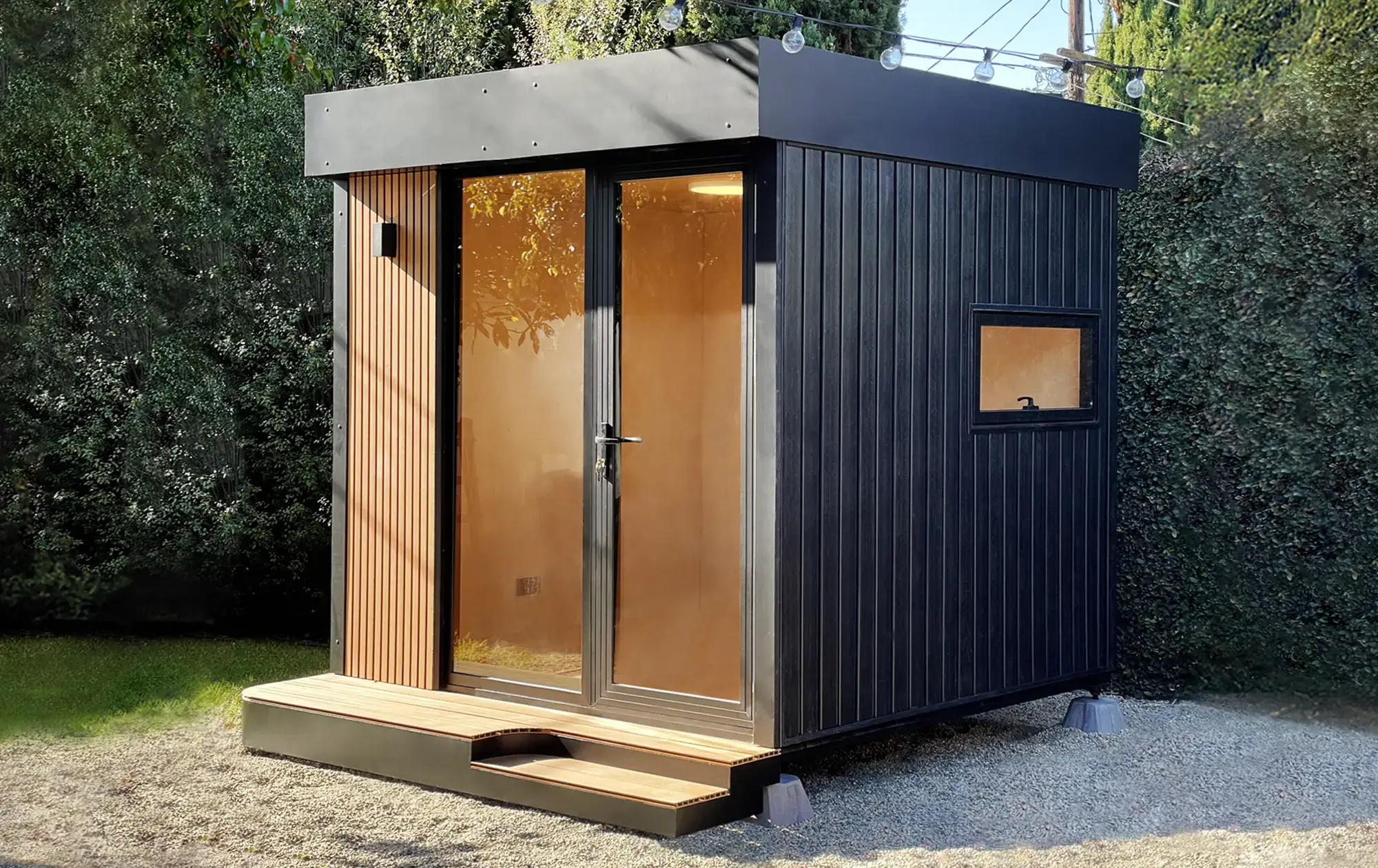
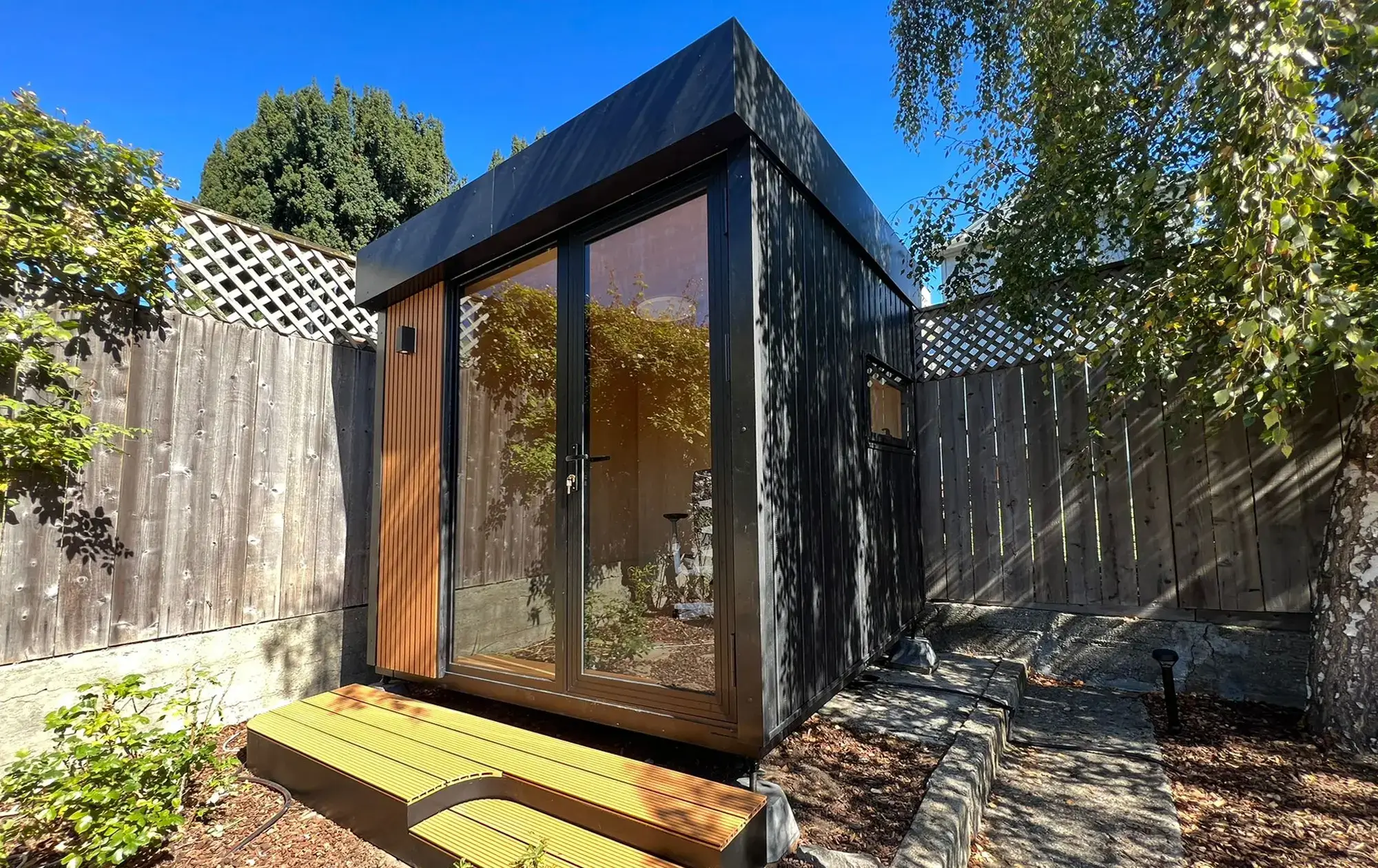
Not every homeowner looking for additional backyard space needs a full ADU. For those whose primary goal is a dedicated home office, studio, or personal workspace rather than a complete living unit with a kitchen and bathroom, a prefab she shed can accomplish the job at a fraction of the cost, timeline, and permitting complexity.
The Autonomous WorkPod lineup offers several configurations worth looking at in this context.
- The MetroPod is the most compact option at around 80 square feet, designed for a single-person workspace with built-in climate control, soundproofing, and plug-and-play electrical connectivity.
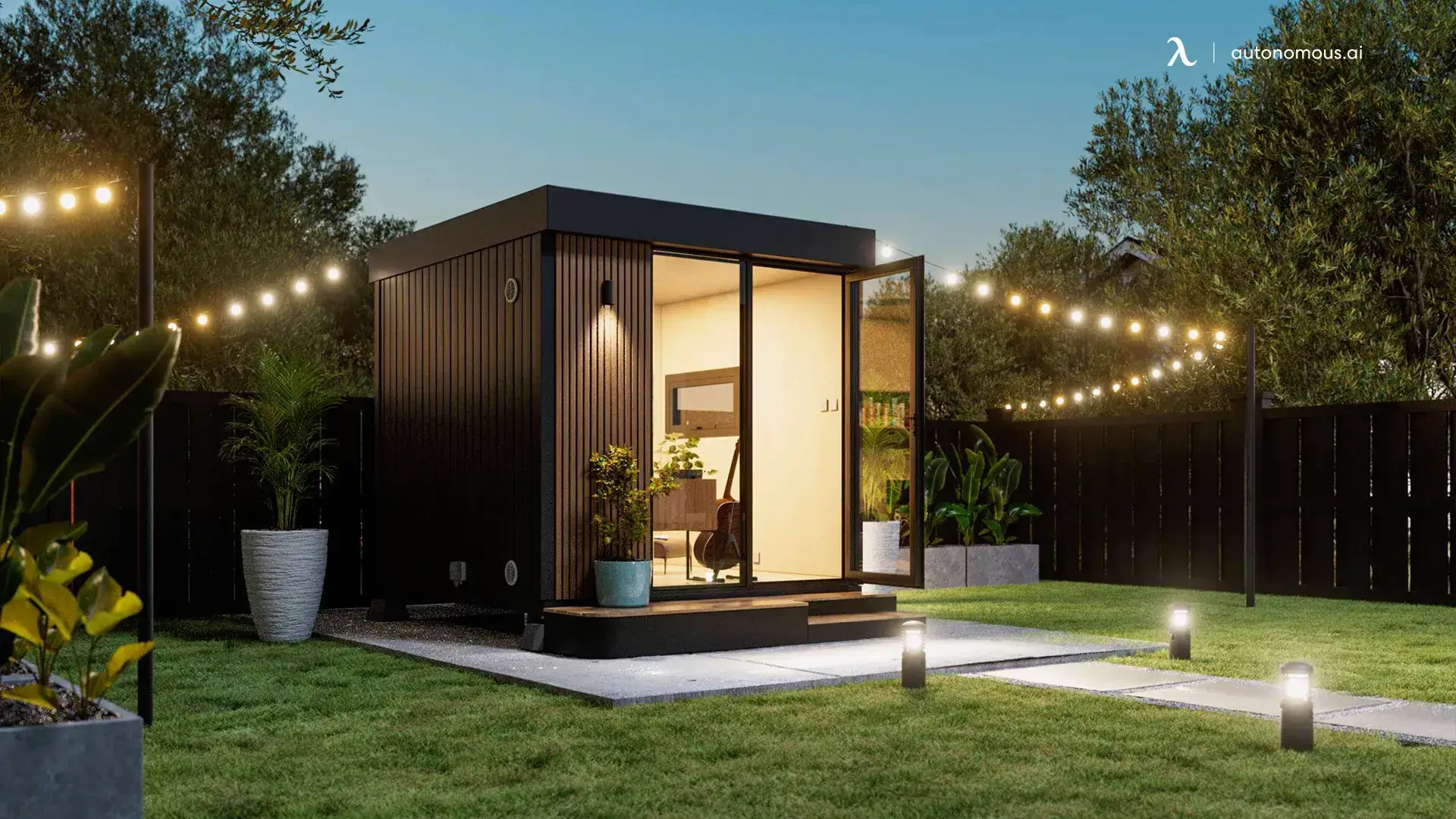
- The WorkPod Pro steps up in size and finish quality, with higher ceilings, larger windows, and a more refined interior suited for professionals who spend full workdays in the space.
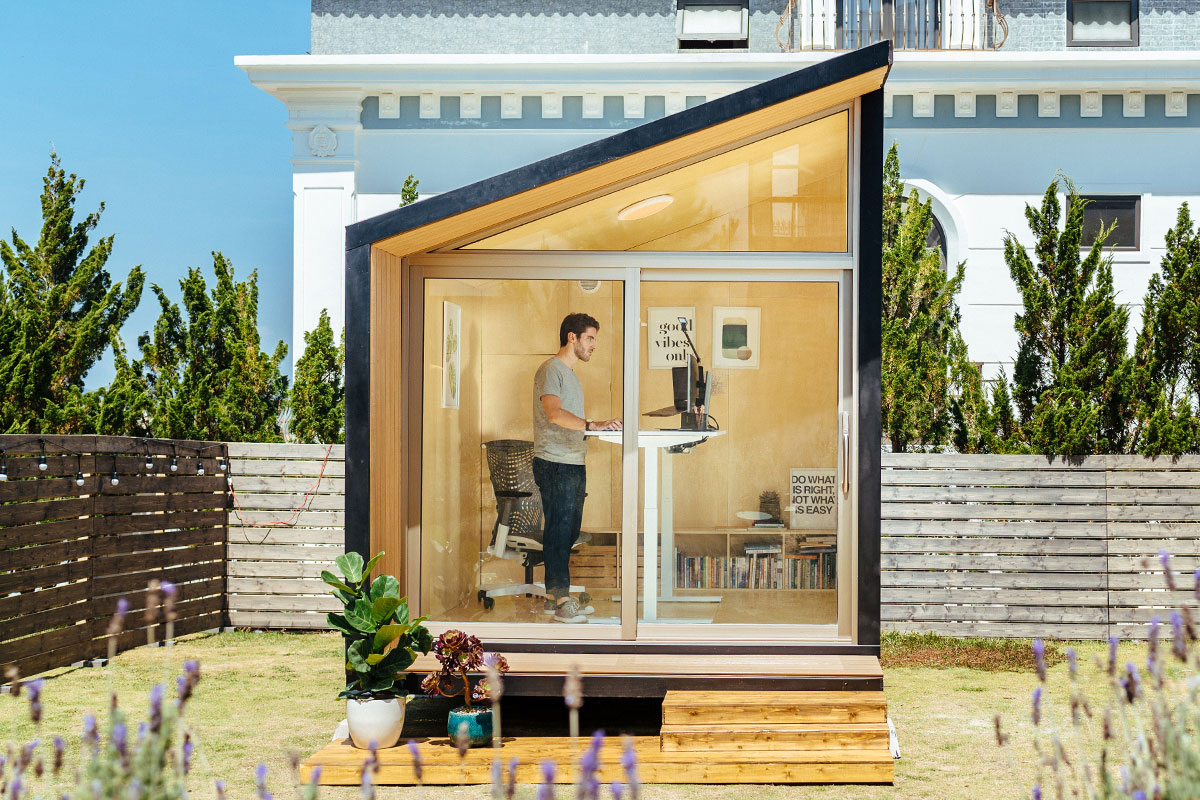
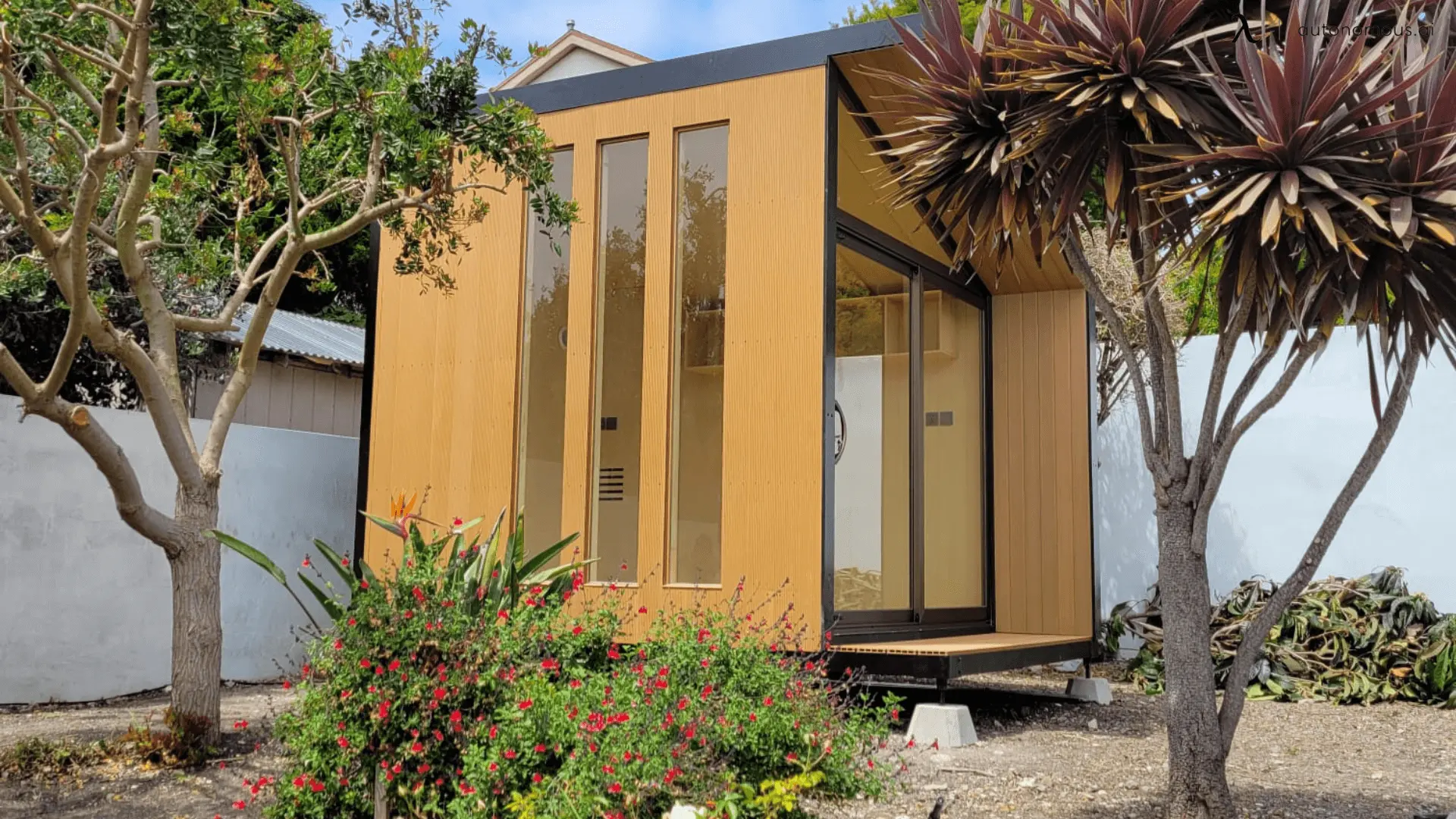
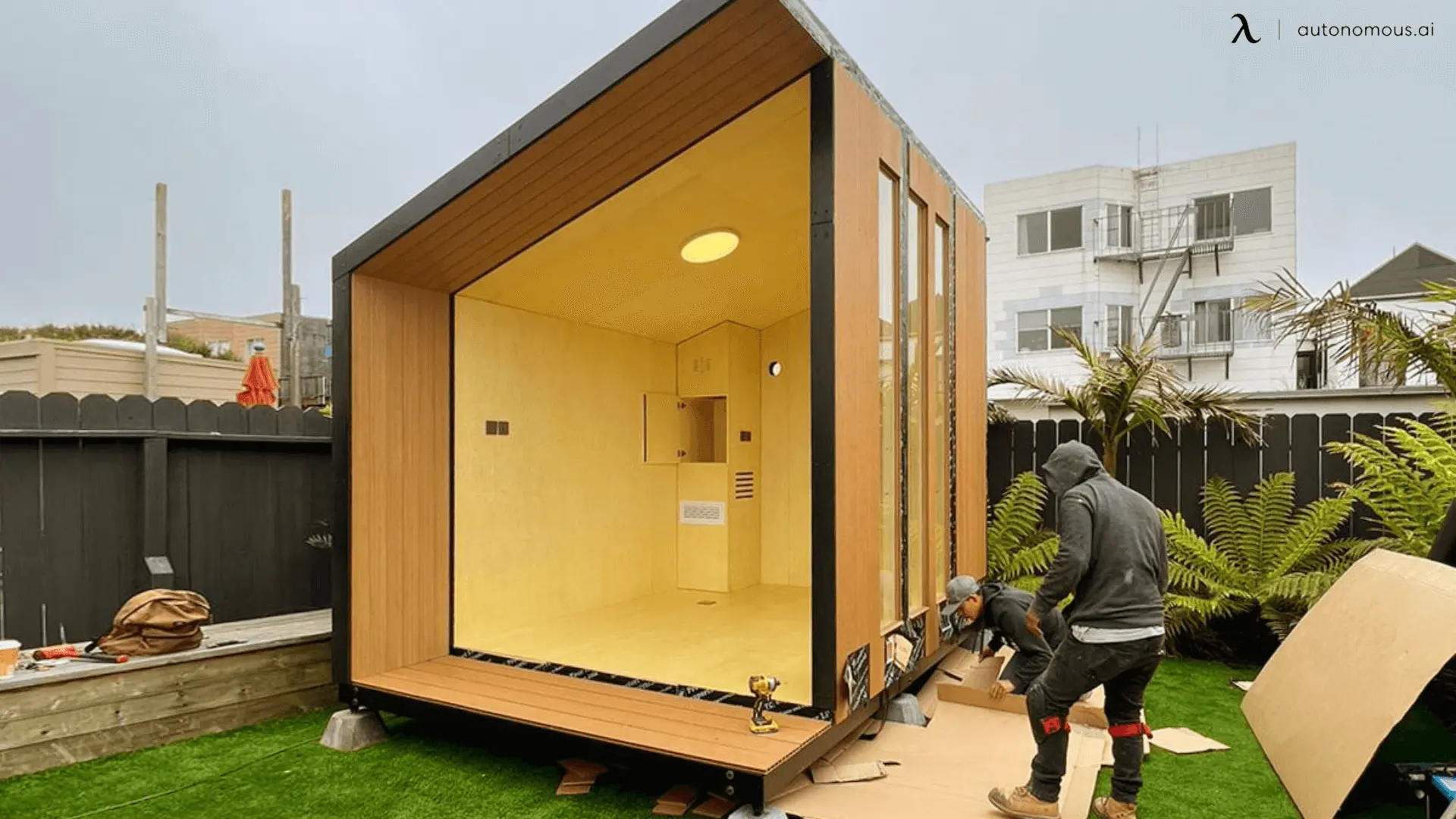
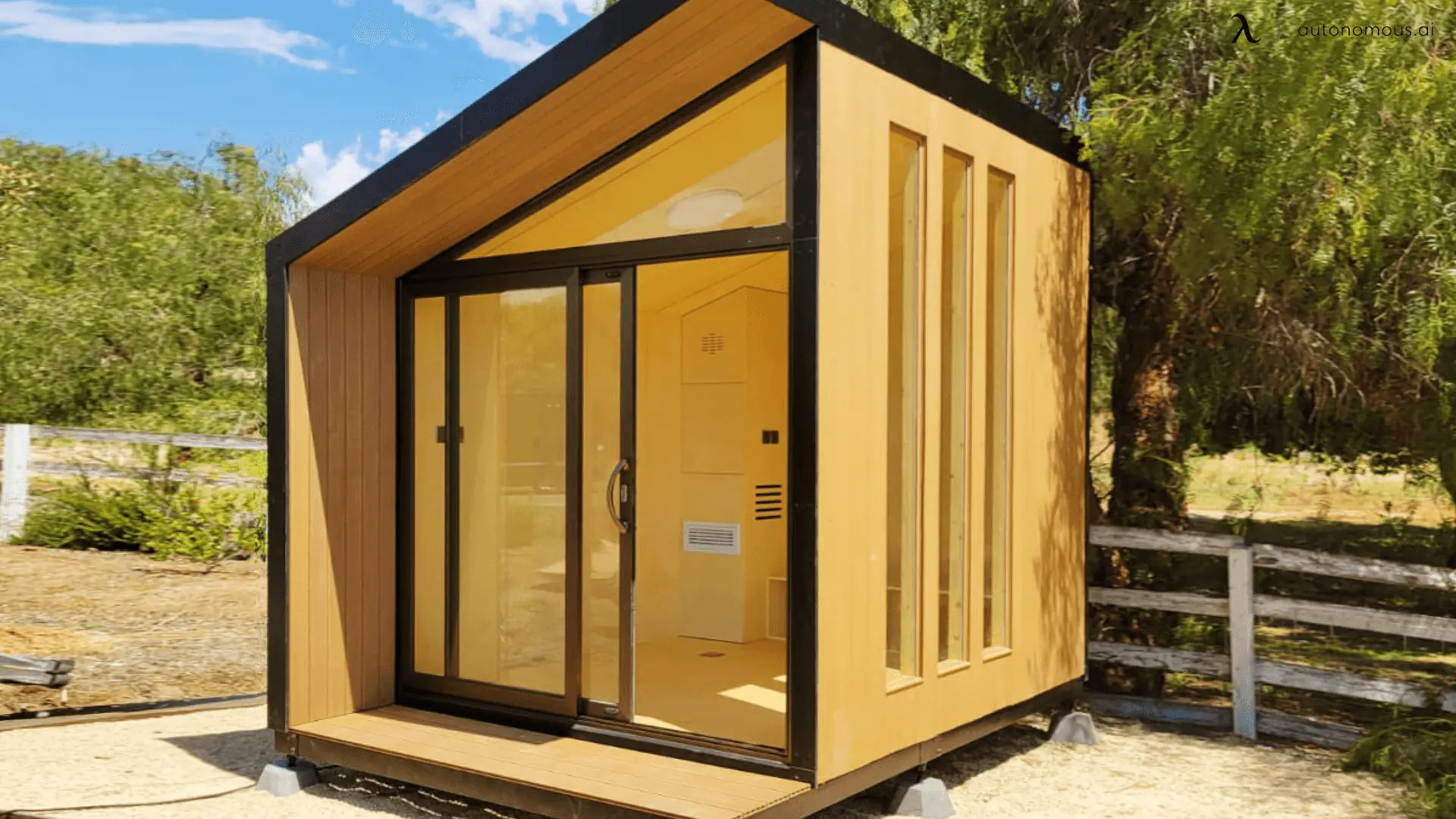
- The WorkPod Versatile takes a different angle entirely. It is built for multi-purpose use beyond just an office. Its weather-resistant construction, enhanced insulation, and climate control make it functional year-round as a backyard guest house, art studio, shed gym, or creative workspace, giving homeowners flexibility to repurpose the space as their needs change over time.
/https://storage.googleapis.com/s3-autonomous-upgrade-3/production/ecm/240412/StudioPod-2.jpg)
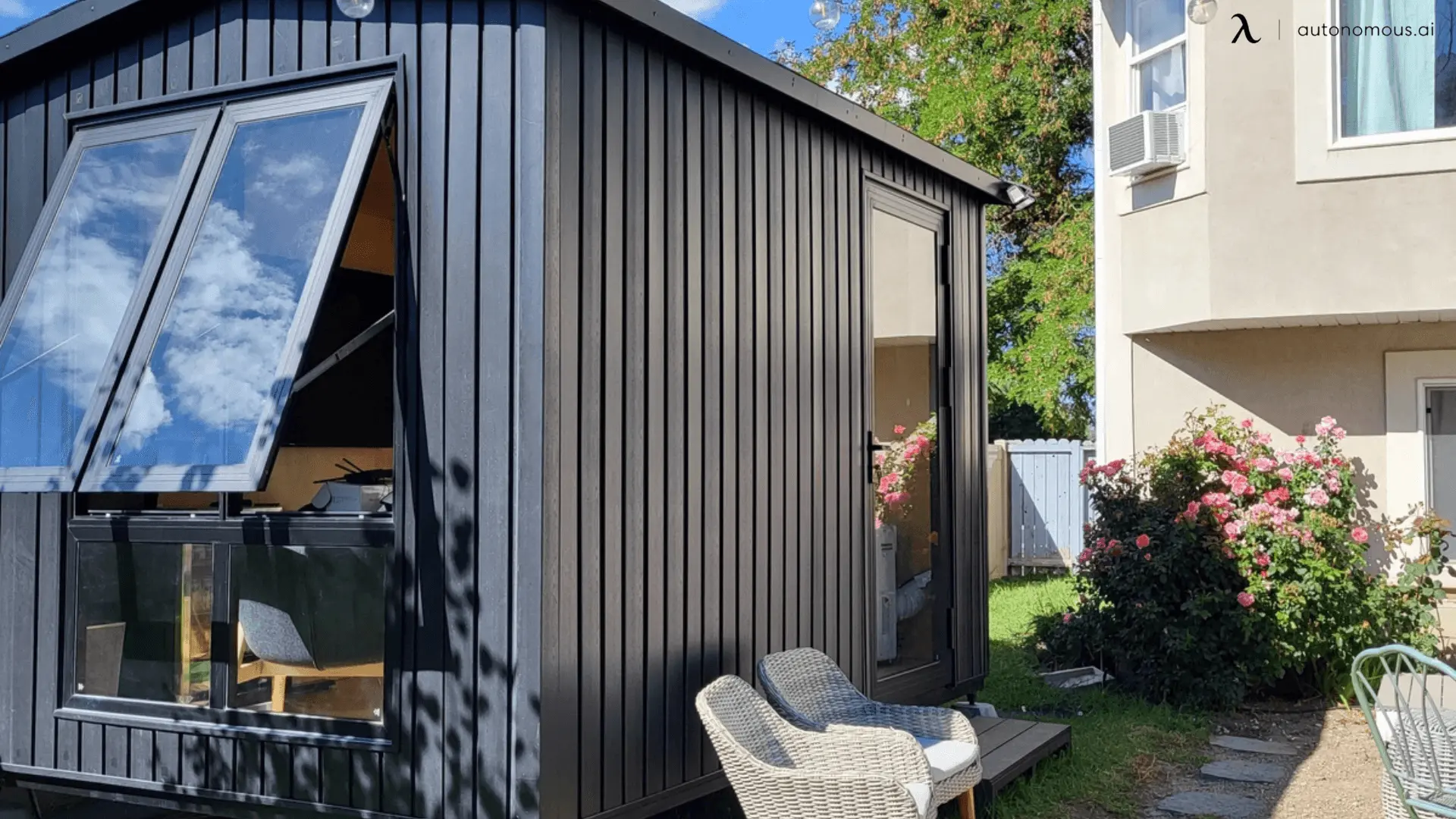
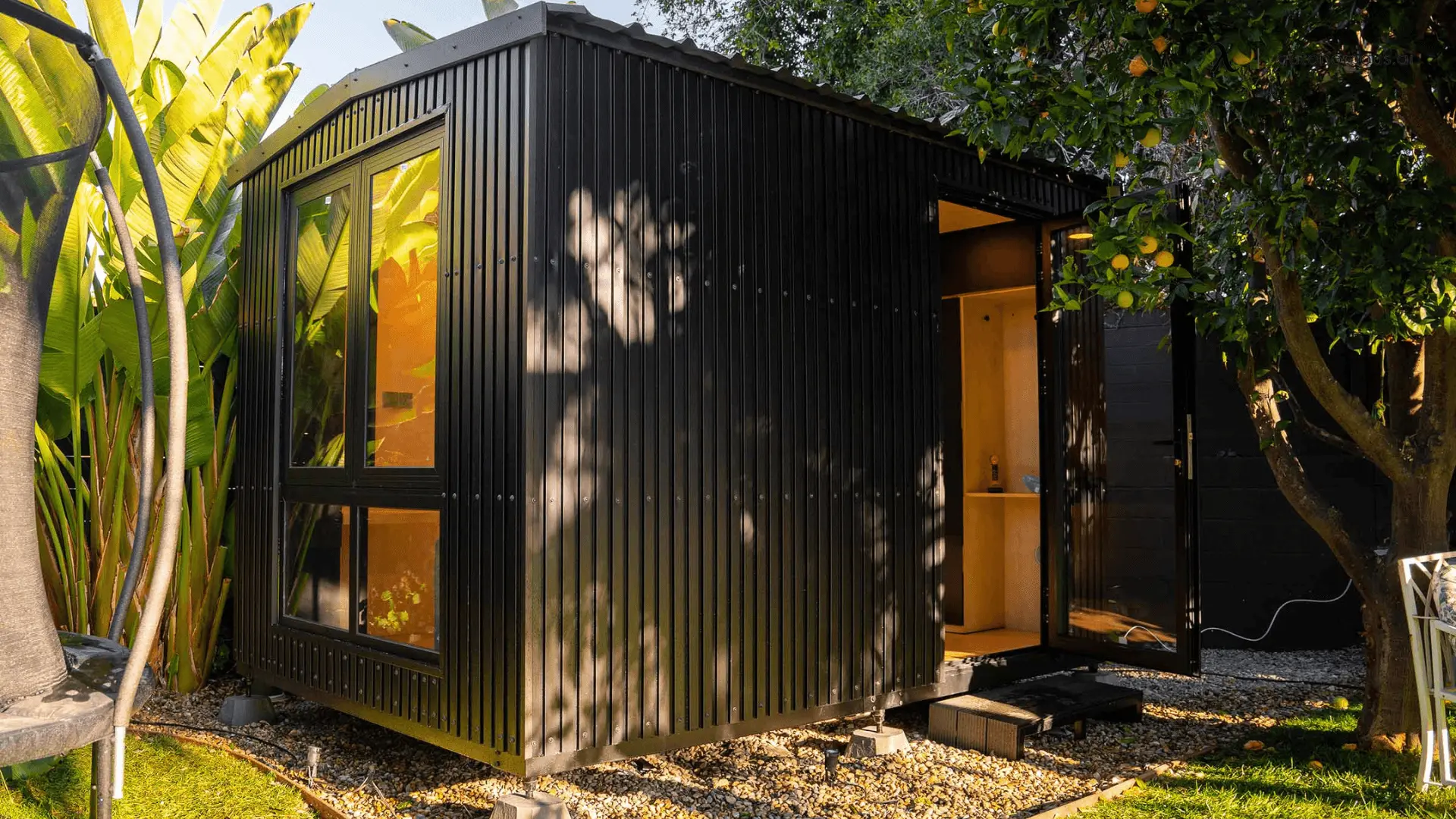
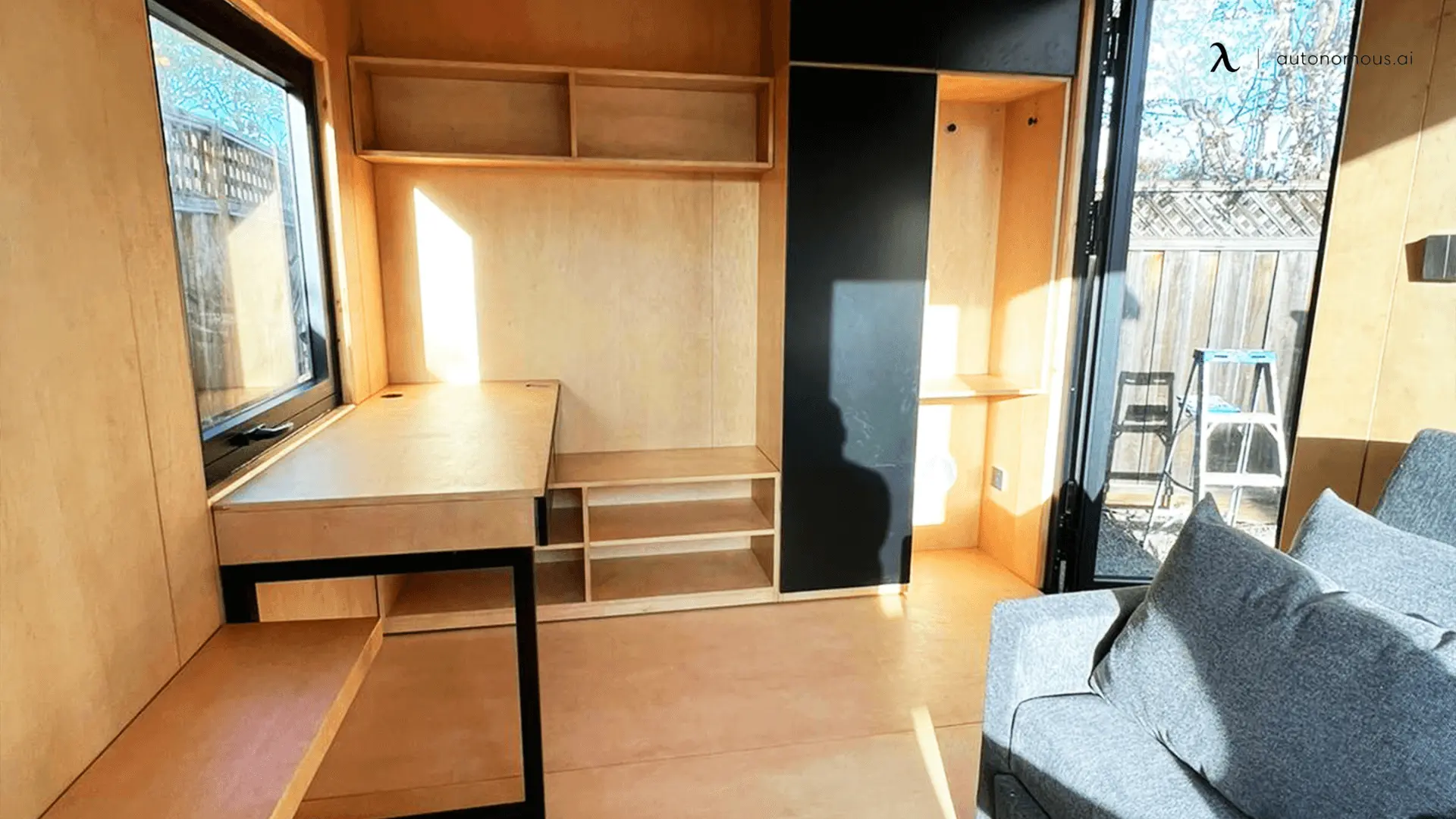
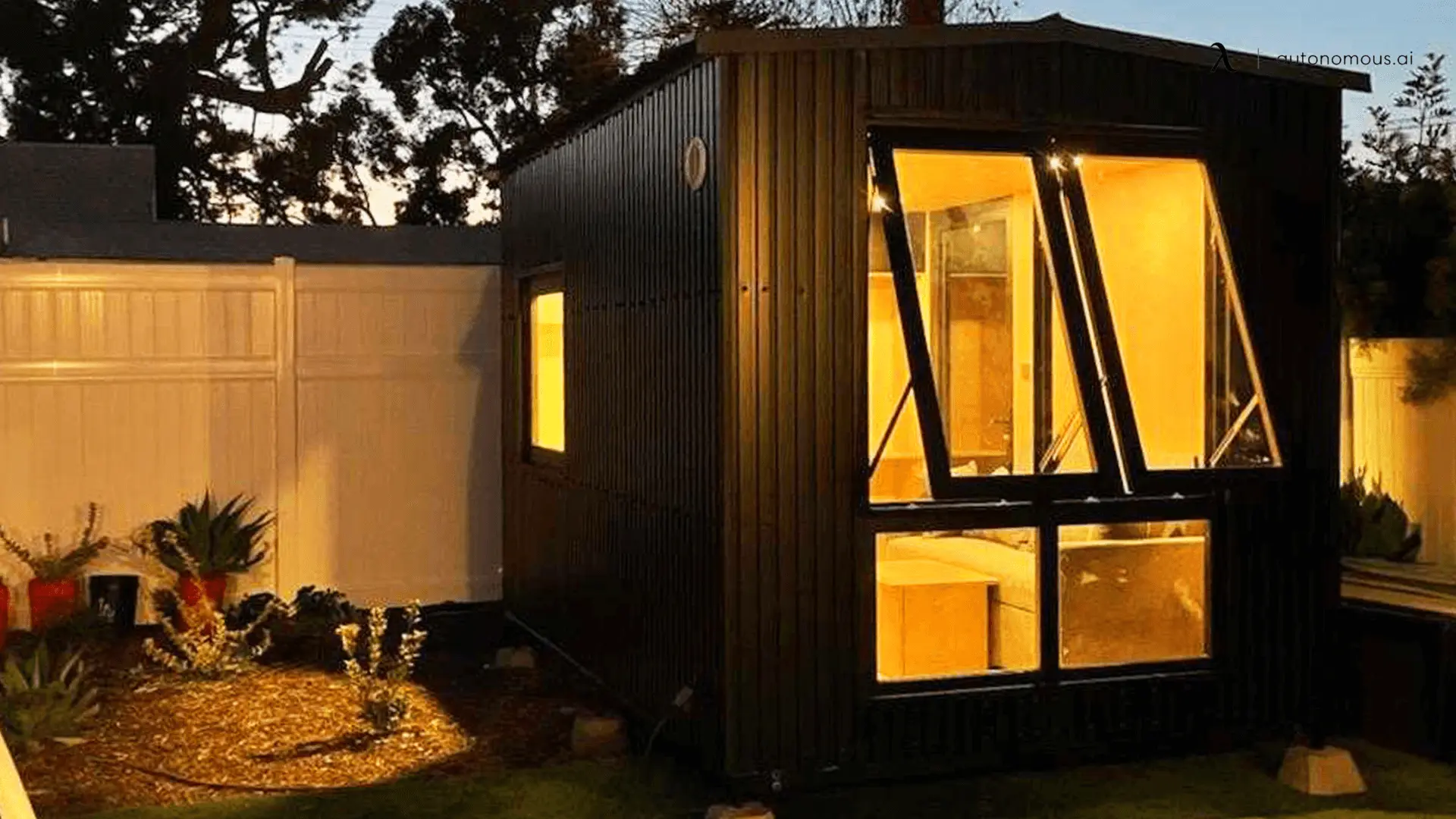
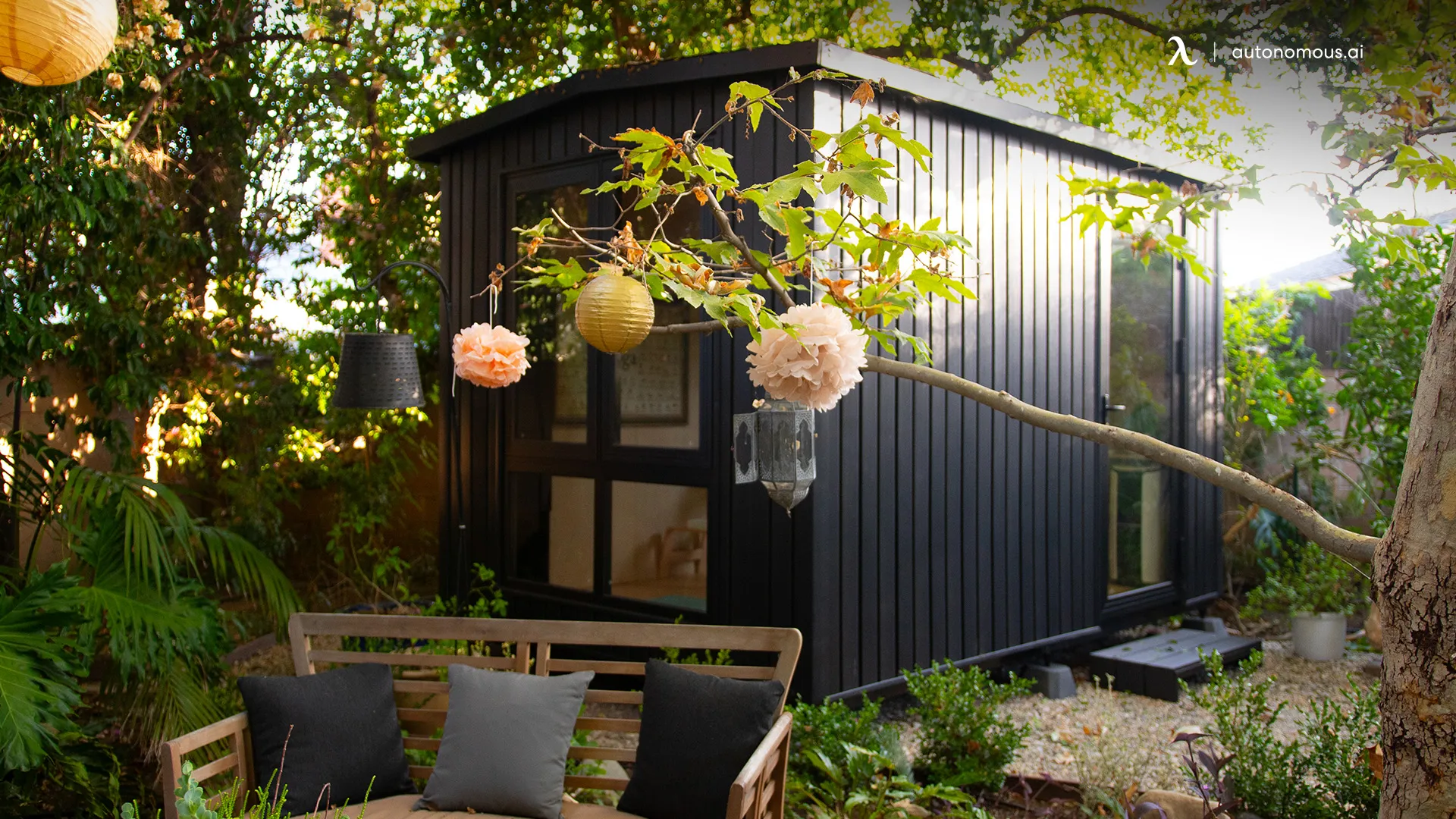
Because these insulated she sheds typically fall under 120 square feet and sit on adjustable foundations rather than permanent ones, they are generally classified as accessory structures similar to sheds in most Massachusetts municipalities. That distinction often means no building permit is required, though homeowners should always confirm with their local building department before purchasing.
FAQs
How much does it cost to build an ADU in Massachusetts?
The cost to build an ADU in Massachusetts typically ranges from $150,000 to $300,000, depending on factors like size, site conditions, and finish quality. Modular and prefab options can lower the initial structure cost, but additional expenses such as foundation work, utility connections, and permits should be considered. Always request an itemized estimate to separate construction and site-specific costs.
How do I choose the right ADU builder in Massachusetts?
To choose the right ADU builder in Massachusetts, ensure they have a valid Massachusetts Construction Supervisor License. Ask about their experience with ADU projects, including the number and types of projects completed and locations. Compare quotes from at least two or three builders to get an accurate idea of pricing, scope, and timeline.
Do ADU builders in Massachusetts handle permitting?
Many ADU builders in Massachusetts include permitting as part of their services, covering plan submissions, zoning applications, and inspections. However, some builders may require homeowners to handle permitting separately. Be sure to clarify this upfront to avoid unexpected responsibilities or costs.
What is the difference between a design-build firm and a general contractor for ADU projects?
A design-build firm offers both architectural planning and construction under one contract, simplifying communication and accountability. In contrast, a general contractor works with plans provided by a separate architect or designer, providing more design flexibility but requiring additional coordination between the parties.
What are the hidden costs of building an ADU in Massachusetts?
Hidden costs of building an ADU may include Title 5 septic upgrades, utility trenching for water and sewer connections, stormwater management, and civil engineering or survey fees for permitting. In towns with historical districts or wetlands, additional review board fees and design modifications may add both time and costs.
Are there financing options available for ADU construction in Massachusetts?
Financing options for ADU construction include HELOCs, cash-out refinances, and construction loans. Massachusetts offers state-backed loans of up to $250,000 for detached ADUs and $150,000 for attached ADUs through the Affordable Homes Act. Additionally, Boston residents may qualify for city-level grants to cover design and permitting expenses.
Conclusion: Moving Forward with Your ADU Project
Building an ADU in Massachusetts is a significant investment in both time and money, and the decisions made early in the process tend to have the most lasting impact. Before committing to any builder, take the time to understand your municipality's specific zoning requirements, confirm whether your property can physically support the type of ADU you have in mind, and establish a realistic budget that accounts for site work, permitting, and utility connections — not just the structure itself.
Homeowners exploring alternatives beyond traditional construction may also find value in reviewing prefab additions or prefab homes under $20K as reference points for what the market currently offers at different price levels.
For regulatory guidance, the Massachusetts Executive Office of Housing and Livable Communities publishes statewide ADU policy resources, and your local building department remains the most reliable source for town-specific rules. Contractor licensing can be verified through the Massachusetts Board of Building Regulations and Standards.
Use the information here as a starting framework. Verify everything independently, and build your decisions around your specific property, budget, and long-term goals.