California ADU Size Limits 2026 and Shed Size Without Permit
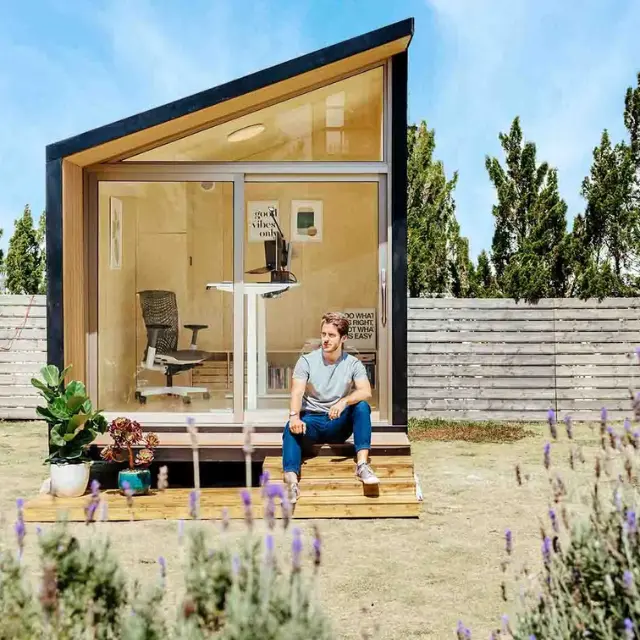
California homeowners are increasingly exploring ADUs, sheds, and backyard workspaces to add flexible living or working space. If you're considering building an ADU in California, understanding current regulations is essential. This guide explains California ADU size limits for 2026, including detached and attached units, along with rules for shed size without a permit. You’ll also learn how local zoning affects what you can build and when a prefab backyard office or smaller outdoor structure may be a simpler alternative.
General ADU Size Limits in California (2026)
In California, detached ADUs can usually be built up to 1,200 square feet, while state law also guarantees that homeowners can build at least an 800 sq ft ADU if it meets certain standards, including:
- maximum 16-foot height
- 4-foot side and rear setbacks
Understanding California ADU setback requirements can help clarify how these rules affect placement and buildable space. Local zoning rules may still affect larger ADUs, depending on the property and jurisdiction. Below are the most common size limits by ADU type.
1. Detached ADU
Detached ADUs are standalone structures such as backyard cottages or small homes.
Maximum size: Up to 1,200 square feet in most California jurisdictions. Before beginning construction, homeowners often also coordinate site preparation needs such as dumpster rentals to manage debris efficiently during excavation and building phases.
However, local rules may still consider:
- lot coverage
- property size
- bedroom count
- neighborhood zoning
2. Attached ADU
Attached ADUs share at least one wall with the primary residence.
They generally cannot exceed 50% of the primary home’s floor area, although California law also allows at least:
- 850 sq ft for a one-bedroom unit
- 1,000 sq ft for a two-bedroom unit
Because attached ADUs are tied to the size of the main house, local regulations may still apply. Requirements can also vary by region, so it helps to review how ADU rules are applied in Southern California and Northern California.
3. Conversion ADU
Conversion ADUs transform existing structures such as:
- garages
- basements
- attics
- storage buildings
These ADUs typically do not have a separate maximum size limit because they reuse an existing structure. In most cases, the final size is limited by the dimensions of that structure. Many homeowners start by researching how to convert a garage to an ADU in California when they want to add living space without building a new detached unit.
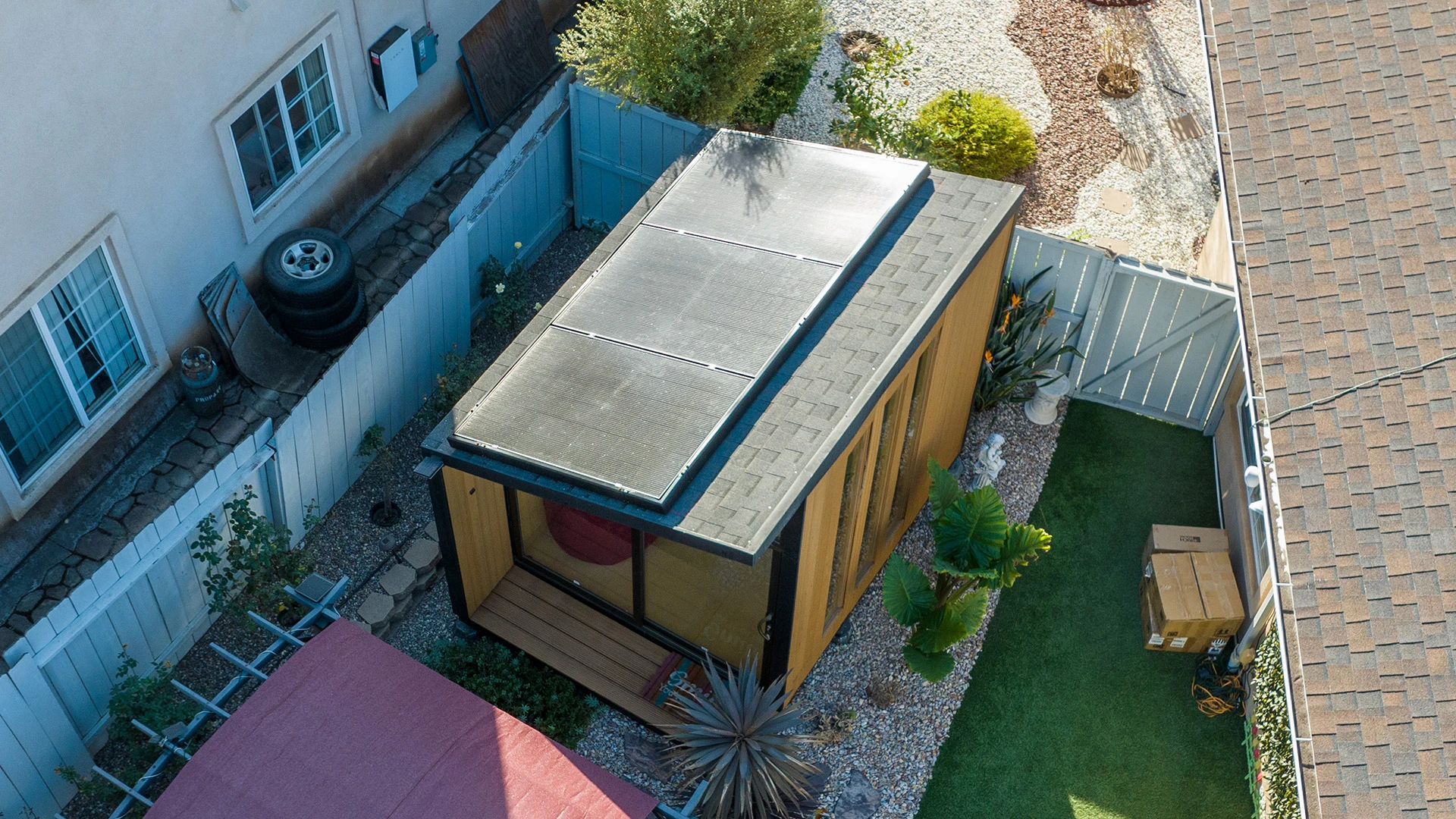
The same idea applies to smaller backyard structures. Some homeowners explore converting a shed into a home office when they need a private workspace rather than a full living unit. In both cases, the existing footprint often shapes what is realistically possible.
If converted to a Junior ADU (JADU):
- must remain within the primary residence
- cannot exceed 500 sq ft
Detailed ADU Size Limits by City/County
| City/County | Minimum Size | Maximum Size |
|---|---|---|
| Los Angeles | No minimum size specified | 1,200 sq. ft. or no more than 50% of the primary residence; detached ADUs up to 1,200 sq. ft. |
| San Diego | No minimum size specified | 1,200 sq. ft. for detached; attached ADUs limited to 50% of existing living area, up to 1,200 sq. ft. |
| San Francisco | 150 sq. ft. | 850 sq. ft. for one-bedroom; up to 1,000 sq. ft. for two-bedroom; JADUs up to 500 sq. ft. |
| San Jose | No minimum size specified | 1,000 sq. ft. for one-bedroom or studio; up to 1,200 sq. ft. for more than one bedroom; detached ADUs up to 1,200 sq. ft. |
| Oakland | 150 sq. ft. | 850 sq. ft. for one-bedroom; up to 1,000 sq. ft. for two-bedroom; detached ADUs up to 1,200 sq. ft. |
| Sacramento | No minimum size specified | Detached ADUs up to 1,200 sq. ft.; attached ADUs limited to 50% of existing living area, up to 1,200 sq. ft. |
| Santa Monica | No minimum size specified | 800 sq. ft. for lots < 6,000 sq. ft.; up to 1,200 sq. ft. for larger lots |
| Berkeley | No minimum size specified | 850 sq. ft. for one-bedroom; up to 1,200 sq. ft. for more than one bedroom |
| Pasadena | 150 sq. ft. | 850 sq. ft. for one-bedroom; up to 1,200 sq. ft. for two-bedroom |
| Fresno | No minimum size specified | Up to 1,200 sq. ft. regardless of primary residence size |
Local planning departments may still apply rules related to:
- building height
- lot coverage
- historic districts
- neighborhood zoning overlays
Shed Size Without Permit in California
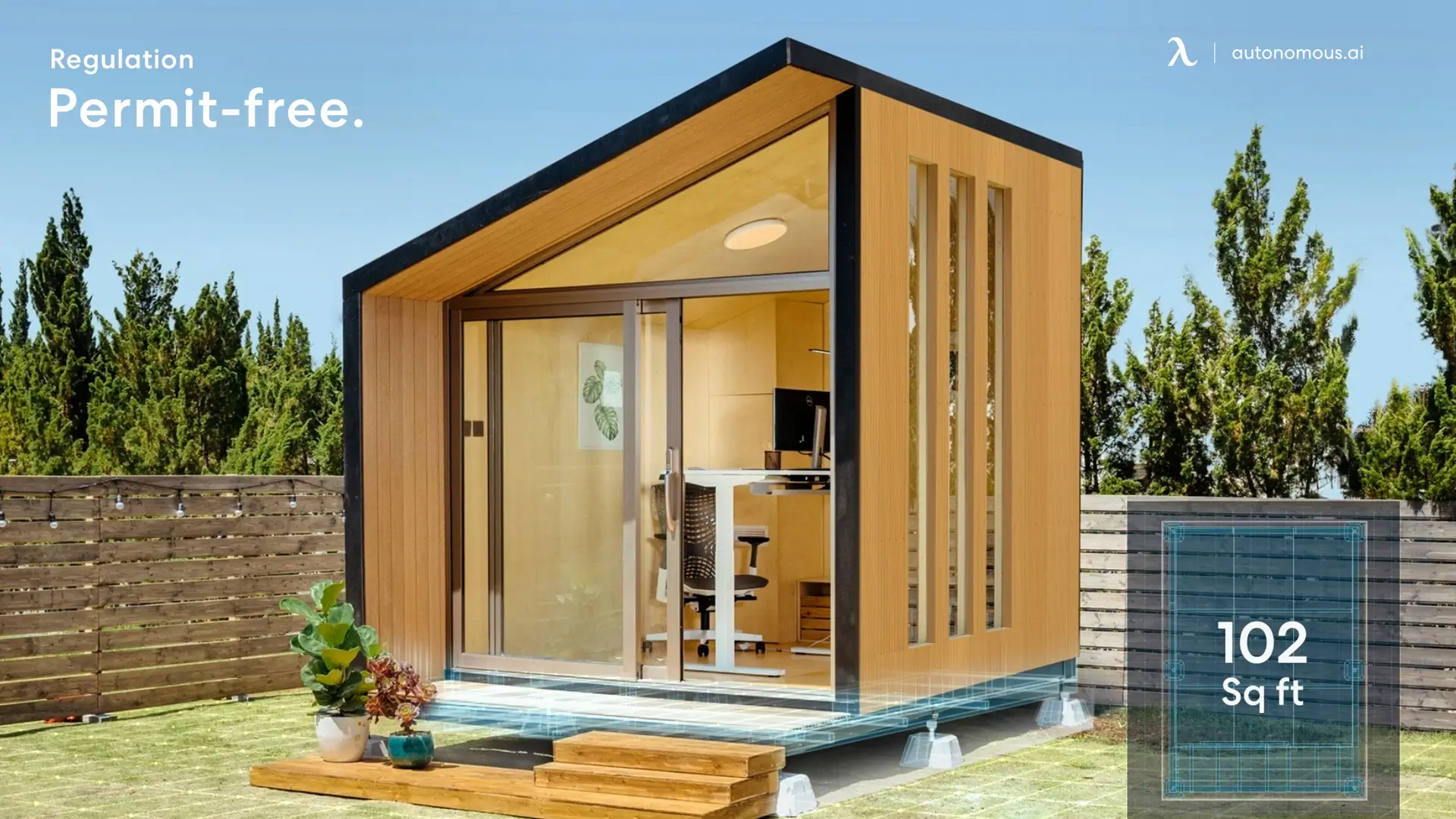
In many California jurisdictions, a shed under 120 square feet may not require a building permit if it is a one-story detached structure used for storage or a similar non-habitable purpose. That is why searches like shed size without permit California, largest shed without permit California, and what size shed requires a permit in California usually point to the same general threshold: 120 sq ft.
However, size is only one part of the rule. A permit may still be required if the structure includes electricity, plumbing, exceeds local height limits, or does not meet setback requirements. This is also why homeowners should understand the risks of an unpermitted ADU in California before assuming a backyard structure is automatically exempt.
This becomes even more relevant for backyard offices, since a workspace often falls outside the rules for a basic storage shed. Buyers comparing layouts often look at she shed sizes or the average home office size to understand what footprint feels practical for daily use.
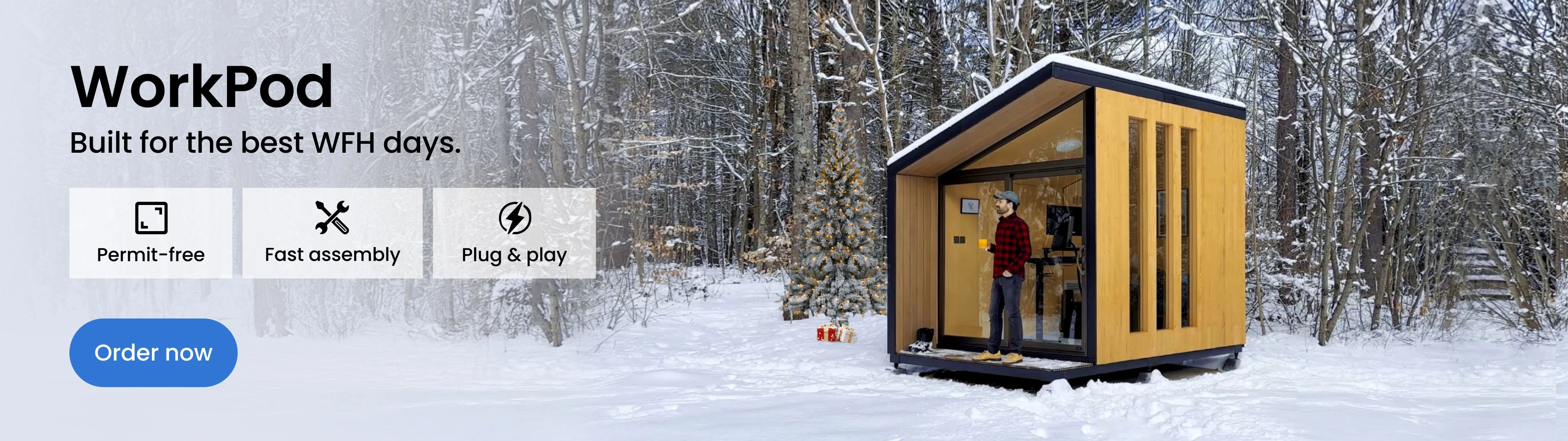
For homeowners who want a dedicated workspace without building a full ADU, Autonomous WorkPods offer a practical alternative.
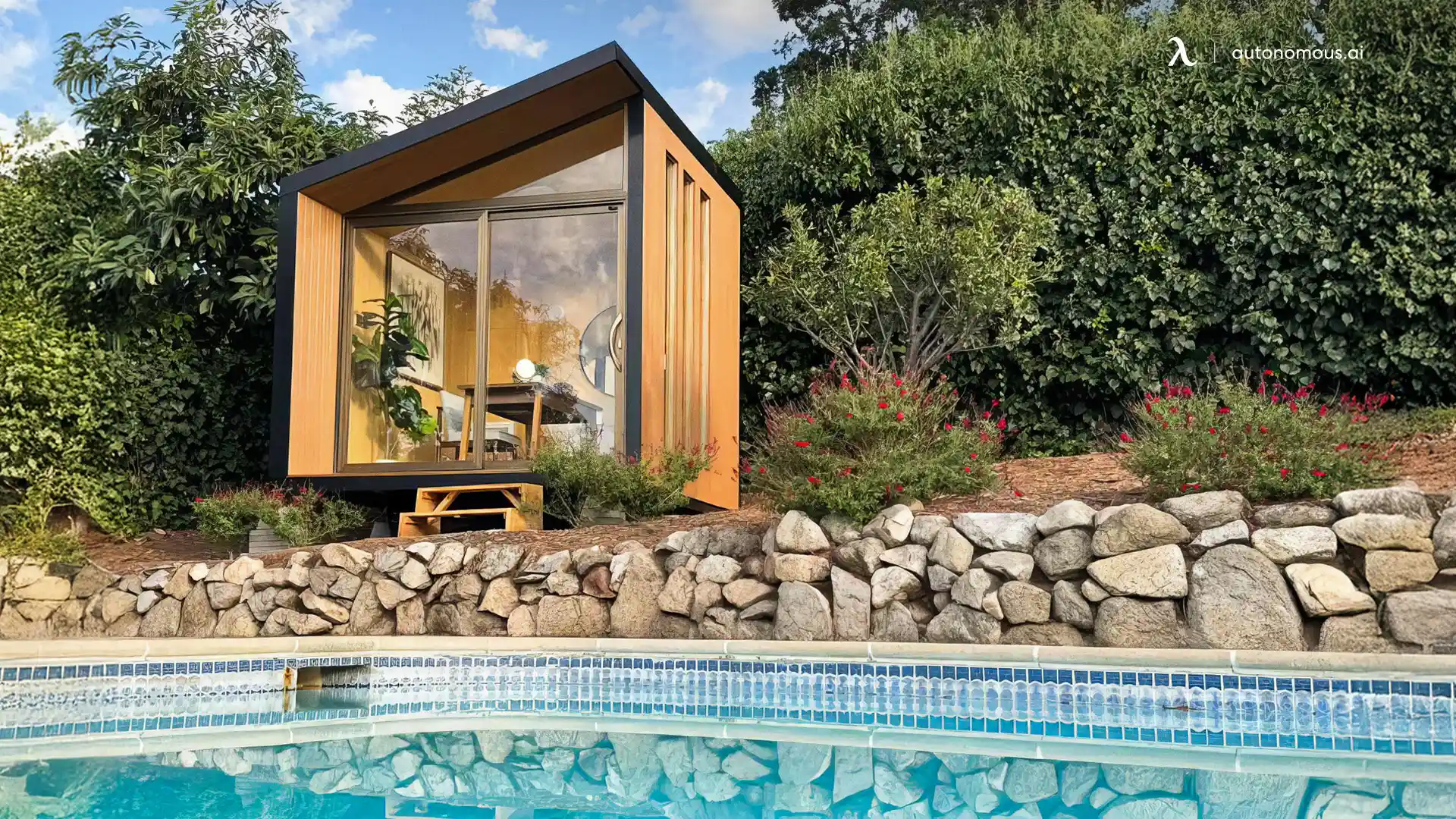
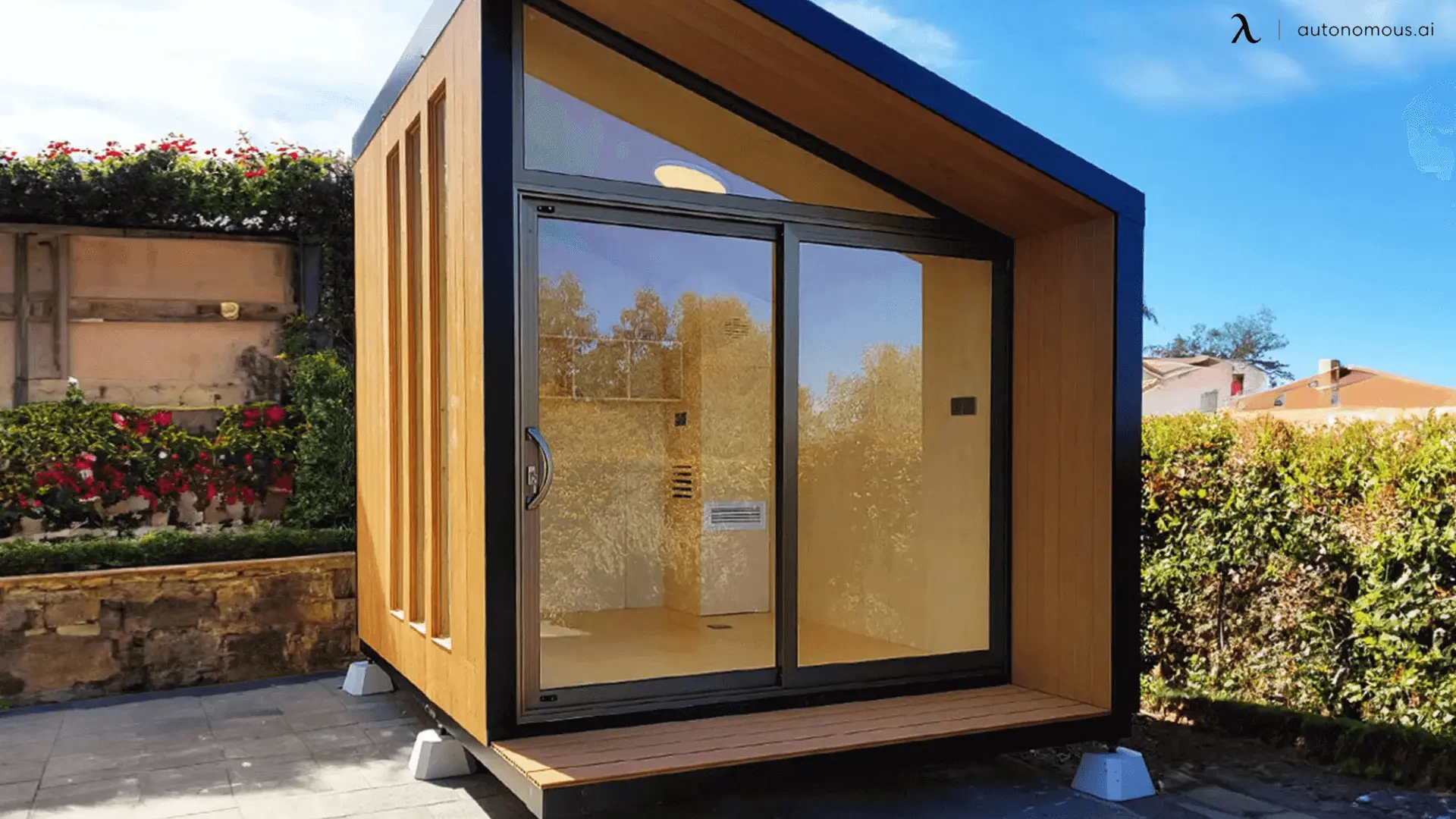
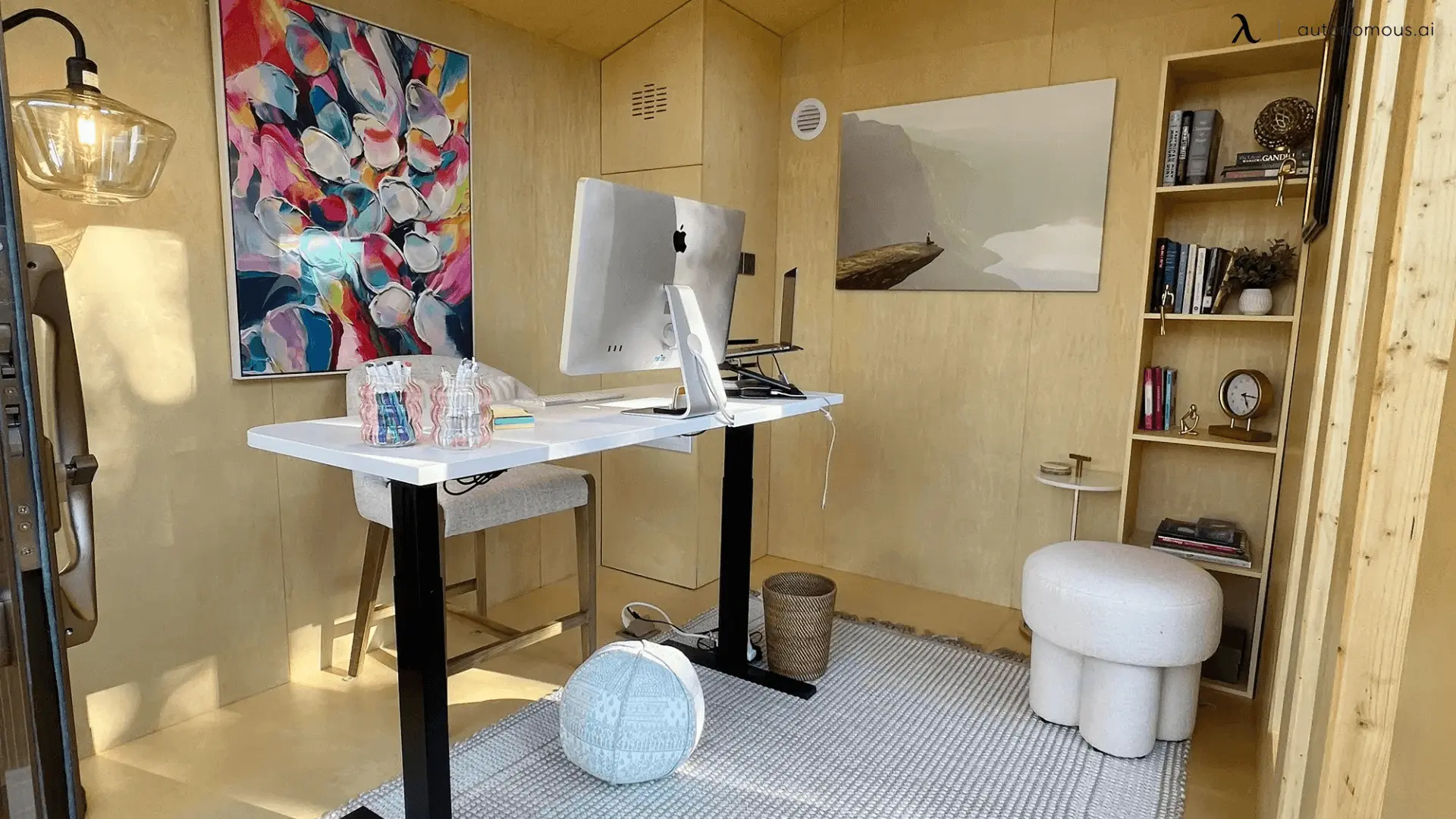
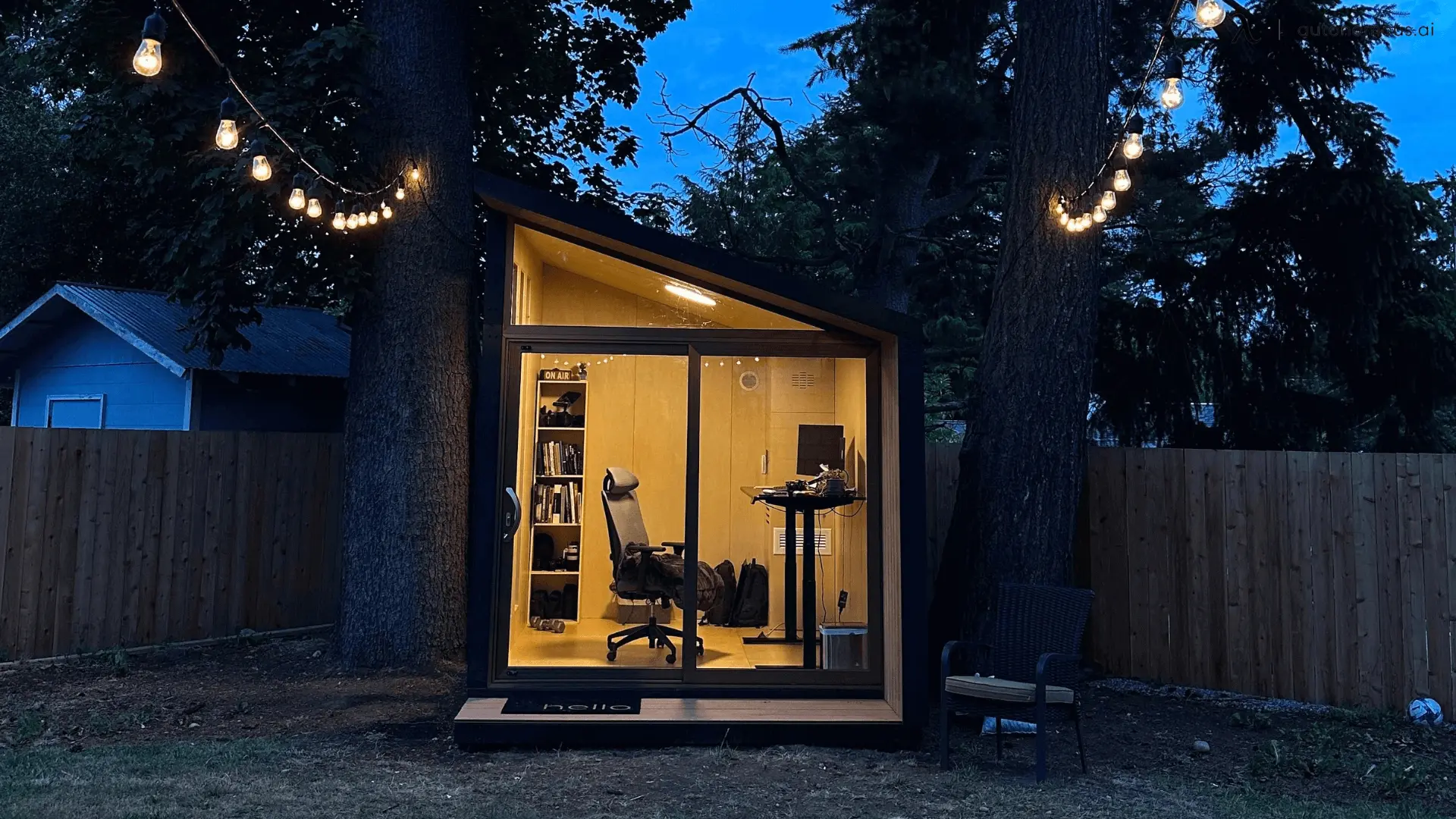
Options like MetroPod fit within the size range many buyers consider when researching a legal shed size without permit in California, while offering a more functional setup for work than a standard shed.
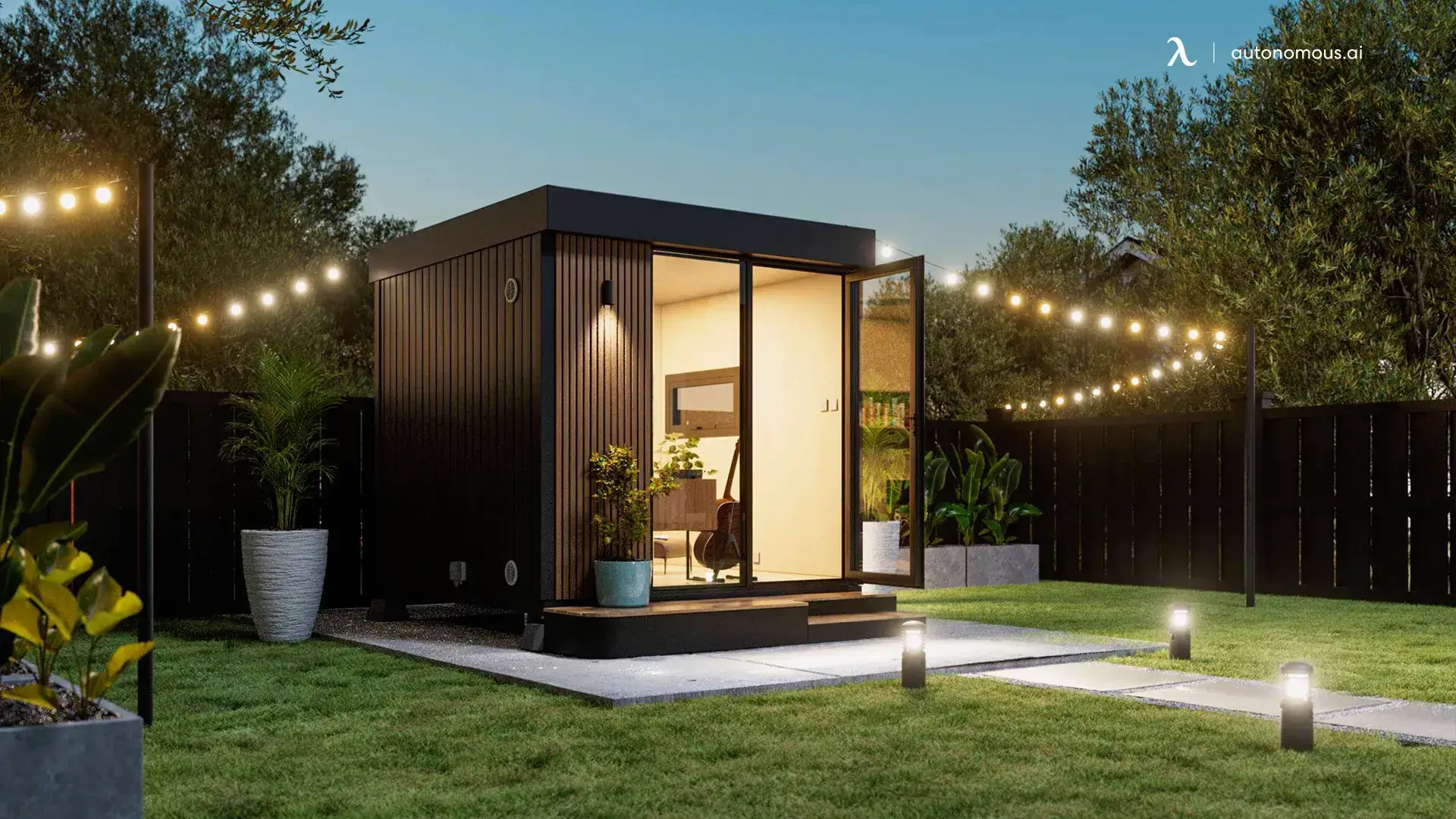
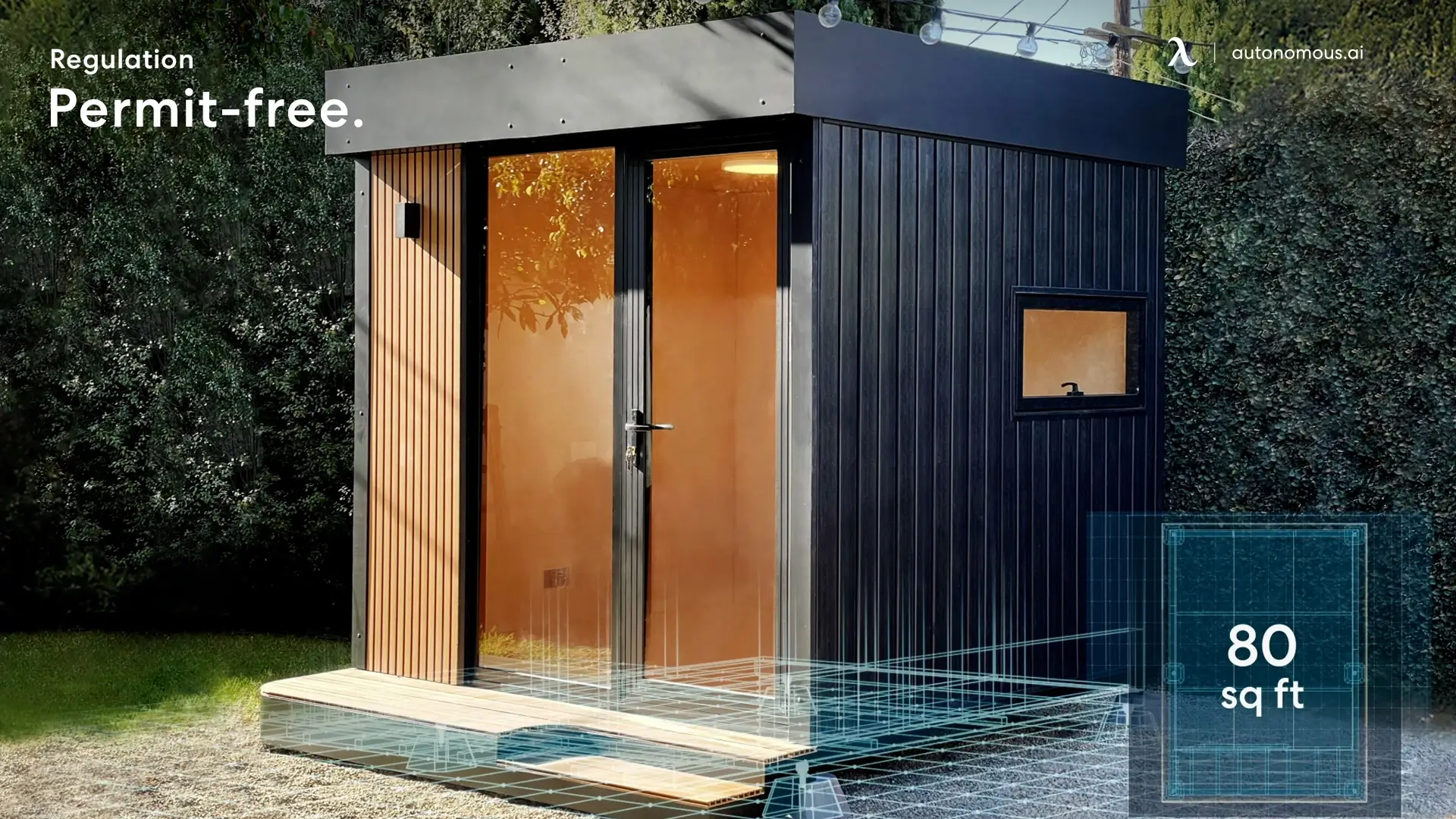
Homeowners comparing compact structures may also look at a 150 sq ft ADU or 200 sq ft ADU before deciding whether a smaller backyard office pod in California is the better fit.
Since local zoning rules vary, it is still important to confirm permit, utility, and use requirements with your city or county before buying.
FAQs
How big can an ADU be in California?
In California, a detached ADU can usually be built up to 1,200 square feet. Attached ADUs may also reach large sizes, but local zoning rules and property conditions can still affect what is allowed.
What is the minimum ADU size in California?
California generally allows ADUs as small as 150 square feet, as long as the unit meets basic building standards for habitable space, including a living area, kitchen, and bathroom.
What is the maximum ADU size in California?
The maximum ADU size in California depends on the type of unit. Detached ADUs can typically be built up to 1,200 square feet, while attached ADUs are often limited to 50% of the main home’s floor area, with local rules sometimes setting additional caps.
Can I build a prefab ADU in California?
Yes. Prefab ADUs are allowed in California and must follow the same state and local zoning, size, and building requirements as site-built ADUs. Many homeowners choose prefab ADUs for faster construction and more predictable costs.
Do local California cities have different ADU size limits?
Yes. California state law sets baseline ADU rules, but cities and counties may still apply their own standards for height, setbacks, lot coverage, and design. That is why homeowners should always check local planning requirements before starting a project.
Are attached and detached ADUs subject to the same size rules?
No. Detached ADUs usually have a higher maximum size allowance, while attached ADUs are more often tied to the size of the primary home. The exact limit depends on both state law and local regulations.
What size shed can I build without a permit in California?
In many California jurisdictions, a one-story detached shed under 120 square feet may be exempt from a building permit. But that usually applies only when the shed is used for storage or a similar accessory use and does not include plumbing or other features that trigger permits. Local rules still vary, so homeowners should confirm with their city or county before building.
What is the largest shed without a permit in California?
In most cases, the largest shed allowed without a permit is 120 square feet. Some local jurisdictions also add limits tied to height, setbacks, utilities, and intended use, so the actual legal limit may be lower depending on the property.
Does a 120 sq ft shed need a permit in California?
Often, a 120 sq ft shed may be permit-exempt, but only if it meets local conditions such as being detached, one story, and used as a non-habitable accessory structure. In some places, electrical work, plumbing, height, or zoning restrictions can still require permits or separate approvals.
What size shed requires a permit in California?
A shed over 120 square feet typically requires a building permit in California. A permit may also be required for smaller sheds if they include utilities, exceed local height limits, or do not meet setback rules.
Is a backyard office shed treated the same as a storage shed in California?
Not always. A simple storage shed is more likely to qualify for permit exemption, while a backyard office shed may trigger additional requirements because of electricity, ventilation, insulation, or habitable-use standards. That is why many homeowners should check both building and zoning rules before planning a work shed or backyard office.
What should I check besides shed size?
Even if your shed is under the common 120 sq ft threshold, you should still check setbacks, height limits, utilities, and zoning rules. Some California jurisdictions make permit exemptions conditional on those factors.
Conclusion
Understanding ADU size limits in California is essential when planning a backyard project. With detached ADUs allowed up to 1,200 square feet, homeowners now have more flexibility to expand their property.
However, building an ADU involves permits, construction timelines, and zoning requirements. For homeowners who simply need a dedicated workspace, alternatives like prefab backyard office pods can provide a faster and simpler solution.
Choosing the right option depends on your goals, budget, and local regulations. With the right planning, an ADU or backyard workspace can add valuable and functional space to your property.