


Panelized Kit Homes: Build Your Dream Home Fast and Affordably
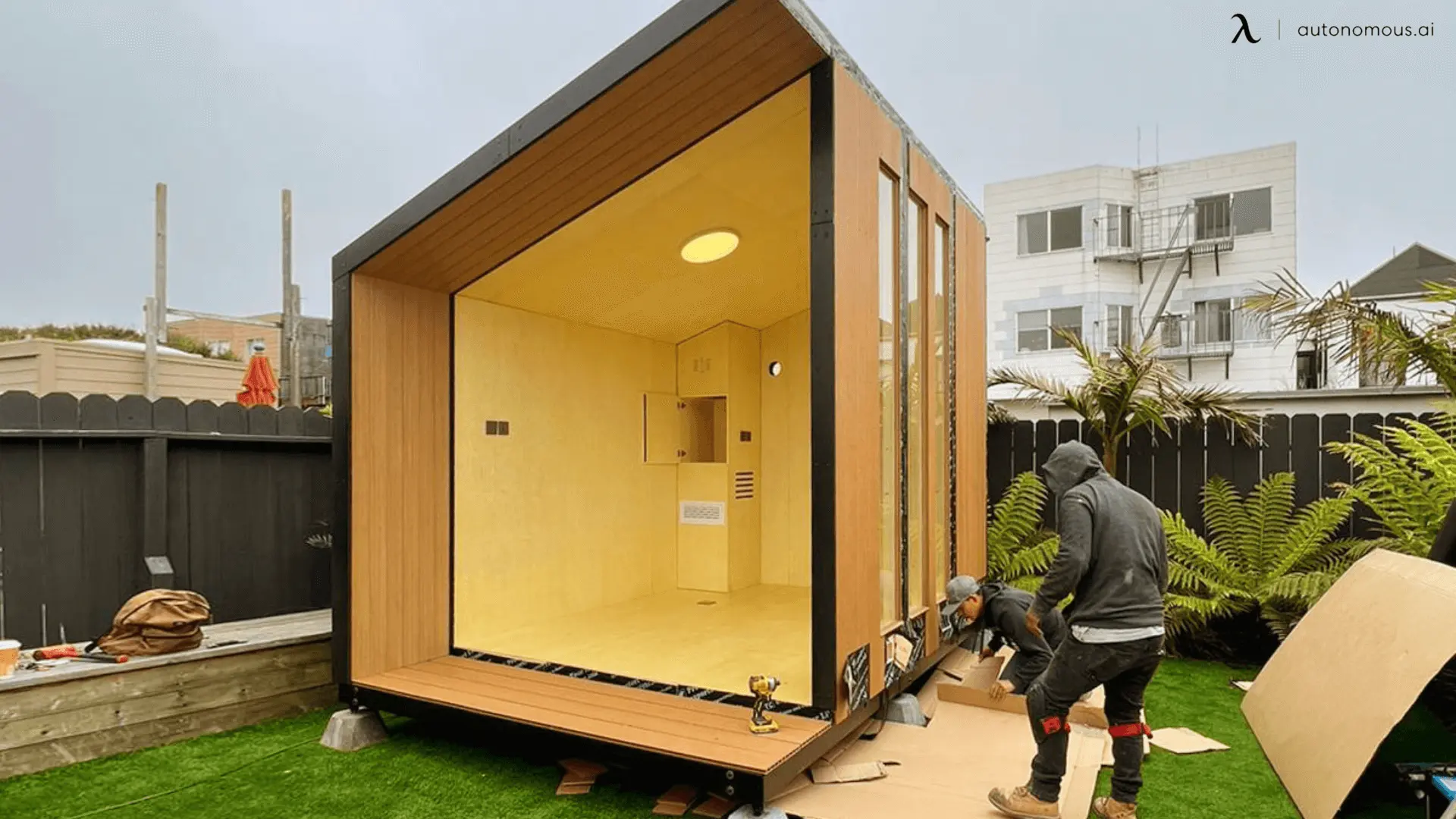
Table of Contents
Panelized kit homes offer a modern approach to homebuilding, combining affordability, speed, and flexibility. These homes use pre-manufactured, pre-cut panels that are delivered to the site for easy assembly. This construction method allows for quicker build times and less labor, making it an appealing choice for homeowners looking for a custom home without the high costs and long timelines associated with traditional construction.
What Are Panelized Kit Homes?
Panelized kit homes are a type of prefabricated home that comes with pre-framed wall panels, roof trusses, and other essential components for assembly. Unlike modular homes or modular garden rooms, which are fully constructed in a factory and transported to the site, panelized kit homes are shipped in parts that are assembled on-site. This allows for more flexibility in design and easier customization, making them an appealing option for homeowners and builders alike.
The components of a panelized kit typically include:
- Pre-cut exterior and interior wall panels
- Roof trusses
- Windows and doors
- Lumber and necessary hardware (nails, screws, etc.)
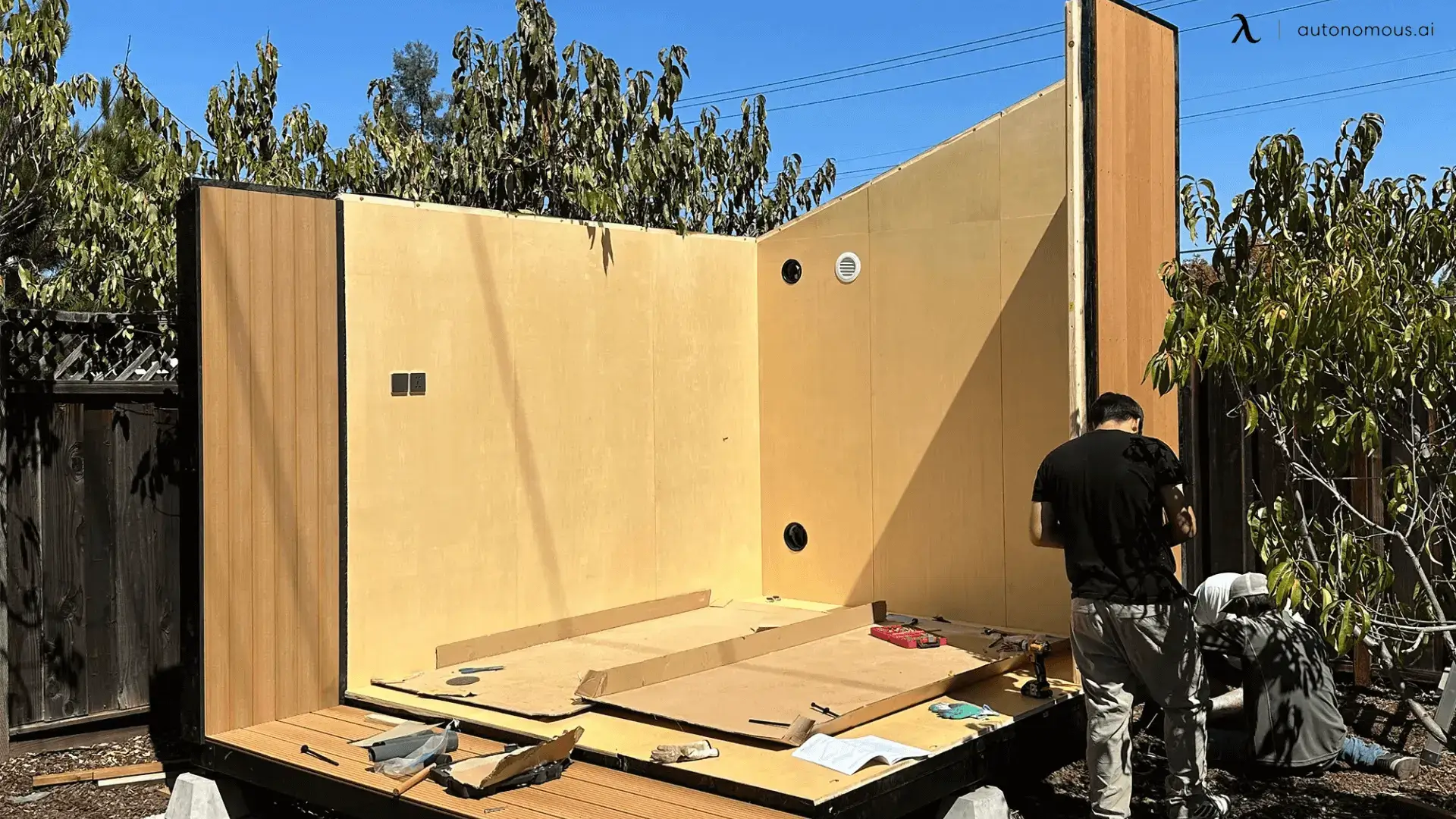
These homes are constructed on-site, with the panels being put together in a similar fashion to building a house with traditional framing, but with much less labor and time involved. The result is a highly efficient and cost-effective building solution that doesn't compromise on design.
Benefits of Panelized Kit Homes
Panelized kit homes offer several advantages over traditional homebuilding, making them a popular choice for homeowners, especially in California where the housing market and construction costs can be steep. Let’s explore some of the key benefits:
Cost Efficiency
Panelized homes can significantly reduce the overall cost of construction. With pre-fabricated components, labor costs are lower, and there’s less waste produced on-site. You’re only paying for the materials you need, and the reduced labor time can lead to substantial savings. For instance, affordable backyard studios offer a budget-friendly solution for creating functional space without breaking the bank. Additionally, there are prefab homes under 20k that provide even more affordable housing options without compromising quality.
Time Savings
A traditional home build can take several months, but with panelized kit homes, the assembly process is much quicker. The pre-cut panels and components are designed for easy assembly, meaning the majority of the construction is already done for you before it even reaches the site. This can save you valuable time, especially if you’re on a tight schedule.
Flexibility and Customization
One of the most appealing features of panelized kit homes is their flexibility. Whether you’re building a small guest house or a large family home, these kits can be tailored to fit your specific needs. You can choose the design, layout, and finishes that work best for your space.
Sustainability
Because of the way panelized homes are built, they tend to be more environmentally friendly. Pre-cut components reduce waste on-site, and many manufacturers focus on using sustainable materials. This is a great option if you’re looking to reduce your carbon footprint.
Panelized vs. Modular vs. Traditional Homes
Feature | Panelized Homes | Modular Homes | Traditional Homes |
Construction Process | Pre-framed panels shipped to the site for assembly. | Pre-built sections assembled at the site. | Built entirely on-site from scratch. |
Customization | High customization; design can be adapted during assembly. | Limited customization; designs are predefined. | Full customization in design and layout. |
Speed of Construction | Fast assembly due to pre-framed components. | Fast due to pre-built sections, but less flexible. | Slow; typically takes months to complete. |
Cost | More affordable than traditional homes. | Often more expensive than panelized kits but less than traditional. | High due to labor costs and time. |
Labor Requirements | Less labor-intensive; assembly is quicker. | Less labor-intensive but requires more for section assembly. | High labor cost due to full on-site construction. |
Durability | Durable, depending on materials used. | Durable, often built to high standards. | Generally durable with proper maintenance. |
Energy Efficiency | Often energy-efficient with pre-cut materials. | Energy-efficient depending on design and materials. | Can be energy-efficient, but depends on materials and construction methods. |
Design Flexibility | High flexibility, especially in layout and size. | Limited flexibility in design choices. | Maximum flexibility in design and materials. |
Sustainability | Often uses sustainable materials and reduces waste. | May be less eco-friendly compared to panelized kits. | Sustainability depends on materials and methods. |
Best For | Homeowners looking for cost-effective and customizable options. | Those looking for quicker builds with limited customization. | Homeowners who want complete control over design and are willing to invest time and money. |
Cost Breakdown of Panelized Kit Homes
Cost is one of the most important factors when deciding whether to go for a panelized kit home. While prices vary depending on the manufacturer and the size of the home, here’s a general breakdown of what you can expect. If you’re considering a smaller option, the cost of a tiny home might offer an even more affordable solution with a similar construction approach.
Cost Component | Estimated Cost |
Base Kit | $10,000 - $75,000 |
Foundation | $5,000 - $25,000 |
Labor | $10,000 - $50,000 |
Utilities (Plumbing, Electrical, HVAC) | $5,000 - $30,000 |
Finishes and Fixtures | $5,000 - $40,000 |
Permitting and Fees | $2,000 - $10,000 |
Landscaping & Exterior | $5,000 - $15,000 |
Shipping and Delivery | $3,000 - $10,000 |
Contingency Fund | 10% - 15% of Total Cost |
California Example (1,500 sq ft Home)
When considering building a panelized kit home in California, the cost breakdown can vary based on the location and type of construction. For example, a 1,500 sq ft panelized home in California might cost around $115,000. This includes everything from the base kit to landscaping. California is known for its diverse prefab options, making it essential to understand the local market. For those interested in prefab homes in California, there are several reputable prefab home suppliers in California that can help streamline the process.
Additionally, if you’re looking to maximize the use of your property, investing in the best prefab ADU in Southern California could be a smart decision. This would give you an affordable and quick way to expand your space with minimal hassle.
Cost Component | Example Cost (California) |
Base Kit | $50,000 |
Foundation | $15,000 |
Labor | $25,000 |
Utilities | $15,000 |
Finishes and Fixtures | $20,000 |
Permitting and Fees | $5,000 |
Landscaping & Exterior | $10,000 |
Shipping and Delivery | $5,000 |
Contingency Fund | $15,000 (10% of total) |
Total Estimated Cost (California Example): $115,000 (1,500 sq ft home)
For those seeking affordable alternatives, prefab homes are available for under $100k in different regions. You can explore prefab homes under $100k in Tennessee to find budget-friendly options without compromising on quality.
Additionally, there are prefab homes under $100k in Maine, offering affordable housing solutions with similar benefits to panelized kits.
Lastly, if you’re considering a home in the Midwest, prefab homes under $100k in Wisconsin provide an excellent alternative for those looking to save on construction costs.
Step-by-Step Guide to Building a Panelized Kit Home
Building a panelized kit home is an exciting process. Here’s a simple step-by-step guide to help you understand what’s involved:
Step 1: Pre-Planning
Before the kit arrives, you’ll need to prepare your site. This includes clearing the land, laying the foundation, and ensuring utilities are ready to be connected.
Step 2: Ordering the Kit
Once your site is prepared, order the kit. Make sure to check that all components are included and in good condition upon arrival.
Step 3: Assembling the Panels
This is where the fun begins. With the help of a team or contractor, you’ll start assembling the panels. The process typically starts with the exterior walls, followed by the roof trusses.
Step 4: Installing Utilities
Once the structure is complete, you’ll need to install utilities like plumbing, electrical, and HVAC. This can be done by a licensed professional.
Step 5: Finishing Touches
The final step is to add the interior finishes, such as flooring, cabinetry, and paint. Once everything is in place, you’ll have a beautiful new home ready to enjoy.
Why Choose Autonomous WorkPods for Your Backyard Office?
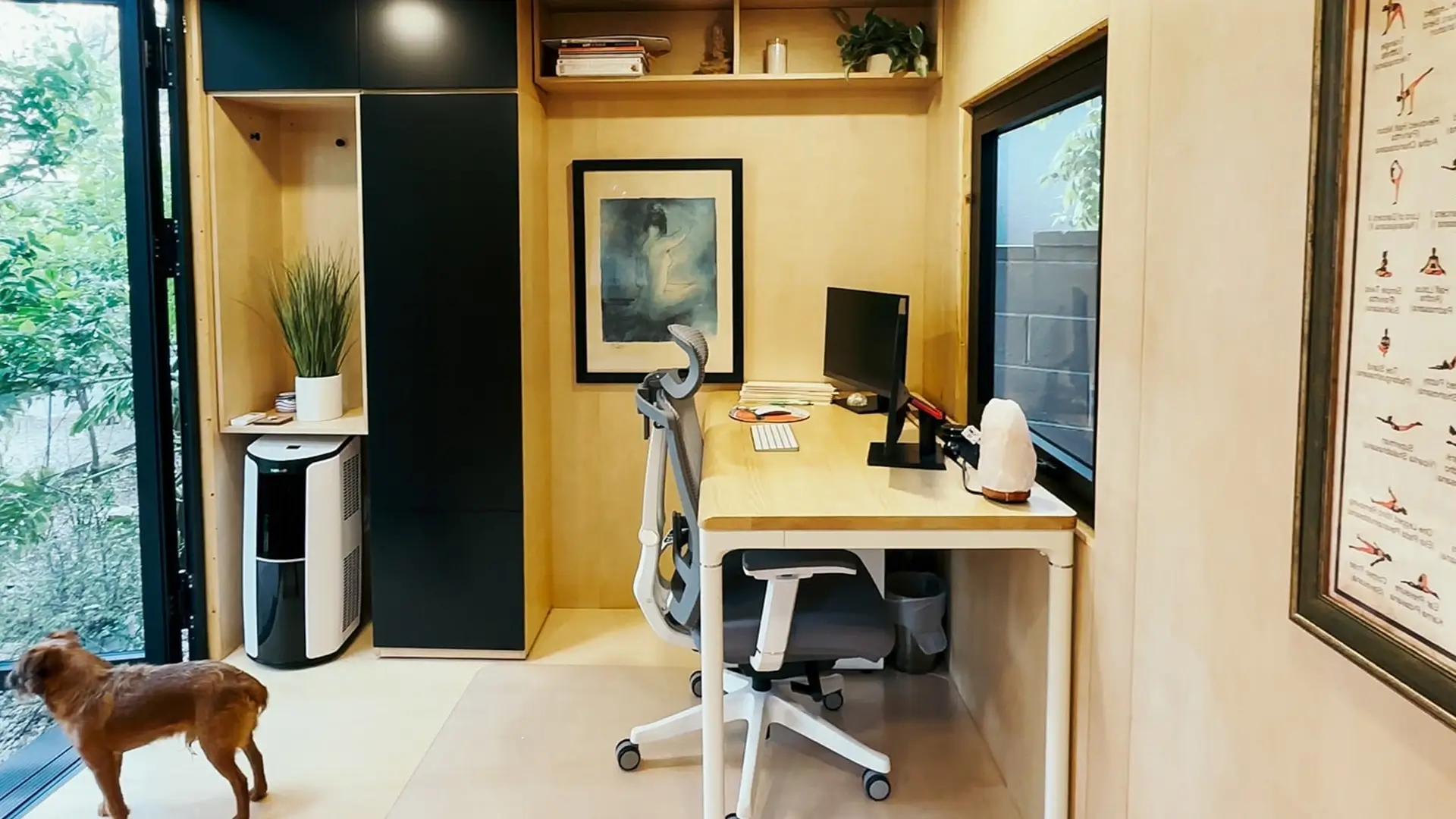
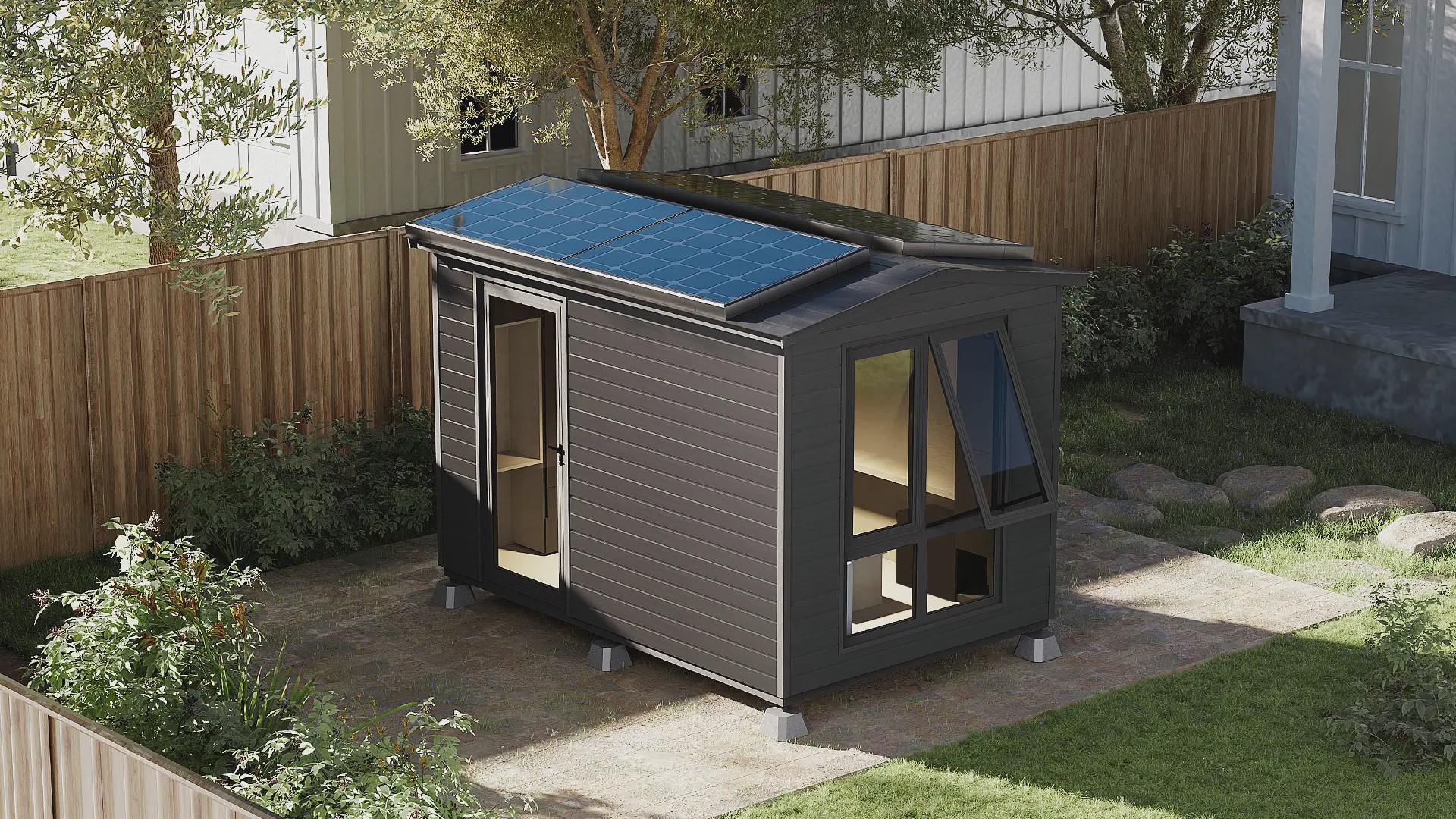
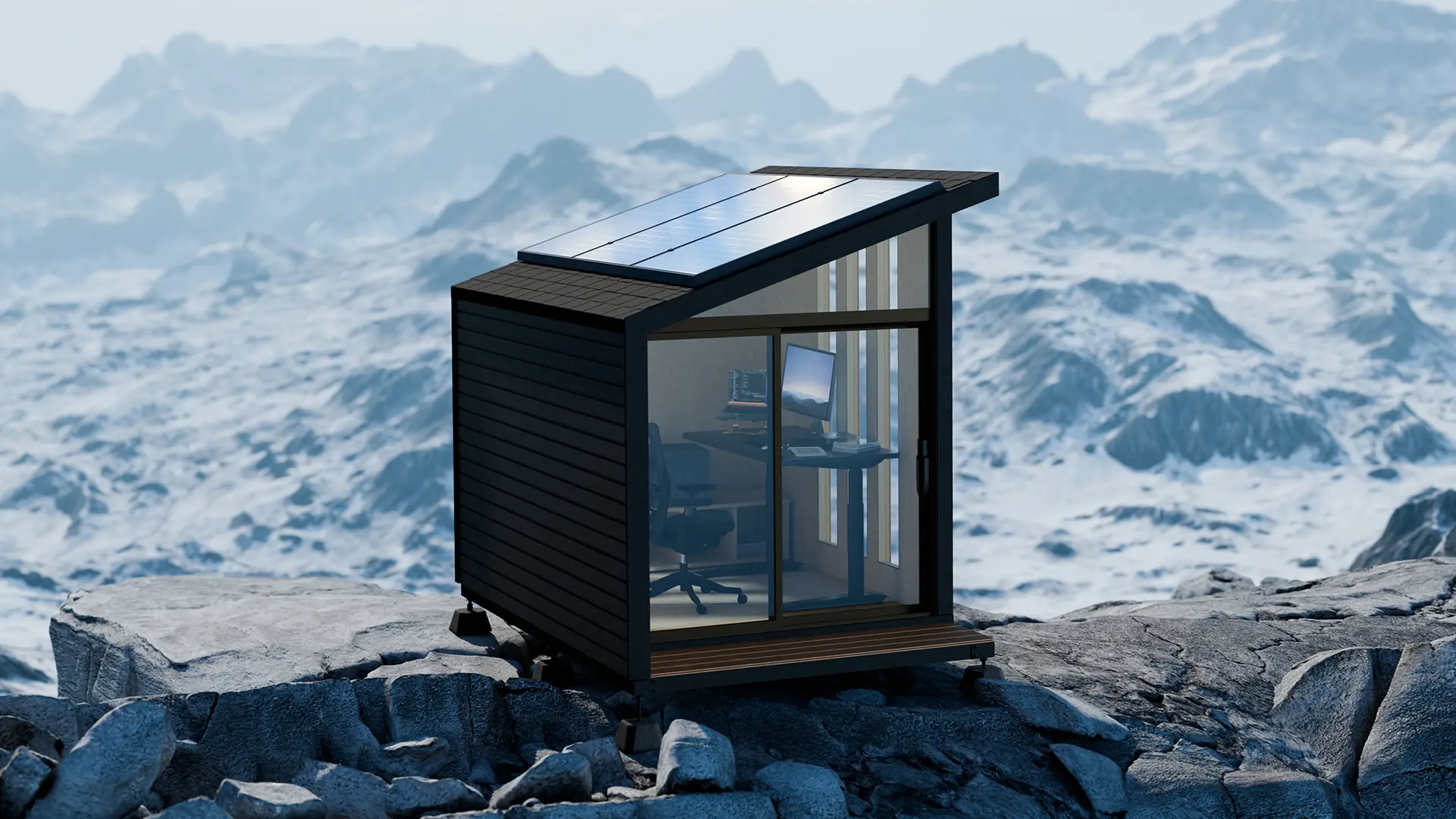
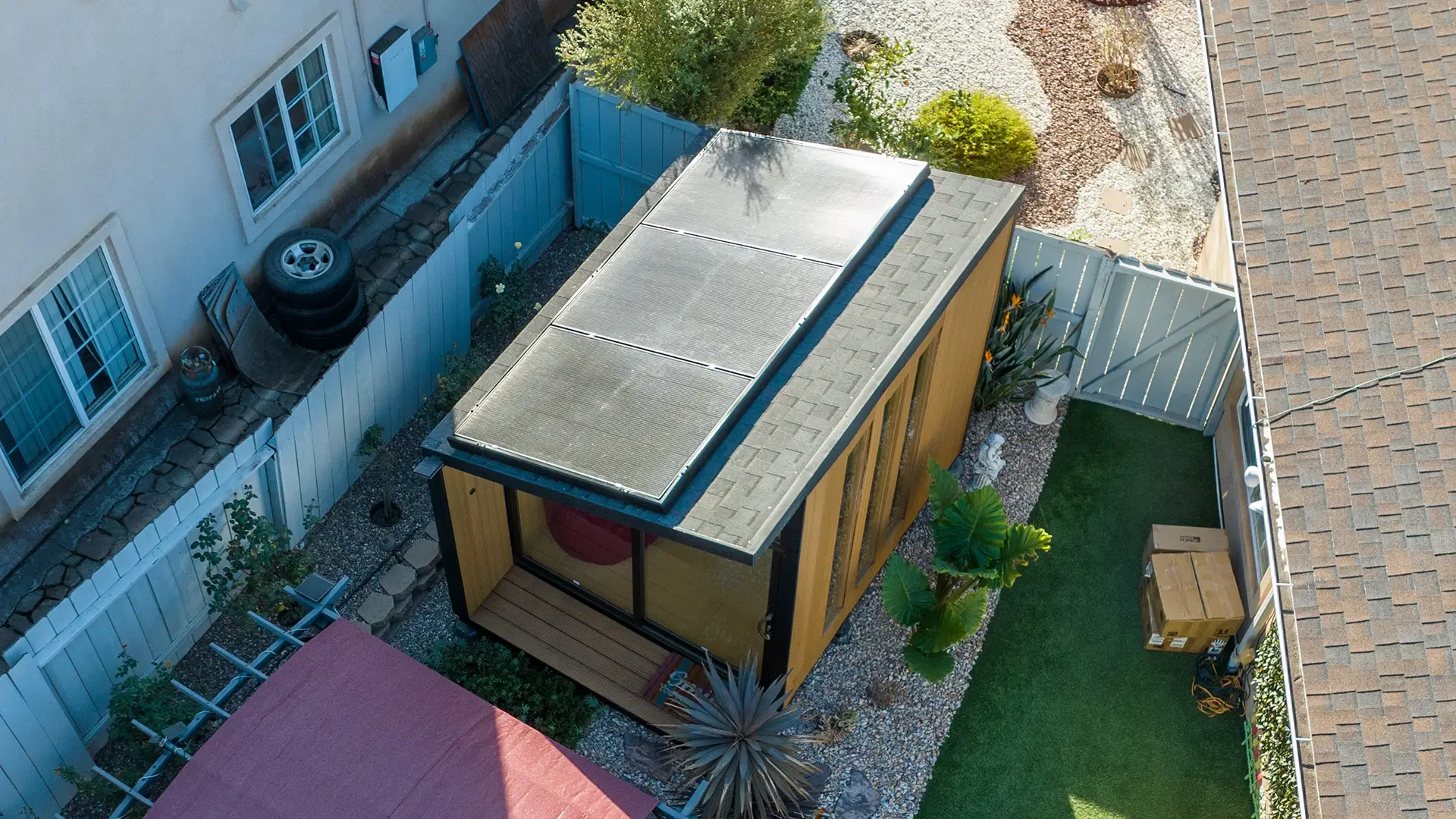
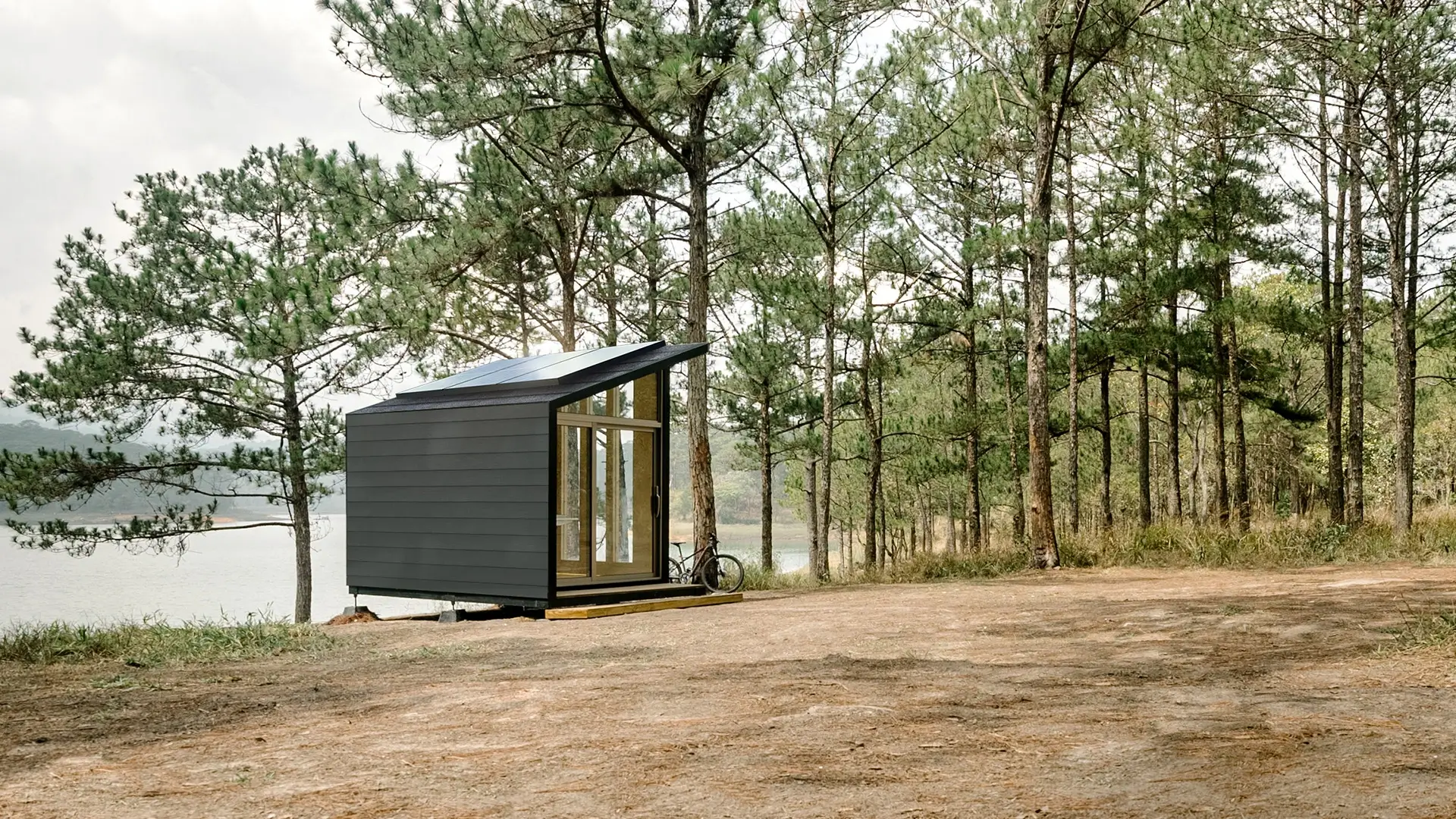
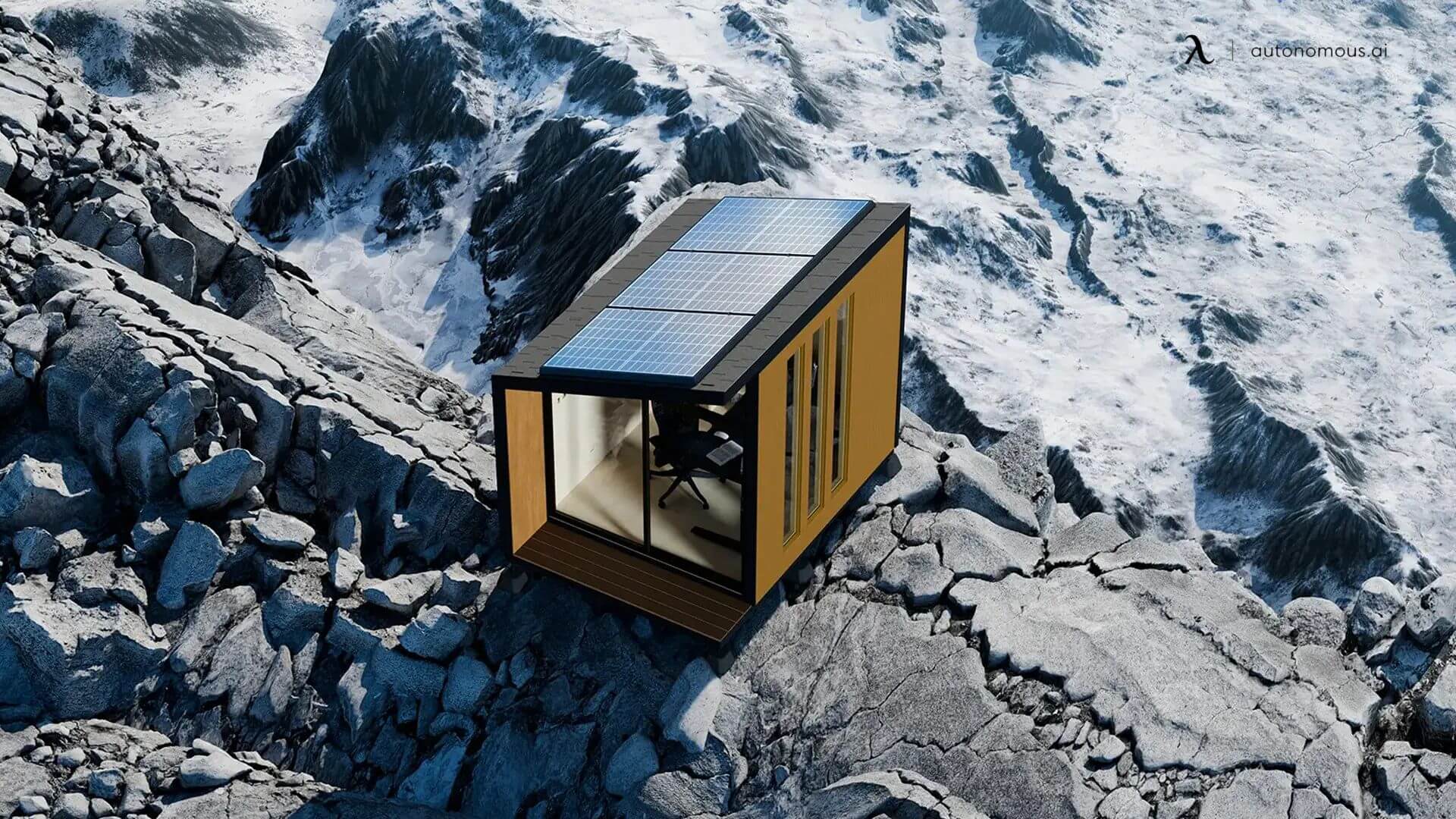
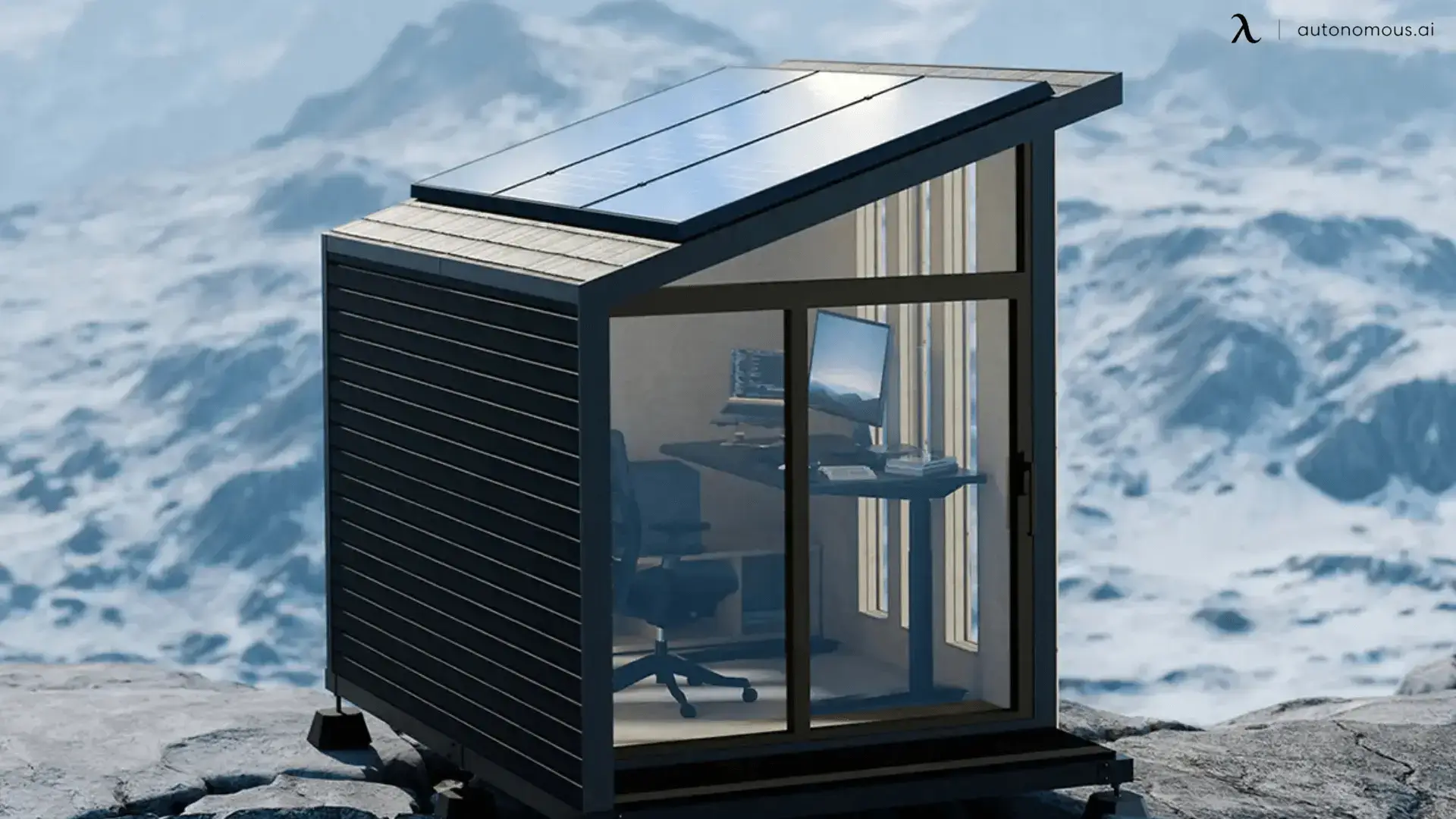
If you're considering a panelized kit home or workspace solution, WorkPod offers a versatile and efficient option. Whether you need a dedicated workspace, a creative retreat, or a multifunctional home office, WorkPods are designed to meet a variety of needs. Here’s why WorkPod stands out:
- Flexible Options: Choose from the WorkPod Pro, MetroPod, WorkPod Versatile, and WorkPod Solar models to suit your space, style, and energy needs.
- Easy Setup: WorkPods are designed for quick assembly, saving you time and hassle compared to traditional construction.
- Energy Efficiency: Models like the WorkPod Pro Solar offer solar panels, making them an eco-friendly and cost-effective choice.
- Customizable: With options ranging from 80 sq. ft. to 120 sq. ft., you can customize your WorkPod to fit your needs and transform your backyard into a functional, beautiful space.
Whether you’re looking for a quiet home office or a place to focus, WorkPod gives you the freedom to design your perfect workspace with ease.
FAQs
What is a panelized kit home?
A panelized kit home is a prefabricated house where pre-cut wall panels, roof trusses, and other components are shipped to the construction site for assembly. This method reduces build time and labor costs compared to traditional home construction.
How much does a panelized kit home cost?
The cost of a panelized kit home typically ranges from $10,000 to $75,000 for the kit, depending on the size and customization. Additional costs for labor, foundation, utilities, and finishes can bring the total to $100,000 or more.
What is the difference between modular and panelized homes?
Modular homes are fully assembled in a factory and then transported to the site, while panelized homes are shipped in parts and assembled on-site. Panelized homes offer more customization in design.
Are panelized kit homes easy to build?
Yes, panelized kit homes are easier to build than traditional homes because the components come pre-cut and ready for assembly. Most homeowners opt for professional contractors, but skilled DIYers can assemble them with some assistance.
How long does it take to build a panelized kit home?
Building a panelized kit home can take as little as a few weeks to a few months, depending on the size of the home and the complexity of the site. The pre-cut materials speed up the process compared to traditional construction.
Are panelized kit homes energy-efficient?
Panelized kit homes can be energy-efficient, especially if built with high-quality, eco-friendly materials. Many manufacturers offer options that include energy-efficient windows, insulation, and sustainable building practices.
Can I customize my panelized kit home?
Yes, panelized kit homes are highly customizable. You can choose the design, size, and finishes to suit your preferences, giving you the flexibility to create a home that fits your needs and style.
What are the benefits of panelized kit homes?
Panelized kit homes offer several benefits, including cost savings, faster construction, reduced labor costs, and the ability to customize the design. They are also a more sustainable option compared to traditional construction.
Do I need a contractor for a panelized kit home?
While some homeowners opt for DIY assembly, most people hire contractors to ensure the home is properly built, especially for plumbing, electrical, and structural tasks. A contractor can ensure everything meets local building codes.
Are panelized homes safe?
Yes, panelized homes are as safe as traditional homes when built properly. The materials used are durable, and the construction process follows building codes to ensure the home’s structural integrity and safety.
Can I finance a panelized kit home?
Yes, you can finance a panelized kit home through traditional home loans, construction loans, or specialized financing options. Some lenders offer loans specifically for prefabricated homes.
Where can I buy panelized kit homes?
You can buy panelized kit homes from specialized suppliers or manufacturers online. Some well-known companies include Pacific Modern Homes, Zip Kit Homes, and Habitat's Packaged Homes & Design, which offer a range of kits with customizable options.
Conclusion
Panelized kit homes are an excellent choice for homeowners who want to save time, money, and stress. Whether you’re building a custom home or a small guest house, panelized homes offer flexibility, efficiency, and high-quality results. With proper planning and research, you can unlock your property’s potential and create a space that fits your lifestyle and budget. Ready to get started? Reach out to me, and I’ll guide you through every step of the process, from design to completion.