How Many Calories Should I Burn a Day Through Exercise?


Table of Contents
Most adults benefit from burning 300–600 calories per day through exercise, depending on body size, fitness level, and goals. Brisk walking or lighter workouts often fall in the 200–300 calorie range, while more structured workouts typically burn 300–500 calories. Highly active days can reach 600–700+ calories, but you don’t need to hit the upper end every day.
How Many Calories Should You Burn a Day Exercising?
Rather than chasing one fixed number, it helps to think in ranges based on activity level.
1. Beginner Activity Levels
If you’re new to exercise or getting back into a routine, a realistic daily target is around 200–300 calories burned through activity.
This range is often reached through walking, light cycling, or short, low-pressure workouts that fit easily into daily life. At this stage, the goal isn’t to push intensity or chase numbers, but to build a habit you can repeat consistently without feeling overwhelmed.
2. Moderate Activity Levels
For people exercising most days of the week, daily calorie burn typically falls in the 300–500 calorie range.
This often comes from a mix of walking, strength training, and moderate cardio, such as choosing between stairmaster vs jogging or stairmaster vs elliptical depending on preference and joint comfort.
This level of activity supports general health and weight maintenance, with totals varying by intensity - whether you’re estimating calories burned on a stairmaster or factoring in daily movement like calories 10,000 steps burns.
3. Highly Active Lifestyles
If you train intensely or stay very active, it’s common to burn 500–700+ calories per day through exercise.
This usually includes longer workouts, higher-intensity sessions, or physically demanding routines, often reflected in higher volumes such as steps to burn 1000 calories or totals closer to calories 20,000 steps burn.
At this level, recovery becomes just as important as calorie burn, especially for those who also track workouts with wearables and pay attention to active calories a day.

Calories Burned Through Exercise by Activity Type
Different types of exercise burn calories at different rates. The right choice depends less on which activity burns the most calories per hour and more on what you can do consistently without burning out.
Below are realistic ranges based on average adults, assuming moderate effort.
1. Low-Impact Exercise (Walking, Light Movement)
Low-impact activities burn calories at a slower rate, but they are easier to repeat consistently and place far less stress on joints and connective tissue. This makes them especially effective for building long-term movement habits rather than chasing short, exhausting workouts.
- Casual walking: ~150–250 calories per hour
- Brisk walking: ~200–350 calories per hour
- Light movement (errands, mobility work): ~100–200 calories per hour
Options such as indoor walking workout routines allow movement to continue regardless of weather or schedule, helping increase total daily energy expenditure without requiring dedicated workout blocks.
Even small changes in posture and activity level can contribute meaningfully over time. Comparisons of standing burn more calories than sitting show modest but cumulative differences across a workday. Using a standing desk burn calories approach or finding ways to burn calories while sitting can further raise baseline energy use without adding physical strain.
Other low-impact tools, such as those discussed in calories burn on a vibration plate, may offer incremental gains, though their contribution is generally secondary to consistent walking and daily movement.

2. Moderate Exercise (Strength Training, Cycling)
Moderate-intensity exercise balances calorie burn with strength and endurance benefits.
- Strength training: ~300–500 calories per hour
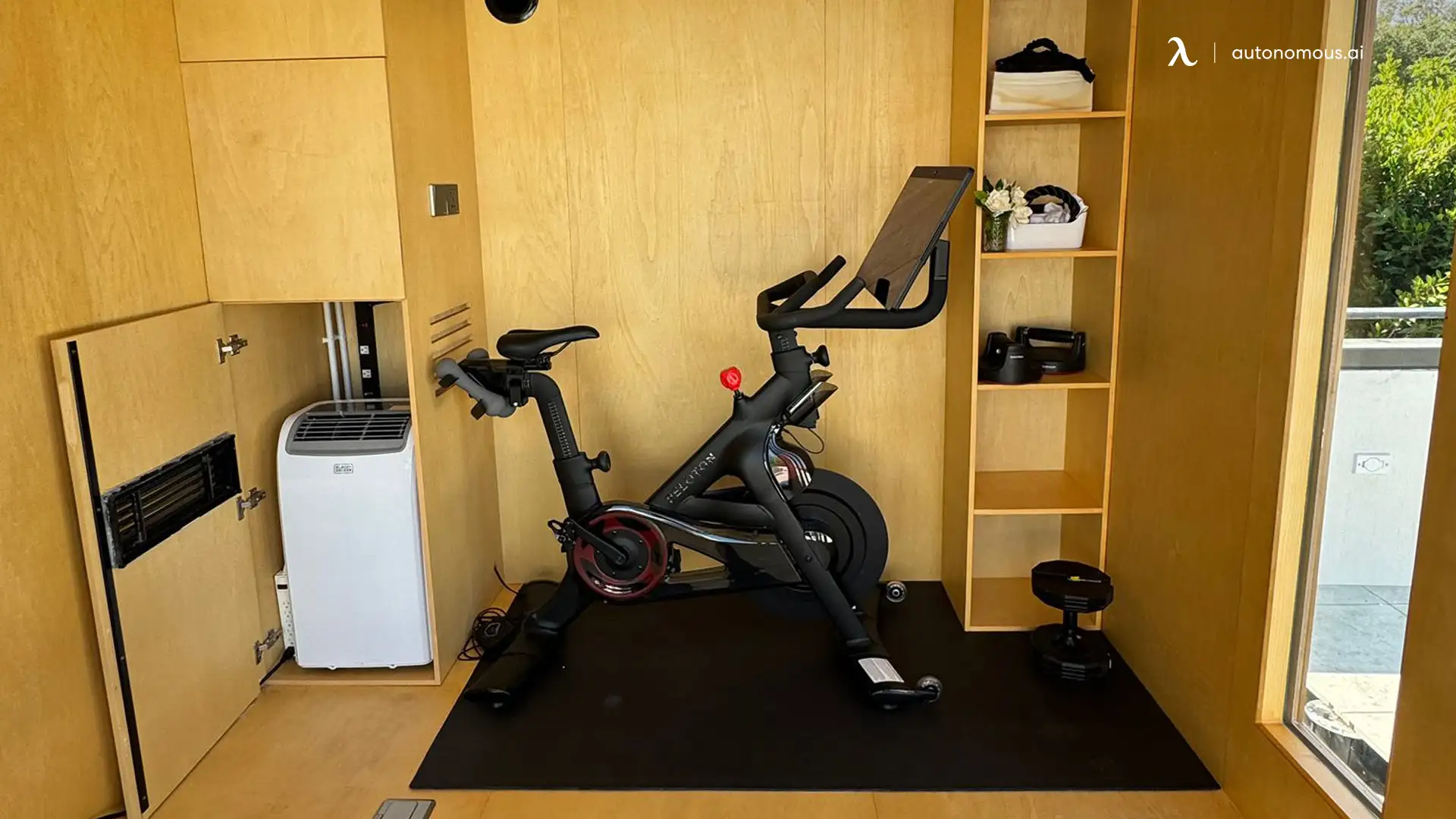
- Moderate cycling: ~350–600 calories per hour
- Rowing or resistance circuits: ~400–600 calories per hour
This category works well for people who want efficient workouts without extreme intensity. Calorie burn varies based on rest time, exercise selection, and overall effort, but these activities are sustainable for several sessions per week.
Adaptations such as chair workout for men allow strength training to be scaled without increasing impact or recovery demands.
Structured work-from-home workout routines help keep moderate exercise consistent by fitting it into a typical workday schedule.
3. Higher-Intensity Workouts (Cardio, HIIT)
Higher-intensity working out burns calories faster but requires more recovery.
- Running or fast cardio: ~500–700 calories per hour
- HIIT or circuit training: ~500–800 calories per hour
- High-effort group fitness classes: ~450–750 calories per hour
Activities such as running sit at the higher end of this range, and the trade-offs between efficiency and sustainability are often clearer when comparing walking vs running for long-term health goals.
Calorie expenditure varies widely depending on pace, duration, and individual factors. Estimates like those shown in calories burned running help explain why faster speeds and longer sessions drive higher burn but also increase fatigue.
Because intensity scales quickly with speed, especially on treadmills, guidance on running speed on treadmill can help align effort with conditioning level.
These workouts are effective when time is limited, but they’re harder to sustain daily. Many people use them selectively, alternating with lower-intensity movement on other days to manage recovery and reduce overtraining risk.

Frequently Asked Questions
How many calories should I burn a day from exercise?
Most adults benefit from burning 300–600 calories per day through exercise, depending on activity level and goals. Walking, workouts, or a mix of both can all contribute to this range.
How many calories should I burn a day exercising to stay healthy?
For general health, burning 200–400 calories per day through exercise is usually sufficient. Consistent movement matters more than hitting a high number every day.
Is this amount for weight loss or general health?
The same calorie range can support different goals depending on overall consistency and intake. Burning 300–600 calories per day may contribute to weight loss when paired with a sustained calorie deficit to lose weight.
For general health, energy levels, and metabolic support, a lower range of 200–400 calories per day is often sufficient, especially when combined with regular movement and stable routines. This aligns with the broader calorie deficit meaning, where outcomes depend on long-term balance rather than single-day effort.
How do I know if I’m burning enough calories per day?
If your routine feels sustainable, your energy improves over time, and you can stay consistent week to week, you’re likely burning enough. Constant fatigue or soreness can be signs you’re pushing too hard.
How many calories should I burn a day walking?
Brisk walking typically burns 200–350 calories per hour, so daily totals depend on how long you walk. Many people reach their target by spreading walks throughout the day.
How many calories should I burn a day working out?
Most workouts burn calories faster than walking, usually 300–700 calories per hour depending on intensity. This allows many people to reach their daily target in less time.
Is walking enough to meet daily calorie burn goals?
Yes. Walking is a low-impact way to burn calories consistently, especially when done regularly or combined with other activities. It may take more time, but it’s easier to sustain long term.
Can you burn too many calories exercising every day?
Yes. Burning too many calories without proper recovery can lead to fatigue, stalled progress, or injury. Balance and rest are just as important as activity.
Does burning more calories always lead to better results?
Not necessarily. Consistency and recovery matter more than maximizing calorie burn in a single session. Sustainable routines produce better long-term outcomes.
How many calories does 2 hours of working out burn?
Two hours of exercise typically burns 400–1,200 calories, depending on intensity, exercise type, and body weight. Moderate sessions fall on the lower end, while high-intensity training pushes totals higher.
How many calories does a 3 hour workout burn?
A three-hour workout can burn 600–1,800 calories, but sessions of this length are demanding and usually require careful pacing and recovery to avoid overtraining.
How many calories does a 7-minute workout burn?
A 7-minute workout typically burns 50–100 calories, depending on intensity. While small on its own, it can contribute meaningfully when repeated or combined with daily movement.
Final Takeaway
There’s no perfect daily calorie number from exercise. For most people, burning 300–600 calories a day through movement is effective, realistic, and sustainable.
Walking, working out, or combining both can all work - the best plan is the one you can stick to consistently. If you’re moving regularly, recovering well, and feeling better over time, you’re already doing enough.