HSA FSA Eligible Items: What's Covered in 2026

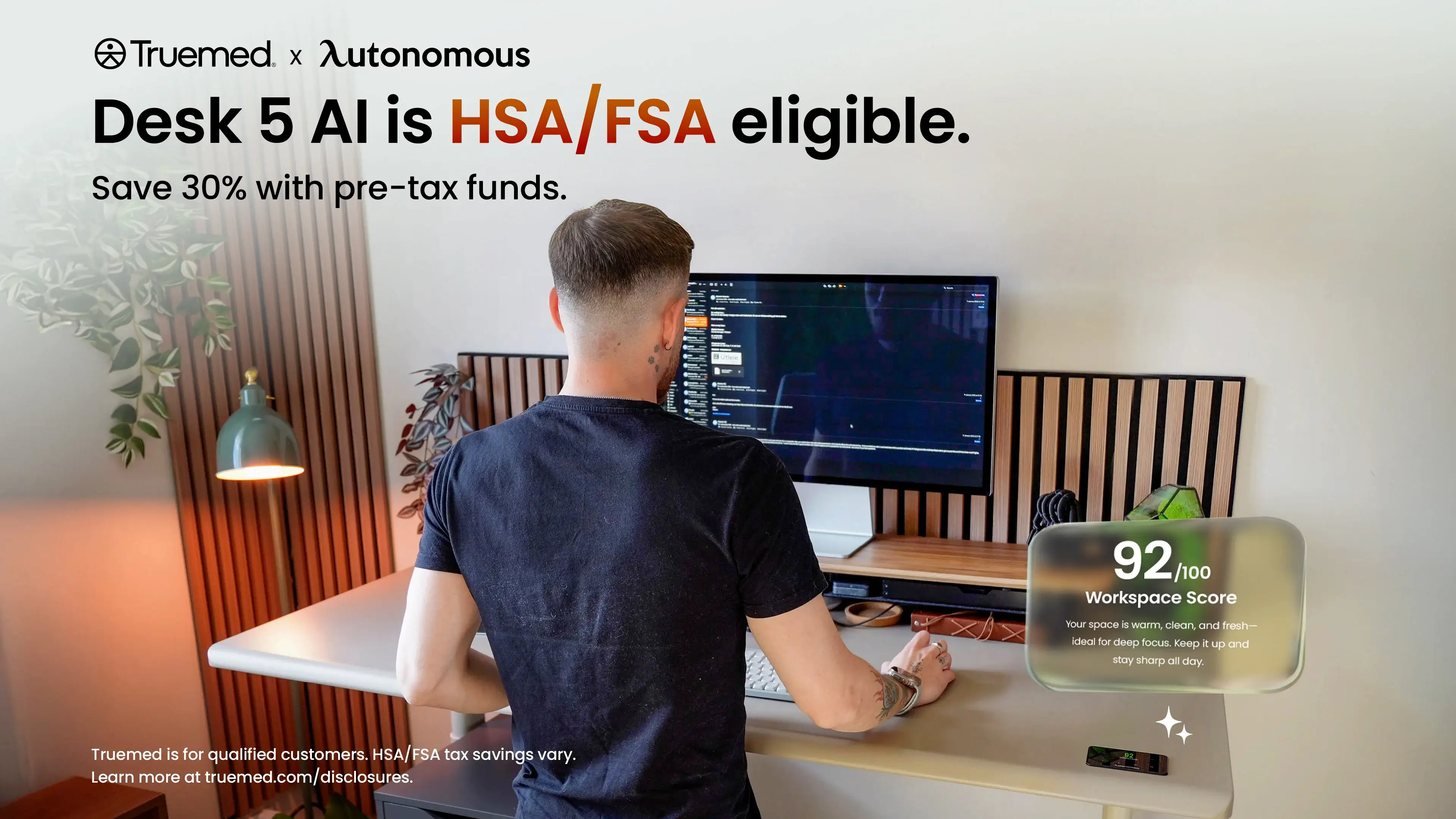
Table of Contents
Most people use their HSA or FSA for the basics — copays, prescriptions, and the occasional box of cold medicine. But the list of HSA/FSA eligible items is significantly broader than that. FSA funds operate on an annual use cycle, while HSA holders can roll balances forward indefinitely.
This guide covers what qualifies outright, what requires a Letter of Medical Necessity, and what falls outside eligibility entirely — so you can make informed decisions about your healthcare spending before your balance expires.
What Makes an Item HSA/FSA Eligible?
Not every health-related purchase qualifies. The IRS sets the boundary through Section 213(d) of the tax code: to count as an HSA/FSA eligible item, an expense must be primarily used to diagnose, treat, mitigate, cure, or prevent a specific medical condition. General wellness spending — gym memberships, standard vitamins, spa treatments — typically falls outside this definition unless a licensed healthcare provider documents a direct medical need.
Understanding what is HSA/FSA eligible comes down to one practical question: is the purchase tied to a specific condition, or is it for overall health maintenance? The answer determines eligibility.
Most HSA/FSA eligible purchases fall into three tiers:
Tier 1 — Always eligible:
Standard medical expenses like prescription medications, doctor visit copays, and post-CARES Act over-the-counter medications. These generally require no additional documentation beyond a receipt, though keeping itemized records is advisable — some plan administrators request them during claim review.
Tier 2 — Eligible with a Letter of Medical Necessity (LMN):
Products and services that treat or prevent a diagnosed condition but aren't automatically recognized by plan administrators — ergonomic workspace equipment, massage therapy, air purifiers for respiratory conditions, and certain wellness devices fall here. An LMN from a licensed healthcare provider establishes the medical basis for the purchase.
That said, final approval is subject to your specific plan administrator's review. An LMN improves eligibility but does not guarantee reimbursement — verifying with your plan before purchasing is the safest step, particularly for higher-cost items.
Tier 3 — Not eligible:
Cosmetic procedures, general fitness expenses, and personal care items with no direct medical application. This category doesn't shift regardless of documentation.
The difference between HSA and FSA eligible items is minimal on the product side — both accounts follow the same IRS qualification rules. The practical distinction is in how the accounts operate. FSAs are employer-sponsored, funds follow an annual use cycle, and plan rules vary by employer. HSAs are individually owned, tied to a high-deductible health plan, and balances roll over indefinitely — making them useful for planning larger health-related purchases over time, including items eligible for FSA and HSA alike.
One note on shopping: retailers like Amazon's FSA Store and FSAStore.com use IIAS-certified labeling to flag eligible products at the point of sale — a useful secondary filter. For anything outside standard categories, IRS Publication 502 remains the authoritative reference on what qualifies and under what conditions.

HSA/FSA Eligible Items You Can Use Without an LMN
The broadest category of HSA/FSA eligible items covers expenses most people encounter regularly — medical care, medications, and essential health products. These are generally recognized by plan administrators without additional documentation, provided you keep itemized receipts.
Here is what falls under this tier, broken down by category.
1. Medical Care & Prescriptions
Doctor visit copays, specialist fees, deductibles, and coinsurance payments are covered across both HSA and FSA accounts. So are all IRS-recognized prescription medications — both generic and brand-name — as long as they're prescribed by a licensed provider for a diagnosed condition.
Diagnostic services including lab work, blood panels, X-rays, and MRI scans qualify as well. The key principle across this category: if it's tied to a documented patient-provider relationship and directed at a specific condition, it qualifies.
2. Over-the-Counter Medications
The CARES Act of 2020 expanded OTC coverage significantly. Before 2020, most over-the-counter drugs required a prescription to be reimbursable. That requirement was removed, and it remains in effect through 2026. Common examples include:
- Pain relievers — ibuprofen, acetaminophen, aspirin
- Allergy and sinus medications — cetirizine, loratadine, fluticasone nasal spray
- Cold, flu, and cough medications
- Antacids and digestive aids
- Sleep aids formulated for temporary sleeplessness
The product needs to be used for its intended medical purpose — buying Tylenol for a diagnosed tension headache is straightforward. Purchasing the same product as a general household staple doesn't change its eligibility, but it's worth understanding that these accounts exist to cover health expenses, not to serve as a general household budget.
3. Dental & Vision
Dental and vision are two areas where people consistently underutilize their accounts.
Dental: Cleanings, fillings, extractions, crowns, root canals, orthodontic treatment, and dentures. Cosmetic procedures — such as teeth whitening performed purely for aesthetics — are not covered. However, if whitening is recommended following a medically necessary procedure, the eligibility picture may shift with supporting documentation.
Vision: Eye exams, prescription eyeglasses, prescription sunglasses, contact lenses, and contact lens solutions are all standard. LASIK and other corrective surgeries are also covered under both HSA and FSA, which many people don't realize given the elective nature of the procedure — the IRS considers vision correction a qualified medical expense regardless.
4. Medical Devices & First Aid Supplies
This is one of the more practically useful categories for work from home health setups, where people often manage minor health monitoring without regular clinic visits.
- Blood pressure monitors
- Blood glucose meters and test strips
- Pulse oximeters
- Digital thermometers
- Hearing aids and batteries
- Crutches, canes, walkers, and wheelchairs
- CPAP machines and supplies for diagnosed sleep apnea
- First aid kits, bandages, gauze, and antiseptic products
- Pregnancy tests and ovulation kits
These products are IRS-recognized without needing a prescription or LMN, though as with all claims, keeping purchase receipts is standard practice.
5. Preventive Care & Family Health
Several categories here are worth highlighting because they're commonly overlooked as HSA/FSA eligible items despite being everyday purchases:
Sunscreen (SPF 15+): The FDA classifies SPF 15 and above as a drug due to its role in preventing UV-related skin damage. The IRS follows this classification, making qualifying sunscreens reimbursable — including spray and lip balm formulations with SPF 15+. Purely cosmetic self-tanning products or moisturizers with trace SPF below 15 do not qualify.
Feminine hygiene products: Tampons, pads, menstrual cups, and similar products have been eligible since the CARES Act extended coverage in 2020.
Prenatal vitamins: Standard multivitamins are not eligible — general nutritional supplementation doesn't meet the IRS medical purpose test. Prenatal vitamins are an exception because they serve a specific preventive function during pregnancy, which the IRS recognizes as a qualifying medical purpose.
Smoking cessation: Nicotine patches, gums, and prescription cessation medications are covered. Behavioral cessation programs may also qualify depending on how they're structured and documented.
Breast pumps and lactation supplies: Covered in full, including pumping accessories. This applies to hospital-grade rental pumps as well as personal-use models.
- A Note on Documentation:
Even within this always-eligible tier, a few practical points apply across all purchases:
- Itemized receipts — not just credit card statements — are the standard requirement for claim submission. An itemized receipt shows what was purchased, not just the amount.
- Some plans use an IIAS-certified debit card system that auto-approves eligible items at point of sale (common at pharmacies like CVS and Walgreens, and on Amazon's FSA Store). For purchases outside these systems, manual submission with receipts is typically required.
- If a claim is flagged, the plan administrator may request proof that the item was used for a qualifying medical purpose. Prescription printouts, provider notes, or a diagnosis record can support the claim.

HSA/FSA Eligible Items That Most People Don't Expect
The IRS eligibility framework produces some genuinely unexpected results. These aren't items that got overlooked because people forgot to check — they're items where the product category itself doesn't signal medical use, yet a specific clinical application brings them squarely within IRS Section 213(d). Each one below has a non-obvious eligibility story worth understanding before assuming it either does or doesn't qualify.
1. Cold Therapy & Immersion Devices
Ice packs and cold compresses have long been recognized for post-injury and post-surgical recovery — that part isn't surprising. What catches people off guard is that cold plunge tubs and full-body immersion devices can fall within the same eligibility framework when a licensed provider documents their use for a specific inflammatory condition, chronic pain disorder, or diagnosed musculoskeletal issue.
The product looks like a wellness purchase. The eligibility, when it exists, is grounded entirely in the documented condition it's addressing. Without that clinical basis, it sits outside the scope of FSA eligible purchases regardless of the health benefits attributed to cold immersion broadly. Plan administrator approval varies significantly in this category — confirming with your specific plan before purchasing is particularly important given the cost involved.
2. Light Therapy Devices
Light therapy devices qualify for recognized clinical applications: seasonal affective disorder (SAD), certain dermatological conditions, and wound healing protocols. What makes this category surprising is that the same device — a broad-spectrum or targeted light panel — can be eligible or ineligible depending entirely on what it's being used to treat.
A device purchased to manage diagnosed SAD, supported by a provider note, sits within the IRS medical purpose standard. The same device purchased for general energy or mood improvement without a diagnosis does not. Most plan administrators will approve light therapy when the documentation is clear on the condition and the prescribed use.
3. Wearable Health Monitoring Devices
Fitness trackers in general are not HSA/FSA eligible — a wearable purchased to count steps or monitor sleep quality for general wellness falls outside the IRS standard. The category shifts when the device is being used to monitor a diagnosed condition: atrial fibrillation, sleep apnea, or a metabolic disorder where continuous data informs clinical decisions.
Devices like the Oura Ring have been used in this context, with eligibility established through an LMN specifying the condition and the role the device plays in managing it. This is one of the more nuanced HSA/FSA eligible items in the technology space — the hardware is identical regardless of use case, but the medical documentation is what creates or removes eligibility. As with other LMN-dependent categories, plan administrator discretion applies.
4. Ergonomic Workspace Equipment
Standing desks, ergonomic chairs, and related office accessories are not automatically eligible — but for people managing a diagnosed musculoskeletal condition, they can qualify as medical expenses through an LMN. The full breakdown of how this works, which conditions apply, and how to navigate the process is in the next section.

5. Fertility Treatments & Assisted Reproduction
Most people are aware that pregnancy tests and ovulation kits qualify. The less expected part is how far IRS recognition extends into fertility treatment: IVF procedures, fertility medications, egg freezing for medical reasons, donor egg extraction costs, and certain surrogacy-related medical expenses are all within the scope of qualified medical expenses under Publication 502.
Given the significant cost of fertility treatment, the tax advantage here is material — potentially thousands of dollars in pre-tax savings over a treatment cycle. The eligibility applies to medically directed fertility treatment, not elective procedures without a clinical basis.
6. Guide Dogs & Service Animals
The full cost of maintaining a medically prescribed service animal — food, veterinary care, grooming, and training — is recognized as a qualified medical expense under IRS Publication 502. The prescription from a licensed healthcare provider establishing the medical need is what grounds the eligibility. This applies to guide dogs for visual impairment, hearing dogs, and other service animals prescribed for a specific diagnosed condition.
7. Transportation Directly Related to Medical Care
Mileage driven to and from medical appointments, public transit fares, and parking fees incurred specifically for medical treatment are reimbursable expenses. The IRS sets a standard mileage rate for medical travel that updates annually. The travel must be directly tied to receiving eligible medical care — not incidental. For people managing ongoing conditions requiring frequent specialist visits, this adds up to a meaningful and consistently underused category of qualified expenses. Investing in a productive work environment through HSA/FSA eligible workspace equipment is one practical application of this long-term approach.
8. Wigs for Medically Caused Hair Loss
When hair loss is a direct result of a diagnosed medical condition or its treatment — chemotherapy being the most common context — a wig purchased for psychological wellbeing during that period is recognized as a qualified medical expense under IRS Publication 502. The diagnosis and its causal relationship to the hair loss is the basis for eligibility, not the wig as a product category.

Ergonomic Workspace Products — The Most Underused HSA/FSA Category
Ergonomic workspace equipment is one of the most underused categories in the entire HSA/FSA eligible items landscape. The eligibility exists, it's formally recognized, and the financial case is significant — yet most desk workers with qualifying conditions never pursue it. The barrier isn't eligibility. It's awareness of how the pathway works.
1. The Medical Case for Ergonomic Workspace Equipment
A systematic review published in the Journal of Orthopaedic Surgery and Research — analyzing data across 49 studies — found that sustained sedentary behavior carries measurable health consequences independent of physical activity outside of work hours, including elevated risk of chronic lower back pain, musculoskeletal disorders, poor postural alignment, and cardiovascular complications. For office workers specifically, sedentary lifestyle was identified as a significant independent risk factor for lower back pain regardless of other variables.
Under Section 213(d), the IRS recognizes expenses that treat, mitigate, or prevent a specific medical condition. When a licensed provider documents that chronic back pain, sciatica, or a musculoskeletal disorder requires ergonomic intervention, the prescribed workspace equipment qualifies as a medical expense. It is not the design that determines eligibility, but its role in treating a documented condition.
2. What Ergonomic Items Qualify
Ergonomic products are not auto-eligible — none will register as HSA/FSA eligible at standard retail checkout. Eligibility is established through a Letter of Medical Necessity from a licensed healthcare provider, and reimbursement remains subject to plan administrator approval. Within that framework, the following categories are formally recognized:
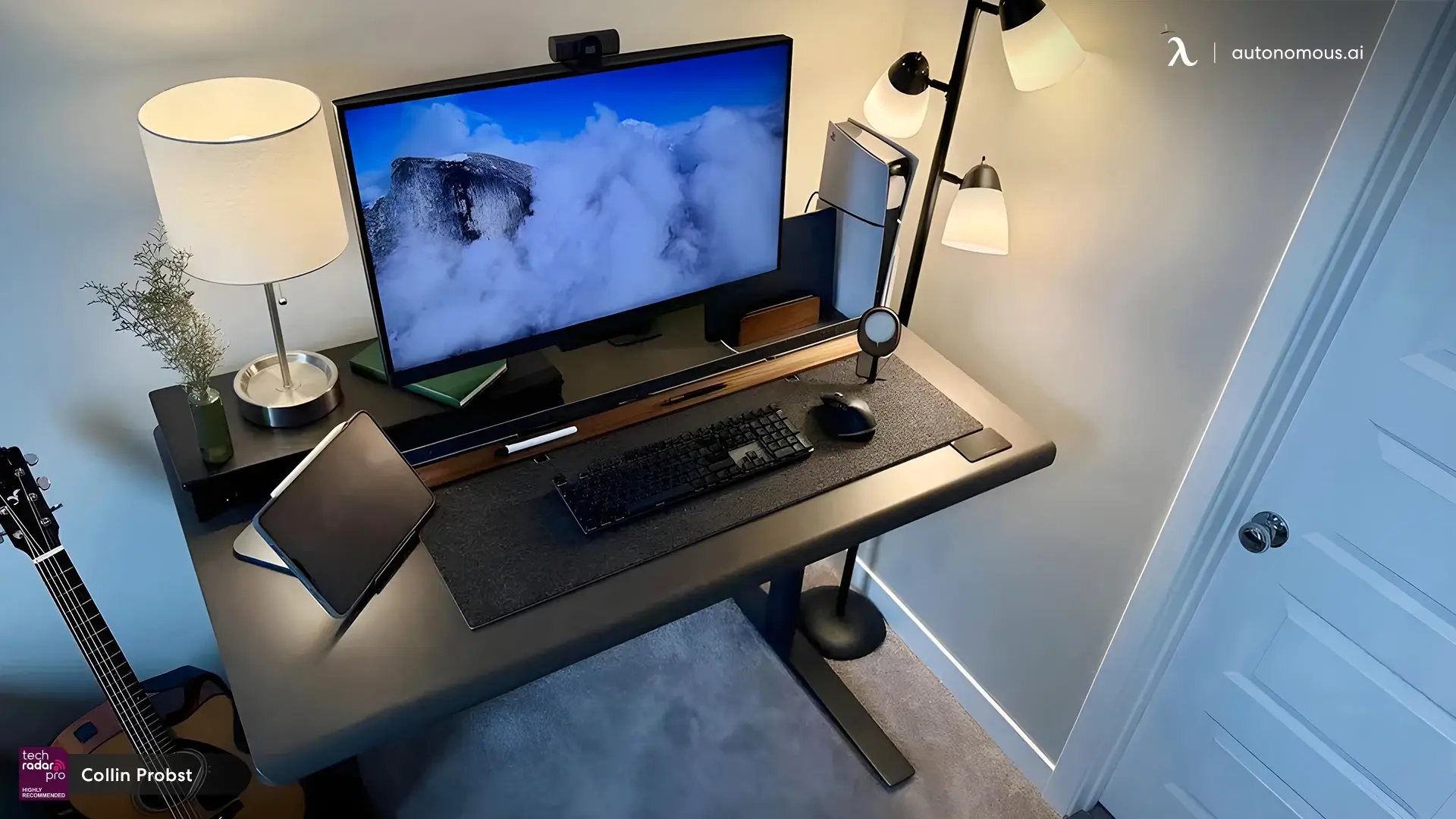
Sit-stand desks reduce cumulative compressive load on the lumbar spine by enabling postural variation throughout the workday. For patients with chronic back pain, herniated discs, sciatica, or cardiovascular conditions where prolonged sitting is contraindicated, a sit-stand desk is a documentable clinical intervention.
Ergonomic chairs are formally recognized by FSA Store, HSA Store, and Lively as an HSA eligible office chair with an LMN for qualifying musculoskeletal conditions, adjustable lumbar support, seat depth, and armrest positioning address the postural mechanics underlying chronic back and neck strain directly.
.jpg)
Anti-fatigue mats are covered as an accessory to a standing desk setup when the patient's condition involves spinal or lower extremity stress from prolonged standing — typically under the same LMN as the desk.
Monitor arms and risers reduce cervical strain by maintaining proper screen height. Relevant for diagnosed cervical spondylosis, chronic neck pain, or post-surgical recovery requiring postural control.
Ergonomic keyboards and wrist supports are recognized for carpal tunnel syndrome, repetitive strain injury, and ulnar nerve entrapment — conditions with a direct causal relationship to sustained keyboard use.

3. How to Obtain a Letter of Medical Necessity
A Letter of Medical Necessity must be issued by a licensed healthcare provider, which may include a physician, chiropractor, physical therapist, or orthopedic specialist, depending on the plan and clinical context.
The letter should document:
- The diagnosed medical condition
- Why the equipment is medically necessary
- How the equipment supports treatment or symptom reduction
- The expected duration of use
Common qualifying diagnoses may include chronic lower back pain, sciatica, lumbar radiculopathy, herniated or degenerative disc conditions, scoliosis, cervical spondylosis, and carpal tunnel syndrome.
Once issued, the LMN and itemized receipt can typically be submitted to the plan administrator for reimbursement. In some cases, they may also support direct HSA/FSA payment through eligible retailers or providers.
4. Autonomous x Truemed Partnership — HSA/FSA Eligibility Pathway
Building on these requirements, certain Autonomous HSA/FSA eligible products — including sit-stand desks and ergonomic chairs — may qualify when used to address a specific medical condition and supported by a Letter of Medical Necessity. The Truemed HSA FSA eligibility process for Autonomous products is documented in detail separately.
Through its partnership with Truemed, Autonomous enables customers to determine potential eligibility through a clinical intake process. After completing a health survey, an independent licensed healthcare provider reviews the submission to assess whether the purchase qualifies based on medical necessity.
If eligible, the provider issues a Letter of Medical Necessity (LMN), which can be used to support HSA/FSA reimbursement or, where applicable, payment using HSA/FSA funds. Final eligibility and reimbursement remain subject to the individual plan administrator’s policies.
This pathway does not change the underlying IRS requirements. Eligibility is determined by diagnosis, documentation, and plan-specific rules, not by product category alone.
Truemed is for qualified customers. HSA/FSA tax savings vary. Learn more at truemed.com/disclosures.

What Is Not HSA/FSA Eligible
Understanding the boundaries of eligibility matters as much as knowing what qualifies. The IRS standard under Section 213(d) is consistent: expenses primarily serving general health, cosmetic purposes, or personal comfort fall outside the definition of a qualified medical expense — regardless of how health-adjacent the product or service appears.
- Cosmetic Procedures
Procedures performed to improve appearance without treating an underlying medical condition are not eligible. This includes elective surgeries such as rhinoplasty, liposuction, and teeth whitening performed purely for aesthetic reasons. The line shifts when a procedure addresses a medical condition — reconstructive surgery following injury or illness, for example, carries a different eligibility basis than the same procedure performed electively. Documentation establishing the medical purpose is what determines which side of the line a procedure falls on.
- General Fitness and Wellness
Gym memberships, fitness classes, and personal training fees are not eligible as standard FSA eligible purchases under the IRS framework. General physical fitness, however beneficial, does not meet the medical necessity standard without a diagnosed condition and provider documentation establishing the specific therapeutic purpose. The same applies to exercise equipment purchased for general fitness — a treadmill or set of weights bought for overall health improvement does not qualify. The distinction between general wellness and condition-specific treatment is where most fitness-related claims are denied.
- Supplements and Vitamins
With limited exceptions — prenatal vitamins and glucosamine for diagnosed joint conditions — dietary supplements and vitamins are not eligible. The IRS does not recognize general nutritional supplementation as a qualified medical expense. A physician-prescribed supplement for a specific diagnosed deficiency may qualify with supporting documentation, but the burden of establishing medical necessity sits with the patient and provider, and plan administrator discretion in this category is significant.
- Personal Care and Toiletries
Toothpaste, shampoo, soap, and cosmetic skincare products are not eligible — including products marketed as medicated or therapeutic when their primary function remains personal hygiene or cosmetic improvement. The medicated labeling of a product does not automatically confer HSA/FSA eligibility. The determining factor remains whether the product is used to treat a diagnosed condition, not how the product is formulated or marketed.
- Childcare and Dependent Care
Childcare expenses — daycare, after-school programs, babysitting — are not covered under a standard health FSA or HSA. A dependent care FSA is a separate benefit, distinct from a health FSA, that covers eligible childcare costs for qualifying dependents. The two account types are not interchangeable, and expenses submitted to the wrong account type will be denied.
- Health Insurance Premiums
Health insurance premiums are generally not eligible under an FSA. HSA holders can use funds to pay COBRA premiums and Medicare premiums under specific conditions, but standard employer-sponsored health insurance premiums paid through payroll deduction do not qualify for reimbursement through either account type.

How to Make the Most of Your HSA/FSA
Both accounts are designed to reduce the after-tax cost of healthcare spending — but the mechanics differ enough that the approach to maximizing each one is not identical.
- FSA: Plan Around the Annual Cycle
FSA funds follow the plan year set by the employer. Most plans close on December 31, with some offering either a grace period extending to March 15 of the following year or a rollover allowance — capped at $660 for 2026. Not all plans offer both options, and some offer neither. The specific terms are set by the employer, not the IRS, which means checking the plan documents before year-end is a practical necessity rather than a formality.
Effective FSA use starts at enrollment. Contributing an amount that reflects anticipated healthcare spending — prescriptions, dental work, vision care, planned procedures — reduces the risk of either over-contributing or leaving money unused. Adjustments mid-year are generally only permitted following a qualifying life event.
- HSA: Think Beyond the Current Year
Unlike an FSA, HSA funds roll over indefinitely and the account is owned by the individual — not the employer. Contributions made in one year can be held and used in a future year, including in retirement, where healthcare costs tend to increase. This makes the HSA one of the few accounts that combines a current-year tax deduction, tax-free growth, and tax-free withdrawals for qualified expenses.
For people managing ongoing conditions — chronic back pain, musculoskeletal disorders, or other diagnoses that make items eligible for FSA and HSA a recurring consideration — the HSA functions more effectively as a long-term health expense account than a year-to-year spending tool.
- Across Both Accounts
Regardless of account type, keeping itemized receipts for every eligible purchase is standard practice. Plan administrators can request documentation during claim review, and IRS audits of health account expenditures do occur. A receipt showing the item purchased, the date, and the amount — not just a credit card statement — is the baseline documentation standard.
FAQs
What things are HSA FSA eligible for?
HSA/FSA eligible items generally include expenses used to diagnose, treat, mitigate, or prevent a medical condition. Common categories include doctor visits, prescriptions, medical devices, therapy, and certain ergonomic equipment when supported by a Letter of Medical Necessity.
What is surprisingly eligible for FSA?
Several commonly overlooked FSA eligible items include sunscreen SPF 15+, acne treatment patches, light therapy devices for diagnosed conditions, fertility monitors, postpartum recovery products, wearable health trackers tied to a medical diagnosis, and ergonomic workspace equipment such as sit-stand desks and ergonomic chairs. The latter category requires a Letter of Medical Necessity from a licensed healthcare provider and is subject to plan administrator approval.
Can I use my HSA or FSA to buy a standing desk?
Yes, if it is supported by a Letter of Medical Necessity (LMN) from a licensed healthcare provider. A standing desk FSA HSA qualifies as an eligible item when a provider documents that it addresses a specific diagnosed condition — chronic back pain, sciatica, herniated disc, or a cardiovascular condition where prolonged sitting is contraindicated.
Can I use my HSA or FSA to buy an ergonomic chair?
An ergonomic chair may qualify as an HSA/FSA expense when accompanied by an LMN documenting a qualifying musculoskeletal condition. Retailers such as FSA Store, HSA Store, and Lively recognize certain ergonomic chairs under this framework. Without an LMN, the purchase is generally treated as a standard taxable expense.
What diagnosis qualifies me for an ergonomic equipment LMN?
Common qualifying diagnoses include chronic lower back pain, sciatica, lumbar radiculopathy, herniated or degenerative disc conditions, scoliosis, cervical spondylosis, carpal tunnel syndrome, and other musculoskeletal disorders related to prolonged sedentary work. A licensed healthcare provider determines whether a diagnosis supports medical necessity for ergonomic equipment.
How do I get a Letter of Medical Necessity for ergonomic workspace equipment?
An LMN must be issued by a licensed healthcare provider, such as a physician, chiropractor, physical therapist, or orthopedic specialist. The documentation should outline the diagnosis, explain how the equipment supports treatment, and specify the expected duration of use. Some services, including Truemed, facilitate this process through an online clinical review conducted by an independent licensed provider, where appropriate.
Can I use my HSA or FSA on Autonomous?
Certain Autonomous sit-stand desks and ergonomic chairs may qualify through the HSA/FSA pathway when supported by an LMN. Through the Truemed integration, customers can initiate the eligibility review during checkout. If an LMN is issued following provider review, the purchase may be completed using HSA/FSA funds or submitted for reimbursement, subject to plan administrator approval.
Can I use my FSA funds on ergonomic equipment before year end?
Yes, provided the expense is incurred within the current plan year and supported by an LMN where required. Most FSA plans follow a calendar-year deadline of December 31, although some offer a grace period (typically until March 15) or a limited rollover. Plan-specific rules vary, so confirming deadlines with the plan administrator is recommended.
Can an LMN cover a complete ergonomic home office setup?
In some cases, an LMN may support multiple items if each is directly related to the diagnosed condition. For example, a sit-stand desk, ergonomic chair, anti-fatigue mat, and monitor arm may be included if the provider documents how each contributes to treatment. Final approval depends on both the provider’s documentation and the plan administrator’s review.
Does an LMN guarantee HSA/FSA reimbursement for ergonomic equipment?
No. An LMN establishes medical necessity but does not guarantee reimbursement. Final approval is determined by the plan administrator, and coverage policies may vary. Verifying eligibility in advance can help reduce the risk of a denied claim.
Can I use both HSA and FSA funds toward the same ergonomic workspace purchase?
In most cases, individuals cannot contribute to both a general-purpose FSA and an HSA in the same plan year. Expenses are typically paid from one account type only and cannot be split across both. Eligibility and usage rules vary, so confirming with a plan administrator or benefits provider is recommended.

Conclusion
The list of HSA/FSA eligible items extends well beyond prescriptions and copays — and for desk workers managing a diagnosed musculoskeletal or cardiovascular condition, the ergonomic workspace category represents one of the most financially significant opportunities within that expanded list. The eligibility framework is consistent: a documented medical condition, a licensed provider, and the right documentation are what convert an otherwise standard purchase into a qualified medical expense.
For those with a qualifying diagnosis, Autonomous sit-stand desks and ergonomic chairs are accessible under this pathway through the brand's partnership with Truemed — with the LMN process handled through an online physician review at checkout, without requiring an in-person visit. Final eligibility and reimbursement remain subject to individual plan administrator approval.