.svg)



Table of Contents
- Setup and first week: nothing screamed “wrong”
- How the chair behaves during real work
- Recline, breaks, and mental reset
- Seat feel over time
- Headrest and arms in real life
- How it fits into a biophilic workspace
- LiberNovo Omni battery in daily use
- LiberNovo Omni dimensions and fit
- Integrated footrest in real use
- LiberNovo Omni pricing
- LiberNovo Omni alternatives
- Final Verdict - who the LiberNovo Omni is really worth it for
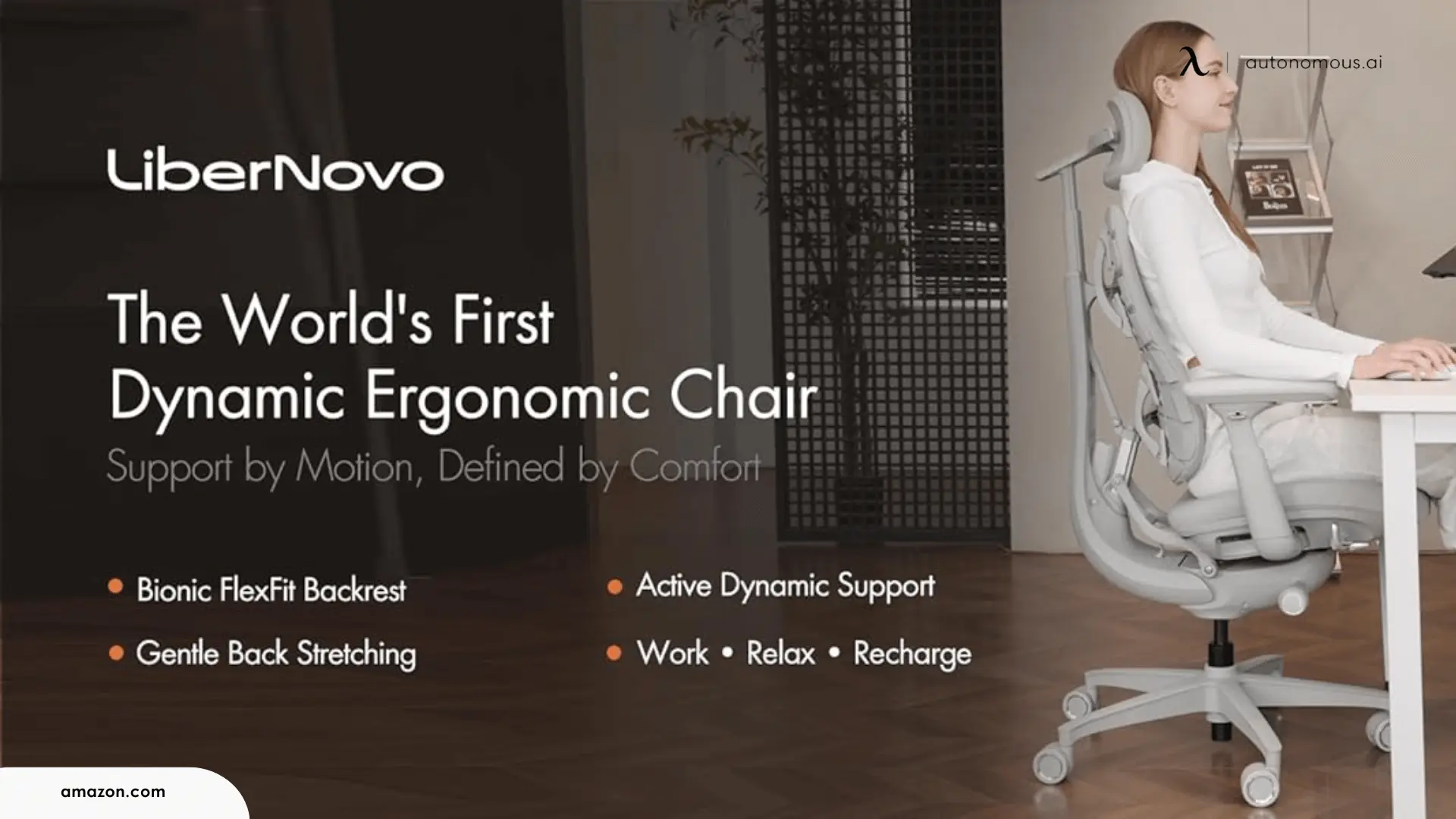
I want to be clear upfront: this isn’t a chair I evaluated with a stopwatch and a checklist. I’ve been living in it - through deadline weeks, slow afternoons, early-morning emails, and late-night revisions when sitting posture tends to unravel.
When you design workplaces for other people, you become very aware of what quietly erodes focus. Chairs are one of the biggest culprits. They rarely fail dramatically; they fail slowly.
That’s the lens I’m using here.
Setup and first week: nothing screamed “wrong”
Most ergonomic chairs announce themselves immediately. You sit down and think, okay, my back feels that… my shoulders feel this… something’s pushing here. With the Omni, the first week was almost uneventful.
I dialed in the basics - seat height, armrests, recline tension - and then stopped touching the controls.
From a designer’s perspective, that’s meaningful. Furniture should recede once it’s doing its job. If I’m constantly adjusting something, it means the object is demanding attention it shouldn’t need.
How the chair behaves during real work
1. Long focus blocks (2–3 hours at a time)
This is where most chairs quietly fail. They’re fine at 30 minutes, acceptable at an hour, and irritating by hour three.
With the Omni, I noticed two things:
- I stayed upright longer without stiffness
- I didn’t feel that familiar urge to slide forward or slouch for relief
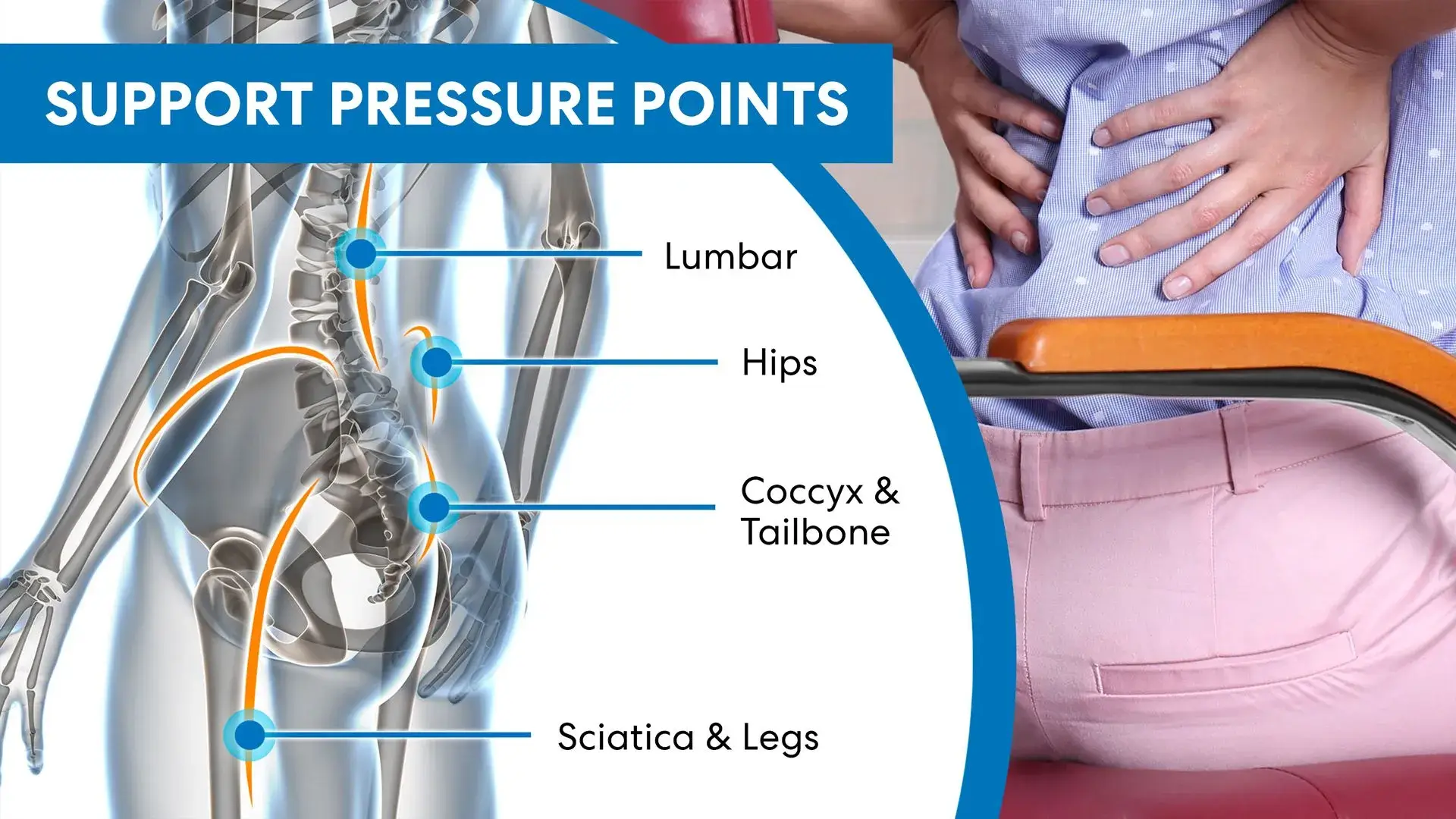
The lumbar system doesn’t feel like a pad pressing into your back. It feels more like a supportive presence that adjusts as your spine changes shape. When I leaned forward to sketch, it didn’t jab me. When I leaned back, it didn’t vanish.
That consistency is what kept me from constantly shifting just to relieve pressure.
2. Task switching and micro-movement
My workday isn’t linear. I move between drawing, typing, reading, and calls constantly.
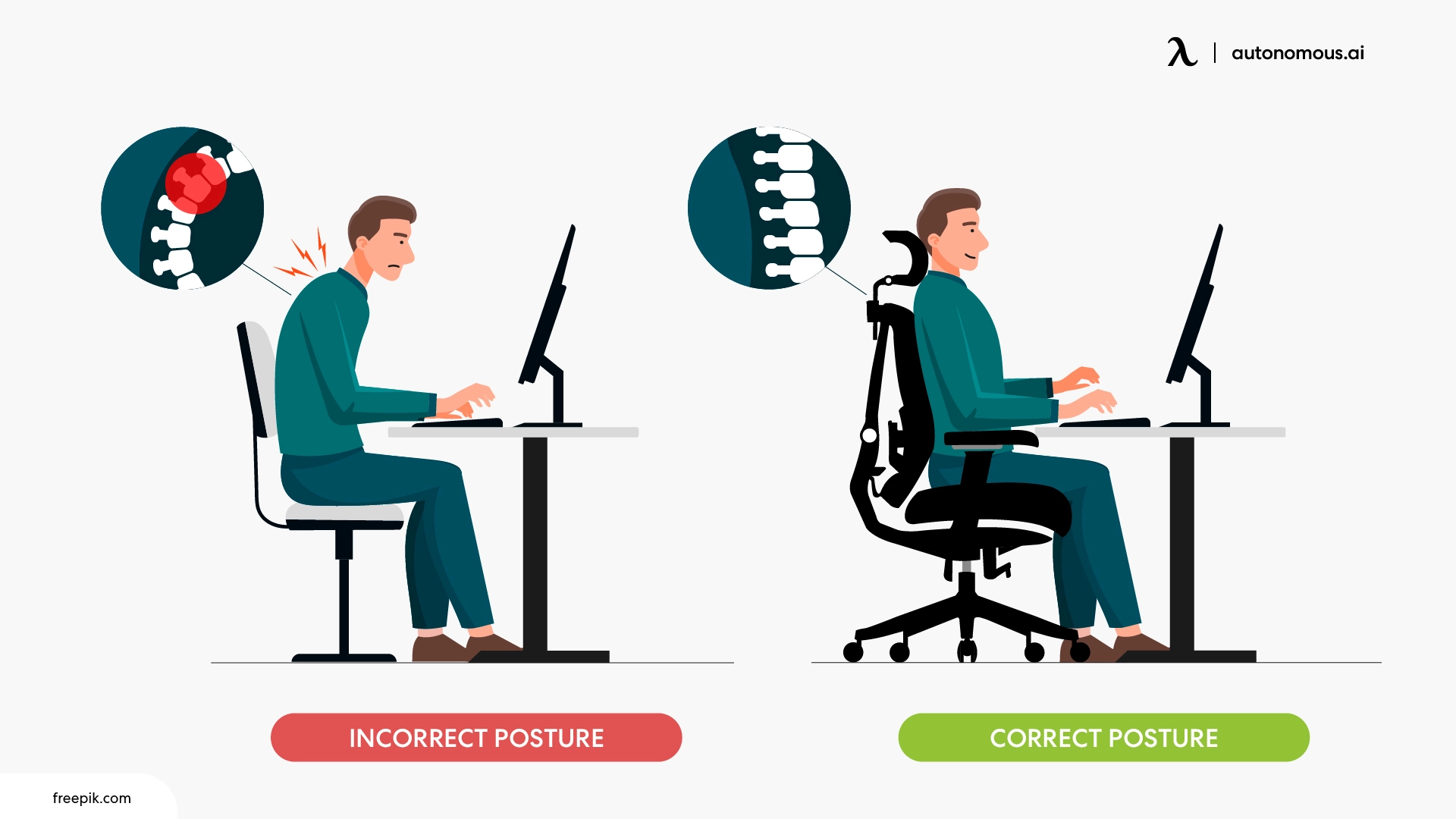
The Omni’s backrest allows subtle lateral movement and rotation in the upper body. When I twist slightly to reach reference materials or turn toward a second screen, the chair moves with me instead of resisting.
This may sound small, but over a full day it matters. Static furniture trains your body to fight it. Dynamic furniture lets your body stay natural.
Recline, breaks, and mental reset
I don’t believe in working eight hours straight in one 8 hour office chair. I design spaces that encourage pauses - and I use my chair the same way.
The Omni’s deeper recline positions are genuinely usable, especially for short reset moments:
- Leaning back during a long call
- Reading through plans without actively typing
- Taking a five-minute mental break between tasks
This is where the chair feels intentionally designed rather than feature-stacked. Reclining doesn’t feel like “checking out.” It feels like shifting modes.
The footrest only comes into play here, and that’s exactly where it belongs. I didn’t find myself using it casually during upright work - which is a good thing. It stays out of the way until you actually want to disengage.
Seat feel over time
Mesh seating is divisive, and I understand why. Poorly executed mesh sags, cuts circulation, or feels harsh over time.
The Omni’s seat stayed consistent over long days. I never felt pressure behind the knees or that numbness that shows up when circulation gets compromised. The firmness encourages good positioning, but it never crossed into discomfort for me.
Would someone who loves thick foam cushions feel differently? Probably. This chair doesn’t try to mimic a sofa. It prioritizes structure and airflow over softness.
Headrest and arms in real life
I usually remove headrests. This one stayed.
During reclined work and reading, the headrest supported my neck without forcing my head forward. It felt optional rather than intrusive, which is rare.
The armrests did what I needed them to do:
- Supported elbows during typing
- Stayed out of the way when pulling closer to the desk
- Felt stable during longer sessions
They didn’t feel indulgent or overbuilt. They felt intentional.
How it fits into a biophilic workspace
This is where my professional bias shows.
In a room with daylight, plants, and quieter materials, furniture that looks overly mechanical can break the psychological calm of the space. The Omni doesn’t dominate visually. Its form is restrained enough to coexist with organic textures instead of clashing with them.
That matters. Cognitive load isn’t just about posture - it’s about what your environment is constantly asking your brain to process.
LiberNovo Omni battery in daily use
One of the reasons the LiberNovo Omni feels different from traditional ergonomic chairs is that part of its behavior is powered. The chair uses an internal battery to run the ErgoPulse Motor System, which actively manages the lumbar support and helps maintain a natural S-curve as your posture changes.
In practice, this doesn’t turn the chair into something you’re constantly plugging in. The battery isn’t needed for basic sitting or reclining. If it runs low, the chair still functions like a standard ergonomic chair - what you temporarily lose is the powered lumbar adjustment, not the ability to sit or work.
What living with a powered chair actually feels like
From day-to-day use, the battery introduces a subtle shift in how you think about the chair:
- The motorized lumbar feels smoother and more consistent than manual knobs or sliders
- Charging becomes an occasional habit, similar to charging a lamp, desk accessory, or other modern workspace tool
- There’s slightly more complexity compared to purely mechanical chairs, but also noticeably more responsiveness
I didn’t find myself thinking about the battery during the workday. It only crossed my mind when plugging it in - usually after several days of use - not while working.
Warranty and the tradeoff it represents
The battery-backed system does influence how the chair is supported long-term. The structural frame carries a longer warranty, while the electronic components have a shorter coverage window. That split reflects the reality of powered ergonomics: electronics enable adaptability and precision, but they don’t age the same way steel and mechanical parts do.
For someone choosing the LiberNovo Omni, the battery isn’t a flaw - it’s a conscious tradeoff. You’re opting into smoother, adaptive support and a more “active” sitting experience in exchange for a bit of ongoing care and a shorter electronics warranty.
If you value simplicity above all else, a fully mechanical chair may feel safer. If you value how the chair responds to your body throughout the day, the powered lumbar system is part of what makes the Omni feel distinct rather than conventional.
LiberNovo Omni dimensions and fit
Specs matter with an ergonomic chair, but comfort ultimately comes down to how those measurements translate day to day. The LiberNovo Omni chair combines fixed dimensions with dynamic movement, which makes it slightly different from traditional chairs.
Overall Size & Height Range
The Omni is designed to work with most standard desk setups and average-height users.
- Total chair height: 46.06 - 52 in (116.99 - 132.08 cm)
- Seat height (floor to seat): 17.32 - 21.65 in (43.99 - 54.99 cm)
- Maximum supported weight: 300 lbs (136 kg)
- Chair weight: 48 lbs (21.77 kg)
The seat height range accommodates both seated focus and relaxed recline without pushing users too high or too low relative to the desk.
Seat Width & Sitting Surface
Rather than maximizing width, the Omni prioritizes controlled support.
- Contact seating width: 17.72 in (45 cm)
- Total seat width: 21.26 in (54 cm)
The narrower contact area helps maintain alignment while still allowing lateral movement, which complements the chair’s dynamic backrest.
Seat Depth Options - Not Adjustable, But Selectable
Seat depth plays a major role in long-session comfort. Instead of a sliding seat pan, the LiberNovo Omni seat depth offers two fixed depth options at purchase:
- 17.72 in (45 cm)
- 18.9 in (48 cm)
This approach simplifies the mechanism but requires buyers to choose carefully. Users near the height extremes should pay closer attention, as seat depth directly affects thigh support and circulation.
Backrest Proportions
- Backrest height: 21.26 in (54 cm)
- Backrest width (shoulder level): 13.5 in (34.29 cm)
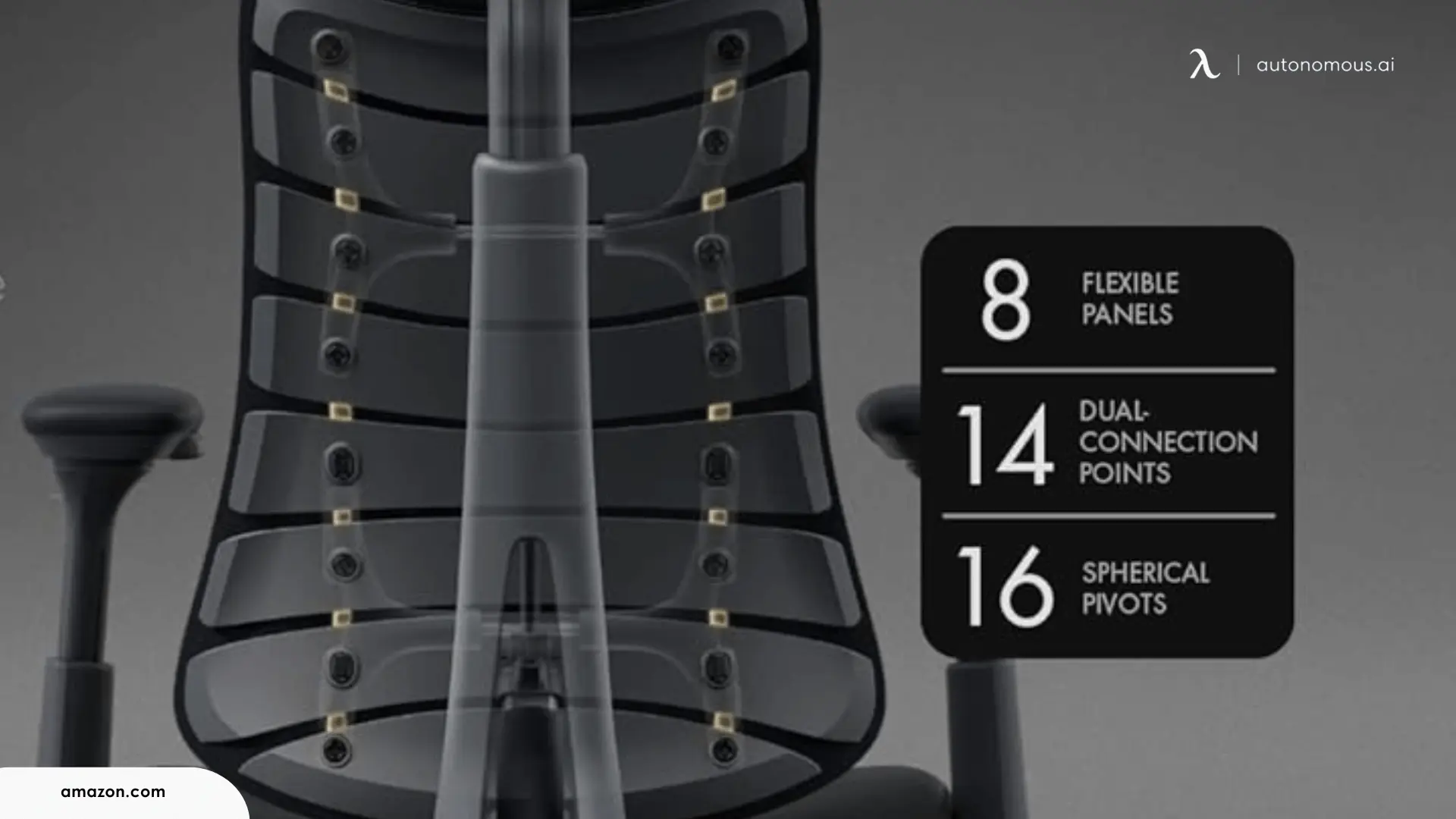
The narrower shoulder width works intentionally with the segmented FlexFit panels, allowing the upper back to move freely during twists or recline rather than feeling locked in.
Armrest Size & Adjustment Range
- Armrest width: 3.94 in (10 cm)
- Height range: 7 - 10.25 in (17.78 - 26.04 cm)
- Adjustment type: 4D
The armrests provide enough range for keyboard work, controller use, and reclined positions without dominating the seat area.
Integrated footrest in real use
The Omni ergonomic chair includes a built-in footrest designed specifically for use during deep recline.
- Intended for 135° - 160° positions
- Useful for short breaks and stretch sessions
- Not meant to replace a dedicated under-desk footrest
It adds versatility without interfering with upright work, which fits the chair’s multi-mode design philosophy.
LiberNovo Omni pricing
The LiberNovo Omni sits firmly in the premium ergonomic chair category, though its pricing is more flexible than long-established legacy brands.
- MSRP: $1,099
- Libernovo Omni price at time of review: ~$803
This places the Omni below ultra-premium ergonomic chairs, while still well above mainstream office seating. The chair pricing reflects its use of a segmented dynamic backrest and motorized lumbar system rather than traditional mechanical adjustments.
At full MSRP, the value proposition leans heavily on innovation. At discounted pricing, it becomes more competitive for buyers looking to try a different ergonomic approach without paying top-tier legacy prices.
The LiberNovo Omni chair makes the most sense when:
- Purchased during a promotion
- Compared against other premium chairs with fewer adaptive features
If paying full MSRP, buyers should be confident they want dynamic, powered ergonomics rather than long-term mechanical simplicity or extended warranties.
LiberNovo Omni alternatives
If you’re considering the LiberNovo Omni ergonomic chair, you’re likely also looking at established ergonomic chairs that take a very different approach to comfort and support. The key difference comes down to dynamic, powered ergonomics versus passive, mechanical design.
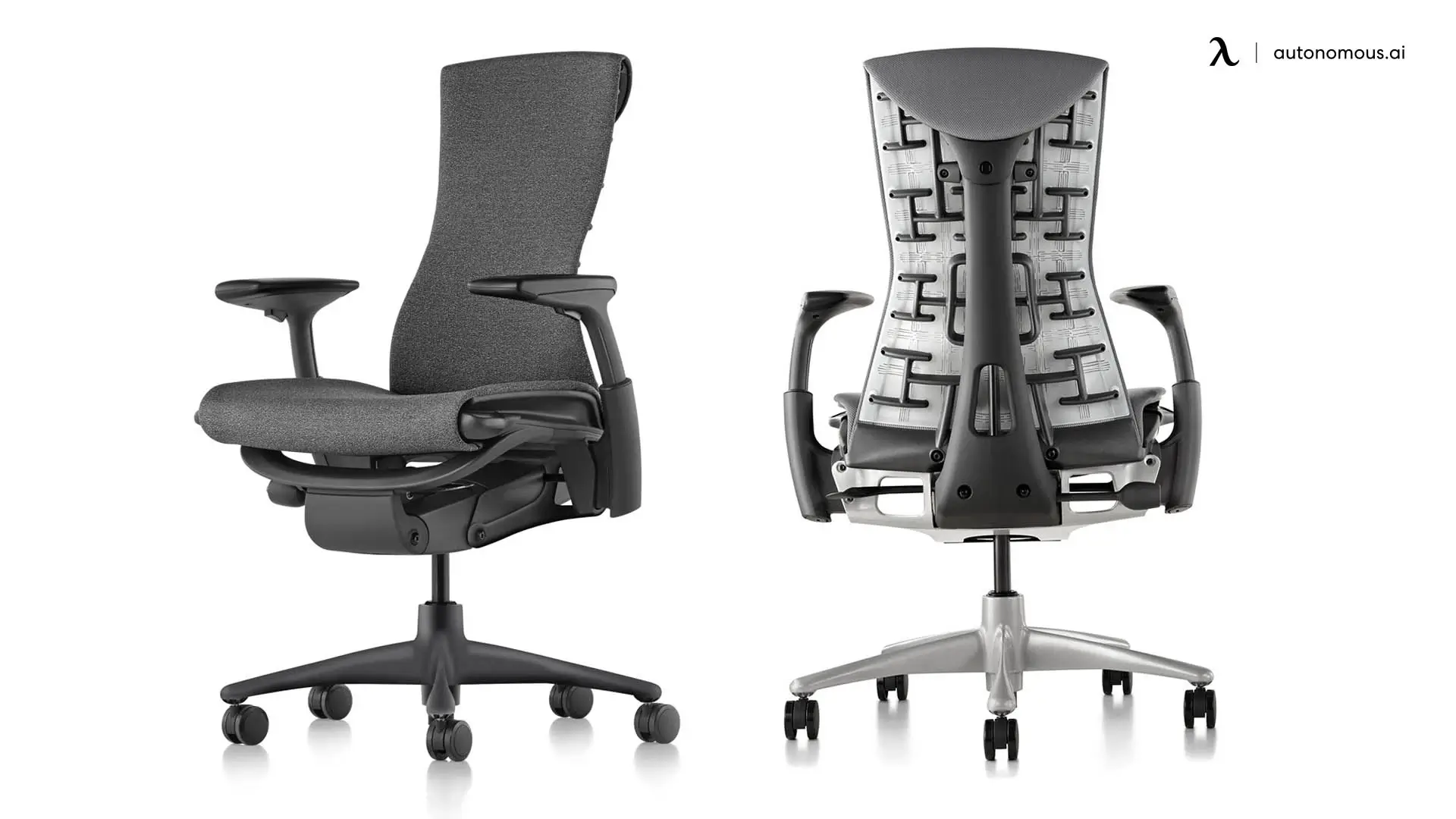
LiberNovo Omni vs Herman Miller Embody
Category | LiberNovo Omni | Herman Miller Embody |
Design philosophy | Dynamic, movement-first ergonomics | Passive, posture-first ergonomics |
Back support | Segmented FlexFit panels that move independently | Pixelated support matrix that distributes pressure |
Lumbar support | Motorized, battery-powered | Fully mechanical, passive |
Recline range | 105° - 160° | Moderate recline, upright-focused |
Best for | Users who shift posture, recline often, mix work & rest | Users who sit upright for long, focused sessions |
Electronics | Yes (lumbar motor system) | No |
Warranty approach | 5 yrs frame / 2 yrs electronics | Long-term, single extended warranty |
Maintenance mindset | More advanced, higher complexity | Minimal, set-and-forget |
Price positioning | Premium, often discounted | Ultra-premium, stable pricing |
Choose the LiberNovo Omni if you want a chair that actively adapts as you move. Choose the Embody if you want subtle, consistent support designed for long-term durability with no electronics.
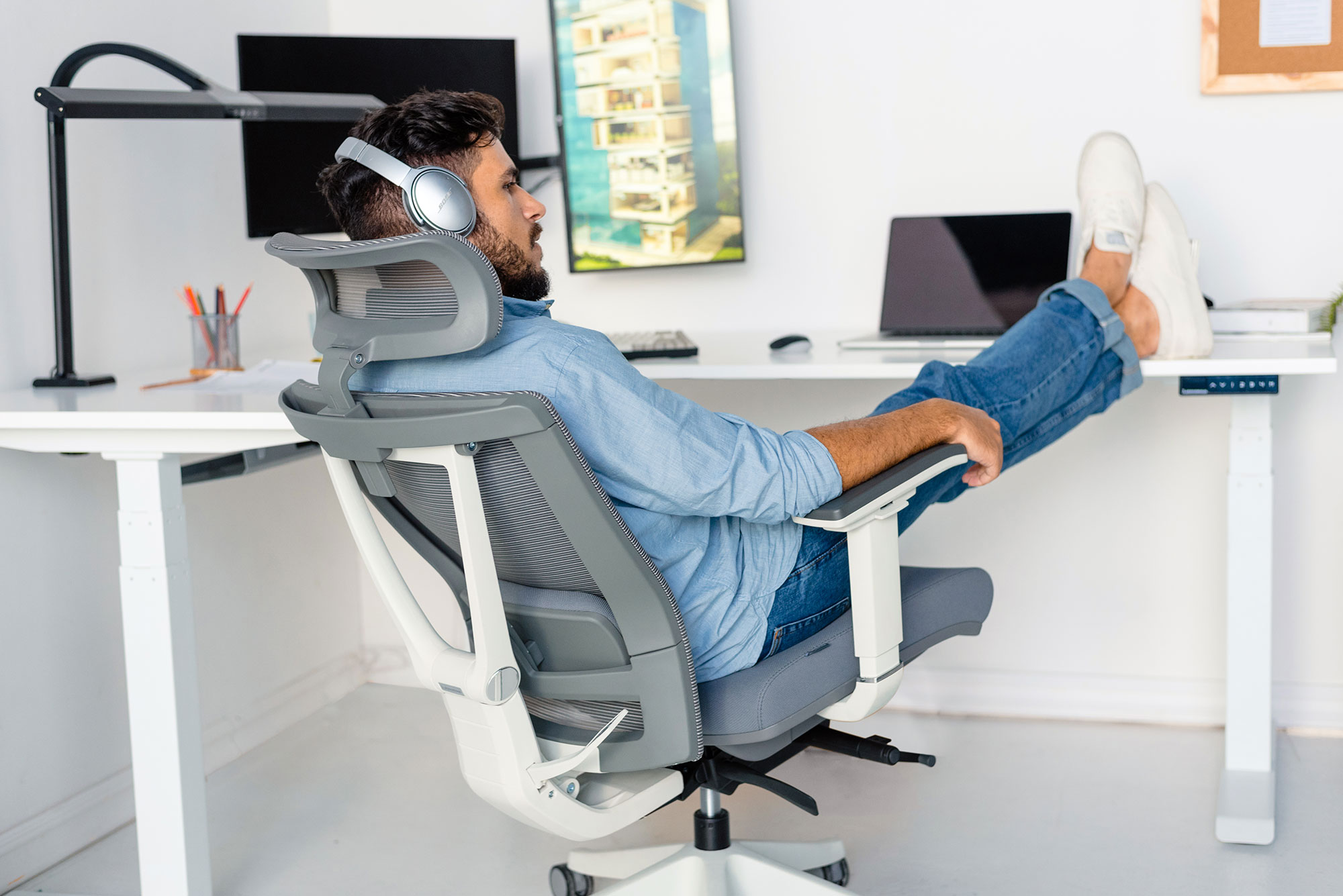
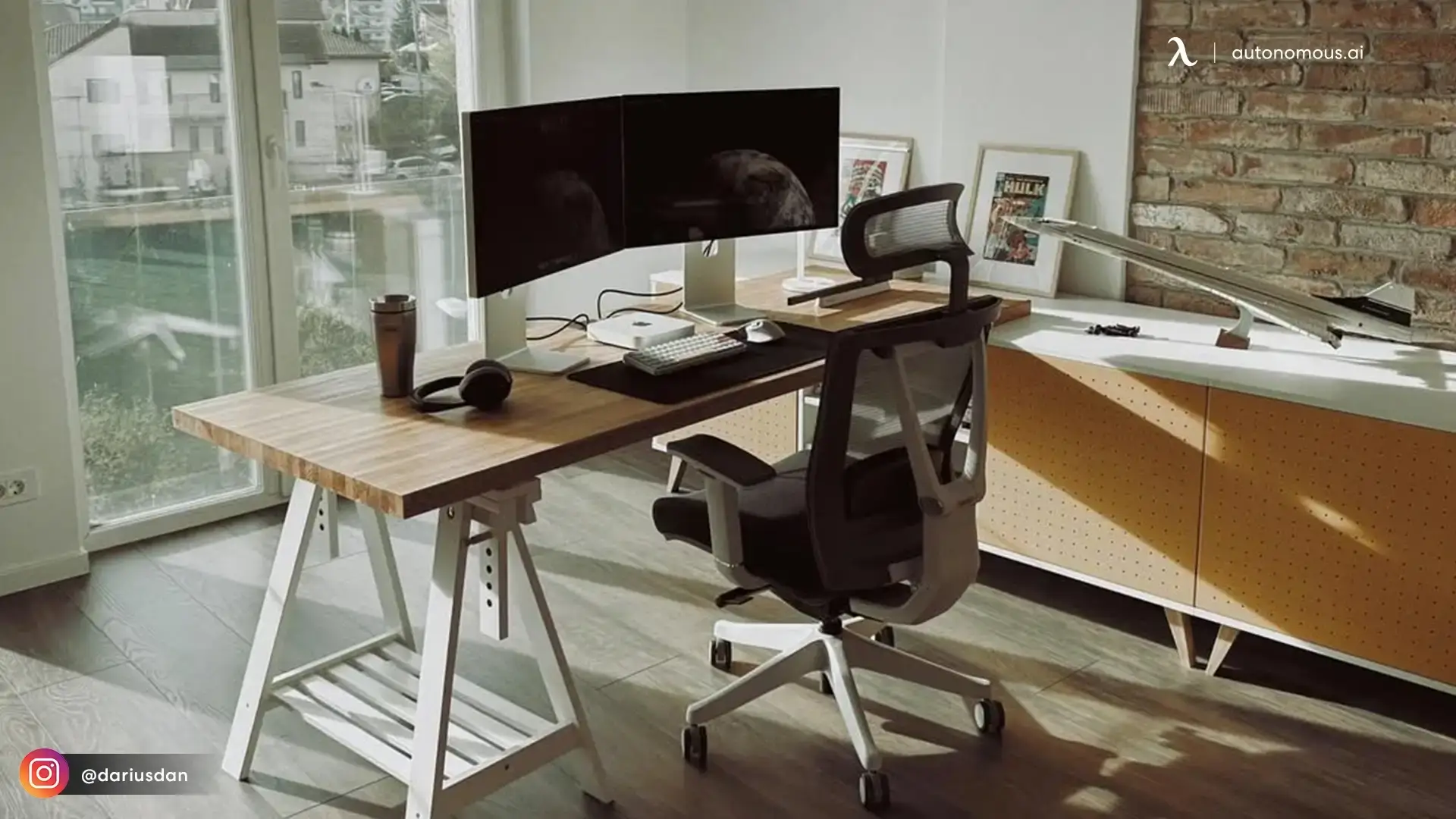
LiberNovo Omni vs Autonomous ErgoChair Pro
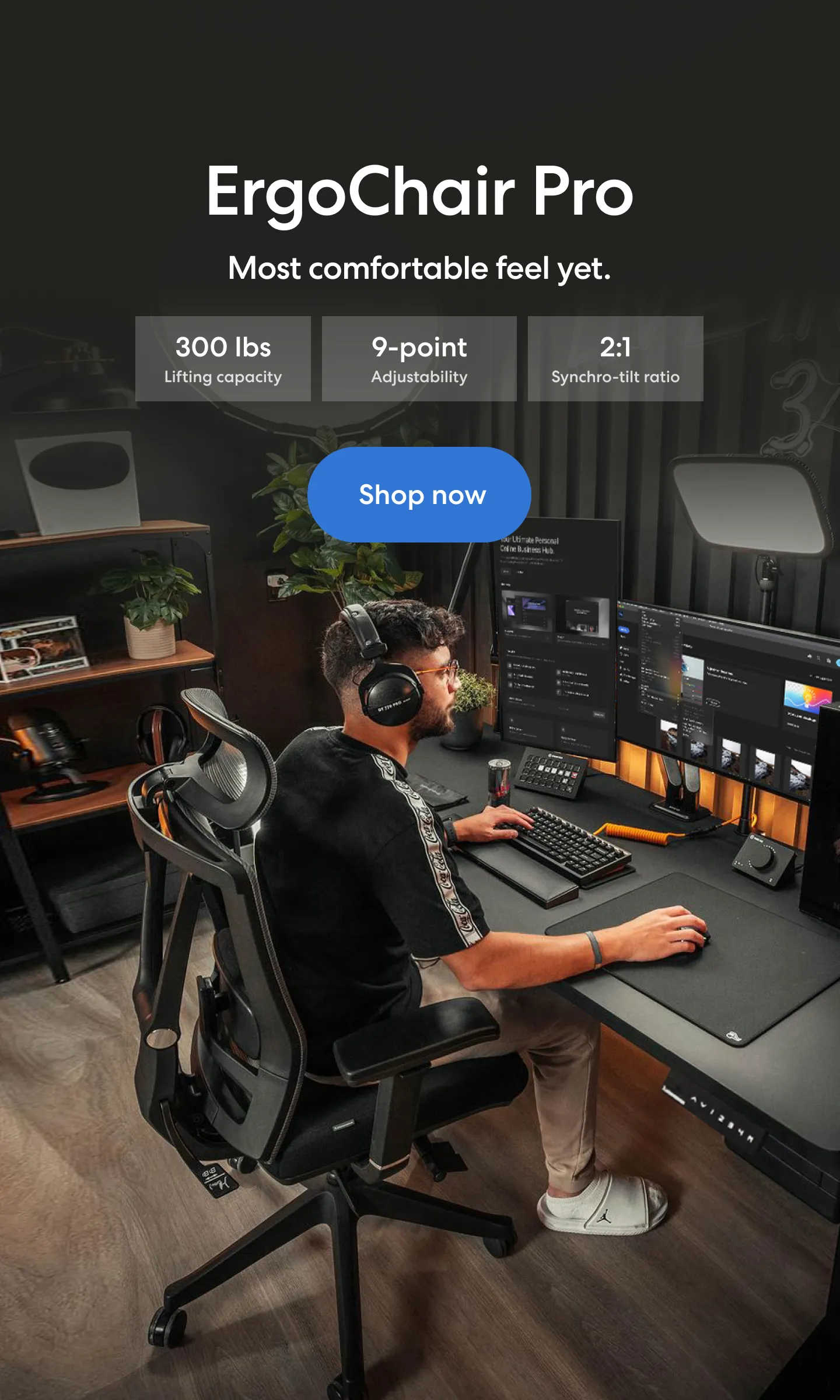
Category | LiberNovo Omni | Autonomous ErgoChair Pro |
Ergonomic approach | Dynamic, movement-adaptive | Manual, user-adjustable |
Dimensions | 46.06 - 52” H | 46” - 50” H |
Seat width | 17.72” contact / 21.26” total | 19” W |
Seat depth | Fixed options: 17.72” or 18.9” | Adjustable: 19” - 21.5” |
Seat height range | 17.32” - 21.65” | 18.5” - 22” |
Backrest design | Segmented flexible panels | Single-frame mesh back |
Backrest height | 21.26” | 22” (28” - 31” with headrest) |
Lumbar support | Motorized, dynamic shaping | Manual adjustment |
Recline / tilt | 105° - 160° recline | 22° tilt |
Armrests | 4D adjustment | Height, angle, depth adjustable |
Materials | Fabric + memory foam | Polyester mesh, molded foam, nylon frame |
Weight capacity | 300 lbs | 300 lbs |
Chair weight | 48 lbs | 48.5 lbs |
The LiberNovo Omni is for buyers who want a more experimental, movement-focused chair. The ErgoChair Pro is better for those who want solid ergonomics, simpler mechanics, and better value.

Final Verdict - who the LiberNovo Omni is really worth it for
The LiberNovo Omni dynamic ergonomic chair is not a safe, conventional ergonomic chair - and that’s exactly the point. It’s built for people who don’t sit one way all day, offering dynamic support that adapts as you lean, recline, and reset between tasks.
Its segmented backrest, motorized lumbar system, and deep recline make it genuinely different from traditional office chairs. When purchased at a discounted price, it delivers a compelling blend of comfort and innovation for hybrid workers, creators, and gamers who want one chair to handle multiple modes of use.
That said, the Omni isn’t for everyone. The reliance on electronics, shorter warranty on powered components, and fixed seat depth options mean it requires more consideration than simpler, fully mechanical alternatives.
.webp)
Buy the LiberNovo Omni if:
- You frequently change posture throughout the day
- You value movement and recline over rigid posture correction
- You’re comfortable owning a chair with powered components
Skip it if:
- You want a long-term, set-and-forget ergonomic chair
- You prefer fully mechanical designs with extended warranties
- You need highly adjustable seat depth or minimal maintenance
The LiberNovo Omni rewards users who embrace movement. If that sounds like you, it’s a thoughtful - and distinctive - choice in a crowded ergonomic chair market.



Stay connected with us!
Subscribe to our weekly updates to stay in the loop about our latest innovations and community news!
Interested in a Link Placement?


Spread the word