How to Lose Weight With PCOS When You Work at a Desk


Table of Contents
Losing weight with PCOS can feel frustrating - especially if you spend most of your day sitting at a desk. Many people with PCOS try harder workouts, stricter routines, or extreme plans, only to feel exhausted and see little progress. If you’ve ever thought “I can’t lose weight with PCOS”, you’re not alone.
The truth is that weight loss PCOS exercise works differently than standard weight-loss advice. For desk-based workers, success comes from choosing exercises that support hormones, energy, and consistency - not intensity for its own sake.
This guide explains the best exercise to lose weight with PCOS, how to build a realistic PCOS weight loss workout plan, and how to move more - even when your job keeps you sitting most of the day.
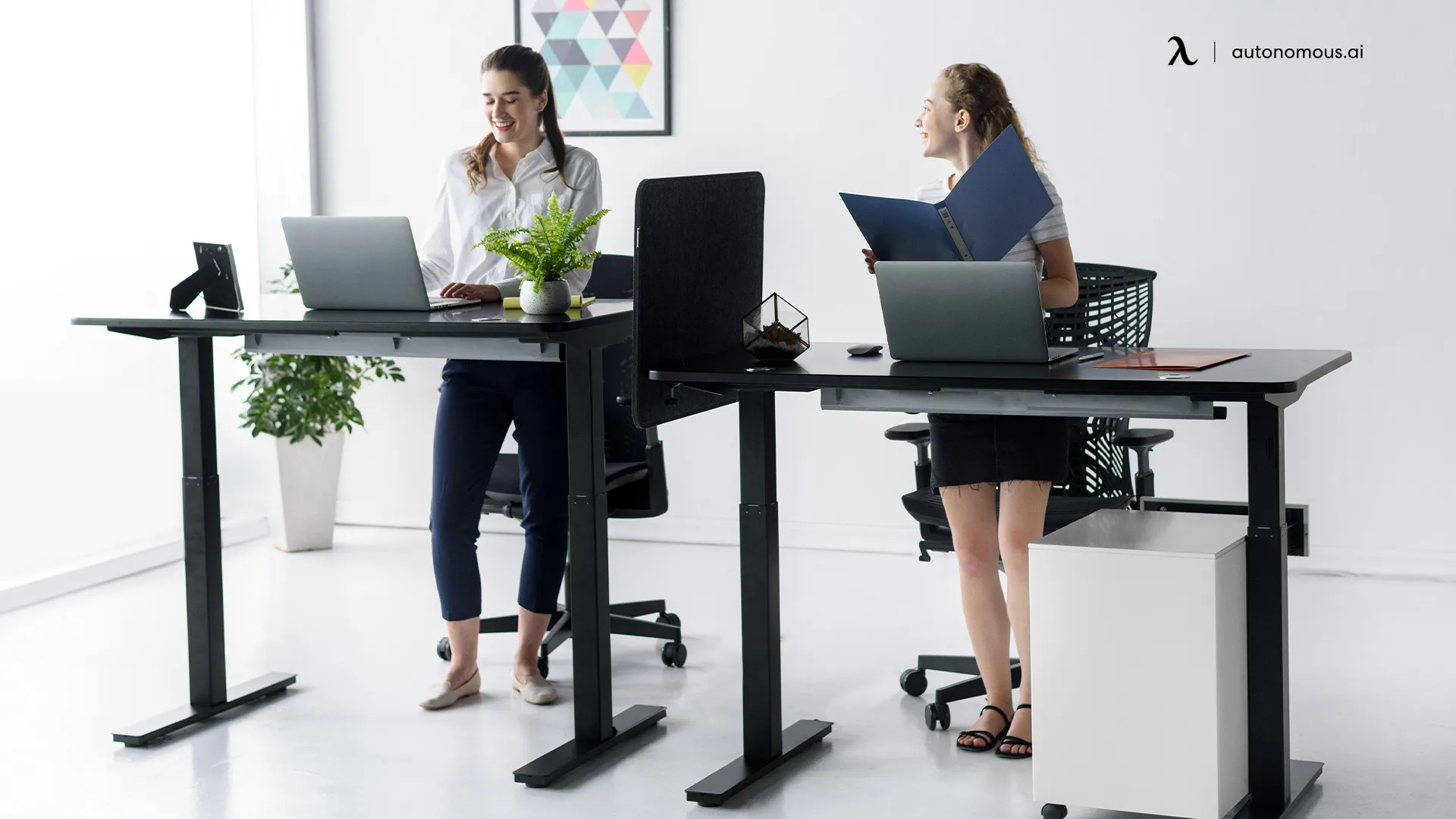
Why Desk Jobs Make PCOS Weight Loss More Challenging
- Prolonged Sitting and Insulin Resistance
PCOS is commonly linked with insulin resistance, which makes fat loss harder. Long hours of sitting can worsen this effect by reducing muscle activity and slowing glucose uptake. Even if you exercise after work, staying sedentary all day can still hold progress back.
This is why many desk workers struggle to lose weight with PCOS despite “doing everything right.”
- Cortisol, Stress, and Overtraining
After a full workday, jumping into intense workouts can raise cortisol levels. For people with PCOS, chronically high stress hormones may interfere with fat loss and recovery. This often explains why a “fast way to lose weight with PCOS” backfires instead.
What “PCOS-Friendly Exercise” Actually Means
1. Focus on Hormones, Not Just Calories
The best way to lose weight with PCOS is not chasing the highest calorie burn possible. PCOS is closely linked to insulin resistance and stress hormone imbalance, which means weight loss depends more on how your body processes energy than on sheer effort. Exercise should support insulin sensitivity and recovery, not exhaust your system.
Many people focus only on numbers burned during workouts, but understanding the difference between active calories vs total calories helps put exercise into better context. For PCOS, steady daily movement and muscle engagement often matter more than a single intense session.
It’s also important to look beyond raw calorie expenditure. While movement is essential, constantly trying to “out-burn” PCOS through exercise can increase fatigue and cravings, making consistency harder.
Traditional weight-loss advice often emphasizes a strict calorie deficit or a simple calories in vs calories out approach. For PCOS, these models still apply - but they must be applied carefully and sustainably.
Extreme calorie restriction can raise stress hormones and slow progress for people with PCOS. A hormone-friendly strategy focuses on supportive exercise, adequate fuel, and recovery. When insulin response and stress are managed, weight loss becomes more achievable and far less frustrating.
2. Consistency Beats Intensity
For PCOS, doing a little bit often works better than pushing hard once in a while. Short, repeatable workouts help regulate blood sugar, support recovery, and reduce the risk of burnout - all critical for sustainable PCOS weight loss.
High-intensity sessions done inconsistently can increase stress hormones and make it harder to stay on track. This is why many people feel stuck even when they’re exercising “hard.” In contrast, simple and realistic exercise routines that fit into daily life are easier to maintain and more effective over time.
Consistency allows your body to adapt gradually, improving insulin sensitivity without overwhelming your system. Especially for desk workers, steady movement and manageable workouts lead to better long-term results than extreme training plans.
3. Signs Your Exercise Is Helping
Positive signs include:
- Stable energy instead of crashes
- Better recovery between workouts
- Reduced cravings
- Improved mood and focus
If exercise leaves you drained, sore for days, or hungrier than usual, it may be working against your goals.
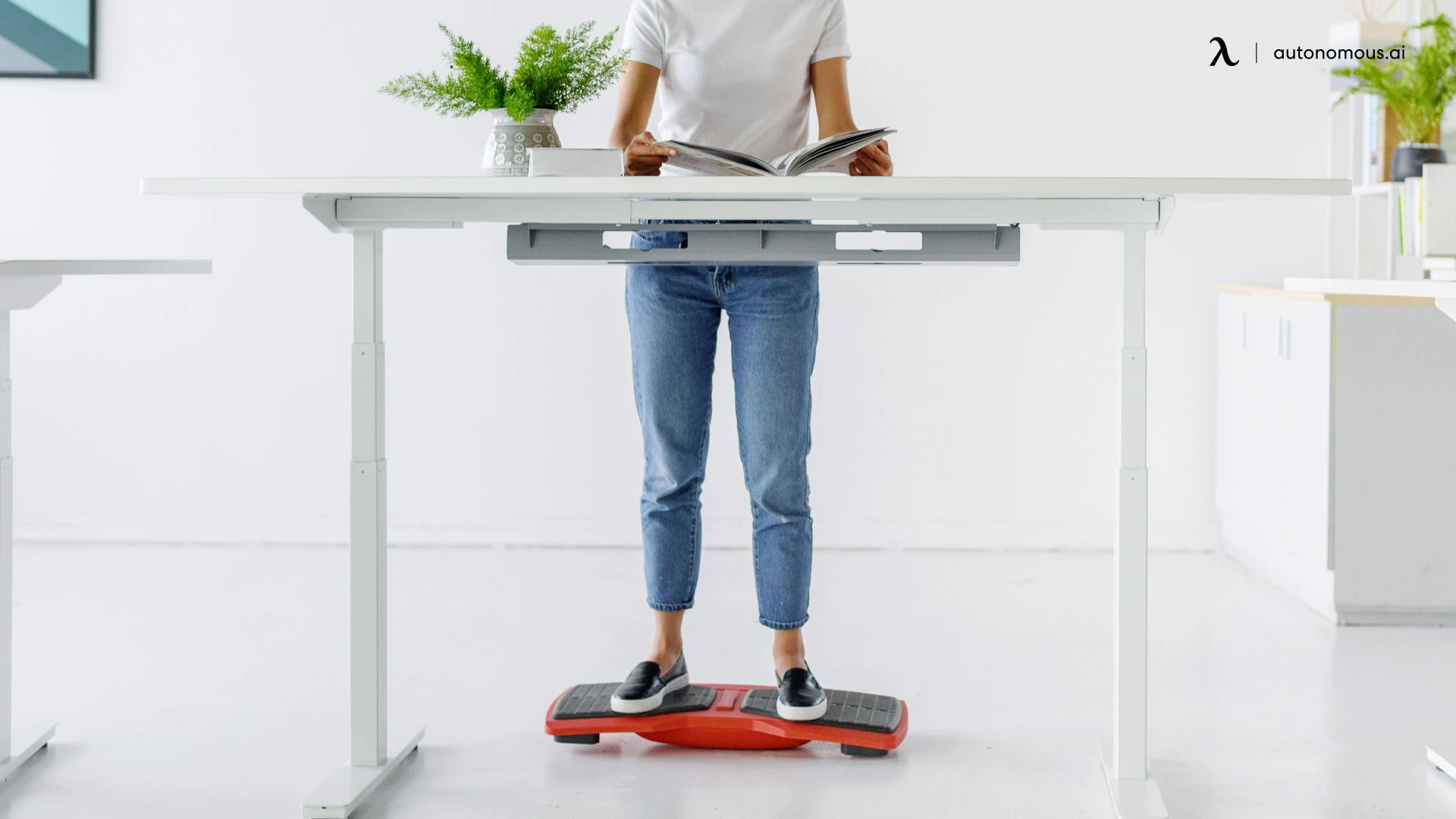
Best Exercises for PCOS Weight Loss
1. Strength Training (Top Priority)
Strength training is often the best exercise to lose weight with PCOS because it directly improves insulin sensitivity and helps build metabolically active muscle. Unlike high-intensity cardio, resistance training supports fat loss without placing excessive stress on the body - making it especially effective for PCOS.
For desk workers, strength training doesn’t need to be time-consuming to work:
- 2–3 sessions per week is enough to see benefits
- Focus on large muscle groups such as legs, glutes, back, and core
- 20–40 minute sessions are effective and easy to fit around work
This type of training forms the foundation of a sustainable PCOS weight loss workout, helping your body use energy more efficiently throughout the day - even when you spend long hours sitting.
If structure or motivation is a challenge, using apps to help lose weight can make strength training more accessible by providing guided routines, progress tracking, and realistic plans designed for busy schedules.
2. Walking and Low-Impact Cardio
Walking is one of the most underrated ways to lose weight with PCOS. It’s low stress, easy to recover from, and works well alongside desk-based jobs.
Regular walking - especially on a treadmill - can support steady energy use and daily movement. The benefits of walking on a treadmill make it a practical option for people who sit most of the day.
Helpful ways to add walking
- Short walks before work or after meals
- Walking breaks between meetings
- Light evening walks to unwind
For desk workers, a walking desk setup can make walking part of the workday rather than a separate workout. If you want more structure, these guides on how to lose weight on a treadmill and low-impact cardio at home offer simple, PCOS-friendly options.
For many people, walking consistently works better than chasing the quickest way to lose weight with PCOS.
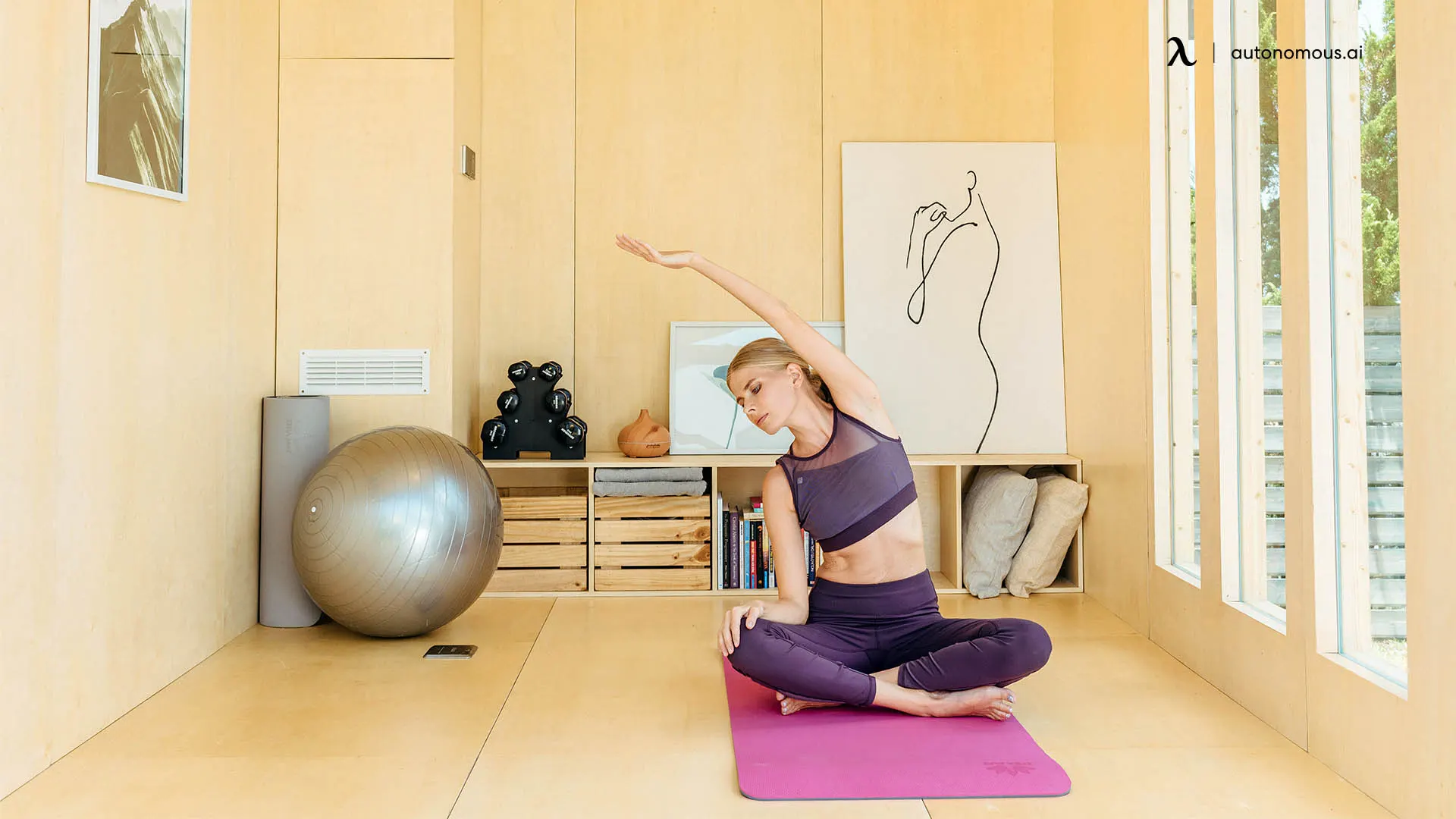
3. Low-Stress Movement (Yoga, Pilates, Mobility)
Low-impact movement helps lower cortisol, making it an important part of a PCOS-friendly routine - especially for people who spend most of the day sitting. Activities like yoga, Pilates, and mobility work are easy to recover from and fit well alongside desk-based exercise.
Focusing on proper desk posture, correcting alignment patterns such as sway back posture, and learning how to sit with SI joint pain can make both work and movement more comfortable.
Benefits include
- Reduced stress
- Improved flexibility after long sitting
- Better recovery between workouts
These forms of low-stress movement support weight loss indirectly by improving consistency and overall wellness. On low-energy days, gentle options like chair yoga for weight loss make it easier to stay active without adding strain.
Exercises to Be Careful With if You Have PCOS
1. HIIT and High-Intensity Cardio
HIIT can help some people with PCOS, but only in moderation. For desk workers under daily stress, frequent HIIT sessions may stall progress rather than accelerate it.
Use sparingly:
- 1–2 short sessions per week max
- Avoid stacking HIIT on high-stress workdays
2. Long Cardio Sessions After Sitting All Day
Long cardio sessions after a full day of sitting can increase fatigue and make recovery harder. For desk workers with PCOS, timing and recovery matter more than duration.
Instead of one long workout, spreading movement across the day is often more effective. Having a realistic idea of how much walking per day and how many steps to lose weight can help you stay active without overdoing it.
3. Fasted or Excessive Training
Chasing a fast way to lose weight with PCOS through fasted workouts or daily high-intensity sessions often leads to plateaus rather than progress. These approaches can increase stress and make recovery harder, especially when combined with a sedentary workday.
Goals like trying to reach 1,000 calories burned in steps or constantly comparing cardio methods such as StairMaster vs running can push people toward overtraining. For PCOS, sustainable routines that balance effort and recovery tend to work better long term than extreme or fasted training strategies.
How to Add “Movement Snacks” Into a Desk Workday
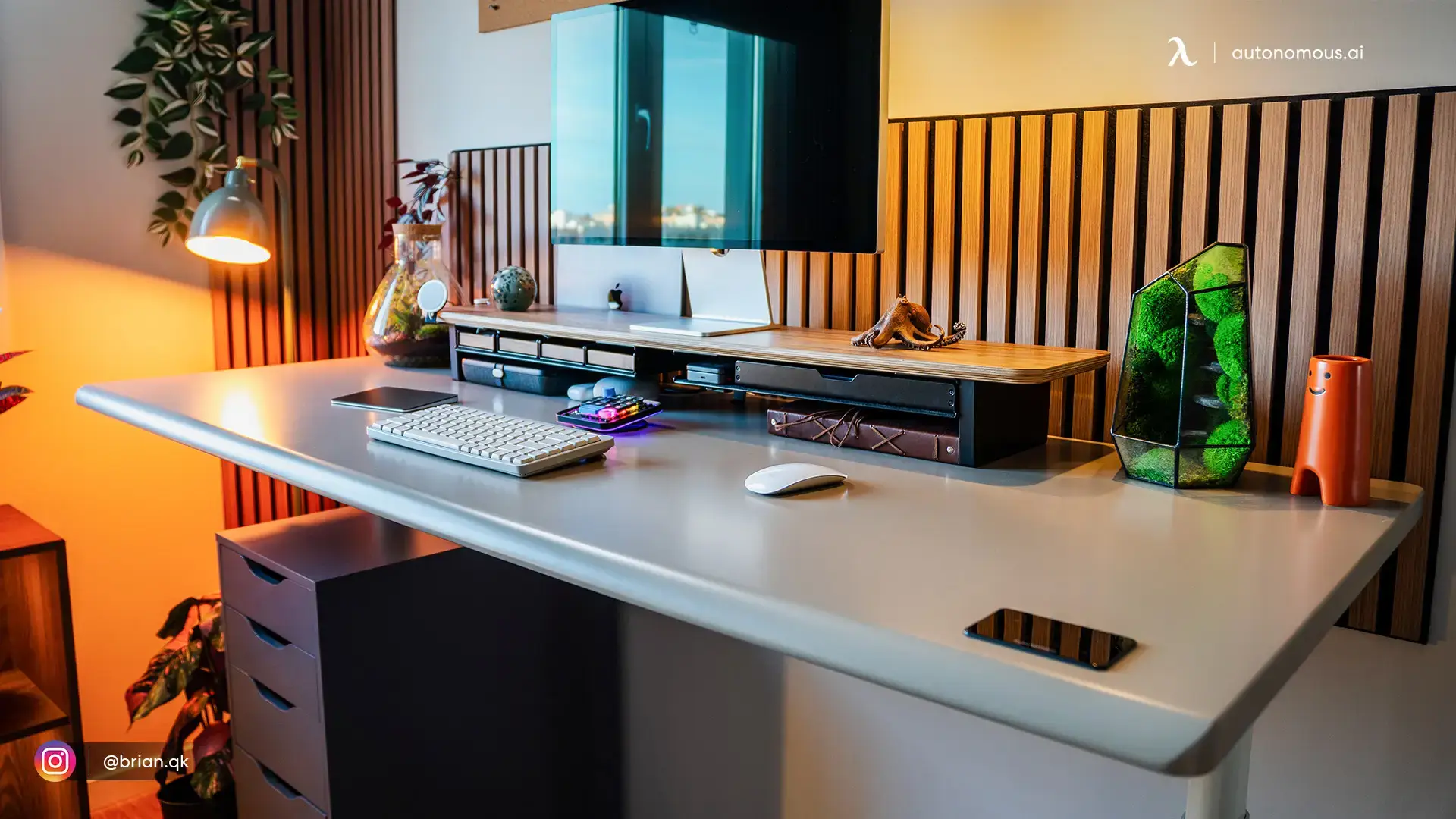
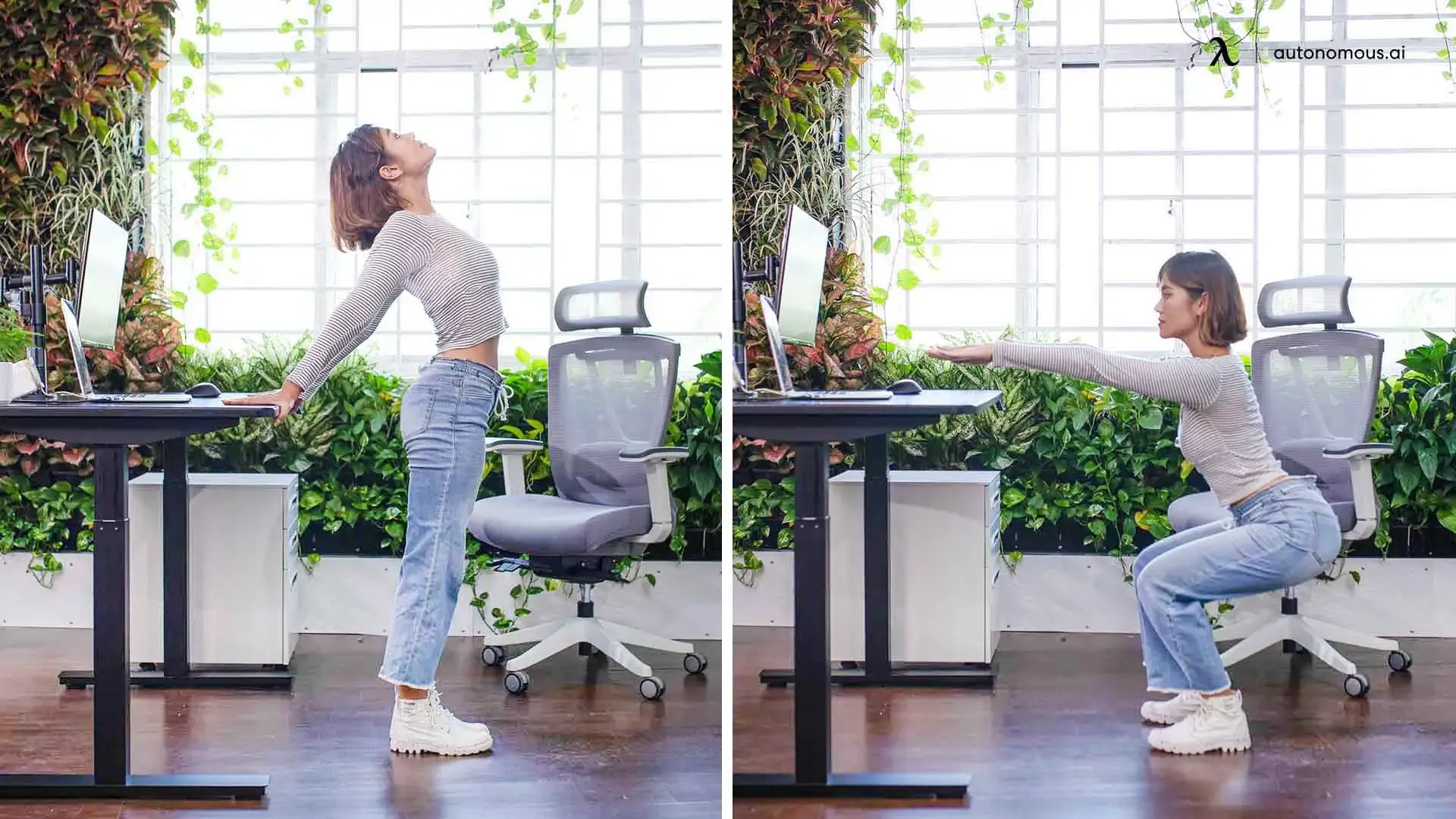
“Movement snacks” are short, low-effort movements - usually 2–5 minutes - that break up long sitting periods. For desk workers with PCOS, they support blood sugar control without adding workout stress. Even small actions can help you burn calories while sitting.
How to make them automatic
- Standing desk with reminders: prompts position changes every 30–60 minutes and helps answer whether a standing desk burns calories
- Active stool or balance board: adds gentle movement during short work blocks (try balance board exercises)
- Ergonomic chair: supports posture so standing and moving feel easier
Simple movement ideas
These movement snacks are easy to do between meetings and don’t require changing clothes or breaking focus:
- Short walk or march in place to get blood moving and reduce stiffness from sitting.
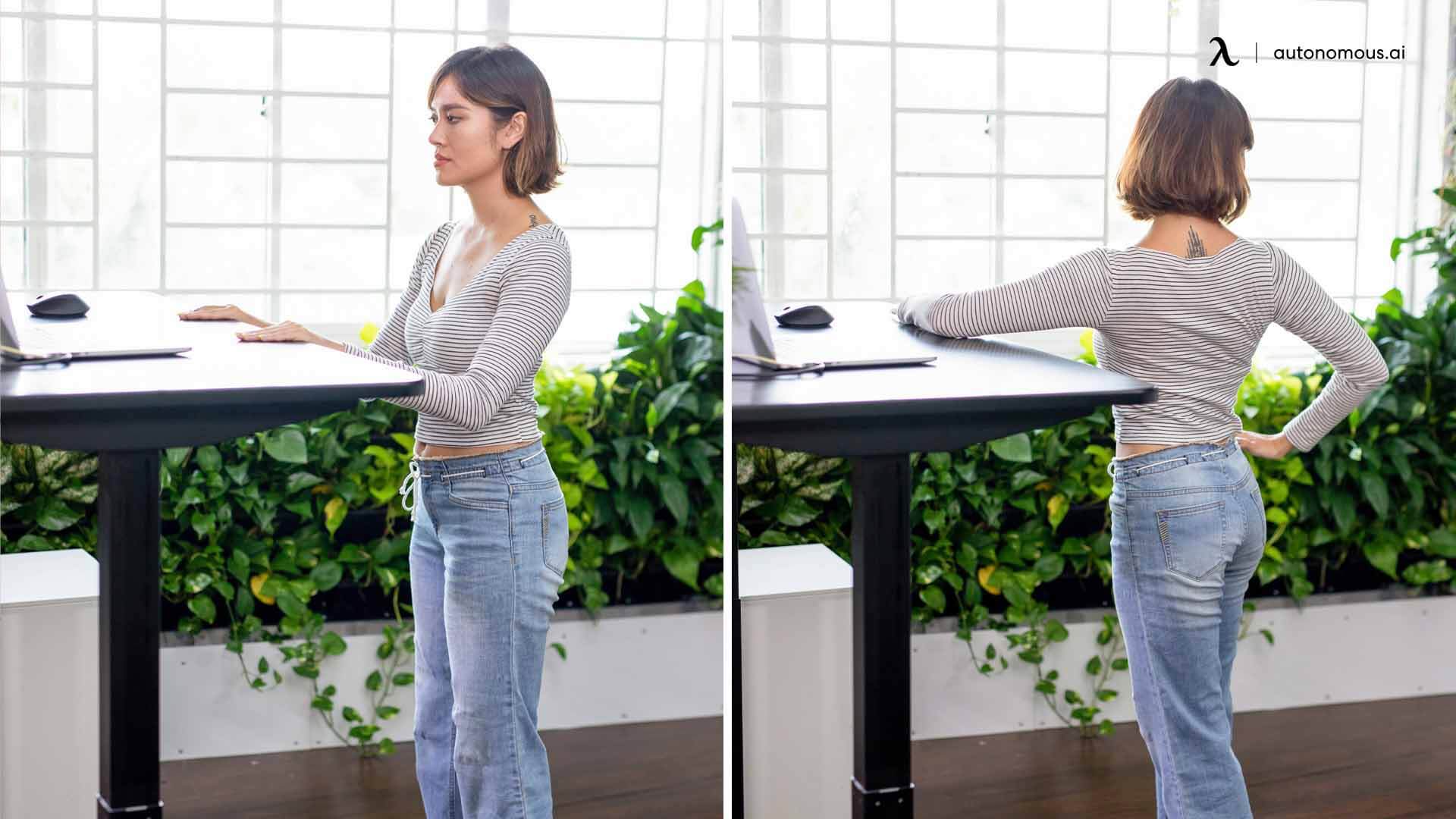
- Light stretches or posture resets, especially after long focus blocks. Simple exercises for a standing desk and standing back exercises help relieve tension and support better alignment.
- Chair-based movements when standing isn’t practical. Options like chair exercises for weight loss, office chair exercises, and targeted chair exercises for belly fat let you stay active without leaving your workstation.
Done consistently, these small movements add up and support PCOS-friendly weight loss throughout the workday.
A Simple PCOS Weight Loss Workout Plan for Desk Workers
Day / Frequency | Activity Type | What to Do | Why It Works for PCOS |
2–3 days per week | Strength Training | Short, full-body sessions (20–40 min) focusing on legs, glutes, back, and core | Improves insulin sensitivity, builds metabolically active muscle, supports sustainable weight loss |
Daily | Walking | Light to moderate walking before work, during breaks, or after meals | Helps regulate blood sugar without increasing cortisol |
1–2 days per week | Low-Stress Movement | Yoga, Pilates, or mobility routines | Reduces stress hormones, improves recovery, and supports hormonal balance |
Workdays (daily) | Movement Snacks | 5–10 minute breaks: short walks, light stretches, posture resets | Offsets prolonged sitting and keeps metabolism active throughout the day |
As needed | Recovery / Rest | Gentle stretching or complete rest | Prevents burnout and overtraining, common PCOS weight-loss blockers |
FAQs
Is weight lifting good for PCOS?
Yes. Weight lifting is one of the best exercises for PCOS weight loss. Strength training improves insulin sensitivity, helps regulate blood sugar, and builds muscle that supports long-term fat loss. For many people with PCOS, lifting weights is more effective than doing only cardio.
Can you lose weight with PCOS?
Yes, it is absolutely possible to lose weight with PCOS. It may take a different approach than traditional weight-loss advice, but with the right combination of exercise, nutrition, stress management, and consistency, many people with PCOS see steady progress.
Is it hard to lose weight with PCOS?
It can be harder compared to people without PCOS. Hormonal imbalances, insulin resistance, and higher stress hormone levels can slow fat loss. This is why many people feel frustrated or think they “can’t lose weight with PCOS,” even when they’re exercising and dieting.
Why is it hard to lose weight with PCOS?
PCOS can affect:
- How your body uses insulin
- How easily fat is stored
- How your body responds to stress
These factors make calorie-focused or extreme plans less effective. A PCOS-friendly approach focuses on hormone support, not just eating less or exercising more.
Is it possible to lose weight with PCOS?
Yes. It is possible to lose weight with PCOS, especially with a sustainable routine that includes strength training, regular movement, adequate recovery, and a balanced diet that supports stable blood sugar.
Is it impossible to lose weight with PCOS?
No. While PCOS can make weight loss slower or less predictable, it is not impossible. Many people succeed once they stop chasing quick fixes and focus on consistent habits that work with their hormones instead of against them.
What is the best way to lose weight with PCOS?
The best way usually includes:
- Strength training 2–3 times per week
- Daily low-impact movement like walking
- Managing stress and sleep
- A balanced, sustainable diet rather than extreme restriction
There is no single “fast” solution, but this approach leads to more reliable, long-term results.
Do you need a special PCOS weight loss workout plan?
Not a complicated one. A simple PCOS weight loss workout plan that fits your lifestyle - especially if you work at a desk - is often more effective than aggressive or highly structured programs.
Conclusion
If you work at a desk, weight loss with PCOS doesn’t require extreme workouts or chasing the quickest way to lose weight with PCOS. It requires the right combination of movement, recovery, and consistency.
By choosing desk-friendly exercises, adding movement throughout your day, and supporting your body instead of fighting it, PCOS weight loss becomes more achievable - and far more sustainable.
Progress may feel slower than advertised online, but it’s also more likely to last. If you’ve struggled before, that doesn’t mean you’ve failed - it means you need an approach designed for how PCOS and real workdays actually function.