Is the Secretlab Titan Evo NanoGen Gaming Chair Comfortable for Long Sitting?
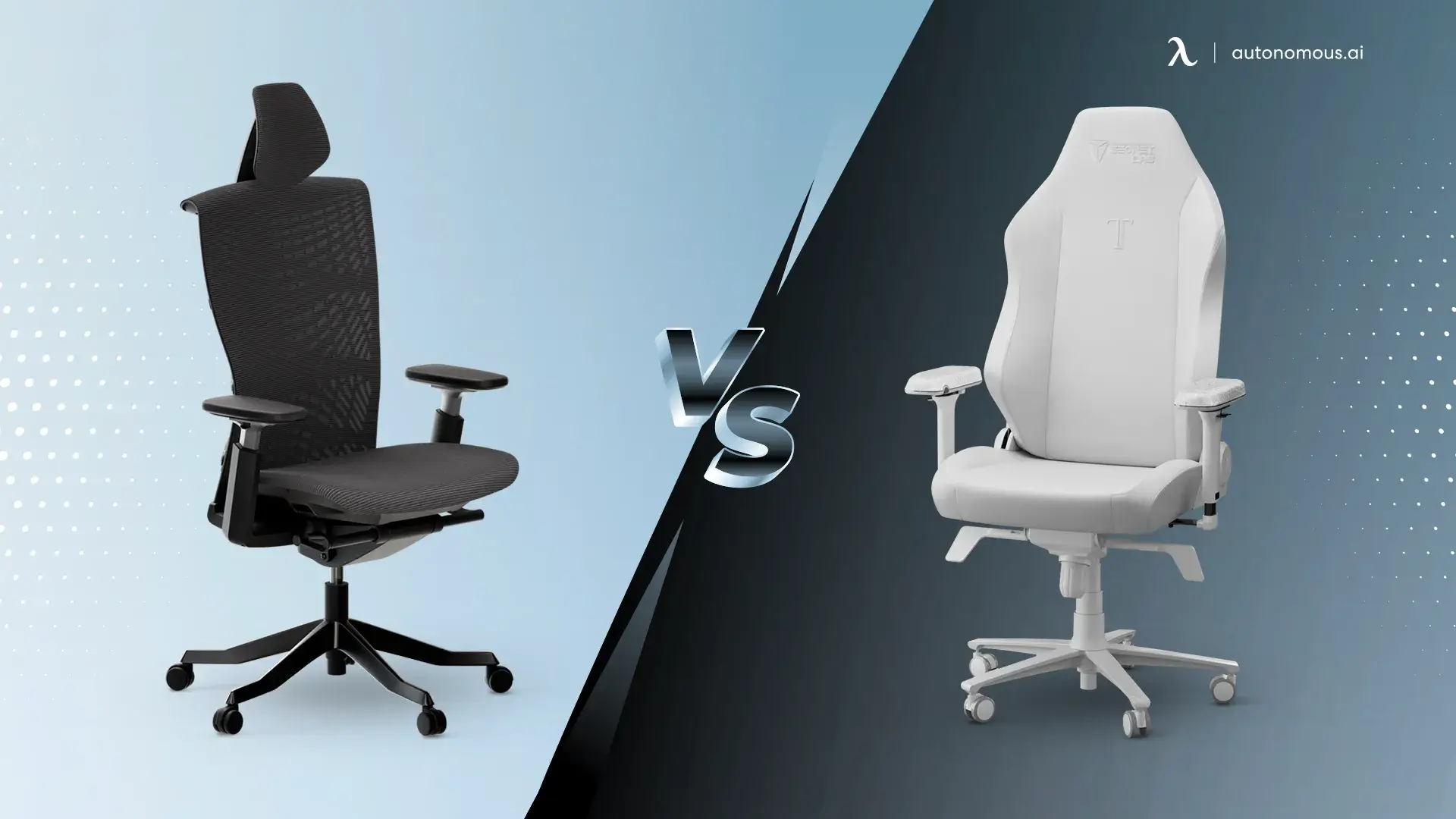
Table of Contents
When evaluating a chair for long hours, the seat often matters more than branding, aesthetics, or feature lists. How pressure is distributed, how materials respond over time, and how the seat supports different sitting styles all play a direct role in comfort and fatigue. This article takes a seat-focused look at the Secretlab Titan Evo NanoGen, followed by a detailed comparison with the Autonomous ErgoChair Ultra 2. Rather than ranking winners, the goal is to explain how each seat is designed to behave - and which sitting needs each approach is best suited for.
Secretlab Titan Evo NanoGen Review
1. Seat Construction & Materials
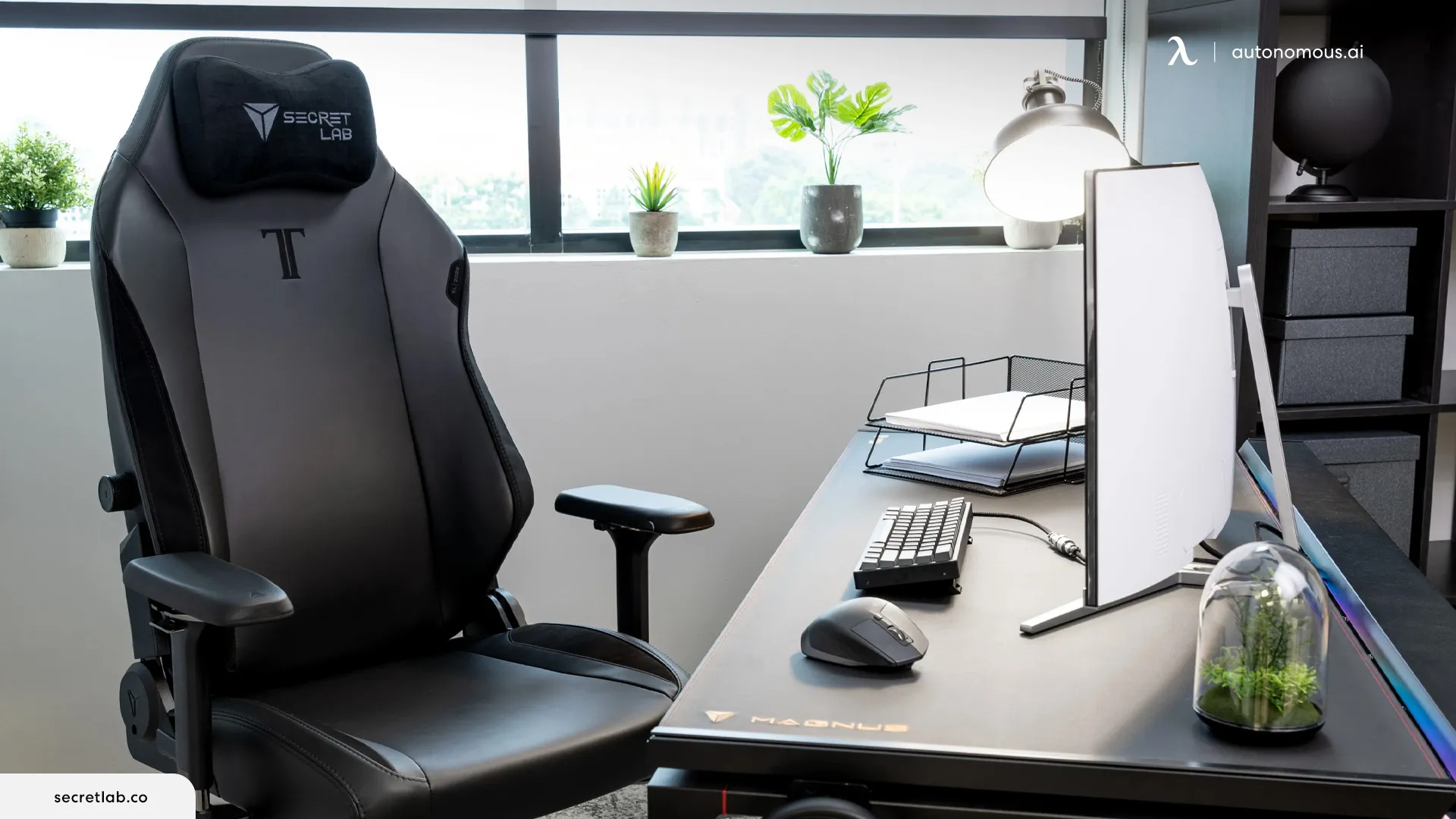
The Secretlab Titan Evo NanoGen uses a seat design that prioritizes structured, even support rather than immediate softness. At its core is Secretlab’s NanoFoam Composite seat base, an upgraded foam formulation compared to the standard Titan Evo. The foam is engineered to compress gradually under weight while maintaining shape over long periods of sitting.
Covering the seat is NanoGen Hybrid Leatherette, Secretlab’s most premium upholstery. The surface is noticeably thinner and more flexible than traditional PU leatherette, allowing the foam underneath to respond more directly to body pressure. This combination gives the seat a controlled, medium-firm feel rather than a plush or sink-in sensation.
The seat base itself is relatively flat, with subtle contouring along the edges. This design aims to keep the pelvis level and reduce exaggerated pressure points, especially during upright sitting.
2. Pressure Distribution While Sitting
Pressure distribution on the NanoGen seat is static but consistent. Weight is spread evenly across the sit bones and upper thighs, with minimal localized compression. Unlike spring-based or mesh seats, the NanoFoam does not dynamically shift as the user moves; instead, it resists deformation and maintains a stable support profile.
For users who sit in a fixed 8 hour desk chair - such as gaming or focused desk work - this can feel predictable and controlled. However, users who frequently shift positions may notice that pressure relief depends more on posture changes than on the seat adapting automatically.
Over time, the foam softens slightly, reducing peak pressure without losing overall firmness. This gradual break-in is intentional and contributes to long-term consistency rather than short-term plushness.
3. Long-Session Sitting Experience
During short sessions (1–3 hours), the NanoGen seat can feel firmer than expected, especially for users transitioning from softer ergonomic office chairs. The support is immediately noticeable, with clear contact under the pelvis and thighs.
In mid-length sessions (4–6 hours), the seat’s stability becomes more apparent. The foam maintains shape, preventing bottoming out, and encourages a steady sitting posture without excessive compression.
For extended sessions (8–12 hours), comfort depends heavily on user preference. Those who prefer structured seating often report reduced fatigue from sinking or uneven pressure. Others, particularly users sensitive to seat firmness or tailbone pressure, may find the lack of dynamic cushioning more noticeable over time.
The NanoGen seat is designed to hold posture, not continuously redistribute pressure.
4. Size Variants & Seat Scaling
The NanoGen edition is available in Regular and XL sizes. The XL version increases seat width and depth, allowing pressure to be spread over a larger surface area, which can reduce edge pressure on the thighs for taller or heavier users.
Seat scaling plays a meaningful role here: users near the upper limit of the Regular size may experience more concentrated pressure simply due to reduced contact area. Choosing the correct gaming chai size is essential for maintaining even weight distribution on this type of foam-based seat.
Secretlab Titan Evo NanoGen vs Autonomous ErgoChair Ultra 2
Aspect | Secretlab Titan Evo NanoGen | Autonomous ErgoChair Ultra 2 |
Seat type | Foam-based, flat-profile seat | Multi-layer matrix seat |
Core structure | NanoFoam Composite | Mesh + memory foam + TPE + spring matrix |
Surface material | NanoGen Hybrid Leatherette | Air Mesh |
Design intent | Stable, even support | Active pressure redistribution |
Initial feel | Medium-firm | Light, springy |
The Titan Evo NanoGen relies on a single, high-density foam system designed to compress gradually and hold shape. The NanoGen leatherette is thin and flexible, allowing the foam beneath to respond consistently to body weight without excessive surface stretch.
The ErgoChair Ultra 2 uses a layered approach. Breathable mesh forms the top surface, beneath which memory foam and TPE sit above a spring matrix with multiple nodes and struts. This structure is intended to flex locally, responding differently depending on where pressure is applied.
Pressure behavior | Titan Evo NanoGen | ErgoChair Ultra 2 |
Sit bone pressure | Even, sustained | Actively reduced through flex |
Thigh support | Broad, stable | Adaptive, edge pressure reduced |
Response to movement | Minimal seat change | Seat flexes with shifts |
Pressure relief over time | Depends on posture changes | Occurs continuously |
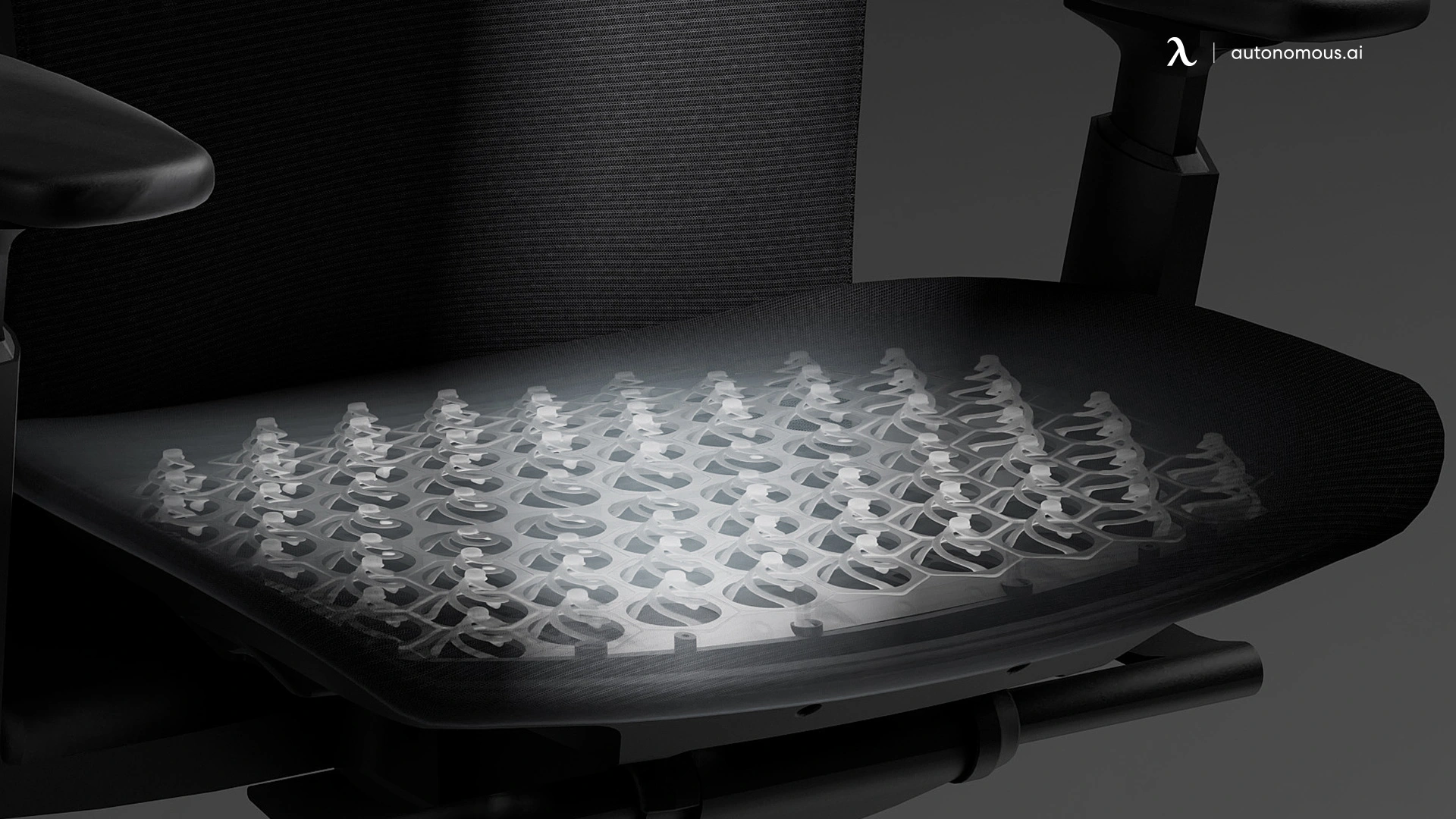
On the NanoGen seat, pressure remains consistent and predictable, which suits users who sit upright for long stretches. On the Ultra 2, pressure is redistributed dynamically, which can help reduce numbness during extended work sessions.
Sitting duration | Titan Evo NanoGen | ErgoChair Ultra 2 |
1–3 hours | Firm, supportive | Immediately comfortable |
4–6 hours | Stable, posture-holding | Pressure relief becomes noticeable |
8–12 hours | Depends on firmness tolerance | Designed to reduce fatigue |
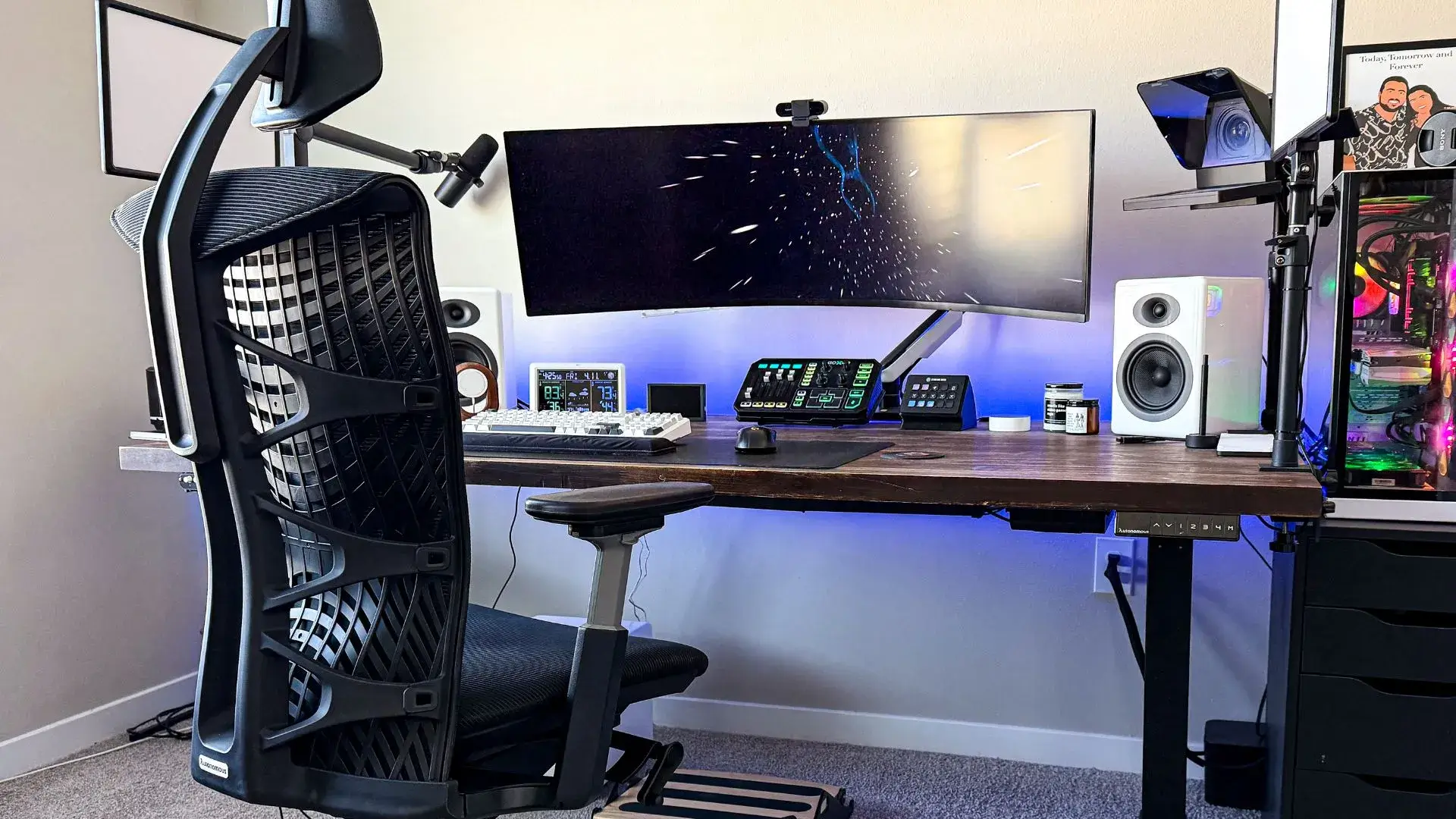
The NanoGen seat emphasizes postural consistency, while the Ultra 2 emphasizes circulation and pressure variation over time.
Factor | Titan Evo NanoGen | ErgoChair Ultra 2 |
Airflow | Limited | High |
Heat buildup | Moderate | Low |
Suitability for warm rooms | Average | Strong |
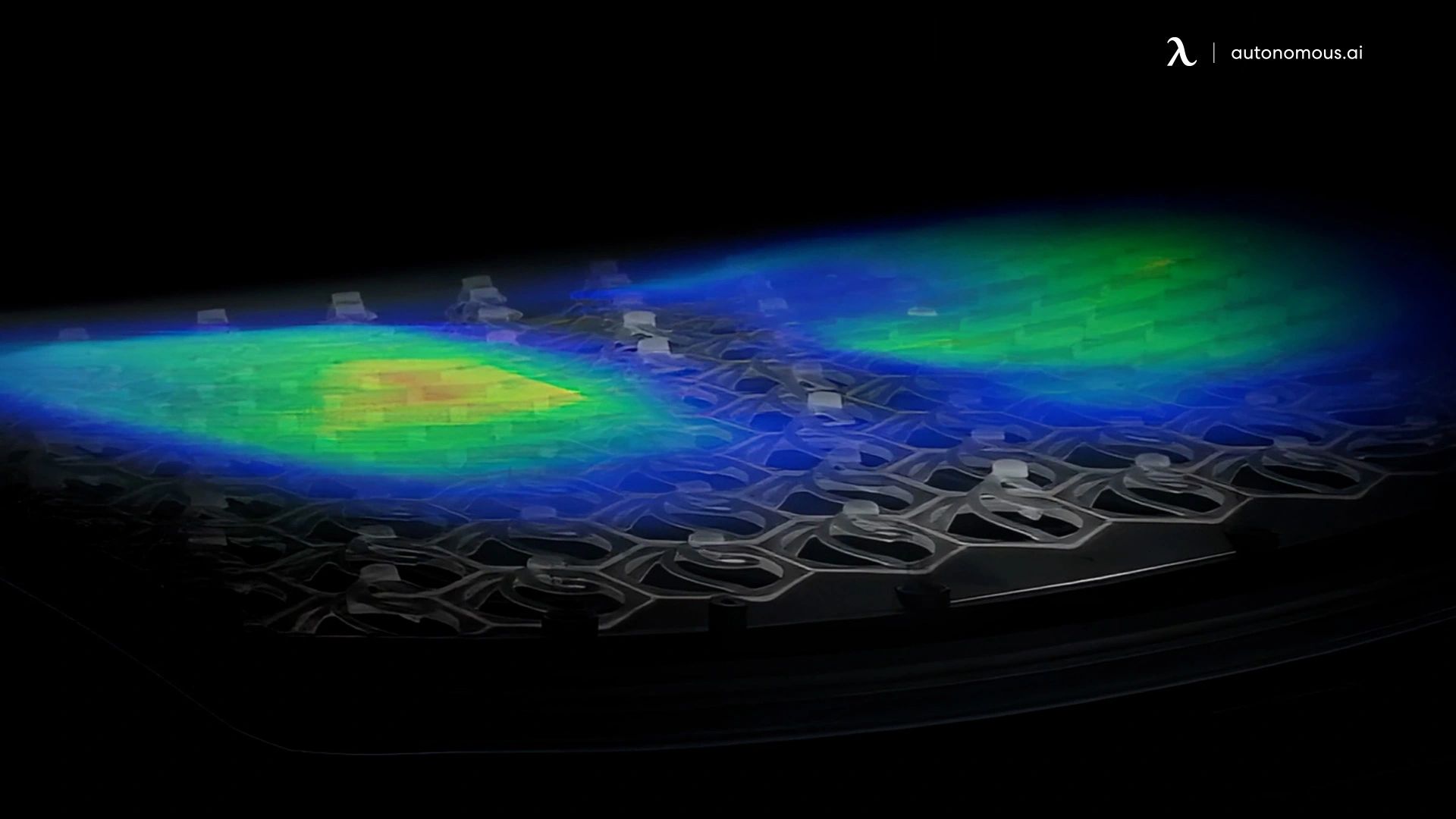
Material choice plays a large role here. Leatherette retains more heat, while mesh promotes continuous airflow through the seat.
Adjustment | Titan Evo NanoGen | ErgoChair Ultra 2 |
Seat height | ✔️ | ✔️ |
Seat depth | ❌ | ✔️ |
Seat width options | Regular / XL | Single frame |
Impact on pressure tuning | Indirect | Direct |
Seat depth adjustment on the Ultra 2 allows users to fine-tune thigh support and pressure balance. On the NanoGen, fit depends more on choosing the correct size (Regular vs XL).
- The Titan Evo NanoGen seat is built around structured foam support, favoring stability and posture hold.
- The ErgoChair Ultra 2 seat is built around adaptive pressure relief, favoring movement and circulation.
Neither approach replaces the other; they reflect different sitting philosophies - one prioritizing firmness and consistency, the other prioritizing responsiveness and airflow.
Seat Comparison Across the Titan Evo Line
Seat aspect | Titan Evo NanoGen | Titan Evo Standard | Titan Evo Lite |
Seat base design | Flat-profile foam seat | Flat-profile foam seat | Flat-profile foam seat |
Core foam | NanoFoam Composite | Cold-cure foam | Cold-cure foam (earlier formulation) |
Surface material | NanoGen Hybrid Leatherette | NEO Hybrid Leatherette or SoftWeave fabric | PRIME 2.0 Leatherette |
Initial firmness | Medium-firm, more forgiving | Firm | Firm |
Break-in period | Short, subtle | Longer, more noticeable | Longer |
Pressure distribution | Even, slightly adaptive | Even, more rigid | Even, more rigid |
Sit bone pressure | Moderated by foam response | More pronounced initially | More pronounced initially |
Thigh edge pressure | Lower with correct sizing | Moderate | Moderate |
Heat behavior | Moderate heat retention | Varies (cooler with SoftWeave) | Moderate |
Surface flexibility | High | Medium | Lower |
Long-session consistency | High | High | High |
Seat depth adjustability | ❌ | ❌ | ❌ |
Size availability | Regular, XL | Small, Regular, XL | Regular, XL |
Best suited for | Users wanting the most refined feel without changing seat geometry | Users comfortable with firm, traditional foam support | Users prioritizing value and firmness |
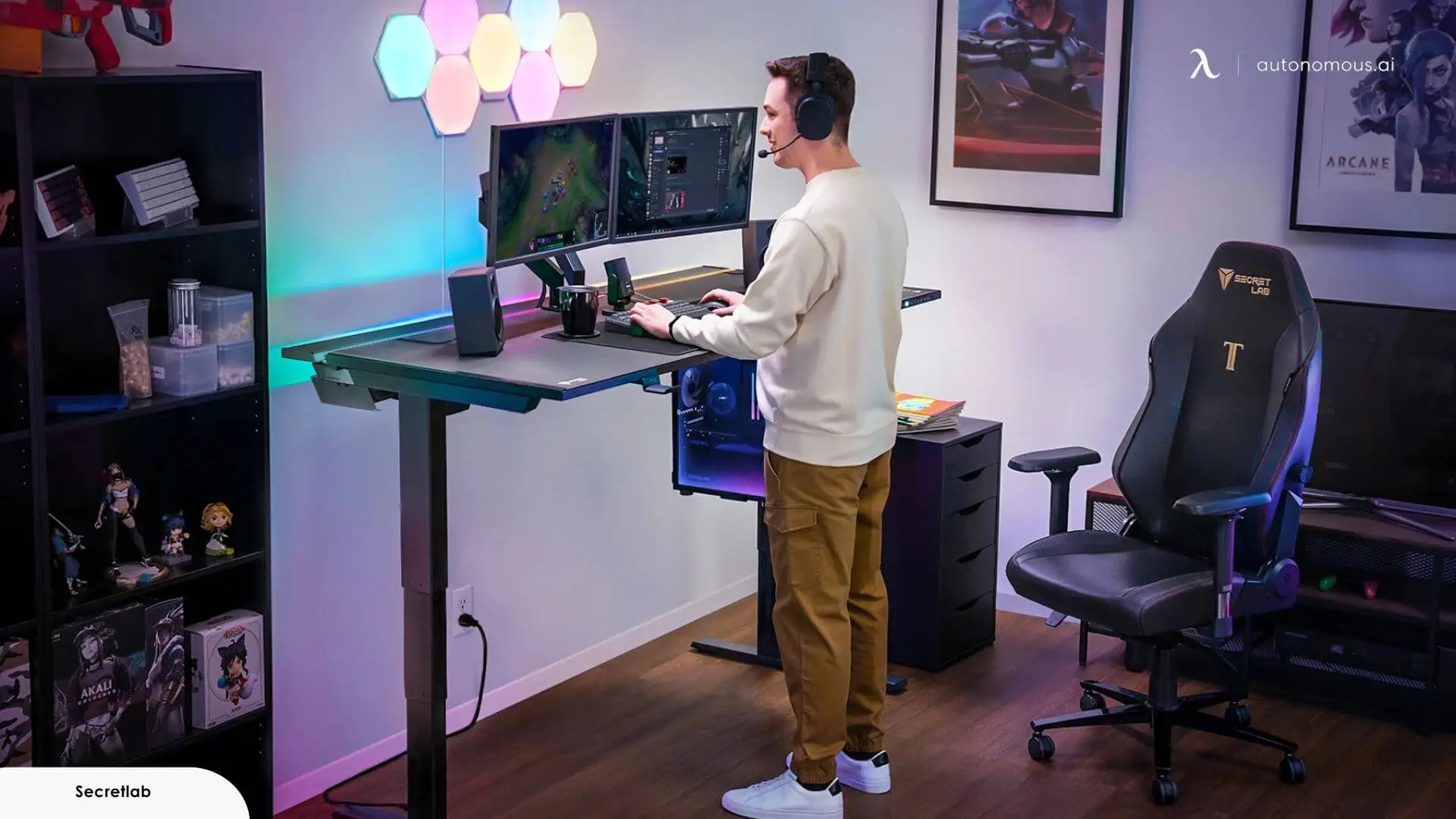
.webp)
FAQs
Which seat is better for sitting more than 8 hours a day?
That depends on sitting preference. Foam seats like the Titan Evo NanoGen favor stability and consistent posture, which some users find less fatiguing. Adaptive seats like the ErgoChair Ultra 2 focus on pressure variation and airflow, which others find more comfortable over very long workdays.
Does seat size matter for comfort on the Titan Evo NanoGen?
Yes. Because the Titan Evo line uses a flat foam seat, choosing the correct size (Regular vs XL) plays a major role in pressure distribution. A seat that is too narrow can increase thigh edge pressure regardless of foam quality.
Is breathability mainly a seat issue or a backrest issue?
Both matter, but the seat often has a greater impact on heat buildup. Mesh seats allow airflow directly under the body, while leatherette and foam seats retain more heat, especially during long, uninterrupted sitting.
Does the NanoGen seat change over time with daily use?
Yes. Like most foam-based seats, the NanoGen seat softens slightly as the foam settles. This change is gradual and primarily affects surface firmness rather than overall support, helping the seat feel more compliant without losing structure.
Can a firmer seat be better for posture?
For some users, yes. Firmer foam seats such as those on the Secretlab Titan Evo NanoGen can help maintain a consistent sitting posture by limiting excessive sinking or pelvic tilt. However, this benefit depends on individual comfort tolerance.
Is an adaptive seat always more comfortable than a foam seat?
Not necessarily. Adaptive seats, like the one on the Autonomous ErgoChair Ultra 2, redistribute pressure continuously, which can reduce numbness. Some users, however, prefer the predictability and stability of foam seats, especially for focused or upright work.
How does seat depth affect pressure and circulation?
Seat depth influences where pressure falls along the thighs. Seats with depth adjustment allow users to avoid pressure behind the knees, which can improve circulation. Fixed-depth seats rely more on correct sizing to achieve the same effect.
Are flat seats worse than contoured seats?
Flat seats are not inherently worse. They tend to distribute weight evenly and suit users who sit upright. Contoured seats can feel more immediately comfortable but may concentrate pressure if the contours do not match the user’s body shape.
Does seat material impact fatigue during long sessions?
Yes. Surface materials affect heat buildup, friction, and how pressure is perceived. Mesh surfaces tend to feel lighter and cooler over time, while leatherette surfaces feel smoother and more stable but can retain more heat during extended sitting.
Should seat comfort be prioritized over backrest features?
For many users, yes. While backrest support is important, discomfort often begins at the seat due to pressure, heat, or circulation issues. A seat that aligns with a user’s sitting habits can significantly influence overall comfort during long workdays.
Conclusion
When comparing chairs for long hours, seat design reveals more about real comfort than branding or feature lists. The Secretlab Titan Evo NanoGen approaches seating through structured foam support, aiming for consistency, posture stability, and refined surface feel. The Autonomous ErgoChair Ultra 2 takes a different path, using an adaptive seat structure to actively manage pressure and airflow during movement.
Neither approach is inherently better. Foam-based seats reward users who prefer firmness and predictability, while adaptive seats suit those who value pressure relief and breathability over time. Understanding how each seat is designed to behave makes it easier to choose a chair that aligns with personal sitting habits rather than relying on category labels like “gaming” or “ergonomic.”