.svg)

What Is an Employee Discount Program? How It Work

Table of Contents
An employee discount program is a widely used benefit across many organizations, reflecting how companies extend value beyond direct compensation. These programs are often shaped by partnerships, internal policies, and workforce needs, and their scope can vary significantly by industry and role. Understanding the context and structure of employee discount programs helps clarify how they fit within broader benefits strategies and how employees typically interact with them in practice.
What Is an Employee Discount Program?
An employee discount program is a workplace benefit that allows employees to receive reduced pricing on goods or services through arrangements set up by their employer. These discounts are typically offered as a percentage or fixed reduction and are available only to eligible employees.
The primary purpose of an employee discount program is to provide direct savings at the point of purchase. Rather than adjusting compensation or reimbursement structures, employers use these programs to extend everyday value in ways often reflected in broader insights from an employee benefits survey.
Employee discount programs may also support evolving expectations around work flexibility, as they offer benefits that employees can use independently across different lifestyles and work arrangements.
How an Employee Discount Program Works
An employee discount program operates through a straightforward redemption process that allows eligible employees to access reduced pricing once their employment status is verified. These programs are typically positioned as part of a broader compensation framework, alongside elements such as a company’s remuneration package and other non-cash benefits.
- An employee discount code entered at checkout
- Login through an employee or partner portal
- Verification using an employee ID for in-store purchases
Depending on program design, discounts may be available online, in-store, or both. Online use often requires account verification or code entry, while in-store discounts may be applied directly at the register.
Most employee discount programs also include usage rules that define eligible products, expiration dates, and whether discounts can be combined with other offers. These rules help ensure consistent application and align employee discounts with other employee perks offered by the organization.
.webp)
Types of Employee Discount Programs
Employee discount programs can take different forms depending on how employers structure access and partner with vendors. While the goal remains consistent - offering reduced pricing to employees - the delivery method varies.
1. Employer-Specific Discount Programs
Some companies manage employee discounts directly through internal systems or partnerships with selected brands. These programs often provide access to exclusive discounts that are available only to employees of that organization.
2. Third-Party Employee Discount Websites
Many employers use external employee discount websites or platforms that aggregate offers from multiple brands. These employee discount sites allow employees to browse discounts across categories using a single verified account.
3. Brand or Partner-Based Discount Programs
In some cases, discounts are offered through individual brands that partner with employers. Employees may receive a unique employee discount code or link that can be used online or in-store.
4. Online vs In-Store Discount Programs
Employee discounts may be available:
- Online, through verified logins or discount codes
- In-store, through employee ID or confirmation at checkout
The availability of employee discount online options depends on the employer’s setup and participating vendors.
What Products or Services Are Typically Included
Employee discount programs usually cover a broad range of products and services, depending on employer partnerships and participating vendors. While the specific discounts available vary by program, most offerings fall into several common categories.
- Retail and consumer goods, such as clothing, footwear, or everyday household items
- Technology and work-related products, which may include items used for remote work equipment, broader home office setup needs, or essential office must haves
- Electronics and accessories, including approved PC accessories and items commonly associated with cubicle essentials
- Travel and transportation, covering hotels, flights, rental cars, or commuting services
- Entertainment and leisure, such as movie tickets, streaming services, or event admissions
- Food and dining, including restaurant discounts, meal services, or grocery-related offers
- Health and wellness services, which may align with company wellness programs or categories like cardio equipment for home
Employee discount programs often rotate offers over time, and availability may depend on location, vendor participation, or employment status. Not all discounts apply year-round, and exclusions are common across categories.
.webp)
Where Employees Stack the Biggest Savings
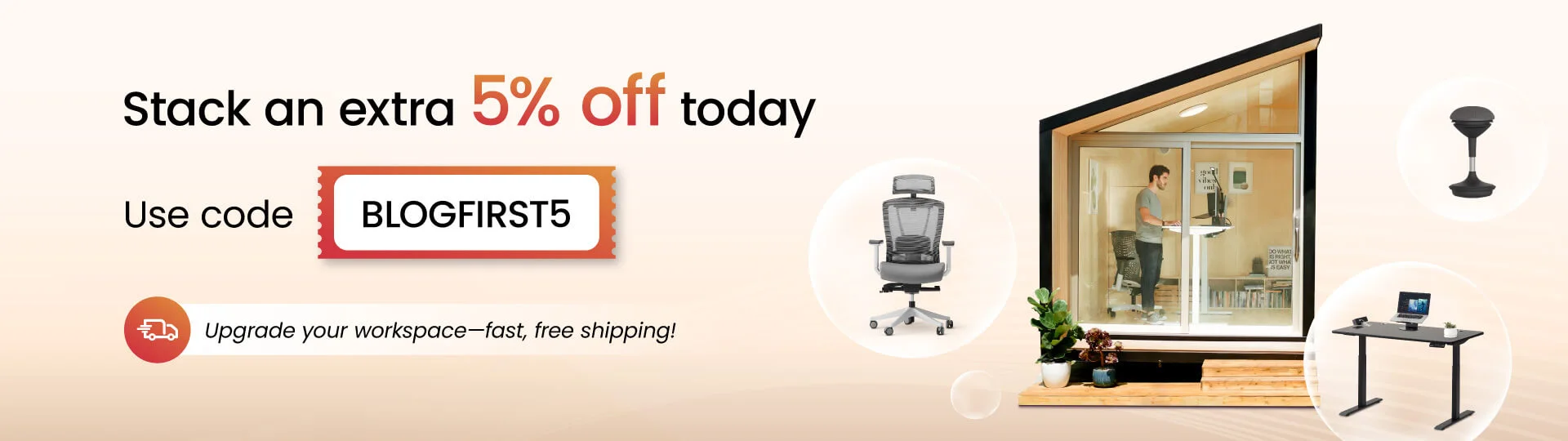
Employee discount programs are often used for everyday purchases, but many employees choose to apply them during larger workspace upgrades. Autonomous desks, chairs, and office sets are frequently selected by employees at leading tech and enterprise companies, particularly during seasonal promotion periods when discounts can be stacked for greater overall savings.
To make the most of current deals, readers can stack an extra 5% off on their first Autonomous order with code BLOGFIRST5. This code can be combined with ongoing promotions - making it an ideal time to upgrade before offers rotate or inventory changes.
.jpg)

.webp)
.jpg)
Employees often look beyond the desk itself and time purchases to include commonly paired items such as standing desk accessories, helping them maximize value while multiple offers overlap.
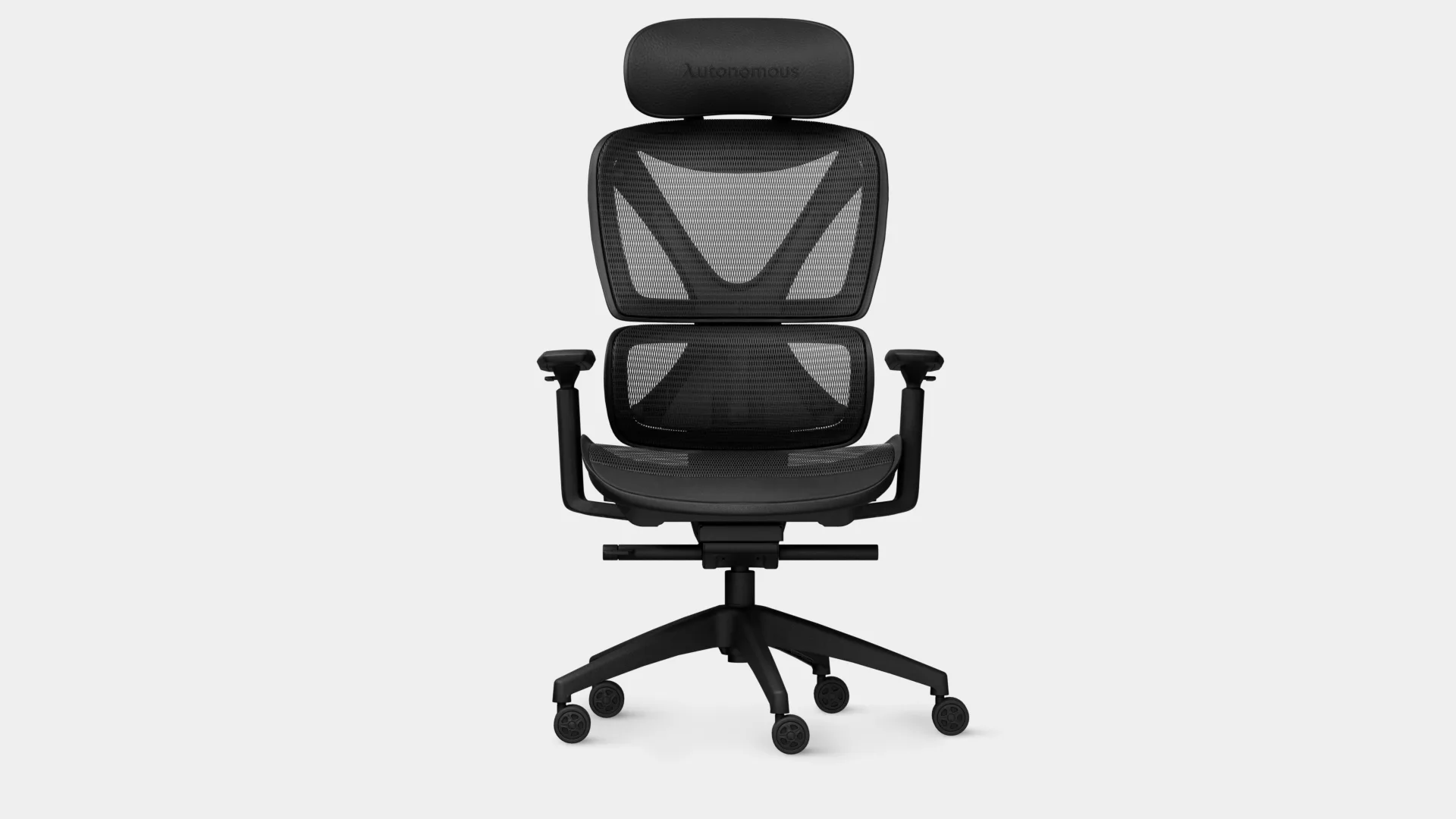
Ergonomic chairs and active seating options are another area where employees tend to stack savings. Buyers upgrading long-term work setups often align purchases with discount windows and complement them with practical add-ons like office chair accessories to get more out of a single order.
.jpg)
.jpg)


.webp)
Benefits and Limitations
Employee discount programs provide added value but come with defined limits that affect how they’re used. When structured well, they can support broader goals such as improving employee engagement, but understanding both benefits and constraints helps set realistic expectations.
Aspect | Benefits | Limitations |
Cost savings | Provides immediate savings on eligible products or services | Discounts may be modest or capped |
Ease of use | Simple redemption through codes, portals, or ID verification | Access may require verification steps or logins |
Availability | Often includes a wide range of brands and categories | Not all vendors or products are included |
Flexibility | Can be used for personal purchases | Discounts may not stack with other promotions |
Duration | Available throughout employment | Offers may expire or change over time |
Eligibility | Extends value beyond salary or bonuses | Usually limited to active employees only |
While employee discount programs are easy to use and widely appreciated, they are not designed to replace compensation, reimbursements, or structured purchasing programs. Their value depends largely on how frequently employees use the discounts and how relevant the included offers are to their needs.
FAQs
What is an employee discount?
An employee discount is a benefit that allows employees to purchase goods or services at a reduced price through their employer. The discount is usually applied as a percentage or flat reduction at checkout.
What is an employee discount program?
An employee discount program is a structured system employers use to provide employees with access to discounted pricing. These programs may be managed internally or through third-party platforms.
What are employee discount benefits?
Employee discount benefits provide direct savings on eligible purchases. They are separate from salary or compensation and are typically easy to use.
Can you use an employee discount online?
Yes, many employee discounts can be used online. Online use often requires logging into a verified account or entering an employee discount code during checkout.
How do employee discount codes work?
Employee discount codes are unique codes provided to eligible employees. They are entered at checkout to apply the discount and may have usage limits or expiration dates.
Who is eligible for employee discounts?
Eligibility depends on employer policy and may include full-time, part-time, or contract employees. Discounts are usually limited to active employees.
Can family members use an employee discount?
In most cases, employee discounts are intended for employee use only. Some programs allow family access, but this depends on employer rules.
Do employee discounts expire?
Yes, employee discounts may expire. Expiration can be tied to employment status, promotional periods, or vendor agreements.
Can employee discounts be combined with other offers?
Employee discounts usually cannot be stacked with other promotions or coupons. Stacking rules vary by program and vendor.
Are employee discounts taxable?
Employee discounts are generally not taxable if they fall within regulatory limits. Tax treatment can vary by country and employer policy.
Do employee discounts apply in-store and online?
Some employee discounts work both in-store and online, while others are limited to one channel. Availability depends on how the program is set up.
Are employee discount programs worth it?
Employee discount programs are most valuable for employees who regularly use the included offers. Their usefulness depends on relevance, discount size, and ease of access.
Conclusion
Employee discount programs remain a widely used benefit that offers employees direct savings on everyday purchases through employer-supported arrangements. While these programs are simple to access and easy to use, their value depends on eligibility rules, participating vendors, and usage limits. Understanding how employee discount programs work - and how they differ from other benefit types - helps employees make informed use of available discounts and allows employers to position them effectively within a broader benefits strategy.

Stay connected with us!
Subscribe to our weekly updates to stay in the loop about our latest innovations and community news!
Interested in a Link Placement?


Spread the word