Feng Shui 2026 for Office and Home Office Setup

Table of Contents
As work becomes faster, more demanding, and increasingly hybrid, workspace setup matters more than ever. Feng shui 2026 is often approached not as a belief system, but as a practical framework for layout, direction, and visual balance—especially in environments where focus and decision-making are constant. Influenced by the broader context of the year, including insights from the Lunar New Year 2026 Zodiac, this guide focuses on feng shui 2026 for offices and home offices, with recommendations grounded in modern work habits.
How Feng Shui Shifts in 2026
Feng shui principles stay consistent, but the emphasis changes each year.
Focus Area | 2024 | 2025 | 2026 |
Visual structure | Grounded and structured | Balanced openness | Cleaner sightlines, fewer focal points |
Layout orientation | Fixed and stable | More flexible | More intentional for sustained focus |
Color and lighting | Calm, conservative | Balanced contrast | More restrained and controlled |
Recovery support | Physical grounding | Comfort and adaptability | Deliberate support for mental recovery |
What Changes in Practice in 2026
Compared with 2024 and 2025, feng shui in 2026 favors refinement over addition. Visual clutter is reduced, sightlines are kept clear, and reflective elements are used more carefully, which is why mirror in office feng shui focuses on placement rather than decoration.
Color and lighting choices also become more selective. Instead of bold accents, many workspaces draw lightly from Chinese New Year colors while keeping palettes muted and consistent.
Recovery is treated as functional, not symbolic. Natural elements such as lucky plants for business are introduced deliberately to offset long screen hours and sustained mental load.
Feng Shui 2026 for Office
1. Office layout and spatial flow
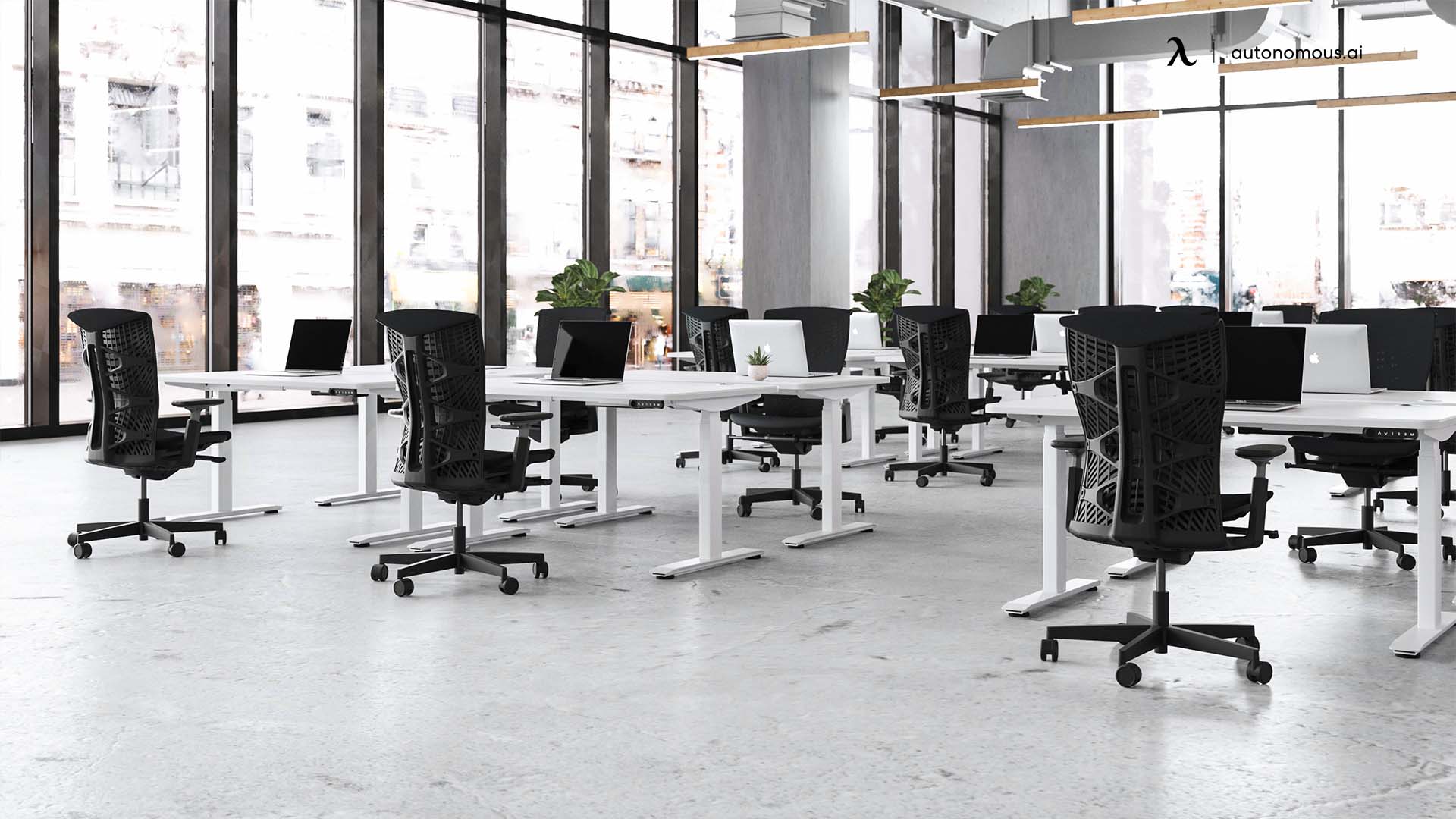
In office environments, layout has a direct impact on awareness and efficiency. Feng shui 2026 principles often emphasize flow—how people move through a space without congestion or visual interruption, including feng shui office cubicle considerations.
Key considerations include:
- keeping walkways clear and intuitive
- avoiding tight clusters of furniture
- maintaining open sightlines where possible
A well-planned layout reduces friction, especially in collaborative or fast-paced teams.
2. Desk placement and visibility
Desk placement remains one of the most discussed topics in feng shui 2026 office planning because it directly affects awareness and focus. According to common feng shui for office desk principles, the goal is to maintain visibility and control without introducing distraction.
Common guidelines include:
- Positioning the desk so the entrance is visible
- Avoiding sitting directly in line with doorways
- Ensuring solid visual support behind ergonomic office chair, including setups such as desk against a wall
These considerations also apply to larger configurations like feng shui office layout for L-shaped desks and align with many interpretations of 2026 feng shui direction, which prioritize alertness and control rather than isolation.
.webp)
3. Lighting and screen management
Lighting plays a larger role in offices than many people realize. In feng shui 2026, lighting is treated as both functional and environmental, influencing focus, comfort, and visual balance throughout the workday—especially in spaces affected by daylight, such as offices planned around a feng shui office layout with a window.
Best practices include:
- Maximizing natural light without introducing glare
- Positioning screens perpendicular to windows
- Using layered lighting rather than relying solely on overhead lighting and lamps
Light color also matters. Decisions between soft white vs daylight or white light vs yellow light affect alertness and eye comfort, while comparisons such as soft white vs warm light are often considered when fine-tuning task and ambient lighting.
These adjustments help reduce eye strain and support steady focus during long workdays without overstimulating the workspace.
4. Color use in offices
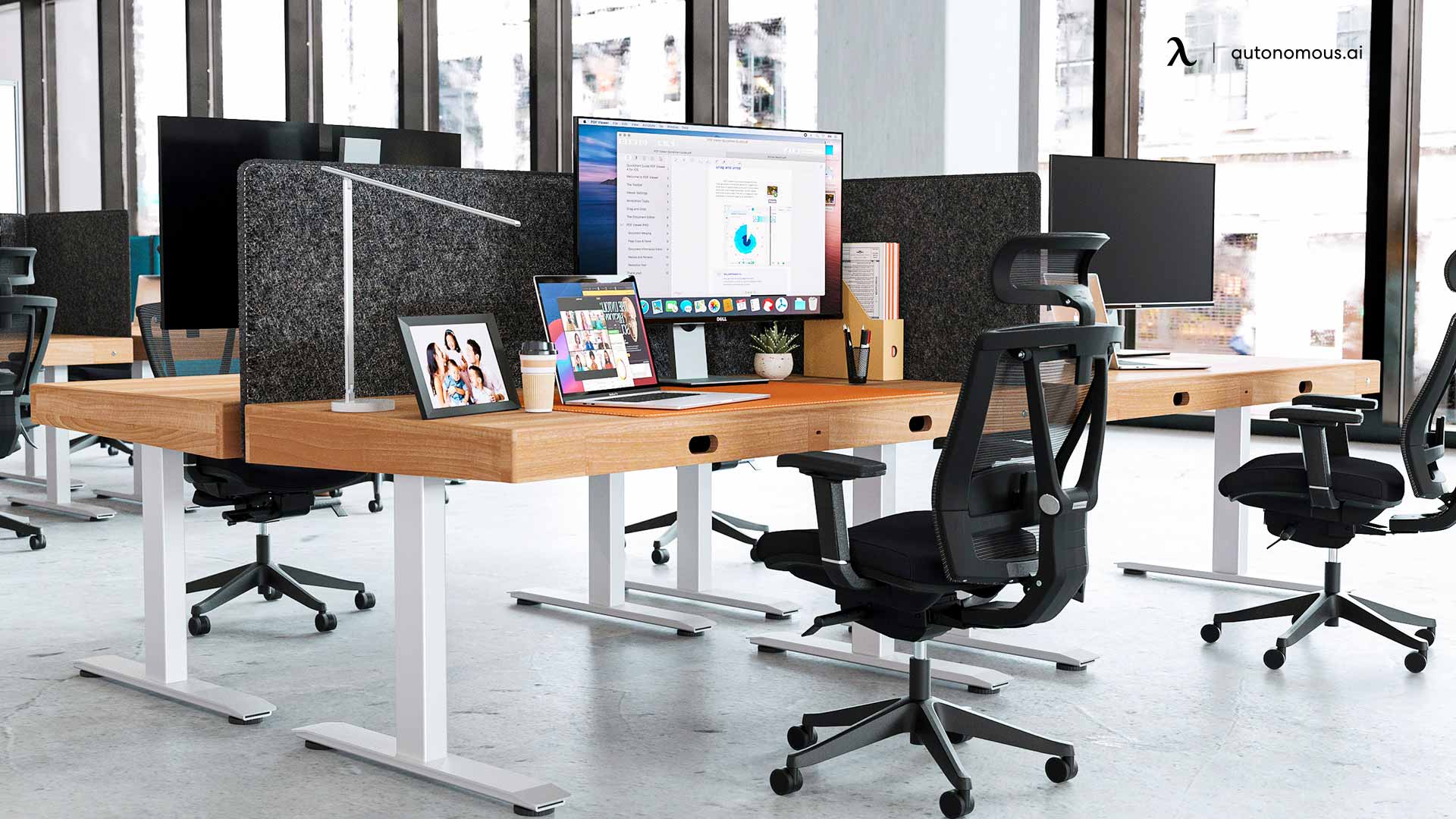
Color is one of the easiest ways to adjust a workspace without changing furniture or layout. In office feng shui 2026, neutral base tones are commonly recommended, with accent colors used intentionally. These principles are often discussed in the context of feng shui office colors for professional environments.
Effective approaches include:
- Neutral walls to reduce visual noise and support a cohesive office color scheme
- Limited accent colors to guide focus, sometimes informed by ideas around what color represents wealth
- Avoiding overly aggressive or high-contrast palettes, while choosing appropriate office desk colors and office chair colors
Color choices are often framed as supportive rather than decorative in a professional setting.
Feng Shui 2026 for Home Office
1. Separating work and personal energy
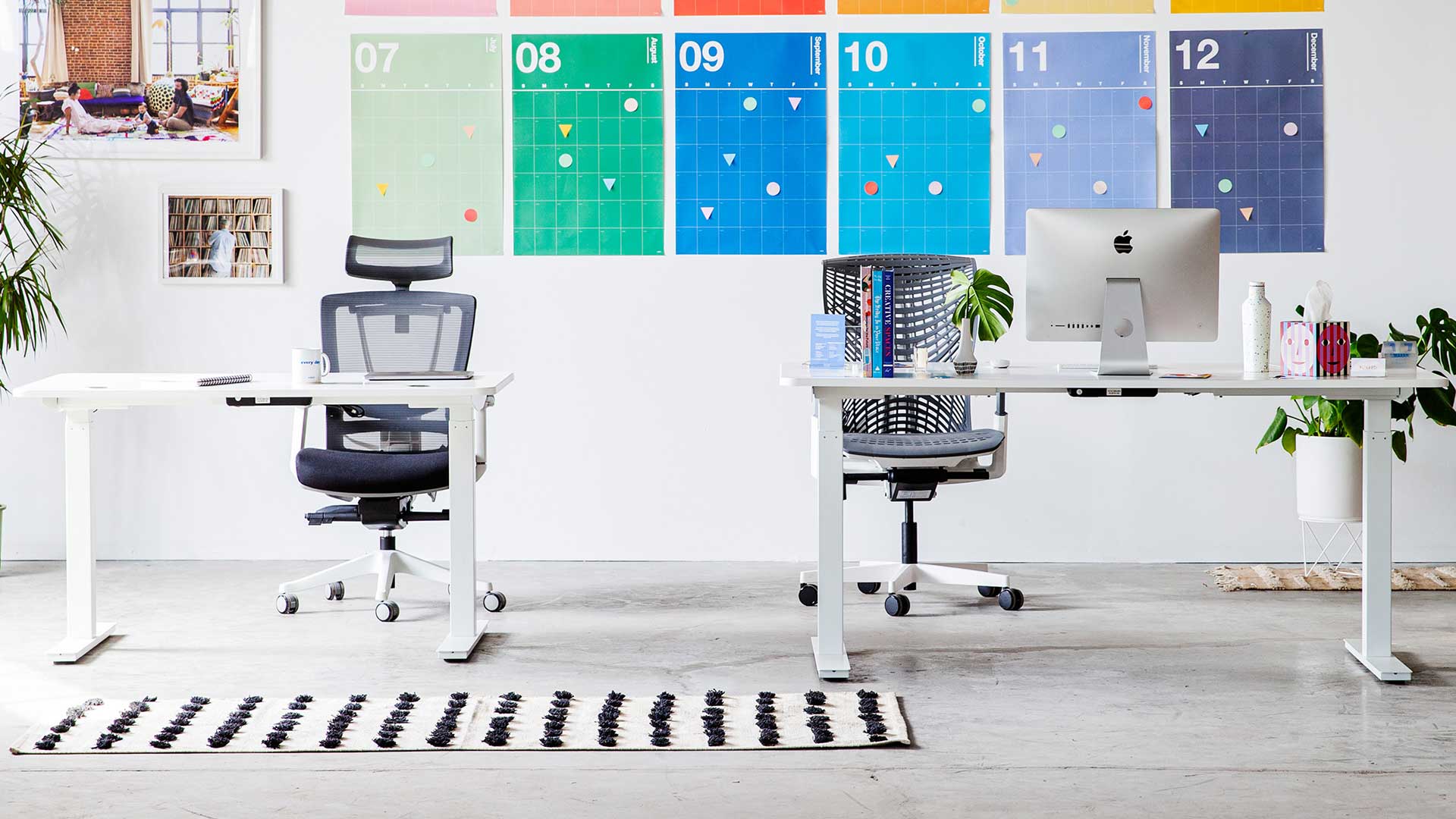
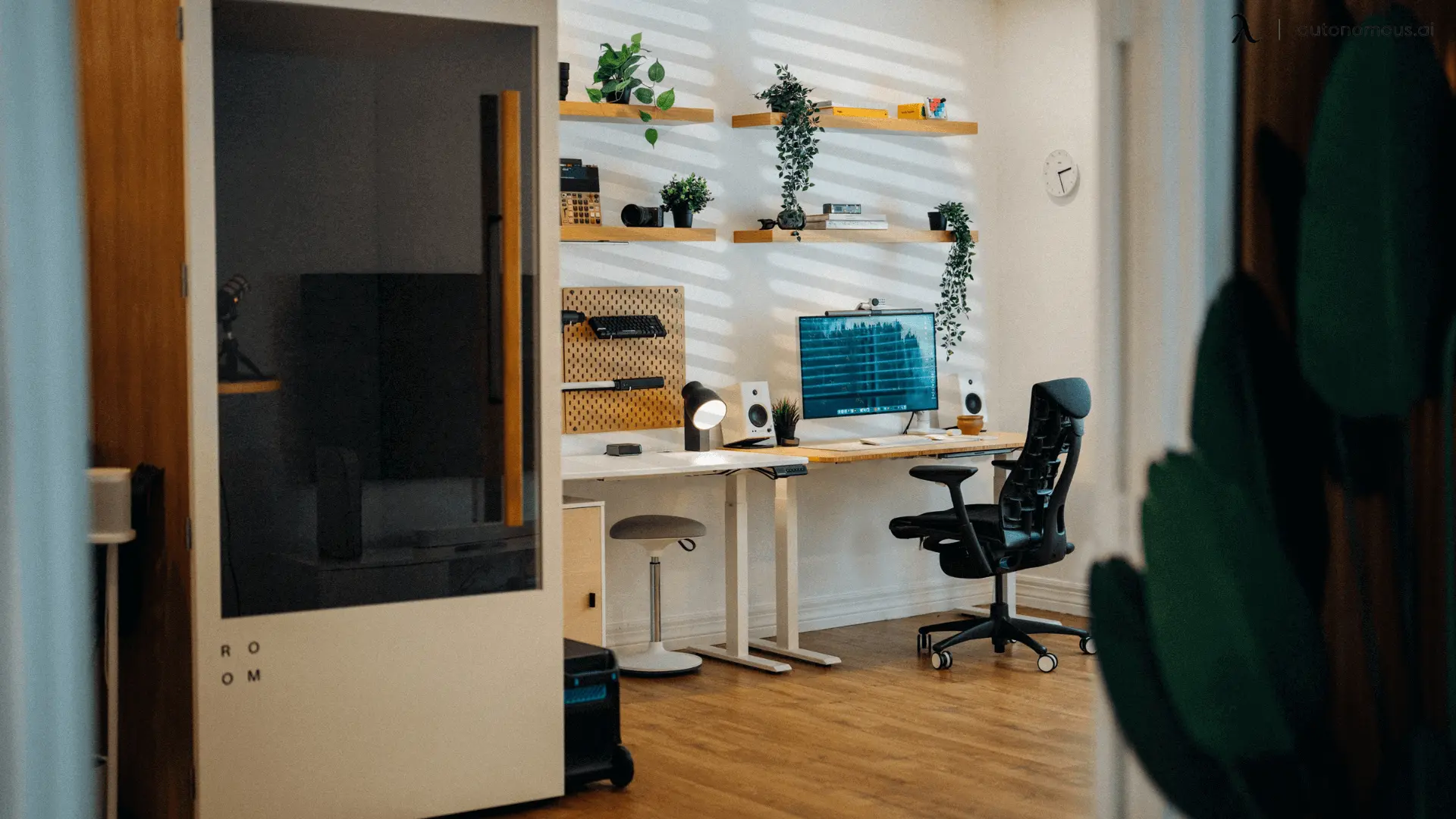
Home offices present a different challenge. Without physical separation, work can easily spill into personal time. Feng shui 2026 for work from home office setups often focuses on boundaries, both visual and mental — and those who want total separation sometimes choose a small backyard office to draw a clear line between work and home life.
Helpful strategies include:
- defining a clear work zone
- avoiding desks in direct line with beds or sofas
- using lighting or rugs to visually separate areas
This separation supports focus during work hours and recovery afterward.
2. Home office layout basics
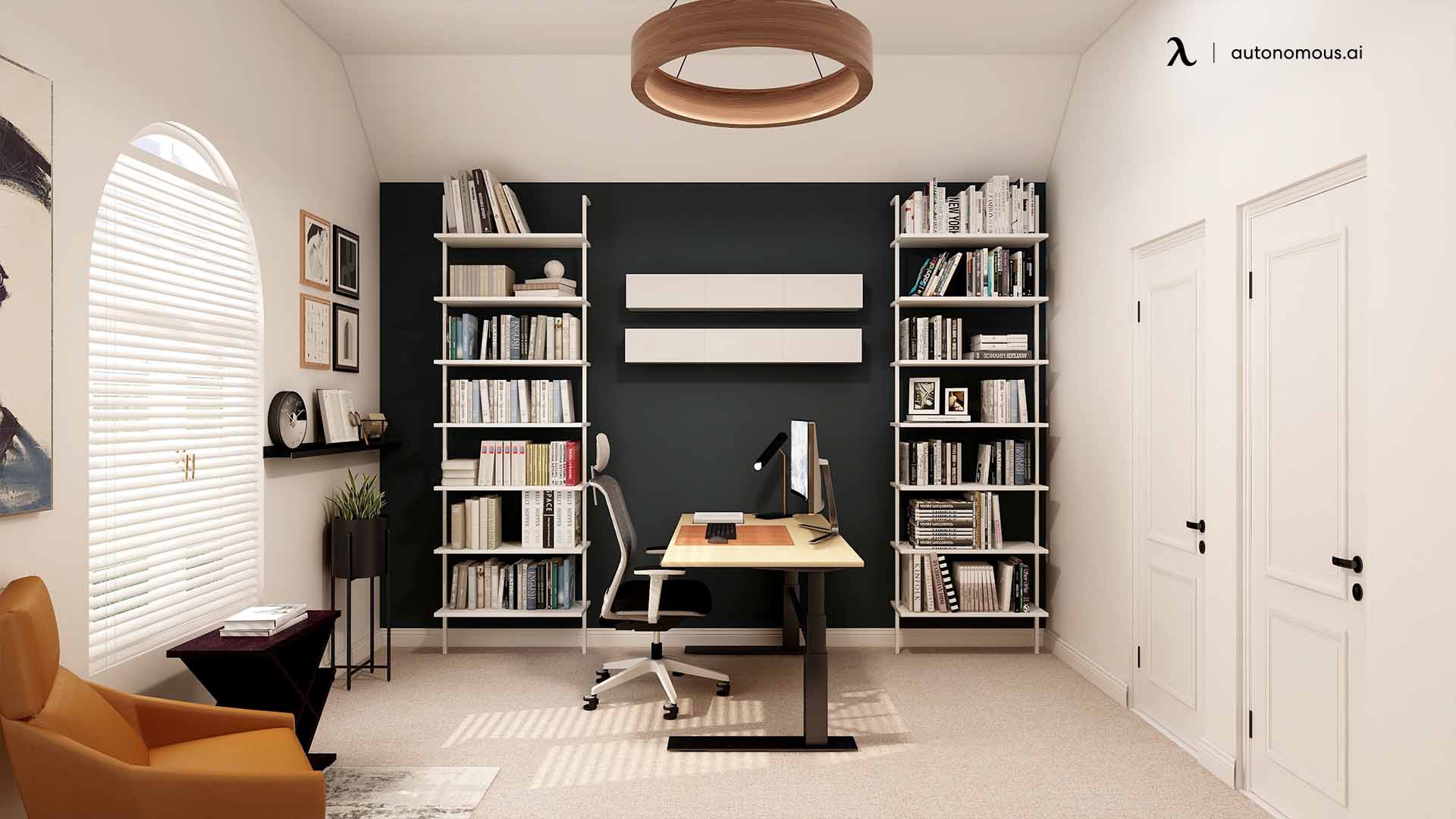
Feng shui home office layouts tend to be more constrained than corporate offices, making intentional placement more important.
Core principles include:
- Positioning desks with awareness of doors and entry points
- Choosing whether adjustable desk sits against a wall or as a desk in the middle of the room
- Using walls to create visual stability and a sense of support
- Keeping corners clear and uncluttered to reduce visual tension
- Planning shared spaces carefully in a home office with couch layout
Even small adjustments can significantly improve how a home office feels and functions.
3. Desk setup in home offices
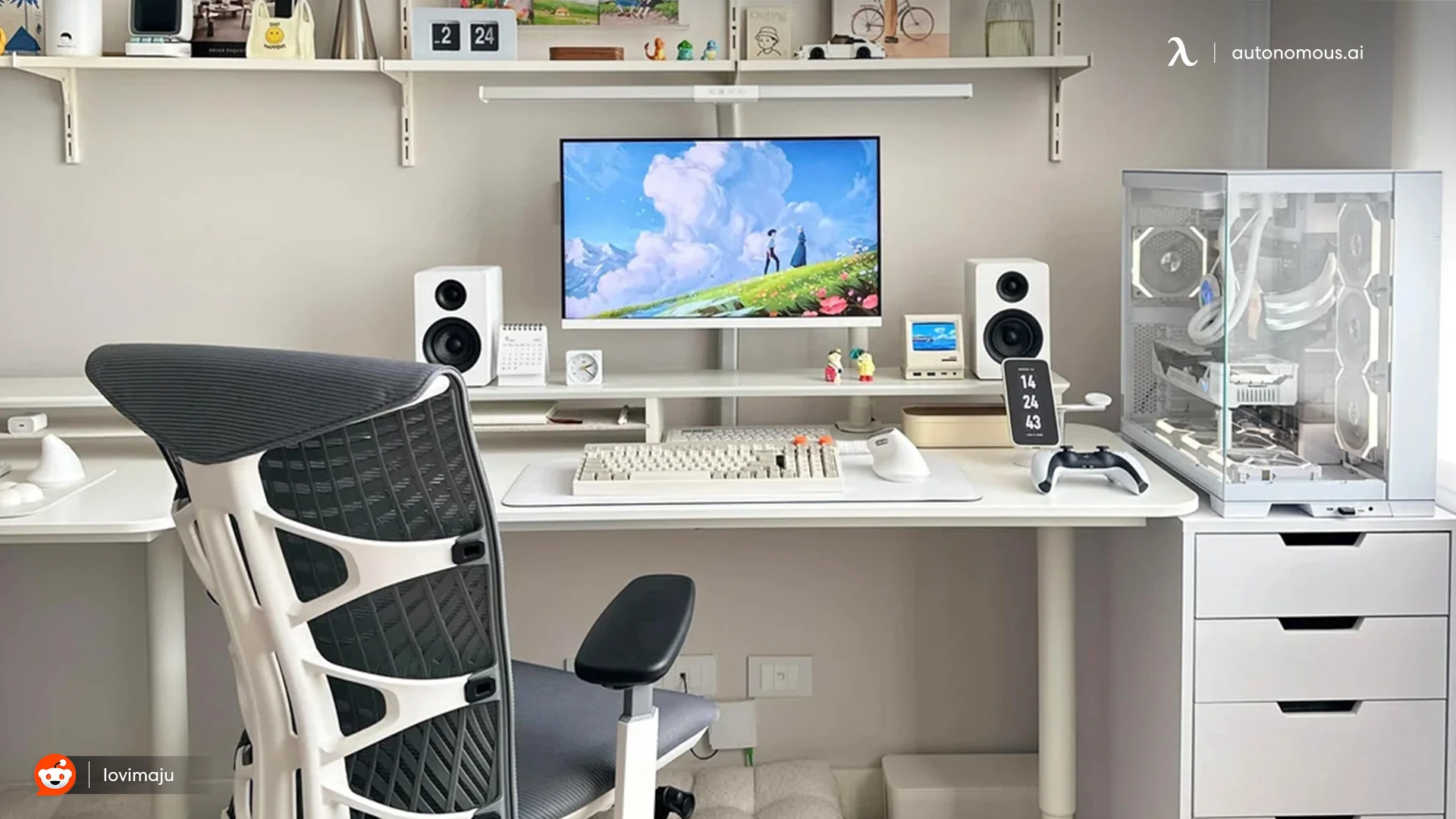
Desk orientation in a home office often needs to balance practicality with spatial limitations. Feng shui 2026 guidance typically emphasizes working with the space available rather than forcing idealized layouts.
Considerations include:
- Orienting the desk to maintain awareness and comfort when planning a home office with a standing desk
- Using shelving or screens to create visual support within a cozy desk setup
- Organizing surfaces to reduce mental load in a productive desk setup
- Keeping the desk intentionally minimal to support focus in a minimal desk setup
For larger or L-shaped standing desk, separating task zones can help maintain clarity throughout the day.
4. Color and atmosphere at home
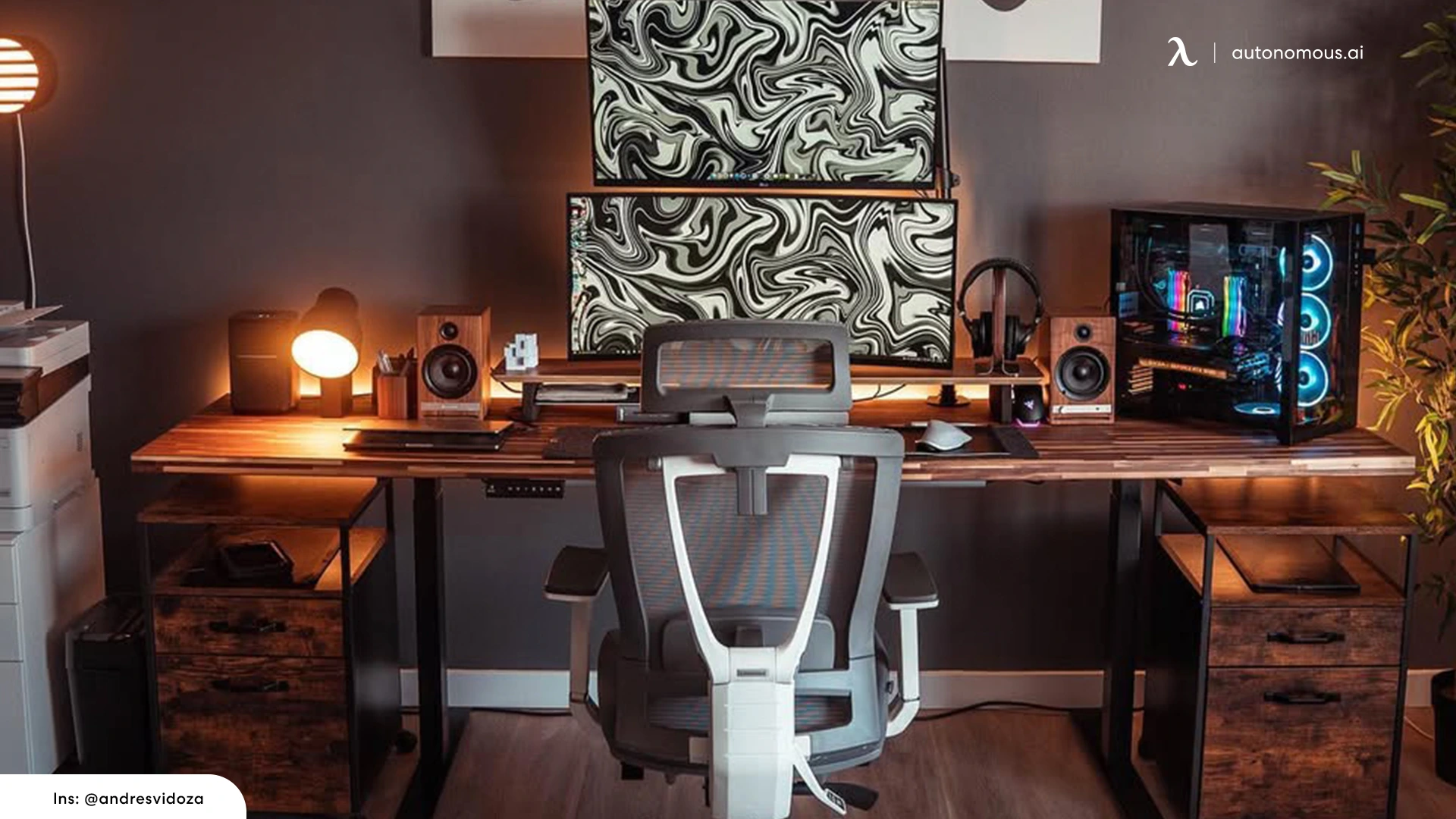
Unlike offices, home offices often benefit from warmer tones, though moderation is key. In feng shui 2026 home office planning, color is used to support calm focus rather than stimulation, especially when shaping feng shui home office colors that blend naturally with living spaces.
Effective approaches include:
- Choosing soft, neutral palettes commonly seen in home office paint colors that feel cohesive rather than dominant
- Using muted accent colors to create warmth without distraction, often associated with positive colors
- Avoiding overly bright or saturated tones that can interrupt concentration
Color choices should support focus while remaining visually consistent with the rest of the home.
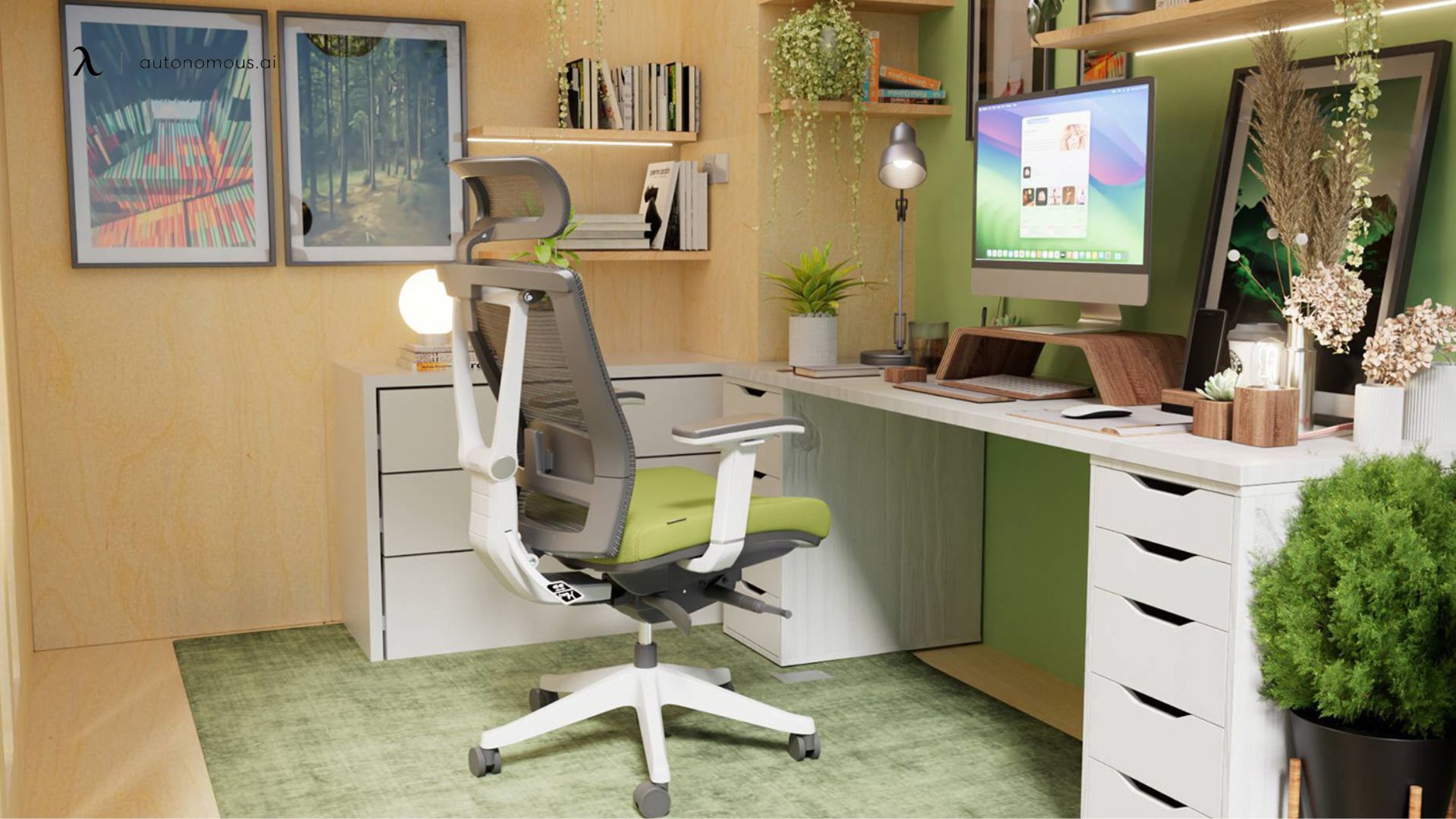
5. Plants and natural elements at home
In home offices, plants often serve both aesthetic and functional roles. They help visually separate work zones and introduce a sense of rhythm into the day.
Guidelines include:
- choosing manageable plant sizes
- placing greenery where it doesn’t crowd the desk
- avoiding excessive or tangled arrangements
6. Bedroom with desk considerations
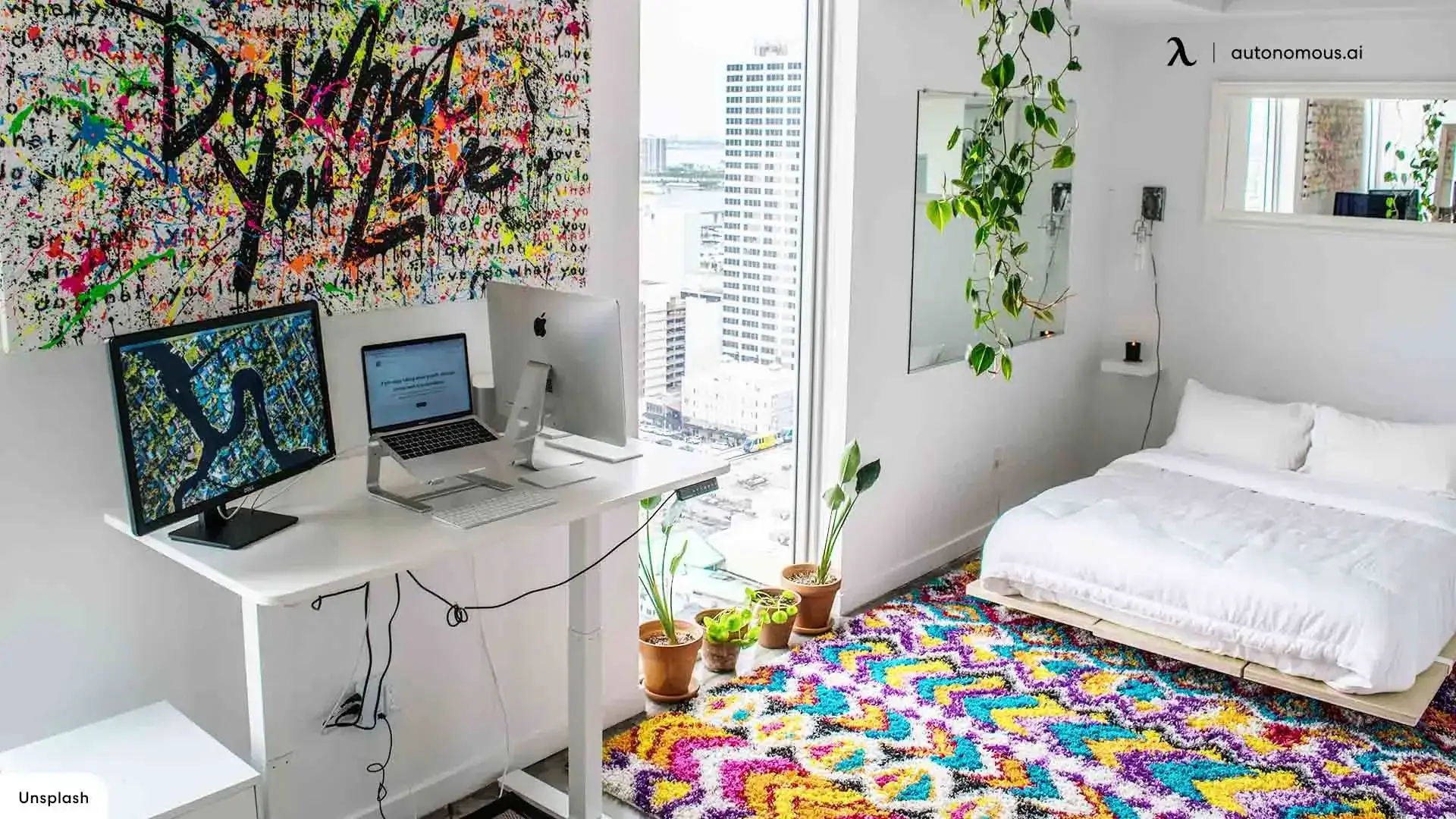
When a desk must be placed in a bedroom, feng shui 2026 recommendations often emphasize minimizing overlap between work and rest, especially when planning a feng shui bedroom with desk layout that supports both focus and recovery.
Common approaches include:
- Visually separating the desk from the bed to define clear activity zones
- Using directional lighting to signal work mode during the day
- Storing work materials out of sight after hours, particularly when deciding where to put a desk in the bedroom
These adjustments help protect rest quality while allowing the bedroom to function as a temporary workspace when needed.
Frequently Asked Questions
What is feng shui 2026 focused on?
Feng shui 2026 commonly focuses on clarity, direction, and balance in workspaces, especially where focus and decision-making are critical.
Does the 2026 feng shui chart apply to offices?
Yes. Many office layouts reference ideas from a 2026 feng shui chart to guide desk placement, direction, and spatial flow.
What is the best 2026 feng shui direction for a desk?
Rather than one universal direction, feng shui 2026 emphasizes desk orientation that allows awareness of entrances without direct alignment.
Is feng shui 2026 useful for home offices?
Yes. Home office feng shui in 2026 often focuses on boundaries, layout clarity, and reducing mental spillover into personal spaces.
Are feng shui predictions for 2026 meant to be literal?
Most 2026 feng shui predictions are used as planning frameworks rather than fixed outcomes, helping people think intentionally about space and focus.
Conclusion
Feng shui 2026 offers a practical lens for improving office and home office environments. By focusing on layout, direction, and balance, it encourages workspaces that support sustained focus rather than constant intensity. Whether applied in a corporate office or a home setup, small, thoughtful adjustments can create environments that feel clearer, calmer, and better aligned with the demands of modern work.