What to Check on Your Backyard Shed After a Winter Storm
Table of Contents
- 1. Why Post-Storm Checks Matter for Backyard Offices
- 2. Start at the Roof: The First Line of Defense
- 3. Inspect Exterior Walls for Freeze–Thaw Stress
- 4. Doors and Entry Points: Common Trouble Spots
- 5. Windows and Trim: Insulation Meets Natural Light
- 6. Check the Ground, Base, and Foundation Contact
- 7. Gutters, Drainage, and Snowmelt Flow
- 8. Interior Signs That Point to Exterior Issues
- 9. Fix Now or Monitor: Knowing the Difference
- 10. Why Exterior Condition Matters for a Workspace
- 11. Long-Term Benefits of Regular Post-Storm Checks
- 12. FAQs
- 13. Final Thoughts
Winter storms don’t always leave behind obvious damage. Often, the most impactful changes are subtle - small shifts caused by snow weight, ice expansion, moisture, and repeated freeze–thaw cycles. For a backyard office shed, those small changes matter more than most people realize.
Unlike storage sheds, a backyard office is a space you rely on for long hours of focused work. Temperature stability, dryness, quiet, and comfort all play a role in how productive and usable that space feels day to day. When winter weather stresses the exterior, the effects often show up weeks later as drafts, cold spots, moisture issues, or misaligned doors and windows.
A short post-storm inspection helps catch these issues early - before they turn into long-term discomfort or costly repairs. This guide walks through what to check on your backyard shed after a winter storm, why each area matters, and how exterior conditions directly affect your workspace inside.
1. Why Post-Storm Checks Matter for Backyard Offices
Backyard office sheds face different conditions than the main house. They are more exposed on all sides, often sit on lighter foundations, and usually have less thermal mass to buffer sudden temperature swings. Snow load, ice buildup, and melting water can stress the structure in ways that aren’t immediately visible.
Even if everything looks fine at first glance, winter storms can cause:
- Small alignment shifts that affect doors and windows
- Minor gaps that lead to drafts
- Moisture intrusion that increases indoor humidity
- Insulation performance changes that make heating less efficient
None of these issues are dramatic on their own, but over time they can make a workspace harder to heat, less comfortable to sit in, and more distracting to use.
A post-storm check isn’t about finding disaster - it’s about maintaining a stable, comfortable environment for work.
2. Start at the Roof: The First Line of Defense
The shed roof absorbs the most stress during a winter storm. Snow accumulation adds weight, while ice formation and uneven melting create pressure at edges and seams.
After the storm has passed and conditions are safe, take a look at the roof from ground level or a safe vantage point. You’re not looking for perfection - just changes.
Check for:
- Uneven snow or ice melt patterns
- Ice buildup along roof edges
- Slight shifts in roofing panels or shingles
- Sagging or warping that wasn’t there before
On garden sheds, roof issues often show up later as temperature instability inside. Heat escaping through weak spots can cause uneven melting, which then leads to moisture collecting where it shouldn’t.
Even small roof issues can reduce insulation performance, making the space harder to keep warm during long workdays.
3. Inspect Exterior Walls for Freeze–Thaw Stress
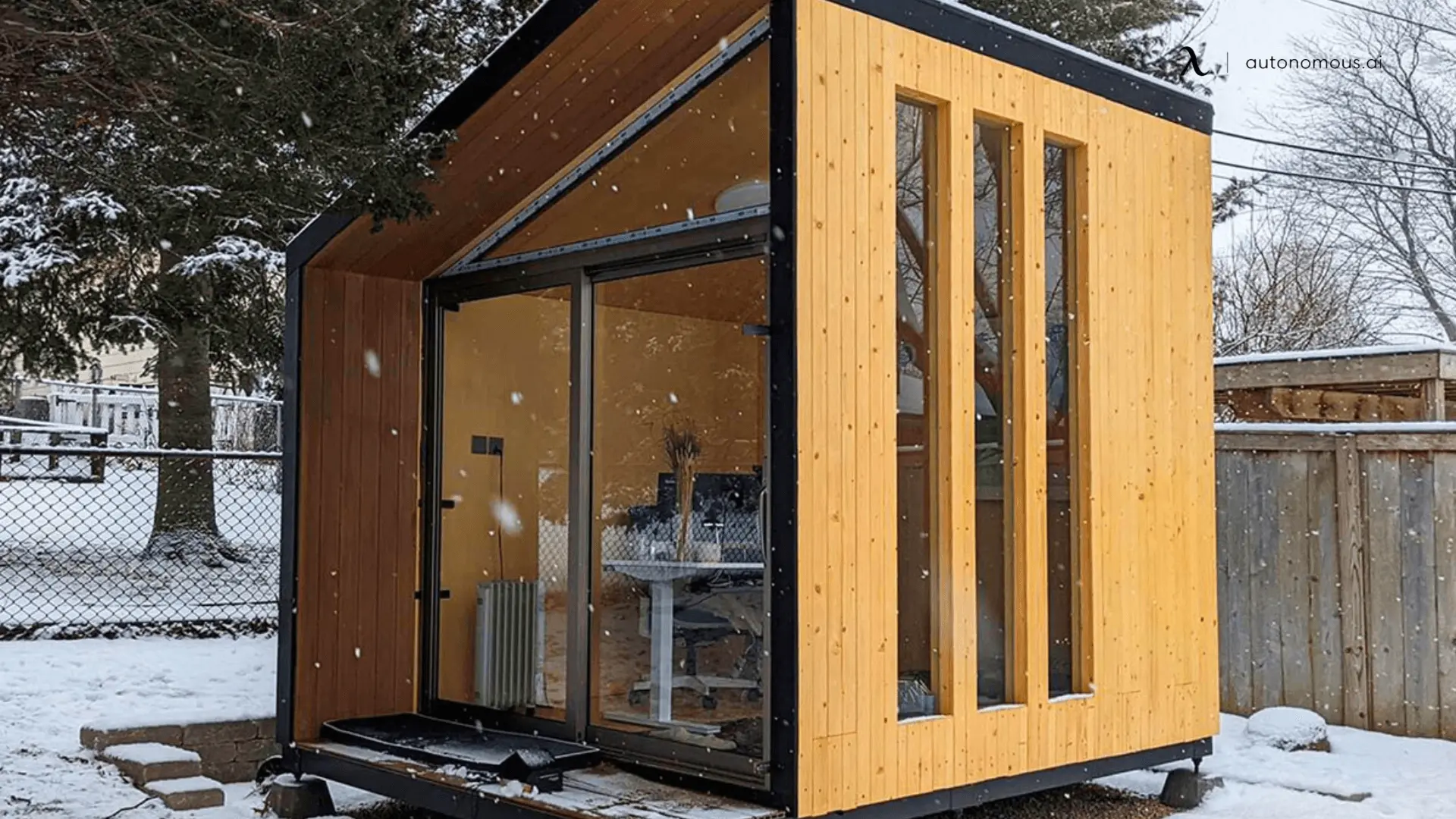
Winter weather puts exterior walls through repeated cycles of freezing and thawing. Over time, this movement can stress cheap shed siding, panels, and seams - especially on freestanding structures.
Walk around your outdoor shed and look closely at the walls. Pay attention to areas where different materials meet or where panels connect.
Things to look for:
- Hairline cracks or small separations
- Warping or bulging in siding
- Discoloration or damp spots after snowmelt
- Seams that look wider than before
These changes may seem cosmetic, but they often correlate with air leaks or moisture pathways. Inside a workspace, that translates into cold walls, drafts near desks, or uneven heating.
A well-sealed exterior helps maintain a stable indoor temperature, which is especially important when you’re sitting still for long periods.
.webp)
4. Doors and Entry Points: Common Trouble Spots
Shed doors are one of the most common areas affected by winter storms. Temperature swings can cause materials to expand and contract, leading to subtle misalignment.
After a storm, open and close the door to your shed a few times and pay attention to how it feels.
Check for:
- Doors that stick or feel misaligned
- Gaps around the frame
- Compressed or brittle weather stripping
- Cold air leaking in around the edges
Even small gaps can let in cold air, making it harder to maintain warmth inside. In a workspace, drafts are especially noticeable when you’re seated for hours at a time.
Door issues are often easy to fix early but become more annoying if left unaddressed through the rest of winter.
5. Windows and Trim: Insulation Meets Natural Light
Windows play a dual role in a backyard shed. They provide natural light, which supports focus and comfort, but they’re also a potential weak point for heat loss.
After a winter storm, inspect windows and surrounding trim carefully.
Look for:
- Cracked or peeling caulk
- Fogging or condensation between panes
- Cold air leaks near the frame
- Signs of ice expansion around trim
If you notice increased condensation inside, it may point to reduced insulation performance or air leakage around the window frame. Shed window installation affects how well windows handle temperature swings and moisture after winter weather.
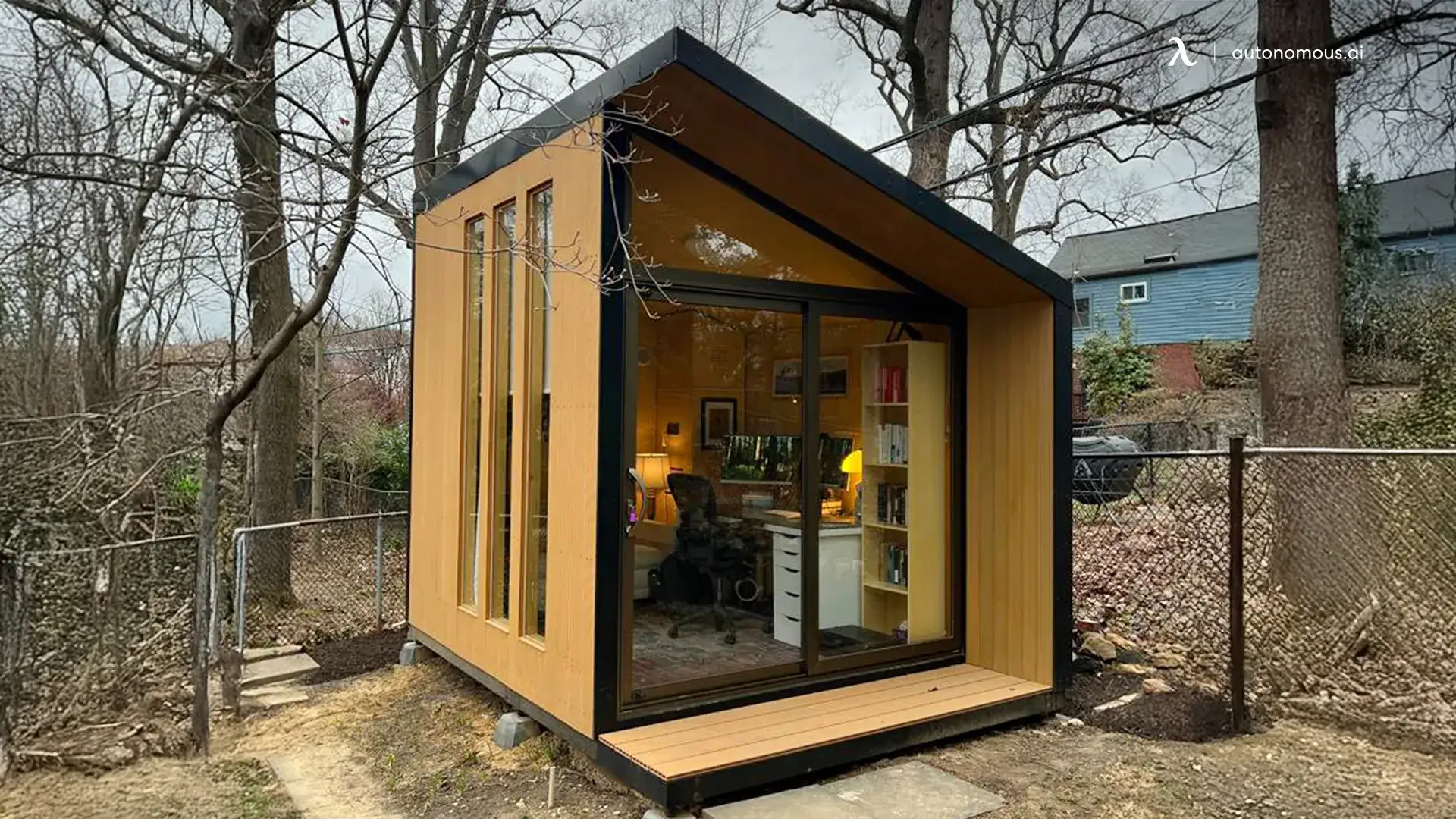
She shed with windows highlights how window placement and sealing influence light, insulation, and overall comfort in backyard office setups. Maintaining window integrity helps balance warmth and daylight - both essential for a comfortable productive work environment.
6. Check the Ground, Base, and Foundation Contact
Outdoor sheds are more sensitive to ground movement than larger buildings, especially depending on the shed foundation used.
Snowmelt can saturate soil, and freezing temperatures can cause ice heave, subtly shifting the structure - particularly for designs such as a shed on skids that sit closer to ground level.
Walk around the base of the shed and observe the ground and any platforms or steps.
Check for:
- Uneven ground or new gaps near the base
- Standing water after snow melts
- Shifts in steps, decks, or walkways
- Changes in how level the structure appears
Small changes at ground level can affect door alignment and long-term stability. These issues rarely appear overnight but often start after winter storms. Catching them early makes it easier to monitor or correct before they impact daily use, especially when considering how to raise a shed off the ground.
7. Gutters, Drainage, and Snowmelt Flow
As snow melts, water management becomes critical. Poor drainage can lead to moisture problems long after the storm has passed.
Inspect:
- Gutters for blockages or ice residue
- Downspouts to ensure water flows freely
- Areas where meltwater collects near walls
- Runoff direction relative to the shed
Water pooling near the structure can increase humidity inside, especially during temperature swings. Over time, this affects comfort and may impact materials used inside the workspace.
Ensuring water drains away from the shed helps keep the interior dry and comfortable.
8. Interior Signs That Point to Exterior Issues
You don’t need a full interior inspection - just a short walk-through with awareness.
After a winter storm, notice:
- New cold spots near walls or floors
- Drafts that weren’t present before
- Increased condensation on windows
- Doors or windows that suddenly feel off
Interior discomfort often traces back to small exterior changes. When you spend long hours working in the space, these changes become more noticeable.
Your body is often the first indicator that something has shifted.
9. Fix Now or Monitor: Knowing the Difference
Not every issue requires immediate action. The goal is to stay proactive without overcorrecting.
Address sooner:
- Persistent drafts
- Water intrusion or moisture buildup
- Door or window misalignment affecting usability
Monitor over time:
- Cosmetic surface cracks
- Minor exterior wear
- Small ground changes that stabilize after thaw
Documenting what you see - photos or notes - can help track whether an issue is stable or progressing.
10. Why Exterior Condition Matters for a Workspace
A shed isn’t just another structure. It’s a place where focus, comfort, and consistency matter.
Small exterior issues affect:
- Temperature stability during long work sessions
- Heating efficiency
- Indoor air quality and humidity
What might be tolerable in a storage space quickly becomes distracting in a workspace. Addressing exterior issues early helps preserve the quality of the environment you rely on every day.
11. Long-Term Benefits of Regular Post-Storm Checks
Making post-storm inspections a habit offers long-term advantages:
- Fewer surprise repairs
- More consistent indoor comfort
- Better protection of materials and finishes
- Longer lifespan for the structure
Over time, these checks become quick and intuitive - just part of maintaining a reliable backyard office. Outdoor art studios benefit from post-storm checks that help protect sensitive materials and tools from moisture and temperature changes. Studio sheds rely on stable exterior conditions to help safeguard desks, electronics, and equipment used daily.
12. FAQs
How does winter affect a shed?
A winter shed is exposed to repeated freeze–thaw cycles, snow load, and moisture from melting ice. These conditions can cause small structural shifts, drafts, and condensation, even if there’s no visible damage. Regular checks help keep the shed stable and comfortable through the season.
How do you keep a shed warm in winter?
To keep a shed warm in winter, focus on reducing heat loss before adding heat. Sealing air gaps, insulating walls and the roof, and ensuring doors and windows close tightly all make a noticeable difference. Even small drafts can quickly cool a shed during cold weather.
How do you heat a shed in winter?
To heat a shed in winter, use a heat source appropriate for the shed’s size and insulation level. Electric heaters are common for small sheds, while insulated sheds may retain warmth with minimal heating. Adequate ventilation and moisture control are important when adding heat.
What is the best way to heat a shed in winter?
The best way to heat a shed in winter depends on how the shed is used. For occasional use, portable electric heaters can be sufficient. For daily use, improving insulation and air sealing first allows any heating method to work more efficiently and consistently.
Can you build a shed in the winter?
Yes, you can build a shed in the winter, but cold temperatures and frozen ground can make foundation work more challenging. Materials may also behave differently in low temperatures, so planning, site preparation, and weather timing become more important.
Can you paint a shed in winter?
You can paint a shed in winter, but temperature and humidity matter. Most exterior paints require a minimum temperature to cure properly. Painting during cold or damp conditions can lead to poor adhesion, uneven finish, or longer drying times.
Why does condensation form in a shed during winter?
Condensation in a shed in winter usually occurs when warm, moist air inside meets cold surfaces. Poor ventilation, air leaks, and insufficient insulation increase this risk. Managing airflow and sealing gaps helps reduce moisture buildup during colder months.
13. Final Thoughts
Winter storms are part of the season, especially for outdoor structures. Damage doesn’t need to be dramatic to matter. A few minutes spent checking your outdoor workspace after a storm can prevent weeks or months of discomfort later.
By paying attention to the roof, walls, doors, windows, ground, and drainage, you help maintain a modern backyard shed that stays comfortable, usable, and ready for focused work - no matter the weather outside, whether it’s a standalone shed or part of a backyard ADU setup. Small checks now protect the space where you do your best work all winter long.