Runna App Review: What Training With Runna Is Really Like
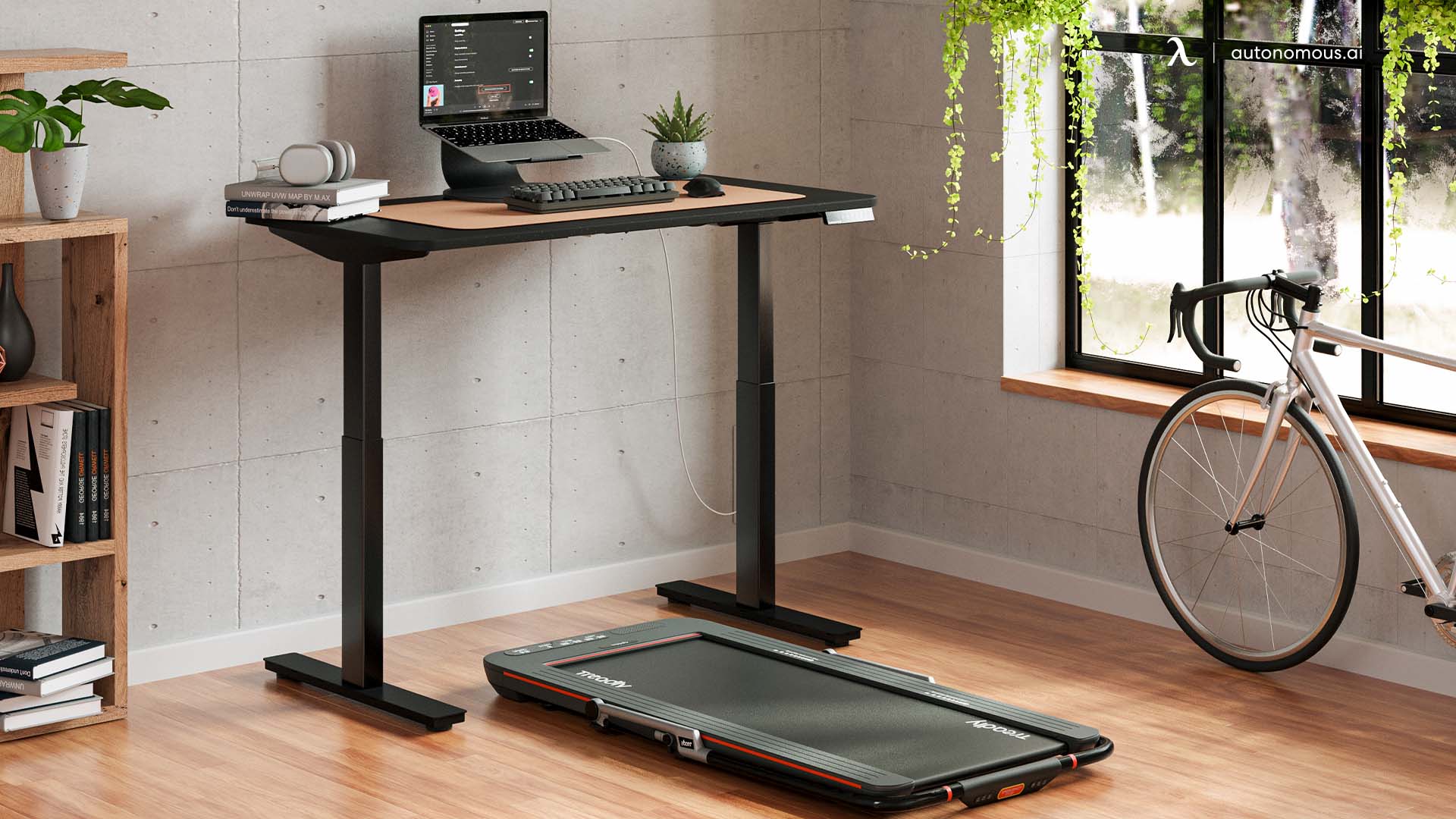
Table of Contents
Run coaching apps have exploded because they promise something runners actually want: a plan that tells you what to do today, not just a dashboard of stats. The gap is real - generic PDFs don’t adapt, and a real coach can be expensive or hard to access. Runna sits in the middle: a structured training plan that adjusts based on your inputs, delivers workouts to your watch, and layers in strength and mobility so “getting faster” doesn’t come at the cost of getting hurt. Strava announced an agreement to acquire Runna in 2025, which signals how mainstream training-plan apps have become - and why many runners are now comparing Runna to the big-name platforms they already use.
As someone who works at the intersection of public health and psychology, I evaluate apps like Runna less by hype and more by adherence: does it reduce friction, keep people consistent, and help them train safely over time? Below is what Runna does well, where it can miss, and who it’s most likely to help.
What Is the Runna App?
Runna is a running coaching app that builds personalized training plans for goals such as improving a 5K, training for a 10K, half marathon, or marathon. Plans vary by version and region, and many include optional strength and mobility sessions. The app is designed to work with popular wearables, allowing runners to follow structured workouts without relying on their phone mid-run.
Runna functions as a training system rather than a simple GPS tracker. You’re paying for plan logic, pacing targets, and progression - similar to following a structured personal health and wellness plan instead of logging activity alone.
For runners motivated by structure and consistency, the plan-based approach can feel more engaging than casual tracking or short-term wellness challenges, especially when training toward a specific event.
How Runna Works
1. Onboarding and plan setup
Runna typically asks for inputs such as:
- your recent running background (beginner to advanced)
- goal distance and/or goal event date
- target time or general performance goal (varies by setup)
- weekly availability (how many run days you can commit to)
- optional strength training frequency
- preferred unit system (miles/km)
These inputs shape a plan focused on consistency and gradual progression. The ability to choose training days makes the schedule easier to sustain, especially for runners transitioning from simpler routines such as a basic walking plan to lose weight, where flexibility often determines long-term adherence.
2. What a week looks like
Most structured plans tend to include a mix of:
- easy/recovery runs
- long runs
- tempo sessions
- intervals/speed work
- optional strength/mobility
That variety matters. It’s not just about running more - it’s about training the right systems while protecting recovery.
Training Quality and Workout Design
1. What Runna does well
Clear pacing guidance.
Runna assigns specific pace targets or ranges for most workouts, with effort-based options when needed. This removes guesswork and helps runners avoid pushing too hard on days meant for recovery.
Real structure, not random workouts.
The app follows a proven training rhythm. Intensity alternates with easier sessions, recovery is built in, and mileage progresses toward a clear goal instead of stacking hard efforts back to back.
Works well with treadmill-based training.
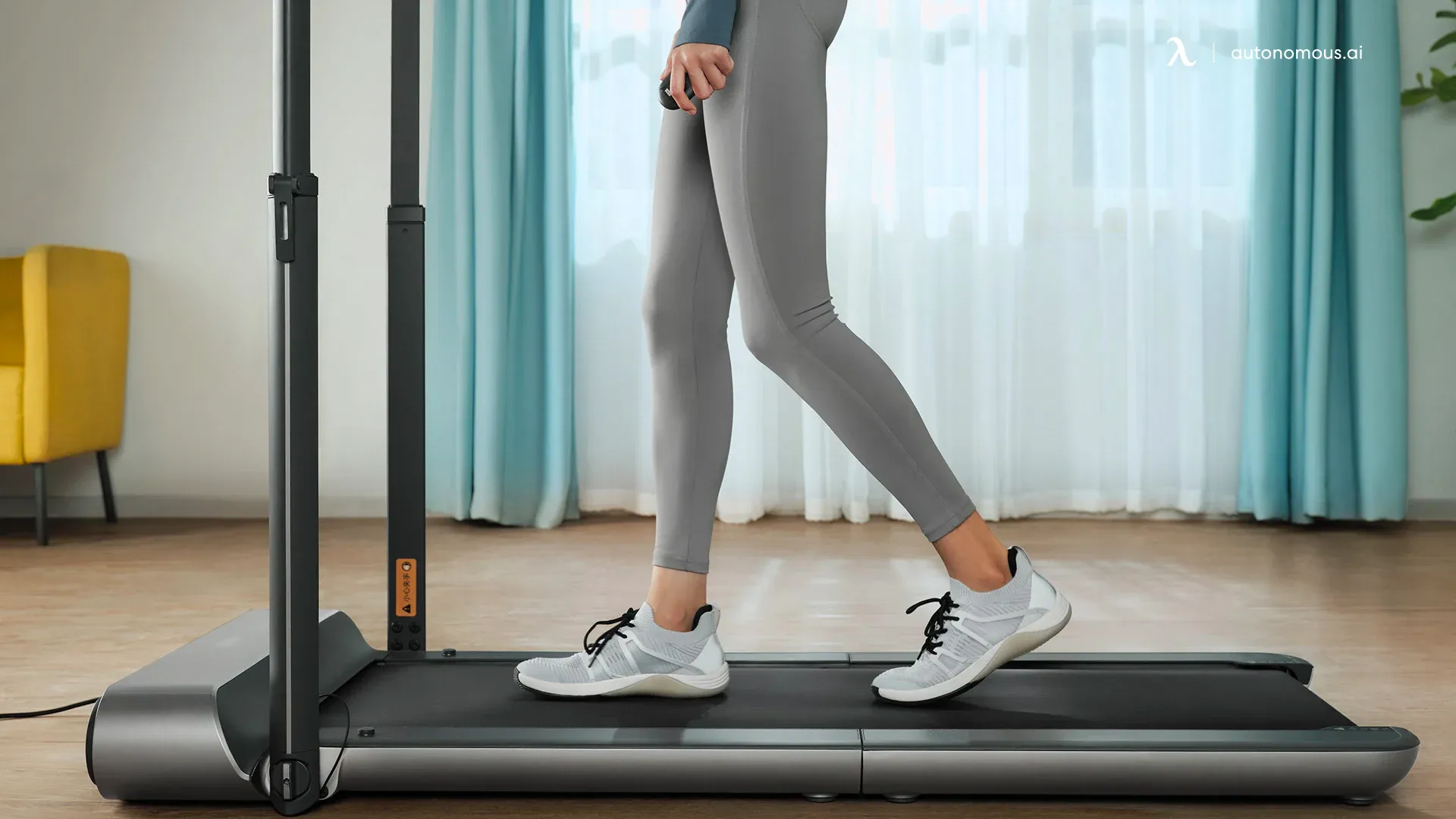
For runners training indoors or managing weather, fatigue, or schedule constraints, Runna pairs naturally with treadmill sessions. Many users rotate in incline walking or controlled cardio sessions such as:
These options allow runners to maintain aerobic conditioning or intensity without disrupting their core run plan.
Supports low-impact cross-training and strength.
Outside of treadmill work, runners often add low-impact or strength-focused sessions to manage load:
- Stationary bike workout plans for aerobic volume without impact
- StairMaster workouts for fat loss for leg strength and conditioning
- Chair workouts for men on recovery or reduced-load days
Strength and mobility aren’t an afterthought.
Runna highlights integration with strength and mobility programming as part of the ecosystem, and its support materials emphasize pairing run training with those sessions.
2. Where it can feel too aggressive
The most common legitimate critique I see across runner discussions is intensity - especially:
- speed sessions that feel “too spicy” early on
- pacing targets that don’t reflect daily fatigue
- long-run pace expectations that feel too close to “work” instead of “easy”
This isn’t unique to Runna; it’s a predictable risk in app-based programming. A plan can be well-designed on paper and still miss the lived reality of sleep debt, work stress, travel, or a runner’s injury history.
Practical take: if you consistently can’t hit the paces, treat that as feedback. Either adjust pacing settings (if available), switch to effort-based execution when needed, or scale the intensity. A plan only works if it’s survivable.
Device Integration and Usability
For many runners, this is the deciding factor: Will the workout actually show up on my watch and guide me through intervals? Runna lists compatibility with Apple Watch, Garmin, COROS, Suunto, and Fitbit.
That matters because structured sessions are hard to execute if you’re manually checking a phone every 30 seconds. When the watch cues you, adherence goes up - and mental load goes down.
What Runna Gets Right for Motivation
A plan doesn’t work if the user doesn’t do it. Runna’s strongest behavioral advantages are:
- Reduced decision fatigue: You open the app and it tells you exactly what today is.
- Visible progress: Weekly completion creates momentum.
- Accountability without shame: A good coaching app nudges you forward without turning missed sessions into failure.
That said, app accountability has a ceiling. If you need a human to keep you honest, Runna may feel too easy to ignore (push notifications aren’t a coach).
.webp)
The AI Controversy and What Runna Says
Some discussion online questions whether Runna relies on AI to generate training plans. Runna has stated in media coverage that its plans are built by human coaches, with AI used mainly to monitor progress and surface insights rather than write workouts.
For runners, the distinction matters less than outcomes. The real issue is whether a plan adapts appropriately to fatigue, recovery, and injury risk. A human-designed plan can still feel too aggressive if it doesn’t adjust to the individual using it.
This limitation isn’t unique to Runna. Other fitness apps - such as those reviewed in the BetterMe plan, Fitbod app review, or habit-focused Fabulous daily routine planner - face similar tradeoffs between automation and personalization.
LazyFit and FitCoach apps highlight the same reality: software can guide structure, but runners still need to listen to their bodies and adjust when something feels off.
Pricing and Free Trial
Runna’s website lists:
- $19.99/month
- $119.99/year (shown as ~$9.99/month equivalent)
- Free 7-day trial for new users (trial length can vary with referral/partner promotions).
Value-wise, this is “premium app pricing.” Whether it’s worth it depends on how much you value:
- a plan you don’t have to design
- structured speed workouts
- wearable-guided sessions
- bundled strength/mobility
Pros and Cons
Pros | Cons |
Strong structure for goal-based training, especially race preparation | Intensity can feel high for some users, particularly early speed workouts |
Compatible with major wearables (Garmin, Apple Watch, COROS, Suunto, Fitbit) | No true 1:1 human coaching by default, making it easier to ignore when motivation drops |
Clear pace guidance removes guesswork during workouts | Subscription cost is high compared with free training plans |
Strength and mobility support promotes injury-resistant training | App-based plans can’t fully account for fatigue or injury history |
Flexible scheduling allows sessions to be moved without breaking the plan |
Who Runna Is Best For
Runna tends to be a strong fit for:
- Beginner-to-intermediate runners who want structure without designing their own training plans.
- Runners training for a specific event date, from a first 5K to a half or full marathon, with a clear progression toward race day.
- People who prefer clear instructions and pacing targets, rather than vague guidance that requires constant self-adjustment.
- Runners who benefit from watch-guided workouts, with sessions delivered directly to Garmin or Apple Watch to reduce friction during intervals and long runs.
- Those who want strength training built into their routine, making it harder to skip compared with self-directed programs.
- Busy runners fitting training around work or home life, especially those figuring out how to work out after work or combining runs with simple home workout routines.
Who May Want a Different App
Runna may not be the best match for:
- Runners who prefer very high mileage, mostly easy running marathon styles
- People returning from injury who need clinical oversight or customized rehab
- Runners who require hands-on accountability from a live coach
- Anyone who tends to follow plans too rigidly (and won’t downshift when tired)
If a plan starts to feel like it’s “running you,” not guiding you, that’s a sign to add flexibility - regardless of the app.
Verdict
Runna works best for runners who want clear structure, pacing guidance, and watch-based workouts that support consistency. The main limitation is intensity, which some runners may need to adjust to keep training sustainable.
Understanding how many calories you burn when running helps put training load into perspective, especially during higher-volume phases. For recovery-focused days, comparing walking vs running for health goals can guide smarter substitutions.
Concerns about joint impact often surface with structured plans. Reviewing evidence on running and knee health can help runners train with more confidence.
Used as guidance rather than a rigid rulebook, Runna can be a strong option. Runners with injuries or medical needs should seek individualized support.